 GST & indirect tax
What Is GST? India's Goods and Services Tax Explained for 2026
What is GST in 2026? A plain-English guide to India's Goods and Services Tax: CGST, SGST, IGST, the GST 2.0 slabs, who must register, returns and how ITC works.
 Edited by Sumeet YadavFounder & editor, MSMETOOLS · fact-checked against official sources
Contents (8)
- 1. What is GST, in plain words?
- 2. CGST, SGST, UTGST and IGST: the four parts of GST
- 3. GST rates in 2026: the GST 2.0 slab structure
- 4. Who must register for GST?
- 5. How input tax credit works: GST only on value added
- 6. GST returns: what a registered business files
- 7. Key GST milestones up to 2026
- 8. What to do next
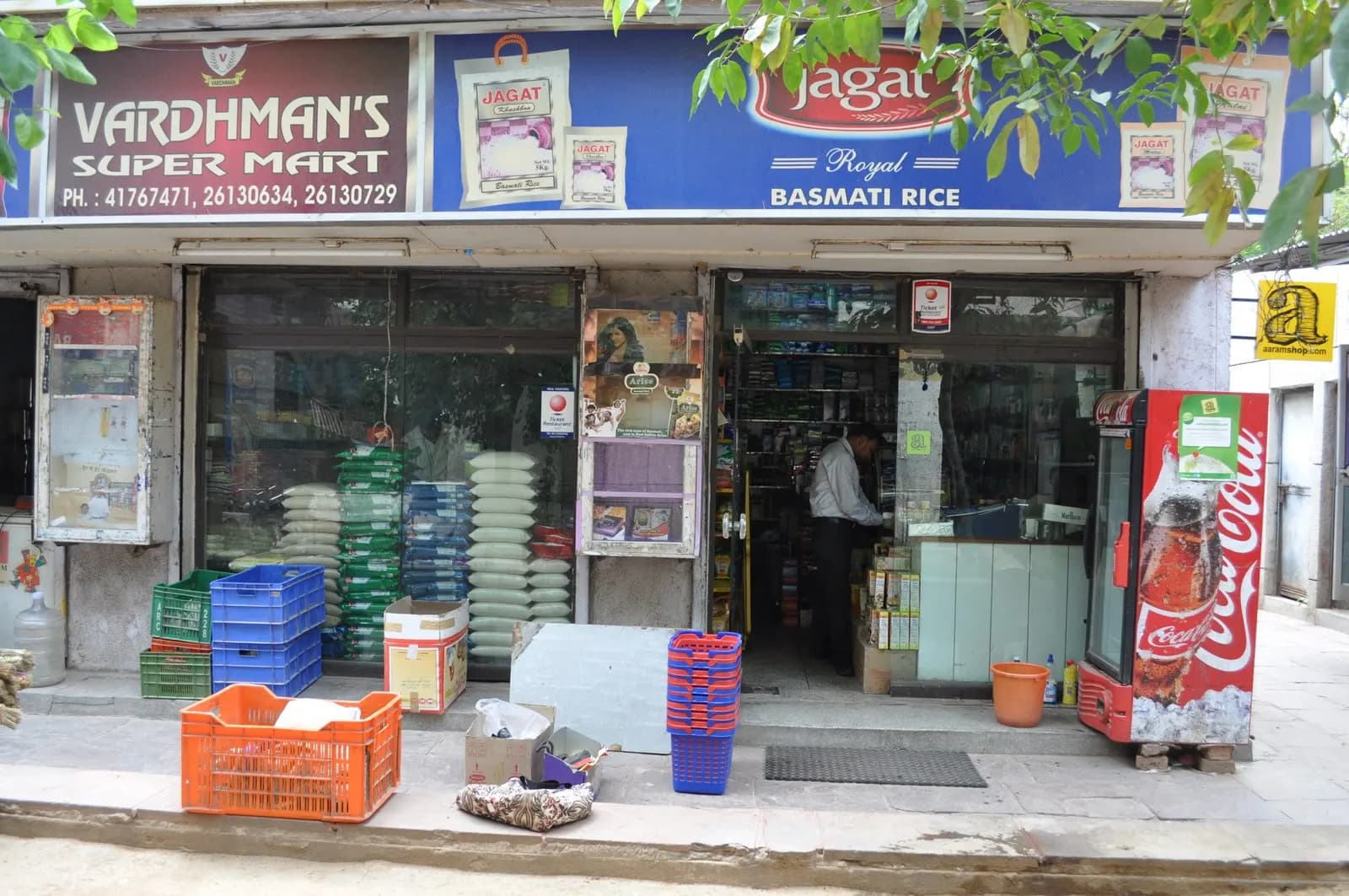
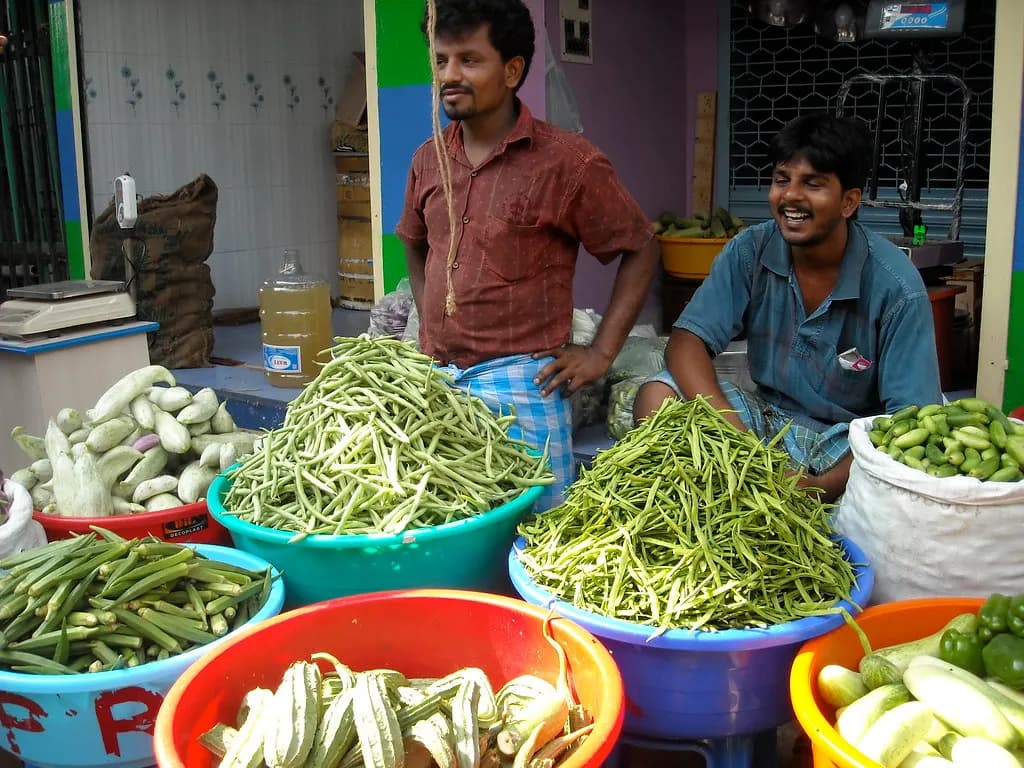
GST is the tax you see on almost every bill in India — at a kirana store, on your phone recharge, in a restaurant and on a builder's invoice. This guide explains it from scratch for first-time business owners, students and anyone who wants to understand what they pay. You'll learn what GST is, how CGST, SGST and IGST split, the GST 2.0 rate slabs in force in 2026, who must register, which returns businesses file, and how input tax credit stops tax being charged on tax. Every figure was checked against the GST portal, CBIC and GST Council sources in October 2026.
Quick answer
GST (Goods and Services Tax) is a single, destination-based indirect tax on the supply of goods and services in India, in force since 1 July 2017. It is collected at each stage of the supply chain, but each business deducts the GST it already paid on its purchases, so the tax effectively falls only on the value added — and the final consumer bears it.
Three parts: CGST + SGST (or UTGST) within a state, IGST between states and on imports
Slabs since 22 September 2025 (GST 2.0): 0%, 5%, 18% and 40%, plus special rates for gold and diamonds
Register once turnover crosses ₹40 lakh (goods) or ₹20 lakh (services) in most states; registration is free
Compensation cess ended on all goods and services from 1 February 2026
What is GST, in plain words?
Before 2017, a product could be taxed many times over: central excise at the factory, central sales tax when it crossed a state border, VAT at each sale inside a state, entry tax or octroi at city limits, and service tax on the services used along the way. Taxes were charged on top of other taxes, and credits rarely flowed across the central–state divide.
The Constitution (101st Amendment) Act, 2016 allowed the Centre and the states to tax the same transaction together, and GST replaced most of those levies on 1 July 2017. The main ones it subsumed:
- Central: central excise duty, service tax, additional customs duties (CVD and SAD), central surcharges and cesses on goods and services.
- State: VAT, central sales tax, entry tax, octroi, luxury tax, purchase tax and taxes on lotteries, betting and gambling.
What GST doesn't cover: alcohol for human consumption stays with the states. Petrol, diesel, aviation fuel, natural gas and crude oil are legally within GST, but the GST Council hasn't switched GST on for them, so they still carry excise and VAT. Customs duty on imports also continues alongside IGST.
Who runs it: the GST Council, chaired by the Union Finance Minister with the finance ministers of every state, recommends rates and rules; the Centre and states then notify them. The IT backbone — the GST portal, returns and e-invoicing — is run by GSTN.
CGST, SGST, UTGST and IGST: the four parts of GST
Which components appear on a bill depends on where the seller is and where the supply ends up (the "place of supply").
Which GST applies?
Step 1
Seller and buyer in the same state?
check place of supply
Step 2
Yes → CGST + SGST
split 50:50
Step 3
Union territory without legislature → CGST + UTGST
e.g. Chandigarh, Ladakh
Step 4
No (another state, or import) → IGST
one tax, shared later
| Type | Full form | Who collects it | When it applies | Example at 18% on ₹10,000 |
|---|---|---|---|---|
| CGST | Central GST | Centre | Sale within a state or UT | ₹900 |
| SGST | State GST | State | Sale within a state (and Delhi, Puducherry, J&K) | ₹900 |
| UTGST | Union Territory GST | UT | Sale within a UT without a legislature | ₹900 (instead of SGST) |
| IGST | Integrated GST | Centre, then shared with the destination state | Inter-state sales and imports | ₹1,800 |
The total is the same — a Pune shop selling a ₹10,000 laptop bag to a Pune customer charges ₹900 CGST + ₹900 SGST; selling it to a customer in Bengaluru, it charges ₹1,800 IGST. GST is destination-based: the tax revenue ends up with the state where the goods or services are consumed.
Compensation cess was a temporary extra levy on luxury and sin goods (cars, aerated drinks, tobacco, coal) to compensate states for revenue loss. It was removed from most goods on 22 September 2025 and abolished entirely from 1 February 2026; tobacco now carries additional central excise duty, and pan masala a new Health Security se National Security cess, on top of 40% GST.
GST rates in 2026: the GST 2.0 slab structure
The 56th GST Council meeting (3 September 2025) collapsed the old four-slab system (5%, 12%, 18%, 28%) into two main rates plus a demerit rate, effective 22 September 2025 — widely called GST 2.0.
GST slabs before and after 22 September 2025
| Rate | What it covers (examples) | What changed |
|---|---|---|
Nil | Fresh fruit and vegetables, loose cereals, fresh milk, roti and paratha, UHT milk, packaged paneer, 33 life-saving medicines, education, healthcare | More items moved to nil |
5% (merit) | Packaged food, butter, ghee, namkeen, soaps, toothpaste, bicycles, tractors, hotel rooms up to ₹7,500 a night, restaurants, salons | Most former 12% items moved here |
18% (standard) | Most goods and services: electronics, cement, small cars, ACs and TVs, telecom, banking, professional services | Many former 28% items moved here |
40% (demerit) | Pan masala, tobacco, aerated sugary drinks, large cars, yachts, private aircraft | Replaced 28% + cess for these goods |
Special | Gold, silver and jewellery 3%; cut diamonds 1.5%; rough diamonds 0.25% | Unchanged |
Nil
- What it covers (examples)
Fresh fruit and vegetables, loose cereals, fresh milk, roti and paratha, UHT milk, packaged paneer, 33 life-saving medicines, education, healthcare
- What changed
More items moved to nil
5% (merit)
- What it covers (examples)
Packaged food, butter, ghee, namkeen, soaps, toothpaste, bicycles, tractors, hotel rooms up to ₹7,500 a night, restaurants, salons
- What changed
Most former 12% items moved here
18% (standard)
- What it covers (examples)
Most goods and services: electronics, cement, small cars, ACs and TVs, telecom, banking, professional services
- What changed
Many former 28% items moved here
40% (demerit)
- What it covers (examples)
Pan masala, tobacco, aerated sugary drinks, large cars, yachts, private aircraft
- What changed
Replaced 28% + cess for these goods
Special
- What it covers (examples)
Gold, silver and jewellery 3%; cut diamonds 1.5%; rough diamonds 0.25%
- What changed
Unchanged
Rates are fixed by HSN code (goods) or SAC code (services), so look up your exact product in the HSN code finder. For rate deep-dives see GST on food, GST on cement, GST on gold, GST on cars and GST on mobile phones.
Who must register for GST?
Registration is PAN-based, done online at gst.gov.in, and costs Nil.
By turnover (section 22). You must register when your aggregate turnover in a financial year crosses:
- ₹40 lakh if you supply only goods — in states that adopted the higher limit (others use ₹20 lakh);
- ₹20 lakh if you supply services (or goods and services);
- ₹10 lakh for services in certain special-category states.
Regardless of turnover (section 24). Inter-state suppliers of goods, casual taxable persons, persons liable under reverse charge, non-resident taxable persons, e-commerce operators, most sellers on e-commerce platforms, input service distributors and agents must register even with tiny turnover. (Inter-state suppliers of services below the threshold are exempt.)
Composition scheme. Small businesses with turnover up to ₹1.5 crore (₹50 lakh for service providers) can opt to pay a flat 1% (traders and manufacturers), 5% (restaurants) or 6% (services) of turnover, file fewer returns and keep simpler records — but they can't charge GST to customers or claim input tax credit.
Faster registration. Since 1 November 2025, low-risk applicants and small suppliers whose output tax liability is up to ₹2.5 lakh a month can get registration within 3 working days. Our step-by-step GST registration guide covers documents and the online form.
How input tax credit works: GST only on value added
Input tax credit (ITC) is the mechanism that makes GST a tax on consumption rather than a tax on every transaction. Each registered business subtracts the GST it paid on purchases from the GST it charged on sales, and pays only the difference.
Follow a ₹1,000 shirt fabric through the chain at 18%:
| Stage | Sale price (before GST) | GST charged | ITC claimed | GST paid in cash |
|---|---|---|---|---|
| Mill sells fabric to tailor-manufacturer | ₹1,000 | ₹180 | ₹0 | ₹180 |
| Manufacturer sells shirts to wholesaler | ₹1,200 | ₹216 | ₹180 | ₹36 |
| Wholesaler sells to retailer | ₹1,500 | ₹270 | ₹216 | ₹54 |
| Total to government | ₹270 |
The government collects ₹270 — exactly 18% of the final ₹1,500 value — and the consumer pays ₹1,770. Without ITC, the tax would have been ₹180 + ₹216 + ₹270 = ₹666.
Conditions (section 16). You can claim ITC only if you hold a valid tax invoice, the supplier has reported the invoice so it appears in your GSTR-2B, you've received the goods or services, the supplier has paid the tax, and you file your return. Some purchases are blocked — for example food and beverages for staff, personal-use cars and building your own premises. Our input tax credit guide covers the rules, and how to calculate GST shows the arithmetic for inclusive and exclusive prices.
Reverse charge (RCM). Normally the seller collects and pays GST. For some supplies — legal services from an advocate, goods transport by a GTA, purchases of specified goods from unregistered persons — the buyer pays it instead and then claims it back as ITC.
GST returns: what a registered business files
A regular taxpayer's GST life runs on a monthly (or quarterly) rhythm:
A regular taxpayer's GST calendar
Every sale
Issue a GST invoice with HSN; e-invoice if turnover exceeds ₹5 crore; e-way bill for goods consignments above ₹50,000
11th of the next month
GSTR-1 — details of sales (quarterly by the 13th under QRMP)
14th of the next month
GSTR-2B ready — your eligible ITC, after acting on the Invoice Management System
20th of the next month
GSTR-3B — summary return and tax payment (22nd/24th quarterly under QRMP)
31 December after the year
GSTR-9 annual return (and 9C reconciliation for larger taxpayers)
- GSTR-1 is the invoice-level statement of sales; it feeds your buyers' ITC.
- GSTR-3B is where you actually pay — its sales figures are now locked to GSTR-1.
- QRMP: businesses with turnover up to ₹5 crore can file quarterly and pay monthly.
- Composition dealers pay quarterly through CMP-08 and file one annual return, GSTR-4.
Late filing costs a fee per day plus 18% a year interest on tax paid late, and returns can't be filed at all once they're 3 years past the due date.
Key GST milestones up to 2026
- 1 July 2017 — GST launched; four main slabs (5, 12, 18, 28%) plus cess.
- 1 October 2020 — e-invoicing begins for large businesses; the limit has since fallen to ₹5 crore.
- 1 January 2021 — QRMP scheme introduced for small taxpayers.
- 22 September 2025 — GST 2.0: slabs cut to 0%, 5%, 18% and 40%; cess removed from most goods.
- 1 November 2025 — simplified, quicker registration for low-risk and small applicants.
- 1 February 2026 — compensation cess abolished on all goods and services.
- 8 October 2026 — the 57th GST Council meeting is scheduled, with an agenda focused on process reforms such as easier registration, faster refunds and simpler ITC rules. No decisions had been notified as of October 2026; check the official links below afterwards.
What to do next
If you're starting a business, check whether you cross the threshold or fall into compulsory registration, then follow our GST registration guide. Already registered? Work out tax on any price with the GST calculator and raise compliant bills with the free invoice generator.
This is general information, not legal or tax advice — confirm on the official source or with a professional.
Frequently asked questions
GST stands for Goods and Services Tax. It is a single, destination-based tax on the supply of goods and services in India, in force since 1 July 2017. It replaced central excise, service tax, VAT and several other central and state taxes, and is collected at every stage of the supply chain with credit for tax already paid.
Since GST 2.0 took effect on 22 September 2025, the main rates are 0%, 5%, 18% and 40%. Most everyday goods and many services are at 5%, the standard rate is 18%, and 40% applies to a short list of demerit goods. Special rates continue for gold and jewellery (3%) and diamonds.
You must register if your aggregate turnover crosses ₹40 lakh for goods (in states that adopted it) or ₹20 lakh for services, with lower limits in some special-category states. Some businesses must register regardless of turnover — for example inter-state suppliers of goods, e-commerce sellers, casual taxable persons and anyone liable under reverse charge. Registration is free.
On a sale within one state, the tax is split equally into CGST (to the Centre) and SGST or UTGST (to the state). On a sale from one state to another, or on imports, one tax — IGST — is charged and later shared between the Centre and the consuming state. The total rate is the same either way.
ITC, or input tax credit, is the GST you paid on business purchases that you can subtract from the GST you collect on sales. Only the difference is paid in cash. You can claim it only if you hold a valid tax invoice, the supplier has reported it so it shows in your GSTR-2B, you have received the goods or services, and the supplier has paid the tax.
No. Alcohol for human consumption is outside GST under the Constitution and is taxed by states. Petrol, diesel, aviation turbine fuel, natural gas and crude oil are within GST law, but GST on them has not been switched on by the GST Council, so they still carry central excise and state VAT.
Sources & verification
Figures on this page were checked against the sources below when it was last reviewed on 7 October 2026. Each rate and limit is stored once with its own official source and review date, and official update channels are monitored daily so changes are picked up. How we verify
- 1.GST – History and introduction — GSTN (GST portal) · accessed 7 October 2026
- 2.Recommendations of the 56th GST Council meeting — GST Council / PIB · accessed 7 October 2026
- 3.Section 22 – CGST Act, 2017 (persons liable for registration) — CBIC · accessed 7 October 2026
- 4.Section 9 – CGST Act, 2017 (levy and collection) — CBIC · accessed 7 October 2026
- 5.Section 16 – CGST Act, 2017 (eligibility and conditions for input tax credit) — CBIC · accessed 7 October 2026
- 6.New taxation regime for tobacco and pan masala w.e.f. 1 February 2026 — TaxTMI · accessed 7 October 2026
- 7.GST Council meeting rescheduled to October 8: what's on the agenda — Business Today · accessed 7 October 2026
- 8.Rules for GST registration in 3 working days from 1 November 2025 notified — TaxGuru · accessed 7 October 2026
MSMETOOLS is an independent platform and is not affiliated with any government agency, ministry or department.
Tools for this
GST Calculator (India)
Calculate GST for your sales and purchases with current rates.
HSN Code Finder (India)
Find the correct HSN/SAC code for your product.
Invoice Generator
Create professional invoices with tax, logo and custom details.
Related guides
 GST Registration 2026: Documents, Limits & Online ProcessRead guide
 How to Calculate GST in 2026: Formulas, Slabs & ExamplesRead guide
 E-Invoice under GST 2026: Limit, IRN, Portals & StepsRead guide
 GST Set Off Rules 2026: ITC Order with Worked ExamplesRead guide
Official links open the government site in a new tab.