 GST & indirect tax
GST Set Off Rules in 2026: Order of Using IGST, CGST and SGST Credit, With Worked Examples
GST set off rules for 2026: the IGST-first order under sections 49, 49A and Rule 88A, CGST–SGST bans, Rule 86B's 1% cash rule and worked ₹ set-off tables.
 Edited by Sumeet YadavFounder & editor, MSMETOOLS · fact-checked against official sources
Contents (10)
- 1. What set-off means under GST
- 2. The legal basis: sections 49, 49A, 49B and Rule 88A
- 3. The order of set-off, step by step
- 4. Worked set-off examples in ₹
- 5. What input tax credit can't pay
- 6. Rule 86B: the 1% cash rule for larger businesses
- 7. Blocked credit, ledger mismatches and other limits
- 8. How to set off liability in GSTR-3B
- 9. Common mistakes and how to avoid them
- 10. What to do next
Every month a GST-registered business has tax to pay under three heads — IGST, CGST and SGST — and input tax credit sitting under the same three heads. "Set-off" is how the credit is applied against the tax, and the law fixes the order: which credit goes first, which head it may pay, and which combinations are banned. Get the order right and you pay the least cash the law allows; get it wrong and you either pay cash you didn't need to, or leave credit stranded in the wrong head. This guide is for owners, accountants and anyone filing GSTR-3B: the rules in sections 49, 49A and 49B and Rule 88A, what credit can't pay, Rule 86B's 1% cash rule, and worked ₹ set-off tables. Every rule was checked against the CGST Act and Rules on the CBIC site in October 2026.
Quick answer
Use IGST credit first — against IGST, then against CGST and SGST in any order and proportion. Only when IGST credit is fully used up can you use CGST credit (CGST, then IGST) and SGST credit (SGST, then IGST). CGST credit never pays SGST, and SGST credit never pays CGST.
Legal basis: sections 49(5), 49A and 49B of the CGST Act and Rule 88A of the CGST Rules
Credit pays only output tax — interest, late fee, penalty and reverse-charge tax need cash
Rule 86B: if taxable supply exceeds ₹50 lakh a month, at least 1% of output tax must be paid in cash unless an exception applies
How you split surplus IGST credit between CGST and SGST can change the cash you pay — see Example 2
What set-off means under GST
GST doesn't net your sales tax against your purchase tax in one pot. The portal keeps three electronic records for every GSTIN, and set-off is the act of debiting one to clear another.
The electronic liability register (Form GST PMT-01) records what you owe: tax from your returns, interest, late fee, and any demand raised by an officer. The electronic credit ledger (PMT-02) holds the input tax credit you self-assess in GSTR-3B, kept separately for IGST, CGST, SGST or UTGST, and cess. The electronic cash ledger (PMT-05) holds money you deposit through a PMT-06 challan, split by head and by minor head — tax, interest, penalty, fee and others.
When you file GSTR-3B, the liability for each head has to be cleared. Section 49(4) lets the credit ledger pay output tax under the CGST Act or the IGST Act, and section 49(3) lets the cash ledger pay anything — tax, interest, penalty, fee. Whatever liability isn't covered by credit has to be paid in cash. The aim of planning your set-off is simple: use every rupee of credit the law lets you use before reaching for cash.
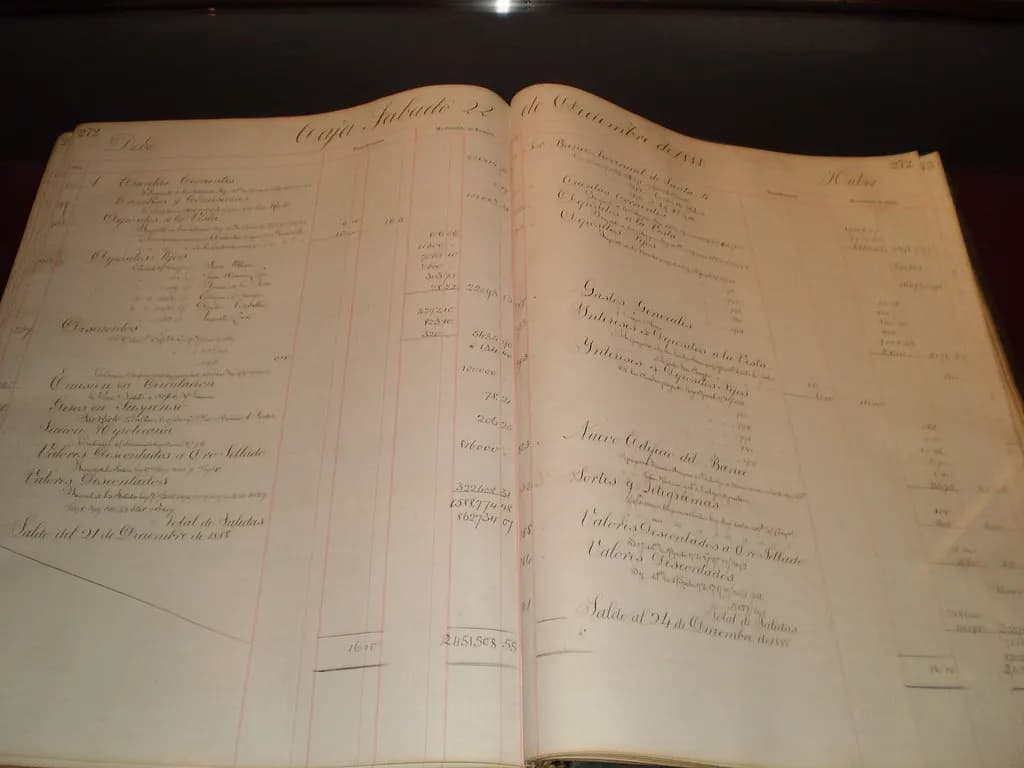
The reason for all the rules is that GST is collected by two governments. CGST belongs to the Centre and SGST to the state where the supply is consumed; IGST on inter-state supplies is collected by the Centre and later apportioned. If a Maharashtra trader could pay SGST with CGST credit, Maharashtra would lose revenue that the Centre had collected. The set-off order exists to keep the money with the right government while still letting you avoid a cash outflow wherever the credit chain allows it.
The legal basis: sections 49, 49A, 49B and Rule 88A
Three layers of law decide the order, and they were rewritten in 2019, which is why older articles on the subject are often wrong.
Section 49(5) sets the basic pattern for each type of credit. IGST credit pays IGST first and the balance may pay CGST and SGST. CGST credit pays CGST first and the balance may pay IGST. SGST (or UTGST) credit pays SGST first and the balance may pay IGST — but, under a proviso added from 1 February 2019, SGST credit can pay IGST only where the CGST credit balance isn't available for it. Clauses (e) and (f) contain the two absolute bans: central tax credit can't pay State or UT tax, and State or UT tax credit can't pay central tax.
Section 49A, also in force from 1 February 2019, overrides section 49: CGST, SGST or UTGST credit can be used for any payment only after the IGST credit has been fully utilised. You can't keep IGST credit in reserve.
Section 49B lets the government prescribe the order and manner of using credit, as long as it respects the two bans. Using that power, Rule 88A was inserted by Notification 16/2019-Central Tax of 29 March 2019. It relaxed the original section 49(5)(a) sequence — which forced IGST credit to pay CGST before SGST — so that the IGST balance can now pay CGST and SGST in any order. CBIC's Circular 98/17/2019-GST of 23 April 2019 confirmed that the split can be in any order and in any proportion, and set out the sequence as a numbered grid.
Which credit can pay which tax (Rule 88A read with sections 49 and 49A)
| Credit on account of | Pays IGST liability | Pays CGST liability | Pays SGST / UTGST liability |
|---|---|---|---|
IGST | 1st — must be used first | 2nd — any order, any proportion with SGST | 2nd — any order, any proportion with CGST |
CGST (only after IGST credit is exhausted) | Yes — after CGST liability | Yes — first | Not permitted |
SGST / UTGST (only after IGST credit is exhausted) | Yes — after SGST liability, and only if CGST credit isn't available | Not permitted | Yes — first |
Cash ledger (PMT-05) | Yes | Yes | Yes — and the only way to pay interest, fee, penalty, reverse charge |
IGST
- Pays IGST liability
1st — must be used first
- Pays CGST liability
2nd — any order, any proportion with SGST
- Pays SGST / UTGST liability
2nd — any order, any proportion with CGST
CGST (only after IGST credit is exhausted)
- Pays IGST liability
Yes — after CGST liability
- Pays CGST liability
Yes — first
- Pays SGST / UTGST liability
Not permitted
SGST / UTGST (only after IGST credit is exhausted)
- Pays IGST liability
Yes — after SGST liability, and only if CGST credit isn't available
- Pays CGST liability
Not permitted
- Pays SGST / UTGST liability
Yes — first
Cash ledger (PMT-05)
- Pays IGST liability
Yes
- Pays CGST liability
Yes
- Pays SGST / UTGST liability
Yes — and the only way to pay interest, fee, penalty, reverse charge
In short, the 2019 changes made IGST credit "first in, first used", gave you freedom over where the surplus IGST goes, and kept the wall between CGST and SGST intact.
The order of set-off, step by step
Follow this sequence each month before you file GSTR-3B. The portal's Table 6.1 runs the same logic and suggests figures, but you can change the split of IGST credit between CGST and SGST, and it's worth checking whether the suggested split is the one that leaves you paying the least cash.
Setting off liability in the right order
- 1
Use IGST credit against IGST liability
Apply IGST credit to the IGST you owe on inter-state sales, imports of services and similar supplies until either the liability or the credit runs out.
- 2
Spread the remaining IGST credit over CGST and SGST
Any IGST credit left must be used now. Split it between CGST and SGST liability in whatever proportion leaves the least cash to pay (see Example 2).
Tip: Aim the IGST surplus at the head where your own credit is weakest.
- 3
Use CGST credit against CGST, then IGST
Once IGST credit is nil, apply CGST credit to the CGST liability. Any surplus can pay outstanding IGST — never SGST.
- 4
Use SGST credit against SGST, then IGST
Apply SGST credit to SGST liability. Surplus SGST credit can pay IGST only for the part CGST credit couldn't cover.
- 5
Pay the rest in cash
Whatever remains — plus interest, late fee and any reverse-charge tax — comes from the cash ledger. Create a PMT-06 challan before you file if the balance isn't enough.
UTGST works exactly like SGST for businesses registered in a Union territory without a legislature, such as Chandigarh, Ladakh, Dadra and Nagar Haveli and Daman and Diu, Lakshadweep or the Andaman and Nicobar Islands. Delhi, Puducherry and Jammu and Kashmir have their own GST Acts, so businesses there pay SGST.
Worked set-off examples in ₹
The four examples below use round figures so the order is easy to follow. Liabilities are for one month's GSTR-3B; credits are the balances in the credit ledger after that month's ITC is added.
Example 1 — a Pune distributor with mixed sales. Liability: IGST ₹1,00,000, CGST ₹60,000, SGST ₹60,000. Credit available: IGST ₹1,30,000, CGST ₹40,000, SGST ₹25,000.
IGST credit clears the IGST liability of ₹1,00,000, leaving ₹30,000. That surplus must be used now. Put ₹20,000 against CGST and ₹10,000 against SGST. CGST liability falls to ₹40,000, which the CGST credit of ₹40,000 clears exactly. SGST liability falls to ₹50,000; SGST credit of ₹25,000 covers half, and the remaining ₹25,000 is paid in cash. All credit has been used, so no split of the IGST surplus could do better here.
| Step | IGST liability | CGST liability | SGST liability | Credit used |
|---|---|---|---|---|
| Start | ₹1,00,000 | ₹60,000 | ₹60,000 | — |
| IGST credit → IGST | 0 | ₹60,000 | ₹60,000 | IGST ₹1,00,000 |
| IGST balance → CGST / SGST | 0 | ₹40,000 | ₹50,000 | IGST ₹20,000 + ₹10,000 |
| CGST credit → CGST | 0 | 0 | ₹50,000 | CGST ₹40,000 |
| SGST credit → SGST | 0 | 0 | ₹25,000 | SGST ₹25,000 |
| Cash payable | — | — | ₹25,000 | Credit left: nil |
Example 2 — when the split decides the cash bill. A Coimbatore job worker sells only within Tamil Nadu, so its liability is CGST ₹50,000 and SGST ₹50,000, with no IGST. But it bought machinery parts from Gujarat, so its credit is IGST ₹40,000, CGST ₹45,000 and SGST ₹10,000. The whole ₹40,000 of IGST credit must be used first.
If the IGST credit is split evenly — ₹20,000 each — CGST liability drops to ₹30,000, CGST credit pays it and ₹15,000 of CGST credit is left over (it can't pay SGST). SGST liability drops to ₹30,000, SGST credit covers ₹10,000, and ₹20,000 goes in cash.
If instead ₹5,000 of IGST credit goes to CGST and ₹35,000 to SGST, CGST liability drops to ₹45,000, which the CGST credit clears exactly. SGST liability drops to ₹15,000; SGST credit pays ₹10,000 and only ₹5,000 goes in cash.
Example 2 — same credit, different split
₹20,000
Cash with an even 50:50 IGST split
₹15,000 CGST credit stranded
₹5,000
Cash with a 5,000 : 35,000 split
All CGST credit used
₹15,000
Cash saved this month
Rule 88A allows any proportion
The leftover CGST credit in the first version isn't lost — it carries forward — but it can only ever pay CGST or IGST, so a business that rarely makes inter-state sales may carry it for months while paying SGST in cash. That's the most common reason a credit ledger shows a large balance under one head while the business keeps paying cash under another.
Example 3 — paying IGST with CGST and SGST credit. A Ludhiana exporter of goods to other states owes IGST of ₹2,00,000 and nothing under CGST or SGST this month. Its credit is IGST ₹50,000, CGST ₹1,00,000 and SGST ₹1,00,000.
IGST credit pays ₹50,000 of the IGST first, leaving ₹1,50,000. CGST credit comes next: all ₹1,00,000 of it goes to IGST, leaving ₹50,000. Only now, because no CGST credit remains, can SGST credit be used — ₹50,000 of it. No cash is payable, and ₹50,000 of SGST credit carries forward. If you tried to use SGST credit before exhausting the CGST balance, the portal would reject the entry under the proviso to section 49(5)(c).
Example 4 — credit that can't be used for the bill. A Bhopal trader files its GSTR-3B 10 days late. It owes CGST and SGST of ₹30,000 each and has ₹1,20,000 of credit, so the tax itself is fully covered by credit. But the late fee of ₹500 (10 days at ₹50) can't come from the credit ledger, and it has also booked ₹8,000 of tax under reverse charge on legal fees. Those ₹8,500 must be paid in cash. Interest under section 50 on late filing is charged only on tax paid in cash, so the ₹60,000 settled from credit attracts none, but the ₹8,000 of reverse-charge tax does: ₹8,000 × 18% × 10 ÷ 365 = about ₹39, also in cash. Our GST late fee guide has the per-day rates and caps.
What input tax credit can't pay

Section 49(4) limits the credit ledger to output tax. The CGST Act defines output tax as tax chargeable on taxable supplies you make, and specifically excludes tax payable on reverse charge. That gives four things that always need cash.
Reverse-charge tax. Tax you pay as the recipient — on goods transport agency services, legal services from an advocate, renting of commercial property from an unregistered landlord, and the other notified supplies — must be paid in cash. Once paid, it becomes input tax credit in the same month's return, so a business with taxable outward supplies usually gets it back as credit. The reverse charge mechanism guide lists the supplies.
Interest under section 50 at 18% a year, late fee under section 47, and penalties are "other dues", not tax. They can only be paid from the cash ledger.
Demands under sections 73, 74 or 74A can be paid from credit to the extent they are tax, but the interest and penalty parts need cash. Section 49(8) also fixes the order of discharge: dues relating to returns of earlier periods first, then the current period's return, then other amounts such as confirmed demands. You can't leave last month's self-assessed tax unpaid and clear this month's first.
Note that the cash ledger has minor heads too. Money deposited as CGST "fee" can't directly pay SGST "tax". If you deposit under the wrong head, section 49(10) lets you move it within the cash ledger using Form PMT-09 — between heads and minor heads, or, since 2022, IGST or CGST cash to a distinct registration under the same PAN, provided the sending GSTIN has no unpaid liability. You don't need a refund claim.
Rule 86B: the 1% cash rule for larger businesses
Rule 86B, in force since 1 January 2021, targets businesses that might use fake invoices to pay all their tax from credit. It says you can't use the credit ledger to discharge more than 99% of output tax where the value of your taxable supplies — excluding exempt and zero-rated supplies — exceeds ₹50 lakh a month in a month. In practice, at least 1% of that month's output tax must be paid in cash.
Take a Hyderabad electrical distributor with ₹80 lakh of intra-state taxable sales in a month at 18%. Its output tax is ₹14,40,000 (₹7,20,000 CGST + ₹7,20,000 SGST), and it has ₹20 lakh of credit. Rule 86B caps the credit it can use at ₹14,25,600, so at least ₹14,400 must be paid in cash — unless one of the exceptions applies, in which case it could pay all of it from credit.
Rule 86B doesn't apply if any of these is true
0/7Three points catch people out. First, the ₹50 lakh test is monthly and uses taxable supplies, so a seasonal business can be inside the rule in October and outside it in May. Second, the cumulative cash exception means a business that pays a lot of reverse-charge or cash tax early in the year may already be clear for the rest of it. Third, the income-tax test still refers to the Income-tax Act, 1961 and section 139(1) in the rule's text; it hadn't been reworded for the Income-tax Act, 2025 as of October 2026, so check how your adviser reads it for tax years from 2026-27.
The new clause (f) came with Notification 20/2025-Central Tax of 31 December 2025, which also introduced Rule 31D — valuation of pan masala and tobacco products on the retail sale price. Dealers and distributors who buy those goods with tax already paid on the retail price don't have to pay 1% in cash on them.
Rule 86B's validity has been questioned. In A.M. Enterprises v. State of Himachal Pradesh (CWP 1517 of 2024, 20 September 2024), the Himachal Pradesh High Court said the rule appeared to lack statutory backing in the state GST Act. That was a view in one case under one state's law. Section 49(12), inserted with effect from 1 October 2022, now expressly lets the government cap the share of output tax payable through credit, and the rule remains on the CBIC website and in force. Until a final ruling says otherwise, apply it.
Blocked credit, ledger mismatches and other limits
Even credit sitting in your ledger can be unusable. Under Rule 86A, an Assistant Commissioner or higher officer who has reason to believe credit was fraudulently availed — for example, invoices from a supplier found to be non-existent, or credit taken without receiving the goods — can block that amount from being debited for tax or refunds. The block lapses after one year at the latest, and the officer can lift it earlier. Blocked credit shows in the ledger but the portal won't let you use it in Table 6.1, so plan to pay that part in cash.
The credit ledger also only holds credit you've actually claimed. If your supplier's invoice doesn't appear in GSTR-2B, the credit generally isn't eligible yet under section 16(2)(aa), and credit for a financial year must be claimed by 30 November of the next year. Our input tax credit guide covers eligibility, blocked credits under section 17(5) and reversals; the set-off rules here only decide how eligible credit is spent.
If you find a mistake in the credit ledger — credit missing or posted to the wrong head — report it on the portal in Form PMT-04. There's no form to move credit from CGST to SGST; the only legal way to use surplus credit in one head is against that head or against IGST.
How a GSTR-3B set-off runs on the portal
Step 1
File GSTR-1
outward liability
Step 2
Prepare GSTR-3B
Tables 3 & 4
Step 3
Table 6.1
system suggests set-off
Step 4
Adjust IGST split
Rule 88A
Step 5
Challan PMT-06
for the cash part
Step 6
Offset & file
DSC or EVC
How to set off liability in GSTR-3B
After you fill the liability and credit tables of GSTR-3B, the portal opens Table 6.1, Payment of tax. It shows tax payable under each head, the credit balance, and a system-computed utilisation following Rule 88A. You can edit the "paid through ITC" figures — for example, to move more IGST credit to SGST as in Example 2 — and the portal will reject any combination that breaks the rules, such as using CGST credit against SGST or using CGST credit while IGST credit remains.
If the cash ledger doesn't hold enough to cover the balance, create a PMT-06 challan from the same screen. A challan is valid for 15 days, and you can pay by net banking, UPI, IMPS, card, NEFT/RTGS, or over the counter up to ₹10,000 per challan per tax period. Once the cash shows in the ledger, click Make Payment / Post Credit to Ledger, confirm the offset, and file with DSC or EVC. The debit entries then appear in both ledgers with the return's reference number.
Two timing points matter. Credit and cash are debited only when you offset and file — putting money in the cash ledger before the due date protects you from interest under Rule 88B even if you file a day or two late, but it doesn't discharge the liability until the offset. And once a GSTR-3B is filed, the set-off can't be reworked; any wrong split stays, and stranded credit carries forward under its head.
Before you click offset in GSTR-3B
0/6Common mistakes and how to avoid them
Accepting the default split without checking. The system suggestion follows the law but doesn't always minimise cash. When you have surplus IGST credit and uneven CGST and SGST credit, work out the split yourself as in Example 2.
Trying to hold IGST credit for later. Section 49A doesn't allow it. If you have IGST credit and any liability, the IGST credit is consumed first.
Expecting CGST credit to pay SGST. It never can. Businesses that buy mostly within the state but sell mostly outside it (or the reverse) should expect head-wise imbalances and plan cash for them.
Paying reverse-charge tax from credit. The portal blocks it, but some accounting software doesn't, and books then disagree with the return. Pay RCM tax in cash and claim it back as credit.
Ignoring Rule 86B in a high-sales month. A one-off large order can push monthly taxable supplies over ₹50 lakh a month. Check the exceptions — especially the cumulative 1% cash test — before you assume cash is needed.
Depositing cash under the wrong head. Use PMT-09 to move it instead of paying again; a refund claim takes much longer.
Official links
- Section 49 – CGST ActLedgers, order of credit, cross-use bans
- Section 49A – IGST credit firstIn force from 1 February 2019
- Rule 88A – order of utilisationCGST Rules
- Rule 86B – 1% cash ruleThreshold and exceptions
- Circular 98/17/2019-GSTCBIC's worked illustration
- GST portalLedgers, PMT-06 challan, PMT-09 transfer, GSTR-3B
What to do next
Before each GSTR-3B, pull your credit ledger balance by head, compare it with the liability from GSTR-1 and your reverse-charge register, and work out the IGST split that leaves the least cash. Then fund the cash ledger before the due date. Our GSTR-3B guide walks through every table of the return, and the GST calculator splits any amount into CGST, SGST or IGST.
This is general information, not legal or tax advice — confirm on the official source or with a professional.
Frequently asked questions
IGST credit is used first against IGST liability, and any balance against CGST and SGST (or UTGST) in any order and proportion you choose. Only once IGST credit is fully exhausted can CGST credit be used — against CGST, then IGST — and SGST credit against SGST, then IGST. CGST credit can never pay SGST, and SGST credit can never pay CGST.
No. Section 49(5)(e) of the CGST Act bars central tax credit from paying State or Union territory tax, and section 49(5)(f) bars State or UT tax credit from paying central tax. The two taxes go to different governments, so the portal blocks the cross-use. Surplus CGST credit can only pay CGST or IGST.
Yes, but only after IGST credit is used up and only where there isn't enough CGST credit left to pay the IGST. The proviso to section 49(5)(c) makes CGST the first choice for paying IGST after IGST credit; SGST credit comes in only for the remaining balance.
If your taxable supplies (excluding exempt and zero-rated) exceed ₹50 lakh a month in a month, you can use the credit ledger for at most 99% of output tax — at least 1% must be paid in cash. It doesn't apply if, for example, the proprietor or two partners or directors paid over ₹1 lakh income tax in each of the last two years, or you received a large ITC refund last year.
No. Section 49(4) lets the credit ledger pay only output tax. Interest, late fee and penalty are not tax, and tax payable under reverse charge is excluded from the definition of output tax, so all of these must be paid through the electronic cash ledger by challan.
Yes. Section 49A, in force since 1 February 2019, says CGST, SGST or UTGST credit can be used only after the IGST credit has been fully utilised. Rule 88A repeats this. You can't hold back IGST credit for a later month while using CGST or SGST credit.
Sources & verification
Figures on this page were checked against the sources below when it was last reviewed on 9 October 2026. Each rate and limit is stored once with its own official source and review date, and official update channels are monitored daily so changes are picked up. How we verify
- 1.Section 49 – CGST Act, 2017 (payment of tax, interest, penalty and other amounts) — CBIC · accessed 9 October 2026
- 2.Section 49A – CGST Act, 2017 (utilisation of ITC subject to certain conditions) — CBIC · accessed 9 October 2026
- 3.Section 49B – CGST Act, 2017 (order of utilisation of ITC) — CBIC · accessed 9 October 2026
- 4.Rule 88A – CGST Rules, 2017 (order of utilisation of input tax credit) — CBIC · accessed 9 October 2026
- 5.Circular No. 98/17/2019-GST – Clarification on utilisation of input tax credit — CBIC (hosted by GST Council) · accessed 9 October 2026
- 6.Rule 86B – CGST Rules, 2017 (restrictions on use of amount in electronic credit ledger) — CBIC · accessed 9 October 2026
- 7.Rule 86A – CGST Rules, 2017 (conditions of use of amount in electronic credit ledger) — CBIC · accessed 9 October 2026
- 8.Rule 87 – CGST Rules, 2017 (electronic cash ledger) — CBIC · accessed 9 October 2026
- 9.CGST (Fifth Amendment) Rules, 2025 – Notification 20/2025-CT: rule 31D and new clause (f) in rule 86B — A2Z Taxcorp (summary of the notification) · accessed 9 October 2026
- 10.Rule 86B appears ultra vires – A.M. Enterprises v. State of Himachal Pradesh (CWP 1517/2024) — Taxo.online · accessed 9 October 2026
MSMETOOLS is an independent platform and is not affiliated with any government agency, ministry or department.
Tools for this
GST Calculator (India)
Calculate GST for your sales and purchases with current rates.
Invoice Generator
Create professional invoices with tax, logo and custom details.
Related guides
 Input Tax Credit under GST 2026: Rules, Limits & ExamplesRead guide
 GST Late Fee 2026: Per-Day Rates, Caps, Interest & WaiverRead guide
 GSTR-3B in 2026: Due Dates, Tables, Late Fee & InterestRead guide
 What Is a Credit Note & Debit Note in GST? Rules 2026Read guide
Official links open the government site in a new tab.