 GST & indirect tax
GST on Milk and Milk Products in 2026: Rates for Paneer, Ghee, Butter, Curd and Ice Cream
GST on milk products in 2026: nil on milk, UHT milk and paneer; 5% on ghee, butter, cheese, packed curd and ice cream after GST 2.0, with HSN codes and bills.
 Edited by Sumeet YadavFounder & editor, MSMETOOLS · fact-checked against official sources
Contents (9)
- 1. GST rates on milk and milk products in 2026
- 2. What changed on 22 September 2025 — and why
- 3. Pre-packaged and labelled: the test that decides curd's rate
- 4. Worked bill 1: a family's dairy shopping
- 5. Worked bill 2: a dairy's invoice to a distributor
- 6. GST for dairy farmers, cooperatives and dairy businesses
- 7. Input tax credit: the catch for dairies after GST 2.0
- 8. Common mistakes and how to avoid them
- 9. What to do next
Milk is the one grocery item almost every Indian household buys daily, and GST treats it more gently than almost anything else. Plain milk has always been tax-free, but the products made from it — ghee, butter, paneer, cheese, curd, ice cream — have carried rates from nil to 18%. The GST 2.0 overhaul on 22 September 2025 pulled nearly all of them down to nil or 5%. This guide is for shoppers checking a bill, and for dairy farmers, milk cooperatives, sweet shops and dairy brands setting prices and filing returns. It gives the current rate and HSN code for each product, shows two worked bills and covers registration and input tax credit for dairies. Rates were checked against the GST rate notifications and the GST Council's FAQs in October 2026.
Quick answer
Milk itself carries no GST — fresh, pasteurised and UHT milk are nil-rated, and so is paneer, packed or loose. Most other dairy products are taxed at 5% after GST 2.0 (22 September 2025): ghee, butter, cheese, condensed milk, milk powder, flavoured milk, ice cream, and curd, lassi or buttermilk sold in labelled packs.
Nil: milk (0401), UHT milk, paneer/chena (0406), loose curd, lassi and buttermilk (0403)
5%: ghee, butter, dairy spreads (0405) — cut from 12%
5%: cheese (0406) — cut from 12%; ice cream (2105) — cut from 18%
5%: pre-packaged curd, lassi, buttermilk, yoghurt, whey
Dairy machinery (8434) stays at 18%
GST rates on milk and milk products in 2026
Every dairy product's rate is decided by its HSN code — the classification in the Customs Tariff that the GST rate notifications follow. Dairy produce sits in Chapter 4 (headings 0401 to 0406); ice cream, flavoured milk and malted milk foods sit in later chapters. The table shows the rate in force today and what it was before 22 September 2025.
| Product | HSN | GST now | Before 22 Sep 2025 |
|---|---|---|---|
| Fresh and pasteurised milk (pouch or loose) | 0401 | Nil | Nil |
| UHT milk (tetra pack) | 0401 | Nil | 5% |
| Milk powder, skimmed milk powder | 0402 | 5% | 5% |
| Condensed milk | 0402 91 10, 0402 99 20 | 5% | 12% |
| Curd, lassi, buttermilk — loose | 0403 | Nil | Nil |
| Curd, lassi, buttermilk — pre-packaged and labelled; yoghurt | 0403 | 5% | 5% |
| Whey | 0404 | 5% | 5% |
| Butter, ghee, butter oil, dairy spreads | 0405 | 5% | 12% |
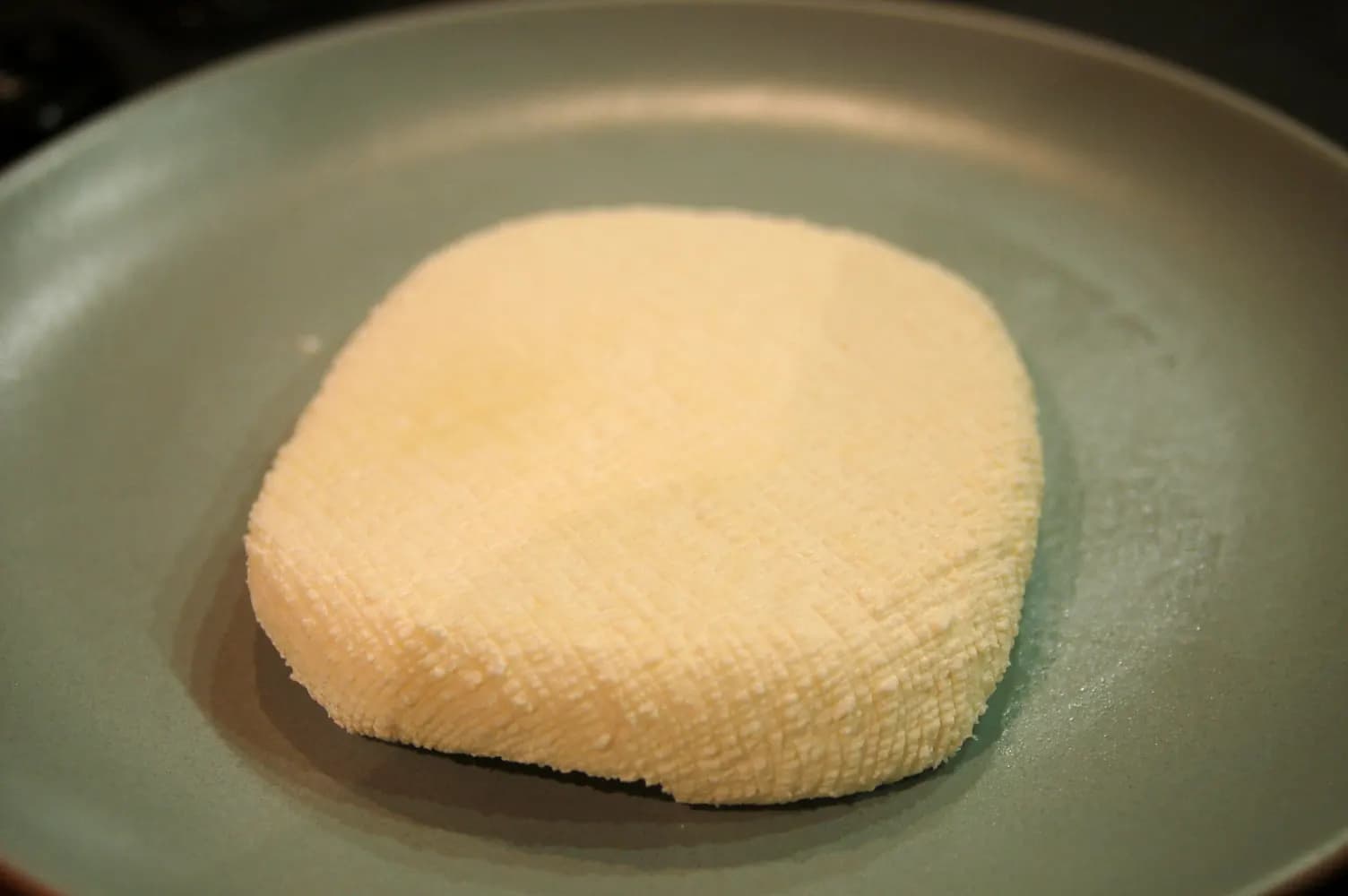
| Paneer or chena — loose | 0406 | Nil | Nil |
| Paneer or chena — pre-packaged and labelled | 0406 | Nil | 5% |
| Cheese (processed, mozzarella, cheddar, slices) | 0406 | 5% | 12% |
| Ice cream and other edible ice | 2105 | 5% | 18% |
| Beverages containing milk (flavoured milk, cold coffee) | 2202 99 30 | 5% | 12% |
| Food preparations of milk (e.g. malted milk foods) | 1901 | 5% | 18% |
| Milk cans of iron, steel or aluminium | 7310, 7323, 7612, 7615 | 5% | 12% |
| Milking machines and dairy machinery | 8434 | 18% | — |
Three changes matter most for households. UHT milk — the long-life tetra packs — joined ordinary milk at nil, because the government's FAQ says all other dairy milk was already exempt and UHT milk should be treated the same way. Packaged paneer went from 5% to nil, so a branded 200 g pack and a slab from the local dairy are now taxed alike. And ghee and butter fell from 12% to 5%, which for a family buying a litre of ghee a month is the largest saving on the list.
Milk-based sweets such as rasgulla, peda and burfi are not Chapter 4 dairy products; they are sweetmeats classified under heading 2106 and taxed at 5% when sold over the counter. Plant-based "milks" (almond, oat, soya drinks) are beverages under 2202 99 and also moved to 5%, but they are not dairy and have no nil-rated version.
What changed on 22 September 2025 — and why
The 56th GST Council meeting (3 September 2025) replaced the old four-slab structure with two main rates — 5% and 18% — plus a 40% rate for a short list of luxury and sin goods. The 12% slab, where ghee, butter, cheese and condensed milk used to sit, disappeared. Almost every food item in it moved to 5%, and a few staples went to nil. The new rates were notified on 17 September 2025 (Notifications 9/2025 and 10/2025-Central Tax (Rate), with matching state notifications) and took effect on 22 September 2025. Our GST 2.0 explainer covers the wider change.
For dairy, the Council's logic is set out in its FAQs. Paneer was singled out because it is "mostly produced in small scale sector", and the exemption is meant to promote Indian cottage cheese; loose paneer was already nil-rated, so only packed paneer changed. UHT milk was exempted so that it is taxed like every other kind of liquid milk. Ice cream's fall from 18% to 5% is the steepest cut in the dairy aisle.
Prices followed. Amul and Mother Dairy both announced they would pass on the full reduction from 22 September 2025: Mother Dairy cut a 1-litre UHT tetra pack from ₹77 to ₹75, a 200 g pack of paneer from ₹95 to ₹92, a 1-litre carton of ghee from ₹675 to ₹645 and 100 g of butter from ₹62 to ₹58, while Amul cut prices on around 700 packs, including about ₹40 a litre on ghee. Pouch milk prices did not change because pouch milk was never taxed.
Nothing new for dairy since then. As of October 2026, no further rate change for milk or milk products has been notified. The 57th GST Council meeting, held on 8 October 2026, was expected to focus on process reforms rather than rates; check the CBIC rate notifications before relying on any change it announces.
GST on dairy — key dates
1 Jul 2017
GST begins: milk, loose curd and loose paneer nil; ghee and butter 12%; ice cream 18%
18 Jul 2022
Pre-packaged and labelled curd, lassi, buttermilk and paneer brought under 5%
3 Sep 2025
56th GST Council approves the two-rate structure
22 Sep 2025
UHT milk and packed paneer to nil; ghee, butter, cheese to 5%; ice cream 18% to 5%
8 Oct 2026
57th GST Council meets — no dairy rate change notified as of this update
Pre-packaged and labelled: the test that decides curd's rate
For curd, lassi and buttermilk, the same product can be nil-rated or taxed at 5% depending on how it is sold. The deciding words are "pre-packaged and labelled", defined in the explanation to Notification 9/2025-CT(Rate). It covers goods meant for retail sale in packs of not more than 25 kg or 25 litres that are "pre-packed" under the Legal Metrology Act, 2009, where the pack or a label on it has to carry the Legal Metrology declarations — maker's name, net quantity, MRP, date of packing and so on.
In practice:
- A sealed 400 g cup of branded dahi on a supermarket shelf is pre-packaged and labelled — 5%.
- Curd ladled into a customer's own container at a dairy counter is not pre-packed — nil.
- Curd sold to a hotel in a 40-litre bulk can is above the 25-litre limit, so it is outside the definition — nil.
- Yoghurt (including flavoured or fruit yoghurt) is taxed at 5% whether or not it is packed, because the notification lists yoghurt separately without the packaging condition.
Paneer no longer needs this test — it is nil either way. Butter, ghee and cheese don't need it either; they are taxed at 5% loose or packed.
Worked bill 1: a family's dairy shopping
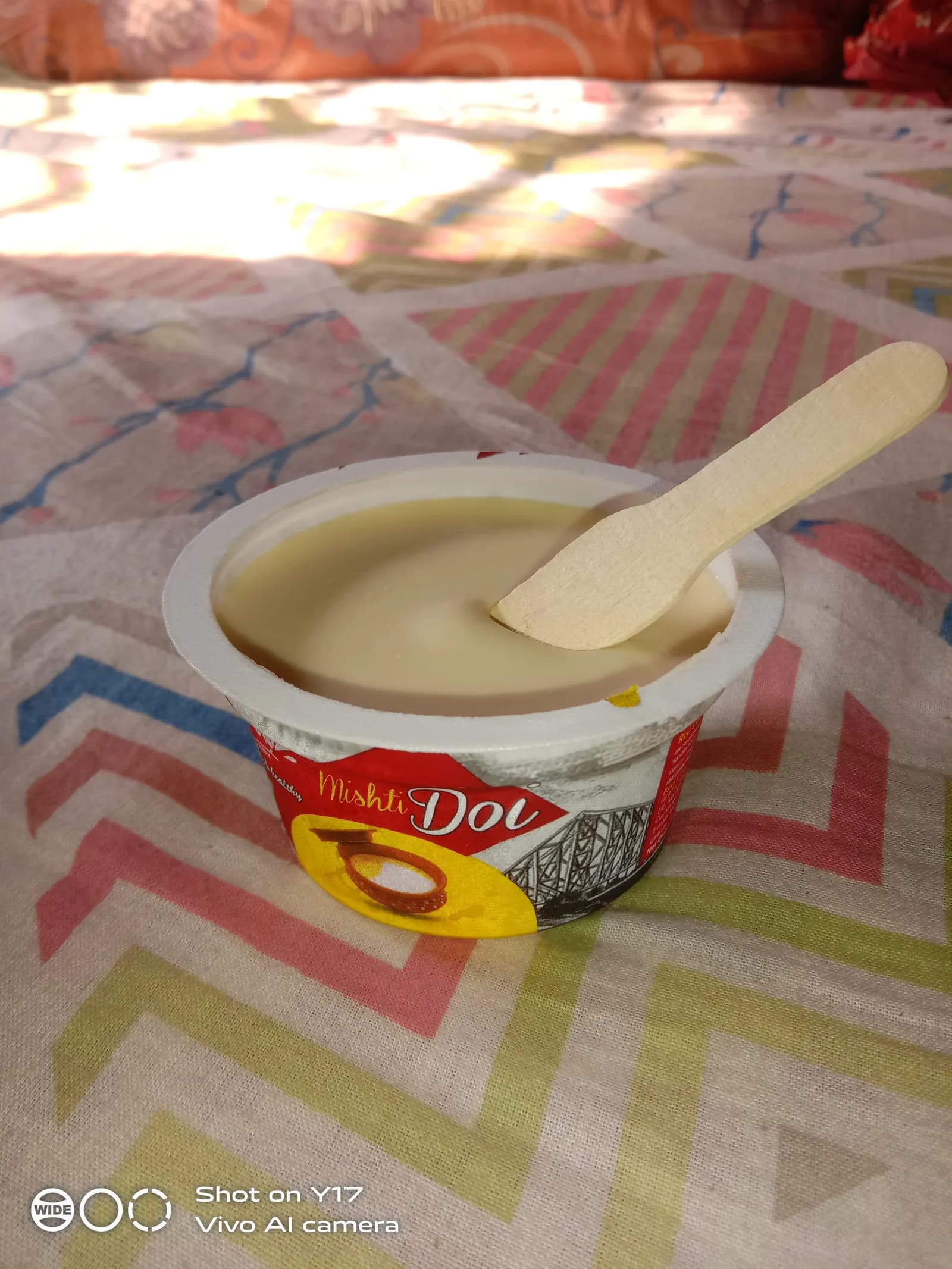
A family in Pune buys its weekly dairy items at a local supermarket. Shelf prices include GST (the MRPs below are illustrative, based on the September 2025 price lists of large dairies). Here is how the GST inside each price works out.
| Item | MRP | GST rate | Value before GST | GST inside the price |
|---|---|---|---|---|
| Toned milk pouches, 2 × 1 L | ₹108 | Nil | ₹108.00 | ₹0 |
| UHT milk, 1 L tetra pack | ₹75 | Nil | ₹75.00 | ₹0 |
| Paneer, 200 g pack | ₹92 | Nil | ₹92.00 | ₹0 |
| Curd, 400 g cup | ₹50 | 5% | ₹47.62 | ₹2.38 |
| Ghee, 1 L carton | ₹645 | 5% | ₹614.29 | ₹30.71 |
| Butter, 100 g | ₹58 | 5% | ₹55.24 | ₹2.76 |
| Cheese slices, 200 g | ₹140 | 5% | ₹133.33 | ₹6.67 |
| Ice cream, 700 ml tub | ₹220 | 5% | ₹209.52 | ₹10.48 |
| Total | ₹1,388 | ₹1,335.00 | ₹53.00 |
To find GST inside a GST-inclusive price, divide by 1.05 for a 5% item and subtract: ₹645 ÷ 1.05 = ₹614.29, so GST is ₹30.71. On a supermarket bill, the 5% is split as 2.5% CGST and 2.5% SGST because the sale is within Maharashtra.
Before GST 2.0. Apply the old rates to the same pre-tax values — 5% on the UHT milk and paneer, 12% on ghee, butter and cheese, 18% on ice cream — and the tax on this basket comes to about ₹145, against ₹53 now. That ₹92 difference, about 6.6% of the bill, is the saving if the dairy kept its pre-tax prices unchanged and passed the cut on in full.
Ice cream: shop, parlour or restaurant
Ice cream is a good example of how the same product can fall under different GST rules depending on how it is sold. A tub or cone bought from a grocery freezer, a cart or an ice cream parlour's counter is a supply of goods under HSN 2105, now taxed at 5%. Before GST 2.0 this was 18%, and CBIC had clarified in 2021 that parlours selling already-manufactured ice cream were selling goods, not restaurant services — so parlours charged 18% while restaurants charged 5% on a sundae served at the table. Since 22 September 2025 both land at 5%, which removes most of the old dispute.
The difference that remains is input tax credit. A parlour selling ice cream as goods charges 5% and can claim credit on its freezers, cones and packaging. A restaurant serving ice cream as part of its menu charges the restaurant rate of 5% (no input tax credit), so it cannot claim credit on its inputs. Kulfi and ice cream made in-house and sold at a sweet shop's counter are goods at 5%; the same kulfi served on a plate at the shop's tables is restaurant service.
Worked bill 2: a dairy's invoice to a distributor
A private dairy in Anand, Gujarat sells to a distributor in Jaipur, Rajasthan. Because the goods cross a state border, the dairy charges IGST instead of CGST and SGST.
| Line | HSN | Taxable value | IGST rate | IGST |
|---|---|---|---|---|
| Ghee, 100 kg at ₹520/kg | 0405 | ₹52,000 | 5% | ₹2,600 |
| Processed cheese blocks, 300 kg at ₹420/kg | 0406 | ₹1,26,000 | 5% | ₹6,300 |
| Paneer, 200 kg at ₹330/kg (packed) | 0406 | ₹66,000 | Nil | ₹0 |
| UHT milk, 1,000 L at ₹62/L | 0401 | ₹62,000 | Nil | ₹0 |
| Invoice total | ₹3,06,000 | ₹8,900 |
The distributor pays ₹3,14,900. It claims ₹8,900 as input tax credit and charges 5% again when it sells ghee and cheese to retailers. On the nil-rated paneer and UHT milk there is no GST to charge or claim. The invoice still has to show each item with its HSN code — at 4 digits if the dairy's turnover is up to ₹5 crore and 6 digits above that — so that the nil-rated and taxable lines can be reported separately in GSTR-1. Our invoice generator handles mixed-rate lines like these.
GST for dairy farmers, cooperatives and dairy businesses
Dairy farmers. A farmer selling milk from his own cattle sells a nil-rated product, and section 23 of the CGST Act says a person supplying only goods that are not taxable or are wholly exempt does not have to register. Selling milk to a village cooperative or a private collection centre therefore creates no GST obligation. Cattle feed, including grass, hay, straw and concentrates such as chuni and churi, is also nil-rated, so the main farm inputs are tax-free. Machinery is not: milking machines and dairy machinery under HSN 8434 carry 18%, while steel or aluminium milk cans were cut to 5%. For the economics of starting out, see our dairy farm business plan.
Village cooperatives and milk unions. A dairy cooperative society that collects milk and sells raw or chilled milk to its district union is also making only nil-rated supplies and does not need to register. The picture changes once the cooperative or union makes ghee, butter, packed curd or cheese.
Registration threshold. The rule that catches many dairies: anyone making only exempt or nil-rated supplies need not register, but once you sell anything taxable, your aggregate turnover for the ₹40 lakh registration limit includes your exempt sales too. A dairy selling ₹50 lakh of pouch milk and ₹2 lakh of ghee a year has a ₹52 lakh aggregate turnover and must register, even though only ₹2 lakh is taxable. In the special-category states the goods threshold is ₹20 lakh. Registration itself is free — see our GST registration guide.
Composition scheme. A small dairy shop selling ghee, butter and packed curd can opt for the composition scheme if its turnover is within ₹1.5 crore. A trader under composition pays 1% on taxable sales, cannot collect GST from customers and cannot claim input tax credit.
Input tax credit: the catch for dairies after GST 2.0
Lower output rates are good for buyers but create two accounting problems for dairy businesses.
Credit on nil-rated products must be reversed. When packed paneer and UHT milk became nil-rated, the tax paid on the cartons, laminates, cultures and electricity used to make them stopped being claimable. The government's FAQ is explicit: credit already in the ledger could be used for supplies up to 21 September 2025, but for supplies from 22 September 2025 it has to be reversed under the CGST Act. A dairy making both taxable ghee and nil-rated paneer must split its common credits using Rules 42 and 43 — reversing the share that relates to exempt turnover — and report it in GSTR-3B. This raises the real cost of tetra packs and paneer packaging, which is one reason UHT milk prices fell by only a couple of rupees.
Credit on 5% products can pile up. Ghee, butter and cheese now go out at 5%, but plastic packaging, tins, cartons and many chemicals still come in at 18%. That is an inverted duty structure, and a dairy whose input tax regularly exceeds output tax ends up with unused credit. Section 54(3) allows a refund of credit accumulated this way (on inputs, not on input services or capital goods). From 1 October 2025, CBIC's Instruction 06/2025 lets officers sanction 90% of such refund claims provisionally, after a risk check, so the cash comes back faster.
How GST 2.0 changed input tax credit for a dairy
| Packed paneer, UHT milk (nil) | Ghee, butter, cheese (5%) | |
|---|---|---|
Output GST | None | 5% |
Credit on packaging and inputs | Must be reversed (Rules 42/43) | Claimable |
Typical problem | Higher cost of packaging | Credit piles up when inputs are taxed at 18% |
Remedy | Price it into the product | Inverted-duty refund under s.54(3); 90% provisional |
Output GST
- Packed paneer, UHT milk (nil)
None
- Ghee, butter, cheese (5%)
5%
Credit on packaging and inputs
- Packed paneer, UHT milk (nil)
Must be reversed (Rules 42/43)
- Ghee, butter, cheese (5%)
Claimable
Typical problem
- Packed paneer, UHT milk (nil)
Higher cost of packaging
- Ghee, butter, cheese (5%)
Credit piles up when inputs are taxed at 18%
Remedy
- Packed paneer, UHT milk (nil)
Price it into the product
- Ghee, butter, cheese (5%)
Inverted-duty refund under s.54(3); 90% provisional
What to do now. Map every purchase to the products it goes into, apply the Rule 42 reversal each month rather than waiting for the annual return, and file inverted-duty refund claims regularly once the credit balance is material.
Common mistakes and how to avoid them
Before anything else, run four quick checks on your own bills: nil (not 5%) on packed paneer and UHT milk; 5% on pre-packaged curd, lassi and buttermilk but nil on loose sales; 5% on ghee, butter, cheese and ice cream; and the right HSN code on every line. Then check the two compliance points most dairies miss — counting exempt milk sales towards the registration limit, and reversing credit on inputs used for nil-rated products.
Old rates still in the billing system. More than a year after the change, some small shops' software still applies 12% to ghee or 18% to ice cream. Overcharged GST that has been collected must be paid to the government — it cannot be kept — and the customer is overcharged. Update the rate master and check one bill of each product.
Wrong HSN on the invoice. Paneer and cheese both fall under heading 0406, and a mistyped description can apply the wrong rate. Describe paneer as "chena or paneer" and cheese by type. The HSN code finder helps confirm the right code.
Treating restaurant dairy as goods. A sweet shop or dairy café that serves lassi, kulfi or paneer dishes at its tables is supplying a restaurant service, taxed at 5% (no input tax credit), not selling goods at the product rate. Over-the-counter sales and table service need separate billing — our guide to GST on food explains the split.
Official links
- 56th GST Council — PIB press release with rate annexures (PDF)All dairy rate changes from 22 September 2025
- FAQs on GST rate rationalisation (PDF)UHT milk, paneer vs cheese, ITC reversal
- CGST (Rate) notificationsNotifications 9/2025 and 10/2025-CT(Rate)
- Notification 9/2025 — Maharashtra State Tax (Rate) copy (PDF)Full rate schedules and 'pre-packaged and labelled' definition
- GST portalRegistration, returns, refund applications
What to do next
If you run a dairy, sweet shop or grocery, check that your billing software shows nil for milk, UHT milk and paneer and 5% for ghee, butter, cheese, packed curd and ice cream, and confirm whether your exempt milk sales push you over the registration threshold. Then look at your input tax credit: reverse what relates to nil-rated products and claim refunds where 5% sales leave credit stranded. For the bigger picture, read our guides to GST on food, GST 2.0 and FSSAI registration, and use the GST calculator to price new products.
This is general information, not legal or tax advice — confirm on the official source or with a professional.
Frequently asked questions
No. Fresh milk, pasteurised milk and, since 22 September 2025, UHT (tetra-pack) milk are all nil-rated under HSN 0401 — whether sold loose, in pouches or in branded cartons. GST applies only once milk is turned into products such as ghee, butter, cheese, milk powder or flavoured milk, which are taxed at 5%.
Nil. Loose paneer was always exempt, and from 22 September 2025 pre-packaged and labelled paneer or chena also moved from 5% to nil. The government's FAQ explains this was done to support small-scale makers of Indian cottage cheese. Other cheese (HSN 0406), such as processed cheese and mozzarella, is taxed at 5%.
5%, down from 12% on 22 September 2025. Ghee, butter, butter oil and dairy spreads fall under HSN 0405. On a ₹645 litre of ghee the GST included is about ₹30.71, compared with about ₹73.71 at the old 12% rate on the same pre-tax price.
Only when they are pre-packaged and labelled — then the rate is 5% under HSN 0403. Loose curd, lassi and buttermilk sold from a vessel are nil-rated. 'Pre-packaged and labelled' means retail packs of up to 25 kg or 25 litres that must carry Legal Metrology declarations. Yoghurt is 5% either way.
5%. Ice cream and other edible ice (HSN 2105) fell from 18% to 5% on 22 September 2025. Ice cream served as part of a meal in a restaurant follows the restaurant service rate instead, which is 5% (no input tax credit) in most restaurants.
No. A business that supplies only exempt or nil-rated goods, such as milk and loose curd, is not required to register. But once it sells any taxable product — ghee, butter, packed curd — the turnover test counts exempt sales too, so a dairy selling milk worth more than ₹40 lakh plus even a little ghee must register.
Sources & verification
Figures on this page were checked against the sources below when it was last reviewed on 8 October 2026. Each rate and limit is stored once with its own official source and review date, and official update channels are monitored daily so changes are picked up. How we verify
- 1.Recommendations of the 56th GST Council meeting (PIB press release with rate annexures) — GST Council / PIB · accessed 8 October 2026
- 2.Notification No. 9/2025–State Tax (Rate), Maharashtra (mirrors 9/2025–Central Tax (Rate)) — Government of Maharashtra, Finance Department · accessed 8 October 2026
- 3.CGST (Rate) notifications — Notification No. 10/2025–Central Tax (Rate) — GST Council · accessed 8 October 2026
- 4.FAQs on GST rate rationalisation (56th GST Council) — GST Council / Ministry of Finance · accessed 8 October 2026
- 5.Amul cuts prices on 700 products starting Monday after GST slash — Business Today · accessed 8 October 2026
- 6.As Mother Dairy slashes prices for milk products amid GST rejig — Deccan Herald · accessed 8 October 2026
- 7.Milk HSN code and GST rate: what businesses need to know — Tally Solutions · accessed 8 October 2026
- 8.GST 2.0 FAQs: why are paneer and cheese taxed differently — LatestLY · accessed 8 October 2026
MSMETOOLS is an independent platform and is not affiliated with any government agency, ministry or department.
Tools for this
GST Calculator (India)
Calculate GST for your sales and purchases with current rates.
HSN Code Finder (India)
Find the correct HSN/SAC code for your product.
Invoice Generator
Create professional invoices with tax, logo and custom details.
Related guides
 New GST Rules 2026: GST 2.0 Slabs, Changes & Latest UpdatesRead guide
 GST on Cosmetics 2026: 5% Toiletries, 18% Make-up, HSN 33Read guide
 GST on Tractors 2026: 5% Rate, Parts, HSN 8701 & ITCRead guide
 HSN Code for Cotton 2026: 5201–5212, GST Rates and RCMRead guide
Official links open the government site in a new tab.