 Starting & growing a business
Dairy Farm Business Plan (2026): 10-Cow Unit Cost, Feed, Loans and a Worked P&L
Dairy farm business plan for 2026: 10-cow unit cost using NABARD norms, breeds, feed costs, KCC and dairy schemes that are open, FSSAI rules and break-even.
 Edited by Sumeet YadavFounder & editor, MSMETOOLS · fact-checked against official sources
Contents (10)
- 1. Who a dairy farm suits
- 2. Choosing breeds: cows, crossbreds or buffaloes
- 3. Setup cost of a 10-cow dairy farm
- 4. Feed: the cost that decides your profit
- 5. Where to sell: cooperative, chiller or direct
- 6. Loans and schemes for dairy farming in 2026
- 7. Worked example: monthly P&L and break-even for 10 cows
- 8. Dairy farm business plan template
- 9. Mistakes that sink new dairy farms
- 10. What to do next
A dairy farm is a cash business with a daily paycheque — milk money arrives every ten days from the society or every morning from customers — and a daily cost that never stops: feed. Most small dairies that fail in India don't fail on milk yield; they fail because feed, a sick cow or a dry spell ate the margin and the loan EMI kept coming. This dairy farm business plan is for farmers and first-time entrepreneurs planning a 2- to 20-animal unit. It covers who it suits, breeds, a setup cost table based on NABARD's own unit costs, feed and milk-price assumptions (all labelled), the schemes that are actually open, FSSAI and GST rules, a worked monthly P&L, break-even and a fill-in template. Scheme status was checked against DAHD, NABARD and PIB sources in October 2026.
Quick answer
A dairy farm business plan states your herd size and breed, the setup cost (NABARD's 2025-26 sheet for a 10-cow crossbred unit is about ₹14.3 lakh), daily feed cost, milk yield, where you'll sell, and the litres per day you need to cover feed, labour and EMI. Budget for thin margins: feed is usually more than half of costs.
NABARD's DEDS subsidy was discontinued from 2020-21 — ignore sites still promising it
Working capital: KCC at 7%, 4% with prompt repayment, collateral-free up to ₹2 lakh
Capital: bank term loans, PMEGP (dairy is allowed), Mudra, Stand-Up India and state schemes
Cooperative members selling all milk to the society are exempt from FSSAI registration
Worked example: a 10-cow unit breaks even at about 56 litres a day
Who a dairy farm suits
Dairy suits you if you have, or can lease, land for green fodder close to the shed; family members who will be there twice a day, every day; access to a village dairy cooperative or a bulk milk chiller; and a vet or AI (artificial insemination) technician within reach. It suits less well if you plan to buy all fodder, live far from a collection point, or can't handle a 6 am start 365 days a year.
Start smaller than you want. Many banks and NABARD's unit-cost sheets model a 2-animal or 5+5 (two batches of five, purchased six months apart) unit for first-time farmers. Staggering purchases keeps some animals in milk while others are dry, and lets you learn feeding and health care before you have 20 mouths to feed.
Choosing breeds: cows, crossbreds or buffaloes
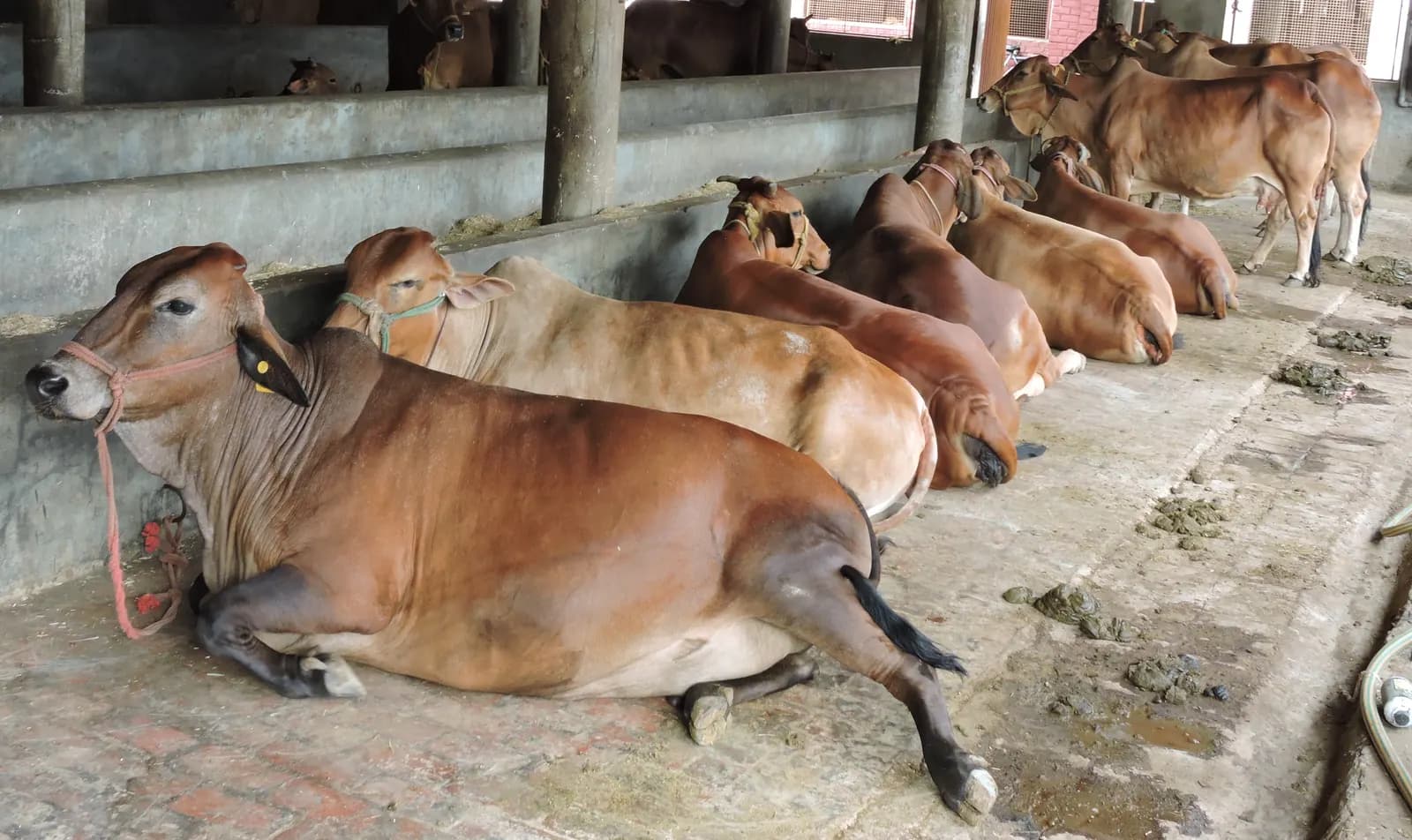
- Crossbred cows (Holstein Friesian or Jersey crosses) — the highest yields; NABARD's 2025-26 Arunachal unit cost assumes crossbred cows yielding about 12 litres a day on average. They need good feed, shade and cooling, and are more prone to heat stress and mastitis.
- Indigenous cows (Gir, Sahiwal, Red Sindhi, Tharparkar) — hardier, cheaper to feed and better suited to heat; lower yields, but A2 and desi-cow milk can fetch a premium if you sell directly.
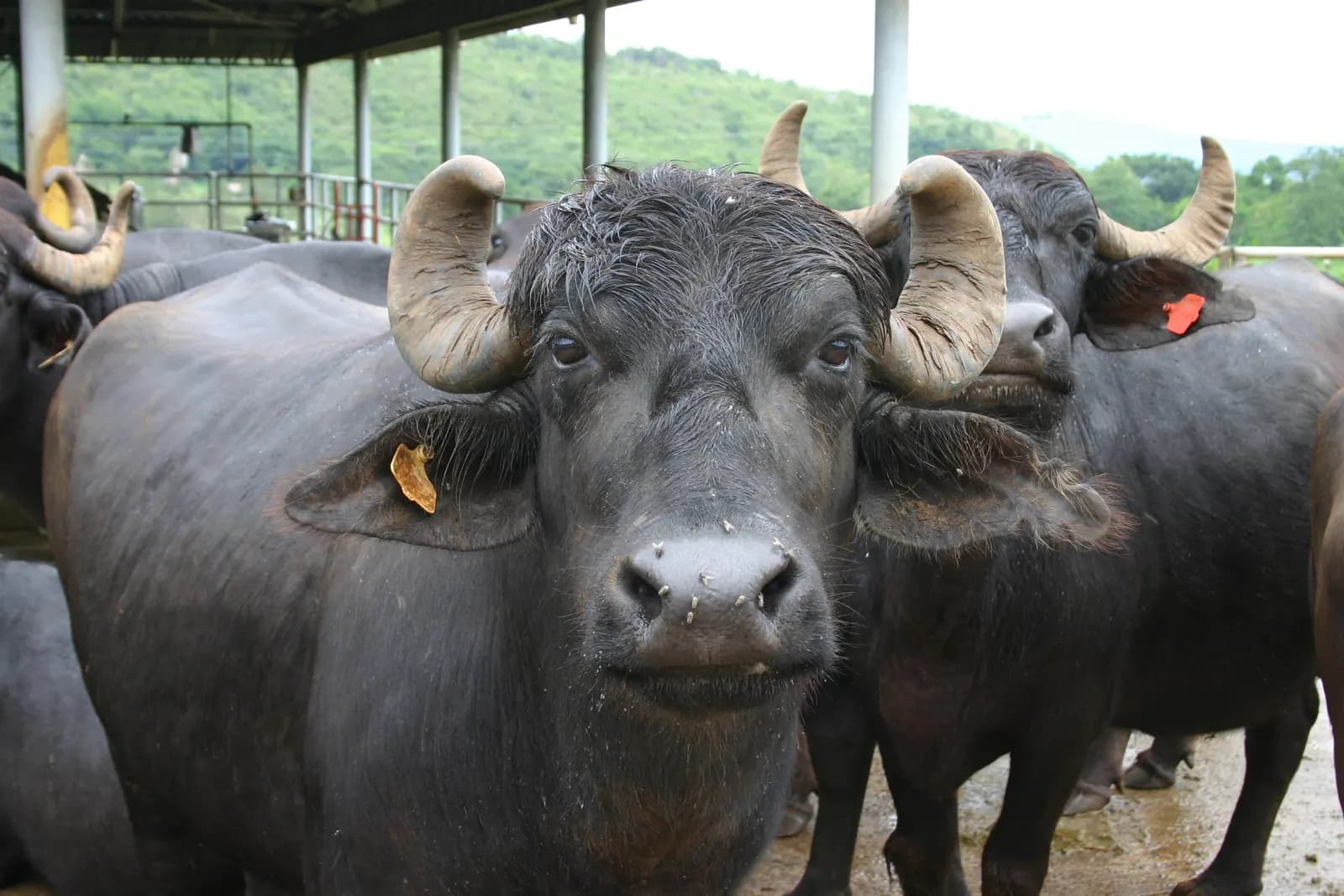
- Buffaloes (Murrah, Mehsana, Jaffarabadi, Surti) — fat-rich milk that earns more per litre on a fat-based rate chart. NABARD's sheet notes Murrah and Surti buffaloes cost roughly ₹50,000 to ₹1.5 lakh depending on yield, lactation and health.
Buy freshly calved animals in their second or third lactation, ideally after watching a full milking yourself. Check the animal's ear tag and vaccination record, and insure every animal on the day you buy it.
Setup cost of a 10-cow dairy farm
The table below uses NABARD's 2025-26 unit cost for a 5+5 crossbred mini dairy (Arunachal Pradesh) as the reference column. The middle column is our estimated range for most states, and the worked plan is the figure we use later. NABARD publishes district and state unit costs every year, and banks use them to size your loan — ask your branch for the sheet that applies to you.
| Item | NABARD 2025-26 (Arunachal) | Estimated range (most states) | Worked plan |
|---|---|---|---|
| 10 crossbred cows | ₹11,00,000 (₹1.1 lakh each) | ₹8,00,000 – ₹12,00,000 | ₹10,00,000 |
| Shed (about 65 sq ft per animal) | ₹1,98,900 | ₹2,00,000 – ₹4,00,000 | ₹2,50,000 |
| Chaff cutter, milk cans, buckets, mats | ₹25,500 | ₹50,000 – ₹1,50,000 | ₹75,000 |
| Transport of animals | ₹20,400 | ₹20,000 – ₹50,000 | ₹30,000 |
| Insurance (first year) | ₹60,500 (5.5% of animal cost) | ₹40,000 – ₹60,000 | ₹50,000 |
| Fodder cultivation (2 acres, one season) | ₹16,320 | ₹15,000 – ₹40,000 | ₹20,000 |
| Feed and working capital | ₹5,100 (one month's concentrate) | ₹1,00,000 – ₹1,50,000 | ₹1,25,000 |
| Miscellaneous | ₹4,080 | Included above | — |
| Total | ₹14,31,000 (rounded) | ₹12,00,000 – ₹20,00,000 | ₹15,50,000 |
Our working-capital line is larger than NABARD's because two months of feed protects you against a delayed milk payment or a sick cow. A milking machine (optional at 10 cows) and a borewell or water tank add to the bill if you don't have them.
Feed: the cost that decides your profit
Feed is usually more than half of a dairy's running cost, so your plan needs a feeding table, not a guess. Our plan assumes a common rule of thumb — about 1.5 kg of concentrate a day per cow for maintenance plus about 1 kg for every 2.5 litres of milk, alongside green fodder and dry fodder (straw). Ask your vet or the society's extension officer to adjust it for your breed. Here's what that means for our 10-cow unit, with 7–8 cows milking at any time at about 12 litres each:
- Concentrate (cattle feed): about 52 kg a day for the herd. At an assumed ₹30 a kg, that's about ₹46,800 a month. NABARD's Arunachal sheet prices concentrate at ₹44 a kg; check your local rate.
- Green fodder: about 25 kg per cow a day, ideally grown on your own land. NABARD costs it at about ₹1 a kg — roughly ₹7,500 a month.
- Dry fodder (straw/kadbi): about 5 kg per cow a day at an assumed ₹6 a kg — ₹9,000 a month.
- Mineral mixture and salt: about ₹1,500 a month.
That's about ₹64,800 a month in feed, or roughly ₹24 for every litre you sell. Growing more of your own green fodder — maize, napier, berseem in winter — is the single biggest lever on that number.
Where to sell: cooperative, chiller or direct
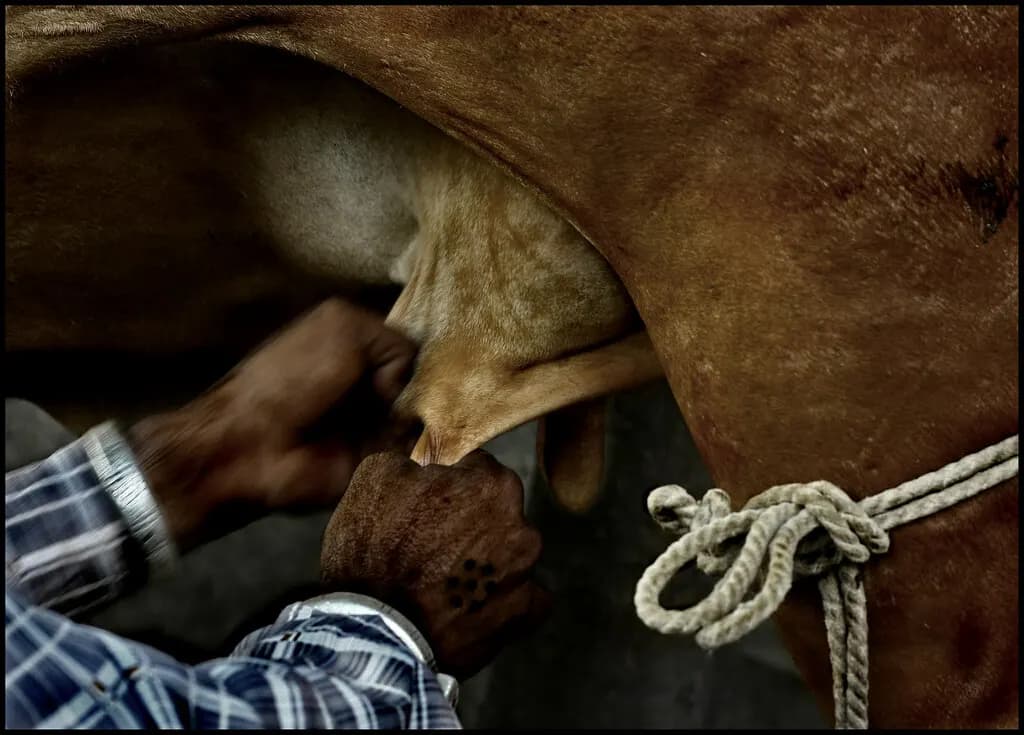
- Village dairy cooperative society. You pour milk twice a day, it's tested for fat and SNF (solids-not-fat), and you're paid on the union's rate chart, usually every ten days. Low effort and assured offtake; the price is set for you.
- Private dairy or bulk milk chiller. Similar rate-chart pricing; sometimes higher in the flush season, sometimes lower.
- Direct to households, tea stalls and hotels. The highest price per litre, but you handle delivery, credit, daily collections and FSSAI registration.
Most successful small dairies do both: pour the bulk at the society and sell 25–40% directly. In our worked plan, we assume ₹38 a litre at the society and ₹56 a litre direct. Both are illustrative — your society's rate chart and local retail prices decide your real figures.
FSSAI and GST for milk
FSSAI's licensing regulations exempt a milk producer who is a registered member of a dairy cooperative society and sells all of their milk to it from registration. Selling any milk directly to customers means you need at least basic FSSAI registration: ₹100/year for turnover up to ₹1.5 crore, the limit FSSAI set from 1 April 2026. Making paneer, ghee, curd or packaged milk is processing and also needs registration or a licence by turnover; see our FSSAI registration guide.
On GST, fresh milk is exempt, and since 22 September 2025 UHT milk and pre-packaged paneer are Nil too. Butter, ghee and pre-packaged curd, lassi and buttermilk are 5%. A farm selling only fresh milk generally doesn't need GST registration; a value-added unit selling ghee or packaged curd should check the threshold.
Loans and schemes for dairy farming in 2026
Several popular "NABARD subsidy" pages describe schemes that no longer take applications. Here's the position as we verified it:
Dairy funding options — status in October 2026
| Scheme | What it funds | Key terms | Status |
|---|---|---|---|
Bank term loan (NABARD-refinanced) | Cows, shed, equipment | Sized on NABARD unit costs; margin usually 10–25% | Open at all banks and RRBs |
Kisan Credit Card (animal husbandry) | Feed, fodder, vet costs — working capital | 7%, 4% with prompt repayment, up to ₹3 lakh; collateral-free to ₹2 lakh | Open; district KCC camps |
PMEGP | New dairy unit with margin-money subsidy | Subsidy 15%–35%; own share 5%–10% | Portal processing; confirm cycle terms |
Mudra | Small dairy units, collateral-free | Up to ₹10 lakh (Tarun) | Open |
Stand-Up India | First enterprise of women / SC/ST founders, agri-allied included | ₹10 lakh–₹1 crore | Open |
AHIDF | Dairy processing, feed plants, breed multiplication farms — not ordinary milk farms | 3% a year (up to 8 years) interest subvention | Approved up to 31 March 2026; extension not confirmed |
NABARD DEDS | Back-ended capital subsidy for dairy units | — | Discontinued from 2020-21 |
Bank term loan (NABARD-refinanced)
- What it funds
Cows, shed, equipment
- Key terms
Sized on NABARD unit costs; margin usually 10–25%
- Status
Open at all banks and RRBs
Kisan Credit Card (animal husbandry)
- What it funds
Feed, fodder, vet costs — working capital
- Key terms
7%, 4% with prompt repayment, up to ₹3 lakh; collateral-free to ₹2 lakh
- Status
Open; district KCC camps
PMEGP
- What it funds
New dairy unit with margin-money subsidy
- Key terms
Subsidy 15%–35%; own share 5%–10%
- Status
Portal processing; confirm cycle terms
Mudra
- What it funds
Small dairy units, collateral-free
- Key terms
Up to ₹10 lakh (Tarun)
- Status
Open
Stand-Up India
- What it funds
First enterprise of women / SC/ST founders, agri-allied included
- Key terms
₹10 lakh–₹1 crore
- Status
Open
AHIDF
- What it funds
Dairy processing, feed plants, breed multiplication farms — not ordinary milk farms
- Key terms
3% a year (up to 8 years) interest subvention
- Status
Approved up to 31 March 2026; extension not confirmed
NABARD DEDS
- What it funds
Back-ended capital subsidy for dairy units
- Key terms
—
- Status
Discontinued from 2020-21
State schemes often add the most money. Several states run dairy-unit subsidies through their animal husbandry departments — for example, Madhya Pradesh's Dr. Bhimrao Ambedkar Kamdhenu Yojana for larger units. Terms change every budget, so get the current guidelines from your district veterinary officer or the state department before you count on a subsidy. Our PMEGP guide and Mudra guide cover those applications step by step.
Worked example: monthly P&L and break-even for 10 cows
"Gopal Dairy" is a 10-cow crossbred unit on the farmer's own land, set up with the ₹15.5 lakh worked plan above. It's funded with 10% own money and a bank loan under PMEGP; at the rural general-category subsidy of 25%, about ₹3.9 lakh is held by the bank for 3 years and no interest is charged on it, so the EMI is calculated on about ₹10 lakh at 9% over seven years. All figures are illustrative.
Milk: 7–8 cows in milk × about 12 litres = 90 litres a day, or 2,700 litres a month.
- 1,700 litres to the society at ₹38 = ₹64,600
- 1,000 litres direct at ₹56 = ₹56,000
- Dung and manure sales = ₹3,000
- Total income: ₹1,23,600 (blended milk price about ₹44.70 a litre)
| Monthly cost | Amount (estimate) |
|---|---|
| Feed: concentrate, green and dry fodder, minerals | ₹64,800 |
| Milk transport to society and customers | ₹1,500 |
| Hired helper | ₹12,000 |
| Vet, AI and medicines | ₹2,500 |
| Electricity and water | ₹2,000 |
| Animal insurance (₹50,000 a year) | ₹4,200 |
| Loan EMI (about ₹10 lakh, 9%, 7 years) | ₹16,200 |
| Total | ₹1,03,200 |
- Surplus for the family's own labour: about ₹20,400 a month, plus heifer calves that grow into future milkers
- Variable cost per litre ≈ ₹24.60 (feed plus transport); contribution ≈ ₹20.10 a litre
- Fixed costs net of dung income ≈ ₹33,900 → break-even ≈ 1,690 litres a month, or about 56 litres a day
Now the stress test. If concentrate costs ₹44 a kg instead of ₹30, the feed bill rises by about ₹21,800 a month and the surplus disappears. If two cows go dry at the same time, you lose about 24 litres a day. That is why a good dairy plan includes its own fodder, staggered calvings and two months of feed money in the bank.
Try it — dairy break-even in litres
Use the EMI calculator to test different loan amounts and tenures before you meet the bank.
Dairy farm business plan template
Fill-in dairy farm business plan
0/12Mistakes that sink new dairy farms
- Planning on a subsidy that no longer exists. DEDS is closed, and AHIDF isn't for cattle purchase. Build the plan so it works on a plain bank loan, and treat any subsidy as a bonus.
- Buying all animals at once. All cows go dry around the same time and income collapses. Buy in two batches six months apart.
- No fodder land. Buying all green fodder can add thousands a month. Secure land or a fodder contract before you buy cows.
- Skipping insurance. One dead cow at ₹1 lakh can wipe out a year's surplus.
- Ignoring milk quality. Low fat or SNF, or a failed adulteration test, cuts your rate at the society. Clean, dry milking and quick delivery pay.
Official links
- DAHD — AHIDFEligible activities and status
- NABARD — unit costs (Arunachal 2025-26)Model dairy unit costs
- PIB — Kisan Credit Card explainer (Mar 2026)KCC rates and limits
- FoSCoS — FSSAI registrationFor direct milk sales or processing
- PMEGP e-portal (KVIC)Apply for PMEGP
- Stand-Up IndiaAgri-allied ventures for women and SC/ST founders
What to do next
Visit your nearest dairy cooperative society to see its rate chart and payment cycle, and ask your bank for the NABARD unit cost used in your district. Then put your feed prices and expected yield into the break-even calculator, apply for a Kisan Credit Card for working capital, and register on Udyam if you plan a processing unit.
This is general information, not legal or financial advice — confirm on the official source or with a professional. Scheme terms and state subsidies change often, so check the current guidelines before you apply.
Frequently asked questions
NABARD's 2025-26 unit-cost sheet for Arunachal Pradesh puts a 10-cow crossbred mini dairy at about ₹14.31 lakh, including cows at ₹1.1 lakh each, a shed, equipment, transport, insurance and a month's feed. Our estimate for most states is ₹12–20 lakh depending on animal prices, shed design and whether you own land. Ask your bank for the NABARD unit cost used in your district.
No. The Dairy Entrepreneurship Development Scheme, which gave back-ended capital subsidy through NABARD, was discontinued from 2020-21. Today small dairy farmers use bank loans refinanced by NABARD, Kisan Credit Card working capital, PMEGP, Mudra or Stand-Up India, and state schemes. AHIDF's interest subvention is for processing, feed plants and breed multiplication farms rather than ordinary milk farms.
A milk producer who is a registered member of a dairy cooperative society and sells all their milk to it is exempt from FSSAI registration. If you sell milk directly to households, shops or hotels, you need at least basic FSSAI registration — at ₹100/year for turnover up to ₹1.5 crore. Processing into paneer, ghee or packaged milk needs registration or a licence by turnover.
Margins are thin. In our worked example, a 10-cow crossbred unit producing about 90 litres a day and selling part of it directly earns roughly ₹20,000 a month for the family's labour after feed, a helper, insurance and loan EMI. It breaks even at about 56 litres a day. A ₹14 rise in the price of a kilo of cattle feed would wipe that profit out.
Yes. KCC covers working capital for animal husbandry, including feed, fodder and veterinary costs. Short-term loans up to ₹3 lakh carry 7% interest, falling to 4% if you repay on time, and banks don't need collateral up to ₹2 lakh. Apply at your bank or through district KCC camps.
Sources & verification
Figures on this page were checked against the sources below when it was last reviewed on 7 October 2026. Each rate and limit is stored once with its own official source and review date, and official update channels are monitored daily so changes are picked up. How we verify
- 1.Unit cost for investment in agriculture and allied activities, Arunachal Pradesh 2025-26 — NABARD · accessed 7 October 2026
- 2.Animal Husbandry Infrastructure Development Fund (AHIDF) — Department of Animal Husbandry & Dairying · accessed 7 October 2026
- 3.Kisan Credit Card: Fueling Growth in Agriculture (11 March 2026) — PIB · accessed 7 October 2026
- 4.Discontinuation of Dairy Entrepreneurship Development Scheme (DEDS) (7 December 2021) — PIB / Ministry of Fisheries, Animal Husbandry & Dairying · accessed 7 October 2026
- 5.Compendium — FSS (Licensing and Registration of Food Businesses) Regulations, 2011 — FSSAI · accessed 7 October 2026
- 6.Order dated 13 March 2026 — revised turnover threshold for food businesses — FSSAI · accessed 7 October 2026
- 7.Recommendations of the 56th GST Council meeting (press release) — GST Council / PIB · accessed 7 October 2026
- 8.Stand-Up India — scheme features — SIDBI / Department of Financial Services · accessed 7 October 2026
- 9.MUDRA — Frequently Asked Questions — MUDRA Ltd · accessed 7 October 2026
MSMETOOLS is an independent platform and is not affiliated with any government agency, ministry or department.
Tools for this
Break Even Calculator
Find your break even point and units.
EMI Calculator
Calculate loan EMIs for business and personal loans.
Loan Eligibility Calculator
Check your business loan eligibility based on income and existing loans.
Business Plan Generator (US)
Create a professional business plan for US investors and banks.
Related guides
 Goat Farming Business Plan 2026: Costs, NLM Subsidy & ProfitRead guide
 Poultry Farming Business Plan 2026: Costs, Subsidy & ProfitRead guide
 Fish Farming Business in India 2026: PMMSY Subsidy & ProfitRead guide
 Organic Farming Business in India 2026: Certification & ProfitRead guide
Official links open the government site in a new tab.