 Business registration & legal
FSSAI Registration & Licence in 2026: Which One You Need, Fees and How to Apply
FSSAI registration and licence rules for 2026: new ₹1.5 crore and ₹50 crore limits, fees from ₹100, perpetual validity, documents and FoSCoS steps.
 Edited by Sumeet YadavFounder & editor, MSMETOOLS · fact-checked against official sources
Contents (10)
- 1. What FSSAI registration and an FSSAI licence actually are
- 2. The 2026 limits: which category your business falls in
- 3. Which one do you need? Common food businesses
- 4. FSSAI fees in 2026 — with worked examples
- 5. How to apply on FoSCoS: step by step
- 6. Documents required for FSSAI registration and licence
- 7. Validity and "renewal" after the 2026 reforms
- 8. Ongoing compliance after you get your FSSAI number
- 9. Penalties and common mistakes
- 10. What to do next
Selling food in India — from a pani puri cart to a cloud kitchen on Swiggy to a packaged-snacks unit — needs an FSSAI number before the first sale. The rules changed sharply in 2026: the turnover limits that decide whether you need a simple registration or a full licence were raised, and renewals were scrapped. This guide gives you the new limits, the exact fees, the documents, the FoSCoS steps and the situations that trip up home bakers, restaurants and online sellers.
Quick answer
FSSAI registration is the basic food-business permit for turnover up to ₹1.5 crore, costing ₹100/year on the official foscos.fssai.gov.in portal. Above that you need a state licence (up to ₹50 crore) or a central licence. Since 1 April 2026, registrations and licences no longer expire — you only keep paying the annual fee.
Registration: turnover up to ₹1.5 crore — Form A, ₹100/year
State licence: above ₹1.5 crore up to ₹50 crore — Form B, ₹2,000 – ₹5,000/year
Central licence: above ₹50 crore, or importers, exporters, e-commerce, airports/seaports — ₹7,500/year
Perpetual validity from 1 April 2026: no renewal; fee can be prepaid for several years
Apply only on foscos.fssai.gov.in — look-alike sites charge for the same form
What FSSAI registration and an FSSAI licence actually are
The Food Safety and Standards Act, 2006 says no one may make, store, distribute, sell or import food without a registration or licence from the Food Safety and Standards Authority of India (FSSAI) or the state food safety department. There is no "too small to register" category — FSSAI's latest FAQs are explicit that every business holds one or the other.
The paperwork comes in three tiers:
- Basic registration (Form A) — a 14-digit registration certificate for small operators. Issued by the registering authority in your district.
- State licence (Form B) — for mid-sized businesses, issued by the state Commissioner of Food Safety's designated officers.
- Central licence (Form B) — issued by FSSAI's regional offices for large businesses and for specific activities that cross state or national borders.
All three are applied for, paid for and tracked on one portal: FoSCoS (Food Safety Compliance System), which replaced the older FLRS site.
The 2026 limits: which category your business falls in
FSSAI's order of 13 March, issued after the Licensing and Registration Amendment Regulations were notified on 10 March, replaced every earlier turnover cut-off. The new limits apply from 1 April 2026.
FSSAI registration vs state licence vs central licence (2026)
| Basic registration | State licence | Central licence | |
|---|---|---|---|
Annual turnover | Up to ₹1.5 crore | Above ₹1.5 crore up to ₹50 crore | Above ₹50 crore |
Old limit (till 31 Mar 2026) | Up to ₹12 lakh | ₹12 lakh – ₹20 crore | Above ₹20 crore |
Application form | Form A | Form B | Form B |
Fee per year | ₹100/year | ₹2,000 – ₹5,000/year | ₹7,500/year |
Issued by | District registering authority | State food safety department | FSSAI regional office |
Validity | Perpetual (fee yearly) | Perpetual (fee yearly) | Perpetual (fee yearly) |
Annual turnover
- Basic registration
Up to ₹1.5 crore
- State licence
Above ₹1.5 crore up to ₹50 crore
- Central licence
Above ₹50 crore
Old limit (till 31 Mar 2026)
- Basic registration
Up to ₹12 lakh
- State licence
₹12 lakh – ₹20 crore
- Central licence
Above ₹20 crore
Application form
- Basic registration
Form A
- State licence
Form B
- Central licence
Form B
Fee per year
- Basic registration
₹100/year
- State licence
₹2,000 – ₹5,000/year
- Central licence
₹7,500/year
Issued by
- Basic registration
District registering authority
- State licence
State food safety department
- Central licence
FSSAI regional office
Validity
- Basic registration
Perpetual (fee yearly)
- State licence
Perpetual (fee yearly)
- Central licence
Perpetual (fee yearly)
Activities that need a central licence whatever your turnover
Turnover isn't the only test. The FoSCoS "Kind of Business" schedule lists activities that go straight to a central licence:
- Importers of any food, ingredient or additive for commercial use
- Exporters — 100% EOUs, manufacturer-exporters and merchant-exporters
- E-commerce food business operators
- Food businesses on the premises of airports, seaports and central government agencies
- A head office declaration if you run food activities in two or more states
Certain products — proprietary foods, health supplements and nutraceuticals, non-specified foods, irradiated food — are also listed for central licensing with no capacity limit. If you import food, you'll also need an Import Export Code from DGFT before customs clearance.
Which one do you need? Common food businesses
The questions we hear most come from people starting small. Here is how the new limits play out.
Home bakers and tiffin services. A home kitchen selling cakes on Instagram or dabbas to offices is a food business. With turnover up to ₹1.5 crore you need only basic registration. Your home address is your premises; if it matches your Aadhaar address you don't need separate address proof.
Cloud kitchens. A delivery-only kitchen is registered under the restaurant / food-service kind of business at the kitchen's own address. Swiggy and Zomato require a valid FSSAI number before they activate a listing, and each kitchen location needs its own number.
Restaurants, cafés and caterers. Most neighbourhood restaurants now fit inside the registration tier. Once annual sales cross ₹1.5 crore you move to a state licence. Hotels follow the same turnover test, but large star-rated properties should check the hotel line in the FoSCoS schedule.
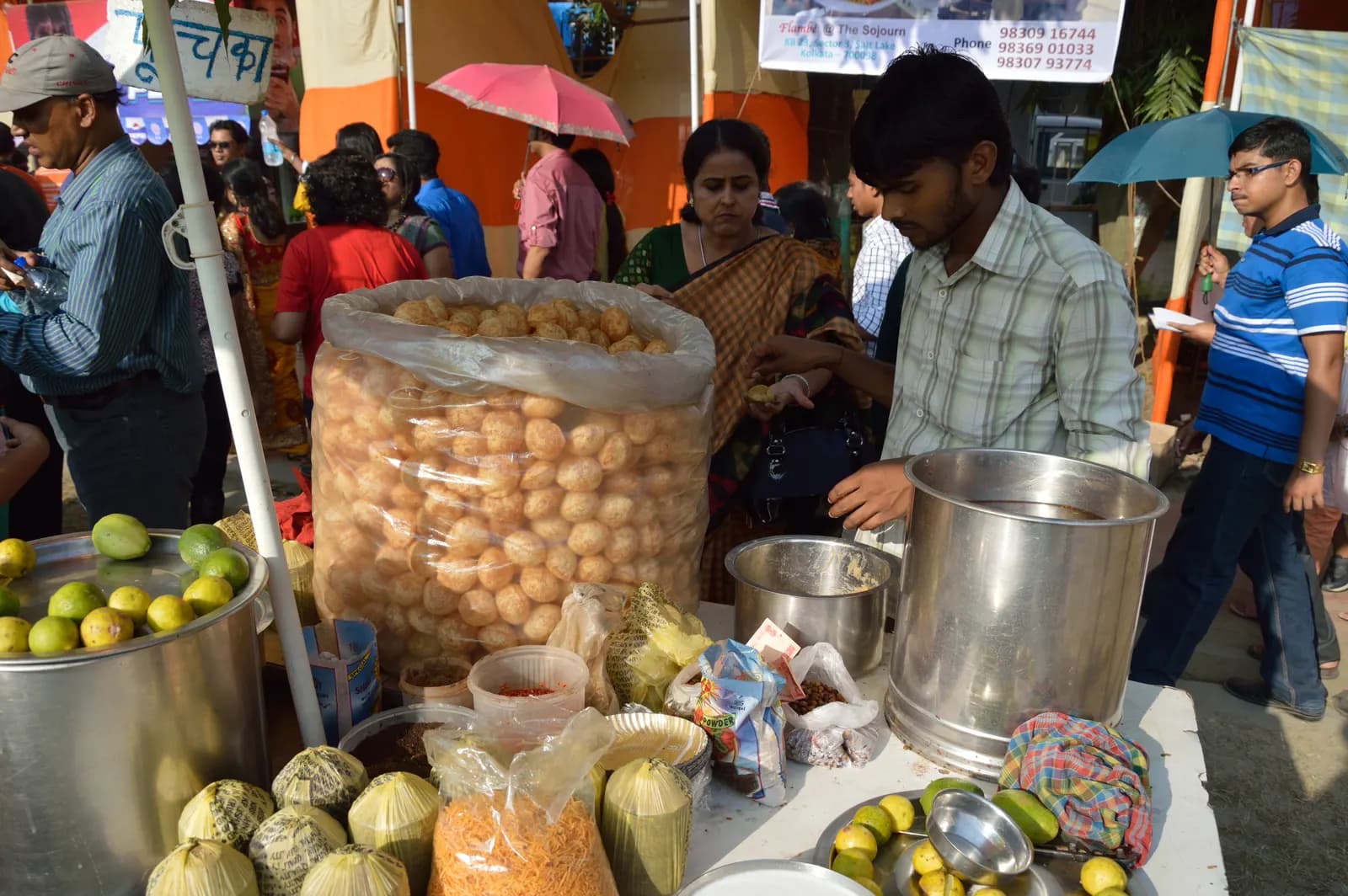
Street vendors. The 2026 amendment removed dual paperwork: vendors, hawkers, food carts and food trucks already registered under the Street Vendors Act, 2014 are deemed to be FSSAI-registered. They must still follow the hygiene rules in Schedule 4.
Packaged-food manufacturers. Turnover sets the tier, but dairy, meat, packaged drinking water, infant food and fish units still face product-specific testing and hygiene rules even if they now fall under registration.
FSSAI fees in 2026 — with worked examples
Fees are charged per year. What's new is that, with perpetual validity, you choose how many years to pay for at once, and you can pay at any time of year.
FSSAI fees and timelines (2026)
₹100/year
Basic registration fee
Form A
₹2,000 – ₹5,000/year
State licence fee
Depends on kind of business
₹7,500/year
Central licence fee
7 days
To grant registration or order inspection
60 days
To issue a state/central licence
Within the state licence band, the FoSCoS schedule charges ₹2,000 for most trading and food-service businesses (retailers, restaurants, caterers, wholesalers, distributors) and ₹3,000 or ₹5,000 for some manufacturing capacities and 3–4 star hotels. The portal calculates the exact amount once you choose your kind of business.
Example 1 — cloud kitchen, turnover ₹90 lakh. Under the old rules this kitchen needed a state licence at ₹2,000 a year. From 1 April 2026 it qualifies for basic registration at ₹100/year a year. Paying five years upfront costs ₹500.
Example 2 — restaurant, turnover ₹3 crore. It sits in the state licence band. At ₹2,000 a year, paying three years at once means one payment of ₹6,000 and no annual reminder to miss.
Example 3 — spice importer, turnover ₹40 lakh. Small turnover, but importing triggers a central licence: ₹7,500/year.
Government fees are the only mandatory cost. Consultants typically add a service charge — fine if you want help, but the form itself is short.
How to apply on FoSCoS: step by step
FSSAI registration online on FoSCoS
- 1
Open FoSCoS and start an application
Open FoSCoSGo to foscos.fssai.gov.in and click Apply for License/Registration. Choose your state and read the note on kinds of business.
- 2
Pick your kind of business
Select the group (e.g. Food Services → Restaurant, or Trade/Retail → Retailer) and the matching kind of business. Declare your expected annual turnover — this decides registration vs licence.
Tip: Pick every activity you actually do (e.g. manufacturing + retail). Adding one later is a modification.
- 3
Fill Form A or Form B
Enter business name, premises address, food categories, and proprietor/partner/director details. Licence applicants also give production capacity or turnover and food safety details.
- 4
Upload documents and pay
Upload the documents below, choose the number of years and pay online.
- 5
Save the 17-digit reference number
The receipt carries a reference number you use to track status from the FoSCoS home page and to answer any query raised by the officer.
- 6
Inspection (if ordered) and certificate
For registration, the authority grants, rejects or orders an inspection within 7 days; licences are due within 60 days. Download the certificate from your FoSCoS login.
If the registering authority neither decides nor orders an inspection within the 7-day window — or orders one but doesn't decide within 30 days — the 2011 regulations let you start trading. You must still carry out any improvements the authority later asks for.
Documents required for FSSAI registration and licence
Basic registration is light. FoSCoS asks for just three things.
Documents to keep ready
0/8The exact document set for a licence depends on the kind of business you select; FoSCoS shows the list before you upload. Scan in PDF and keep each file small — oversized uploads are the most common reason the form stalls.
Validity and "renewal" after the 2026 reforms
Until March 2026, certificates were issued for one to five years and you had to file a renewal before expiry, with late fees of ₹100 a day after the deadline. That system is gone for anything issued on or after 1 April 2026: FSSAI's FAQs confirm registrations and licences now stay valid unless suspended, cancelled or surrendered. Tatkal licences get the same perpetual validity.
What remains is the annual fee. Choose any number of years when you pay. If you stop paying, the amended regulations allow the authority to suspend your licence until the fee and a penalty are paid — so prepaying several years is the simplest protection.
Already hold a licence? FSSAI says existing businesses will be given time to migrate to the new categories on FoSCoS:
- Migration is automatic in the back end, based on your self-declaration
- No modification fee, no approval from the officer, and your number stays the same
- Fees already paid for a state licence are adjusted against the registration fee if you drop to the lower tier
Changes to your business — new address, new food category, new partner — still go through the normal modification process.
Ongoing compliance after you get your FSSAI number
Your FSSAI calendar
Day one
Display the registration/licence certificate and Food Safety Display Board at the premises
On every pack
Print the FSSAI logo and your 14-digit number on labels (packaged food)
Every year
Pay the annual fee (or prepay several years) on FoSCoS
31 May each year
Licensed manufacturers and importers file the annual return in Form D-1 — late fee ₹100 per day
Half-yearly
Licensed dairy manufacturers file Form D-2 within a month of each half-year
Any change
File a modification before changing address, products or ownership
Inspections now follow a computer-assisted risk model. It weighs your compliance history, surveillance samples, self-testing and third-party audits. Clean records mean fewer visits; repeat problems mean more. Since the second amendment of June 2026, manufacturers must keep separate daily records of production and raw-material use. Storage must follow first-in-first-out and first-expired-first-out.
Penalties and common mistakes
Section 63 of the Food Safety and Standards Act has provided for up to six months' imprisonment and a fine of up to ₹5 lakh for anyone who needs a licence and trades without one. Parliament passed the Jan Vishwas (Amendment of Provisions) Act, 2026 in April, which replaces several food-law prison terms with monetary penalties. Check the amended text on India Code before quoting a figure; the safer course is simply to register before you sell.
Mistakes that cause rejections or later trouble:
- Choosing registration when your activity needs a central licence. An importer or online seller with ₹10 lakh turnover still needs a central licence.
- One number for several kitchens. Each premises needs its own registration or licence.
- Under-declaring turnover. If your turnover crosses ₹1.5 crore, migrate to a state licence — the declaration is yours to make.
- Paying an agent site that looks official. The only portal is foscos.fssai.gov.in.
- Missing the Form D-1 return. It applies to licensed manufacturers and importers, by 31 May.
Official links
- FoSCoS — apply, pay fee, track, download certificateOnly official portal
- FSSAI order on revised turnover thresholds (13 March 2026)
- FSSAI FAQs on the 2026 amendment (27 March 2026)
- Kind of Business eligibility and fee schedule
- Documents required for registration certificate
- Licensing & Registration Regulations, 2011 (compendium)
What to do next
Once your FSSAI number is in hand, register the business itself: Udyam registration is free and opens up MSME benefits, and GST registration becomes mandatory once you cross the GST threshold or sell through food aggregators. Then price your menu properly with the food cost calculator so the new, lower compliance cost actually shows up in your margin.
This is general information, not legal or tax advice — confirm on the official source or with a professional.
Frequently asked questions
Yes. Every food business, including a home kitchen selling cakes, tiffins or pickles, needs at least a basic registration. With turnover up to ₹1.5 crore a year you file Form A on FoSCoS and pay ₹100/year. Online platforms and most corporate buyers will also ask for your 14-digit FSSAI number before they list or pay you.
No. Since 1 April 2026, FSSAI registrations and licences have perpetual validity — they stay valid until suspended, cancelled or surrendered. What continues is the annual fee. You can pay it for as many years as you like in one go, but missing it can lead to suspension until you pay with a penalty.
Registration (Form A) is the light category for small food businesses with turnover up to ₹1.5 crore. A licence (Form B) is needed above that — a state licence up to ₹50 crore and a central licence above it, or for activities such as import, export, e-commerce and airport or seaport outlets regardless of turnover.
The registering authority must grant, reject or order an inspection within 7 days of a complete application. If it orders an inspection, a decision is due within 30 days. If nothing happens in those windows, the regulations allow you to start trading. A state or central licence should be issued within 60 days.
No fresh application is needed. FSSAI's March 2026 FAQs say existing businesses move to the new category through FoSCoS on a self-declaration, with no modification fee, no approval step and no change of licence number. Any state licence fee you already paid is adjusted against the registration fee.
Section 63 of the Food Safety and Standards Act has provided for up to six months' imprisonment and a fine of up to ₹5 lakh for trading without a required licence. The Jan Vishwas (Amendment of Provisions) Act, 2026 rationalises several food-law penalties, so check the current text of Section 63 on India Code before relying on a figure.
Sources & verification
Figures on this page were checked against the sources below when it was last reviewed on 7 October 2026. Each rate and limit is stored once with its own official source and review date, and official update channels are monitored daily so changes are picked up. How we verify
- 1.Order dated 13 March 2026 — Implementation of revised turnover threshold for food businesses — FSSAI · accessed 7 October 2026
- 2.FAQs on FSS (Licensing and Registration of Food Businesses) Amendment Regulations, 2026 (27 March 2026) — FSSAI · accessed 7 October 2026
- 3.Kind of Business — criteria, licence/registration and fee per annum — FSSAI (FoSCoS) · accessed 7 October 2026
- 4.How to apply for licence / registration certificate on FoSCoS — FSSAI (FoSCoS) · accessed 7 October 2026
- 5.Documents required for Registration Certificate — FSSAI (FoSCoS) · accessed 7 October 2026
- 6.Compendium — FSS (Licensing and Registration of Food Businesses) Regulations, 2011 — FSSAI · accessed 7 October 2026
- 7.Jan Vishwas (Amendment of Provisions) Bill, 2026: decriminalising minor offences in the health sector — PIB (Ministry of Health and Family Welfare) · accessed 7 October 2026
- 8.Section 63, Food Safety and Standards Act, 2006 — Indian Kanoon · accessed 7 October 2026
- 9.FSSAI Amendment Regulations 2026: key reforms and FAQs — TaxTMI · accessed 7 October 2026
MSMETOOLS is an independent platform and is not affiliated with any government agency, ministry or department.
Tools for this
Food Cost Calculator
Calculate food cost, menu pricing and profit margins.
Menu Profitability Checker
Find the most profitable items on your menu.
GST Calculator (India)
Calculate GST for your sales and purchases with current rates.
Related guides
 IEC Code Registration 2026: DGFT Process, ₹500 Fee & DocumentsRead guide
 Drug License 2026: Medical Store Licence, Forms & FeesRead guide
 APEDA Registration 2026: RCMC Fee, Documents & ProcessRead guide
 Trade License Assam 2026: GMC Online, Fees & RenewalRead guide
Official links open the government site in a new tab.