 GST & indirect tax
GST on Cosmetics in 2026: What Moved to 5%, What Stayed at 18%
GST on cosmetics in 2026: shampoo, hair oil, toothpaste, talc and soap bars cut to 5%, make-up, perfume and skin care at 18%, kajal Nil, HSN Chapter 33 and ₹ bills.
 Edited by Sumeet YadavFounder & editor, MSMETOOLS · fact-checked against official sources
Contents (11)
- 1. GST rates on cosmetics in 2026
- 2. What GST 2.0 moved to 5%
- 3. The borderline products
- 4. HSN codes for cosmetics
- 5. Worked bills: GST on cosmetics in rupees
- 6. Salons, beauty parlours and product sales
- 7. Inverted duty and refunds for cosmetics makers
- 8. Stock, MRP and the transition
- 9. Shops, D2C brands and online sellers
- 10. Common mistakes with GST on cosmetics
- 11. What to do next
GST 2.0 split the cosmetics shelf in two. Everyday toiletries that almost every household buys — shampoo, hair oil, toothpaste, talcum powder, shaving cream and bar soap — dropped from 18% to 5% on 22 September 2025. Make-up, skin care, perfumes, deodorants and hair colour did not move. This guide is for cosmetics and FMCG distributors, chemists and general stores, beauty retailers, salon owners who sell products, D2C brands and small manufacturers. It covers the 2026 rates item by item, the notification wording that decides the borderline cases, HSN codes, salons and credit, inverted-duty refunds for makers and worked bills in rupees. Rates were checked against the notified schedules in October 2026.
Quick answer
Talcum and face powder, hair oil, shampoo, toothpaste, tooth powder, dental floss, shaving cream and lotion, aftershave and toilet soap bars attract 5% GST from 22 September 2025 (from 18%). Make-up and skin care (18%), perfumes (18%), deodorants (18%), hair colour and conditioners (18%) and liquid soaps (18%) stay at 18%. Kajal, kumkum, bindi, sindur and alta are Nil.
₹900 basket of shampoo, toothpaste, soap, talc and hair oil: GST ₹45 (was ₹162)
₹600 lipstick: GST ₹108 at 18%
Toothbrushes and combs: 5%
Mouthwash stayed at 18%
No compensation cess on cosmetics
GST rates on cosmetics in 2026
The goods rate schedule from 22 September 2025 is Notification 9/2025–Central Tax (Rate). Its Schedule I, the 2.5% central tax list, carries the daily-use toiletries at serials 244 to 251: talcum powder and face powder (3304), hair oil and shampoo (3305), toothpaste (3306), tooth powder (3306 10 10), dental floss (3306 20 00), shaving cream, shaving lotion and aftershave lotion (3307), and toilet soap in bars, cakes and moulded shapes (3401). Each is 2.5% CGST plus 2.5% SGST, or 5% IGST between states.
Schedule II, the 9% list, carries the rest of Chapter 33 at serials 60 to 66, each written as "the whole heading, other than" the items moved to 5%. So the 18% entry for 3304 covers beauty, make-up and skin-care preparations "other than kajal, kumkum, bindi, sindur, alta, talcum powder and face powder", and the 18% entry for 3305 covers hair preparations "other than mehendi paste in cones, hair oil, shampoo". The exemption notification, Notification 10/2025–Central Tax (Rate), puts kajal (other than kajal pencil sticks), kumkum, bindi, sindur and alta at Nil in serial 117.
GST on cosmetics and toiletries (2026)
| Product (HSN) | GST rate | Notification entry |
|---|---|---|
Talcum powder, face powder (3304) | 5% | N.9/2025 Sch. I 244 |
Hair oil, shampoo (3305) | 5% | N.9/2025 Sch. I 245 |
Toothpaste, tooth powder, dental floss (3306) | 5% | N.9/2025 Sch. I 246–248 |
Shaving cream, shaving lotion, aftershave lotion (3307) | 5% | N.9/2025 Sch. I 249 |
Toilet soap — bars, cakes, moulded shapes (3401) | 5% | N.9/2025 Sch. I 251 |
Mehendi paste in cones (1404 or 3305) | 5% | N.9/2025 Sch. I 77 |
Kajal (not pencil sticks), kumkum, bindi, sindur, alta (3304) | Nil | N.10/2025 S.No. 117 |
Make-up and skin care — lipstick, foundation, creams, serums, sunscreen, nail polish (3304) | 18% | N.9/2025 Sch. II 61 |
Perfumes and toilet waters (3303) | 18% | N.9/2025 Sch. II 60 |
Other hair preparations — conditioner, hair colour, gel, serum, spray (3305) | 18% | N.9/2025 Sch. II 62 |
Mouthwash and other oral hygiene preparations (3306) | 18% | N.9/2025 Sch. II 63 |
Deodorants, bath preparations, depilatories, other cosmetics n.e.s. (3307) | 18% | N.9/2025 Sch. II 64 |
Liquid soap, body wash, face wash, liquid hand wash (3401) | 18% | N.9/2025 Sch. II 66 |
Talcum powder, face powder (3304)
- GST rate
5%
- Notification entry
N.9/2025 Sch. I 244
Hair oil, shampoo (3305)
- GST rate
5%
- Notification entry
N.9/2025 Sch. I 245
Toothpaste, tooth powder, dental floss (3306)
- GST rate
5%
- Notification entry
N.9/2025 Sch. I 246–248
Shaving cream, shaving lotion, aftershave lotion (3307)
- GST rate
5%
- Notification entry
N.9/2025 Sch. I 249
Toilet soap — bars, cakes, moulded shapes (3401)
- GST rate
5%
- Notification entry
N.9/2025 Sch. I 251
Mehendi paste in cones (1404 or 3305)
- GST rate
5%
- Notification entry
N.9/2025 Sch. I 77
Kajal (not pencil sticks), kumkum, bindi, sindur, alta (3304)
- GST rate
Nil
- Notification entry
N.10/2025 S.No. 117
Make-up and skin care — lipstick, foundation, creams, serums, sunscreen, nail polish (3304)
- GST rate
18%
- Notification entry
N.9/2025 Sch. II 61
Perfumes and toilet waters (3303)
- GST rate
18%
- Notification entry
N.9/2025 Sch. II 60
Other hair preparations — conditioner, hair colour, gel, serum, spray (3305)
- GST rate
18%
- Notification entry
N.9/2025 Sch. II 62
Mouthwash and other oral hygiene preparations (3306)
- GST rate
18%
- Notification entry
N.9/2025 Sch. II 63
Deodorants, bath preparations, depilatories, other cosmetics n.e.s. (3307)
- GST rate
18%
- Notification entry
N.9/2025 Sch. II 64
Liquid soap, body wash, face wash, liquid hand wash (3401)
- GST rate
18%
- Notification entry
N.9/2025 Sch. II 66
There is no compensation cess on any cosmetic or toiletry, so the rate on the invoice is the whole tax.
What GST 2.0 moved to 5%
The 56th GST Council listed these goods under "common man items". Talcum and face powder, hair oil and shampoo, toothpaste and dental floss, shaving cream, shaving lotion and aftershave, toilet soap bars and toothbrushes went from 18% to 5%. Tooth powder and combs went from 12% to 5%.
The PIB FAQs explain the choices. Asked why luxury brands of face powder and shampoo also benefit, the government said these are daily-use items for almost all households, and that taxing cosmetics by brand or price would make the structure complex and hard to administer. Asked why mouthwash was not cut when dental floss was, it said only toothpaste, toothbrushes and floss were treated as basic dental hygiene. Asked about the gap between bar and liquid soap, it said the bar-soap cut was meant to lower the monthly spending of lower-middle-class and poorer households.
So there is no price or brand test in this category. A ₹40 shampoo sachet and a ₹1,500 salon-brand shampoo are both at 5%; a ₹99 lip balm and a ₹3,000 serum are both at 18%.
The borderline products
Most mistakes in this category come from products that sit next to a 5% item but are not named in the entry.
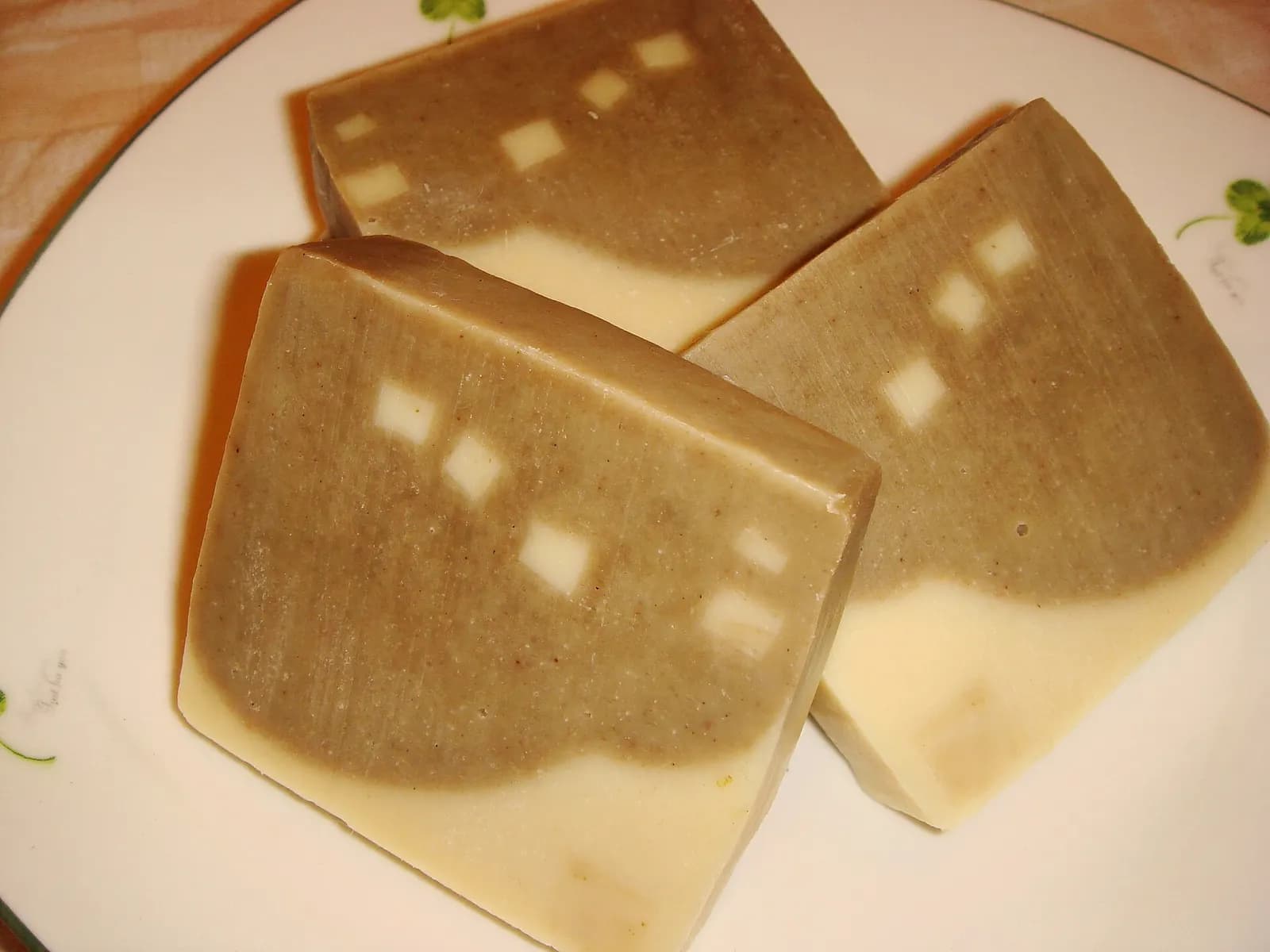
Soap: bar versus liquid. The 5% entry is limited to toilet soap "in the form of bars, cakes, moulded pieces or shapes". The 18% entry for 3401 expressly covers "organic surface active products and preparations for washing the skin, in the form of liquid or cream and put up for retail sale, whether or not containing soap". Body wash, shower gel, liquid hand wash and most face washes are therefore at 18%. Industrial soap is excluded from the 5% entry as well.
Hair: oil and shampoo versus everything else. Only hair oil, shampoo and mehendi cones are out of the 18% entry for 3305. Conditioners, hair masks, serums, gels, sprays, hair colour and dyes are at 18%. Pure coconut oil packed for hair use has long raised a classification question between edible oil (1513) and hair oil (3305); both are now at 5% (5% for 1513), so the rate no longer depends on the answer.
Face: powder versus make-up. Talcum powder and "face powder" are at 5%. Compact powders, foundations, BB and CC creams, primers, blush and highlighters are make-up preparations at 18%. Loose face powder is clearly within the 5% entry; a pressed compact sold as part of a make-up range is safest billed at 18% unless your product is plainly a face powder.
Shaving: cream versus everything else. Shaving cream, shaving lotion and aftershave lotion are at 5%. Pre-shave oils, beard oils, shaving gels sold as "other preparations", deodorants, bath salts and depilatory creams fall in the 18% entry for 3307.
Oral care. Toothpaste, tooth powder and floss are at 5%. Mouthwash and denture fixatives are at 18%.
Herbal and Ayurvedic claims. A herbal face cream or hair oil is still a cosmetic if its main purpose is cleansing, beautifying or care. Only products that are genuinely medicaments for treating or preventing a disease, and are licensed as such, move to heading 3004 at 5%. The 3304 entry itself says "other than medicaments". Labelling a cream "Ayurvedic" does not change its heading.
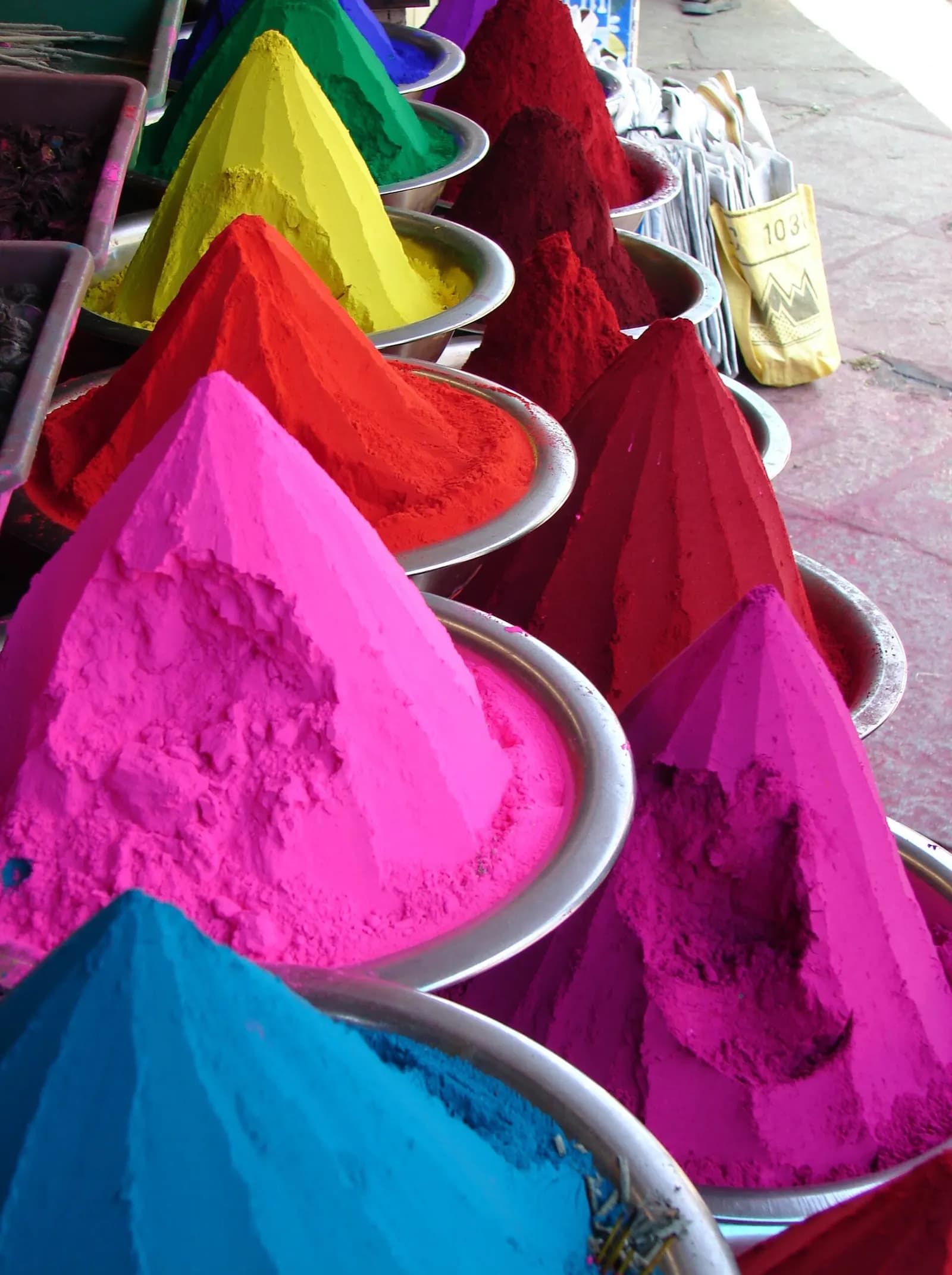
Kajal, kumkum and bindi. These traditional items are exempt. The exemption excludes "kajal pencil sticks", and the 18% entry for 3304 also excludes kajal, so a kajal pencil falls to the residuary entry for goods not specified elsewhere, which is also 18%. Gulal and other festival colours are not kumkum; they are classified by their composition.
HSN codes for cosmetics
| HSN | What it covers | Typical products |
|---|---|---|
| 3303 | Perfumes and toilet waters | Eau de parfum, eau de toilette, body mists |
| 3304 | Beauty, make-up and skin-care preparations | Lipstick, kajal, compact, foundation, creams, sunscreen, nail polish, talc |
| 3305 | Preparations for use on the hair | Shampoo, hair oil, conditioner, hair colour, gel |
| 3306 | Oral or dental hygiene | Toothpaste, tooth powder, floss, mouthwash |
| 3307 | Shaving, deodorants, bath and other preparations | Shaving cream, aftershave, deodorant, bath salts, room fresheners |
| 3401 | Soap and skin-washing preparations | Bath soap bars, body wash, liquid hand wash |
Report HSN codes in invoices and in Table 12 of GSTR-1 with at least 4-digit HSN if your aggregate turnover is up to ₹5 crore and 6-digit HSN above. Because the 5% and 18% items share the same four-digit headings, a business that reports only four digits must still map each product to the right rate in its billing software. The HSN code finder helps with eight-digit codes.
Grooming tools. Toothbrushes (5%) and combs, hair clips and hairpins (5%) moved to 5%. Razors and blades are 18%, electric shavers and trimmers 18%, hair dryers and straighteners 18%, and powder puffs and make-up sponges 18%.
Worked bills: GST on cosmetics in rupees
The prices below are illustrative round figures to show the arithmetic, not market quotes.
| Item (illustrative) | Taxable value | GST rate | GST | Bill total |
|---|---|---|---|---|
| Shampoo, 340 ml | ₹250 | 5% | ₹12.50 | ₹262.50 |
| Toothpaste, 150 g | ₹120 | 5% | ₹6.00 | ₹126.00 |
| Bath soap, pack of 4 bars | ₹200 | 5% | ₹10.00 | ₹210.00 |
| Talcum powder, 300 g | ₹150 | 5% | ₹7.50 | ₹157.50 |
| Hair oil, 300 ml | ₹180 | 5% | ₹9.00 | ₹189.00 |
| Body wash, 250 ml | ₹300 | 18% | ₹54.00 | ₹354.00 |
| Lipstick | ₹600 | 18% | ₹108.00 | ₹708.00 |
| Perfume, 100 ml | ₹1,200 | 18% | ₹216.00 | ₹1,416.00 |
A monthly toiletries basket. The first five items come to ₹900. At 5% the GST is ₹45; before 22 September 2025, at 18%, it was ₹162. The household saves ₹117 a month on tax alone, if the store passes the cut on.
A festive gift set. A box containing a ₹350 shampoo, a ₹250 soap set and a ₹900 perfume is sold for ₹1,500. No item is the principal supply, so section 8 of the CGST Act treats the box as a mixed supply taxed at the highest rate — 18%, or ₹270. Billed item by item, the shampoo and soap carry 5% (₹30) and the perfume 18% (₹162), ₹192 in all. Itemising the invoice saves the buyer ₹78.
Try it — GST on a toiletries bill
Salons, beauty parlours and product sales
A salon's services and its product sales follow different rules. Beauty and physical well-being services are taxed at 5% (no ITC), a rate that is conditional on not taking input tax credit. So the GST a salon pays on shampoos, colours, creams and waxes used during services is a cost it cannot recover. Products bought for retail — the shampoo or serum a customer takes home — are sold as goods at their own rates, and credit on those purchases is allowed against the GST on retail sales.
That makes stock records important. A salon that buys a 5-litre professional shampoo for the wash station and 50 retail bottles of the same shampoo should keep them on separate purchase invoices or at least separate stock ledgers, and claim credit only on the retail stock. Our guide to GST on beauty services covers salon billing, SAC codes and the registration threshold in detail, and the beauty parlour business plan shows how product sales fit into a parlour's revenue.
Inverted duty and refunds for cosmetics makers
Soap, shampoo and toothpaste makers now sell at 5% while their main inputs stay at 18%: surfactants and washing preparations of 3402 at 18%, fragrance compounds of 3302 at 18%, plastic bottles and laminated tubes at 18%. Corrugated cartons are now at 5%. That is a classic inverted duty structure, and section 54(3) of the CGST Act allows a refund of credit that builds up because the input rate is higher than the output rate.
The refund follows the Rule 89(5) formula and counts only inputs, not services or capital goods. As an illustration, a small shampoo maker sells ₹40,00,000 a month at 5% (₹2,00,000 output tax). Its credit is ₹3,24,000 on ₹18,00,000 of 18% surfactants, fragrance and bottles, plus ₹54,000 on ₹3,00,000 of 18% services — ₹3,78,000 in all. Net ITC is ₹3,24,000. The maximum refund is ₹3,24,000 − (₹2,00,000 × ₹3,24,000 ÷ ₹3,78,000) ≈ ₹1,52,571. The rest of the ₹1,78,000 excess stays in the ledger. Claims are filed in RFD-01 within two years from the relevant date.
The shampoo maker's month (illustrative)
₹2,00,000
Output GST at 5%
₹3,78,000
Total ITC for the month
≈ ₹1,52,571
Maximum inverted-duty refund
Rule 89(5)
two years from the relevant date
Time limit to file RFD-01
A maker with both 5% and 18% products — say shampoo and conditioner — has a smaller refund, because the 18% sales absorb part of the credit. Our input tax credit guide covers the conditions.
Stock, MRP and the transition
Old stock. The PIB FAQs say GST applies at the rate in force on the date of supply, so stock bought at 18% and sold from 22 September 2025 carries 5%. The credit already taken can be used against any output tax, but Circular 135/05/2020-GST rules out a cash refund where the input and output are the same goods taxed at different rates at different times. Distributors who held large stocks of shampoo and soap carried that credit forward.
MRP. Packaged cosmetics carry a printed MRP under the Legal Metrology (Packaged Commodities) Rules. A Legal Metrology circular of 18 September 2025, as summarised by Lakshmikumaran & Sridharan, allowed manufacturers and importers to sticker or stamp a revised MRP on unsold stock voluntarily, keeping the old MRP visible, and allowed old printed packaging to be used until 31 March 2026 after correcting the price. Both windows have now closed, so packs made from April 2026 should carry the post-GST 2.0 MRP.
Licences. GST registration is separate from the product licence. Making cosmetics for sale needs a manufacturing licence from the state drugs controller, the State Licensing Authority under the Cosmetics Rules, 2020, and imported cosmetics must be registered with the Central Licensing Authority at CDSCO.
Shops, D2C brands and online sellers
Registration and composition. A cosmetics or general store must register once its aggregate turnover crosses ₹40 lakh in most states, or ₹20 lakh in the states that kept the lower limit for goods. A store with turnover up to ₹1.5 crore can opt for composition and pay 1% of turnover instead of charging GST, without input credit. Now that much of a general store's toiletry stock is at 5%, the composition cost and the credit lost should be compared again; our composition scheme guide shows how.
Online and D2C sales. A brand selling through a marketplace charges GST on its own invoice at the product's rate, and the marketplace collects tax at source of 0.5% (0.25% CGST + 0.25% SGST, or 0.5% IGST) of the net value, which the brand claims in its cash ledger. Selling between states through a marketplace generally needs registration whatever the turnover. Because one catalogue usually mixes 5% and 18% products, each listing must carry its own HSN and rate; a catalogue default of 18% overcharges buyers of shampoo and soap, and a default of 5% under-pays tax on make-up.
Wholesale dispatches. A distributor sending ₹1,20,000 of shampoo and soap from Mumbai to a retailer in Pune charges ₹3,000 CGST and ₹3,000 SGST at 5%; the same load to Indore attracts ₹6,000 IGST. Either way, a consignment above ₹50,000 needs an e-way bill.
Common mistakes with GST on cosmetics
Check your cosmetics invoice
0/7One rate for the whole category. Billing software that maps "cosmetics" to a single rate is wrong for one half of the shelf. Map each product.
Treating liquid soap as soap. Only bars and moulded shapes get 5%.
Calling a cream "Ayurvedic" to reach 5%. A cosmetic stays a cosmetic unless it is a licensed medicament.
Claiming salon-use stock as credit. Products used in services at 5% without credit are not eligible.
Not filing refunds. Small toiletry makers often build up credit month after month. Filing regularly within the two-year limit frees working capital.
Official links
- Notification 9/2025–CT(Rate) — goods rate scheduleSch. I 244–251; Sch. II 60–66
- Notification 10/2025–CT(Rate) — exempt goodsS.No. 117 kajal, kumkum, bindi, sindur, alta
- 56th GST Council — recommendations and annexuresCommon man items 18% to 5%
- PIB FAQs on the 56th GST CouncilSoap, face powder, mouthwash questions
- Cosmetics Rules, 2020Manufacturing and import licences
- CGST rate notificationsLater amendments, if any
What to do next
As of October 2026, no further change to cosmetics rates has been notified; a GST Council recommendation takes effect only when a rate notification is issued. Go through your product master line by line and split the 5% toiletries from the 18% make-up, skin care and liquid products. If you make soap, shampoo or toothpaste, run the Rule 89(5) formula on last quarter's figures. Use the GST calculator to check a bill and the invoice generator to issue one, and read our guides to GST on beauty services, GST 2.0 and HSN codes.
This is general information, not legal or tax advice — confirm on the official source or with a professional.
Frequently asked questions
It depends on the product. Since 22 September 2025, talcum and face powder, hair oil, shampoo, toothpaste, tooth powder, dental floss, shaving cream and lotion, aftershave and toilet soap bars attract 5%. Make-up and skin-care preparations stay at 18%, perfumes at 18% and deodorants at 18%. Kajal, kumkum, bindi, sindur and alta are Nil.
Shampoo and hair oil of heading 3305 attract 5% from 22 September 2025, down from 18%. Other hair preparations — conditioners, hair colour and dyes, gels, serums and sprays — stay at 18%. Mehendi paste in cones is 5%, and pure coconut oil sold as edible oil under 1513 is also 5%.
The 5% entry covers only toilet soap 'in the form of bars, cakes, moulded pieces or shapes'. Liquid and cream skin-washing preparations — body wash, liquid hand wash and most face washes — are in the 18% entry for heading 3401. The PIB FAQs on the 56th Council say the bar-soap cut was aimed at lowering the monthly spending of lower-income households.
Lipstick, foundation, compact, eye make-up, nail polish, face creams, serums, moisturisers and sunscreen are beauty, make-up and skin-care preparations of 3304 at 18%. Perfumes and toilet waters of 3303 are 18%. None of these changed under GST 2.0, and there is no compensation cess on cosmetics.
Cosmetics are in Chapter 33: perfumes 3303, make-up, skin care, talc and face powder 3304, hair preparations 3305, oral hygiene 3306, and shaving products, deodorants and bath preparations 3307. Soap is 3401. Report at least 4-digit HSN on invoices and GSTR-1 up to ₹5 crore turnover and 6-digit HSN above.
Only on products it resells. Salons pay 5% (no ITC) on their services, and because that rate is conditional on not taking credit, GST on shampoos, creams and colours used in services cannot be claimed. Products bought for retail sale over the counter are used to make taxable sales of goods, and credit on those is allowed.
Sources & verification
Figures on this page were checked against the sources below when it was last reviewed on 9 October 2026. Each rate and limit is stored once with its own official source and review date, and official update channels are monitored daily so changes are picked up. How we verify
- 1.Notification No. 9/2025–Central Tax (Rate), 17 September 2025 (Gazette of India, G.S.R. 641(E)) — Ministry of Finance / Gazette of India · accessed 9 October 2026
- 2.Notification No. 10/2025–Central Tax (Rate), 17 September 2025 — exemptions (Gazette of India, G.S.R. 660(E)) — Ministry of Finance / Gazette of India · accessed 9 October 2026
- 3.Recommendations of the 56th GST Council meeting (press release with rate annexures) — GST Council / PIB · accessed 9 October 2026
- 4.FAQs on the decisions of the 56th GST Council (PIB, 3 September 2025) — PIB / Ministry of Finance · accessed 9 October 2026
- 5.Cosmetics Rules, 2020 — CDSCO / Ministry of Health and Family Welfare · accessed 9 October 2026
- 6.Section 54 – CGST Act, 2017 (refund of tax) — CBIC · accessed 9 October 2026
- 7.Section 8 – CGST Act, 2017 (composite and mixed supplies) — CBIC · accessed 9 October 2026
- 8.Revision of MRP post GST 2.0 reforms — MRP labelling norms for FMCG and pharma sectors — Lakshmikumaran & Sridharan (secondary) · accessed 9 October 2026
MSMETOOLS is an independent platform and is not affiliated with any government agency, ministry or department.
Tools for this
GST Calculator (India)
Calculate GST for your sales and purchases with current rates.
Invoice Generator
Create professional invoices with tax, logo and custom details.
HSN Code Finder (India)
Find the correct HSN/SAC code for your product.
Related guides
 GST on Beauty Treatment Services 2026: 5% Salon Rate, SACRead guide
 New GST Rules 2026: GST 2.0 Slabs, Changes & Latest UpdatesRead guide
 HSN Code List 2026: Digits, Lookup & Rates for Common GoodsRead guide
 GST on Milk Products 2026: Paneer, Ghee, Butter, Curd RatesRead guide
Official links open the government site in a new tab.