 GST & indirect tax
GST on Cold Drinks in 2026: Aerated Drinks, Energy Drinks, Juices, Water and Restaurant Bills
GST on cold drinks in 2026: 40% on sweetened aerated drinks after cess removal, 5% on fruit drinks, juices and water, restaurant bills and worked ₹ examples.
 Edited by Sumeet YadavFounder & editor, MSMETOOLS · fact-checked against official sources
Contents (9)
- 1. GST rates on cold drinks and beverages in 2026
- 2. What changed on 22 September 2025: the cess
- 3. Which drinks fall in which slab
- 4. Cold drinks in a restaurant vs a shop
- 5. Worked examples in rupees
- 6. Retailers, distributors and the composition scheme
- 7. Bottlers and juice makers: input credit
- 8. Common mistakes with GST on cold drinks
- 9. What to do next
The tax on a bottle of cola changed its form in September 2025 but not its size. This guide is for kirana and supermarket owners, beverage distributors, restaurant and café owners, juice and soda makers, and anyone checking a bill. It sets out the 2026 GST rates on aerated and sweetened drinks, energy drinks, fruit juices and fruit drinks, milk drinks and packaged water, what happened to the compensation cess, how a restaurant bill differs from a shop bill, and worked ₹ examples for a retailer, a distributor and a restaurant. Rates were checked against the notified schedule in October 2026.
Quick answer
Sweetened or flavoured aerated drinks — colas, lemon-lime and orange sodas, diet colas — attract 40% GST under HSN 2202 10. Before 22 September 2025 they paid 28% GST plus 12% compensation cess; GST 2.0 removed the cess and moved them to the 40% slab, so the total tax is unchanged. Energy drinks and carbonated fruit drinks are also 40%. Fruit juices, non-carbonated fruit drinks, milk drinks, plain soda and packaged water are 5%.
In a restaurant, the cold drink is part of the meal bill at 5% (no input tax credit)
On a ₹40 MRP cola, about ₹11.43 is GST
Other non-alcoholic beverages rose from 18% to 40%
20-litre water jars: 5%
No compensation cess on any drink since 22 September 2025
GST rates on cold drinks and beverages in 2026
Notification 9/2025–Central Tax (Rate), which took effect on 22 September 2025, has a separate Schedule III for the new 40% slab — 20% central tax plus 20% state tax. Four of its first entries are beverages: waters, including aerated waters, containing added sugar or other sweetening matter or flavoured (2202 10); other non-alcoholic beverages not specified in Schedule I (2202 91 00 and 2202 99 90); caffeinated beverages (2202 99 90); and carbonated beverages of fruit drink or carbonated beverages with fruit juice (2202). Most other drinks sit in Schedule I at 2.5% central tax, which is 5% in total.
GST on drinks (2026)
| Drink (HSN) | GST now | Before 22 Sep 2025 |
|---|---|---|
Colas, flavoured sodas, lemonade, diet colas — sweetened or flavoured waters (2202 10) | 40% | 28% + 12% cess |
Caffeinated beverages, e.g. energy drinks (2202 99 90) | 40% | 28% + 12% cess |
Carbonated fruit drinks or carbonated drinks with fruit juice (2202) | 40% | 28% + 12% cess |
Other non-alcoholic beverages, incl. non-alcoholic beer (2202 91 00, 2202 99 90) | 40% | 18% |
Non-carbonated fruit pulp or juice based drinks (2202 99 20) | 5% | 12% |
Fruit and vegetable juices (2009) | 5% | 12% |
Tender coconut water, pre-packaged and labelled (2009 89 90) | 5% | 12% |
Beverages containing milk — flavoured milk, cold coffee (2202 99 30) | 5% | 12% |
Plant-based and soya milk drinks (2202 99) | 5% | 18% / 12% |
Mineral water, plain soda, packaged drinking water — unsweetened, unflavoured (2201) | 5% | 18% |
Drinking water in 20-litre jars (2201) | 5% | 12% |
Colas, flavoured sodas, lemonade, diet colas — sweetened or flavoured waters (2202 10)
- GST now
40%
- Before 22 Sep 2025
28% + 12% cess
Caffeinated beverages, e.g. energy drinks (2202 99 90)
- GST now
40%
- Before 22 Sep 2025
28% + 12% cess
Carbonated fruit drinks or carbonated drinks with fruit juice (2202)
- GST now
40%
- Before 22 Sep 2025
28% + 12% cess
Other non-alcoholic beverages, incl. non-alcoholic beer (2202 91 00, 2202 99 90)
- GST now
40%
- Before 22 Sep 2025
18%
Non-carbonated fruit pulp or juice based drinks (2202 99 20)
- GST now
5%
- Before 22 Sep 2025
12%
Fruit and vegetable juices (2009)
- GST now
5%
- Before 22 Sep 2025
12%
Tender coconut water, pre-packaged and labelled (2009 89 90)
- GST now
5%
- Before 22 Sep 2025
12%
Beverages containing milk — flavoured milk, cold coffee (2202 99 30)
- GST now
5%
- Before 22 Sep 2025
12%
Plant-based and soya milk drinks (2202 99)
- GST now
5%
- Before 22 Sep 2025
18% / 12%
Mineral water, plain soda, packaged drinking water — unsweetened, unflavoured (2201)
- GST now
5%
- Before 22 Sep 2025
18%
Drinking water in 20-litre jars (2201)
- GST now
5%
- Before 22 Sep 2025
12%
Two rows stand out. First, the rate change on colas and energy drinks was a change of label, not of burden: the PIB FAQs on rate rationalisation explain that these goods carried compensation cess on top of GST, and that the GST rate was raised to keep the earlier level of tax once the cess ended. Second, "other non-alcoholic beverages" — a residual category that was at 18% — were moved to 40% so that similar drinks sit at one rate and classification disputes fall away. For drinks in that group, the shelf price has gone up.
What changed on 22 September 2025: the cess
Until GST 2.0, sweetened aerated drinks were taxed at 28% GST plus a 12% compensation cess, both calculated on the same transaction value — 40% in all. Caffeinated drinks and carbonated fruit drinks were later brought under the same 28% plus 12% treatment. Notification 2/2025–Compensation Cess (Rate), dated 17 September 2025, cut the cess on aerated waters, lemonade, other sweetened or flavoured waters, caffeinated beverages and carbonated fruit drinks to nil from 22 September 2025. Compensation cess ended on the remaining goods, mainly tobacco, on 1 February 2026.
For a consumer, a 600 ml bottle with an MRP of ₹40 carries the same tax as before: ₹40 ÷ 1.40 is ₹28.57 of value and ₹11.43 of tax. What changed is the paperwork. Invoices now show a single 40% GST (20% CGST and 20% SGST, or 40% IGST) and no cess column, and returns no longer have a cess figure for these goods.
The change did leave one loose end for traders. Compensation cess credit could only be used to pay compensation cess, not GST. Distributors and dealers who held stock on 22 September 2025 had paid cess on it when they bought it, but would charge only GST when they sold it. Distributor federations raised this stranded credit with the government in September 2025, and media reports at the time noted no transitional relief. If your ledger still shows a cess credit balance, ask your accountant whether any later relief applies before writing it off.
Which drinks fall in which slab
Classification turns on three questions: is it water-based, is it sweetened or flavoured, and is it carbonated?
Plain water and plain soda — 5%. Heading 2201 covers waters, including natural or artificial mineral waters and aerated waters, that contain no added sugar or other sweetening matter and are not flavoured. A bottle of plain club soda, a packaged mineral water and a 20-litre jar of drinking water all fall here. Our mineral water plant guide covers the business side. Water suppliers often take a refundable security deposit on 20-litre jars. Under the proviso to section 2(31) of the CGST Act, a deposit is not treated as payment for the supply unless the supplier applies it as consideration — so a deposit refunded when the jar comes back carries no GST, while a deposit kept against a lost or damaged jar becomes taxable at that point.
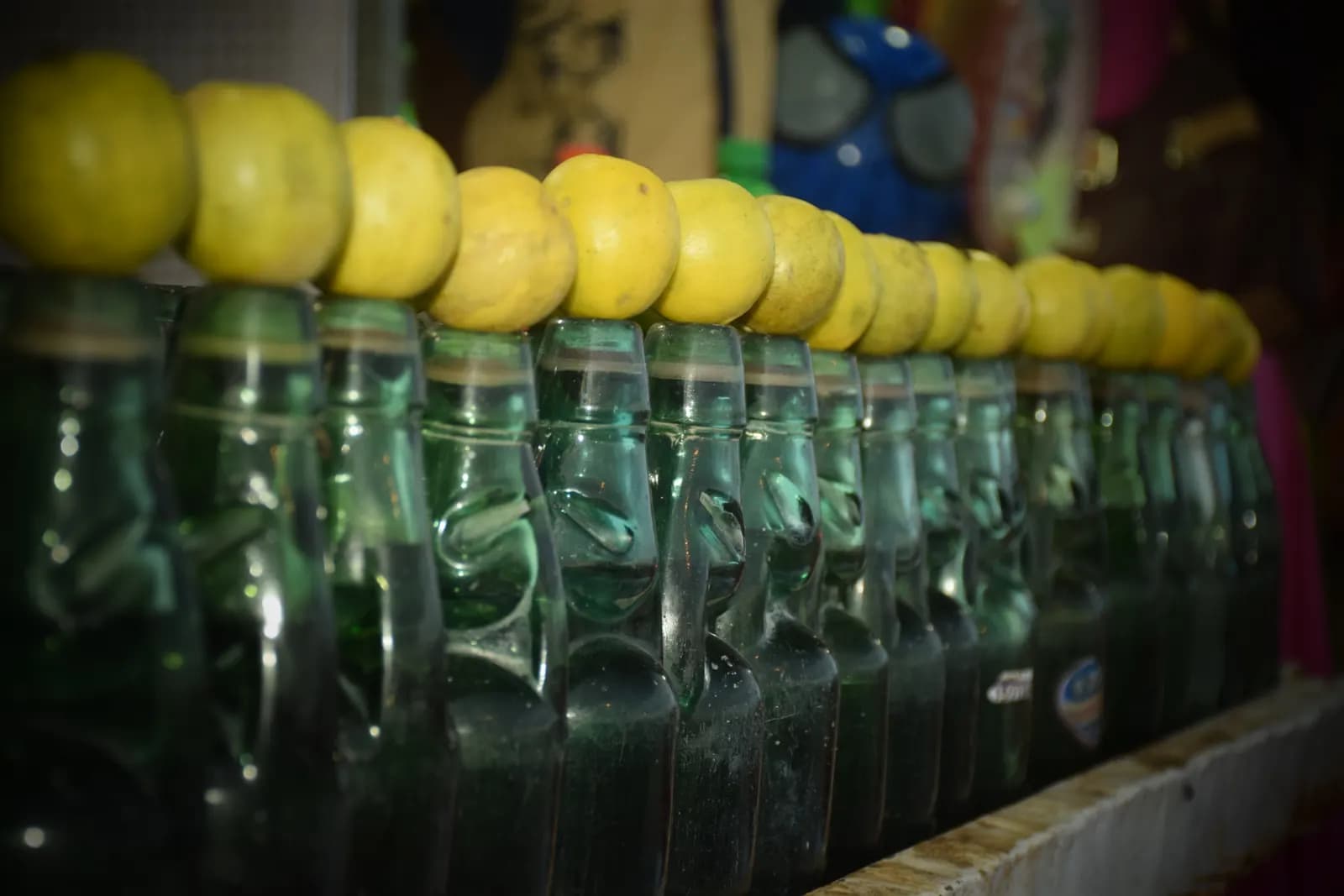
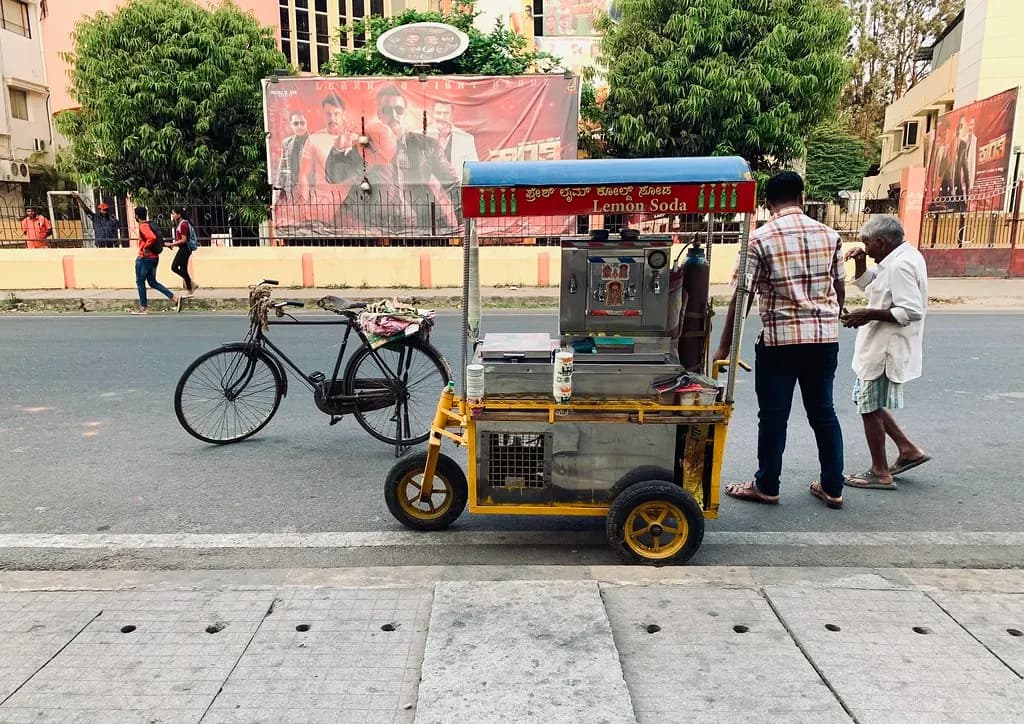
Sweetened or flavoured waters — 40%. Once sugar, an artificial sweetener or a flavour is added, the drink moves to 2202 10. That includes regular and diet colas, flavoured sodas, tonic water, lemonade and flavoured waters. A "zero sugar" drink still contains "other sweetening matter" and stays in the 40% slab. The traditional goli soda or nimbu soda sold sealed and flavoured from a bottler is 2202 10; a fresh lime soda mixed in front of you at a café is a restaurant service (see below).
Which slab is my drink in?
Step 1
Plain water or soda, no sugar or flavour
2201 — 5%
Step 2
Sugar, sweetener or flavour added
2202 10 — 40%
Step 3
Fruit drink, not fizzy
2202 99 20 — 5%
Step 4
Fizzy fruit drink or caffeinated
Schedule III — 40%
Fruit-based drinks — 5% or 40%. A non-carbonated drink based on fruit pulp or fruit juice, such as a mango drink or a mixed-fruit nectar in a tetra pack, is 2202 99 20 at 5%. Straight fruit or vegetable juice, with or without added sugar, is heading 2009 at 5%. But a carbonated drink with fruit juice, or a carbonated beverage of fruit drink, is named in Schedule III and taxed at 40%. A small amount of juice in a fizzy drink does not take it to 5%.
Caffeinated and other beverages — 40%. Caffeinated beverages under 2202 99 90 — most energy drinks — are in Schedule III. So are other non-alcoholic beverages not listed in Schedule I, which covers non-alcoholic beer (2202 91 00) and the residual 2202 99 90.
Milk and plant-based drinks — 5%. Beverages containing milk under 2202 99 30, such as flavoured milk, packaged lassi-style drinks and bottled cold coffee with milk, are 5%. Plant-based milk drinks and soya milk drinks are 5%. Our guide to GST on milk products covers the dairy side.
Cold drinks in a restaurant vs a shop
The same bottle can be taxed two ways depending on who sells it and how.
In a restaurant. Entry 7 of Notification 11/2017–Central Tax (Rate) taxes supply "by way of or as part of any service or in any other manner whatsoever" of food or any other article for human consumption "or any drink" by a restaurant, eating joint, mess or canteen. Food and drinks served by a restaurant are a composite supply of restaurant service. The whole bill — including any cold drink — is taxed at 5% (no input tax credit), whether you eat in, take away or order through a delivery app. In a restaurant at "specified premises", a hotel with a room tariff above ₹7,500 a night, the rate is 18% with ITC. A restaurant cannot show a separate 40% GST line for a cold drink; if you see one, ask for a corrected bill.
When you order through a food delivery app, the app — as the electronic commerce operator — collects and pays the GST on restaurant services under section 9(5) of the CGST Act, at the same restaurant rate. The restaurant does not charge GST again on those orders. A cold drink added to a food order on the app is part of that restaurant supply. If the app also sells packaged drinks from its own grocery or quick-commerce store, those are goods sold by that store at the rate for the drink.
In a shop. A grocery, supermarket, paan shop or online store selling a sealed bottle is selling goods, at the rate for that drink — 40% for a cola. The MRP already includes GST, so the shop cannot add tax on top of the MRP.
The restaurant gets no credit for the 40% it paid when it bought cold drinks from its distributor, because the 5% restaurant rate carries no input tax credit. That cost is built into the menu price — one reason a bottle that costs ₹40 in a shop may cost more on a menu.
The same 600 ml cola — shop vs restaurant
| Grocery shop | Standalone restaurant | Hotel restaurant (specified premises) | |
|---|---|---|---|
Nature of supply | Goods (2202 10) | Restaurant service | Restaurant service |
GST rate | 40% | 5% (no input tax credit) | 18% with ITC |
GST on the bottle (shop MRP ₹40; menu price ₹60 before tax) | ₹11.43 inside the MRP | ₹3.00 added to the bill | ₹10.80 added to the bill |
Seller's credit on the bottle bought | Yes | No | Yes |
Nature of supply
- Grocery shop
Goods (2202 10)
- Standalone restaurant
Restaurant service
- Hotel restaurant (specified premises)
Restaurant service
GST rate
- Grocery shop
40%
- Standalone restaurant
5% (no input tax credit)
- Hotel restaurant (specified premises)
18% with ITC
GST on the bottle (shop MRP ₹40; menu price ₹60 before tax)
- Grocery shop
₹11.43 inside the MRP
- Standalone restaurant
₹3.00 added to the bill
- Hotel restaurant (specified premises)
₹10.80 added to the bill
Seller's credit on the bottle bought
- Grocery shop
Yes
- Standalone restaurant
No
- Hotel restaurant (specified premises)
Yes
Worked examples in rupees
The prices below are illustrative, not market quotes. Trade prices and MRPs vary by brand, pack size and region.
Distributor to retailer. A distributor sells a retailer 24 bottles of a cola at a trade price of ₹22 a bottle before tax. Value ₹528, GST at 40% ₹211.20 (₹105.60 CGST and ₹105.60 SGST), invoice ₹739.20.
Retailer to customer. The retailer sells all 24 at the MRP of ₹40, collecting ₹960. Taxable value is ₹960 ÷ 1.40 = ₹685.71 and GST is ₹274.29. After setting off the ₹211.20 credit, the retailer pays ₹63.09 — which is 40% of its ₹157.71 margin before tax.
| Purchase | Pre-tax value | GST rate | GST | Total |
|---|---|---|---|---|
| 24 colas from distributor at ₹22 | ₹528.00 | 40% | ₹211.20 | ₹739.20 |
| 12 litres of mango drink at ₹80 a litre | ₹960.00 | 5% | ₹48.00 | ₹1,008.00 |
| 10 cans of energy drink at ₹90 | ₹900.00 | 40% | ₹360.00 | ₹1,260.00 |
| 10 jars of 20-litre drinking water at ₹50 | ₹500.00 | 5% | ₹25.00 | ₹525.00 |
| Restaurant bill: food ₹600 + 2 cold drinks ₹120 | ₹720.00 | 5% (no input tax credit) | ₹36.00 | ₹756.00 |
Try it — GST inside a cold drink price
Combo packs. A shop that sells a namkeen packet and a cola together for a single price is making a mixed supply. Section 8(b) of the CGST Act taxes a mixed supply at the rate of the item with the highest rate — so the whole combo is taxed at 40%, not just the drink. Price and bill the items separately if you want each at its own rate.
Retailers, distributors and the composition scheme
A small shop can opt for the composition scheme if its turnover is within ₹1.5 crore and pay a flat 1% of turnover. Cold drinks do not bar a trader from the scheme. But a composition dealer cannot claim input tax credit, so the 40% GST in the distributor's price becomes a cost, and it cannot collect GST from customers. For a shop with a large share of cold drinks, work out whether the scheme saves money once that lost credit is counted. Our composition scheme guide has the conditions.
Manufacturers are treated differently. Notification 43/2019–Central Tax added aerated water under 2202 10 10 to the list of goods whose manufacturers cannot opt for composition. A local soda bottler must therefore pay GST at the normal rate. Restaurants can use the composition scheme at 5%.
Distributors carry 40% stock, so their working capital is tied up in tax as well as goods. Every consignment above ₹50,000 — including GST — moving by road needs an e-way bill, and a typical van load of soft drinks crosses that quickly.
Bottlers and juice makers: input credit
A cola bottler buys sugar, carbon dioxide, PET preforms, crowns and caps, labels and corrugated cartons, mostly at 5% or 18%, and sells at 40%. Its output tax is much higher than its input tax, so it pays the difference in cash each month and has no excess credit.
A juice or fruit drink maker is in the opposite position. It sells at 5% but buys plastic bottles and closures at 18%, labels and cartons at various rates, and pays 18% on most services. Credit can build up. Section 54(3) of the CGST Act allows a refund of credit accumulated because inputs are taxed at a higher rate than outputs, using the formula in Rule 89(5), which counts inputs but not input services or capital goods. The 56th Council recommended sanctioning 90% of such refunds provisionally, and the 57th GST Council on 8 October 2026 recommended extending refunds to input services from 1 November 2026 — a change that still needs notification.
Check your beverage bill
0/6Common mistakes with GST on cold drinks
Still charging cess. Billing software set up before September 2025 may still add 28% plus 12% cess. The rate is now a single 40%, and a cess column on a post-22 September invoice is an error.
Treating diet drinks as unsweetened. Artificial sweeteners are "other sweetening matter". Diet and zero-sugar colas are in 2202 10 at 40%, not in 2201.
Billing a fizzy fruit drink at 5%. Carbonated fruit drinks are named in Schedule III. Only non-carbonated fruit drinks and juices are at 5%.
Restaurants adding 40% on drinks. Drinks served as part of restaurant service take the restaurant rate. Charging 40% on top over-collects tax from customers.
Restaurants claiming credit. A restaurant on the 5% (no input tax credit) rate cannot claim credit on the GST paid on cold drinks it buys, even though that GST was 40%.
Official links
- Notification 9/2025–CT(Rate) — goods rate scheduleSchedule III S.No. 1–4; Schedule I S.No. 133–151
- 56th GST Council — recommendationsBeverage rate changes
- PIB FAQs on GST rate rationalisationWhy beverages moved to 40%
- Notification 11/2017–CT(Rate)Entry 7 — restaurant service including any drink
- Notification 43/2019–CTAerated water makers barred from composition
- CGST rate notificationsLater amendments, if any
What to do next
If you sell drinks, check that your billing software has removed the cess and uses 40% only for 2202 10, caffeinated and carbonated fruit drinks, and 5% for juices, fruit drinks, milk drinks and water. If you run a restaurant, keep drinks inside the restaurant rate and price them with the lost credit in mind — the food cost calculator helps. Use the GST calculator to check any bill, and read our guides to GST on food and GST 2.0.
This is general information, not legal or tax advice — confirm on the official source or with a professional.
Frequently asked questions
Sweetened or flavoured aerated drinks such as colas, lemon-lime sodas and orange sodas attract 40% GST under HSN 2202 10. Before 22 September 2025 they carried 28% GST plus 12% compensation cess; GST 2.0 removed the cess and put them in the 40% slab, so the total tax stayed the same. Plain soda water without sugar or flavour is 5%.
A cold drink served by a restaurant, café or dhaba is part of its restaurant service, so the whole bill is taxed at the restaurant rate — 5% (no input tax credit) — not 40%. Restaurants in hotels with a room tariff above ₹7,500 a night charge 18% with ITC. A restaurant cannot add a separate 40% GST line for the drink.
Caffeinated beverages under 2202 99 90, which include most energy drinks, attract 40%. They carried 28% GST plus 12% cess before 22 September 2025. Other non-alcoholic beverages not covered elsewhere, including non-alcoholic beer, moved from 18% to 40% — a real price increase.
Fruit and vegetable juices under heading 2009 and non-carbonated fruit pulp or fruit juice based drinks under 2202 99 20 attract 5%, down from 12%. If the fruit drink is carbonated — a fizzy drink with fruit juice — it falls in the 40% slab instead. Packaged tender coconut water is also 5%.
Sweetened or flavoured waters, including aerated cold drinks, are heading 2202 10 — 2202 10 10 for aerated waters, 2202 10 20 for lemonade and 2202 10 90 for others. Fruit-based drinks are 2202 99 20, milk-based drinks 2202 99 30 and caffeinated and other beverages 2202 99 90. Plain mineral, soda and packaged drinking water is heading 2201.
No. Notification 2/2025–Compensation Cess (Rate) removed the 12% cess on aerated waters, lemonade, other sweetened or flavoured waters, caffeinated beverages and carbonated fruit drinks from 22 September 2025. The GST rate was raised to 40% at the same time. Compensation cess on all remaining goods ended on 1 February 2026.
Sources & verification
Figures on this page were checked against the sources below when it was last reviewed on 9 October 2026. Each rate and limit is stored once with its own official source and review date, and official update channels are monitored daily so changes are picked up. How we verify
- 1.Notification No. 9/2025–Central Tax (Rate), 17 September 2025 (Gazette of India) — Ministry of Finance / Gazette of India · accessed 9 October 2026
- 2.Recommendations of the 56th GST Council meeting (press release with rate annexures) — GST Council / PIB · accessed 9 October 2026
- 3.FAQs on GST rate rationalisation (56th GST Council) — PIB / Ministry of Finance · accessed 9 October 2026
- 4.Notification No. 11/2017–Central Tax (Rate), entry 7 — CBIC · accessed 9 October 2026
- 5.Notification No. 43/2019–Central Tax — CBIC · accessed 9 October 2026
- 6.CBIC notifies nil GST compensation cess on 19 product categories from 22 September 2025 — A2Z Taxcorp · accessed 9 October 2026
- 7.Aerated beverage distributors to face unutilised GST compensation cess burden — A2Z Taxcorp (republishing The Hindu BusinessLine) · accessed 9 October 2026
MSMETOOLS is an independent platform and is not affiliated with any government agency, ministry or department.
Tools for this
GST Calculator (India)
Calculate GST for your sales and purchases with current rates.
Invoice Generator
Create professional invoices with tax, logo and custom details.
Food Cost Calculator
Calculate food cost, menu pricing and profit margins.
Related guides
 GST on Food 2026: Restaurant & Food Item Rates After GST 2.0Read guide
 Hotel Room GST Rate 2026: 5% vs 18%, ₹7,500 Rule & ITCRead guide
 GST on Tea & Coffee 2026: 5% Rate, Nil Leaf, Café BillsRead guide
 GST Rate on Dry Fruits 2026: 5% on Almonds, Cashew, HSNRead guide
Official links open the government site in a new tab.