 GST & indirect tax
GST on Tea and Coffee in 2026: Leaf, Powder, Instant Coffee and Café Bills
GST on tea and coffee in 2026: green tea leaf and raw coffee beans Nil, packaged tea and roasted coffee 5%, instant coffee now 5%, café bills, HSN codes, ₹ examples.
 Edited by Sumeet YadavFounder & editor, MSMETOOLS · fact-checked against official sources
Contents (11)
- 1. GST rates on tea and coffee in 2026
- 2. What GST 2.0 changed for tea and coffee
- 3. GST on tea: from garden to packet
- 4. GST on coffee: beans, powder and instant coffee
- 5. Worked bills: GST on tea and coffee in rupees
- 6. GST on tea and coffee in cafés, tea stalls and hotels
- 7. Bottled cold coffee and iced tea
- 8. Input tax credit and stock on hand
- 9. Exports, auctions and online sales
- 10. Common mistakes with GST on tea and coffee
- 11. What to do next
Tea and coffee sit in an unusual corner of GST. The same leaf is tax-free when a grower sells it fresh, carries a low rate once it is processed and packed, and turns into a service the moment it is poured into a cup at a café. This guide is for tea and coffee traders, packers and roasters, estate and bought-leaf factory owners, café and tea-stall operators, and online sellers who want the 2026 position in one place. It covers the rates on leaf, beans, powder and instant coffee, what GST 2.0 changed on 22 September 2025, café and hotel bills, ready-to-drink beverages, HSN codes and worked bills in rupees. Rates were checked against the notified schedules in October 2026.
Quick answer
Processed tea (0902) and roasted or ground coffee (0901) attract 5% GST. Unprocessed green tea leaf and coffee beans that are not roasted are Nil. Instant coffee, instant tea and tea or coffee premixes (2101) fell from 18% to 5% on 22 September 2025. Tea or coffee served in a café or restaurant is a restaurant service at 5% (no input tax credit).
1 kg pack of CTC tea at ₹480: GST ₹24 at 5%
100 g jar of instant coffee at ₹350: GST ₹17.50 (was ₹63 at 18%)
Café bill of ₹580: GST ₹29 at 5%, no input tax credit for the café
Roasted chicory and coffee substitutes (2101 30): 5%, down from 12%
No compensation cess on tea or coffee
GST rates on tea and coffee in 2026
The goods rate schedule that has applied since 22 September 2025 is Notification 9/2025–Central Tax (Rate). Its Schedule I, the 2.5% central tax list, carries almost every tea and coffee product: serial 33 for coffee of heading 0901 (roasted coffee, decaffeinated or not, coffee husks and skins, and coffee substitutes containing coffee in any proportion), serial 34 for tea of heading 0902 "whether or not flavoured", serial 35 for maté, and serials 135 to 137 for instant coffee, instant tea, their preparations and roasted chicory. Each of those is 2.5% CGST plus 2.5% SGST, or 5% IGST on a sale to another state.
The raw farm products sit in the separate exemption notification, Notification 10/2025–Central Tax (Rate). Serial 57 exempts "coffee beans, not roasted" and serial 58 exempts "unprocessed green leaves of tea". Both entries are carved out of the 5% entries in so many words, so there is no overlap: the moment tea leaf is withered, rolled and dried, or coffee is roasted, it moves from Nil to 5%.
GST on tea and coffee products (2026)
| Product (HSN) | GST rate | Notification entry |
|---|---|---|
Fresh green tea leaf, unprocessed (0902) | Nil | N.10/2025 S.No. 58 |
Coffee beans, not roasted — green or cured coffee (0901) | Nil | N.10/2025 S.No. 57 |
Tea — CTC, orthodox, green, flavoured, tea bags (0902) | 5% | N.9/2025 Sch. I 34 |
Roasted coffee beans, ground coffee, filter coffee with chicory (0901) | 5% | N.9/2025 Sch. I 33 |
Instant coffee, coffee extracts and coffee-based preparations (2101 11, 2101 12) | 5% | N.9/2025 Sch. I 135 |
Instant tea, tea extracts, tea premixes (2101 20) | 5% | N.9/2025 Sch. I 136 |
Roasted chicory and other roasted coffee substitutes (2101 30) | 5% | N.9/2025 Sch. I 137 |
Ready-to-drink coffee or tea made with milk (2202 99 30) | 5% | N.9/2025 Sch. I 151 |
Canned iced tea or coffee drink without milk; caffeinated drinks (2202 99 90) | 40% | N.9/2025 Sch. III 2–3 |
Tea or coffee served in a café or restaurant (service) | 5% (no input tax credit) | Restaurant service entry |
Fresh green tea leaf, unprocessed (0902)
- GST rate
Nil
- Notification entry
N.10/2025 S.No. 58
Coffee beans, not roasted — green or cured coffee (0901)
- GST rate
Nil
- Notification entry
N.10/2025 S.No. 57
Tea — CTC, orthodox, green, flavoured, tea bags (0902)
- GST rate
5%
- Notification entry
N.9/2025 Sch. I 34
Roasted coffee beans, ground coffee, filter coffee with chicory (0901)
- GST rate
5%
- Notification entry
N.9/2025 Sch. I 33
Instant coffee, coffee extracts and coffee-based preparations (2101 11, 2101 12)
- GST rate
5%
- Notification entry
N.9/2025 Sch. I 135
Instant tea, tea extracts, tea premixes (2101 20)
- GST rate
5%
- Notification entry
N.9/2025 Sch. I 136
Roasted chicory and other roasted coffee substitutes (2101 30)
- GST rate
5%
- Notification entry
N.9/2025 Sch. I 137
Ready-to-drink coffee or tea made with milk (2202 99 30)
- GST rate
5%
- Notification entry
N.9/2025 Sch. I 151
Canned iced tea or coffee drink without milk; caffeinated drinks (2202 99 90)
- GST rate
40%
- Notification entry
N.9/2025 Sch. III 2–3
Tea or coffee served in a café or restaurant (service)
- GST rate
5% (no input tax credit)
- Notification entry
Restaurant service entry
There is no compensation cess on any of these goods, so the rate on the invoice is the whole tax. Tea and roasted coffee were already at 5% before GST 2.0, so a packet of Assam tea or a bag of filter coffee costs the same in tax as it did in 2024. The products that changed are the processed ones under heading 2101, covered next.
What GST 2.0 changed for tea and coffee
The 56th GST Council's food-sector annexure lists two moves that matter here. Extracts, essences and concentrates of coffee (2101 11 and 2101 12 00) and of tea or maté (2101 20), together with preparations based on them, went from 18% to 5%. Roasted chicory and other roasted coffee substitutes (2101 30) went from 12% to 5%. Both took effect on 22 September 2025 through Notification 9/2025.
In shop terms, that means instant coffee jars and sachets, "3-in-1" coffee premixes with milk powder and sugar, instant tea and masala tea premixes, cold-brew concentrates sold as concentrates, and chicory powder all fell to 5%. For a café chain or office pantry supplier that buys instant coffee in bulk, the cut was the largest in the category — 13 percentage points.
Tea, roasted coffee and ground coffee did not change. Nor did the restaurant rate: the Council kept the existing structure in which most restaurants pay 5% without input tax credit.
GST on tea: from garden to packet
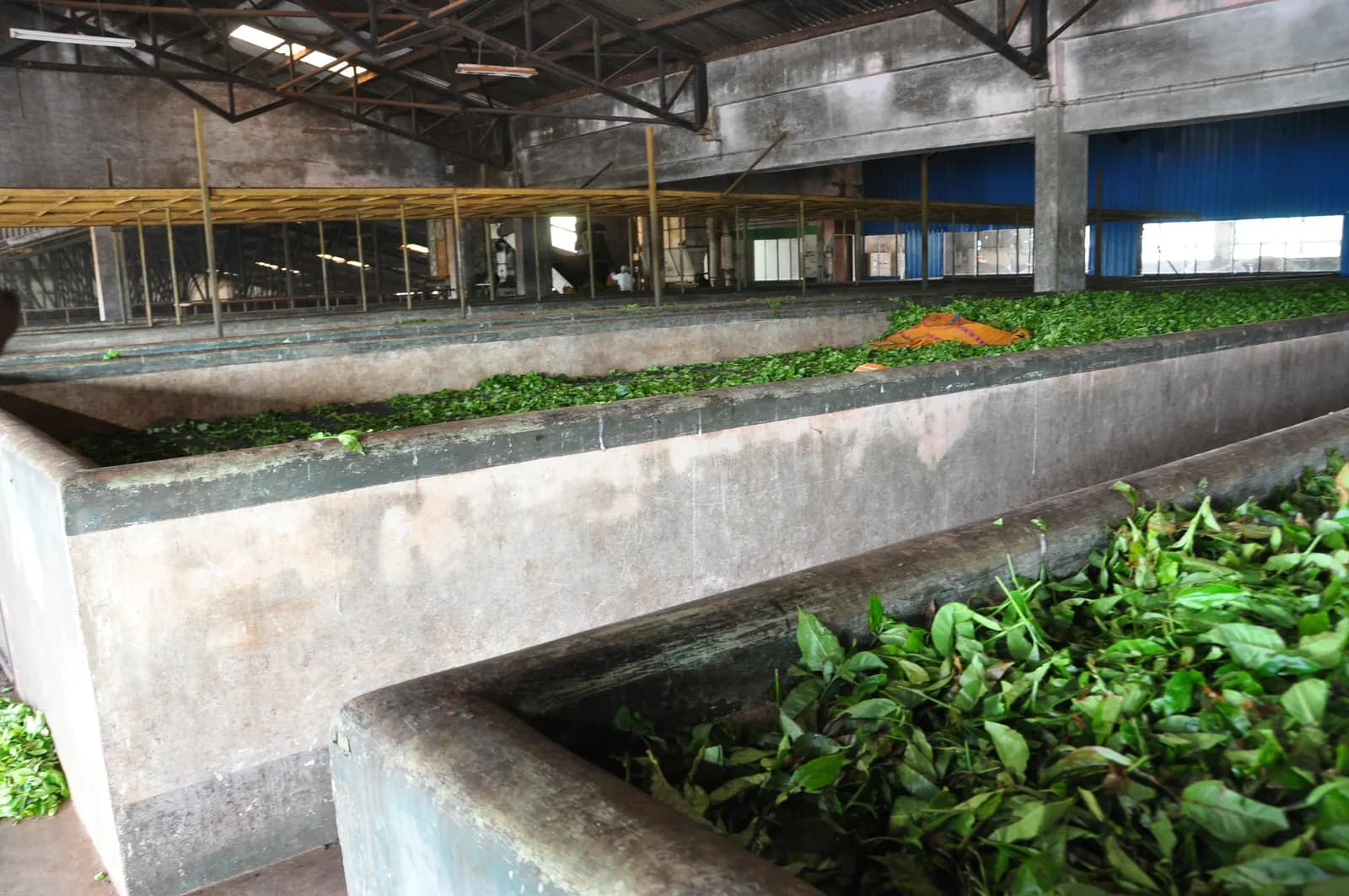
Green leaf. A small grower in Assam, the Nilgiris or north Bengal who plucks leaf and sells it to a factory sells an exempt product. No GST is charged, and if the grower's whole turnover is in exempt leaf, the grower does not need to register at all, because exempt supplies alone do not make registration compulsory.
Bought-leaf and estate factories. A factory that buys leaf and manufactures made tea pays no GST on the leaf and charges 5% on the tea it sells — at auction, privately to a packer, or for export. Its main taxable inputs are fuel, packaging, machinery spares and power-related services. Coal, a common withering and drying fuel, moved from 5% to 18% under GST 2.0, according to the Council FAQs. Credit on those inputs is available against the 5% output tax.
Blenders and packers. A packer who buys made tea at 5% and sells branded packets at 5% has a simple chain: input credit on the tea matches the output tax closely, and credit on 18% packaging and printing adds a small surplus. Flavouring tea with cardamom, ginger or lemongrass does not change the heading — the entry says "whether or not flavoured" — so a masala tea blend that is mostly tea is still 0902 at 5%.
Green tea and herbal teas. Processed green tea, white tea and oolong are all tea of heading 0902, at the same 5%. Herbal infusions that contain no tea leaf — chamomile, hibiscus, tulsi or "detox" blends — are not tea for GST. They are classified by what they contain, so check the heading before you assume 5%; our HSN code finder is a good starting point.
GST on coffee: beans, powder and instant coffee
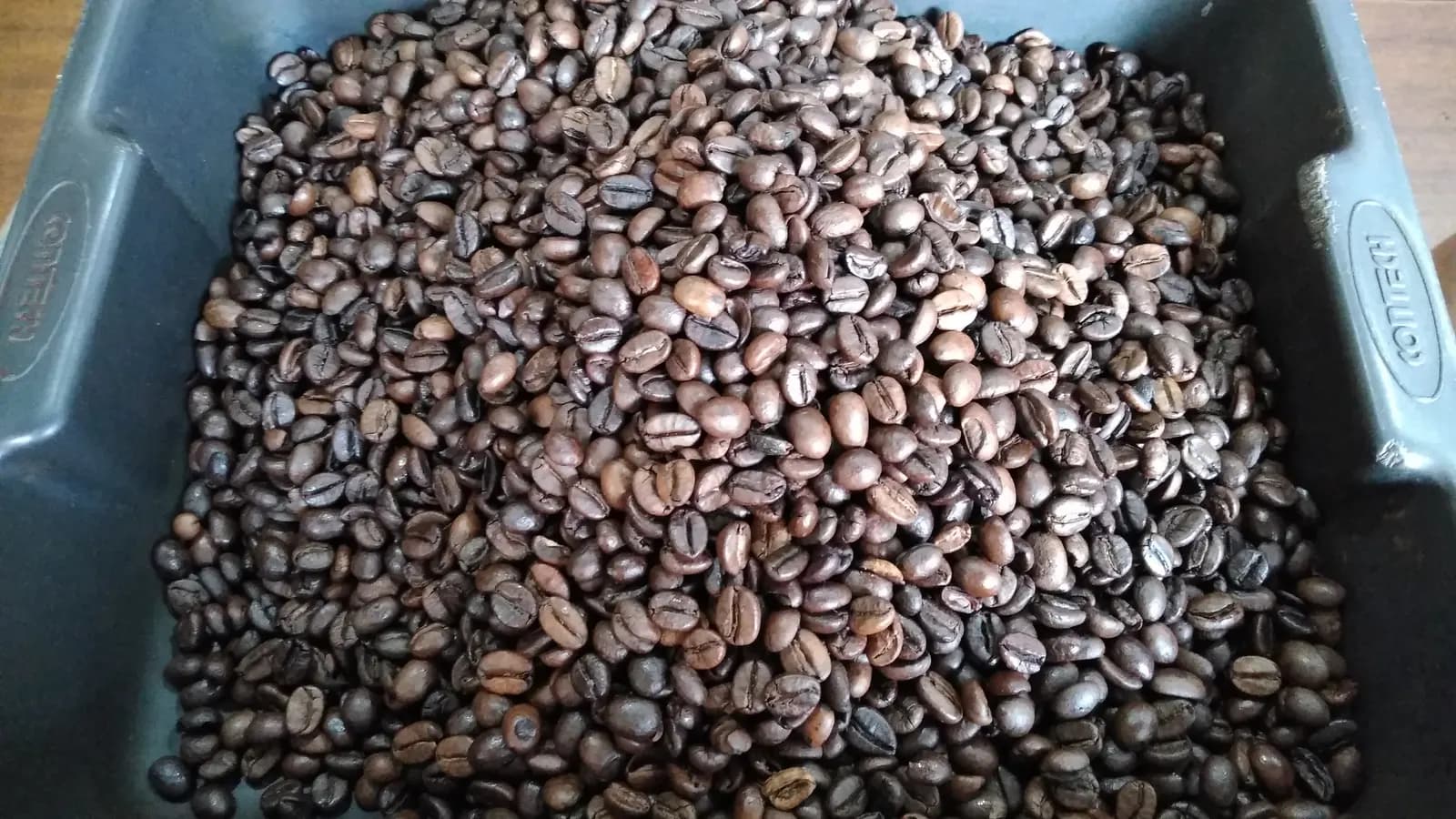
Coffee follows the same pattern. Coffee cherries, parchment and cherry coffee, and cured green beans that are not roasted, are covered by the Nil entry. Planters and curing works in Kodagu, Chikkamagaluru and Wayanad who sell green coffee to roasters or exporters charge no GST on it.
Roasting changes the answer. Roasted beans, ground coffee and filter coffee powder are 0901 at 5%. South Indian filter coffee is usually a blend of coffee and chicory. The 0901 entry covers "coffee substitutes containing coffee in any proportion", so an 80:20 or 70:30 coffee–chicory blend is still coffee at 5%. Pure roasted chicory powder is 2101 30, now also at 5%.
Instant coffee, both spray-dried and freeze-dried, is an extract of coffee under 2101 11 and is now at 5%. So are coffee premixes and liquid concentrates "with a basis of" those extracts. Coffee pods and capsules filled with ground roasted coffee are classified as roasted coffee, while capsules of soluble coffee follow the 2101 entry; both are 5%, so the rate is the same.
Worked bills: GST on tea and coffee in rupees
The prices below are illustrative round figures to show the arithmetic, not market quotes.
| Item (illustrative) | Taxable value | GST rate | GST | Bill total |
|---|---|---|---|---|
| 1 kg CTC tea pack | ₹480 | 5% | ₹24.00 | ₹504.00 |
| 100 tea bags, green tea | ₹300 | 5% | ₹15.00 | ₹315.00 |
| 500 g filter coffee (coffee–chicory blend) | ₹320 | 5% | ₹16.00 | ₹336.00 |
| 100 g instant coffee jar | ₹350 | 5% | ₹17.50 | ₹367.50 |
| Same jar before 22 Sep 2025 | ₹350 | 18% | ₹63.00 | ₹413.00 |
| 50 kg green coffee beans to a roaster | ₹15,000 | Nil | ₹0 | ₹15,000.00 |
A wholesale invoice. A Kolkata blender sells 1,200 kg of packed tea to a distributor in Patna at ₹240 a kilogram. The value is ₹2,88,000, the sale is between states, and IGST at 5% is ₹14,400. The consignment is above ₹50,000, so it needs an e-way bill. The same sale to a distributor in Howrah would be ₹7,200 CGST plus ₹7,200 SGST.
A gift hamper. Festive hampers mix items with different rates, and section 8 of the CGST Act decides the tax. If the items are sold together for a single price and none is the principal supply, it is a mixed supply taxed at the highest rate among them. A ₹1,500 hamper of tea, cookies and an electric kettle is taxed entirely at 18%, because the kettle (8516) carries that rate — ₹270 of GST. Priced separately on the invoice, the tea and cookies would carry 5% and only the kettle 18%. Pricing each item separately is usually cheaper for the buyer.
Try it — GST on a jar of instant coffee
GST on tea and coffee in cafés, tea stalls and hotels
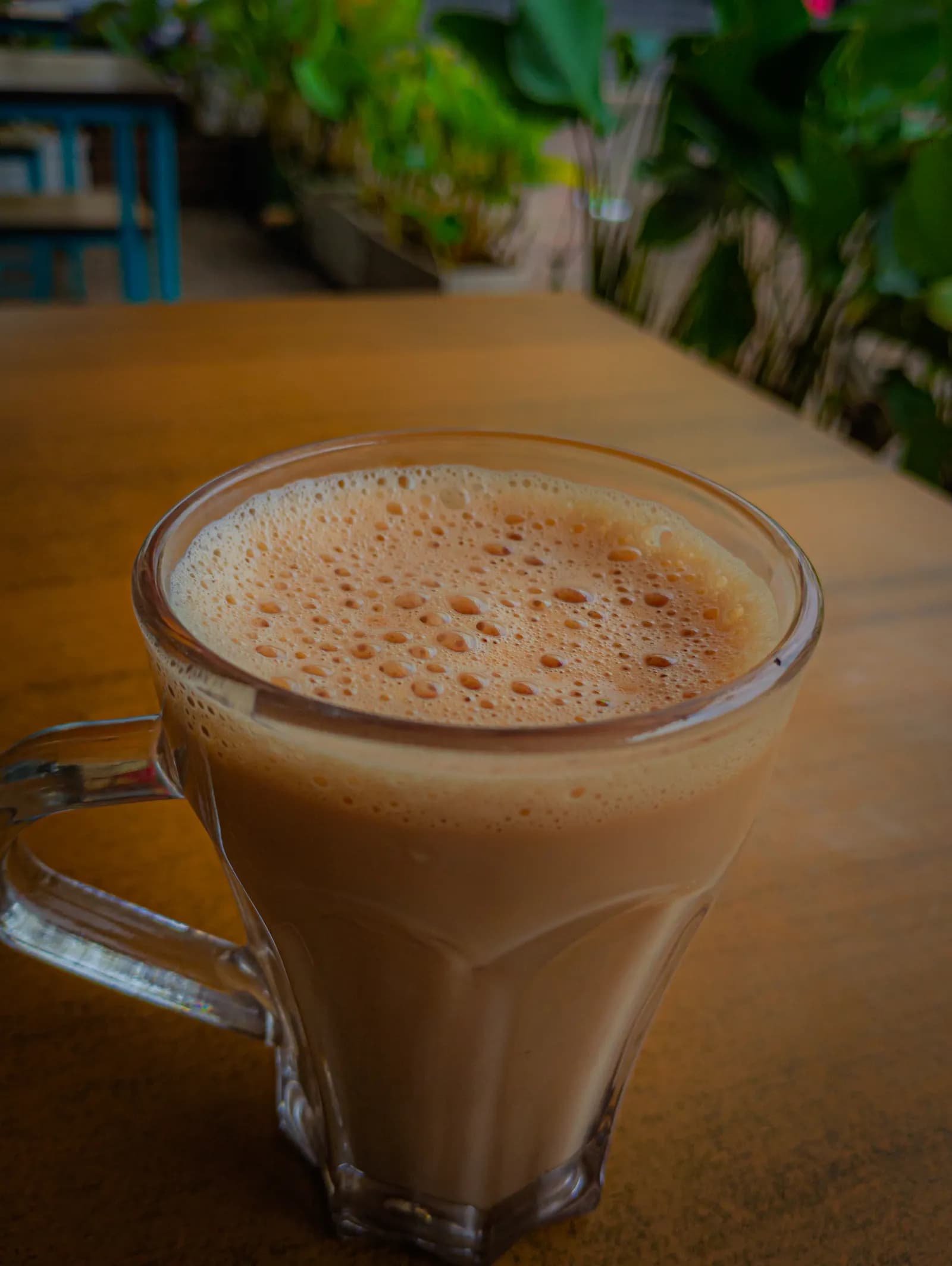
A cup of tea is not a sale of tea. When a café, a tea stall, a canteen or a restaurant prepares and serves a drink, the whole supply — the drink, the cup, the table, the service — is a restaurant service. The rate for most of them is 5% (no input tax credit) — 2.5% CGST plus 2.5% SGST, with no credit for the GST paid on the milk, sugar, coffee powder, rent or equipment the café buys. A standalone café cannot choose 18% with credit instead.
The exception is a restaurant inside a hotel that charged more than ₹7,500 a day for any room in the previous financial year — what the notification calls "specified premises". Its food and drink bills carry 18% with ITC. That is why a coffee in a five-star hotel lobby costs more in tax than the same coffee in a high-street café. Tea or coffee served free in the room, or included in a room package, is part of the room tariff and takes the rate that applies to the room.
A café bill. Two cappuccinos at ₹180 each and a sandwich at ₹220 come to ₹580. The café adds 5%, or ₹29 (₹14.50 CGST and ₹14.50 SGST), for a total of ₹609. The same order in a specified-premises hotel restaurant would carry ₹104.40 at 18%. A service charge, where one is collected, is part of the value for GST.
Delivery apps. When tea or coffee is ordered through a food delivery platform, section 9(5) of the CGST Act makes the platform, not the café, liable to pay GST on the restaurant service. The café invoices the platform without charging GST on the food and drink. The platform's own delivery and platform fees carry 18%. Our guide to GST on food covers delivery apps, cloud kitchens and catering in detail.
Tea stalls and small cafés. A tea stall is a supplier of services, so the registration threshold is ₹20 lakh of aggregate turnover in most states and ₹10 lakh in the special category states. A café that crosses it but stays within ₹1.5 crore can opt for the composition scheme at 5% of turnover. It then cannot charge GST on its bills, but the cost is the same as the normal 5% rate and the returns are simpler. See our composition scheme guide.
Bottled cold coffee and iced tea
Ready-to-drink beverages are classified under heading 2202, not under tea or coffee, and GST 2.0 split them sharply. A bottled or canned cold coffee or tea made with milk is a "beverage containing milk" under 2202 99 30, which Schedule I puts at 5%. A canned iced tea, sparkling coffee or cold-brew drink without milk is an "other non-alcoholic beverage" under 2202 99 90, which Schedule III puts at 40%. Schedule III also lists "caffeinated beverages" at 40%.
The line is the formulation, not the brand. A cold coffee with milk solids sold in a PET bottle is 5%; a lemon iced tea in a can is 40%. A concentrate sold to be diluted, rather than drunk as it is, is an extract under 2101 at 5%. If you make or sell ready-to-drink products, keep the product specification on file to support the classification. Our guide to GST on cold drinks covers heading 2202 in full.
Input tax credit and stock on hand
Traders of tea and roasted coffee usually have a balanced credit chain: they buy at 5% and sell at 5%. Packaging is the main source of surplus credit, because plastic packing articles are 18% and printed cartons and laminated pouches are mostly 18%. Small surpluses can be used against future output tax.
Instant coffee and premix sellers had a harder transition. Stock bought before 22 September 2025 carried 18% GST, but every sale from that date carries 5%. The PIB FAQs on the 56th Council say goods supplied on or after the change take the new rate, whatever the purchase date, and the credit already taken can be used against any output tax. They also point to Circular 135/05/2020-GST, which says a refund of accumulated credit under the inverted-duty provision is not available when the input and the output are the same goods taxed at different rates at different times. A distributor holding a large 18% stock of instant coffee therefore carries that credit forward rather than claiming it back in cash.
Manufacturers are different. A factory making instant coffee or premixes at 5% from inputs at higher rates — 18% packaging, some flavourings and ingredients — may have a genuine inverted structure and can claim a refund of the excess credit on inputs under section 54(3), within two years from the relevant date. Credit on services and capital goods is not refundable under the formula. Our input tax credit guide covers the conditions.
Instant coffee before and after GST 2.0 (₹350 jar, illustrative)
₹63.00
GST at 18% (to 21 Sep 2025)
₹17.50
GST at 5% (from 22 Sep 2025)
₹45.50
Tax saved per jar
5%
Rate on instant tea and premixes
2101 20
Exports, auctions and online sales
Exports. Tea and coffee exported under a letter of undertaking are zero-rated. No IGST is paid at export and the credit on inputs can be refunded. See our guide to the LUT in GST.
Auctions. Tea sold at public auction is a taxable supply of goods at 5% from the seller to the buyer. The auctioneer's or broker's commission is a separate service taxed at its own rate.
Online sellers. A tea or coffee brand selling through a marketplace charges 5% on its own invoice, and the marketplace collects tax at source of 0.5% (0.25% CGST + 0.25% SGST, or 0.5% IGST) of the net value, which the seller can claim in its cash ledger. Selling between states through a marketplace generally requires GST registration whatever the turnover.
Common mistakes with GST on tea and coffee
Check your tea or coffee invoice
0/7Billing instant coffee at 18%. Many billing masters were never updated. Instant coffee and premixes have been 5% since 22 September 2025; charging 18% overcharges the customer and must be corrected through a credit note.
Treating café tea as a sale of goods. A café cannot charge 5% on tea as goods and claim credit on its inputs. Serving food and drink is a restaurant service, and the 5% rate comes with no input credit.
Charging GST on fresh green leaf. A bought-leaf factory should not accept a GST invoice on unprocessed leaf. The leaf is exempt, and no credit is available on tax wrongly charged on an exempt supply.
Classifying herbal infusions as tea. Chamomile or hibiscus "tea" without tea leaf is not 0902. Check the correct heading and rate before you bill.
Official links
- Notification 9/2025–CT(Rate) — goods rate scheduleTea Sch. I 34; coffee 33; 2101 extracts 135–137
- Notification 10/2025–CT(Rate) — exempt goodsS.No. 57 raw coffee beans; 58 green tea leaf
- 56th GST Council — recommendations and annexuresFood sector rate changes
- PIB FAQs on the 56th GST CouncilStock on hand and inverted-duty refunds
- Section 8, CGST ActMixed and composite supplies
- CGST rate notificationsLater amendments, if any
What to do next
As of October 2026, no change to tea or coffee rates has been notified after GST 2.0; a GST Council recommendation takes effect only when a rate notification is issued. If you sell tea or coffee, check that every product in your billing software maps to the right heading — 0901, 0902, 2101 or 2202 — and that instant coffee and premixes are at 5%. If you run a café, confirm whether you are at specified premises and keep your input purchases out of your credit claims. Use the GST calculator to check a bill and the invoice generator to issue one, and read our guides to GST on food, GST on milk products and GST 2.0.
This is general information, not legal or tax advice — confirm on the official source or with a professional.
Frequently asked questions
Processed tea of heading 0902 — CTC, orthodox, Darjeeling, green tea and flavoured tea, loose or in tea bags — attracts 5% GST. Unprocessed green leaves of tea, the fresh leaf a grower sells to a factory, are Nil. Instant tea and tea premixes of 2101 20 also attract 5% since 22 September 2025, down from 18%.
Instant coffee and other extracts, essences and concentrates of coffee under 2101 11 and 2101 12 attract 5% from 22 September 2025, against 18% before. A ₹350 jar now carries ₹17.50 of GST instead of ₹63. Roasted coffee beans and ground coffee powder of heading 0901 stayed at 5%.
A cup of tea or coffee served in a café, tea stall or restaurant is a restaurant service, not a sale of tea, so it attracts 5% (no input tax credit). Restaurants inside a hotel that charged more than ₹7,500 a day for any room in the previous year charge 18% with ITC. Tea served free with a room is part of the room tariff.
Yes. Green tea sold as a processed product — dried, rolled or packed in bags — is tea of heading 0902 and attracts 5%. Only the fresh, unprocessed green leaf plucked in the garden is Nil. Herbal infusions without real tea leaf, such as chamomile or hibiscus, are not tea for GST and take the rate of their own heading.
Coffee is 0901 and tea is 0902; instant coffee is 2101 11 or 2101 12, instant tea and tea premixes 2101 20, and roasted chicory 2101 30. Show at least 4-digit HSN on invoices and GSTR-1 if turnover is up to ₹5 crore and 6-digit HSN above that.
It depends on the drink. A ready-to-drink cold coffee made with milk falls under 'beverages containing milk' (2202 99 30) at 5%. A canned iced tea or coffee drink without milk falls under 'other non-alcoholic beverages' at 40%, and caffeinated beverages are also 40%.
Sources & verification
Figures on this page were checked against the sources below when it was last reviewed on 9 October 2026. Each rate and limit is stored once with its own official source and review date, and official update channels are monitored daily so changes are picked up. How we verify
- 1.Notification No. 9/2025–Central Tax (Rate), 17 September 2025 (Gazette of India, G.S.R. 641(E)) — Ministry of Finance / Gazette of India · accessed 9 October 2026
- 2.Notification No. 10/2025–Central Tax (Rate), 17 September 2025 — exemptions (Gazette of India, G.S.R. 660(E)) — Ministry of Finance / Gazette of India · accessed 9 October 2026
- 3.Recommendations of the 56th GST Council meeting (press release with rate annexures) — GST Council / PIB · accessed 9 October 2026
- 4.FAQs on the decisions of the 56th GST Council (PIB, 3 September 2025) — PIB / Ministry of Finance · accessed 9 October 2026
- 5.Section 8 – CGST Act, 2017 (composite and mixed supplies) — CBIC · accessed 9 October 2026
- 6.Section 9 – CGST Act, 2017 (levy; section 9(5) e-commerce operators) — CBIC · accessed 9 October 2026
- 7.Section 15 – CGST Act, 2017 (value of supply) — CBIC · accessed 9 October 2026
MSMETOOLS is an independent platform and is not affiliated with any government agency, ministry or department.
Tools for this
GST Calculator (India)
Calculate GST for your sales and purchases with current rates.
Invoice Generator
Create professional invoices with tax, logo and custom details.
HSN Code Finder (India)
Find the correct HSN/SAC code for your product.
Related guides
 GST on Cold Drinks 2026: 40% Rate, Juices, Water & RestaurantsRead guide
 GST on Food 2026: Restaurant & Food Item Rates After GST 2.0Read guide
 GST on Milk Products 2026: Paneer, Ghee, Butter, Curd RatesRead guide
 GST Composition Scheme 2026: Limit, Rates, CMP-08 & RulesRead guide
Official links open the government site in a new tab.