 Business registration & legal
Trade License in Patna and Bihar (2026): The Municipal Licence, Fees, Applying to PMC, Renewal and Penalties
Trade licence in Patna and Bihar for 2026: the section 342 municipal licence, the ₹2,500 fee cap, PMC online services, documents, renewal, meat-shop rules and fines.
 Edited by Sumeet YadavFounder & editor, MSMETOOLS · fact-checked against official sources

Contents (11)
- 1. What Bihar calls a trade licence
- 2. Which businesses need the licence
- 3. When you need another licence first: the provisional licence
- 4. How to apply with Patna Municipal Corporation
- 5. Documents you'll need
- 6. Fees: the ₹2,500 ceiling and what we couldn't find
- 7. Renewal and validity
- 8. Meat and fish shops: Patna's 2026 drive
- 9. Penalties and enforcement
- 10. Common mistakes and how to fix them
- 11. What to do next
Ask a Patna consultant for a "trade licence" and you'll be quoted a fee that could be anything from a few hundred rupees to ten thousand. The law that actually governs the licence is shorter and stricter than most of those quotes suggest. This guide is for shop owners, restaurateurs, salon and laundry operators, workshop owners and accountants in Patna, Gaya, Bhagalpur, Muzaffarpur, Darbhanga and Bihar's other municipal corporations, councils and nagar panchayats. It covers which businesses need the municipal licence under the Bihar Municipal Act, 2007, the fee ceiling written into that Act, how Patna Municipal Corporation's online service works (and what to do when it doesn't), documents, renewal, the 2026 meat-shop drive and penalties. We checked it against the Act and PMC's own portal in October 2026.
Quick answer
In Patna and every Bihar municipality, section 342 of the Bihar Municipal Act, 2007 bars using premises for any non-residential purpose listed in the Act's Schedule without a municipal licence from the Chief Municipal Officer or the wards committee. Fees are set by each municipality's regulations, but the Act caps any licence fee at ₹2,500.
The Schedule lists 337 licensable uses — eating houses, salons, laundries, lodging houses, banking, vehicle repair and more
Patna: Trade Services on PMC's portal (new, pay, renew, track) — or apply at your circle office
Needs another department's licence first? You can get a provisional municipal licence
Unlicensed premises can be stopped (s.347); general fine up to ₹1,000 + up to ₹100 a day
Meat and fish shops in Patna: separate annual licence, ₹2,000 a year (2026 drive)
What Bihar calls a trade licence
The Bihar Municipal Act, 2007 replaced the Bihar Municipal Act, 1922, the Patna Municipal Corporation Act, 1951 and the Bihar Municipal Corporation Act, 1978 and now governs every urban local body in the state — municipal corporations like Patna, Gaya, Bhagalpur and Muzaffarpur, nagar parishads (municipal councils) and nagar panchayats. It doesn't use the words "trade licence". Chapter XXXVII calls it a municipal licence, and section 342 is the heart of it: no one may use, or allow anyone to use, any premises for a non-residential purpose listed in the Schedule except under, and in line with, a licence from the Chief Municipal Officer or the wards committee.
In Patna the Chief Municipal Officer is the municipal commissioner, and in practice licence work is handled through the corporation's revenue and licence staff in its circle offices. The Act also lets wards committees issue licences within their area, subject to regulations, except for cases involving other departments' licences, private markets and the special trades in section 346.
Two features make the Bihar licence different from many states. First, it is tied to a fixed Schedule of purposes in the Act itself, which the State Government can amend by notification under section 420. Second, the Act caps the fee. Section 342(4) lets each municipality set fees by regulation, and vary them by category of use and by area, but adds that "no such fees shall exceed rupees two thousand and five hundred in any case". We checked the amending Acts of 2009, 2011 and 2013 and found no change to that ceiling.
Which businesses need the licence
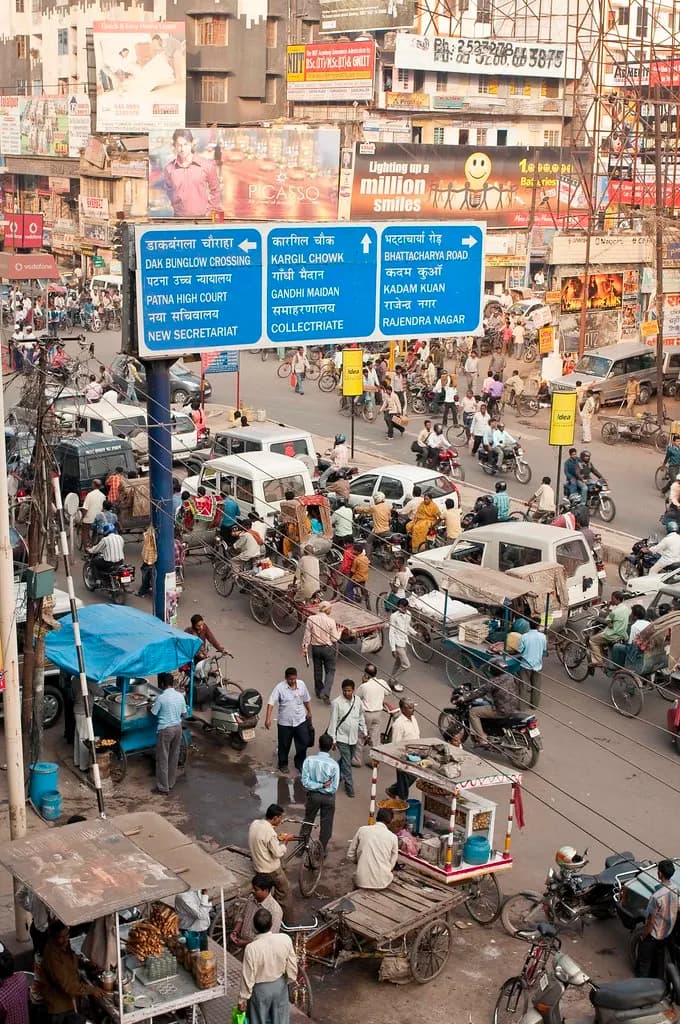
The Schedule runs to 337 entries, arranged alphabetically, and reads like a catalogue of urban trades. Many describe processes — storing, packing, pressing, boiling, melting, grinding or manufacturing a particular material — and then a separate entry covers keeping that material "except for domestic purposes", which brings shops and godowns that merely stock it into the net. Some examples show how wide it is:
- Food: keeping an eating house or catering establishment; baking, preparing or storing bread, biscuits and other flour articles for sale; aerated water manufacture.
- Services: keeping a hair-dressing saloon or barber's shop, a laundry shop or a lodging house; banking; servicing or repairing motor cars and two-wheelers.
- Textiles: dyeing, bleaching or storing cloth; keeping cloth or clothes of cotton, wool or silk other than for domestic use — which captures most cloth and garment shops.
- Workshops: cutting or treating metal by hammering, drilling, pressing, polishing or heating; beating and casting metals including precious metals; oil extraction.
- Storage: bamboo, bidi leaves, ash, hessian and many other materials stored for sale or hire.
If your activity isn't obviously on the list, check the Schedule before assuming you're exempt — a general store will often fall under several "except for domestic purposes" entries for the goods it stocks. When in doubt, ask the circle office in writing which entry applies and keep the reply.
Special trades. Separate sections cover a few activities. Section 345 requires a licence for butchers, fish-mongers and poulterers, and for any place selling flesh, fish or poultry for food (sealed tins and packs are exempt). Section 346 requires a licence for keeping horses, cattle or other animals or birds for sale or hire, running a licensed market, and carrying out work as an artisan. Private markets need their own licence under section 344.
When you need another licence first: the provisional licence
Section 342(2) adds a step that catches many applicants. If your activity also needs a licence or permission from the State Government or a statutory body — a drug licence, an explosives or petroleum licence, pollution consent, a factory licence, a fire safety certificate — the municipality can't grant the municipal licence until you produce that other licence and submit authenticated copies.
The Act recognises the chicken-and-egg problem. Where the other law itself requires a municipal licence before it will issue its own, the Chief Municipal Officer can grant a provisional licence. It becomes final only when you produce the other licence, and it's valid only for the purpose of meeting that other law's precondition — you can't trade on it as if it were a full licence. Pharmacies and petroleum storage are typical cases.
Section 342(3) also lets the Chief Municipal Officer write conditions into any licence to guard against danger to life, health or property or to abate nuisance — fire extinguishers, ventilation, storage limits or waste handling, for example. Read the conditions on your licence; breaching them counts as using premises "otherwise than in conformity with" it.
Getting a municipal licence in Bihar
Step 1
Check the Schedule
which entry fits?
Step 2
Other licences?
drug, fire, PCB, factory
Step 3
Apply to the municipality
online or circle office
Step 4
Inspection and fee demand
fee ≤ ₹2,500
Step 5
Licence (or provisional)
display at premises
How to apply with Patna Municipal Corporation
Patna Municipal Corporation runs its citizen services through a portal at pmcptax.bihar.gov.in, which handles property tax and, under a Trade Services menu, offers New License, Payment of Application, Renew License, Track Status and Search License. That is the route to try first.
Applying for a municipal licence in Patna
- 1
Clear the holding tax
PMC property tax and trade servicesCheck the premises' holding (property) tax on PMC's portal and make sure it's paid up to date. Licence staff look at the holding record of the premises.
- 2
Identify your Schedule entry and other licences
Note which Schedule entries your business falls under, and gather any licences other laws require — FSSAI, drug licence, fire safety, pollution consent.
- 3
Apply online or at the circle office
Use New License under Trade Services. If the form won't load, apply in writing to the municipal commissioner through your circle office with the documents, and insist on a dated acknowledgement.
Tip: When we checked on 13 October 2026, PMC's online new-licence form returned a server error.
- 4
Inspection
Licence staff may inspect the premises and check that the use matches the application and the building.
- 5
Pay the fee
Pay the demand raised — online through Payment of Application, or at the office. It cannot legally exceed ₹2,500.
- 6
Collect and display the licence
Download or collect the licence, check the purpose and conditions written on it, and display it at the premises. Use Track Status or Search License to confirm it's on record.
Other cities. Gaya, Bhagalpur, Muzaffarpur, Darbhanga and Bihar's councils and nagar panchayats apply the same Act and the same Schedule but use their own counters and systems. Ask the local executive officer's office how it accepts applications.
Timelines. We couldn't find a notified processing time for the Patna municipal licence on an official page in October 2026, or evidence that it is covered by Bihar's Right to Public Services timelines. A dated acknowledgement is your best protection: it proves when you applied if an inspector visits before the licence arrives.
Documents you'll need
Documents for a municipal licence in Patna
0/7Most rejections in practice come from premises papers: an unregistered rent receipt in place of an agreement, a holding tax record in someone else's name with no consent letter, or arrears on the holding. Fix those before applying. If you're a tenant, a short letter from the owner consenting to the specific business use saves a second visit.
Fees: the ₹2,500 ceiling and what we couldn't find
Fee figures circulating online for Patna — ₹500 to ₹1,000 for a small shop, ₹3,000 to ₹10,000 for manufacturing — don't come with any official source, and the higher numbers clash with the Act. Section 342(4) leaves the fee to each municipality's regulations, allows different fees for different categories of use and different areas, and caps every licence at ₹2,500.
We couldn't find Patna Municipal Corporation's licence fee regulations or rate list on an official page in October 2026, so we haven't printed category rates. If you're quoted more than ₹2,500 as the "government fee" for a section 342 licence, ask for the regulation it's based on — the excess is likely an agent's charge or a different licence (an advertisement or market licence, for example).
Worked example. A Boring Road café with a kitchen and seating is an "eating house" under the Schedule. It also needs FSSAI registration or a licence, possibly a fire safety certificate depending on the building, and shop act registration for its staff. Its municipal licence fee should be whatever PMC's regulations fix for eating houses in that area — and in no case more than ₹2,500 a year. Budget separately for FSSAI and the fire certificate, which have their own fees.
Renewal and validity
The Act doesn't fix a validity period. Section 342(5) leaves it to each municipality's regulations to decide when the initial licence must be taken out and the procedure for annual renewal, along with display of the licence, inspection of premises and inspectors' powers. In practice, municipal licences in Bihar are renewed every year; check the period printed on yours.
Keeping a Patna municipal licence valid
Before opening
Take out the licence (or a provisional licence if another law needs it first)
Each year
Renew through Renew License on PMC's portal or at the circle office
Change of trade, premises or owner
Apply afresh — the licence covers a stated use at stated premises
Closing down
Inform the corporation so demands stop accruing
Renew before the period ends. Trading after a licence lapses is using premises without a licence, which brings in the stop-use and fine provisions below. If you change the business — a grocery adds a bakery counter, a tailor adds dyeing — check whether the new activity is a different Schedule entry and get the licence amended.
Meat and fish shops: Patna's 2026 drive
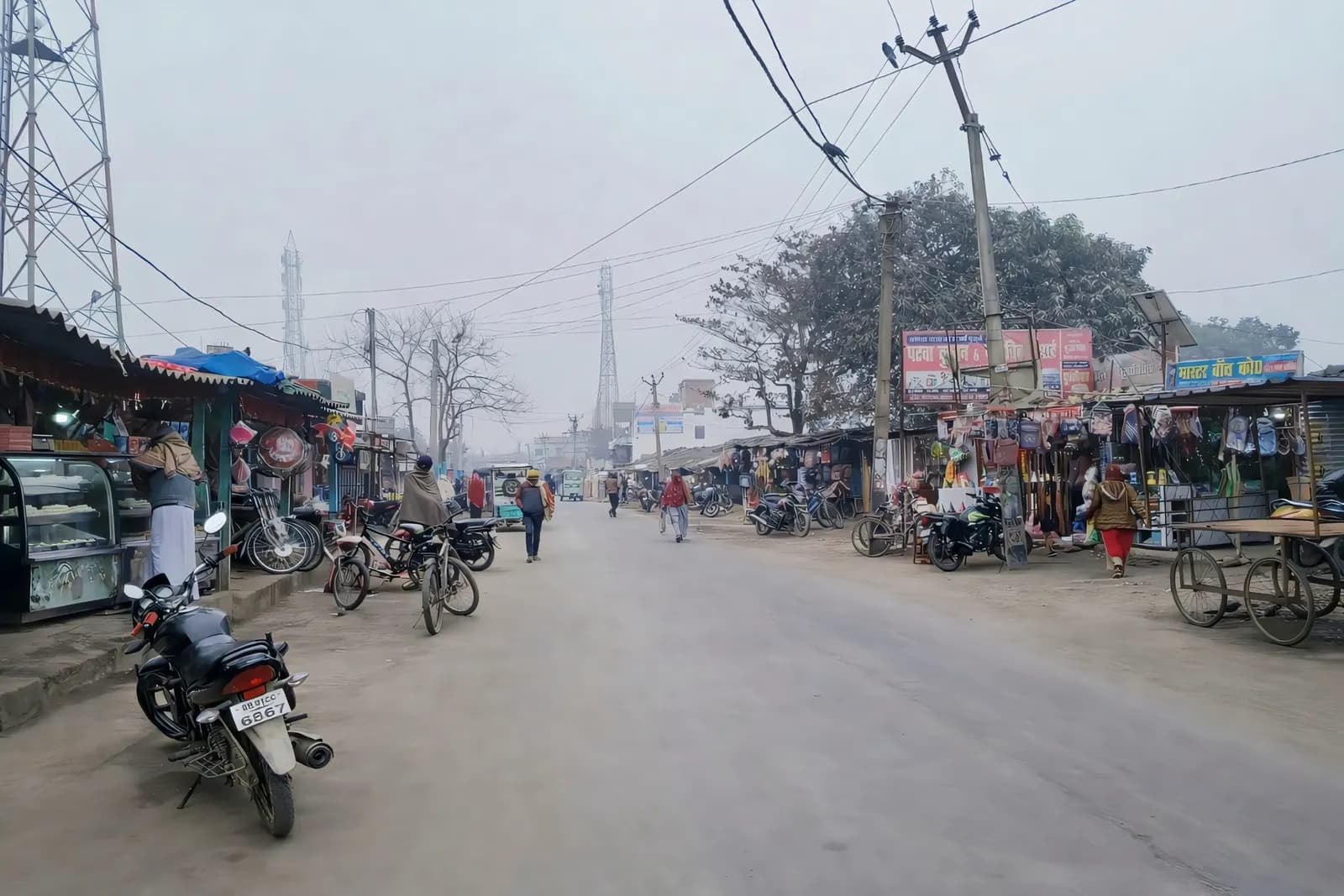
Meat, fish and poultry shops have always needed a licence under section 345, and Patna Municipal Corporation began enforcing it hard in 2026. After a meeting chaired by the municipal commissioner in February 2026, PMC decided that no meat or fish shop could run without an annual licence, according to a FirstBihar report. A survey had found more than 1,400 shops operating without a licence or below hygiene standards, and those shops were served notices to apply.
The reported fee is ₹2,000 a year, with an application fee of ₹20 for sellers below the poverty line. Licensed shops get a QR code showing the shop and operator details, licence validity and hygiene status, which customers can scan. Sales are not allowed near temples, mosques and other religious places or near schools and colleges, and a flying squad carries out surprise inspections. Shops that don't apply in time face fines, cancellation and sealing.
Section 345 itself lets the Chief Municipal Officer stop the use of any place selling meat, fish or poultry without a licence, and requires carcasses to carry the stamp of a municipal or licensed slaughterhouse. If you run a meat shop, keep your slaughterhouse receipts with your licence.
Penalties and enforcement
Stopping the business. Under section 347, if the Chief Municipal Officer believes premises are being used for a non-residential purpose without a licence, or in breach of its terms, he can stop that use for a specified period by whatever means he considers necessary, and levy a continuing fine if you carry on. For artisans' workshops, animal keeping, unlicensed markets and meat sales, section 346 goes further: the officer can stop the use, confiscate the articles involved, prepare an inventory and auction perishable items without notice.
Fines. Where the Act doesn't set a specific penalty, section 437 applies: a fine up to ₹1,000, and up to ₹100 a day for each day the contravention continues. A municipality's licensing regulations can set their own penalties under section 426, of up to up to ₹2,500, with up to ₹250 a day for continuing breaches. The amounts are small next to the cost of a sealed shop or confiscated stock, which is the real risk.
Enforcement tools under the Bihar Municipal Act
| Provision | What it allows | Applies to |
|---|---|---|
s.347 | Stop the use of premises for a set period; continuing fine | Any non-residential use without, or in breach of, a licence |
s.346(2) | Stop use, confiscate articles, auction perishables without notice | Animals for sale or hire, markets, artisans, meat trades |
s.345(4) | Stop the use of the place | Unlicensed meat, fish or poultry sales |
s.426 | Fine up to ₹2,500; up to ₹250 a day if continuing | Breach of the municipality's licensing regulations |
s.437 | Fine up to ₹1,000; up to ₹100 a day if continuing | Any contravention without a specific penalty |
s.347
- What it allows
Stop the use of premises for a set period; continuing fine
- Applies to
Any non-residential use without, or in breach of, a licence
s.346(2)
- What it allows
Stop use, confiscate articles, auction perishables without notice
- Applies to
Animals for sale or hire, markets, artisans, meat trades
s.345(4)
- What it allows
Stop the use of the place
- Applies to
Unlicensed meat, fish or poultry sales
s.426
- What it allows
Fine up to ₹2,500; up to ₹250 a day if continuing
- Applies to
Breach of the municipality's licensing regulations
s.437
- What it allows
Fine up to ₹1,000; up to ₹100 a day if continuing
- Applies to
Any contravention without a specific penalty
Why the record matters. Section 343 requires every municipality to keep two registers: one listing non-residential uses premises by premises, against the unique premises number, and another grouping them by type of user — factories, warehouses, medical and educational institutions and other categories set by regulation. Those registers are what inspectors check during drives, and they're how the corporation matches holding tax records with licences. If your licence and your holding are recorded under different names or addresses, expect questions; ask for the record to be corrected when you renew.
Companies. Section 438 makes the people in charge of a company's business liable for its offences under the Act, unless they show the offence happened without their knowledge or despite due diligence.
Common mistakes and how to fix them
Assuming a small shop is exempt. The "except for domestic purposes" entries catch most retailers. Check the Schedule for every type of goods you stock.
Applying before getting other licences. The municipality can't issue a full licence until you produce licences other laws require. Ask for a provisional licence if the other department needs the municipal one first.
Overpaying. No section 342 licence fee can exceed ₹2,500. Ask for a receipt that names the fee head.
Confusing licences. The municipal licence, Bihar professional tax enrolment and Bihar Shops and Establishments Act registration are three different things handled by three different offices. Employers also need to pay at least the Bihar minimum wages.
No proof of applying. If the portal fails, apply on paper and get a dated acknowledgement.
What to do next
Find your business in the Schedule, line up any licences other laws require, and clear the holding tax on your premises. Then apply through PMC's Trade Services or your circle office, keep the acknowledgement, and diary the annual renewal. Food businesses should take FSSAI registration first; larger premises may need a fire NOC. Get Udyam registration for MSME benefits, and use our startup cost calculator to budget your first-year licences. For a neighbouring state's rules, see our West Bengal trade licence guide.
This is general information, not legal or tax advice — confirm on the official source or with a professional.
Frequently asked questions
Yes, if you use premises for any of the non-residential purposes in the Schedule to the Bihar Municipal Act, 2007. Section 342 bars using premises for those purposes without a licence from the Chief Municipal Officer or the wards committee. The Schedule has 337 entries covering eating houses, salons, laundries, lodging houses, banking, vehicle servicing, metalwork, food baking and much more.
Each municipality sets its fees by regulation and can vary them by category of use and area, but section 342(4) of the Bihar Municipal Act says no licence fee may exceed ₹2,500 in any case. We couldn't find Patna Municipal Corporation's current fee schedule on an official page in October 2026, so pay only the demand PMC raises.
Patna Municipal Corporation's citizen portal at pmcptax.bihar.gov.in has a Trade Services menu with New License, Payment of Application, Renew License, Track Status and Search License. When we checked in October 2026, the new-licence form returned a server error, so you may need to apply at your circle office and get a dated acknowledgement.
The Chief Municipal Officer can stop the use of premises run without a licence under section 347, and for some trades confiscate goods under section 346. Where no specific penalty applies, section 437 provides a fine up to ₹1,000, plus up to ₹100 a day while the contravention continues. Regulations can set fines up to ₹2,500.
Yes. Section 345 of the Bihar Municipal Act requires a licence for butchers, fish-mongers and poulterers and for any place selling flesh, fish or poultry for food. In February 2026 Patna Municipal Corporation began a drive requiring every such shop to take an annual licence, reported at ₹2,000 a year, with QR codes for licensed shops.
No. The municipal licence under section 342 is about how premises are used — safety, health and nuisance. Registration under the Bihar Shops and Establishments Act, 1953 is a labour law matter handled by the state's Labour Resources Department, and covers employees' hours, holidays and leave. Many shops in Patna need both.
Sources & verification
Figures on this page were checked against the sources below when it was last reviewed on 13 October 2026. Each rate and limit is stored once with its own official source and review date, and official update channels are monitored daily so changes are picked up. How we verify
- 1.The Bihar Municipal Act, 2007 (English text) — State Election Commission, Bihar · accessed 13 October 2026
- 2.Patna Municipal Corporation — citizen services portal (Trade Services) — Patna Municipal Corporation · accessed 13 October 2026
- 3.Patna Municipal Corporation — official website — Patna Municipal Corporation · accessed 13 October 2026
- 4.Bihar Municipal Act, 2007 (consolidated copy) — International Environmental Law Research Centre (copy) · accessed 13 October 2026
- 5.Patna meat and fish shops: licence mandatory, QR code for every shop — FirstBihar (25 February 2026) · accessed 13 October 2026
- 6.Trade Licence in Patna 2026 — PMC Municipal Licence — CalcGuru (independent guide) · accessed 13 October 2026
MSMETOOLS is an independent platform and is not affiliated with any government agency, ministry or department.
Tools for this
Startup Cost Calculator
Estimate how much capital you need to launch.
Invoice Generator
Create professional invoices with tax, logo and custom details.
Related guides
 Trade License Ranchi 2026: RMC Fees by Area, Apply & RenewRead guide
 Trade License Indore 2026: e-Nagarpalika, MP Rules & RenewalRead guide
 Trade License Punjab 2026: mSeva Apply, Renewal & PenaltyRead guide
 Trade License Andhra Pradesh 2026: CDMA, D&O & RenewalRead guide
Official links open the government site in a new tab.