 Business registration & legal
Trade License in Indore and Madhya Pradesh (2026): The Law, Applying on e-Nagarpalika, Fees, Renewal and Penalties
Trade licence in Indore and Madhya Pradesh for 2026: the law, applying on e-Nagarpalika 2.0, documents, the 30-day timeline, fees, renewal and fines.
 Edited by Sumeet YadavFounder & editor, MSMETOOLS · fact-checked against official sources
Contents (11)
- 1. What the trade licence is in Madhya Pradesh
- 2. Who needs one in Indore, Bhopal and other cities
- 3. Trade licence vs gumasta licence vs other registrations
- 4. How to apply on MP e-Nagarpalika
- 5. The declaration you sign on the portal
- 6. Documents you'll need
- 7. Fees: what the law says and what we couldn't find
- 8. Validity, renewal and late renewal
- 9. Penalties, suspension and appeals
- 10. Common mistakes and how to fix them
- 11. What to do next
If you're opening a shop, restaurant, salon, workshop, godown or office in Indore, the municipal corporation expects you to hold a trade licence for the premises — and agents will happily quote you a fee for it without telling you where the number comes from. This guide is for owners and accountants in Indore, Bhopal, Jabalpur, Gwalior, Ujjain and Madhya Pradesh's municipal councils and nagar parishads. It explains which law requires the licence, how to apply and renew on the MP e-Nagarpalika portal, the documents you need, how quickly the corporation must act, what we could and couldn't confirm about fees, the Bhopal licence fee dispute of 2026, and the penalties and appeals. We checked it against the two municipal Acts and the state portal's procedure in October 2026.
Quick answer
In Indore and Madhya Pradesh's other municipal corporations, using premises for a regulated trade needs the commissioner's licence under section 249 of the MP Municipal Corporation Act, 1956. Apply online on MP e-Nagarpalika; the portal's procedure gives 30 days to issue a digitally signed certificate, and if no order reaches you within six weeks the Act lets you act as if it were granted.
Fees are fixed by each corporation, not the state — and must be revised once every three years
We found no official Indore rate list online in October 2026; pay only the portal's demand
Penalty: fine up to ₹1,000, plus up to ₹200 a day if it continues (s.440)
Refused? Appeal to the corporation's Appeal Committee within 30 days
Separate from the gumasta (Shops and Establishments Act) registration with the Labour Department
What the trade licence is in Madhya Pradesh
Madhya Pradesh has two municipal laws. Cities with a municipal corporation — Indore, Bhopal, Jabalpur, Gwalior, Ujjain and the other larger towns — run under the Madhya Pradesh Municipal Corporation Act, 1956. Smaller towns with a municipal council (nagar palika parishad) or a nagar parishad run under the Madhya Pradesh Municipalities Act, 1961. The trade licence you need depends on which one governs your address.
In a corporation, section 249 says no one may use premises for certain purposes "without or otherwise than in conformity with the terms of a licence" granted by the commissioner. The list includes keeping articles above the limits set by byelaws, keeping animals for sale or hire, and — the clause that matters to most businesses — carrying on any of the prescribed trades, or any trade the commissioner considers dangerous to life, health or property or likely to create a nuisance. The prescribed trades are set out in each corporation's byelaws, which is why the list of licensable trades in Indore isn't identical to the list in Gwalior.
The commissioner has discretion to grant the licence with conditions or refuse it, and you must display it at the premises. Textile mills and factories that the commissioner exempts with the Mayor-in-Council's approval fall outside section 249. A trade licence doesn't create your business as a legal entity, register you for tax or cover your employees. It's permission from the city to use a particular place for a particular trade.
Who needs one in Indore, Bhopal and other cities
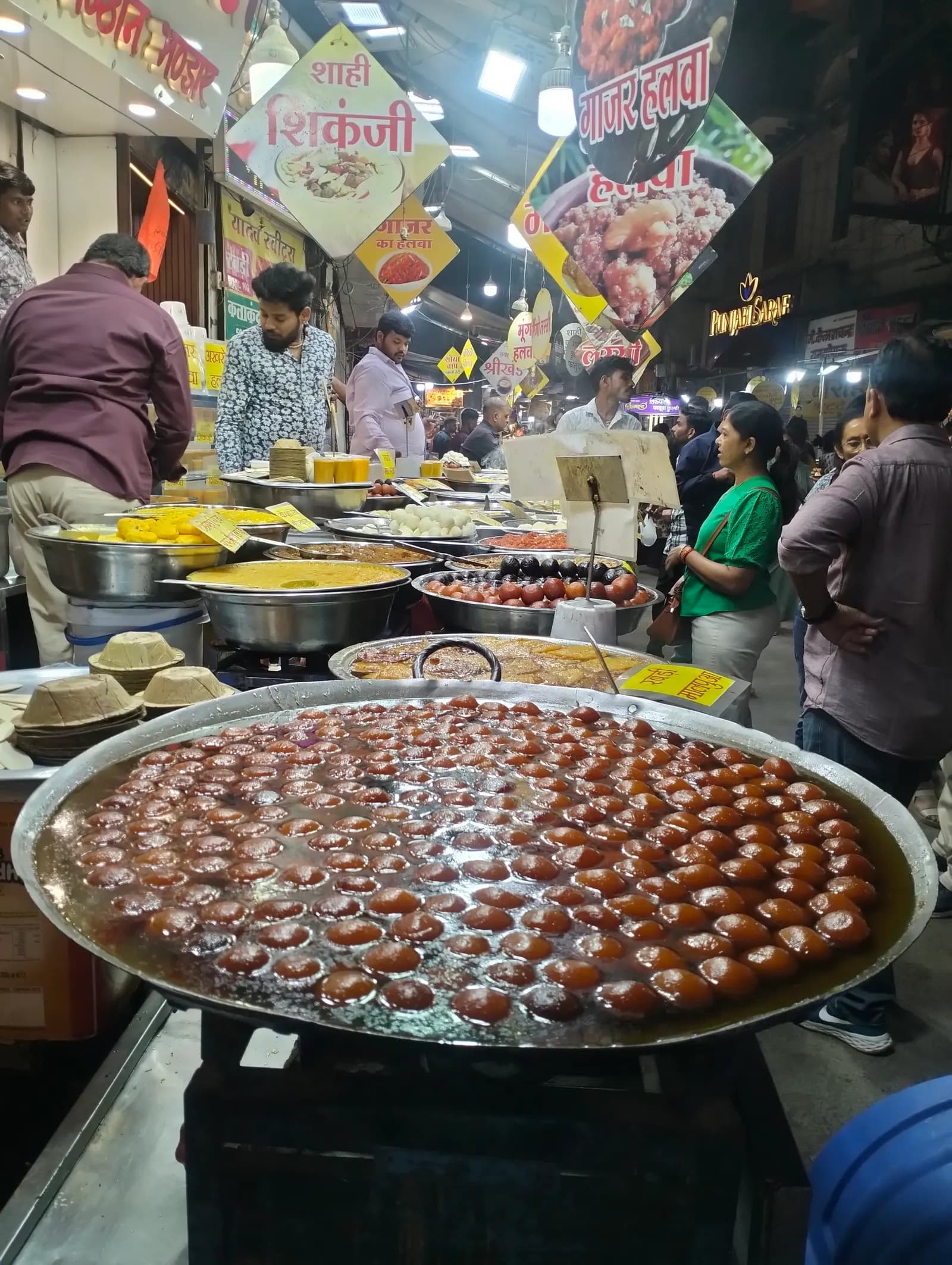
In practice, Madhya Pradesh's corporations license far more than smoky workshops. Through their byelaws and the e-Nagarpalika trade licence module, they take applications from shops, eateries, hotels, salons, clinics, coaching centres, godowns, small manufacturing units and service businesses. If you sell or serve anything from fixed premises inside corporation limits, assume you need a licence and confirm the category on the portal when you apply.
Food businesses are the clearest case. A restaurant, sweet shop, bakery or street-food stall with a fixed counter is both a food business under FSSAI and a trade the corporation regulates for hygiene and nuisance. Workshops using power-driven machinery, furnaces or combustible materials are another — section 251 lets the commissioner enter such premises, or any bakery, at any time to check that licence conditions are being followed.
Councils and nagar parishads work differently. Section 283 of the 1961 Act lists trades a council can regulate — storing hides and skins, tanning, dyeing, soap-making, oil extraction, brick kilns, storing hay or other combustibles, sweetmeat manufacture or sale, workshops using mechanical power, and hair-dressing saloons, among others. Where the council has made bye-laws for these trades, using a place for them without a licence is an offence. A general retail shop in a small town may not need a council licence at all, but a sweet shop or a flour mill usually will. Ask the chief municipal officer's office which trades its bye-laws cover.
Corporation vs council in Madhya Pradesh (2026)
| Municipal corporation | Municipal council / nagar parishad | |
|---|---|---|
Examples | Indore, Bhopal, Jabalpur, Gwalior, Ujjain | Smaller towns across the state |
Law | MP Municipal Corporation Act 1956, s.249 | MP Municipalities Act 1961, s.283 |
Who grants | Commissioner (or delegated officer) | Council / chief municipal officer |
Fee fixed by | The corporation (s.366) | Council bye-laws (s.349) |
Fee revision | once every three years | once every three years |
Fine for unlicensed use | up to ₹1,000 + up to ₹200 a day | up to ₹50 + up to ₹10 a day |
Portal | MP e-Nagarpalika | MP e-Nagarpalika |
Examples
- Municipal corporation
Indore, Bhopal, Jabalpur, Gwalior, Ujjain
- Municipal council / nagar parishad
Smaller towns across the state
Law
- Municipal corporation
MP Municipal Corporation Act 1956, s.249
- Municipal council / nagar parishad
MP Municipalities Act 1961, s.283
Who grants
- Municipal corporation
Commissioner (or delegated officer)
- Municipal council / nagar parishad
Council / chief municipal officer
Fee fixed by
- Municipal corporation
The corporation (s.366)
- Municipal council / nagar parishad
Council bye-laws (s.349)
Fee revision
- Municipal corporation
once every three years
- Municipal council / nagar parishad
once every three years
Fine for unlicensed use
- Municipal corporation
up to ₹1,000 + up to ₹200 a day
- Municipal council / nagar parishad
up to ₹50 + up to ₹10 a day
Portal
- Municipal corporation
MP e-Nagarpalika
- Municipal council / nagar parishad
MP e-Nagarpalika
Trade licence vs gumasta licence vs other registrations
Owners in Indore often use "trade licence" and "gumasta licence" as if they meant the same thing. They don't. The gumasta licence is the popular name for registration under the Madhya Pradesh Shops and Establishments Act, 1958, which regulates working hours, holidays, wages and leave for people employed in shops and commercial establishments. It's administered by the Labour Department, not the municipal corporation.
The trade licence is the corporation's control over how premises are used — hygiene, safety, nuisance and zoning. A clothes shop with three employees in Rajwada might need both: the gumasta registration for its staff and the corporation's trade licence for the premises. Neither replaces GST registration, FSSAI for food, a fire NOC where the building or activity requires one, or enrolment for Madhya Pradesh professional tax, which businesses and employers pay to the state.
If you employ people, also check the Madhya Pradesh minimum wages that apply to your industry. Inspectors from the labour and municipal sides visit separately, and a valid trade licence won't help you with a wages complaint.
How to apply on MP e-Nagarpalika
All of Madhya Pradesh's urban bodies run their citizen services through e-Nagarpalika, the state's municipal platform managed by the Urban Administration and Development Department. Its upgraded web-based version, e-Nagarpalika 2.0, now connects more than 415 urban local bodies, so the same trade licence module serves Indore, a small nagar parishad and everything in between.
New trade licence on e-Nagarpalika
- 1
Check the premises first
Make sure the property tax on the premises is paid up to date and that the use you plan is allowed there. If you rent, get a written rent agreement or the owner's no-objection letter before you apply.
Tip: Unpaid property tax on the building is one of the commonest reasons for a held-up licence.
- 2
Open the trade licence form
Open MP e-NagarpalikaOn the MP e-Nagarpalika portal, choose the business or trade licence service, select your urban body (for example Indore Municipal Corporation), ward and zone, and fill in the trade category, firm name, address, area and owner details.
- 3
Upload documents and submit
Upload identity proof, proof of possession of the premises, the property tax receipt and any constitution documents for a firm or company. Note the application number the portal generates.
- 4
Inspection and verification
The corporation's licence or revenue staff verify the application and an inspector checks the premises against the category you chose.
- 5
Pay the fee demand
Once the application is approved you're alerted to pay. Pay online on the portal and keep the receipt.
- 6
Download the certificate
Download the digitally signed trade licence from the portal using your application number, and display it at the premises as section 249(3) requires.
How long it should take. The e-Nagarpalika trade licence procedure gives 30 days from a complete application to issue the certificate. Section 366(10) of the Corporation Act adds a stronger backstop: if the orders on a proper application aren't communicated to you within six weeks, you may act as if the licence had been granted for the year, or for the shorter period you asked for. That's why the application date matters — save the acknowledgement and any messages the portal sends.
Apply before you open. Section 366(8) also warns that the corporation accepting a fee doesn't by itself entitle you to the licence. If the inspector finds the premises unsuitable, a paid fee won't save the application, so sort out building, fire and hygiene issues before you trade.
The declaration you sign on the portal
The trade/commercial licence form on e-Nagarpalika 2.0 ends with a set of declarations that you accept before submitting. They're worth reading before you apply, because they shape what the licence can and can't do for you.
You confirm that you are the proprietor, partner or authorised officer, that the premises address is correct, that the documents are true, and that no court case is pending against your getting the licence. If anything in the form turns out to be false, the licence is treated as cancelled automatically. You accept that the commissioner's permission to run the business at those premises can be withdrawn at any time, and that conditions imposed now or later bind you.
Several declarations stop people using the licence for other purposes. You agree not to use it to regularise any construction, to claim ownership of the property or premises, to obtain a loan from a bank or financial institution, or as an identity document with a government agency. Tenants should note the first two: a trade licence is not evidence of a right to the building, and landlords sometimes insist on this point in the rent agreement too.
The rest are operating promises. You undertake to follow the Cigarettes and Other Tobacco Products Act, 2003 and the Prohibition of Smoking in Public Places Rules, 2008, to follow food safety law if you hold a food licence, to keep no inflammable material and keep the premises clean, to inform the corporation with a death certificate if a proprietor, partner or director dies, and to hand back the original licence with an application if you close the business. That last step is easy to forget — if you don't surrender the licence on closure, renewal demands can keep accruing in your name.
Documents you'll need
Documents for a trade licence in Indore or Bhopal
0/8The corporation can ask for more depending on the trade. A workshop may be asked for a machinery list with horsepower; a hotel or lodge for its building permission and fire NOC; a meat or poultry shop for the separate licences the Act and byelaws require for selling animals and meat outside markets. If you don't know what your category needs, ask the zonal office before submitting rather than waiting for a query.
Fees: what the law says and what we couldn't find
Most websites quote a trade licence fee range for Indore — ₹500 to ₹10,000 is a common figure — but none of them cite an official rate list. The law explains why a single state number doesn't exist. Section 366(3) of the Corporation Act lets each corporation charge licence fees "at such rates as may be fixed by the Corporation", and section 366(11) says those rates must be revised once every three years. In councils, section 349 lets each council charge fees prescribed by its own bye-laws, again revised once every three years.
So the fee for a sweet shop in Indore depends on Indore Municipal Corporation's current rates for that trade, and may differ from the fee in Jabalpur. We couldn't find Indore Municipal Corporation's current trade licence tariff on an official page in October 2026, and the state portal's fee documents weren't reachable when we checked, so we haven't printed any rates. The amount the e-Nagarpalika portal calculates after verification is the one to pay.
Budgeting without a fee table. For a first-year plan, ask the zonal office for the rate for your exact trade category before you sign a lease, and add it to your setup costs alongside the FSSAI fee, any fire NOC fee and the shop act registration. A café owner in Vijay Nagar who is quoted a "package" well above the portal's demand by an agent is paying for the agent's time, not a government charge.
Bhopal's commercial licence fee dispute
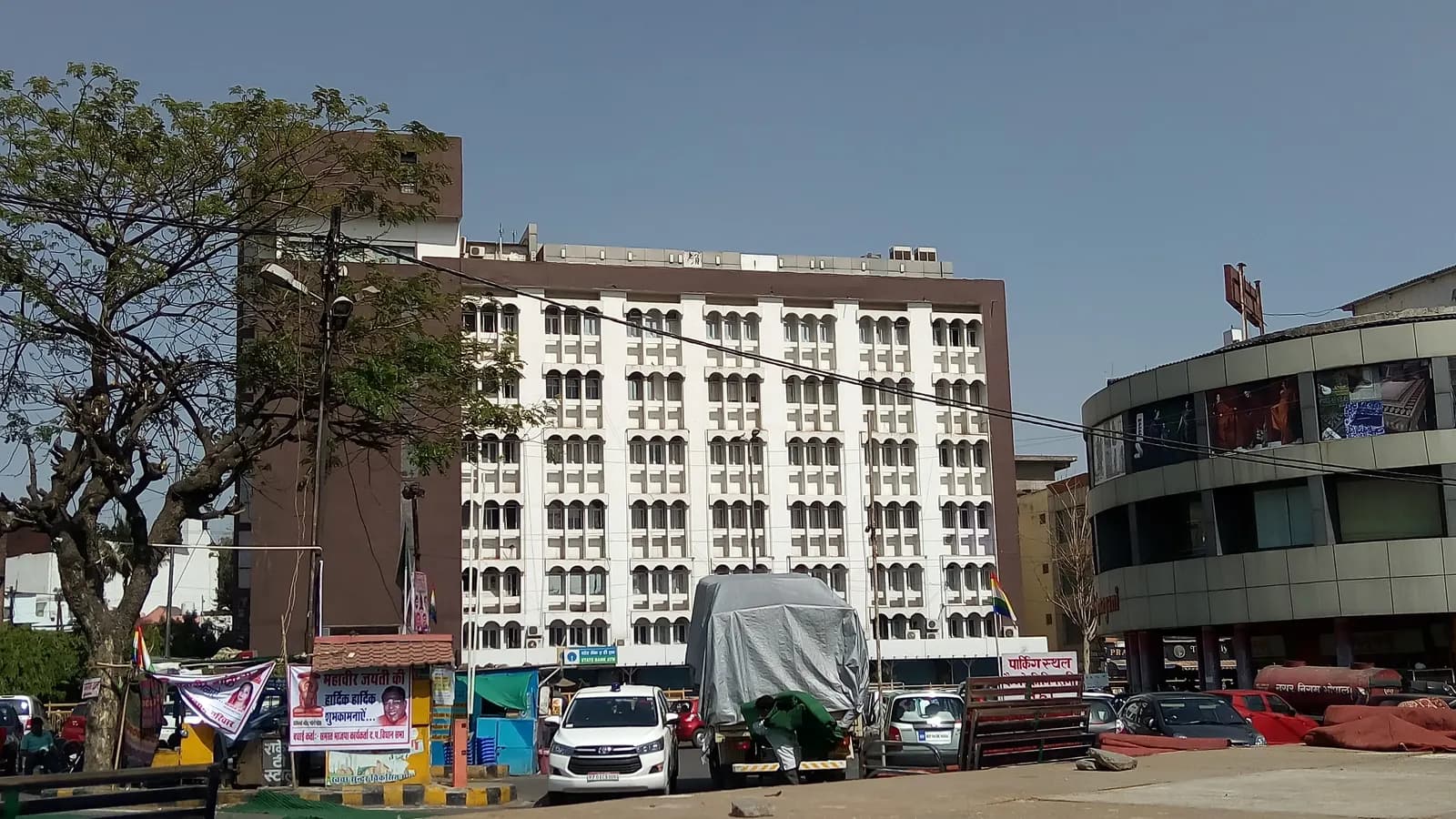
Bhopal has an extra wrinkle. According to the Bhopal Chamber of Commerce and Industries, as reported by Amar Ujala in July 2026, the state's Urban Development and Housing Department imposed a commercial licence fee statewide on 21 April 2023, to be collected with property tax and worked out by the road a business sits on rather than the business itself. The order was suspended on 25 April 2023 after complaints, but traders say Bhopal Municipal Corporation kept collecting it while Indore, Gwalior and Jabalpur did not.
In July 2026 the chamber met the municipal commissioner seeking its withdrawal, and on 19 August 2026 traders protested outside the corporation's office and met the mayor; the issue was also raised in the council meeting that day. No decision had been reported when we checked. If you have premises in Bhopal, look at your property tax bill for a separate commercial licence line, and watch for a council decision before paying arrears on it. This charge is distinct from the trade licence you apply for on e-Nagarpalika.
Validity, renewal and late renewal
Section 366(2) says every licence must state the date it was granted, the purpose and period, any conditions, the fee paid, and the date by which you can apply to renew it. That date on your certificate is the one to diary — not a date someone tells you is "standard". Consultancy guides say Indore licences run for a financial year and are renewed before 31 March; check your own certificate, because the period is whatever the corporation granted.
Keeping an MP trade licence valid
Before the renewal date on the licence
Apply to renew on e-Nagarpalika and pay the demand
While a timely renewal is pending
You may carry on as if renewed (s.366(7))
After the period ends without renewal
Treated as having no licence (s.366(6)) — fines can apply
Any time conditions are breached
Licence can be suspended or revoked (s.366(5))
The renewal protection is worth knowing. Under section 366(7), if you apply for renewal on or before the date the byelaws set for renewal applications, you're entitled to act as if the licence has been renewed while you wait for orders. Apply late and you lose that protection — section 366(6) treats you as being without a licence from the moment the period ends until it is renewed.
Changes during the year. A licence is granted for a stated purpose. If you change the trade (say, a grocery adds a hot-food counter), move premises or change the owner, apply to amend the licence or get a new one; trading outside the licensed purpose counts as trading "otherwise than in conformity with" the licence.
Penalties, suspension and appeals
Fines in corporations. Section 249 itself doesn't carry a penalty in the copy of the Act we checked, so unlicensed trading falls under the general penalty in section 440: a fine up to ₹1,000, and up to ₹200 a day for every day the contravention continues after the first conviction. Byelaws can set their own penalties under section 428. The amounts are modest; the practical risk is sealing of the premises, seizure of goods during enforcement drives and the bar on other approvals that tends to follow.
Fines in councils. Under section 283 of the 1961 Act, using a place for a regulated trade without a licence where bye-laws are in force carries a fine up to ₹50 plus up to ₹10 a day after conviction. If the council has served a nuisance notice and you carry on anyway, the fine is up to ₹200, and a magistrate can order the place closed on the chief municipal officer's application.
Suspension and revocation. Section 366(5) lets the corporation suspend or revoke a licence if you break its conditions, evade them, or are convicted of breaking the Act or byelaws in a matter connected with the licence.
Appeals. Section 403 lets anyone aggrieved by an order granting or refusing a licence appeal to the corporation within 30 days of the order. The appeal is heard by an Appeal Committee of the mayor and four elected councillors, which can extend the deadline for sufficient cause, send the case back for a fresh look, or decide it itself; its decision is final. If a subordinate officer passed the order, the first appeal lies to the commissioner within 30 days.
If your Indore licence is refused
Step 1
Refusal order
note the date
Step 2
Fix the defect
documents, tax, premises
Step 3
Re-apply or appeal
within 30 days
Step 4
Appeal Committee
mayor + 4 councillors
Step 5
Final decision
Common mistakes and how to fix them
Applying before clearing property tax. The portal and the inspector both look at the premises' tax record. Pay arrears, or get the owner to, before applying.
Choosing the wrong trade category. A category that doesn't match what the inspector finds leads to rejection or a revised fee demand. Describe the main activity honestly and list secondary ones.
Confusing the gumasta registration with the trade licence. Holding one doesn't mean you have the other. Check both certificates' names and issuing departments.
Letting the renewal date pass. You lose the section 366(7) protection and are treated as unlicensed. Set a reminder a month before the date on your certificate.
Paying agents for a free online process. The portal is open to anyone with the documents. Agents can help with categories and inspections, but the only government charge is the demand the portal raises.
Official links
- MP e-Nagarpalika 2.0Trade/commercial licence — new, renewal, status and certificate for all MP urban bodies
- Urban Administration and Development Department, MPDepartment orders and circulars for urban bodies
- Indore Municipal CorporationCorporation website and contacts
- Bhopal Municipal CorporationCorporation website
- MP Municipal Corporation Act, 1956Sections 249, 366, 403 and 440
- MP Municipalities Act, 1961Sections 283 and 349 for councils
What to do next
Confirm whether your address falls in a corporation or a council, clear the property tax on the premises, and get your rent agreement or ownership papers in order. Then apply on e-Nagarpalika, note the application date, and diary the renewal date printed on your certificate. Alongside the licence, register under the shops act if you employ staff, get Udyam registration to access MSME benefits, and take FSSAI if you handle food. Our startup cost calculator helps you budget the first year's licence and registration costs. For neighbouring rules, see our Uttar Pradesh trade licence guide.
This is general information, not legal or tax advice — confirm on the official source or with a professional.
Frequently asked questions
Apply online on the MP e-Nagarpalika portal, which handles licences for Indore Municipal Corporation and the state's other urban bodies. Fill the trade licence form, upload identity, premises and property tax proof, and submit. An inspector checks the premises, the fee demand is raised, and after payment you download a digitally signed certificate. The portal's procedure gives 30 days for issue.
There is no single state fee. Under section 366 of the MP Municipal Corporation Act, each corporation fixes its own licence rates, and the law says they must be revised once every three years. We couldn't find Indore Municipal Corporation's current rate list on an official page in October 2026, so pay only the amount the e-Nagarpalika portal demands for your trade.
No. The trade licence is the municipal corporation's permission to use premises for a trade. The gumasta licence is the popular name for registration under the Madhya Pradesh Shops and Establishments Act, 1958, which deals with employees, hours and holidays and is handled by the Labour Department. Many shops in Indore and Bhopal need both.
Section 366(10) of the MP Municipal Corporation Act says that if orders on a proper licence application aren't communicated within six weeks, the applicant may act as if the licence were granted for the year or shorter period applied for. Keep your application number and receipt as proof of the date you applied.
In a municipal corporation, contravening the Act, a byelaw or a licence condition carries a fine up to ₹1,000, plus up to ₹200 a day if it continues after conviction, under section 440. The corporation can also suspend or revoke a licence for breaches. In municipal councils, unlicensed use of a regulated trade is fined under section 283 of the 1961 Act.
Yes. Section 403 of the MP Municipal Corporation Act allows an appeal to the corporation against any order granting or refusing a licence within 30 days. The appeal is heard by an Appeal Committee of the mayor and four elected councillors, which can extend the time for sufficient cause.
Sources & verification
Figures on this page were checked against the sources below when it was last reviewed on 13 October 2026. Each rate and limit is stored once with its own official source and review date, and official update channels are monitored daily so changes are picked up. How we verify
- 1.The Madhya Pradesh Municipal Corporation Act, 1956 (Act 23 of 1956) — Government of Madhya Pradesh (consolidated copy via PRS Legislative Research) · accessed 13 October 2026
- 2.The Madhya Pradesh Municipalities Act, 1961 (Act 37 of 1961) — Government of Madhya Pradesh (consolidated copy via PRS Legislative Research) · accessed 13 October 2026
- 3.MP e-Nagar Palika 2.0 — Trade / Commercial License (new, renewal, status, certificate) — Urban Administration and Development Department, Government of Madhya Pradesh · accessed 13 October 2026
- 4.Urban Administration and Development Department, Madhya Pradesh — home page — Urban Administration and Development Department, Government of Madhya Pradesh · accessed 13 October 2026
- 5.Madhya Pradesh's e-Nagar Palika 2.0 wins National e-Governance Award 2026 — Indian Masterminds · accessed 13 October 2026
- 6.Bhopal: move to end commercial licence fee collected with property tax — Amar Ujala (14 July 2026) · accessed 13 October 2026
- 7.Bhopal traders protest over commercial licence fee — Amar Ujala (19 August 2026) · accessed 13 October 2026
- 8.Madhya Pradesh Trade License — application process online — IndiaFilings (consultancy) · accessed 13 October 2026
MSMETOOLS is an independent platform and is not affiliated with any government agency, ministry or department.
Tools for this
Startup Cost Calculator
Estimate how much capital you need to launch.
Invoice Generator
Create professional invoices with tax, logo and custom details.
Related guides
 Shop Act License MP 2026: Gumasta Registration & FeesRead guide
 Trade License Patna 2026: PMC Licence, Fees Cap & RenewalRead guide
 Trade License Ranchi 2026: RMC Fees by Area, Apply & RenewRead guide
 Trade License UP 2026: Lucknow & Ghaziabad Fees, How to ApplyRead guide
Official links open the government site in a new tab.