 Business registration & legal
Trade License in Punjab (2026): mSeva Applications, Renewal Penalties and the Rules in Ludhiana, Amritsar, Jalandhar and Mohali
Trade licence in Punjab for 2026: who needs one under the Municipal Corporation Act, mSeva steps, the 31 March deadline, late penalties and the RTB exemption.
 Edited by Sumeet YadavFounder & editor, MSMETOOLS · fact-checked against official sources
Contents (13)
- 1. Which businesses need a trade licence in Punjab
- 2. Who issues it: corporations, councils and mSeva
- 3. How to apply on mSeva
- 4. Documents
- 5. Fees: what's official and what isn't
- 6. Validity, renewal and the 31 March deadline
- 7. Worked example: a dhaba on a Ludhiana highway stretch
- 8. Changing, transferring or closing a licence
- 9. Penalties for trading without a licence
- 10. Starting under the Right to Business Act
- 11. Other registrations Punjab businesses need
- 12. Common mistakes and how to fix them
- 13. What to do next
If you run a shop, dhaba, salon, workshop, godown or factory in Ludhiana, Amritsar, Jalandhar, Patiala, Bathinda, Mohali or any Punjab town, your municipal body expects a trade licence for the premises — and expects you to renew it every financial year. This guide is for owners and accountants in Punjab's cities and towns. It explains which activities the law actually requires a licence for, how to apply and renew on mSeva, the documents the portal asks for, what happens if you renew after 31 March, and how new MSMEs can start under the Right to Business Act without waiting for the licence. Checked against the Punjab Municipal Corporation Act, the mSeva portal and the Right to Business Act in October 2026.
Quick answer
Punjab's municipal corporations and councils issue trade licences online through mSeva (mseva.lgpunjab.gov.in). Licences run for a financial year to 31 March. The fee is calculated by mSeva from your trade type and premises — there's no official published fee table — and renewing after 31 March attracts a penalty of 100% of the licence fee in a municipal corporation under mSeva's 2025-26 settings.
Law: ss.342–348 of the Punjab Municipal Corporation Act, 1976; councils under the Punjab Municipal Act, 1911
Documents: owner ID, ownership or rent proof, self-declaration; old licence number for renewals
Councils and nagar panchayats: late penalty of 10% of the licence fee
New MSMEs: a Right to Business certificate covers listed approvals for 3 years and 6 months
Eateries also need FSSAI; larger premises a fire NOC
Which businesses need a trade licence in Punjab
The licensing powers sit in the Punjab Municipal Corporation Act, 1976 for the municipal corporations, and in the Punjab Municipal Act, 1911 for municipal councils and nagar panchayats. The corporation law has a cluster of licensing sections:
- Section 342 — no factory, workshop or trade premises using steam, electricity, water or other mechanical power may be set up, altered or extended without the commissioner's written permission. He can refuse it if the location is too densely populated or the unit would be a nuisance.
- Section 343 — no premises may be used without a licence for any purpose in Part I of the Act's second schedule; any purpose the commissioner considers dangerous to life, health or property or likely to create a nuisance; keeping horses, cattle, other animals or birds for transport, sale or hire or to sell their produce; or storing articles in Part II of the schedule other than for domestic use. The corporation can exempt small stocks below quantities fixed in bye-laws.
- Section 345 — after public notice and objections, the commissioner can ban a licensed purpose in a particular area by notification.
- Section 346 — hawkers, and people plying a craft or service in public places, need a licence.
- Section 347 — eating houses, lodging houses, hotels, boarding houses, tea shops, coffee houses, cafés, restaurants and any place where food is sold or prepared for sale need a licence, which can be suspended or cancelled if conditions or bye-laws are breached.
- Section 348 — theatres, cinemas, circuses, dance halls and similar places of amusement need a licence.
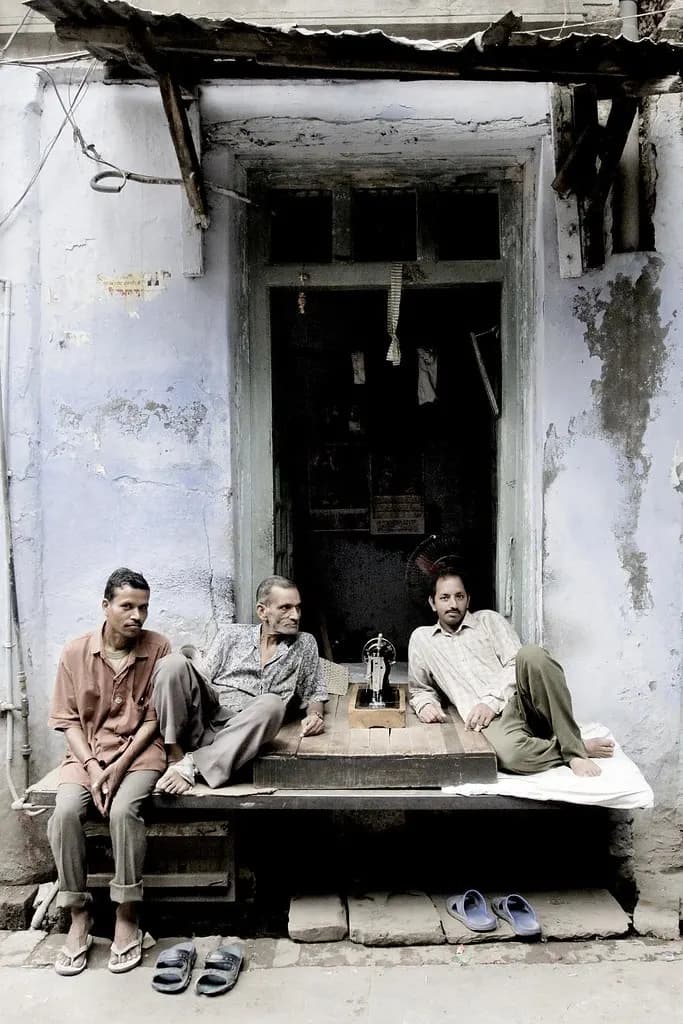
In practice the net is wide. mSeva's trade list runs to hundreds of entries, from cloth kiosks, gift and maniyari shops, medicines, paper goods, tyres, sanitary fittings, timber and LPG cylinders on the goods side, to beauty salons, boutiques and tailoring, coaching centres, gyms, dry cleaners, printing presses, tent houses, dhabas, restaurants, hotels by room count, nursing homes and diagnostic centres, and IT or call centres on the services side. Corporations treat almost every commercial premises as licensable, so assume you need one unless your corporation tells you otherwise in writing.
Who issues it: corporations, councils and mSeva
Punjab's municipal corporations — Ludhiana, Amritsar, Jalandhar, Patiala, Bathinda, SAS Nagar (Mohali) and the others — issue licences through their licence branches, usually in the health or licensing wing. Municipal councils (classed Class I, II or III) and nagar panchayats do the same under the 1911 Act. Since the Department of Local Government moved urban services online, all of them take applications on mSeva, the same portal used for property tax, water and sewerage connections and fire NOCs.
Some corporations still list their licence branch services on their own websites. Bathinda's page, for example, lists licences for butchers, fish and poultry sellers, eating houses, rickshaws and rehris, and circuses, with the branch superintendent's contact details. The National Government Services Portal describes Ludhiana's service as a licence "for factory/workshop or trade premises", available after registering on mSeva.
Corporations vs councils in Punjab
| Municipal corporation | Municipal council / nagar panchayat | |
|---|---|---|
Law | Punjab Municipal Corporation Act, 1976 (ss.342–348) | Punjab Municipal Act, 1911 |
Portal | mSeva | mSeva |
Validity | Financial year, to 31 March | Financial year, to 31 March |
Late penalty (mSeva 2025-26) | 100% of the licence fee | 10% of the licence fee |
Fee schedule published? | No — mSeva computes it | No — mSeva computes it |
Law
- Municipal corporation
Punjab Municipal Corporation Act, 1976 (ss.342–348)
- Municipal council / nagar panchayat
Punjab Municipal Act, 1911
Portal
- Municipal corporation
mSeva
- Municipal council / nagar panchayat
mSeva
Validity
- Municipal corporation
Financial year, to 31 March
- Municipal council / nagar panchayat
Financial year, to 31 March
Late penalty (mSeva 2025-26)
- Municipal corporation
100% of the licence fee
- Municipal council / nagar panchayat
10% of the licence fee
Fee schedule published?
- Municipal corporation
No — mSeva computes it
- Municipal council / nagar panchayat
No — mSeva computes it
How to apply on mSeva
New trade licence on mSeva
- 1
Register on mSeva
Open mSevaOpen mseva.lgpunjab.gov.in, choose citizen login and register with your mobile number and OTP.
- 2
Start a Trade License application
Pick your city (the corporation, council or nagar panchayat), the financial year, and whether the trade is goods or services. Then choose the trade type from the list — for example 'Dhabha / Restaurant / Eating Joint' or 'Botique / Tailoring Shop'.
- 3
Enter trade and owner details
Give the trade name, premises address and property ID if you have one, any accessories (such as machinery by horsepower), and the owners — individual, partnership or company.
- 4
Upload documents
Upload the owner's identity proof, proof of ownership or occupation of the premises, and the owner's self-declaration. A photo is optional.
Tip: Use the property ID from your property tax bill so the licence links to the right premises.
- 5
Field inspection and approval
The licence branch forwards the application for field inspection and then for approval. mSeva sends SMS updates at each stage.
- 6
Pay and download
Pay the fee mSeva calculates online or at the municipal office, then download the licence certificate and display it at the premises.
Choose the right trade type. The fee and the conditions depend on it. If you run two distinct activities — a bakery and a café, or a tyre shop and a puncture workshop — add both, or ask the licence branch how to record them. Choosing a cheaper category that doesn't match what inspectors see is a common reason for rejection.
Hazardous trades. mSeva flags some trades as hazardous — fireworks, LPG cylinders, paints and thinners, tar and bitumen, blasting materials and similar storage. Expect a closer inspection, and in most cases a fire NOC, before the licence is approved.
Documents
Documents for a Punjab trade licence (mSeva)
0/7mSeva's document master is short: owner identity proof, ownership proof and a self-declaration are mandatory for both goods and services trades, a photo is optional, and the old licence number is added for renewals. Inspectors may still ask to see your FSSAI registration, fire NOC or pollution consent when they visit, so keep them ready.
Fees: what's official and what isn't
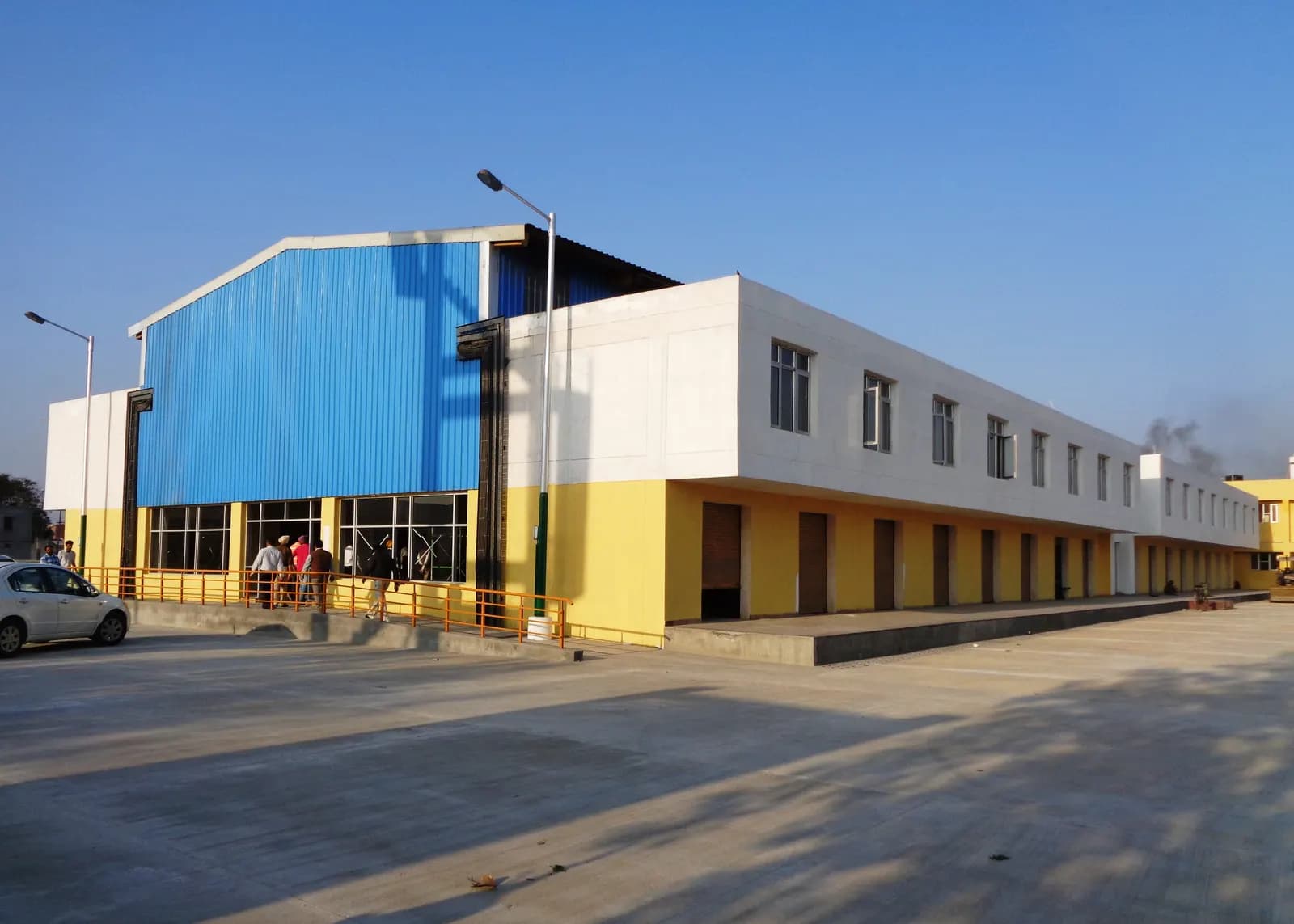
mSeva calculates the fee automatically from the trade type, the city and the details you enter. The calculator's billing slabs aren't public, and we couldn't find a notified fee schedule on the Department of Local Government's or any corporation's website in October 2026.
Several consultancy websites print Ludhiana or Punjab fee tables — some flat by trade, some by locality class (A to H) and floor area in square metres. None cites a notification, and they contradict each other, so we haven't reproduced their figures. The safe approach is to start the application on mSeva, see the demand it generates, and query it with the licence branch if it looks wrong for your trade.
Penalties are configured. mSeva's fee settings for every financial year from 2022-23 to 2025-26 carry a penalty that starts on 1 April: 100% of the licence fee in municipal corporations and 10% of the licence fee in municipal councils and nagar panchayats, alongside a flat component the portal applies. Officers can also add an ad hoc or one-time penalty with a recorded reason. These are portal settings rather than a gazetted rule, so check the demand before paying.
Validity, renewal and the 31 March deadline
mSeva issues licences for a financial year: a licence for 2026-27 runs to 31 March 2027, whenever you took it. The portal sends an SMS reminder before the expiry date, and the licence page has a "Renew now" option that carries over your details. You can update anything that has changed, upload the documents again with your old licence number, and pay.
Punjab trade licence renewal cycle
February–March
mSeva reminder; renew online for the next financial year
31 March
Current licence expires
From 1 April
Penalty: 100% of the licence fee (corporations) or 10% of the licence fee (councils)
Any time
Change of trade, owner or premises — apply to amend or take a new licence
Worked example. A Jalandhar sports-goods shop paying a ₹3,000 yearly demand (an illustrative figure; your trade's demand will differ) renews on 20 March and pays ₹3,000. If the owner renews on 15 April, mSeva's corporation setting adds 100% of the fee, so the bill is roughly ₹6,000 plus any flat component — double, for a two-week delay. A council-area shop in, say, Khanna with the same demand would pay about ₹3,300 for the same delay. The lesson is the same as everywhere: renew in March.
Worked example: a dhaba on a Ludhiana highway stretch
Harpreet is opening a 30-seat dhaba inside Ludhiana corporation limits, with a tandoor and a small cold store. Before signing the rent deed she checks the property ID on the landlord's property tax bill and makes sure the building's use allows a commercial eatery. She registers the business with FSSAI, because the trade licence doesn't cover food safety, and asks the fire department whether her kitchen and seating need a fire NOC.
On mSeva she chooses Ludhiana, the current financial year and the services category, then picks the dhaba/restaurant trade type. She lists herself as sole owner, uploads her Aadhaar, the rent deed with the owner's consent and the self-declaration, and adds the property ID. The application goes for field inspection, where the inspector checks the kitchen, drainage, waste bins and the cold store, and then for approval. She pays the demand online and downloads the licence, which is valid until 31 March.
In February she gets the mSeva reminder and renews within a few minutes, uploading the same documents with her old licence number. Her neighbour, who forgot until May, pays the corporation's 100% penalty on top of the fee. Because her dhaba is a section 347 eating house, Harpreet also knows the licence can be suspended if the premises fall below its conditions, so she keeps the kitchen and waste arrangements as they were on inspection day.
Changing, transferring or closing a licence
A trade licence is tied to the owner, the trade and the premises. If you add a new activity, change the partners, or expand into the next shop, apply to amend the licence on mSeva or through the licence branch before the change. A move to a new address needs a new licence, because the inspection and the commissioner's permission relate to the old premises. When you sell or close the business, tell the licence branch in writing so the licence is closed and no renewal demand or penalty builds up against your name.
Punjab trade licence at a glance (2026)
31 March
Licence expiry
financial-year validity
100% of the licence fee
Late penalty, corporations
mSeva 2025-26 setting
10% of the licence fee
Late penalty, councils
and nagar panchayats
3 years and 6 months
Right to Business cover
for eligible enterprises
Penalties for trading without a licence
The Municipal Corporation Act lets the commissioner act against premises used without a licence under sections 342 to 348. He can suspend or cancel an eating-house licence when the premises don't meet its conditions or the bye-laws, whether or not you're prosecuted. The Act also lets the commissioner prohibit licensed uses in notified areas under section 345. For animals kept without a licence, section 344 allows seizure and impounding.
There is a practical cost too: lenders and landlords often ask for a current municipal licence as proof that the business operates legally from the premises, and an expired one can hold things up. Keep the downloaded certificate and receipt where you can find them.
Starting under the Right to Business Act
Right to Business route for an eligible enterprise
Step 1
Declaration of Intent
to District Nodal Agency
Step 2
In-Principle Approval
5 working days in a park; 15 working days outside
Step 3
Acts as approvals
for 3 years and 6 months
Step 4
Apply for regular approvals
within 3 years from the certificate date
The Punjab Right to Business Act, 2020 lets an eligible enterprise start on a self-declaration. It files a Declaration of Intent with the District Nodal Agency (the district's Bureau of Enterprise) and receives a Certificate of In-Principle Approval. Under section 8, that certificate acts as the approvals covered by the Act for 3 years and 6 months from issue, and during that time departments can inspect only on serious complaints ordered by the head of the authority. The enterprise must apply for all regular approvals through the state single-window system within 3 years from the certificate date.
The original list in section 18 included "registration of trade license" under the Punjab Municipal Act, 1911 and the Punjab Municipal Corporation Act, 1976, alongside building plans, provisional fire NOCs, factory plans and Shops Act registration. The Punjab Right to Business (Amendment) Act, 2025, published on 17 October 2025, widened "enterprise" to include large enterprises up to an investment limit the government will notify, excluded real estate projects, multiplexes, shopping malls and CETPs, set the approval timeline at 5 working days for enterprises in approved industrial parks and 15 working days for new enterprises elsewhere, and replaced the list in section 18. The new list wasn't legible in the copy we read, so confirm with the District Bureau of Enterprise that the trade licence is still covered for your case.
The certificate doesn't let you break the master plan's land-use rules, and it can be revoked for false declarations.
Other registrations Punjab businesses need
The trade licence is a municipal permission for your premises; it doesn't cover employment or tax. Most Punjab businesses also need registration under the Punjab Shops and Commercial Establishments Act, 1958, enrolment for the Punjab State Development Tax (professional tax) — see professional tax in Punjab — and to pay at least the Punjab minimum wages. Food businesses need FSSAI, larger or hazardous premises a fire NOC, and most businesses GST registration once they cross the threshold.
Besides the trade licence, check these
0/6Common mistakes and how to fix them
Waiting for April. Licences follow the financial year. Renew in March; mSeva's penalty starts on 1 April.
Picking the wrong trade type. It changes the fee and the conditions, and inspectors check it. Choose the entry that matches what you actually do, and add a second trade if you run two.
Forgetting the property ID. Linking the licence to your property tax record helps the licence branch match it to the right premises and avoids queries during inspection.
Paying agents for figures they can't source. If an agent quotes a fee from a table, ask for the notification. The only reliable figure is the demand mSeva generates.
Assuming Chandigarh works the same way. Chandigarh is a Union Territory with its own municipal regime and doesn't use Punjab's mSeva. Check with the Municipal Corporation Chandigarh.
Official links
- mSeva PunjabApply, renew and pay for trade licences
- Punjab Municipal Corporation Act, 1976 — ss.342–348Text hosted by Municipal Corporation Amritsar
- Punjab Right to Business Act, 2020 (with amendments)In-principle approval for eligible enterprises
- Municipal Corporation Bathinda — Licence branchExample of a corporation's licence services
What to do next
Check which trade type on mSeva matches your business, gather owner ID, the rent deed or ownership papers and your property ID, and apply before you open. Put a reminder in early March for renewal. If you're a new MSME, ask the District Bureau of Enterprise about a Right to Business certificate so you can start straight away. Then line up FSSAI, fire, professional tax and Udyam registration. Our startup cost calculator helps you budget the first year's fees.
This is general information, not legal or tax advice — confirm on the official source or with a professional.
Frequently asked questions
Apply online on mSeva (mseva.lgpunjab.gov.in), the Department of Local Government's portal for urban services. Log in with your mobile number, choose Trade License, pick your city and trade type, enter owner and premises details, and upload identity proof, ownership or rent proof and a self-declaration. The application goes for field inspection and approval, after which you pay the fee and download the licence.
mSeva calculates the fee from your trade type and premises details, and it differs between corporations and councils. The Department of Local Government hasn't published the fee schedule on an official page we could find in October 2026. Consultancy sites print locality-wise tables for Ludhiana with no official source, so we've left them out. Use the demand mSeva shows before you pay.
mSeva issues trade licences for a financial year, so they run to 31 March. mSeva sends a reminder before expiry, and you can renew online from the licence's 'Renew now' option. Renew before 1 April to avoid the late penalty.
mSeva's fee configuration for 2025-26 applies a late penalty of 100% of the licence fee in municipal corporations and 10% of the licence fee in municipal councils and nagar panchayats once the new financial year starts. Officers can also add an ad hoc penalty. Trading without a licence can lead to sealing under the Municipal Corporation Act.
Under section 343 of the Punjab Municipal Corporation Act, 1976, a licence is needed for purposes listed in the Act's second schedule, any use the commissioner considers dangerous or a nuisance, keeping animals for sale or hire, and storing scheduled articles. Section 347 adds eating houses and hotels, and section 342 factories using power. In practice corporations license a long list of trades on mSeva, including most shops.
Yes, through the Punjab Right to Business Act, 2020. An eligible enterprise files a Declaration of Intent and gets a Certificate of In-Principle Approval, which acts as the listed approvals — originally including registration of the trade licence — for 3 years and 6 months. You must apply for regular approvals within 3 years from the certificate date.
Sources & verification
Figures on this page were checked against the sources below when it was last reviewed on 12 October 2026. Each rate and limit is stored once with its own official source and review date, and official update channels are monitored daily so changes are picked up. How we verify
- 1.Punjab Municipal Corporation Act, 1976 — Chapter on markets, trades and licences (ss.342–348) — Municipal Corporation Amritsar · accessed 12 October 2026
- 2.mSeva — portal for urban municipal services — Department of Local Government, Punjab · accessed 12 October 2026
- 3.The Punjab Right to Business Act, 2020 (with Amendment Acts 1 of 2022 and 14 of 2025) — Government of Punjab gazette (via PRS Legislative Research) · accessed 12 October 2026
- 4.Municipal Corporation Bathinda — Licence branch — Municipal Corporation Bathinda · accessed 12 October 2026
- 5.Trade Licenses for Ludhiana Municipal Corporation, Punjab — National Government Services Portal · accessed 12 October 2026
- 6.Trade License in Punjab — Apply Online, Renewal & Fees — RegisterKaro (consultancy) · accessed 12 October 2026
MSMETOOLS is an independent platform and is not affiliated with any government agency, ministry or department.
Tools for this
Startup Cost Calculator
Estimate how much capital you need to launch.
Invoice Generator
Create professional invoices with tax, logo and custom details.
Related guides
 Trade License Gurgaon 2026: MCG, Haryana Rules & RenewalRead guide
 Trade License Mumbai 2026: BMC Section 394 Fees & RenewalRead guide
 Trade License Patna 2026: PMC Licence, Fees Cap & RenewalRead guide
 Trade License Ranchi 2026: RMC Fees by Area, Apply & RenewRead guide
Official links open the government site in a new tab.