 Business registration & legal
Trade License in Raipur and Chhattisgarh (2026): The 2025 Rules, Fees per Square Foot, the 43-Trade Exemption and Renewal
Trade licence in Raipur and Chhattisgarh for 2026: the 2025 licensing rules, per-sq-ft fees and caps, the June 2026 exemption for 43 trades, renewal, penalties.
 Edited by Sumeet YadavFounder & editor, MSMETOOLS · fact-checked against official sources
Contents (11)
- 1. Chhattisgarh's 2025 trade licensing rules
- 2. The June 2026 exemption for 43 business types
- 3. Who still needs a trade licence
- 4. Fees: per square foot, by road width and market
- 5. How to apply in Raipur
- 6. Documents you'll need
- 7. Validity, renewal and late penalties
- 8. What may change next
- 9. Penalties, sealing and appeals
- 10. Common mistakes and how to fix them
- 11. What to do next
Chhattisgarh rewrote its trade licence system twice in eight months. Most guides still describe a one-year licence with a flat fee. In November 2025 the state notified uniform rules for every municipal corporation, council and nagar panchayat. Those rules charge by floor area and road width and let you buy a licence for up to ten years. Then in June 2026 an amendment told 43 kinds of business they don't need the licence at all, as long as they hold another registration. This guide is for shopkeepers, restaurateurs, clinic and office owners, kiosk operators and accountants in Raipur, Bilaspur, Durg-Bhilai, Korba, Rajnandgaon and every other urban body in the state. We read all three Gazette notifications in October 2026 and checked what Raipur Municipal Corporation actually publishes.
Quick answer
Under the Chhattisgarh Municipality (Trade Licensing) Rules, 2025 (in force from 7 November 2025), no one may trade within municipal limits without a licence from the municipality. Since 25 June 2026, 43 listed business types are exempt if they hold the named shop act, FSSAI, drug or factory registration — but they still pay the municipality a registration fee.
Raipur and other corporations: at least ₹4 per sq ft a year to ₹6 per sq ft a year, capped at ₹30,000 a year
Choose a validity of 2 years to 10 years and pay for it upfront
Decision due in 15 days — otherwise the licence is deemed granted
Late renewal: 15% of the licence fee, then ₹10 a day after six months
Trading with no licence: sealing plus twice the annual licence fee
Chhattisgarh's 2025 trade licensing rules
Until late 2025, each urban body in Chhattisgarh licensed trades under its own bye-laws and fee schedules, made under the Chhattisgarh Municipal Corporation Act, 1956 and the Chhattisgarh Municipalities Act, 1961. Fees varied widely from city to city. On 7 November 2025 the Urban Administration and Development Department published the Chhattisgarh Municipality (Trade Licensing) Rules, 2025 in the Gazette (Extraordinary No. 847). They apply to the whole area of every municipal corporation, municipal council and nagar panchayat in the state, and took effect on the day they were published.
Rule 3 is short and broad: no person may carry on any trade within municipal limits without a trade licence from that municipality. "Person" covers individuals, HUFs, companies, partnership firms, LLPs, cooperative societies and associations. The only carve-out in the original rules is rule 17, which excludes government offices and government autonomous bodies where no trade is carried on.
The competent authority is the municipal commissioner or an officer he authorises in a municipal corporation such as Raipur, Bilaspur or Durg. In a council or nagar panchayat it is the chief municipal officer or an officer he authorises. Anyone already trading without a licence when the rules began had 60 days from 7 November 2025 to apply — a window that closed in early January 2026.
How Chhattisgarh's trade licence rules changed
Step 1
Before Nov 2025
each body's own bye-laws and fees
Step 2
7 Nov 2025
state-wide rules, fee per sq ft
Step 3
20 Feb 2026
kiosk fee made a flat amount
Step 4
25 Jun 2026
43 trades exempt with another registration
The June 2026 exemption for 43 business types
The rules drew strong objections from traders. In July 2026 the Chhattisgarh Chamber of Commerce and Industries told the Chief Minister that the higher fees were an unnecessary burden and would bring back "inspector raj". Professionals such as doctors, chartered accountants and lawyers had started getting notices too, according to an IBC24 report. By then the government had already acted: a notification dated 25 June 2026 (Gazette Extraordinary No. 346) inserted rules 18 and 19 and a Schedule.
Rule 18 says that, notwithstanding the two municipal Acts and any rules or bye-laws under them, no person needs to obtain or renew a trade licence for a business activity within a municipal area — provided the person holds a valid licence or registration under one of five laws:
- the Chhattisgarh Shops and Establishments (Regulation of Employment and Conditions of Service) Act, 2017;
- the Factories Act, 1948;
- the Occupational Safety, Health and Working Conditions Code, 2020;
- the Drugs and Cosmetics Act, 1940; or
- FSSAI licence or registration under the turnover limits notified on 27 March 2026.
There are two catches. The exemption covers only the activities in the Schedule, and the department can add or remove categories by notification. And rule 19 says everyone using the exemption must still pay the municipality "the applicable registration fee" as prescribed by rule 5 — the same rule that sets the trade licence fee. So the exemption removes the licence, the paperwork of renewal and the late penalties, but it doesn't make municipal charges disappear.
The June 2026 Schedule, grouped
| Business activity (Schedule entries) | Licence or registration you must hold |
|---|---|
Retail and wholesale shops; commercial establishments and offices; IT, software and BPO firms | Shops and Establishments registration |
Kirana, fruit and vegetable, dairy shops | Shops and Establishments registration or FSSAI registration/licence |
Bakeries, sweet shops, restaurants, eating houses, caterers, tiffin services and cloud kitchens | FSSAI licence |
Meat, fish and poultry shops; packaged-food shops; packaged drinking water units | FSSAI licence (registration for packaged-food shops) |
Street food vendors | FSSAI registration |
Hotels, lodges, guest houses, cinemas, multiplexes, auditoriums, amusement places | Shops and Establishments registration (FSSAI licence for residential hotels) |
Warehouses, courier and logistics offices, e-commerce fulfilment centres, banks, insurers, travel agents | Shops and Establishments registration |
Coaching institutes, gyms, beauty parlours, salons and spas | Shops and Establishments registration |
Medical stores, homoeopathic and Ayurvedic shops, drug wholesalers, surgical and device dealers, hospitals and clinics with a pharmacy | Drug licence or registration certificate |
Factories, OSH Code establishments, manufacturing units, industrial godowns and processing units | Factory licence or OSH Code registration |
Retail and wholesale shops; commercial establishments and offices; IT, software and BPO firms
- Licence or registration you must hold
Shops and Establishments registration
Kirana, fruit and vegetable, dairy shops
- Licence or registration you must hold
Shops and Establishments registration or FSSAI registration/licence
Bakeries, sweet shops, restaurants, eating houses, caterers, tiffin services and cloud kitchens
- Licence or registration you must hold
FSSAI licence
Meat, fish and poultry shops; packaged-food shops; packaged drinking water units
- Licence or registration you must hold
FSSAI licence (registration for packaged-food shops)
Street food vendors
- Licence or registration you must hold
FSSAI registration
Hotels, lodges, guest houses, cinemas, multiplexes, auditoriums, amusement places
- Licence or registration you must hold
Shops and Establishments registration (FSSAI licence for residential hotels)
Warehouses, courier and logistics offices, e-commerce fulfilment centres, banks, insurers, travel agents
- Licence or registration you must hold
Shops and Establishments registration
Coaching institutes, gyms, beauty parlours, salons and spas
- Licence or registration you must hold
Shops and Establishments registration
Medical stores, homoeopathic and Ayurvedic shops, drug wholesalers, surgical and device dealers, hospitals and clinics with a pharmacy
- Licence or registration you must hold
Drug licence or registration certificate
Factories, OSH Code establishments, manufacturing units, industrial godowns and processing units
- Licence or registration you must hold
Factory licence or OSH Code registration
The list is long, but it isn't everything. A doctor's or CA's office without a pharmacy, a workshop that isn't registered as a factory, a vehicle repair garage, a scrap dealer or a kiosk that hasn't taken shop act registration may still need a licence. If your activity isn't in the Schedule, or you don't hold the registration named against it, the original rules apply in full.
Who still needs a trade licence
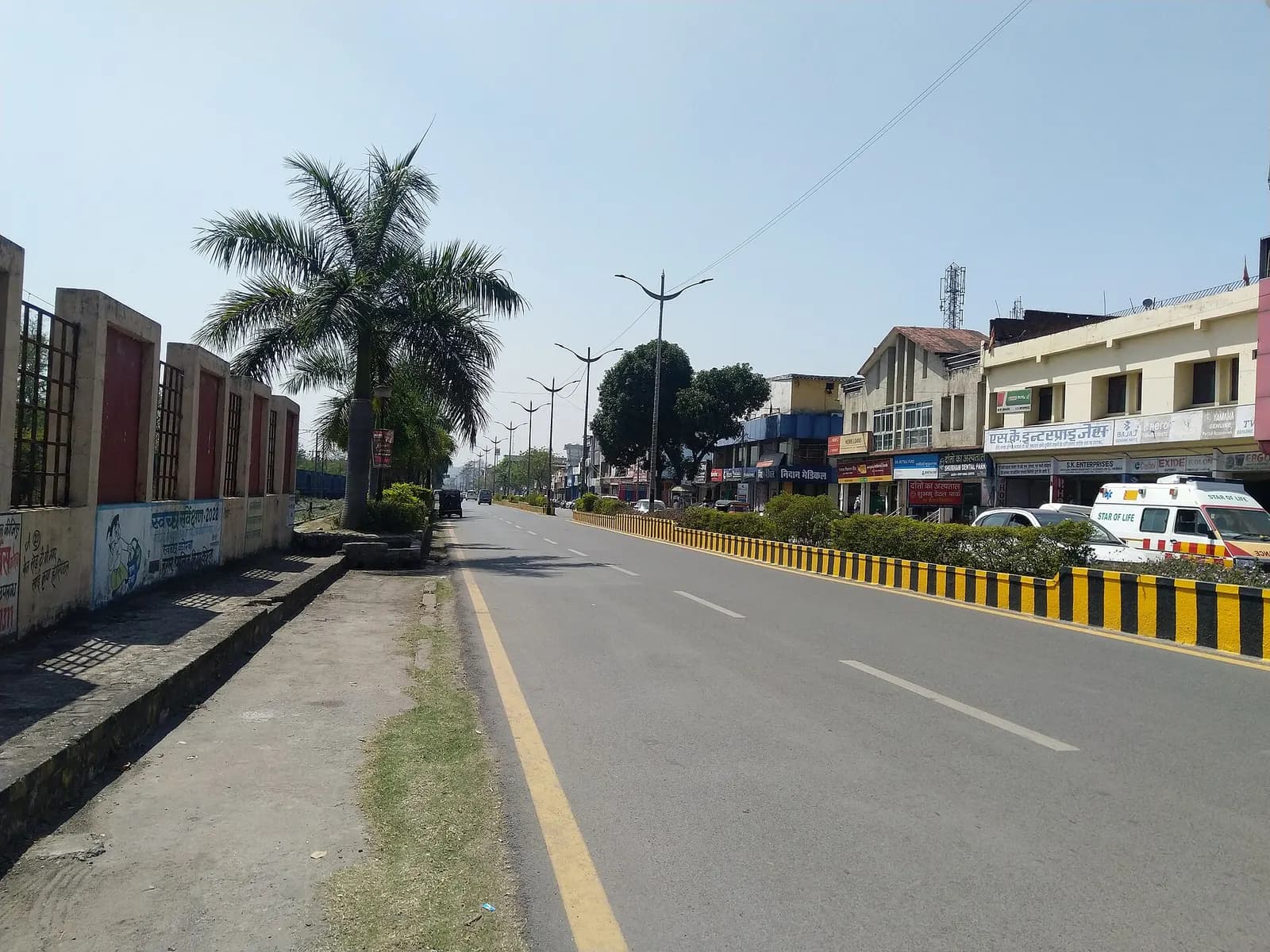
Work through three questions. Is your activity in the Schedule? Do you hold the registration it names? Is that registration valid for these premises and this business? If the answer to all three is yes, you don't need a trade licence, but expect the municipality to ask for the registration fee. If any answer is no, you need a licence.
Three groups are most likely to fall outside the exemption. The first is small kiosks, gumtis and cart-based sellers who haven't registered under the shop act or with FSSAI. The second is trades not named in the Schedule — garages, repair shops, tent houses, scrap yards, small manufacturing that isn't a "factory", and professional offices without a pharmacy. The third is businesses whose other registration has lapsed or is in a different name or address.
Two practical points apply to everyone. Chhattisgarh shop act registration, which the state Labour Department handles, and FSSAI registration are cheap compared with a multi-year trade licence, so getting them can be the simplest route. And a licence or exemption from the municipality is only about the use of premises in the town. It doesn't replace a fire NOC, pollution consent or building permission.
Fees: per square foot, by road width and market
Rule 5 tells each municipality to classify its trading areas by road width or by market location and charge at least the rates below, per square foot of premises a year. Note (1) required each municipality to publish its list of mohalla/colony markets, small and medium markets and large markets within 15 days. Premises outside those markets are charged by road width under Table I.
Minimum annual trade licence fee (buildings and open spaces)
| Location | Municipal corporation (Raipur, Bilaspur, Durg…) | Municipal council | Nagar panchayat |
|---|---|---|---|
Road under 7.5 m | ₹4 per sq ft a year | ₹3 per sq ft a year | ₹2 per sq ft a year |
Road 7.5–15 m | ₹5 per sq ft a year | ₹4 per sq ft a year | ₹3 per sq ft a year |
Road over 15 m | ₹6 per sq ft a year | ₹5 per sq ft a year | ₹4 per sq ft a year |
Mohalla or colony market | ₹4 per sq ft a year | ₹3 per sq ft a year | ₹2 per sq ft a year |
Small or medium market | ₹5 per sq ft a year | ₹4 per sq ft a year | ₹3 per sq ft a year |
Large market | ₹6 per sq ft a year | ₹5 per sq ft a year | ₹4 per sq ft a year |
Maximum annual fee | ₹30,000 a year | ₹20,000 a year | ₹10,000 a year |
Road under 7.5 m
- Municipal corporation (Raipur, Bilaspur, Durg…)
₹4 per sq ft a year
- Municipal council
₹3 per sq ft a year
- Nagar panchayat
₹2 per sq ft a year
Road 7.5–15 m
- Municipal corporation (Raipur, Bilaspur, Durg…)
₹5 per sq ft a year
- Municipal council
₹4 per sq ft a year
- Nagar panchayat
₹3 per sq ft a year
Road over 15 m
- Municipal corporation (Raipur, Bilaspur, Durg…)
₹6 per sq ft a year
- Municipal council
₹5 per sq ft a year
- Nagar panchayat
₹4 per sq ft a year
Mohalla or colony market
- Municipal corporation (Raipur, Bilaspur, Durg…)
₹4 per sq ft a year
- Municipal council
₹3 per sq ft a year
- Nagar panchayat
₹2 per sq ft a year
Small or medium market
- Municipal corporation (Raipur, Bilaspur, Durg…)
₹5 per sq ft a year
- Municipal council
₹4 per sq ft a year
- Nagar panchayat
₹3 per sq ft a year
Large market
- Municipal corporation (Raipur, Bilaspur, Durg…)
₹6 per sq ft a year
- Municipal council
₹5 per sq ft a year
- Nagar panchayat
₹4 per sq ft a year
Maximum annual fee
- Municipal corporation (Raipur, Bilaspur, Durg…)
₹30,000 a year
- Municipal council
₹20,000 a year
- Nagar panchayat
₹10,000 a year
Kiosks and vehicles. A gumti or kutcha shop pays a minimum of ₹250 a year in a corporation, ₹150 a year in a council and ₹100 a year in a nagar panchayat. The original table said "per square feet", which would have made a 50 sq ft kiosk pay ₹12,500. A February 2026 amendment (Gazette No. 96) deleted those words, so it is now a flat annual amount. Trading from a vehicle costs at least ₹400 a vehicle a year for a mini truck, pickup or jeep and ₹250 a vehicle a year for an auto-rickshaw in a corporation. The licence can be cancelled if the vehicle obstructs traffic.
Higher local rates and escalation. These are minimums. A proviso lets a municipality fix a higher rate after assessing the business potential of an area. Another says the fee must rise by at least 5% every two years in later financial years. The rules don't say how the cap interacts with a higher local rate, so ask your municipality in writing if your premises are large.
Raipur's own rates. We couldn't find Raipur Municipal Corporation's market classification or a trade licence rate list on an official page in October 2026. The corporation's portal, mcraipur.in, handles property tax only. Patrika reported in August 2026 that Raipur charges hospitals ₹12,500 a year (reported), against ₹2,500 in Korba. That shows how far local rates can sit above the state minimums. Pay only the demand the corporation raises, and get a receipt that names the fee head.
Worked examples
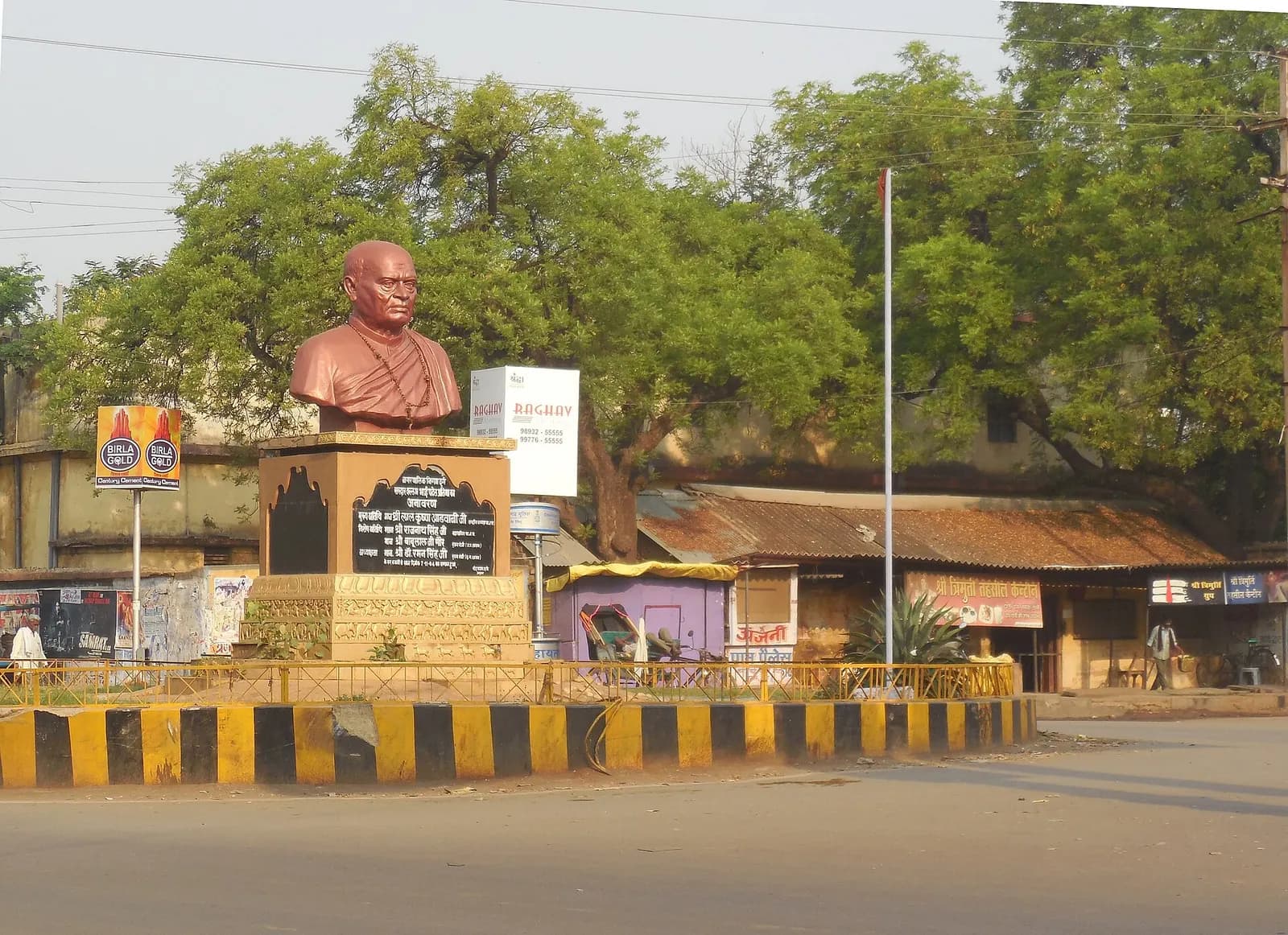
A 300 sq ft hardware shop on a 10-metre road in Raipur. It isn't in a notified market, so Table I applies at ₹5 per sq ft a year: 300 × ₹5 = ₹1,500 a year at the state minimum. Choose a five-year licence and you pay about ₹7,500 upfront, plus any escalation the corporation applies. If the shop holds Chhattisgarh shop act registration, retail shops are in the June 2026 Schedule. It would then pay only the registration fee instead of taking a licence.
A 6,000 sq ft furniture showroom on a 24-metre road. At ₹6 per sq ft a year the arithmetic gives ₹36,000, but the annual fee in a corporation can't exceed ₹30,000 a year. Over ten years that is up to ₹3 lakh paid at the start, which is why the multi-year option matters for cash flow.
A tea gumti in a nagar panchayat. The minimum is ₹100 a year a year. A two-year licence costs ₹200 at the minimum rate.
How to apply in Raipur
You apply to the competent authority in Form A, and the municipality issues the licence in Form B. Form A asks for the applicant's name, an authorisation letter if the applicant isn't the owner of the business, the date the business started, the urban body, the premises address and ward, the business name and type, whether you own the premises, the area in square feet, and any licence or NOC from other departments such as excise, food safety, health or the pollution control board.
Getting a trade licence in Raipur
- 1
Check the June 2026 Schedule first
If your activity is listed and you hold the named shop act, FSSAI, drug or factory registration, you don't need a licence. Ask the zone office what registration fee applies instead.
- 2
Clear property tax and measure the premises
Raipur property tax portalPay up the property tax on mcraipur.in and note the exact built-up area in square feet — the fee is calculated on it.
- 3
Fill Form A
Give business, premises and ownership details and attach ID, ownership or rent papers, the owner's consent and other departments' licences. Choose a validity of 2 to 10 years.
- 4
Submit to the corporation and get an acknowledgement
Apply through your zone office or the revenue/licence section. Insist on a dated receipt — the 15-day deemed-grant clock runs from it.
Tip: We found no online trade licence module on Raipur Municipal Corporation's portal on 13 October 2026.
- 5
Pay the fee for the whole period
The fee for the full validity is payable in advance. Check it against the rates and the ₹30,000 a year cap.
- 6
Display the licence
Display the Form B licence where customers can see it, and keep the receipt with it.
Timelines. The competent authority must grant the licence within 15 days of receiving the application, or refuse it for recorded reasons. If it does neither, the licence is deemed granted. A dated acknowledgement is what lets you rely on that rule if an inspector visits.
Other cities. Bilaspur, Durg, Bhilai, Korba, Rajnandgaon, Jagdalpur and Ambikapur are municipal corporations and use the corporation column of the fee tables. Councils and nagar panchayats use their own columns, with the chief municipal officer as the licensing authority. Each body must publish its own market list, so rates for the same shop size can differ between neighbouring towns.
Documents you'll need
Documents for a Chhattisgarh trade licence
0/8Most delays come from premises papers. Typical problems are a rent agreement without the owner's consent, a property tax record in someone else's name, or arrears on the property. Measure the area before you apply. If the inspector's figure is larger than yours, the demand will be recalculated.
Validity, renewal and late penalties
A licence is valid for up to 10 years unless it is suspended or cancelled. You choose any period from 2 years upward and pay for all of it with the application. Rule 12 ties the licence to the premises and the trade named in it. Move shop or change your line of business and you need a fresh licence. If you vacate the premises during the licence period, tell the competent authority straight away.
Apply to renew at least one month before expiry, with the fee, a copy of the licence and proof that your municipal dues are paid. The renewal is deemed granted if the authority hasn't decided within 15 days. Renew up to six months late and you pay 15% of the licence fee; after that, ₹10 a day is added for the delay. If you haven't applied within a year of expiry, the authority can cancel the licence and seal the premises.
Selling the business. A licence can't be transferred if the premises or trade change. If both stay the same and you sell the business, the new owner can take over the licence on an application with a fee of 10% of the annual licence fee.
What may change next
The fee debate isn't settled. In August 2026 Patrika reported that the Urban Administration Department had drafted a "one state, one rule" proposal. It would set the same fee for a business category in every town, with concessional rates for small traders and an online application, fee and issue process. The reported proposed rates are ₹100–₹500 a year for gumtis and carts and ₹200–₹1,000 for small shops and offices. That is a proposal sent to the government, not a notified rule. Until a Gazette notification appears, the tables above are the law.
Also watch the June 2026 Schedule, which the department can extend by notification, and the registration fee under rule 19. When we checked in October 2026, we couldn't find an official schedule of that registration fee for Raipur.
Penalties, sealing and appeals
The penalties in the 2025 rules are tied to the licence fee, so they grow with the size of your premises.
Penalties under the 2025 rules
| Situation | Consequence | Rule |
|---|---|---|
Trading without a valid licence | Premises sealed and penalty of twice the annual licence fee for a similar trade in a similar location | r.15(2) |
Not complying with an inspection notice in time | Penalty of 50% of the annual licence fee, or cancellation | r.15(1) |
Late renewal within 6 months | 15% of the licence fee | r.8(2) |
Late renewal after 6 months | Above plus ₹10 a day | r.8(2) |
No renewal within 1 year | Cancellation and sealing | r.8(3) |
Vehicle trader obstructing traffic | Licence cancelled | r.5(C) note |
Trading without a valid licence
- Consequence
Premises sealed and penalty of twice the annual licence fee for a similar trade in a similar location
- Rule
r.15(2)
Not complying with an inspection notice in time
- Consequence
Penalty of 50% of the annual licence fee, or cancellation
- Rule
r.15(1)
Late renewal within 6 months
- Consequence
15% of the licence fee
- Rule
r.8(2)
Late renewal after 6 months
- Consequence
Above plus ₹10 a day
- Rule
r.8(2)
No renewal within 1 year
- Consequence
Cancellation and sealing
- Rule
r.8(3)
Vehicle trader obstructing traffic
- Consequence
Licence cancelled
- Rule
r.5(C) note
The licence also carries conditions. You must follow orders of the central and state governments, the district administration and the municipality. You must keep the footpath and road in front clear of encroachment, hoardings and illegal parking. And you must take the steps the authority requires against smoke, gas, dust, smell and noise. Penalties can be paid at the municipal office or through its online payment portal.
Appeals. In a municipal corporation, appeal against the competent authority's order to the Appeal Committee under section 403(4) of the Chhattisgarh Municipal Corporation Act, 1956. In a municipal council the appeal goes to the Appeal Committee under section 307 of the 1961 Act. In a nagar panchayat it goes to the Collector under section 308. Rule 16 also lets the competent authority withdraw or settle cases pending before the municipality.
Common mistakes and how to fix them
Assuming the exemption covers you because you're a shop. It covers you only if you hold the registration the Schedule names, valid for the same premises. Get the shop act or FSSAI registration first.
Paying for one year out of habit. The rules let you choose two to ten years. A longer term avoids annual renewals and late penalties, but you pay for the whole period at once. The rules don't say whether you get a refund if you close early.
Measuring carpet area when the corporation measures built-up area. Agree the figure at inspection and make sure the demand shows the area and rate used.
Missing the renewal window. Apply a month before expiry. After expiry, penalties start at 15% of the licence fee and the premises can be sealed after a year.
Confusing licences. The municipal trade licence, Chhattisgarh shop act registration, FSSAI and the Labour Department's rules on Chhattisgarh minimum wages are separate obligations handled by different offices.
Official links
- Trade Licensing Rules, 2025 — Gazette No. 847 (7 Nov 2025)Full Hindi and English text, fee tables, Forms A and B
- Kiosk fee amendment — Gazette No. 96 (20 Feb 2026)Removes 'per square feet' from the kiosk fee
- 43-trade exemption — Gazette No. 346 (25 Jun 2026)Rules 18 and 19 and the Schedule
- Urban Administration and Development DepartmentLinks to every municipal corporation's portal
- Raipur Municipal Corporation property tax portalClear property tax before applying
What to do next
Check whether your activity is in the June 2026 Schedule. If it is, make sure your shop act, FSSAI, drug or factory registration is current for the premises and ask your zone office about the registration fee. If it isn't, measure your premises, work out the fee from the tables, choose a validity period and apply in Form A with a dated acknowledgement. Food businesses should start with FSSAI registration, get Udyam registration for MSME benefits, and use our startup cost calculator to budget a multi-year licence fee. For the neighbouring states' systems, see our Madhya Pradesh and Odisha trade licence guides.
This is general information, not legal or tax advice — confirm on the official source or with a professional.
Frequently asked questions
Since 7 November 2025, the Chhattisgarh Municipality (Trade Licensing) Rules, 2025 bar anyone from trading within municipal limits without a licence. A June 2026 amendment then exempted 43 listed business types — shops, restaurants, offices, salons, pharmacies, factories and others — if they hold the right shop act, FSSAI, drug or factory registration. Exempted businesses still owe the municipality a registration fee.
The state rules set a minimum rate per square foot a year for municipal corporations like Raipur: ₹4 per sq ft a year on roads under 7.5 metres, ₹5 per sq ft a year on roads of 7.5–15 metres and ₹6 per sq ft a year on wider roads, capped at ₹30,000 a year. A kiosk pays at least ₹250 a year. Raipur Municipal Corporation hadn't published its own rate list or market classification online when we checked in October 2026.
You choose a period between 2 years and 10 years and pay the fee for the whole period in advance. Apply to renew at least one month before expiry. If the municipality doesn't decide a renewal within 15 days, it is treated as renewed.
Renewing within six months after expiry costs a penalty of 15% of the licence fee. After six months you also pay ₹10 a day for the delay. If you haven't applied within a year of expiry, the municipality can cancel the licence and seal the premises. Trading with no licence at all attracts twice the annual licence fee and sealing.
The June 2026 Schedule lists 43 activities, including retail and wholesale shops, kirana stores, restaurants and bakeries, hotels, offices, IT firms, warehouses, coaching centres, gyms, salons, medical stores, hospitals with pharmacies and factories. The exemption applies only if you hold the licence or registration the Schedule names against your activity, and you must still pay the municipal registration fee.
The rules give the competent authority 15 days from receiving a complete application. It can refuse only for recorded reasons. If no decision comes within that time, the licence is deemed granted, so keep a dated acknowledgement of your application.
Sources & verification
Figures on this page were checked against the sources below when it was last reviewed on 13 October 2026. Each rate and limit is stored once with its own official source and review date, and official update channels are monitored daily so changes are picked up. How we verify
- 1.Chhattisgarh Gazette (Extraordinary) No. 847, 7 November 2025 — Chhattisgarh Municipality (Trade Licensing) Rules, 2025 — Urban Administration and Development Department, Government of Chhattisgarh (Gazette copy on Internet Archive) · accessed 13 October 2026
- 2.Chhattisgarh Gazette (Extraordinary) No. 96, 20 February 2026 — amendment to the Trade Licensing Rules — Urban Administration and Development Department, Government of Chhattisgarh (Gazette copy on Internet Archive) · accessed 13 October 2026
- 3.Chhattisgarh Gazette (Extraordinary) No. 346, 25 June 2026 — amendment inserting rules 18 and 19 and the Schedule — Urban Administration and Development Department, Government of Chhattisgarh (Gazette copy on Internet Archive) · accessed 13 October 2026
- 4.Urban Administration and Development Department, Chhattisgarh — Government of Chhattisgarh · accessed 13 October 2026
- 5.Raipur Municipal Corporation — property tax portal — Raipur Municipal Corporation · accessed 13 October 2026
- 6.Labour Department, Government of Chhattisgarh — Shramev Jayate portal — Labour Department, Government of Chhattisgarh · accessed 13 October 2026
- 7.Chhattisgarh's new trade licence rules draw strong opposition over sharp fee increase — IBC24 (9 July 2026) · accessed 13 October 2026
- 8.Mandatory licensing removed for 43 types of businesses — Patrika (3 July 2026) · accessed 13 October 2026
- 9.One state, one rule: proposal for uniform trade licence fees — Patrika (23 August 2026) · accessed 13 October 2026
- 10.Chhattisgarh Municipality (Trade Licensing) Rules, 2025 — summary — TeamLease RegTech · accessed 13 October 2026
MSMETOOLS is an independent platform and is not affiliated with any government agency, ministry or department.
Tools for this
Startup Cost Calculator
Estimate how much capital you need to launch.
Invoice Generator
Create professional invoices with tax, logo and custom details.
Related guides
 Trade License Odisha 2026: SUJOG, BMC Fees & RenewalRead guide
 Trade License Indore 2026: e-Nagarpalika, MP Rules & RenewalRead guide
 Trade License Kerala 2026: K-SMART, D&O Fees & RenewalRead guide
 Trade License Dehradun 2026: Nagar Nigam Fees, Bye-Laws, ApplyRead guide
Official links open the government site in a new tab.