 Business registration & legal
Trade License in Dehradun and Uttarakhand (2026): Nagar Nigam's 2025 Bye-Laws, Fees, Renewal and Where to Apply
Trade licence in Dehradun and Uttarakhand for 2026: Nagar Nigam's 2025 bye-laws, fees for hotels, clinics and liquor shops, renewal window, late fees and NagarSewa.
 Edited by Sumeet YadavFounder & editor, MSMETOOLS · fact-checked against official sources
Contents (10)
- 1. The law behind a Dehradun trade licence
- 2. Who needs a licence under the 2025 bye-laws
- 3. The 2025 fee list
- 4. When and how to apply
- 5. Documents you'll need
- 6. Renewal, late fees and closing down
- 7. Penalties and appeals
- 8. How the trade licence fits with your other registrations
- 9. Common mistakes and how to fix them
- 10. What to do next
Dehradun's trade licence rules went 27 years without a change. Then in May 2025 Nagar Nigam Dehradun published new bye-laws with fees of tens of thousands of rupees for hotels, banquet halls, hospitals, clinics, medical stores and liquor shops. They drew 93 objections in their first ten days. Most online guides haven't caught up, and the official text is a scanned Hindi notice that's easy to miss. This guide is for hotel and guest-house owners, doctors and lab operators, chemists, liquor and bar licensees, shopkeepers and accountants in Dehradun, and for businesses in Haridwar, Haldwani, Rishikesh, Roorkee, Rudrapur, Kashipur and Uttarakhand's other towns. It covers the legal basis, the fee list, the renewal window, late fees, penalties, appeals and where to apply. We checked the bye-laws, the Nigam's website and the state's NagarSewa portal in October 2026.
Quick answer
In Dehradun, trade licences are issued by Nagar Nigam Dehradun under bye-laws made under section 541 of the UP Municipal Corporation Act, 1959 (as in force in Uttarakhand). The 2025 bye-laws were published as provisional on 17 May 2025, with fees for 30 trade types. We couldn't find a final notification by October 2026, so confirm the current rate with the Nigam before paying.
Licence runs 1 April–31 March; apply or renew first week of February to 31 March
Examples: guest house up to 20 beds ₹20,000 first time, ₹10,000 a year a year after
Late renewal: ₹100 a day after April
Penalties escalate to 2x, then 4x the fee, then recovery as land revenue
Other towns: NagarSewa portal; cantonments: eChhawani
The law behind a Dehradun trade licence
Uttarakhand kept Uttar Pradesh's municipal laws when it became a state in 2000, with adaptations. Its municipal corporations — Dehradun, Haridwar, Haldwani, Rishikesh, Roorkee, Rudrapur, Kashipur and others — run under the Uttar Pradesh Municipal Corporation Act, 1959 as in force in Uttarakhand. Smaller nagar palika parishads and nagar panchayats work under the municipalities law. Neither Act sets one statewide trade licence fee. Each corporation makes its own bye-laws to regulate trades, and section 541 of the 1959 Act is the power Dehradun relies on.
That makes the bye-laws the document that matters. Dehradun became a municipal corporation in 1998. In May 2025 the Municipal Commissioner said the trade licence rules hadn't been amended since then, according to ETV Bharat. An earlier draft from 2020 was also posted on the Nigam's website. On 16 May 2025 the Commissioner and the Mayor signed a notice titled "व्यापार/ट्रेड लाईसेन्स सम्बन्धी अनन्तिम उपविधि" — the provisional bye-laws on trade licences. It was published on 17 May 2025, and objections were invited until 31 May 2025 (5 pm).
The notice says the bye-laws take effect from publication in the Gazette, and that all earlier licence and registration rates for the listed trades end when they do. News reports in late May 2025 said the bye-laws were being treated as effective from 17 May. They also said a committee of trader representatives and senior officials would decide the final fees after the objections. We couldn't find a final, Gazette-notified version on the Nigam's website or in news coverage up to October 2026. The Nigam's website still lists the document as "Provisional Bye Laws For Business / Trade License 2025".
How Dehradun's trade licence rules got here
Step 1
1998
Nagar Nigam formed; rules unchanged for 27 years
Step 2
2020
first draft put up for objections
Step 3
17 May 2025
provisional bye-laws published
Step 4
31 May 2025
objections close; fee committee
Step 5
Final notification
not found by Oct 2026
What changed from the 2020 draft
The 2025 text grew out of a draft the Nigam put up for objections in early 2020, which is still on its website. Much of the framework is the same. Both drafts give licences a financial-year life and an application window from the first week of February to 31 March. Both make you cancel on a ₹10 stamp paper before the end of February if you close, and both let the Nigam keep a register of traders and recover unpaid fees like land revenue. The 2025 version is tougher in three ways. The late fee doubles from ₹50 to ₹100 a day, and starts after April instead of after 15 April. It adds NOCs from the health, veterinary and excise departments. And it adds the escalating 2x and 4x penalties and a two-step appeal. If you've seen older Dehradun figures quoted online, they may come from the 2020 draft or the pre-2020 rules, not the 2025 text.
Who needs a licence under the 2025 bye-laws
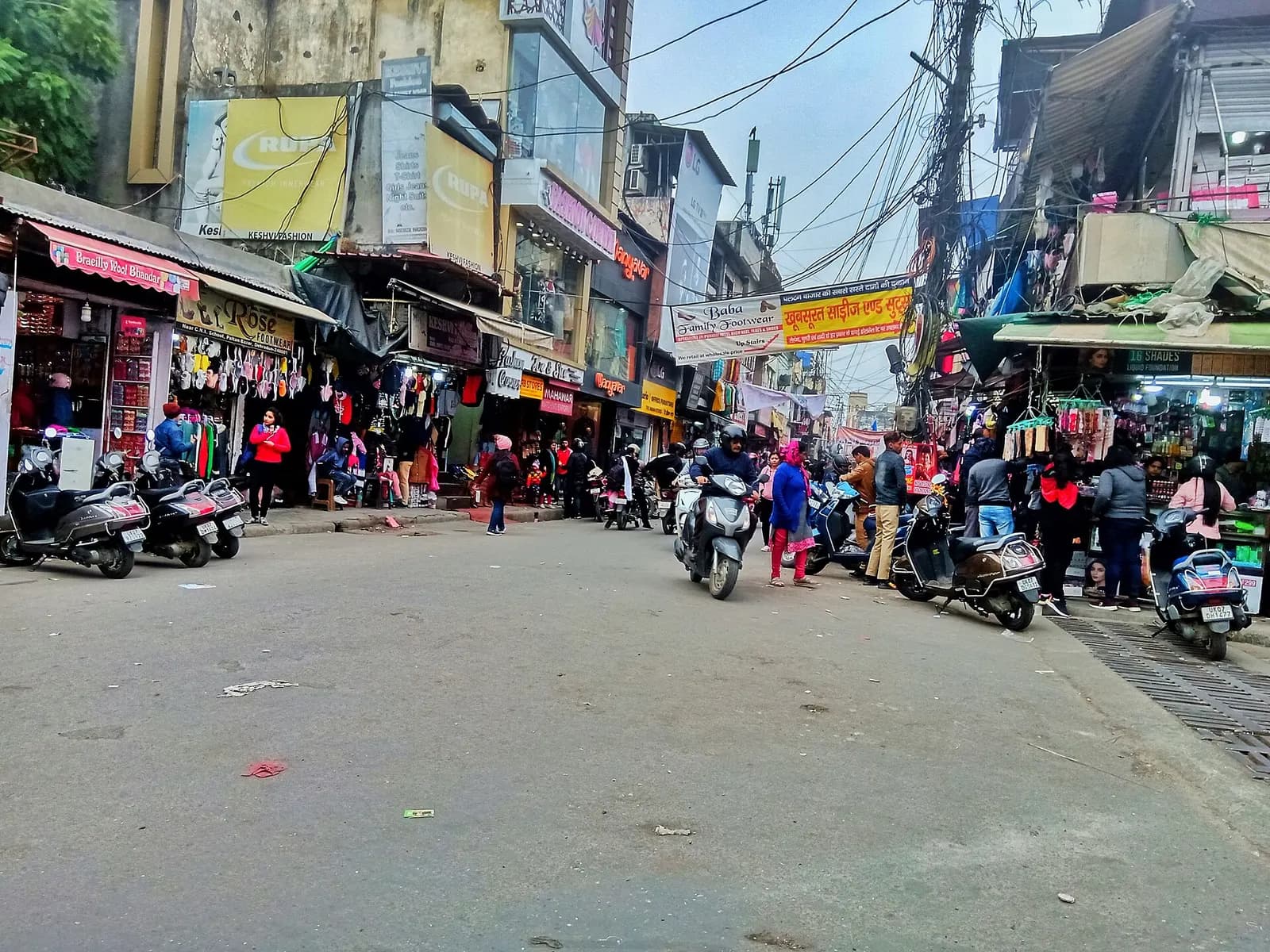
Clause 2 is broad. It says a person may do business within Nagar Nigam limits only after paying the prescribed fee at the Nigam's office and getting a licence. But the rate schedule at the end lists only 30 trade types in six groups:
- Wedding points, banquet halls and hotel lodging — banquet halls by guest capacity, guest houses and hotels without a star rating by number of beds, and three-, five- and seven-star hotels.
- Hospitals and nursing homes — four bands by number of beds, from 1–20 to more than 100.
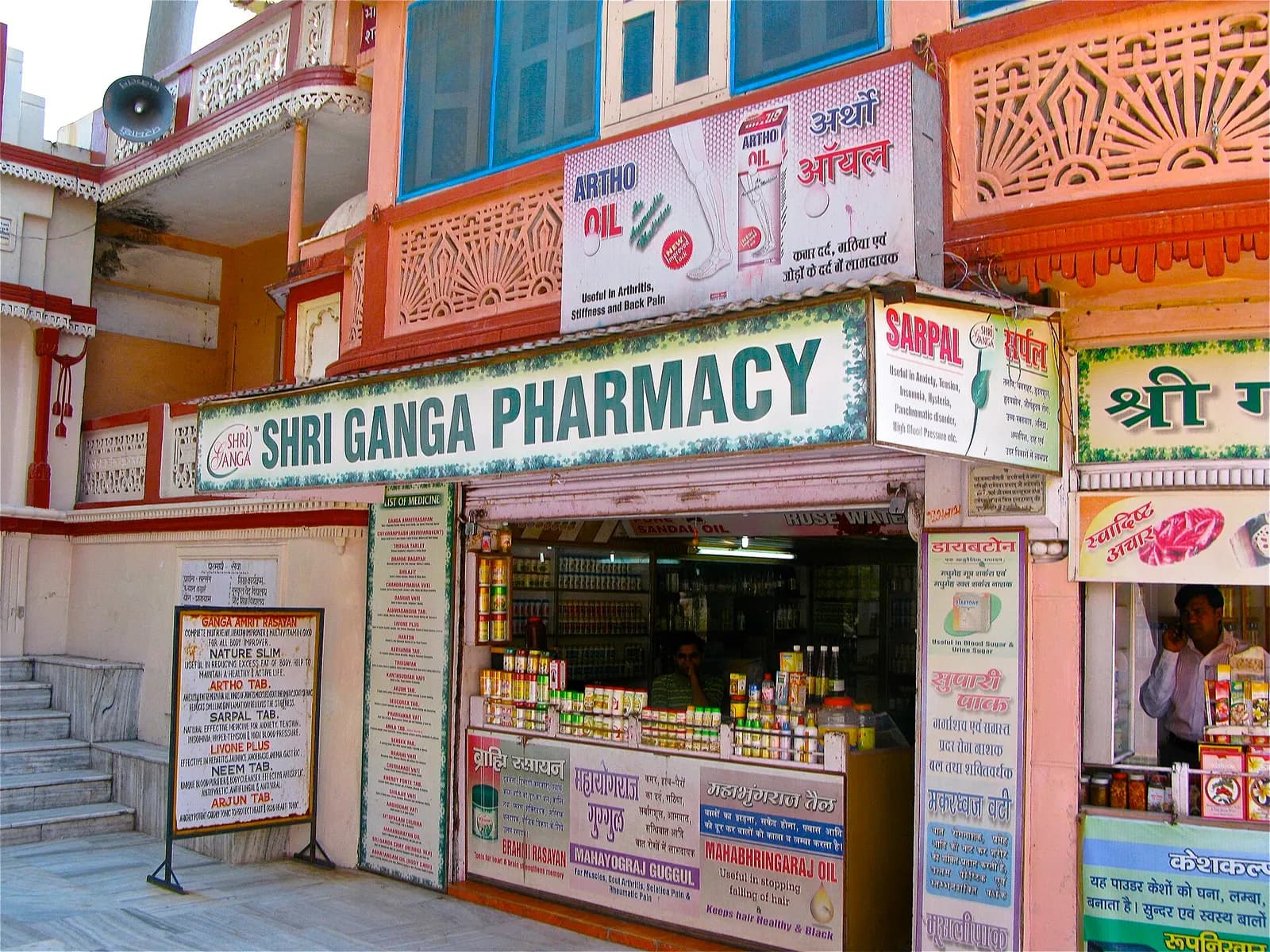
- Private clinics and medical shops — sample collection centres, diagnostic centres and labs, private and dental clinics, Unani, Ayurvedic and homoeopathic clinics, and allopathic, Ayurvedic, homoeopathic and Unani medical shops.
- Animal trades — pet shops, private veterinary clinics and hospitals.
- Excise trades — hookah bars, beer bars, English and country liquor shops, and imported-wine shops in department stores.
- Malls — the mall owner pays a registration fee based on the mall's property tax valuation.
The bye-laws don't give a rate for an ordinary grocery, clothing or hardware shop. In May 2025 the Commissioner said businesses that had been outside the licensing net would be brought in, but in phases. If your trade isn't in the list, ask the Nigam's licence section in writing whether you need a licence this year and at what fee, and keep the reply.
No-objection certificates. Hotels, guest houses, banquet halls, hospitals, nursing homes, maternity homes, clinics, diagnostic centres, labs and medical shops need an NOC from the Nigam's Chief Municipal Health Officer. Veterinary clinics and hospitals need one from the senior veterinary officer. Excise businesses must attach an NOC from the Excise Department. Under clause 24, where a central or state licence or registration also applies, the Nigam issues its licence only after you produce that certificate.
Liquor pricing. Clause 6 says an excise licensee who sells any liquor or beer above MRP will have the Nigam licence cancelled. The Nigam will also recommend that the Excise Department cancel the excise licence.
The 2025 fee list
The schedule sets two figures for each trade: a first-registration fee and an annual renewal fee. The table below shows a selection. All figures are from the provisional bye-laws and could change in the final version.
Dehradun Nagar Nigam — selected fees under the 2025 provisional bye-laws
| Trade | First registration | Renewal each year |
|---|---|---|
Banquet hall / wedding point, up to 250 guests | ₹25,000 | ₹10,000 a year |
Banquet hall, 250–500 guests | ₹50,000 | ₹20,000 a year |
Banquet hall, over 500 guests | ₹75,000 | ₹30,000 a year |
Guest house / hotel without star, 1–20 beds | ₹20,000 | ₹10,000 a year |
Guest house / hotel without star, 21–50 beds | ₹25,000 | ₹15,000 a year |
Guest house / hotel without star, 51–100 beds | ₹50,000 | ₹20,000 a year |
Three-star hotel | ₹100,000 | ₹25,000 a year |
Five-star hotel | ₹150,000 | ₹35,000 a year |
Hospital / nursing home, 1–20 beds | ₹25,000 | ₹10,000 a year |
Hospital, over 100 beds | ₹100,000 | ₹50,000 a year |
Sample collection centre | ₹15,000 | ₹8,000 a year |
Diagnostic centre / pathology lab / ultrasound / CT / X-ray | ₹25,000 | ₹10,000 a year |
Private, dental, eye or ENT clinic | ₹30,000 | ₹15,000 a year |
Allopathic medical shop | ₹50,000 | ₹30,000 a year |
Ayurvedic medical shop | ₹30,000 | ₹15,000 a year |
Pet shop / private veterinary clinic | ₹10,000 | ₹5,000 a year |
Hookah bar | ₹10,000 | ₹5,000 a year |
Beer bar | ₹30,000 | ₹15,000 a year |
English liquor shop | ₹50,000 | ₹30,000 a year |
Banquet hall / wedding point, up to 250 guests
- First registration
₹25,000
- Renewal each year
₹10,000 a year
Banquet hall, 250–500 guests
- First registration
₹50,000
- Renewal each year
₹20,000 a year
Banquet hall, over 500 guests
- First registration
₹75,000
- Renewal each year
₹30,000 a year
Guest house / hotel without star, 1–20 beds
- First registration
₹20,000
- Renewal each year
₹10,000 a year
Guest house / hotel without star, 21–50 beds
- First registration
₹25,000
- Renewal each year
₹15,000 a year
Guest house / hotel without star, 51–100 beds
- First registration
₹50,000
- Renewal each year
₹20,000 a year
Three-star hotel
- First registration
₹100,000
- Renewal each year
₹25,000 a year
Five-star hotel
- First registration
₹150,000
- Renewal each year
₹35,000 a year
Hospital / nursing home, 1–20 beds
- First registration
₹25,000
- Renewal each year
₹10,000 a year
Hospital, over 100 beds
- First registration
₹100,000
- Renewal each year
₹50,000 a year
Sample collection centre
- First registration
₹15,000
- Renewal each year
₹8,000 a year
Diagnostic centre / pathology lab / ultrasound / CT / X-ray
- First registration
₹25,000
- Renewal each year
₹10,000 a year
Private, dental, eye or ENT clinic
- First registration
₹30,000
- Renewal each year
₹15,000 a year
Allopathic medical shop
- First registration
₹50,000
- Renewal each year
₹30,000 a year
Ayurvedic medical shop
- First registration
₹30,000
- Renewal each year
₹15,000 a year
Pet shop / private veterinary clinic
- First registration
₹10,000
- Renewal each year
₹5,000 a year
Hookah bar
- First registration
₹10,000
- Renewal each year
₹5,000 a year
Beer bar
- First registration
₹30,000
- Renewal each year
₹15,000 a year
English liquor shop
- First registration
₹50,000
- Renewal each year
₹30,000 a year
Malls are charged differently: the owner pays a registration fee of 0.5% of the annual assessed value used for the mall's property tax, and ₹50,000 a year on renewal.
Worked examples
A 12-room guest house on Rajpur Road. With 12 beds it is in the 1–20 bed band. Under the provisional list it pays ₹20,000 for first registration and ₹10,000 a year each April after that. It also needs an NOC from the Chief Municipal Health Officer before the licence is issued. Hotels separately need fire clearance and FSSAI registration for any food service, and the bye-laws don't replace either.
A dental clinic with an attached chemist. The clinic and the medical shop are separate trades in the schedule. In the first year that means ₹30,000 plus ₹50,000 — ₹80,000 — and ₹15,000 a year plus ₹30,000 a year a year after that. Check what the Nigam actually demands before budgeting the full amount.
A small pet shop in Dalanwala. Pet shops are listed at ₹10,000 first time and ₹5,000 a year a year.
When and how to apply
Under the provisional bye-laws, a licence is valid for one financial year, 1 April to 31 March. Every business must apply, or renew, between the first week of February and 31 March for the coming year. Clause 13 says applications are made on an online portal and the fee is paid there. The licensing officer is the Municipal Commissioner or an officer he authorises, such as a deputy or assistant commissioner, the municipal health officer or a tax superintendent.
Getting a trade licence from Nagar Nigam Dehradun
- 1
Check whether your trade is listed
Provisional bye-laws (scanned PDF)Find your trade in the 30-item schedule. If it isn't there, ask the Nigam's licence section in writing whether a licence is needed and at what fee.
- 2
Get the NOCs first
Hotels, banquet halls, hospitals, clinics, labs and medical shops need an NOC from the Chief Municipal Health Officer. Veterinary trades need one from the senior veterinary officer, and excise trades from the Excise Department.
- 3
Apply in the February–March window
Apply online with ID, photographs, premises and property tax papers and the NOCs. Ask the licence section which portal to use — the Nigam website's 'Apply for Trade License' button wasn't linked when we checked.
Tip: Uttarakhand's NagarSewa portal lists Dehradun among its urban bodies and offers new and renewal trade licence applications.
- 4
Inspection
For hotels, banquet halls, hospitals, clinics, labs and medical shops, the licensing officer or an inspector-rank employee may inspect before the licence is issued.
- 5
Pay and keep the licence
Pay the fee shown, download or collect the licence, and keep it at the premises. The Commissioner's staff can inspect it at any time.
Other towns. Uttarakhand's NagarSewa portal is the state platform for municipal services. Its public configuration lists more than 100 urban bodies, from Dehradun, Haridwar and Haldwani to hill towns such as Joshimath, Pithoragarh and Uttarkashi. It supports new and renewal trade licence applications across about 395 trade types, with ID proof and an owner photograph as the basic documents. Each body still sets its own fees under its own bye-laws. Rishikesh Nagar Nigam's website, for example, sends citizens to NagarSewa for trade licence services.
Kashipur. Kashipur Nagar Nigam brought in new trade licence bye-laws in July 2025. Amar Ujala reported in May 2026 that only about 1,500 licences had been issued between September 2025 and 31 March 2026, against a target of 11,000. The deadline to get a licence without penalty was extended to 31 May 2026, and a waiver of the 50% penalty was awaiting board approval.
Cantonments. Premises inside Dehradun Cantonment are licensed by the Cantonment Board, not the Nagar Nigam. You apply on the eChhawani portal; after verification, inspection and approval you pay the trade licence fee and download the certificate.
Documents you'll need
Documents for a Dehradun trade licence
0/8The bye-laws set operating conditions for some trades. Hospitals and nursing homes must follow the biomedical waste rules. They need proper bed rooms, ventilation, water, bathrooms and toilets, and vehicle parking, and the municipal health officer inspects these. Banquet halls and hotels must follow the Nigam's sanitation rules and the Solid Waste Management Rules, 2016, and keep vehicles off the footpath. Food businesses and hospitals must keep waste covered and dispose of it daily. Nobody may block the road or footpath, or run a generator on government land; generators must be inside the premises, soundproofed and pollution-free.
Renewal, late fees and closing down
Renew every year in the February–March window. If you still haven't renewed by the end of April, clause 15 adds a late fee of ₹100 a day on top of the licence fee, counted from May until the date you apply. A 1–20 bed guest house that finally applies on 30 June would owe about 61 days × ₹100 = ₹6,100 on top of its ₹10,000 a year renewal fee.
To close or scale down a business, apply to cancel the licence on a ₹10 stamp paper before the last week of February. The licensing officer inspects the premises and cancels the licence. If you don't cancel, the Nigam will treat you as still trading and the next year's fee will fall due. Clause 20 says the Nigam will keep a register of business owners within its limits and issue annual licences from it. Fees that aren't paid can be recovered like land revenue.
Penalties and appeals
The penalty clause escalates in steps:
What happens if you breach the bye-laws
First violation
15-day notice; after that, twice the registration or renewal fee
Second violation
7-day notice; after that, four times the fee
Still unpaid
Fee recovered like land revenue through a recovery certificate (RC)
After the RC
₹500 a day until the fee is paid
For a listed clinic, ignoring the notices could turn a ₹15,000 a year renewal into a demand of ₹60,000 before recovery proceedings even start. Clause 12 also lets the licensing officer act against food businesses, banquet halls and hospitals keeping rotten fruit and vegetables, and destroy food unfit for people.
Appeals. If a dispute arises over issuing a licence or registration, you can appeal to the Municipal Commissioner within 15 days. A second appeal against the Commissioner's order goes to the Mayor within 15 days, and the Mayor or administrator must decide it within 15 days. Clause 17 lets the state government modify any provision or grant exemptions if it finds a provision being misused or against the public interest.
How the trade licence fits with your other registrations
A Nagar Nigam trade licence is about using premises for a trade within the town. It sits alongside several other registrations, and it doesn't replace any of them. If you employ staff, you need registration with the Labour Department under Uttarakhand's shops and establishments law. If you sell food, you need FSSAI registration or a licence, and that's a precondition for the Nigam licence for food-related trades. GST registration applies once your turnover crosses the threshold or you sell inter-state. Hospitals, clinics and labs also need registration under clinical establishments rules and biomedical waste authorisation. Pharmacies need a drug licence, and bars and liquor shops an excise licence. Larger hotels and hospitals usually need fire clearance.
| Registration | Who issues it | Needed before the Nigam licence? |
|---|---|---|
| Health NOC | Chief Municipal Health Officer, Nagar Nigam | Yes — hotels, banquet halls, hospitals, clinics, labs, medical shops |
| Veterinary NOC | Senior veterinary officer | Yes — pet shops and veterinary clinics or hospitals |
| Excise licence or NOC | Excise Department | Yes — bars and liquor shops |
| FSSAI registration or licence | Food Safety department | For food trades |
| Drug licence | Drugs controller | For medical shops |
| Shop and establishment registration | Labour Department | Separate obligation for employers |
The practical order matters. Get the department licences and NOCs first, because clause 24 of the bye-laws makes the Nigam wait for them. Then apply for the trade licence in the February–March window. If you open mid-year, apply as soon as you have the other papers rather than waiting for February. Keep a dated acknowledgement so you can show you applied.
Common mistakes and how to fix them
Treating the provisional fees as final. The schedule was published for objections and a committee was to set final fees. Ask the licence section for the current demand in writing before paying, and keep the receipt.
Missing the February–March window. The late fee runs at ₹100 a day after April. Set a reminder for the first week of February.
Applying without NOCs. Health, veterinary and excise trades can't get the licence without the relevant NOC. Start those first.
Mixing up Nagar Nigam and cantonment. If your premises are inside Dehradun Cantonment, apply to the Cantonment Board on eChhawani instead.
Forgetting staff obligations. The trade licence doesn't cover labour law. Shops and hotels with staff must pay at least the Uttarakhand minimum wages and handle shop act registration with the Labour Department.
Official links
- Dehradun provisional trade licence bye-laws 2025 (scan)Rules, penalties and the 30-item fee schedule
- Nagar Nigam DehradunNotices, licence section and contacts
- NagarSewa UttarakhandTrade licence and other municipal services for Uttarakhand towns
- Dehradun Cantonment Board — Trade LicenceFor premises inside the cantonment (eChhawani)
What to do next
Check whether your trade is in Dehradun's 30-item schedule. If it is, get the required NOC, then apply or renew between February and 31 March, and get the current fee confirmed in writing while the bye-laws remain provisional. Food businesses need FSSAI registration, hotels and hospitals usually need a fire NOC, and Udyam registration unlocks MSME benefits. Use our startup cost calculator to budget licence fees for a new hotel or clinic. For the parent law's rules next door, see our Uttar Pradesh trade licence guide.
This is general information, not legal or tax advice — confirm on the official source or with a professional.
Frequently asked questions
Dehradun Nagar Nigam's 2025 provisional bye-laws set fees by trade. Examples: a guest house of up to 20 beds pays ₹20,000 the first time and ₹10,000 a year after that; a private or dental clinic ₹30,000 and ₹15,000 a year; an allopathic medical shop ₹50,000 and ₹30,000 a year. The bye-laws were provisional when published, and we couldn't find a final notification in October 2026.
The 2025 provisional bye-laws, made under section 541 of the UP Municipal Corporation Act, 1959 as it applies in Uttarakhand, say no one may carry on business within Nagar Nigam limits without paying the fee and getting a licence. The rate list covers 30 trade types — banquet halls, hotels, hospitals, clinics, labs, medical shops, animal trades, liquor and malls. Ask the licence section whether your trade is covered.
Licences run for the financial year, 1 April to 31 March. The provisional bye-laws ask businesses to apply or renew online from first week of February to 31 March. If you haven't renewed by the end of April, a late fee of ₹100 a day applies until the date you apply.
Most Uttarakhand urban bodies use the state's NagarSewa portal (nagarsewa.uk.gov.in), which lists more than 100 municipal bodies and offers new and renewal trade licence applications. Dehradun's bye-laws also say applications should be made on an online portal. Cantonment areas such as Dehradun Cantonment use the separate eChhawani portal.
Under the provisional bye-laws, a first violation brings a 15-day notice and then twice the registration or renewal fee. A second brings a 7-day notice and four times the fee. After that the Nigam can recover the fee like land revenue through a recovery certificate, with ₹500 a day added from the date the certificate is issued.
No. Dehradun Cantonment Board issues its own trade licences through the eChhawani portal, with its own fees. Premises inside the cantonment deal with the Cantonment Board, not the Nagar Nigam.
Sources & verification
Figures on this page were checked against the sources below when it was last reviewed on 13 October 2026. Each rate and limit is stored once with its own official source and review date, and official update channels are monitored daily so changes are picked up. How we verify
- 1.Nagar Nigam Dehradun — provisional bye-laws for business/trade licence 2025 (letter 882, 16 May 2025) — Nagar Nigam Dehradun · accessed 13 October 2026
- 2.Nagar Nigam Dehradun — official website — Nagar Nigam Dehradun · accessed 13 October 2026
- 3.NagarSewa Uttarakhand — urban local body services portal — Urban Development Directorate, Government of Uttarakhand · accessed 13 October 2026
- 4.Dehradun Cantonment Board — Trade Licence — Dehradun Cantonment Board, Ministry of Defence · accessed 13 October 2026
- 5.Traders in Dehradun will have to pay higher licence fees — see the fee chart — ETV Bharat (22 May 2025) · accessed 13 October 2026
- 6.Committee to be formed to set Dehradun licence fees, traders to be included — ETV Bharat (28 May 2025) · accessed 13 October 2026
- 7.Only 1,500 trade licences in nine months against a target of 11,000 — Amar Ujala (17 May 2026) · accessed 13 October 2026
MSMETOOLS is an independent platform and is not affiliated with any government agency, ministry or department.
Tools for this
Startup Cost Calculator
Estimate how much capital you need to launch.
Invoice Generator
Create professional invoices with tax, logo and custom details.
Related guides
 Trade License UP 2026: Lucknow & Ghaziabad Fees, How to ApplyRead guide
 Trade License Gurgaon 2026: MCG, Haryana Rules & RenewalRead guide
 Trade License Jaipur 2026: Rajasthan Fees & How to ApplyRead guide
 FSSAI Registration 2026: New Limits, Fees & FoSCoS StepsRead guide
Official links open the government site in a new tab.