 Income & corporation tax
Cash Basis Accounting in 2026: How HMRC's Default Method Works for Sole Traders
Cash basis accounting in 2026: the default for sole traders since 2024-25, no turnover limit, interest and loss rules, equipment, opting out and worked examples.
 Edited by Sumeet YadavFounder & editor, MSMETOOLS · fact-checked against official sources
Contents (11)
- 1. What the cash basis is
- 2. The 2024 changes: cash basis became the default
- 3. Who can and can't use the cash basis
- 4. Expenses, equipment and cars on the cash basis
- 5. Worked example: cash basis vs traditional accounting
- 6. When to opt out and use traditional accounting
- 7. The cash basis and Making Tax Digital
- 8. Switching between methods: transitional adjustments
- 9. Records you need on the cash basis
- 10. Common mistakes
- 11. What to do next
If you're a sole trader or in a partnership of individuals, you're almost certainly already using the cash basis, because since April 2024 it's what HMRC assumes unless you say otherwise. It decides when income and costs land in your tax return, how you deal with equipment, and whether unpaid invoices are taxed. This guide covers how the cash basis works in 2026-27, who can't use it, the 2024 changes that removed the turnover limits and the old interest and loss restrictions, when it's worth opting out, and what happens when you switch.
Quick answer
Under the cash basis, you record income when the money reaches you and expenses when you pay them. It has been the default for sole traders and partnerships of individuals since 6 April 2024. To use traditional (accruals) accounting instead, you tick a box on your Self Assessment return every year.
No turnover limit since 2024-25 (the old £150,000 entry and £300,000 exit limits have gone)
Interest is fully deductible and losses can be set against other income, as under accruals
Equipment and vans are expenses when paid for; only cars use capital allowances
Limited companies, LLPs and partnerships with a company partner can't use it
What the cash basis is
The cash basis is a simple way of measuring profit for Income Tax. Your taxable profit for the year is the money your business received in the tax year minus the allowable expenses it paid in that year. There's no need to track who owes you money (debtors), who you owe (creditors), stock on hand or work in progress, and you don't prepare a balance sheet.
The alternative is traditional accounting, which HMRC also calls the accruals basis or generally accepted accounting practice (GAAP). Under it, you record income when you invoice or earn it and costs when you're billed or incur them, then adjust for stock and prepayments at the year end. The total profit over the life of a business ends up the same either way; what changes is the year in which it's taxed.
HMRC lets you choose how you date receipts and payments, for example the day a card payment is made or the day it shows on your bank statement, as long as you use the same method every year. GOV.UK's example: if you invoice on 15 March but are paid on 30 April, the income belongs to the tax year that includes 30 April. That can push it into the next tax year, and the tax with it.
Cash basis vs traditional (accruals) accounting
| Cash basis | Traditional accounting | |
|---|---|---|
Income counted | When money is received | When invoiced or earned |
Expenses counted | When paid | When billed or incurred |
Unpaid invoices | Not taxed until paid; no bad debt claims needed | Taxed when invoiced; bad debts written off later |
Stock | No year-end stock count | Year-end stock valuation |
Equipment and vans | Expense when paid | Capital allowances |
Cars | Capital allowances or mileage rate | Capital allowances or mileage rate |
Loan interest | Fully deductible (from 2024-25) | Fully deductible |
How to choose | Default: nothing to do | Tick the box on the return each year |
Income counted
- Cash basis
When money is received
- Traditional accounting
When invoiced or earned
Expenses counted
- Cash basis
When paid
- Traditional accounting
When billed or incurred
Unpaid invoices
- Cash basis
Not taxed until paid; no bad debt claims needed
- Traditional accounting
Taxed when invoiced; bad debts written off later
Stock
- Cash basis
No year-end stock count
- Traditional accounting
Year-end stock valuation
Equipment and vans
- Cash basis
Expense when paid
- Traditional accounting
Capital allowances
Cars
- Cash basis
Capital allowances or mileage rate
- Traditional accounting
Capital allowances or mileage rate
Loan interest
- Cash basis
Fully deductible (from 2024-25)
- Traditional accounting
Fully deductible
How to choose
- Cash basis
Default: nothing to do
- Traditional accounting
Tick the box on the return each year
The 2024 changes: cash basis became the default
Until April 2024 the cash basis was something you had to opt into, and it came with restrictions. The government consulted on expanding it in 2023 and announced at Autumn Statement 2023 that it would go further than proposed. From the 2024-25 tax year, the law was changed so that eligible businesses calculate profits on the cash basis unless they elect out. HMRC estimated that about 250,000 businesses would move onto it as a result.
Three restrictions were removed at the same time. First, the turnover limits: previously a business could only join with receipts of £150,000 or less and had to leave once they passed £300,000. Now there's no limit at all, so a sole trader can stay on the cash basis however large they grow. Second, the interest cap: cash basis users could deduct no more than £500 a year of interest on business borrowing. That limit, set when the cash basis began in 2013, has gone, so any interest on borrowing used wholly and exclusively for the business is allowable.
Third, the loss restrictions. Before April 2024, a loss made on the cash basis could only be carried forward against future profits of the same trade or used when the business stopped. It couldn't be set against your salary or other income, or carried back. Now cash basis losses get the same relief as accruals losses, subject to the usual conditions, such as running the trade on a commercial basis with a view to profit and the overall cap on some reliefs against general income.
How the cash basis has changed
6 April 2013
Cash basis introduced for small unincorporated businesses, with a £500 interest cap
6 April 2017
Entry limit raised to £150,000 and exit limit to £300,000
22 November 2023
Autumn Statement confirms cash basis will become the default
6 April 2024
Default for 2024-25 onwards; turnover limits, interest cap and loss restrictions removed
6 April 2026
Making Tax Digital for Income Tax starts for qualifying income over £50,000
Who can and can't use the cash basis
You can use the cash basis if you're a sole trader or a partnership whose partners are all individuals. If you run more than one business, you can choose cash basis or traditional accounting separately for each one. The default applies automatically, so a new sole trader filing their first return is on the cash basis unless they tick the box.
You can't use the cash basis if you are
0/8Some special tax rules also don't apply on the cash basis, so businesses that rely on them may prefer traditional accounting. These cover dealers in securities, mineral royalties, lease premiums, ministers of religion, pool betting duty, intermediaries treated as making employment payments, managed service companies, waste disposal, and cemeteries and crematoria.
Landlords have their own, separate property cash basis. The 2024 changes applied only to trading income, so the property rules weren't affected. If you have both a trade and rental income, check each set of rules separately.
Expenses, equipment and cars on the cash basis
The list of allowable expenses is broadly the same as under traditional accounting: costs must be wholly and exclusively for the business, and mixed costs are split. Our allowable expenses guide covers the categories. You can also use the flat-rate simplified expenses for vehicles, working from home and living at your business premises.
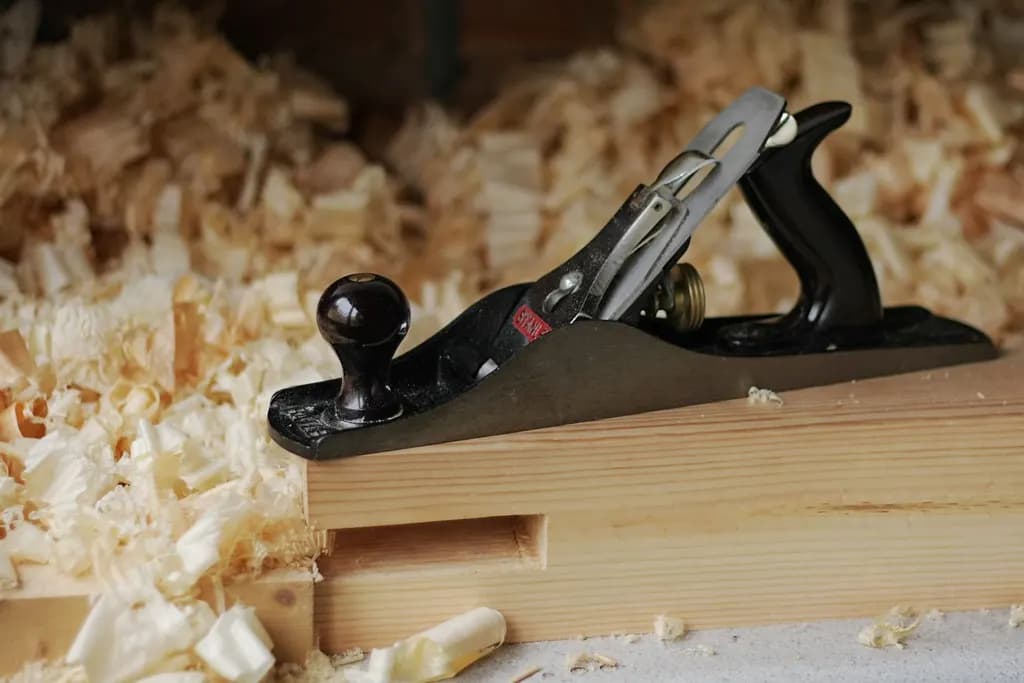
The big difference is equipment. Under the cash basis, capital spending is treated as an ordinary expense in the year you pay for it. Laptops, tools, machinery, office furniture and vans are all deducted in full when you pay, with no need for capital allowances.
HMRC's manual lists what can't be deducted this way. Cars are the main exception: you claim capital allowances on a car, unless you use the simplified mileage rate of 55p a mile for the first 10,000 business miles. Land and buildings, assets that won't wear out or lose 90% of their value within 20 years, shares and other financial assets, costs of buying or selling a business, and capital spending on education or training are also excluded.
There's a catch when you sell equipment you've deducted. Because you got full relief when you paid for it, the sale proceeds become taxable business income in the year you receive them. Sell a van you deducted for £22,000 a few years later for £9,000, and £9,000 is added to that year's receipts.
VAT on the cash basis
If you're VAT-registered, you can record income and expenses either including or excluding VAT, but you must treat them the same way. If you include VAT, the VAT you pay to HMRC is an expense and any VAT repayment is income. The income tax cash basis is separate from VAT: to account for VAT on payments rather than invoices, you need to use the VAT Cash Accounting Scheme, which has its own turnover limits.
Worked example: cash basis vs traditional accounting
Dan is an electrician who started as a sole trader on 6 April 2026. In his first tax year, 2026-27, he invoices £52,000 of work, but customers still owe him £6,000 on 5 April 2027. Suppliers bill him £14,000, of which he has paid £12,500. He buys a van for £22,000 and tools for £3,000, both paid outright, and pays £4,500 of other running costs.
| Cash basis | Traditional accounting | |
|---|---|---|
| Income | £46,000 received | £52,000 invoiced |
| Materials | £12,500 paid | £14,000 billed |
| Running costs | £4,500 | £4,500 |
| Van and tools | £25,000 as expenses | £25,000 as Annual Investment Allowance |
| Taxable profit | £4,000 | £8,500 |
The £4,500 difference is the £6,000 customers still owe minus the £1,500 Dan owes suppliers. Under the cash basis that profit isn't lost: the £6,000 is taxed in 2027-28 when it arrives, and the £1,500 is deducted when he pays it. But it means Dan doesn't pay tax in January 2028 on money he hadn't received by the end of the year, which is the main cash-flow benefit for businesses that give credit.
A loss set against a salary
Mia works part-time on a £30,000 salary and makes jewellery on the side. In 2026-27 she receives £8,000 from sales but pays £5,000 for a kiln and equipment and £6,000 for materials and stall fees, a cash basis loss of £3,000. Under the post-2024 rules she can claim sideways loss relief and set the £3,000 against her salary for 2026-27, giving a refund of about £600 at the 20% basic rate. Before April 2024, the loss could only have been carried forward against future jewellery profits.
When to opt out and use traditional accounting
The cash basis suits most sole traders, particularly service businesses, trades that wait to be paid and anyone who'd rather not count stock. GOV.UK suggests traditional accounting may be better if your business is complex, for example with high levels of stock, or if you need finance and a lender wants to see accounts showing what you owe and are owed.
Other reasons to opt out include wanting your tax profit to match management accounts prepared on an accruals basis, using one of the special rules that are switched off under the cash basis, or claiming farmers' or creative artists' profit averaging. Some businesses also prefer accruals when they've paid large amounts in advance and want relief spread across the period it covers.
Cash basis or traditional accounting?
Step 1
Sole trader or partnership of individuals?
Step 2
Company, LLP or excluded trade
Traditional accounting only
Step 3
Big stock levels, lender needs accruals accounts, or averaging claim?
Consider opting out
Step 4
Otherwise
Stay on the cash basis (default)
Step 5
To opt out
Tick the box on the return every year
To opt out, tick the box on the self-employment pages of your Self Assessment return that says you used traditional accounting. HMRC's manual makes clear the election is for that tax year, so you have to tick it on each return. If you forget, you're treated as using the cash basis, and the transitional rules below can be triggered.
The cash basis and Making Tax Digital
Since 6 April 2026, sole traders and landlords with qualifying income over £50,000 have had to join Making Tax Digital for Income Tax, with the threshold falling to £30,000 from April 2027 and £20,000 from April 2028. You keep digital records and send quarterly updates through compatible software. The cash basis works well with MTD because your records are essentially your bank transactions, categorised. Being in MTD doesn't stop you opting out of the cash basis if traditional accounting suits you better.
Switching between methods: transitional adjustments
When a business moves between methods, adjustments stop income being taxed twice or not at all, and stop costs being relieved twice. A new business starting on the cash basis needs none.
HMRC's own example of moving onto the cash basis: in the first cash basis year a business receives £32,000 from customers, but £1,750 of that was owed at the end of the previous year and already taxed under accruals. Taxable receipts are reduced to £30,250. Similarly, if it pays suppliers £14,000 including £950 owed at the previous year end and already deducted, its cash basis purchases fall to £13,050. Stock held at the start that hasn't yet been relieved, £475 in HMRC's example, is added to purchases so it's relieved once.
Equipment needs care too. If you claimed capital allowances under accruals and still have a balance in your pools, that unrelieved amount is dealt with when you move to the cash basis. When you leave the cash basis, equipment you deducted goes into a capital allowance pool with its relief already given, which usually leaves a nil balance but means future sale proceeds go into the pool.
Moving from traditional accounting to the cash basis
- 1
List what was owed at the last year end
Customer debts, supplier bills, prepayments and accruals from your last accruals balance sheet.
- 2
Adjust receipts and payments
Take last year's debtors off this year's receipts and last year's creditors off this year's payments.
- 3
Add opening stock to purchases
Stock that hasn't been relieved yet is added to cash basis payments.
- 4
Deal with capital allowance pools
HMRC transitional rulesWork out any unrelieved balance on equipment; cars stay in capital allowances.
- 5
Leave the opt-out box blank
File your return without ticking the traditional accounting box.
Records you need on the cash basis
The cash basis is simpler, but it isn't record-free. You must keep a record of every business receipt and payment, with the evidence behind it: sales invoices and receipts, supplier bills, bank and card statements, and notes explaining how you split any mixed business and private costs. Keep them for at least 5 years after the 31 January filing deadline for the tax year.
Every form of payment counts as income: cash, card, cheque, bank transfer and payments in kind, such as being paid in goods or services rather than money. Tips and commission received in connection with your trade are receipts too. If you take stock out of the business for yourself, HMRC's manual says the cash basis doesn't make you add its market value to your sales; instead you make a just and reasonable adjustment, usually by not claiming the cost of those goods.
A separate business bank account makes the cash basis much easier, because your bank feed becomes your record of receipts and payments. It also makes it obvious when a private payment has slipped through the business account, which is one of the first things HMRC looks for in an enquiry.
Common mistakes
The most frequent mistake is forgetting that opting out is annual: a business that used accruals in 2023-24 but didn't tick the box in 2024-25 has moved to the cash basis without realising it, and should have made transitional adjustments. Another is claiming capital allowances on a van or laptop as well as deducting it as an expense. People also forget to include proceeds from selling equipment they'd already deducted, and switch between bank-statement dates and payment dates from one year to the next.
Finally, don't assume that the cash basis for Income Tax lets you pay VAT on a cash basis too. They're separate regimes with different rules, and many small VAT-registered traders use one without the other.
What to do next
Check last year's return to see which method you used, and decide whether the cash basis suits you this year. If you're happy with it, there's nothing to do. If you want traditional accounting, remember to tick the box every year. Use our working capital calculator to see how much cash is tied up in unpaid invoices, and our self-employed tax guide to turn your profit into a tax estimate.
This is general information, not legal or tax advice — confirm on the official source or with a professional.
Frequently asked questions
It's a way of working out your taxable profit by recording income when you actually receive it and expenses when you actually pay them, instead of when you invoice or are billed. Since 6 April 2024 it's the default method for sole traders and partnerships made up only of individuals. You don't pay Income Tax on money customers still owe you.
No. Before 6 April 2024 you could only join the cash basis with turnover of £150,000 or less and had to leave above £300,000. From the 2024-25 tax year those limits were removed, so an eligible business of any size can use it. Limited companies, LLPs and partnerships with a company partner still can't.
Tick the box on the self-employment pages of your Self Assessment return to say you're using traditional (accruals) accounting. The election applies for that tax year, so you need to tick it on every return for as long as you want to stay on traditional accounting. If you leave the box blank, HMRC treats you as using the cash basis.
Yes, from the 2024-25 tax year. The old £500 cap on interest and finance costs for cash basis users was removed. You can now deduct any amount of interest on business loans, overdrafts and credit cards, as long as the borrowing is wholly and exclusively for the business.
Yes, since 2024-25. Cash basis losses can now be set against your other income for the same or previous tax year, or carried back in the early years of a business, under the same rules as traditional accounting. Before April 2024 they could only be carried forward against future profits of the same trade.
Only for cars. Under the cash basis, equipment, tools, machinery and vans are deducted as ordinary expenses when you pay for them. Cars are the exception: you claim capital allowances on them, unless you use the simplified mileage rate. Land, buildings and shares are never deductible as expenses.
Sources & verification
Figures on this page were checked against the sources below when it was last reviewed on 9 October 2026. Each rate and limit is stored once with its own official source and review date, and official update channels are monitored daily so changes are picked up. How we verify
- 1.Cash basis — HMRC / GOV.UK · accessed 9 October 2026
- 2.Expanding the cash basis (policy paper) — HM Treasury / HMRC · accessed 9 October 2026
- 3.BIM72005 — Cash basis: overview — HMRC Business Income Manual · accessed 9 October 2026
- 4.BIM72010 — Cash basis: eligibility — HMRC Business Income Manual · accessed 9 October 2026
- 5.BIM72035 — Cash basis: expenses: capital expenditure — HMRC Business Income Manual · accessed 9 October 2026
- 6.BIM72055 — Cash basis: leaving the cash basis — HMRC Business Income Manual · accessed 9 October 2026
- 7.BIM70065 — Transitional adjustments: debtors, creditors, stock — HMRC Business Income Manual · accessed 9 October 2026
- 8.BIM72020 — Cash basis: capital receipts — HMRC Business Income Manual · accessed 9 October 2026
MSMETOOLS is an independent platform and is not affiliated with any government agency, ministry or department.
Tools for this
Working Capital Calculator
Check working capital, current and quick ratios.
Budget Planner
Plan and track your business budget easily.
Related guides
 Self Assessment Tax Return 2026: Deadlines & How to FileRead guide
 Allowable Expenses for Self-Employed 2026: Full UK ListRead guide
 Making Tax Digital 2026: Thresholds, Deadlines & PenaltiesRead guide
 Self Assessment Late Filing Penalty 2026: £100 and BeyondRead guide
Official links open the government site in a new tab.