 Finance & accounting
Capital Allowances in 2026: AIA, Full Expensing, Writing Down Allowances and Cars
Capital allowances 2026: the £1m AIA, full expensing for companies, the new 40% FYA, the main rate cut to 14%, cars by CO2 and cash basis rules, with examples.
 Edited by Sumeet YadavFounder & editor, MSMETOOLS · fact-checked against official sources
Contents (9)
If your business buys equipment, machinery, tools, vans or cars, capital allowances decide how quickly that spending reduces your tax bill. This guide is for sole traders, partnerships and small limited companies. It covers how capital allowances work in 2026: the Annual Investment Allowance, full expensing for companies, the new 40% first-year allowance, the cut in the main writing-down rate from April 2026, cars by CO2 emissions, how the cash basis changes things for sole traders, and worked examples in pounds.
Quick answer
Capital allowances give tax relief on things you buy and keep for the business. Most businesses can deduct up to £1 million a year of plant and machinery in full through the Annual Investment Allowance. Companies can also claim full expensing (100%) on new main-rate assets with no upper limit. Anything not covered goes into a pool and gets a writing-down allowance, now 14% (main pool) or 6% (special rate pool).
Main rate cut from 18% to 14% from 1 April 2026 (companies) / 6 April 2026 (Income Tax)
New 40% first-year allowance for new main-rate assets from 1 January 2026, including for sole traders and leasing
Cars never get the AIA; new zero-emission cars get 100% until 31 March 2027 (Corporation Tax) / 5 April 2027 (Income Tax)
Cash basis sole traders only use capital allowances for cars
What capital allowances are
When you buy something to use in the business over several years, such as a machine, a laptop, a van or office furniture, the cost isn't treated as an everyday expense in your accounts. Instead it's depreciated. Depreciation isn't allowed for tax, so the tax system replaces it with capital allowances, which let you deduct some or all of the cost from your taxable profits.
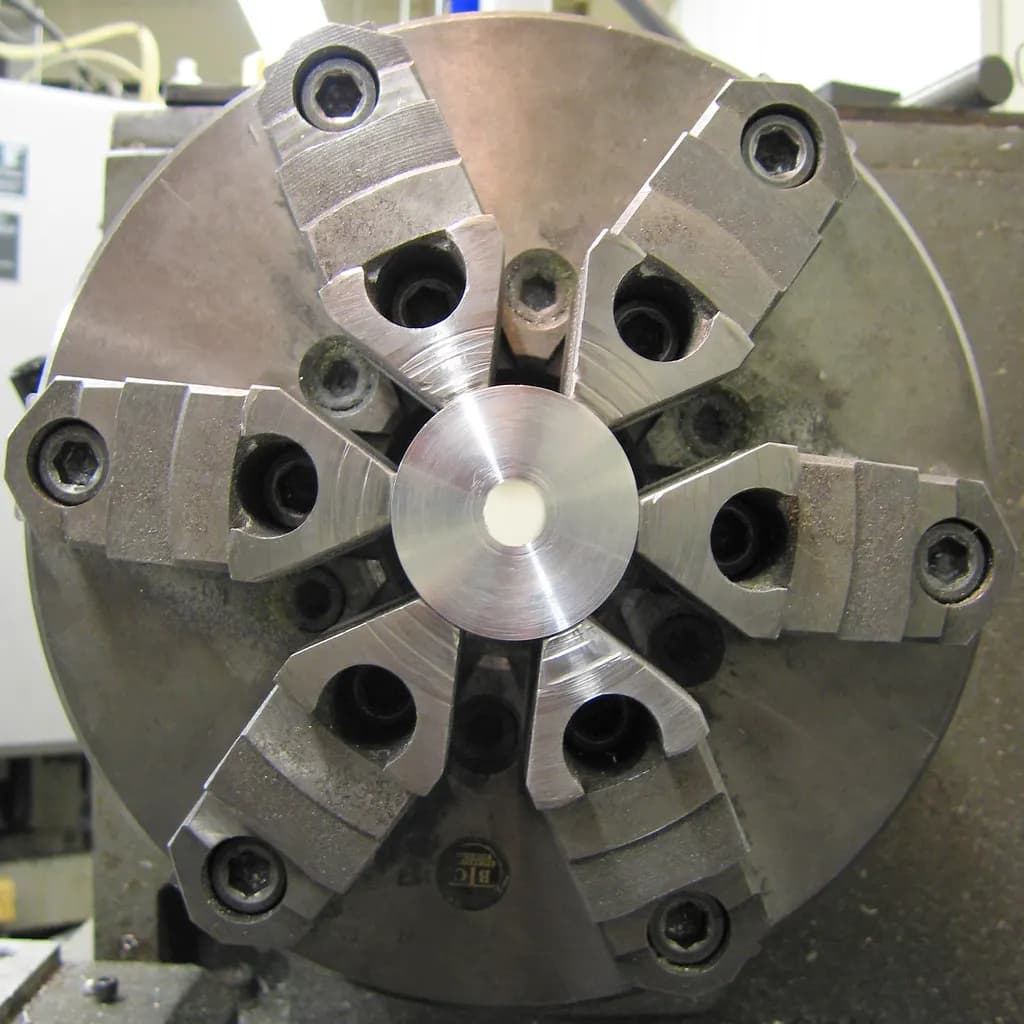
HMRC calls most of these items plant and machinery. That covers equipment, machinery, tools, computers, furniture, vans, lorries and business cars. It also includes integral features of a building, such as electrical and lighting systems, heating, air-conditioning, hot and cold water systems and lifts, and some fixtures like fitted kitchens, bathroom suites, fire alarms and CCTV systems.
Some things don't qualify. You can't claim on land, buildings themselves (including doors, gates and mains water and gas systems), structures such as roads and bridges, items you lease rather than buy (unless it's hire purchase or a long funding lease), or items used only for business entertainment. Repairs aren't capital allowances either: they're deducted as ordinary expenses. Interest on a loan to buy an asset is a finance cost, not part of the asset's cost. Non-residential buildings and structures can instead qualify for the Structures and Buildings Allowance at 3% a year.
Capital allowances at a glance (2026-27)
£1 million
Annual Investment Allowance
100% relief, all businesses
100%
Full expensing
Companies, new main-rate assets
14%
Main pool WDA
Was 18%
6%
Special rate pool WDA
Unchanged
The allowances you can claim
There are several allowances, and the right one depends on whether you're a company or an unincorporated business, whether the item is new or second-hand, and whether it's a car. You can use different allowances for different items in the same year.
| Allowance | Rate | Who can claim | Main exclusions |
|---|---|---|---|
| Annual Investment Allowance | 100% up to £1 million a year | All businesses (not mixed partnerships with a company partner) | Cars, gifts, items owned before use in the business |
| Full expensing | 100%, no cap | Companies paying Corporation Tax | Cars, second-hand assets, assets for leasing, year of cessation |
| 50% first-year allowance | 50% | Companies, new special rate assets | As full expensing |
| 40% first-year allowance | 40% | All businesses, new main-rate assets from 1 Jan 2026, including for leasing | Cars, second-hand assets, overseas leasing |
| 100% first-year allowance | 100% | All businesses: new zero-emission cars and EV chargepoints | Ends 31 March 2027 (Corporation Tax) / 5 April 2027 (Income Tax) |
| Writing-down allowance | 14% main / 6% special | All businesses, on the pool balance each year | — |
| Structures and Buildings Allowance | 3% a year | Non-residential buildings and structures | Land, dwellings |
Annual Investment Allowance
The AIA is the workhorse for small businesses. It's £1 million a year, and it gives 100% relief in the year you buy qualifying plant and machinery, new or second-hand. It covers both main-rate and special-rate items, which makes it particularly useful for integral features that would otherwise only get 6% a year. It doesn't cover cars, items given to you, or things you owned privately before bringing them into the business; those get writing-down allowances instead.
The limit is pro-rated for accounting periods that aren't 12 months long. A nine-month period gets £750,000. Companies controlled by the same person share a single AIA and choose how to split it. A sole trader with two businesses usually gets one each, unless they share premises or carry on similar activities. Partnerships with a company as a partner can't claim the AIA at all.
Full expensing and the 50% first-year allowance
Full expensing lets a company deduct 100% of the cost of new and unused main-rate plant and machinery bought on or after 1 April 2023, with no upper limit. Special-rate items get a 50% first-year allowance, with the rest going into the special rate pool the following period. The cost includes delivery and installation. Cars, second-hand assets, assets bought to lease out, gifts and anything bought in the period the trade stops are excluded.
For most small companies spending under £1 million, the AIA already gives 100% relief, so full expensing matters most for companies spending more than that on new main-rate equipment. The two can be used together: claim the AIA on second-hand and special-rate items first, and full expensing on new main-rate items.
The new 40% first-year allowance
From 1 January 2026, a new permanent 40% first-year allowance applies to new main-rate plant and machinery. Unlike full expensing, it's open to unincorporated businesses and to assets bought for leasing. It excludes cars, second-hand assets and assets leased overseas. For a sole trader or partnership whose spending goes above the AIA, or for a business that leases equipment to customers, it gives faster relief than the 14% main pool rate on the excess. The balance after the 40% goes into the main pool.
Writing-down allowances and the 2026 rate cut
Spending that isn't fully relieved by the AIA or a first-year allowance goes into a pool, and each year you claim a percentage of the pool's balance. The two main pools are:
- Main pool — most plant and machinery and cars emitting 50g/km or less. The rate fell from 18% to 14% on 1 April 2026 for Corporation Tax and 6 April 2026 for Income Tax.
- Special rate pool — integral features, long-life assets, solar panels, thermal insulation added to a building and cars above the CO2 threshold, at 6%.
Long-life assets, those with a useful life of 25 years or more when new, only go in the special rate pool if you spend more than £100,000 on them in a year; below that they normally go in the main pool. Some items get their own single-asset pool: short-life assets you elect to treat separately, and items a sole trader or partner also uses privately.
The rate is applied on a reducing balance, so the pool never quite reaches zero. Once a main or special rate pool is down to £1,000 or less, you can claim the whole balance as a small pools allowance and clear it.
The hybrid rate for straddling periods
If your accounting period spans the date the rate changed, you use a hybrid rate worked out by time. HMRC's own example is a company with a calendar-year accounting period from 1 January to 31 December 2026. It has 90 days at 18% and 275 days at 14%: (90 ÷ 365 × 18) + (275 ÷ 365 × 14) gives a hybrid rate of 14.99%, rounded up to two decimal places. On a main pool of £50,000, that company claims £7,495 instead of £9,000 at the old rate. For a sole trader with a 5 April year end, 2026-27 is the first full year at 14%.
Capital allowances on cars
Cars are treated differently from every other asset. They never qualify for the AIA, full expensing or the 40% first-year allowance. Instead, the treatment depends on CO2 emissions and whether the car is new:
| Car bought from April 2021 | Allowance |
|---|---|
| New and unused, zero emissions (fully electric) | 100% first-year allowance until 31 March 2027 (Corporation Tax) / 5 April 2027 (Income Tax) |
| Second-hand electric, or any car emitting 50g/km or less | Main pool, 14% a year |
| Any car over 50g/km | Special rate pool, 6% a year |
| No CO2 figure | Special rate pool (main pool if registered before 1 March 2001) |
A "car" here means a vehicle suitable for private use and not built to carry goods. Vans, lorries and most motorcycles aren't cars, so a van qualifies for the AIA or full expensing like any other equipment.
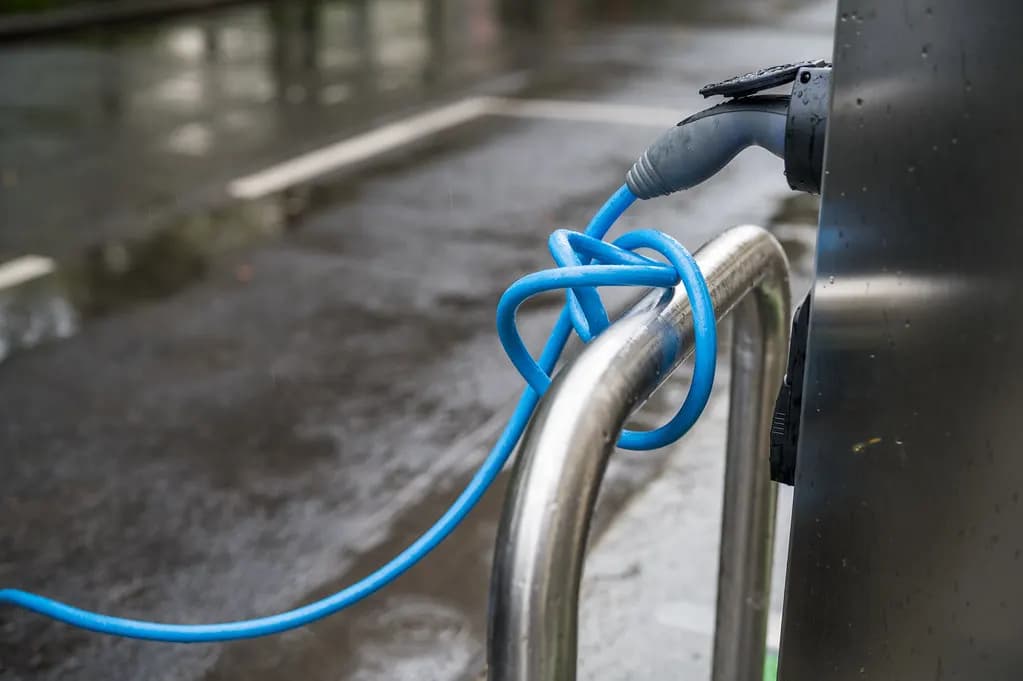
The 100% allowance for new zero-emission cars and for electric vehicle chargepoints was extended by a year at the November 2025 Budget, so it now runs to 31 March 2027 for companies and 5 April 2027 for Income Tax. The Budget on 28 October 2026 may decide whether it continues beyond that, so if you're planning to buy an electric car next spring, check before you commit.
If a company provides a car that an employee or director also uses privately, the company claims on the full cost, but the car may be a taxable benefit for the driver. A sole trader or partner instead reduces the claim by the private-use proportion, and can choose simplified mileage rates rather than capital allowances, unless they've already claimed on the vehicle another way.
Sole traders and the cash basis
Since April 2024 the cash basis has been the standard way for sole traders and partnerships without corporate partners to work out profits. Under the cash basis you record income when you receive it and expenses when you pay them, and the treatment of equipment is much simpler: HMRC's guidance says businesses using the cash basis can only claim capital allowances on business cars. Equipment, tools, computers and vans are generally deducted as allowable expenses in the year you pay for them instead.
So a plumber on the cash basis who buys a £1,800 set of power tools and a £22,000 van in 2026-27 simply includes those payments in expenses for the year. Their car, if they have one, still goes through capital allowances using the CO2 table above, reduced for private use.
If you choose traditional (accruals) accounting instead, you use capital allowances for equipment in the usual way: the AIA, the 40% first-year allowance and writing-down allowances. Switching between the two methods can require adjustments, so talk to your accountant before changing.
Worked examples for 2026
1. Company buying new machinery. A manufacturing company with profits of £400,000 buys a new £150,000 CNC machine. Full expensing (or the AIA) deducts the full £150,000 from profits in the year. At the 25% main rate, that saves £37,500 of Corporation Tax.
2. Company buying a second-hand van. A small company buys a used van for £18,000. Full expensing doesn't apply to second-hand assets, but the AIA does, so the company deducts the whole £18,000.
3. Fitting out premises. A café company spends £60,000 on new electrical, lighting, heating and air-conditioning systems. These are integral features in the special rate pool. The AIA covers all £60,000 at 100%. Without the AIA, the 50% first-year allowance would give £30,000 in year one, and the remaining £30,000 would go into the special rate pool at 6%, just £1,800 the next year.
4. Sole trader on accruals with a petrol car. A self-employed consultant using traditional accounting buys a £20,000 car emitting 120g/km and uses it 80% for business. It goes in a single-asset pool at the special rate. The year-one allowance is £20,000 × 6% = £1,200, of which 80% (£960) is claimed. The pool carries forward at £18,800.
5. Sole trader buying a new electric car. The same consultant buys a new fully electric car for £35,000 before 5 April 2027, again with 80% business use. The 100% first-year allowance gives £35,000, reduced to £28,000 for private use, all in one year.
6. Buying with a grant. If a business buys a £20,000 machine with the help of an £8,000 grant from a public body, it can only claim allowances on £12,000. HMRC's rules deduct contributions towards an asset from the qualifying cost. Our small business grants guide explains how grants are taxed.
How to claim capital allowances
- 1
Keep a fixed asset record
List each item, date paid, cost, supplier invoice and whether it's new or second-hand, a car (with CO2), or special rate.
- 2
Choose the best allowance for each item
Use the AIA first on second-hand and special-rate items, full expensing (companies) or the 40% FYA on new main-rate items, and the CO2 rules for cars.
- 3
Update your pools
Add anything not fully relieved to the main or special rate pool, deduct disposal proceeds, then apply 14% or 6%.
- 4
Claim on your return
How to claim on GOV.UKCompanies claim on the Company Tax Return (CT600). Sole traders and partners claim on their Self Assessment return.
Selling assets and balancing charges
When you sell or scrap something you've claimed allowances on, you deduct the sale proceeds (limited to the original cost) from the relevant pool. If the proceeds are more than the pool balance, the difference is a balancing charge and is added to your taxable profits. For assets in single-asset pools, a sale for less than the remaining balance gives a balancing allowance instead.
Full expensing and the 50% first-year allowance carry their own disposal rule: when a company sells an asset it fully expensed, it must work out a charge and add it to its profits. In practice, a machine that cost £150,000, was fully expensed and is later sold for £40,000 generates a taxable charge of about £40,000 in the year of sale. Plan for that if you're upgrading equipment.
Common capital allowance mistakes
Using the old 18% rate. For periods starting after the change, the main pool rate is 14%, and periods straddling April 2026 need a hybrid rate.
Claiming the AIA on a car. Cars are always excluded. Vans and pick-ups designed for goods aren't cars and do qualify.
Claiming full expensing as a sole trader. It's for companies only; use the AIA or the 40% first-year allowance instead.
Forgetting integral features when fitting out premises. Wiring, lighting, heating and plumbing in a fit-out are often worth more in allowances than people expect, but they need to be separated out from building costs that don't qualify.
Ignoring the cash basis rules. If you're a sole trader on the cash basis, don't claim the AIA on equipment you've already deducted as an expense. That double counts the cost.
Official links
What to do next
Before your year end, list everything you've bought and plan to buy, split it into cars, new main-rate items, second-hand items and special-rate items, and decide which allowance gives the best result. Companies should read our Corporation Tax guide to see how allowances interact with the 19% and 25% rates; sole traders can see how a lower profit feeds through in our self-employed tax guide. The ROI calculator helps you check whether a big purchase pays for itself before you count on the tax saving.
This is general information, not legal or tax advice — confirm on the official source or with a professional.
Frequently asked questions
Capital allowances are tax relief on things you buy and keep to use in your business, such as machinery, equipment, tools, vans and cars. Instead of deducting the cost as an everyday expense, you claim an allowance that reduces your taxable profit. Depending on the item and your business, you can claim the full cost in year one or a percentage each year.
The Annual Investment Allowance (AIA) is £1 million a year for both companies and unincorporated businesses. It gives 100% relief in the year of purchase on most plant and machinery, new or second-hand, but not cars. Companies under common control share one AIA, and the limit is pro-rated for accounting periods shorter than 12 months.
Yes. The main pool rate fell from 18% to 14% from 1 April 2026 for Corporation Tax and 6 April 2026 for Income Tax. Accounting periods that straddle the date use a hybrid rate. The special rate pool stays at 6%. A new 40% first-year allowance for new main-rate assets started on 1 January 2026.
No. Full expensing is only for companies paying Corporation Tax. Sole traders and partnerships use the £1 million Annual Investment Allowance instead, which gives the same 100% relief for most spending. Since 1 January 2026, unincorporated businesses can also claim the 40% first-year allowance on new main-rate assets, which helps on spending above the AIA.
Yes, but not through the AIA or full expensing. New zero-emission cars get a 100% first-year allowance until 31 March 2027 (Corporation Tax) / 5 April 2027 (Income Tax). Other cars go into the main pool at 14% if they emit 50g/km or less of CO2, or the special rate pool at 6% if higher. Sole traders reduce the claim for private use.
Only for cars. Sole traders and partnerships using the cash basis deduct most equipment purchases as ordinary business expenses in the year they pay for them, so they don't need capital allowances. Business cars are the exception: they still go through capital allowances, using the CO2-based rules.
Sources & verification
Figures on this page were checked against the sources below when it was last reviewed on 9 October 2026. Each rate and limit is stored once with its own official source and review date, and official update channels are monitored daily so changes are picked up. How we verify
- 1.Claim capital allowances — HMRC / GOV.UK · accessed 9 October 2026
- 2.Claim capital allowances: Annual Investment Allowance — HMRC / GOV.UK · accessed 9 October 2026
- 3.Claim capital allowances: business cars — HMRC / GOV.UK · accessed 9 October 2026
- 4.Check if you can claim full expensing or 50% first year allowances — HMRC / GOV.UK · accessed 9 October 2026
- 5.Capital allowances: new first-year allowance and reducing main rate writing-down allowances — HMRC · accessed 9 October 2026
- 6.Writing down allowances: rates and pools — HMRC / GOV.UK · accessed 9 October 2026
- 7.Calculate your hybrid rate of writing down allowance — HMRC / GOV.UK · accessed 9 October 2026
- 8.Extension of first-year allowances for zero-emission cars and chargepoints — HMRC · accessed 9 October 2026
- 9.Claim capital allowances: what you can claim on — HMRC / GOV.UK · accessed 9 October 2026
- 10.CA23225 — WDAs for small pools — HMRC · accessed 9 October 2026
- 11.CA14100 — Contributions: general — HMRC · accessed 9 October 2026
- 12.Budget 2025: overview of tax legislation and rates — Annex A — HM Treasury / HMRC · accessed 9 October 2026
MSMETOOLS is an independent platform and is not affiliated with any government agency, ministry or department.
Tools for this
ROI Calculator
Calculate return on investment for your business projects.
Startup Cost Calculator
Estimate how much capital you need to launch.
Related guides
 Bookkeeping for Small Business UK 2026: A Practical GuideRead guide
 Late Payment Interest UK 2026: 8% + Base Rate ExplainedRead guide
 Pension for Self-Employed 2026: SIPPs, Tax Relief & LimitsRead guide
 Business Electricity Rates UK 2026: Prices, VAT & CCLRead guide
Official links open the government site in a new tab.