 GST & indirect tax
GST on Cigarettes in 2026: 40% on Retail Price, New Excise Duty and Rules for Retailers
GST on cigarettes in 2026: 40% on the printed retail price since 1 Feb 2026, the new excise per 1,000 sticks, 18% on bidis, pan masala cess and retailer rules.
 Edited by Sumeet YadavFounder & editor, MSMETOOLS · fact-checked against official sources
Contents (8)
- 1. GST rate on cigarettes and tobacco products in 2026
- 2. How GST is calculated on the printed retail price (Rule 31D)
- 3. Central excise and NCCD on cigarettes from 1 February 2026
- 4. Worked examples: how much of a cigarette pack is tax?
- 5. GST on bidis, pan masala, gutkha and chewing tobacco
- 6. What registered retailers and distributors must do
- 7. Common mistakes and how they get fixed
- 8. What to do next
Cigarettes and other tobacco products moved to a new tax structure on 1 February 2026, four months after the rest of GST 2.0. If you sell, distribute or account for cigarettes, bidis, chewing tobacco or pan masala — or you simply want to know how much of a pack's price is tax — this guide sets out the 2026 position: the 40% GST rate on the printed retail price, the new excise duty per 1,000 sticks, how bidis and pan masala differ, worked ₹ examples and what registered retailers must do. The rates were checked against the notifications in force in October 2026. The page describes the law; it does not take a view on tobacco use.
Quick answer
From 1 February 2026, cigarettes attract 40% GST, calculated on the retail sale price (RSP) printed on the pack under Rule 31D — tax inside the price = RSP × 40 ÷ 140. Compensation cess ended the same day; in its place cigarettes carry a central excise duty of ₹2,050 per 1,000 sticks to ₹8,500 per 1,000 sticks, depending on length and filter.
Pan masala, chewing tobacco, gutkha, cigars and most manufactured tobacco: 40% on RSP
Biris: 18% GST
Pan masala makers also pay the capacity-based Health Security se National Security Cess
National Calamity Contingent Duty (NCCD) on tobacco continues unchanged
Sellers of tobacco and pan masala must register at ₹20 lakh, not ₹40 lakh
GST rate on cigarettes and tobacco products in 2026
When GST 2.0 took effect on 22 September 2025, most goods moved to the new 5% and 18% rates and the special 40% rate replaced 28% plus cess for luxury goods. Tobacco and pan masala were held back: they stayed on 28% plus compensation cess while the cess was still needed to service the loans taken to compensate states for GST revenue losses. Notification 19/2025–Central Tax (Rate), issued on 31 December 2025, moved them to the new structure from 1 February 2026. Each state issued a matching notification; West Bengal's, for example, is No. 204-F.T. of 30 January 2026.
The notification added six entries to the 40% schedule and one to the 18% schedule, and it deleted the old 28% schedule altogether.
GST on tobacco and pan masala from 1 Feb 2026
| Product (tariff heading) | Before 1 Feb 2026 | From 1 Feb 2026 |
|---|---|---|
Cigarettes, cigars, cheroots, cigarillos (2402) | 28% + compensation cess | 40% on RSP, no cess |
Pan masala (2106 90 20) | 28% + compensation cess | 40% on RSP + HSNS cess on manufacturers |
Chewing tobacco, jarda, gutkha, other manufactured tobacco (2403, except biris) | 28% + compensation cess | 40% on RSP |
Unmanufactured tobacco and tobacco refuse, other than leaves (2401) | 28% + compensation cess | 40% |
Heat-not-burn and other inhalation products without combustion (2404 11 00, 2404 19 00) | 28% + compensation cess | 40% |
Biris (2403 19 21, 2403 19 29) | 28% | 18% |
Cigarettes, cigars, cheroots, cigarillos (2402)
- Before 1 Feb 2026
28% + compensation cess
- From 1 Feb 2026
40% on RSP, no cess
Pan masala (2106 90 20)
- Before 1 Feb 2026
28% + compensation cess
- From 1 Feb 2026
40% on RSP + HSNS cess on manufacturers
Chewing tobacco, jarda, gutkha, other manufactured tobacco (2403, except biris)
- Before 1 Feb 2026
28% + compensation cess
- From 1 Feb 2026
40% on RSP
Unmanufactured tobacco and tobacco refuse, other than leaves (2401)
- Before 1 Feb 2026
28% + compensation cess
- From 1 Feb 2026
40%
Heat-not-burn and other inhalation products without combustion (2404 11 00, 2404 19 00)
- Before 1 Feb 2026
28% + compensation cess
- From 1 Feb 2026
40%
Biris (2403 19 21, 2403 19 29)
- Before 1 Feb 2026
28%
- From 1 Feb 2026
18%
Three points stand out. First, the GST rate rose from 28% to 40%, but compensation cess — which on cigarettes was a mix of a percentage and a fixed amount per 1,000 sticks — disappeared, so the overall tax on a pack did not rise by the full 12 points. Second, the government did not let the cess revenue lapse: it moved it into central excise for cigarettes and chewing tobacco, and into a new capacity-based cess for pan masala. Third, biris were deliberately separated and placed at 18%, lower than their old 28%.
Tobacco leaves are excluded from the 40% entry for unmanufactured tobacco and are taxed under their own entry. E-cigarettes are a separate matter: their production, sale and import are banned under the Prohibition of Electronic Cigarettes Act, 2019, so there is no lawful GST supply to discuss.
How GST is calculated on the printed retail price (Rule 31D)
The biggest practical change on 1 February 2026 is not the rate but the base. For most goods, GST is charged on the transaction value — the price actually agreed between buyer and seller. For pan masala and the tobacco products in the 40% schedule, the CGST (Fifth Amendment) Rules, 2025 inserted Rule 31D, which values the supply at the retail sale price declared on the package, less the tax. The power to do this comes from section 15(5) of the CGST Act, which lets the government prescribe a special valuation for notified supplies.
Because the RSP already includes GST, the tax is worked out "from inside" the price:
GST = RSP × 40 ÷ 140, which is about 28.57% of the printed price.
A few rules prevent games with the label. If a pack carries more than one RSP, the highest one counts. If the RSP is increased at any stage — before, during or after the supply — the higher figure is used. Where different RSPs are declared for different areas, each applies in its own area. And because the base is the printed price, a discount to a distributor or a promotional price in a shop does not reduce the GST.
Try it — find the 40% GST inside a printed price
Central excise and NCCD on cigarettes from 1 February 2026
Cigarettes now carry three central levies at the factory gate, in addition to GST at every sale. The basic excise duty was recast by the Central Excise (Amendment) Act, 2025, which raised the tariff rates on tobacco, and Notification 03/2025–Central Excise, issued under section 5A of the Central Excise Act on 31 December 2025, sets the effective rates that actually apply from 1 February 2026. For cigarettes, these are specific duties per 1,000 sticks that rise with length.
| Cigarette type (tariff item) | Excise from 1 Feb 2026 | Per stick |
|---|---|---|
| Non-filter, up to 65 mm (2402 20 10) | ₹2,050 per 1,000 sticks | ₹2.05 |
| Non-filter, 65–70 mm (2402 20 20) | ₹3,600 per 1,000 sticks | ₹3.60 |
| Filter, up to 65 mm incl. filter (2402 20 30) | ₹2,100 per 1,000 sticks | ₹2.10 |
| Filter, 65–70 mm (2402 20 40) | ₹4,000 per 1,000 sticks | ₹4.00 |
| Filter, 70–75 mm (2402 20 50) | ₹5,400 per 1,000 sticks | ₹5.40 |
| Other, including longer than 75 mm (2402 20 90) | ₹8,500 per 1,000 sticks | ₹8.50 |
For filter cigarettes, the length includes the filter, and the filter is counted as 11 mm or its actual length, whichever is more — so a short cigarette with a long filter cannot drop into a cheaper slab. The same notification sets ad valorem rates for other tobacco: 82% on chewing tobacco and jarda scented tobacco and 91% on gutkha, both far above their earlier token rate. Pouch-packed chewing tobacco made on packing machines pays duty on the capacity of the machines rather than on each pouch.
National Calamity Contingent Duty (NCCD), a separate central duty on cigarettes and other tobacco that was last raised in the Union Budget 2023-24, continues unchanged on top. Excise and NCCD are paid by the manufacturer when goods leave the factory and are built into the price, so a retailer never sees them as separate lines; but they are why the RSP of two packs with the same GST can differ so much.
Worked examples: how much of a cigarette pack is tax?
The examples below use illustrative printed prices, not real brand prices. GST is worked out with the Rule 31D formula; excise uses the per-stick rates above. NCCD is left out because its rates were not changed in 2026 and vary by product.
| Pack | Printed RSP | GST inside RSP (40/140) | Excise | Left for NCCD, maker and trade |
|---|---|---|---|---|
| 10 non-filter, 60 mm | ₹70 | ₹20.00 | 10 × ₹2.05 = ₹20.50 | ₹29.50 |
| 20 filter, 69 mm | ₹360 | ₹102.86 | 20 × ₹4.00 = ₹80.00 | ₹177.14 |
| 20 filter, 84 mm (king size) | ₹400 | ₹114.29 | 20 × ₹8.50 = ₹170.00 | ₹115.71 |
Even before NCCD, about 58% of the price of the 60 mm pack and 71% of the king-size pack is central and state tax in these examples. That is the design: the long-standing policy, which the Finance Minister repeated when the amendment was debated, is to use tax to discourage consumption, and the length slabs make longer cigarettes pay the most.
Is the tax the same in every state?
Yes. GST on tobacco is levied at the same 40% everywhere in India, shared equally between the Centre and the state where the pack is sold, and central excise and NCCD are uniform national duties. Before GST, states taxed tobacco through their own VAT and entry taxes at very different rates, which is one reason cigarette prices varied from state to state. Those state levies were subsumed into GST in 2017. Price differences you still see between cities come from manufacturers' own area-specific RSPs, which Rule 31D respects, not from different tax rates. What can differ by state is enforcement: some states and union territories restrict the sale of gutkha and other chewable tobacco under food safety orders, and a product that cannot be sold lawfully there raises questions that go beyond GST.
For an intra-state sale, the GST is split equally: on the ₹360 pack, CGST ₹51.43 and SGST ₹51.43. On an inter-state sale, IGST of ₹102.86 applies instead.
GST on bidis, pan masala, gutkha and chewing tobacco
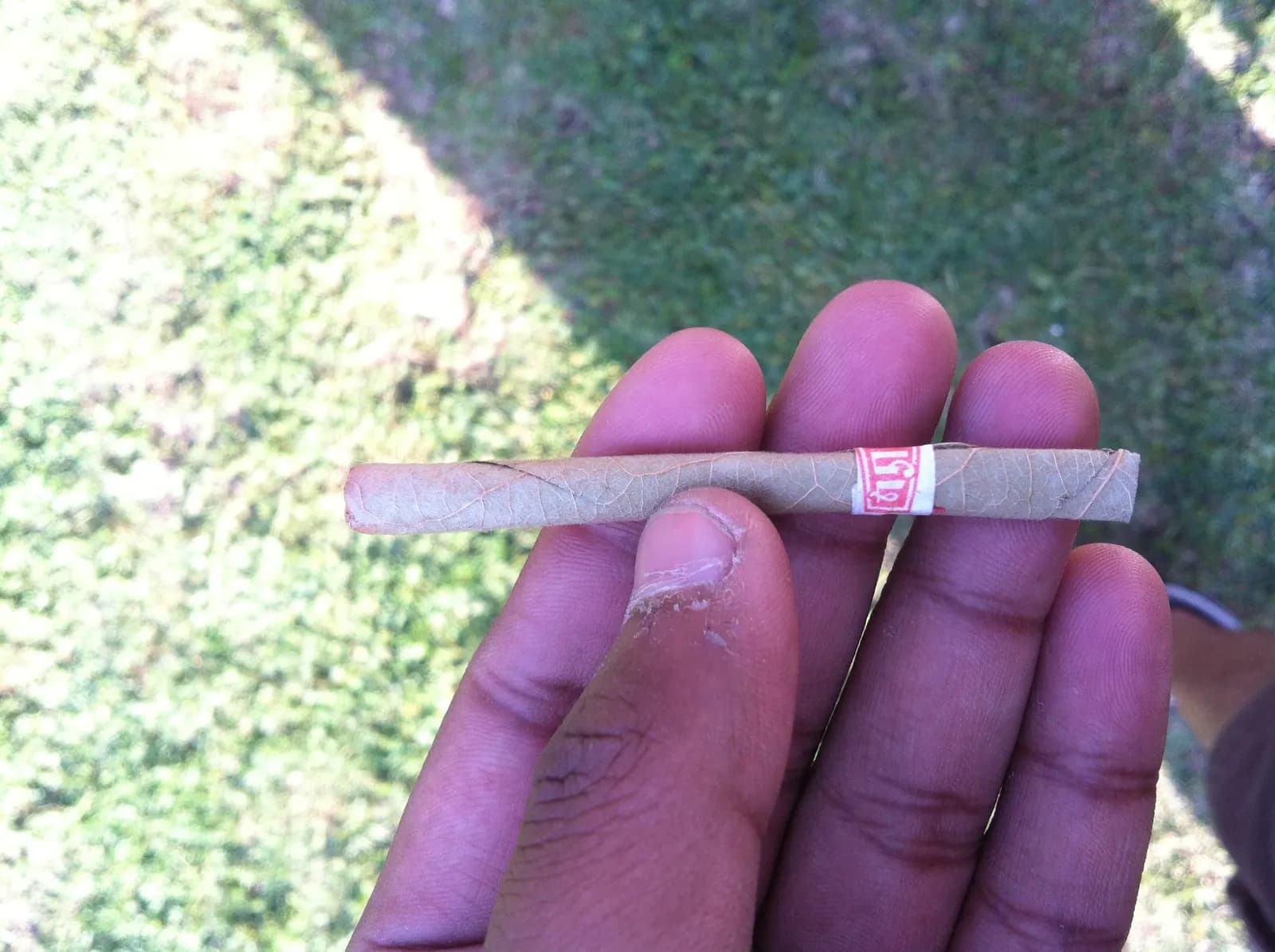
Biris are hand-rolled in a tendu leaf and are made largely by home-based workers, and the GST Council has long treated them differently from cigarettes. Notification 19/2025 placed biris at 18% and expressly carved them out of the 40% entry for "other manufactured tobacco". Before 1 February 2026 they were in the 28% schedule. Check with your adviser whether a particular biri product is valued on its RSP or its transaction value, because the RSP rule lists goods by tariff heading.
Pan masala pays 40% GST on RSP. Instead of compensation cess, manufacturers now pay the Health Security se National Security Cess, created by an Act of 2025 and in force from 1 February 2026. It is unusual in being charged on production capacity, not sales: a manufacturer registers on the CBIC portal, declares each packing machine's maximum rated speed and pouch weight, and pays a fixed monthly amount by the 7th of the month, with a reduced charge if a machine stands idle for 15 days or more. Manual units pay a flat monthly sum. The proceeds go to the Consolidated Fund for national security and public health spending.
Gutkha, chewing tobacco, jarda and zarda pay 40% GST on RSP plus the higher excise duty described above. Manufacturers of these goods, and of pan masala, cannot use the GST composition scheme — Notification 14/2019–Central Tax bars them — and their machines are subject to registration, CCTV and declaration rules under the central excise and HSNS cess regimes.
What registered retailers and distributors must do
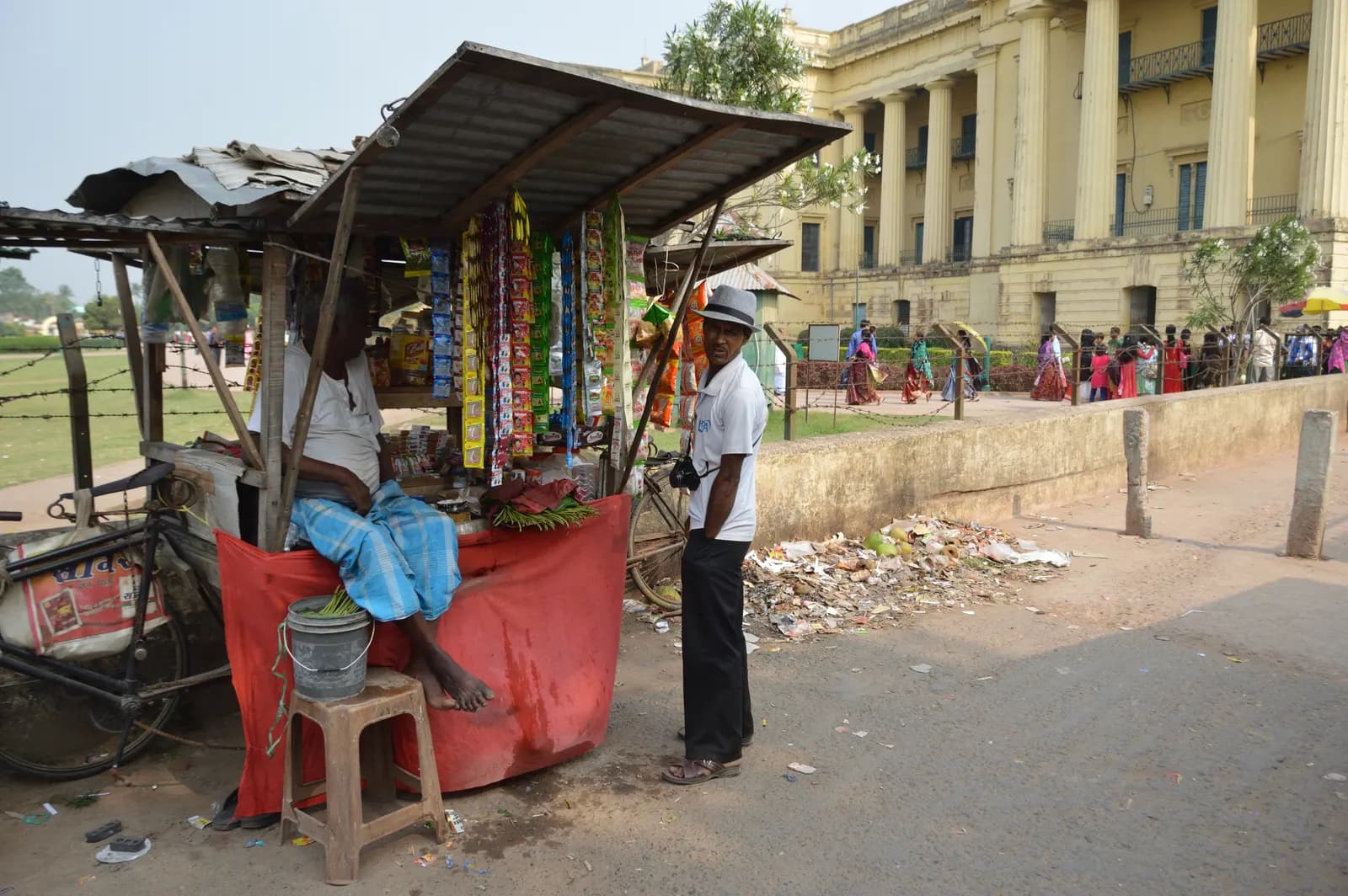
Registration limit. Most goods suppliers get a ₹40 lakh registration limit, but Notification 10/2019–Central Tax excludes pan masala and all Chapter 24 tobacco goods from it. A shop or wholesaler dealing in these goods must therefore register once aggregate turnover crosses ₹20 lakh, or ₹10 lakh in Manipur, Mizoram, Nagaland and Tripura. All sales count, including soft drinks, snacks and anything else the shop sells. Our GST registration guide explains the process.
Valuation down the chain. Rule 31D values each supply of these goods at the printed RSP, so a distributor selling to a retailer and the retailer selling to a customer both compute GST as RSP × 40 ÷ 140, whatever price they actually charge. In practice the retailer's output tax on a pack equals the tax charged by the distributor, which the retailer claims as input tax credit, so the net cash payable on that pack is close to nil. That is why the same amendment added clause (f) to Rule 86B: registered persons other than manufacturers are relieved from the rule that otherwise makes large taxpayers pay at least 1% of their output tax in cash, for these goods where the supplier has already paid tax on RSP.
Invoices. Use the right HSN code — 2402 for cigarettes, 2403 for other manufactured tobacco and biris, 2106 90 20 for pan masala — and show the taxable value derived from RSP, not the discounted price. A retailer's sale to an unregistered consumer can be covered by a consolidated daily invoice where the rules allow it.
Old stock. Packs made before 1 February 2026 carried RSPs fixed under the old structure. Any supply on or after that date is taxed at the new rate on the RSP declared on the pack, and if a higher RSP was declared at any stage it is the higher figure that counts.
Composition dealers. The composition bar in Notification 14/2019 applies to manufacturers. A small retailer of cigarettes is not barred by it, but a composition dealer cannot charge GST to customers or claim input tax credit, and pays tax on turnover instead. Whether composition makes sense with RSP-based tax on most of your stock is a question to work through with your accountant before you opt in; our composition scheme guide explains the trade-offs.
How tobacco taxation changed
1 Jul 2017
GST launched: tobacco and pan masala at 28% plus compensation cess
22 Sep 2025
GST 2.0 rates take effect for most goods; tobacco and pan masala stay on 28% + cess
Dec 2025
Central Excise (Amendment) Act and Health Security se National Security Cess Act passed and notified
31 Dec 2025
Notifications 19/2025–CT(Rate), 20/2025–CT (Rule 31D) and 03/2025–Central Excise issued
1 Feb 2026
40% GST on RSP, 18% on biris, new excise and HSNS cess; compensation cess abolished
Common mistakes and how they get fixed
Charging 40% on the selling price instead of extracting it from the RSP. Some billing software was set up to add 40% to a net price. Under Rule 31D the RSP already contains the tax. Over-charging customers and over-paying output tax are both possible; fix the software, issue credit notes where you over-billed registered buyers, and correct the next return.
Putting biris at 40%. Generic "tobacco = 40%" settings in accounting software catch biris. Set biri tariff items to 18% explicitly.
Waiting for ₹40 lakh to register. Paan and cigarette shops sometimes assume the higher goods limit applies to them. It does not. Late registration means paying the tax that should have been charged from the date turnover crossed ₹20 lakh, with interest.
Showing compensation cess on invoices after 31 January 2026. The cess field should be nil from 1 February 2026. Cess wrongly charged after that date is not a valid levy, and recovering it from customers creates a liability to deposit it anyway.
Official links
- CGST rate notificationsNotification 19/2025–CT(Rate) and amendments
- West Bengal Notification 204-F.T. (state copy of 19/2025)Tobacco and biri entries, effective 1 Feb 2026
- CBIC — HSNS Cess advisory 01/2026Registration and payment for pan masala manufacturers
- PIB — HSNS Cess factsheetHow the capacity-based cess works
- Notification 10/2019–Central Tax₹40 lakh limit does not apply to tobacco and pan masala
- CBIC tax information portalCentral excise notifications and CGST Rules (Rule 31D)
What to do next
If you are a registered seller, update your billing software so tobacco items compute GST from the RSP at 40%, biris at 18%, and the cess field at nil. If you are near ₹20 lakh in turnover, register before you cross it. For background on the wider rate changes, see our guide to GST 2.0, and use the GST calculator to extract tax from any printed price.
This is general information, not legal or tax advice — confirm on the official source or with a professional.
Frequently asked questions
Cigarettes attract 40% GST from 1 February 2026, charged on the retail sale price printed on the pack. Before that date they paid 28% GST plus compensation cess. The compensation cess was abolished on 1 February 2026 and replaced, for cigarettes, by a higher central excise duty charged per 1,000 sticks on top of GST.
Under Rule 31D of the CGST Rules, the taxable value is the retail sale price less the tax, so the GST inside the printed price is RSP × 40 ÷ 140. On a pack with a printed price of ₹360, GST is ₹102.86 and the value before GST is ₹257.14. The same formula applies even if the pack is sold at a discount.
Biris attract 18% GST from 1 February 2026. Notification 19/2025–Central Tax (Rate) placed biris (tariff items 2403 19 21 and 2403 19 29) in the 18% schedule and expressly excluded them from the 40% entry that covers other manufactured tobacco. Before that date they were taxed at 28%.
From 1 February 2026, central excise on cigarettes ranges from ₹2,050 per 1,000 sticks for non-filter cigarettes up to 65 mm to ₹8,500 per 1,000 sticks for cigarettes longer than 75 mm, under Notification 03/2025–Central Excise. It is charged at manufacture, on top of 40% GST, and National Calamity Contingent Duty continues as before.
Pan masala attracts 40% GST on its retail sale price from 1 February 2026. Instead of compensation cess, manufacturers now pay the Health Security se National Security Cess, which is charged monthly on the capacity of their packing machines or processes, not on each pouch sold.
The higher ₹40 lakh limit for goods does not apply to pan masala or tobacco. Notification 10/2019–Central Tax excludes them, so a shop selling these goods must register once its aggregate turnover crosses ₹20 lakh (₹10 lakh in Manipur, Mizoram, Nagaland and Tripura).
Sources & verification
Figures on this page were checked against the sources below when it was last reviewed on 9 October 2026. Each rate and limit is stored once with its own official source and review date, and official update channels are monitored daily so changes are picked up. How we verify
- 1.West Bengal Notification 204-F.T., 30 January 2026 (corresponding to Notification 19/2025–Central Tax (Rate)) — Finance Department, Government of West Bengal · accessed 9 October 2026
- 2.Notification 03/2025–Central Excise (G.S.R. 955(E), 31 December 2025) — reproduced text — TaxGuru (reproduction of the Gazette notification) · accessed 9 October 2026
- 3.Notification 03/2025–Central Excise — reproduced table — World Trade Scanner · accessed 9 October 2026
- 4.Centre imposes additional excise duty on tobacco products, to be effective from February — The Tribune (ANI) · accessed 9 October 2026
- 5.New taxation regime for tobacco and pan masala w.e.f. 1 February 2026 — TaxTMI · accessed 9 October 2026
- 6.The Health Security se National Security Cess Bill, 2025 (factsheet) — PIB · accessed 9 October 2026
- 7.Advisory No. 01/2026 — HSNS Cess registration and payment — CBIC (DG Systems) · accessed 9 October 2026
- 8.CGST (Fifth Amendment) Rules, 2025 — Rule 31D and Rule 86B(f) — A2Z Taxcorp LLP · accessed 9 October 2026
- 9.Notification No. 10/2019–Central Tax (registration exemption up to ₹40 lakh) — GST Council / CBIC · accessed 9 October 2026
- 10.Notification No. 14/2019–Central Tax (composition levy) — GST Council / CBIC · accessed 9 October 2026
- 11.Section 15 – CGST Act, 2017 (value of taxable supply) — CBIC · accessed 9 October 2026
MSMETOOLS is an independent platform and is not affiliated with any government agency, ministry or department.
Tools for this
GST Calculator (India)
Calculate GST for your sales and purchases with current rates.
Invoice Generator
Create professional invoices with tax, logo and custom details.
Related guides
 New GST Rules 2026: GST 2.0 Slabs, Changes & Latest UpdatesRead guide
 GST on Petrol 2026: Why Fuel Is Outside GST & Taxes PaidRead guide
 GST on Liquor 2026: Why Alcohol Is Outside GST & Bar BillsRead guide
 GST on Second Hand Cars 2026: 18% on Margin, Rules & ExamplesRead guide
Official links open the government site in a new tab.