 Finance & accounting
SIDBI Loans for MSMEs in 2026: Every Direct Loan, Who Qualifies and How to Apply
SIDBI loans for MSMEs in 2026: machinery, project, working capital and green loans up to ₹50 crore (up to 80% of project cost), eligibility, fees, refinance and how to apply.
 Edited by Sumeet YadavFounder & editor, MSMETOOLS · fact-checked against official sources
Contents (10)
- 1. What SIDBI is and how it lends
- 2. SIDBI's direct loan products in 2026
- 3. Who is eligible for a SIDBI loan
- 4. Interest rates, fees and costs
- 5. What happened to the SIDBI Make in India loan (SMILE)?
- 6. Refinance: how SIDBI money reaches you through banks
- 7. Equity and startup funding through SIDBI
- 8. How to apply for a SIDBI loan
- 9. Common mistakes and how to fix them
- 10. What to do next
The Small Industries Development Bank of India (SIDBI) is the government's development bank for small businesses, and most owners meet it indirectly — through a bank loan SIDBI refinanced or a guarantee from CGTMSE, which SIDBI co-founded. But SIDBI also lends directly, and in 2026 its menu is very different from the SMILE-era schemes most websites still describe. This guide is for MSME owners and finance managers comparing a SIDBI loan with a bank loan: every current direct product with its limit, tenure and fees, who qualifies, how refinance helps you, and how to apply.
Quick answer
SIDBI gives direct loans to MSMEs for machinery, projects, working capital and green investments, and refinances banks that lend to small units. Its 2026 products range from the automated EXPRESS machinery loan (up to ₹3 crore) to ARISE and STHAPAN project loans (up to ₹50 crore (up to 80% of project cost)). All rates are MCLR-linked and depend on your rating. Apply online at onlineloanappl.sidbi.in or through a SIDBI branch.
Most products need 3 years of operations, cash profits, Udyam + GST and no defaults
Machinery loans: 100% financing with 25% FD security, or up to 75% of cost with your own contribution
SWIFT overdraft up to ₹3 crore needs no monthly stock statements
SMILE (2015 Make in India soft loan) is no longer on SIDBI's product list
Refinance under RMSE-XIII caps your bank's rate at up to 350 bps over the 10-year G-Sec yield
What SIDBI is and how it lends
SIDBI was set up under the SIDBI Act, 1989 as the principal financial institution for promoting, financing and developing small industry. It is an all-India financial institution regulated by the Reserve Bank of India, and it raises money through bonds, deposits and RBI allocations rather than a branch network of savings accounts. It works in two ways.
Indirect lending is the bigger part by volume. SIDBI lends to banks, small finance banks, NBFCs and microfinance institutions, which then lend to small units. The flagship route for banks is refinance under RMSE (explained below). SIDBI also runs government programmes: it is the implementing agency for the MSE-GIFT and MSE-SPICE green schemes, operates the government's Fund of Funds for Startups, and administers interest-subvention and credit-linked subsidy streams for ministries.
Direct lending is what this guide focuses on. SIDBI lends to individual MSMEs through its own branches and an online application platform, mostly for capital spending — machinery, factory expansion, rooftop solar, new plants — plus working capital for customers who do not already have a bank limit. Its loans tend to suit established units with clean books that want longer tenure or more flexible security than a bank branch offers.
SIDBI's direct loan products in 2026
SIDBI groups its direct loans into four families on its website: machinery, project funding, working capital and green finance, plus a list of "other" products. The table below summarises each, as published on SIDBI's product pages in October 2026.
| Product | What it funds | Maximum | Tenure | Key conditions |
|---|---|---|---|---|
| EXPRESS | Machinery, automated sanction | ₹3 crore | Up to 60 months | 3 years' operations; Udyam + GST; 100% finance with 25% FD security; fee 0.50% + GST |
| SPEED | Plant, machinery, misc. fixed assets (second-hand allowed) | ₹15 crore | Up to 84 months, 12-month moratorium | 3 years' operations; cash profit in last 3 years |
| ARISE | Expansion, modernisation, rooftop solar, land and building | ₹50 crore (up to 80% of project cost) | Up to 7 years, 2-year moratorium | 2 years' operations with audited accounts; cash profit |
| STHAPAN | New (greenfield) units | ₹50 crore (up to 75% of project cost) | Up to 7 years incl. 2-year moratorium | Promoter contribution ≥ 25%; 3–5 years' experience in same line |
| Ubharte Sitaare | Export-oriented MSMEs: modernisation, new products, R&D | Up to 80% of project cost | Lender terms | Term loan or foreign-currency loan; joint financing with EXIM Bank |
| Working Capital | Fund-based limits via partner bank platforms | Need-based | Annual | New or existing units without another working capital lender |
| SWIFT | Overdraft for working capital | ₹3 crore | Annual renewal | 3 years' operations; no other WC/OD; fee 0.25% at sanction (0.10% a year on renewal) |
| STEP | Working capital term loan for orders or margin | ₹3 crore (₹2 crore for new customers) | Up to 3 years incl. 6-month moratorium | Operating profit in past 2 years (1 year for existing customers) |
| Green Finance Scheme | Renewable energy, energy efficiency, waste, e-mobility | ₹50 crore (up to 75% of project cost) | Up to 10 years, 18-month moratorium | Supply- or demand-side green MSMEs, ESCOs, EPCs |
| 4E (energy efficiency) | Energy-efficient equipment | ₹15 crore | Up to 84 months, 12-month moratorium | 3 years' operations and cash profits; demonstrated energy savings |
| Secured Business Loan | Any bona fide business expense | ₹10 crore | Up to 10 years | Net profit in 2 of last 3 years, cash profit in all 3; against collateral |
| Venture debt | Growth capital for VC/AIF-backed MSMEs | ₹10 crore (can go up to ₹15 crore) | 3 years | Under 10 years old, ₹10 crore equity raised, ₹10 crore income in last 2 years |
| GST Sahay | Invoice-based financing on an app | ₹50 lakh | Per invoice | Existing SIDBI customers; micro and small; 2 years' operations |
Two features stand out against a typical bank term loan. First, the security models: on EXPRESS, SPEED and 4E, SIDBI will finance 100% of the machine if you place a fixed deposit equal to 25% of the loan, or it will finance up to 75% of project cost if you put in the rest yourself (the "promoter contribution model"). Second, the moratoriums — up to two years on project loans — which suit capital spending that takes time to generate cash.
Machinery loans: EXPRESS vs SPEED
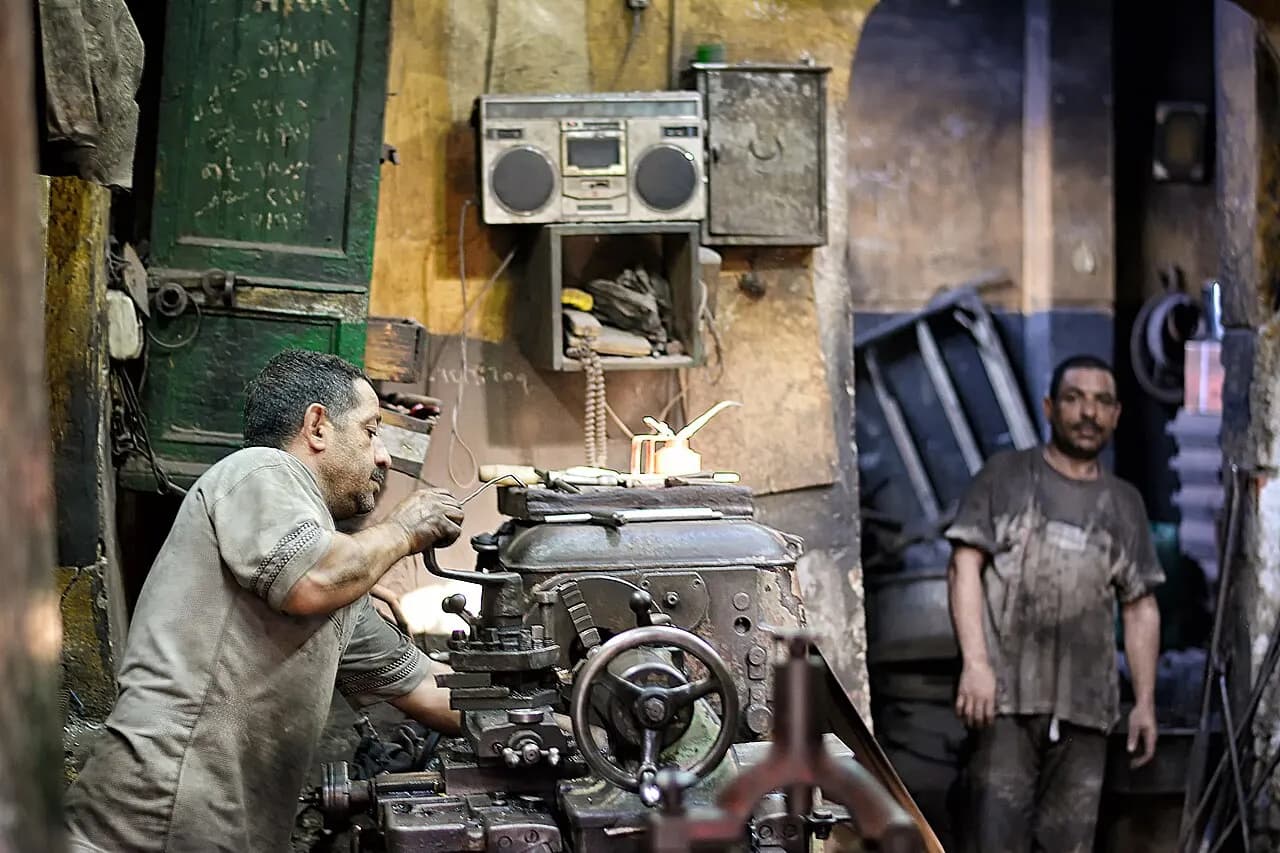
EXPRESS is SIDBI's fast lane. The platform reads your GST returns, ITRs, bank statements and CIBIL score and gives an immediate in-principle offer for up to ₹3 crore, repayable over up to 60 months. You need at least three years of operations, Udyam and GST registration, and no defaults. It suits a unit buying one or two machines that wants an answer in days rather than weeks.
SPEED is the larger, conventionally appraised machinery loan: up to ₹15 crore, repayable over seven years with up to a year's moratorium, for plant, machinery and miscellaneous fixed assets. It allows second-hand or refurbished machines, which most bank schemes resist, provided SIDBI's standard guidelines (valuation, residual life) are met. Eligibility asks for cash profits in each of the last three years.
Project loans: ARISE, STHAPAN and Ubharte Sitaare
ARISE is for existing businesses expanding in the same line — a new shed, a production line, rooftop solar or energy-efficiency kit. It funds up to 80% of project cost to ₹50 crore (up to 80% of project cost) and needs two years of operations with audited accounts and a cash profit in the latest year.
STHAPAN is one of the few SIDBI products for new units. It funds greenfield projects up to ₹50 crore (up to 75% of project cost) or 75% of cost, so promoters must bring at least 25%. Promoters need three years' experience in the same line for loans up to ₹20 crore and five years above that — SIDBI is backing the founder's track record, not a business plan alone.
Ubharte Sitaare targets fundamentally strong exporters with a market entry plan. It funds up to 80% of project cost, can be taken as a rupee or foreign-currency term loan, can be co-financed with EXIM Bank, and offers up to 25 basis points of interest incentive tied to performance milestones, plus mentoring and equity support.
Which SIDBI loan fits your need?
Step 1
Buying machines?
EXPRESS up to ₹3 cr fast; SPEED up to ₹15 cr
Step 2
Expanding an existing unit?
ARISE, or 4E/GFS for green kit
Step 3
Setting up a new unit?
STHAPAN (25% own money)
Step 4
Short of working capital?
SWIFT overdraft or STEP term loan
Working capital: SWIFT, STEP and the base product
SIDBI is not a current-account bank, so its working capital runs on partner banking platforms — IDBI Bank, City Union Bank or Yes Bank. SWIFT is the most interesting product here: an overdraft of up to ₹3 crore with a paperless in-principle offer, no monthly stock or book-debt statements, and a processing fee of 0.25% at sanction (0.10% a year on renewal). It is only for units that have no working capital limit elsewhere. STEP is a term loan for working capital needs or a large confirmed order, repayable within three years. Our working capital guide explains how lenders size these limits.
Who is eligible for a SIDBI loan
Reading across SIDBI's product pages, the common filters are:
- MSME status. Udyam registration is mandatory on most products; GST registration on most too. Check your category in our Udyam registration guide.
- Vintage. Three years of operations for EXPRESS, SPEED, SWIFT, 4E and STEP (two years for existing SIDBI customers on STEP); two years for ARISE; none for STHAPAN and the basic working capital product.
- Profitability. Cash profit in each of the last three years for SPEED and 4E; in the latest year for ARISE; operating profit for STEP; net profit in two of three years for the Secured Business Loan.
- Clean record. "No defaults to banks or FIs" appears on every product.
- Exclusive relationships. SWIFT and the base working capital product are for units without another working capital lender, although SIDBI may take over a working capital account as part of a term-loan takeover.
Startups follow a separate track. SIDBI's venture debt product needs VC or AIF backing, ₹10 crore of equity raised and ₹10 crore of operating income over two years, and SIDBI's framework says it can be covered by risk-sharing schemes such as CGTMSE and the Credit Guarantee Scheme for Startups, where SIDBI is a registered member institution.
Documents to keep ready for a SIDBI loan
0/8Interest rates, fees and costs
SIDBI's product pages describe every direct loan's rate as "MCLR linked", with the spread over SIDBI's marginal cost of funds lending rate depending on your internal credit rating. SIDBI does not print a current rate on those pages, and we did not find a current MCLR table on its website in October 2026, so the rate you are offered is the one in your in-principle offer or sanction letter. Ask the branch for SIDBI's current MCLR, your spread over it and the reset frequency.
What SIDBI does publish are fees: 0.50% + GST on EXPRESS, 0.25% at sanction (0.10% a year on renewal) at sanction on SWIFT (0.10% a year on renewal), and "generally 1%" upfront on the General Purpose Term Loan. Project loans also involve a fixed deposit (on the FD-security model), stamp duty on the mortgage or hypothecation, and insurance of financed assets.
Is SIDBI cheaper than a bank? Not automatically. SIDBI's advantage is usually structure — moratoriums, 100% financing against a 25% FD, second-hand machinery, no stock statements on SWIFT — rather than a headline rate below the public sector banks. Get a written quote from both and compare the effective annual cost, including the opportunity cost of any FD.
Worked example: a ₹1.2 crore CNC machine under SPEED
Suppose a Pune auto-component supplier with five years of cash profits wants a ₹1.2 crore CNC machining centre.
- FD-security model: SIDBI finances the full ₹1.2 crore and the unit places an FD of ₹30 lakh (25% of the loan) as security. The FD earns interest, but the cash is locked until SIDBI releases it.
- Promoter-contribution model: SIDBI finances up to 75% — ₹90 lakh — and the unit pays ₹30 lakh to the supplier itself.
- Repayment: under SPEED, up to 84 months including a 12-month moratorium. On ₹90 lakh over seven years at an illustrative 10% a year, the EMI is roughly ₹1.5 lakh; try the calculator below with the rate in your offer.
The two models need the same ₹30 lakh of your money. The FD route borrows more and pays more interest, but keeps the ₹30 lakh as a deposit you get back; the contribution route borrows less. Which is cheaper depends on the gap between the loan rate and the FD rate.
Try it — ₹90 lakh SPEED machinery loan
What happened to the SIDBI Make in India loan (SMILE)?
Many searches for a "SIDBI Make in India loan" refer to SMILE — the SIDBI Make in India Soft Loan Fund for MSMEs. SIDBI launched it in 2015 as a ₹10,000 crore fund to support the Make in India programme. It offered soft loans in the nature of quasi-equity, to help units meet debt-equity norms, plus term loans on relatively soft terms; SIDBI's FY2018 results put the concessional rate at 8.12% at that time.
In October 2026, SMILE does not appear anywhere in SIDBI's list of direct loan products — the machinery, project, working capital, green and "other loans" pages list the products in the table above. Several websites still describe SMILE as open, but we found no current SIDBI page offering it. The closest replacements are ARISE for expansion of an existing unit and STHAPAN for a new one; for equity-like support, look at the funds below. If a consultant offers to file a SMILE application, ask them to show SIDBI's current product page first.
Refinance: how SIDBI money reaches you through banks
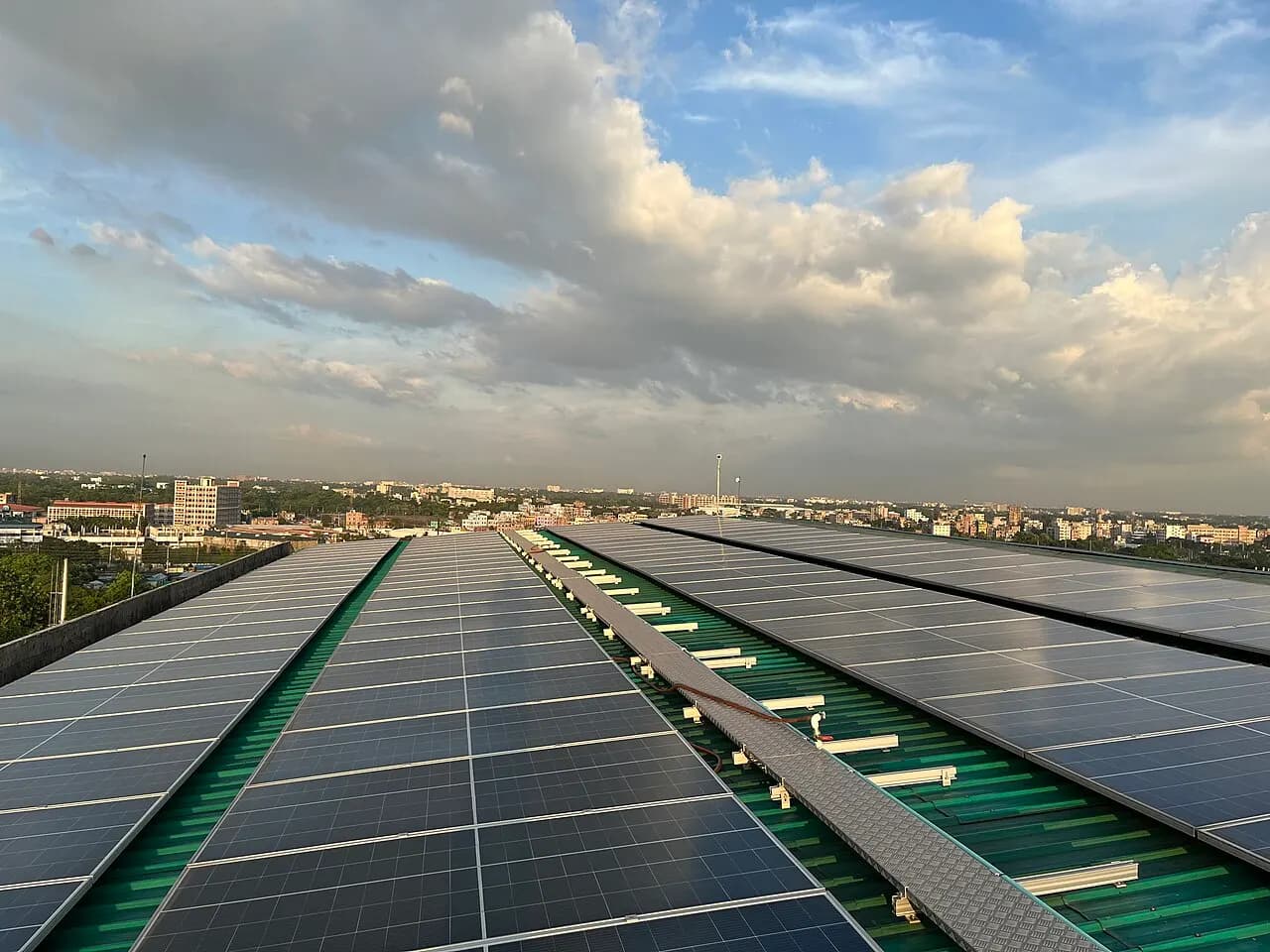
If you borrow from a bank, part of that loan may be funded by SIDBI. Under the Refinance Scheme for Micro and Small Enterprises (RMSE-XIII), RBI allocates an MSE Refinance Fund to SIDBI out of money banks deposit when they miss priority-sector lending targets. SIDBI uses it to refinance loans that scheduled banks — public, private, foreign, small finance banks, urban cooperative banks and regional rural banks — have already given to micro and small enterprises.
The useful part for borrowers is the rate cap. A bank's loan qualifies for refinance only if the rate it charges the MSE is no more than up to 350 bps over the 10-year G-Sec yield, or up to 450 bps over the 10-year G-Sec yield in the 184 credit-deficient districts RBI has identified. The scheme also covers MSEs in wholesale and retail trade and those running educational institutions. You cannot apply for refinance, but if your bank is a heavy SIDBI refinance user — many small finance banks and regional rural banks are — that cap is one reason its MSE rates may be lower than you expect.
SIDBI lends to NBFCs and microfinance institutions in the same way, and runs co-lending arrangements with regulated lenders. When an NBFC advertises a "SIDBI-supported" loan, it usually means one of these lines, not a direct SIDBI loan.
Equity and startup funding through SIDBI
SIDBI manages the government's Fund of Funds for Startups, which invests in SEBI-registered alternative investment funds that then back startups; a second fund, Startup India Fund of Funds 2.0, has a corpus of ₹10,000 crore. The Union Budget 2026-27 also announced a ₹10,000 crore SME Growth Fund and a ₹2,000 crore top-up to the Self-Reliant India Fund. These are fund-of-funds structures: an individual business cannot apply to SIDBI for equity, but can pitch to the venture and private equity funds they back. As of October 2026 we had not seen operating guidelines for the SME Growth Fund.
How to apply for a SIDBI loan
Applying for a SIDBI loan
- 1
Pick the product
SIDBI MSME loansMatch your need to a product — machinery (EXPRESS/SPEED), project (ARISE/STHAPAN), working capital (SWIFT/STEP) or green (GFS/4E). Check vintage and profit conditions first.
- 2
Apply online
SIDBI online loan applicationUse SIDBI's online loan application or the Apply Now button on the product page. EXPRESS and SWIFT generate an in-principle offer from GST, ITR, bank and bureau data.
- 3
Talk to the branch
A relationship manager will ask for financials, quotations and a project report, and may visit the unit.
Tip: SIDBI's WhatsApp line is +91 86930 33333; toll-free 1800-22-6753.
- 4
Sanction and security
Read the sanction letter for the MCLR spread, fees, FD or collateral, moratorium and covenants before accepting.
- 5
Disbursement
Machinery loans are usually paid directly to the supplier against invoices; project loans in stages against progress.
Common mistakes and how to fix them
Chasing schemes that no longer exist. SMILE and the COVID-era SAFE scheme are not on SIDBI's current product list. Start from SIDBI's product pages, not from old blog posts or agents.
Applying without the vintage. Three years of operations is the cut-off on most products. A two-year-old unit can look at ARISE (two years) or a bank term loan with CGTMSE cover instead.
Ignoring the FD in the cost. A 25% FD is your money tied up for the loan's life. Count the gap between the FD rate and the loan rate when you compare offers.
Double working capital. SWIFT is for units without another working capital lender. If you already have a cash credit with a bank, SIDBI will expect a takeover, not a second limit.
Weak project reports for STHAPAN. Greenfield loans are appraised on the project and the promoter's experience. Show verifiable experience in the same line and a realistic ramp-up — our term loan guide explains how lenders test debt-service coverage.
Official links
- SIDBI — MSME loan productsMachinery, project, working capital, green
- SIDBI — online loan applicationApply and track
- SIDBI — other loan productsSBL, GPTL, venture debt, GST Sahay
- RMSE-XIII refinance — salient featuresRate caps and eligible banks
- Udyami Mitra portal (SIDBI)Loan applications and handholding
- SIDBI complaintsGrievance redressal
What to do next
Shortlist one or two SIDBI products that match your vintage and purpose, and get a quote from your bank for the same loan so you can compare the effective cost. Use the EMI calculator and the loan eligibility calculator to check affordability, and see our MSME loan guide and government loans for business for bank and scheme alternatives.
This is general information, not financial advice — confirm terms on SIDBI's official pages or with a professional.
Frequently asked questions
Yes. SIDBI lends directly through its branches and online application portal, besides refinancing banks and NBFCs. Its 2026 direct menu includes machinery loans (EXPRESS up to ₹3 crore, SPEED up to ₹15 crore), project loans (ARISE and STHAPAN up to ₹50 crore), working capital (SWIFT overdraft and STEP), green finance and secured business loans.
SIDBI's product pages describe every direct loan as MCLR-linked, with the final rate set by your credit rating. It does not print a single loan rate on those pages, so you get your rate in the in-principle offer or sanction letter. Compare it with your bank's offer, and ask what processing fee applies — 0.50% + GST on EXPRESS and 0.25% at sanction (0.10% a year on renewal) on SWIFT.
Some products are open to new units. STHAPAN funds greenfield projects up to ₹50 crore (up to 75% of project cost) if promoters have three to five years' experience in the same line and bring at least 25% of project cost. STEP lends up to ₹2 crore to new customers, and the basic working capital product is open to new entities. Most machinery loans need three years of operations.
SMILE was a ₹10,000 crore fund launched in 2015 that gave soft term loans and quasi-equity to MSMEs; SIDBI's FY2018 results put its rate at 8.12% then. In October 2026, SMILE does not appear on SIDBI's list of direct loan products. Its closest current equivalents are ARISE for expansion and STHAPAN for new units. Ask a SIDBI branch before relying on SMILE.
Use SIDBI's online loan application at onlineloanappl.sidbi.in, the Apply Now button on each product page, or the WhatsApp line +91 86930 33333. Keep Udyam and GST registration, three years of financials, GST returns, ITRs, bank statements and KYC ready. Products like EXPRESS give an automated in-principle offer from GST, ITR, bank and CIBIL data.
Refinance is money SIDBI lends to banks against loans they have already given to micro and small enterprises. Under RMSE-XIII, banks that use it must keep your loan rate within up to 350 bps over the 10-year G-Sec yield (or up to 450 bps over the 10-year G-Sec yield in credit-deficient districts). You cannot apply for refinance yourself, but you benefit through cheaper bank credit.
Sources & verification
Figures on this page were checked against the sources below when it was last reviewed on 9 October 2026. Each rate and limit is stored once with its own official source and review date, and official update channels are monitored daily so changes are picked up. How we verify
- 1.SIDBI — Machinery Loan (EXPRESS, SPEED) — SIDBI · accessed 9 October 2026
- 2.SIDBI — Project Funding (ARISE, Ubharte Sitaare, STHAPAN) — SIDBI · accessed 9 October 2026
- 3.SIDBI — Working Capital (Working Capital, SWIFT, STEP) — SIDBI · accessed 9 October 2026
- 4.SIDBI — Green Finance (GFS, 4E, risk-sharing facilities) — SIDBI · accessed 9 October 2026
- 5.SIDBI — Direct Loans: other products (SBL, GPTL, venture debt, GST Sahay, receivable finance) — SIDBI · accessed 9 October 2026
- 6.Refinance Scheme for Micro and Small Enterprises (RMSE-XIII) — salient features — SIDBI · accessed 9 October 2026
- 7.SIDBI announces FY2018 annual results (press release) — SIDBI · accessed 9 October 2026
- 8.Government supports startup ecosystem through three flagship schemes (12 Dec 2025) — PIB / DPIIT · accessed 9 October 2026
- 9.Union Budget 2026-27: Building Champion MSMEs for a Global India (15 Feb 2026) — PIB · accessed 9 October 2026
MSMETOOLS is an independent platform and is not affiliated with any government agency, ministry or department.
Tools for this
EMI Calculator
Calculate loan EMIs for business and personal loans.
Loan Eligibility Calculator
Check your business loan eligibility based on income and existing loans.
Working Capital Calculator
Check working capital, current and quick ratios.
Related guides
 What Is Working Capital? Formula, Cycle & Bank Limits 2026Read guide
 PNB Digi MSME Loan 2026: Limits, Eligibility & How to ApplyRead guide
 Canara Bank MSME Loan 2026: Rates, Fees & SchemesRead guide
 Cash Credit Limit 2026: Drawing Power, Interest & RulesRead guide
Official links open the government site in a new tab.