 Government schemes & funding
Credit Guarantee Scheme for Startups (CGSS) in 2026: Limits, Fees and How to Apply
CGSS in 2026: up to ₹20 crore guarantee for DPIIT startups, 85%/75% cover, 1–2% fee, eligible lenders and how to apply, with an example.
 Edited by Sumeet YadavFounder & editor, MSMETOOLS · fact-checked against official sources
Contents (10)
- 1. What CGSS is and how the guarantee works
- 2. The 2025 expansion: what changed
- 3. Who is eligible
- 4. Cover limits and the collateral rule
- 5. Fees, interest and other costs
- 6. How to apply for a CGSS-backed loan
- 7. How much has CGSS actually lent?
- 8. Claims, defaults and what happens to the founder
- 9. Common mistakes and how to fix them
- 10. What to do next
The Credit Guarantee Scheme for Startups (CGSS) is the government's answer to a problem every early-stage founder knows: banks want collateral, and most startups have none. This guide is for founders of DPIIT-recognised startups — and their finance heads — who want to borrow without pledging property. It covers the 2025 expansion to a ₹20 crore cap, how much of a default the guarantee actually covers, what the fee costs and who pays it, which lenders take part, and how to apply in 2026, with a worked rupee example.
Quick answer
CGSS is a DPIIT scheme, run by NCGTC, that guarantees loans, working capital and venture debt given to DPIIT-recognised startups by registered banks, NBFCs and AIFs. Since 8 May 2025 it covers up to ₹20 crore per borrower, net of collateral. You apply to a lender, not to NCGTC; the lender takes the guarantee and pays the annual fee.
Cover: 85% of the amount in default on loans up to ₹10 crore; 75% of the amount in default above ₹10 crore
Annual guarantee fee: 2% a year; 1.5% a year for women/North-East; 1% a year for 27 Champion Sectors
Lenders: scheduled banks, FIs like SIDBI, NBFCs with ₹100 crore net worth and BBB+ rating, SEBI-registered AIFs
PSB loans can be started on the Jan Samarth Startup Common Application
Uptake: more than 410 loans worth over ₹1,250 crore (end of FY 2025-26)
What CGSS is and how the guarantee works
CGSS was first notified by the Department for Promotion of Industry and Internal Trade (DPIIT) on 6 October 2022 and became operational on 1 April 2023. It does not lend money. Instead, the National Credit Guarantee Trustee Company (NCGTC), a government-owned trustee company, promises the lender that if your loan goes bad, it will pay a fixed share of the loss. That promise is what lets a bank or NBFC lend to a young company whose main assets are code, contracts and people.
The guarantee sits between NCGTC and the lender, which the scheme calls a member institution (MI). You never sign anything with NCGTC. You apply to the lender for a loan; the lender checks that the project is viable and that you meet the scheme's rules, sanctions the loan, and then applies on NCGTC's portal. NCGTC's FAQ says cover is issued automatically once the eligibility conditions are met — the lender is responsible for confirming them.
There are two kinds of cover. Transaction-based cover is for banks, financial institutions and NBFCs and applies loan by loan. Umbrella-based cover is for SEBI-registered alternative investment funds that run venture debt funds: it covers losses across a pool of startup investments, capped at the lower of actual losses or 5% of the pooled investment. Most founders will meet the first kind, but if you are raising venture debt from an AIF, the second is what protects that fund.
The facilities that can be covered are broad: term loans, working capital, venture debt, subordinated or mezzanine debt, debentures, optionally convertible debt, and non-fund facilities such as bank guarantees and letters of credit. NCGTC says CGSS is extended as a separate loan account, so if you already have a facility with the bank, the guaranteed one sits alongside it.
How a CGSS guarantee reaches your loan
Step 1
Startup applies to a member lender
Step 2
Lender appraises and sanctions
Step 3
Lender applies on NCGTC portal
Step 4
Lender pays guarantee fee
within 30 days of CGDAN
Step 5
Cover starts
automatic if eligible
The 2025 expansion: what changed
The Union Budget 2025-26 promised more credit guarantee support for startups, and DPIIT delivered it through a gazette notification dated 8 May 2025, announced by PIB the next day. Three things changed for loans sanctioned after that date.
First, the ceiling on guarantee cover per borrower doubled from ₹10 crore to ₹20 crore. Second, the share of a default the guarantee pays went up: it is now 85% of the amount in default of the amount in default for loans up to ₹10 crore and 75% of the amount in default for loans above ₹10 crore. Third, the annual guarantee fee for startups in the government's 27 Champion Sectors was halved from 2% to 1% a year a year.
The Champion Sectors are the Make in India priority list — 15 in manufacturing (aerospace and defence, auto components, pharmaceuticals and medical devices, biotech, capital goods, textiles, chemicals, electronics system design and manufacturing, leather, food processing, gems and jewellery, shipping, railways, construction, and renewable energy) and 12 in services (IT and ITeS, tourism, medical value travel, logistics, accounting and finance, audio-visual, legal, communication, construction engineering, environmental, financial and education services). That list covers a large share of DPIIT-recognised startups, so check whether yours fits before assuming you pay the full rate.

Who is eligible
The borrower. NCGTC's FAQ lists four conditions. Your company must be a startup recognised by DPIIT under the gazette notifications in force; it must not be in default to any lending or investing institution; it must not be classified as a non-performing asset under RBI guidelines; and the lender must certify your eligibility. DPIIT's notification G.S.R. 108(E) of 4 February 2026 updated recognition: an entity qualifies for up to 10 years from incorporation, provided its turnover has not exceeded ₹200 crore in any year. If your recognition lapses because you crossed either limit, you are no longer eligible for fresh CGSS cover. Our Startup India registration guide explains how to get recognised; it is free and online.
What the lender looks at. Being eligible for the guarantee does not mean you get a loan. The FAQ is explicit that the lender examines the "feasibility and viability" of the project first. In practice, banks want revenue history, firm purchase orders or contracted recurring revenue, audited accounts and clean GST and bank statements. A pre-revenue startup with a prototype will usually find grants and equity — such as the Startup India Seed Fund — a better fit than debt.
The lender. Member institutions must be scheduled commercial banks or financial institutions that meet NCGTC's criteria, RBI-registered NBFCs with net worth of at least ₹100 crore and a rating of BBB or better, or SEBI-registered AIFs. An NBFC that is downgraded below BBB drops out until it is upgraded. NCGTC's FAQ (updated May 2025) listed 12 public sector banks including SBI, Bank of Baroda, Canara Bank and Punjab National Bank; private banks such as Axis, HDFC, IDFC First, Yes, Karnataka Bank and Karur Vysya; Standard Chartered; AU Small Finance Bank; SIDBI and EXIM Bank; three NBFCs; and one AIF. The list changes, so confirm with NCGTC before you approach a lender.
CGSS milestones
6 Oct 2022
DPIIT notifies the Credit Guarantee Scheme for Startups
1 Apr 2023
Scheme becomes operational through NCGTC
8 May 2025
Cap raised to ₹20 crore; cover 85%/75%; Champion Sector fee cut to 1%
12 Nov 2025
Startup Common Application launched on Jan Samarth for PSB loans
4 Feb 2026
DPIIT recognition widened to 10 years and ₹200 crore turnover
31 Mar 2026
410+ loans worth ₹1,250+ crore guaranteed in total
Cover limits and the collateral rule
The ₹20 crore cap is per borrower, across all lenders combined, and it is calculated net of collateral. NCGTC's own example: if a startup has ₹25 crore of debt and has given collateral that the lender values at ₹8 crore, the guaranteed amount is limited to ₹17 crore. If your loans add up to more than the cap, the excess is simply uncovered — the lender carries that risk itself.
This matters because some lenders ask for partial collateral even on a guaranteed loan. The scheme allows that: lenders may take collateral for the part of the facility the guarantee does not cover, and where a facility is partly secured, only the unsecured portion is guaranteed and the fee is charged only on that portion. So pledging a flat does not double-protect the bank; it shrinks the guarantee and the fee.
On personal guarantees, NCGTC's FAQ says a lender may obtain a promoter's personal guarantee where the borrower has declared assets or mortgaged collateral, but that the loan decision must rest on the merit of the project. If a branch insists on a personal guarantee and third-party property for a fully unsecured CGSS loan, ask for the reason in writing and escalate to the bank's startup or MSME vertical.
Worked example: a ₹6 crore working-capital and term loan
Suppose Bengaluru-based Arka Sensors Pvt Ltd, a DPIIT-recognised electronics startup three years old with ₹14 crore of revenue last year, needs ₹4 crore of term loan for an SMT line and a ₹2 crore cash credit limit. It offers no collateral.
- Guaranteed amount: ₹6 crore — within the ₹20 crore cap and with no collateral to deduct.
- Extent of cover: the loan is under ₹10 crore, so NCGTC would pay 85% of the amount in default of the amount in default.
- Fee: electronics system design and manufacturing is a Champion Sector, so the lender pays 1% a year a year. On the cash credit it is charged on the sanctioned ₹2 crore; on the term loan on the disbursed amount. In a full year that is about ₹6 lakh, pro-rated for the first and last years. Outside a Champion Sector, at 2% a year, it would be about ₹12 lakh; a women-led startup outside those sectors would pay 1.5% a year, about ₹9 lakh.
- If things go wrong: if the account turns NPA with ₹4.5 crore outstanding (including interest) and the lender has started recovery, NCGTC would cover 85% of ₹4.5 crore — about ₹3.8 crore — paid as an interim claim and a final claim after recovery ends. The startup still owes the full debt; the guarantee protects the lender, not the borrower.
Try it — ₹4 crore term loan repayment (change rate and tenure)
The 11% rate in the calculator is only an illustration — CGSS does not fix interest rates, and lenders price startup loans on their own policies.
Fees, interest and other costs
Annual guarantee fee (AGF). For transaction-based cover, the lender pays NCGTC 2% a year a year on the disbursed or outstanding amount (on the sanctioned amount for working capital); 1.5% a year for units in the North-East and those of women entrepreneurs; and 1% a year for Champion Sector units. The fee is due within 30 days of NCGTC's Credit Guarantee Demand Advice Note (CGDAN), which is generated when the lender enters disbursement details. The first and last years are pro-rated; in between, it is charged on the outstanding balance at the start of each financial year. Cover starts only when the fee is paid.
Who bears it. The scheme makes the lender liable to NCGTC. Some lenders absorb it in the interest rate; others recover it from the borrower as a separate charge. Ask for the all-in cost — interest plus any recovered guarantee fee plus processing charges — in the sanction letter.
AIF venture debt. Under umbrella cover, the fund pays an annual commitment charge of 0.15% a year of pooled investment, a one-time fee of 1% of the pooled investment if it claims, or a closure charge of 0.25% if it doesn't. These costs sit with the fund, though they shape the pricing of venture debt you receive.
Interest, tenure and processing fees. NCGTC says there is no interest cap, tenure follows the lender's internal guidelines, and processing fees are at the lender's discretion. The guarantee is an argument for a better rate, not a guarantee of one.
CGSS vs CGTMSE — which guarantee fits your loan?
| Feature | CGSS (startups) | CGTMSE (micro & small units) |
|---|---|---|
Who qualifies | DPIIT-recognised startups | Micro and small enterprises (Udyam), startup or not |
Maximum cover | ₹20 crore per borrower | ₹10 crore per borrower |
Lenders | Banks, FIs, NBFCs (₹100 cr net worth, BBB+), SEBI AIFs | Banks, FIs and registered NBFCs |
Venture debt / debentures | Yes | Generally no |
Run by | NCGTC for DPIIT | CGTMSE trust (MSME ministry and SIDBI) |
Who qualifies
- CGSS (startups)
DPIIT-recognised startups
- CGTMSE (micro & small units)
Micro and small enterprises (Udyam), startup or not
Maximum cover
- CGSS (startups)
₹20 crore per borrower
- CGTMSE (micro & small units)
₹10 crore per borrower
Lenders
- CGSS (startups)
Banks, FIs, NBFCs (₹100 cr net worth, BBB+), SEBI AIFs
- CGTMSE (micro & small units)
Banks, FIs and registered NBFCs
Venture debt / debentures
- CGSS (startups)
Yes
- CGTMSE (micro & small units)
Generally no
Run by
- CGSS (startups)
NCGTC for DPIIT
- CGTMSE (micro & small units)
CGTMSE trust (MSME ministry and SIDBI)
If your startup is also a micro or small enterprise, ask the lender to price the loan under both. See our CGTMSE guide for that scheme's fee slabs.
How to apply for a CGSS-backed loan
Getting a CGSS-backed loan, step by step
- 1
Confirm DPIIT recognition
Startup India recognitionCheck that your recognition certificate is valid and that you are still within the 10 years and ₹200 crore limits.
- 2
Pick a member institution
Approach a bank, NBFC or AIF on NCGTC's member list. Your existing bank is often the fastest if it is a member.
- 3
Apply — Jan Samarth for public sector banks
Jan Samarth startup loanThe Startup Common Application on Jan Samarth (launched 12 Nov 2025) lets you apply to public sector banks, compare offers and track status. It pulls PAN, GST, Udyam, ITR and bureau data.
- 4
Ask for CGSS cover in writing
Tell the lender you want the facility covered under CGSS and ask how the guarantee fee will be handled.
Tip: If the branch is unfamiliar with CGSS, ask for the bank's startup cell or MSME credit hub.
- 5
Lender sanctions and applies to NCGTC
After sanction, the lender enters disbursement details on NCGTC's portal within 30 days. The guarantee starts when the fee is paid.
Documents. Lenders ask for the usual set: the DPIIT recognition certificate, certificate of incorporation, PAN, GST registration and returns, Udyam registration if you have one, two to three years of audited financials (or what you have), 12 months of bank statements, a business plan with projections, key customer contracts or purchase orders, cap table and details of equity raised, and KYC of directors. Our business loan documents checklist has the full list.
How much has CGSS actually lent?
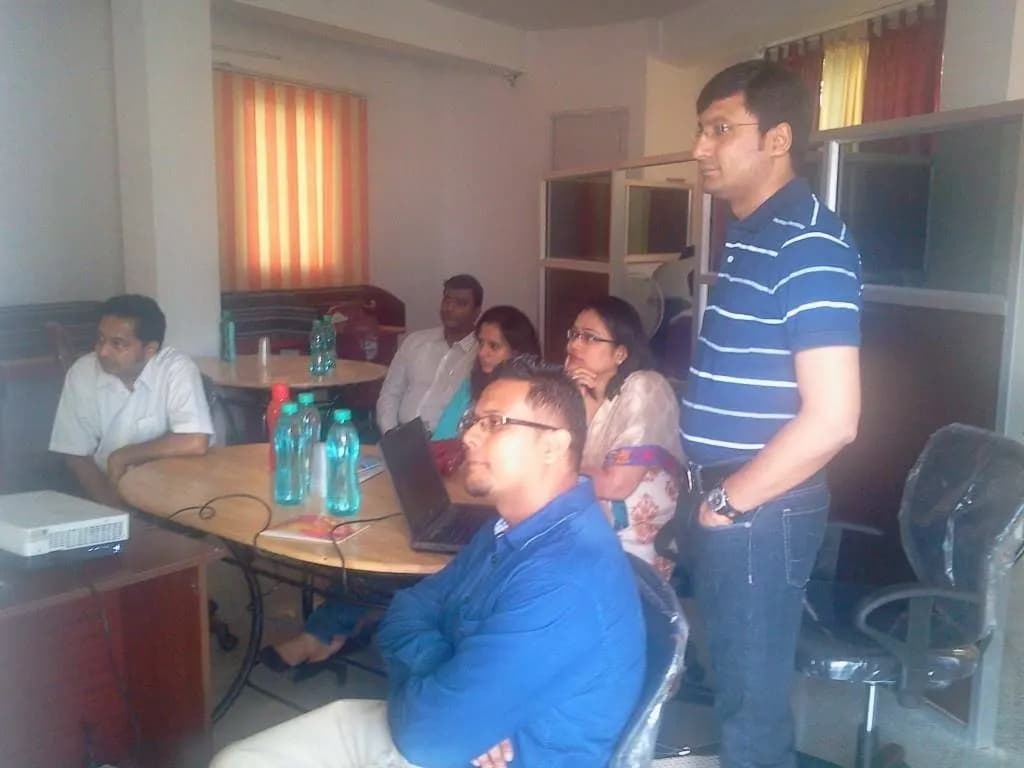
Uptake was slow at first and has picked up since the 2025 changes. PIB's January 2026 "Decade of Startup India" note reported more than 330 loans worth over ₹800 crore guaranteed. DPIIT's April 2026 release on FY 2025-26 put the total at more than 410 loans worth over ₹1,250 crore (end of FY 2025-26), with about 130 loans worth ₹305 crore guaranteed in 2024-25 and more than 135 loans worth over ₹600 crore in 2025-26. So the average loan size roughly doubled after the cap went up. Women-led startups had received 24 guaranteed loans worth about ₹33.17 crore by 31 October 2025, according to a Rajya Sabha reply.
Those numbers are small next to the two lakh-plus recognised startups, and they tell you something practical: many branch managers have never processed a CGSS case. Expect to explain the scheme, and give yourself time.
Claims, defaults and what happens to the founder
If the loan turns NPA, the lender must mark it on NCGTC's portal within 90 days, recall the loan and start recovery — through IBC, SARFAESI, a debt recovery tribunal or another legal route — before it can claim. NCGTC then pays an interim claim, and the balance after recovery proceedings end or the decree becomes time-barred. Any money recovered later is shared back with NCGTC. A lender can also agree a one-time settlement, but only after the account has been an NPA for a year.
None of this cancels your debt. The guarantee compensates the lender, which keeps the right to recover from the company and, where given, from guarantors. A default also hits the company's credit record and makes it ineligible for fresh CGSS cover, since the scheme excludes borrowers in default or classified NPA.
Two other rules are worth knowing. If your account is restructured under RBI rules, the guarantee continues. And if you have an ECLGS loan, NCGTC's FAQ says it must be closed before you can avail CGSS — check our ECLGS guide if that applies to you.
Common mistakes and how to fix them
Applying with lapsed recognition. DPIIT recognition ends when you cross the age or turnover limit. Lenders check the certificate; if yours has lapsed, the guarantee cannot be issued. Check the dates before you apply.
Offering collateral "to be safe". Every rupee of collateral reduces the guaranteed amount. If you must offer some, make sure the sanction letter shows how much is guaranteed and how much is secured, and that the fee is charged only on the guaranteed part.
Not claiming the right fee rate. If your startup is women-led, in the North-East, or in a Champion Sector, say so and give evidence — DPIIT sector classification, ownership documents. The default rate is 2% a year.
Choosing a lender that isn't a member. Some NBFCs advertise "startup loans" without being CGSS members. Ask for written confirmation that the facility will be covered.
Treating the guarantee as a grant. The guarantee protects the lender. You repay in full, with interest. Plan cash flows as you would for any loan — our working capital guide explains how lenders size limits.
Before you ask a lender for a CGSS loan
0/7Official links
- NCGTC — CGSS scheme page and notificationGazette notification, member list
- NCGTC — CGSS FAQs (amended 8 May 2025)Fees, cover, claims, member institutions
- Startup India — CGSS pageEligibility and how to apply
- Jan Samarth — Startup loan applicationPublic sector bank loans up to ₹20 crore under CGSS
- PIB — CGSS expansion (9 May 2025)₹20 crore cap, 85%/75% cover, 1% fee
- Startup India recognitionGet or check DPIIT recognition
What to do next
If you are recognised and have revenue, start with your current bank: ask its startup cell whether it is a CGSS member and what it charges. In parallel, file the Startup Common Application on Jan Samarth to get public sector bank offers to compare. Use the EMI calculator to test repayments at a few interest rates, and read our guides to SIDBI loans — SIDBI is a member institution and runs its own venture debt product — and to government loans for business for other options. Queries on the scheme itself go to [email protected].
This is general information, not legal or financial advice — confirm on the official source or with a professional.
Frequently asked questions
Since DPIIT's gazette notification of 8 May 2025, the ceiling is ₹20 crore per borrower, up from ₹10 crore. The cap applies across all lenders together and is net of any collateral the lender takes. Within that, NCGTC covers 85% of the amount in default on loans up to ₹10 crore and 75% of the amount in default on larger loans.
The scheme puts the annual guarantee fee on the lender (the member institution), which pays NCGTC within 30 days of the demand advice. The standard rate is 2% a year, 1.5% a year for North-East units and women entrepreneurs, and 1% a year for the 27 Champion Sectors. Whether the lender recovers it from you is its own policy, so ask before you sign.
No. NCGTC only deals with registered member institutions — scheduled banks, eligible NBFCs and SEBI-registered AIFs. You apply for a loan to one of them. If it sanctions the loan and you meet the eligibility rules, the lender applies on NCGTC's portal and cover is issued automatically. Public sector bank loans can be started through the Startup Common Application on Jan Samarth.
No. NCGTC's FAQ says member institutions charge interest under their own policies, and tenure and processing fees are also set by the lender. The guarantee lowers the lender's risk, so it can help you negotiate, but there is no published ceiling. Compare offers on Jan Samarth or from two or three lenders before accepting.
The borrower must be recognised by DPIIT, must not be in default to any lender or investor, must not be a non-performing asset under RBI rules, and its eligibility must be certified by the lender. From 4 February 2026 DPIIT recognition covers entities up to 10 years old with turnover up to ₹200 crore. Lenders still test viability and repayment capacity.
CGTMSE guarantees collateral-free loans to micro and small enterprises up to ₹10 crore, whether or not they are startups. CGSS is only for DPIIT-recognised startups, goes up to ₹20 crore, and covers venture debt from AIFs and NBFCs as well as bank loans. A startup that is also a micro or small enterprise can ask its lender which scheme suits the loan.
Sources & verification
Figures on this page were checked against the sources below when it was last reviewed on 9 October 2026. Each rate and limit is stored once with its own official source and review date, and official update channels are monitored daily so changes are picked up. How we verify
- 1.Credit Guarantee Scheme for Startups — Frequently Asked Questions (amended as on 8 May 2025) — NCGTC · accessed 9 October 2026
- 2.Government notifies the expansion of the Credit Guarantee Scheme for Startups (9 May 2025) — PIB / Ministry of Commerce & Industry · accessed 9 October 2026
- 3.Government recognizes more than 55,200 startups during FY 2025-26 (17 Apr 2026) — PIB / DPIIT · accessed 9 October 2026
- 4.DFS launches Start-up Common Application Journey on Jan Samarth Portal (12 Nov 2025) — PIB / Department of Financial Services · accessed 9 October 2026
- 5.Government supports startup ecosystem through three flagship schemes (12 Dec 2025) — PIB / DPIIT (Rajya Sabha reply) · accessed 9 October 2026
- 6.A Decade of Startup India (15 Jan 2026) — PIB · accessed 9 October 2026
- 7.Credit Guarantee Scheme for Startups — Startup India (DPIIT) · accessed 9 October 2026
- 8.Startup India recognition — eligibility (G.S.R. 108(E), 4 Feb 2026) — Startup India (DPIIT) · accessed 9 October 2026
MSMETOOLS is an independent platform and is not affiliated with any government agency, ministry or department.
Tools for this
EMI Calculator
Calculate loan EMIs for business and personal loans.
Loan Eligibility Calculator
Check your business loan eligibility based on income and existing loans.
Startup Cost Calculator
Estimate how much capital you need to launch.
Related guides
 CGTMSE Scheme 2026: ₹10 Crore Cover, Fees & How to ApplyRead guide
 Startup India Seed Fund 2026: ₹20L Grant, Eligibility & StatusRead guide
 Startup India Registration 2026: DPIIT Rules, Steps, BenefitsRead guide
 ECLGS 2026: Emergency Credit Line Guarantee Scheme 5.0Read guide
Official links open the government site in a new tab.