 Starting & growing a business
18 Ecommerce Business Ideas for India in 2026 — With the Licence, GST Rate and Capital Each Needs
18 ecommerce business ideas for India in 2026 with the licence, GST rate and capital for each: FSSAI for food, BIS for electronics and toys, cosmetics rules.
 Edited by Sumeet YadavFounder & editor, MSMETOOLS · fact-checked against official sources
Contents (11)
- 1. How to choose an ecommerce idea that can make money
- 2. 18 ecommerce business ideas with licence, GST and capital
- 3. Low-investment ideas: start with little or no stock
- 4. Regional products: build on what your district already makes
- 5. Food and wellness ideas: FSSAI comes first
- 6. Beauty, personal care and cosmetics
- 7. Electronics and toys: BIS before you list
- 8. GST, TCS and the rules every online seller follows
- 9. Worked example: margin per order for a spice brand
- 10. Common mistakes when picking an ecommerce idea
- 11. What to do next
Most lists of ecommerce business ideas stop at "sell candles" or "start a clothing brand". The harder questions come after you pick: which licence do I need before my first sale, what GST do I charge, and how much money do I actually need? This guide gives eighteen ecommerce business ideas for India with exactly that — the main licence or approval, the GST rate after the September 2025 GST 2.0 changes, and an estimated starting capital for each — followed by how to choose between them, the rules for regulated categories, and a worked per-order margin. It is written for first-time sellers, home-based makers and small manufacturers going online. Rules and rates were checked in October 2026.
Quick answer
Good first ecommerce ideas in India are light, hard to damage, rarely returned and easy to brand: imitation jewellery, spices and tea, home décor and candles, personal care made under a loan licence, niche books and digital products. Food needs FSSAI, many electronics need BIS CRS registration, toys need the ISI mark, and cosmetics and Ayurvedic products need a manufacturing or loan licence.
GST after GST 2.0: hair oil, shampoo, soap 5%; make-up 18%; imitation jewellery 3%; tea and spices 5%
Low-stock ideas (print-on-demand, digital products) start from roughly ₹10,000–₹1 lakh (our estimate)
Marketplaces collect GST TCS of 0.5% (0.25% CGST + 0.25% SGST, or 0.5% IGST) and income-tax TDS of 0.1% on your sales
Price every product after fees, shipping and returns — not before
How to choose an ecommerce idea that can make money
Before the list, a filter. Ecommerce rewards products with a high price for their weight and size, because shipping is charged by weight and volume. A ₹600 pair of earrings weighing 50 grams can absorb shipping; a ₹600 steel water bottle weighing 700 grams often can't. Next comes the return rate: fashion and footwear are returned far more than spices or books, and every return costs you shipping both ways plus a product that may not be resaleable.
Then ask whether you can build a brand. Commodity products sold under the same listing as fifty other sellers end up in a price war you'll lose to bigger players. Products where your recipe, design, curation or story matters — a regional pickle, hand-block printed cushion covers, a niche hobby kit — let you charge more and get repeat orders.
Finally, check compliance cost honestly. Food, cosmetics, wellness, electronics and toys are all large markets, but each comes with a licence, testing or registration that takes weeks and money before your first sale. That doesn't rule them out; it just means the capital column in the table below matters.
18 ecommerce business ideas with licence, GST and capital
Capital ranges are MSMETOOLS estimates for starting with a small first batch (or none, for print-on-demand and digital), product photography, packaging, a basic website or marketplace onboarding and a test ad budget. They exclude a warehouse and staff. GST rates are the main rates for the typical product; your exact HSN code decides the rate, so confirm it with the HSN code finder.
| # | Idea | Main licence or approval | GST (typical) | Starting capital (estimate) |
|---|---|---|---|---|
| 1 | Ethnic wear and kurtis (own label) | No special licence; Legal Metrology labels; trademark advisable | 5% up to ₹2,500 a piece, 18% above | ₹50,000 – ₹3 lakh |
| 2 | Print-on-demand T-shirts and merchandise | None; use only designs you own | Same as apparel | ₹10,000 – ₹75,000 |
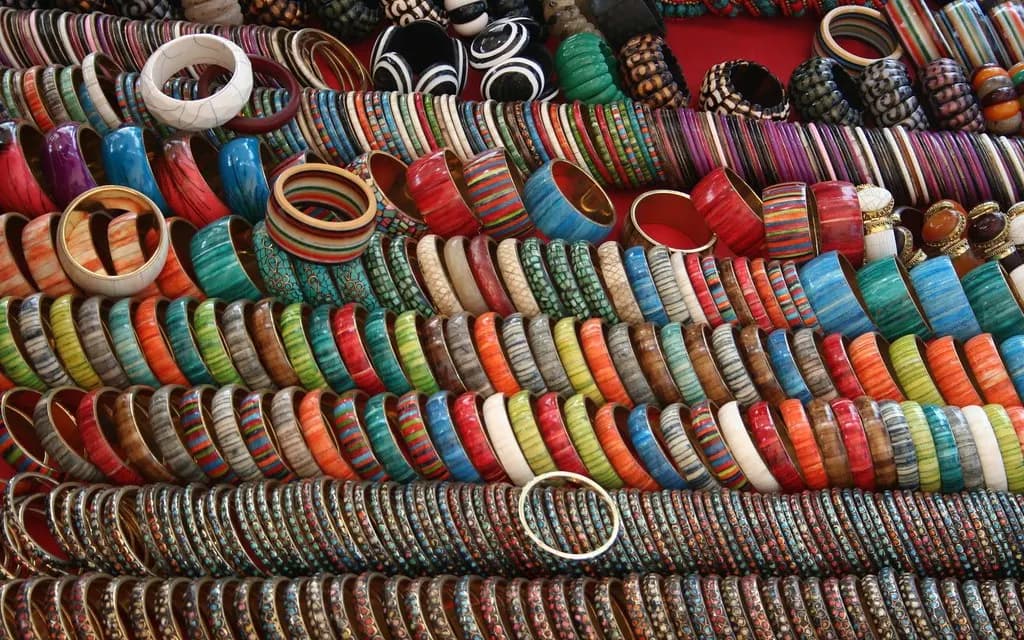
| 3 | Imitation and handmade jewellery | None (gold and silver need BIS hallmarking) | 3% | ₹30,000 – ₹2 lakh |
| 4 | Homemade pickles, snacks and sweets | FSSAI registration or licence | Mostly 5% | ₹25,000 – ₹2 lakh |
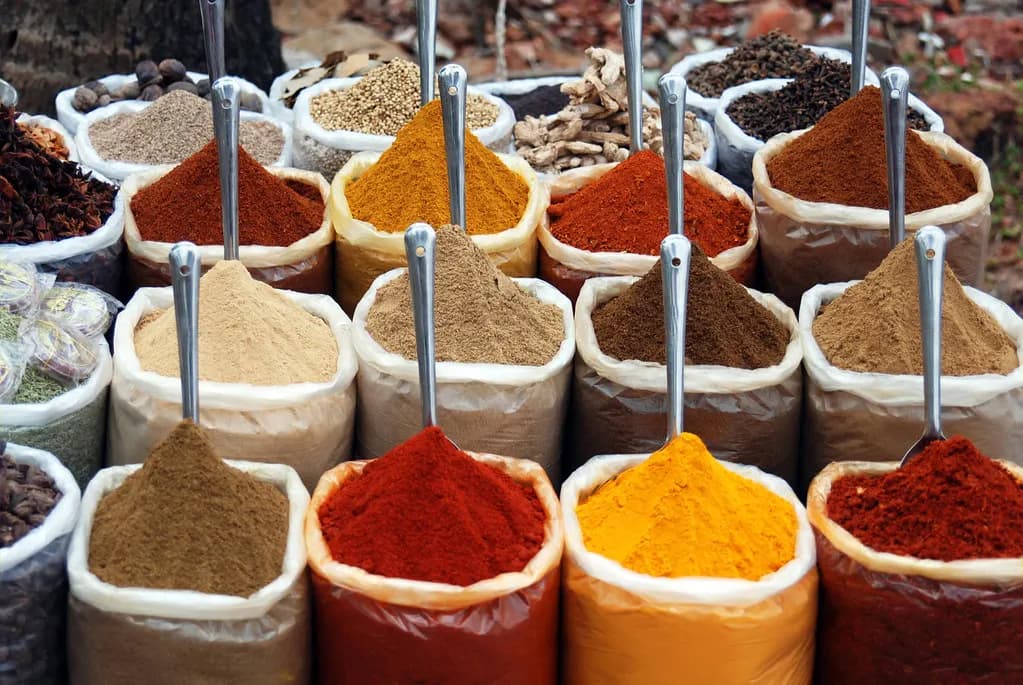
| 5 | Tea, coffee and spice brand | FSSAI; organic certification only if you claim "organic" | 5% | ₹50,000 – ₹3 lakh |
| 6 | Health supplements and nutraceuticals | FSSAI licence and compliance with the nutraceutical regulations | Often 5% (HSN 2106) — confirm | ₹2 lakh – ₹10 lakh |
| 7 | Ayurvedic and herbal products | AYUSH manufacturing or loan licence from the state | 5% for Ayurvedic medicaments | ₹2 lakh – ₹10 lakh |
| 8 | Soaps, hair oils and shampoos | Cosmetics manufacturing or loan licence (state) | 5% | ₹1 lakh – ₹8 lakh |
| 9 | Skin care and make-up | Cosmetics licence; import registration for imported brands | 18% | ₹2 lakh – ₹10 lakh |
| 10 | Phone accessories, power banks, earphones | BIS CRS registration by maker/importer; e-waste EPR for brand owners | 18% | ₹1 lakh – ₹5 lakh |
| 11 | Toys and educational games | BIS ISI mark under the toys QCO | 5% for ride-on and handcrafted toys; 18% for electronic and most others | ₹1 lakh – ₹5 lakh |
| 12 | Candles, home décor and handicrafts | None | 5% for candles and many handicrafts; 5% for wooden articles | ₹30,000 – ₹2 lakh |
| 13 | Niche and second-hand books | None | Nil for printed books | ₹30,000 – ₹1.5 lakh |
| 14 | Stationery and art supplies | None | Mixed: notebooks and pencils Nil, most others 18% | ₹50,000 – ₹2 lakh |
| 15 | Plants, seeds and gardening kits | Seed dealer licence for selling seeds; plant quarantine permit to import | Live plants exempt; pots and tools at their own rates | ₹30,000 – ₹1.5 lakh |
| 16 | Footwear | BIS certification for footwear types under QCO | 5% up to ₹2,500 a pair, 18% above | ₹1 lakh – ₹4 lakh |
| 17 | Refurbished laptops and phones | E-waste rules; buy from traceable sources | 18% (margin valuation possible for used goods) | ₹2 lakh – ₹10 lakh |
| 18 | Digital products and online courses | None; GST once services cross the threshold | 18%; exports zero-rated under LUT | ₹10,000 – ₹1 lakh |
Low-investment ideas: start with little or no stock
Print-on-demand apparel and merchandise. You upload designs; a print partner prints and ships each order after it is placed. Your money goes into designs, mock-ups and ads rather than stock. Margins are thinner than holding your own inventory, and you must own or license every design — copying a film still, a cricket logo or a cartoon character invites takedowns and legal notices. Clothing GST depends on the sale value per piece: 5% up to ₹2,500 and 18% above, after GST 2.0. Our clothing business guide covers sourcing if you later move to your own stock.
Digital products. Templates, planners, stock photos, presets, short courses and spreadsheet tools have no shipping and no returns. They are services for GST at 18%, and you register once turnover crosses ₹20 lakh; sales to buyers abroad paid in foreign currency usually qualify as export of services, zero-rated under a Letter of Undertaking. The hard part is distribution — expect to build an audience before sales come.
Books, handicrafts and home décor. Second-hand textbooks, out-of-print titles and niche regional books carry nil GST when printed, and need no licence. Candles, hand-painted pottery, block-printed textiles and wooden décor became cheaper to sell after GST 2.0 moved many handicraft items and candles to 5%. They suit makers who can photograph well and tell the story behind the product.
Dropshipping. Selling a supplier's stock without holding it is legal in India, but you are still the seller of record for GST, consumer complaints and product compliance. Read our dropshipping guide before you list anything that needs BIS or FSSAI approval.
Ecommerce ideas by starting budget (MSMETOOLS estimate)
| Budget | Ideas that fit | Why |
|---|---|---|
Under ₹50,000 | Print-on-demand, digital products, second-hand books, handmade décor | Little or no stock; no product licence |
₹50,000 – ₹2 lakh | Imitation jewellery, candles, home-made food, tea and spices, stationery | Small first batch; FSSAI is low-cost for food |
₹2 lakh – ₹5 lakh | Ethnic wear label, toys, phone accessories, footwear | Bigger first batch; BIS-compliant sourcing |
₹5 lakh and above | Personal care and cosmetics, supplements, Ayurvedic products, refurbished electronics | Licences, testing and contract manufacturing |
Under ₹50,000
- Ideas that fit
Print-on-demand, digital products, second-hand books, handmade décor
- Why
Little or no stock; no product licence
₹50,000 – ₹2 lakh
- Ideas that fit
Imitation jewellery, candles, home-made food, tea and spices, stationery
- Why
Small first batch; FSSAI is low-cost for food
₹2 lakh – ₹5 lakh
- Ideas that fit
Ethnic wear label, toys, phone accessories, footwear
- Why
Bigger first batch; BIS-compliant sourcing
₹5 lakh and above
- Ideas that fit
Personal care and cosmetics, supplements, Ayurvedic products, refurbished electronics
- Why
Licences, testing and contract manufacturing
Regional products: build on what your district already makes
Some of the strongest small ecommerce brands in India sell a product their region is already known for — Channapatna wooden toys, Moradabad brassware, Jaipur block prints, Kerala spices, Assam and Darjeeling tea, Kolhapuri chappals, Banarasi silk. You start with local suppliers, artisans who know the craft, and a story buyers already recognise. The government's One District One Product initiative identifies such products for each district, and your District Industries Centre can point you to clusters, artisan groups and trade fairs.
Two cautions. Where a name is a registered geographical indication, only authorised users can sell under it, so check before you put a GI name on your label. And handmade does not mean exempt from rules: a handmade toy still needs the ISI mark unless it falls within an exemption, and a home-made pickle still needs FSSAI. See our District Industries Centre guide for local support.
Food and wellness ideas: FSSAI comes first
Food is one of the easiest categories to start from home and one of the most regulated. Every food business — including a home kitchen that sells pickles, laddoos, masala blends or millet snacks through Instagram or a marketplace — needs FSSAI registration or a licence before the first sale. From 1 April 2026, FSSAI decides the category only by turnover: basic registration up to ₹1.5 crore at ₹100/year, a state licence above that up to ₹50 crore, and a central licence beyond. Our FSSAI registration guide walks through the FoSCoS application.
Labels matter as much as the licence. Packaged food needs the product name, ingredients, nutrition information where required, veg or non-veg mark, FSSAI logo and number, net quantity, MRP, date of manufacture or packing, best-before date, and the name and address of the manufacturer or packer. Marketplaces check these at listing, and buyers check them before reordering. If you claim "organic", the product must be certified under one of the systems FSSAI's organic food regulations recognise — don't use the word on uncertified spices.
Health supplements and nutraceuticals sit under FSSAI's nutraceutical regulations, which limit permitted ingredients and claims, and they usually need a licence rather than basic registration. Ayurvedic and herbal medicines are a different track: making them, or getting them made, needs a manufacturing or loan licence from the state AYUSH licensing authority. Selling prescription allopathic medicines online is not a beginner idea; it needs a drug licence, and the e-pharmacy rules drafted in 2018 were never finalised.
After GST 2.0, most packaged foods a small brand sells sit at 5%: tea, processed spices, namkeens and bhujia, pickles and other food preparations. If you're thinking about a bakery or cloud kitchen instead, see our bakery business plan and cloud kitchen guide.
Beauty, personal care and cosmetics
Personal care is attractive online because products are light and repeat purchases are common. Since 22 September 2025, hair oil, shampoo, toothpaste, talcum powder and toilet soap bars attract 5% GST, down from 18%, while make-up and skin-care preparations stayed at 18%. That difference affects both your pricing and your input tax credit position, so classify each product carefully.
Under the Cosmetics Rules, 2020, anyone who manufactures cosmetics in India needs a licence from the State Licensing Authority — Form COS-8 for your own premises, or a loan licence if a licensed manufacturer makes the product for you under your brand. Most small brands start with the loan-licence or contract-manufacturing route, because a compliant manufacturing unit is expensive. Imported cosmetics need an import registration certificate (Form COS-2) from CDSCO, applied for online through the SUGAM portal by the manufacturer or its Indian agent. Reselling sealed, properly labelled cosmetics bought from a licensed brand doesn't need a cosmetics licence, but you remain responsible for not selling expired or unregistered imported products.
Electronics and toys: BIS before you list
Electronics accessories are among the most searched ecommerce ideas, and also where new sellers most often get caught out. BIS's Compulsory Registration Scheme covers power banks, power adaptors for IT and audio-video equipment, smart watches, wireless headphones and earphones, Bluetooth speakers, LED lamps and luminaires, mobile phones and laptops, among others. No one may manufacture, store for sale, import, sell or distribute these goods unless each model is registered and carries the Standard Mark with its registration number. Registration is done by the manufacturer — or for imports, the foreign manufacturer through an Indian representative — after testing at a BIS-recognised lab. If you import under your own brand, budget for testing and registration per model and the time it takes. See our BIS certification guide.
Getting an electronics product ready to sell
Step 1
Pick model and supplier
Step 2
Test at a BIS-recognised lab
Step 3
CRS registration on crsbis.in
Step 4
Standard Mark + R-number on product
per model
Step 5
EPR registration (brand owners)
Step 6
List online
Brand owners and importers of electrical and electronic equipment also carry extended producer responsibility under the E-Waste (Management) Rules, 2022, and must register on CPCB's EPR portal. Reselling another brand's registered products is simpler: check the BIS registration number on the product and keep the purchase invoice.
Toys are covered by a Quality Control Order that requires the ISI mark, so imported or locally made toys without it can't be sold. GST depends on the toy: ride-on toys such as tricycles and scooters, and handcrafted wooden, metal or textile toys, are at 5%; electronic toys sit at 18%, and many other toys follow their own HSN entry, so check yours.
GST, TCS and the rules every online seller follows
Whatever you sell, a few rules apply across categories. You need GST registration to sell goods across state lines through a marketplace, regardless of turnover. Since 1 October 2023, a seller of goods below the threshold can sell within one state through marketplaces without registering, using a PAN-based enrolment number — useful for a home kitchen or craft seller testing demand locally. Once registered, the marketplace collects GST TCS of 0.5% (0.25% CGST + 0.25% SGST, or 0.5% IGST) on your net taxable sales and deposits it against your GSTIN, and deducts income-tax TDS of 0.1% on gross sales. Both are credits you recover, but both tie up working capital.
Packaged goods must carry Legal Metrology declarations — MRP, net quantity, the name and address of the manufacturer, packer or importer, consumer care details, month and year of manufacture or import, and country of origin — and marketplaces must display these on the listing. The Consumer Protection (E-Commerce) Amendment Rules, 2026 add more duties from 1 January 2027, including showing the lowest price of the previous 30 days when you advertise a discount. Our ecommerce business guide covers these in detail, and a trademark application protects the brand name you're building.
Before you list your first product
0/7Worked example: margin per order for a spice brand
Here's how one idea looks once fees are in. "Haldi House" sells a 400-gram combo of turmeric and red chilli powder on a marketplace for ₹449, GST-inclusive at 5%. All figures are illustrative estimates; marketplace fees differ by platform, category and price band, so take yours from the seller panel.
- GST inside the price: ₹449 × 5 ÷ 105 = about ₹21, leaving ₹428 of net sale value
- Product, pouch, label and carton: ₹150
- Marketplace referral and closing fees (illustrative 10%): ₹45
- Shipping (illustrative, sub-500 g): ₹70
- Ads per order: ₹25
- Allowance for returns and damages (spread over kept orders): ₹10
- Margin per order ≈ ₹128, about 29% of the net sale value
At this margin, ₹40,000 of monthly fixed costs — your own salary, a packing helper, software and FSSAI fees — needs about 313 orders a month, or roughly 10 a day, to break even. The levers are the ones every seller has: lift the average order with larger packs or combos, cut shipping by keeping parcels under weight slabs, and stop ads on products that don't earn back their cost.
Try it — margin per order for your product
Common mistakes when picking an ecommerce idea
- Choosing a regulated product without budgeting for the licence. Electronics without CRS registration, toys without the ISI mark and food without FSSAI get delisted — and stock can be seized.
- Ignoring returns. A 25% return rate in fashion can turn a profitable product into a loss. Price in the return cost from day one.
- Selling commodities with no edge. Plain products sold under someone else's listing end in a price war. Pick a niche where your design, recipe or curation matters.
- Using old GST rates. Templates written before 22 September 2025 still quote 18% on shampoo and 12% on namkeen. Use current rates in your pricing.
- Copying designs and brand names. Takedowns, account suspensions and legal notices follow quickly. Use original designs and register your own brand.
Official links
- FoSCoS — FSSAI registration and licensingFood businesses, including home kitchens
- BIS — Compulsory Registration Scheme product listElectronics needing CRS registration
- CDSCO — CosmeticsCosmetics Rules 2020, import registration
- GST Council — 56th meeting press releaseGST 2.0 rate changes
- GST portalRegistration and enrolment for marketplace sellers
- Udyam Registration portalFree MSME registration
What to do next
Shortlist two or three ideas from the table, check the exact HSN and GST rate for each product, and price one real product through the marketplace profit calculator with your own fees and shipping. If the idea needs FSSAI, BIS or a cosmetics licence, start that application before you buy stock. Then follow our step-by-step ecommerce business guide to set up registrations, listings and payments, or our Meesho selling guide if you want to start with zero commission.
This is general information, not legal or tax advice — confirm on the official source or with a professional.
Frequently asked questions
Categories with high price-to-weight ratios, low return rates and room for a brand tend to earn the best margins: imitation jewellery, personal care made under a loan licence, tea and spice brands, home décor and niche digital products. Fashion sells in volume but suffers high returns. Profit depends far more on your product cost, marketplace fees, shipping and returns than on the category itself.
Print-on-demand apparel, digital products such as templates or courses, handmade home décor, imitation jewellery and second-hand books can start with roughly ₹10,000 to ₹1 lakh by our estimate, because you hold little or no stock. Food products also start small but need FSSAI registration before your first sale, and every physical product needs labels that meet the Legal Metrology rules.
Yes. Every food business, including a home kitchen selling pickles, snacks or spices online, needs FSSAI registration or a licence before selling. From 1 April 2026, basic registration covers turnover up to ₹1.5 crore at ₹100/year. Marketplaces ask for your FSSAI number at listing, and it must appear on the product label along with ingredients and best-before date.
For many products, yes. Power banks, mobile chargers and adaptors, wireless earphones, Bluetooth speakers, smart watches and LED lamps are on BIS's Compulsory Registration Scheme list. The manufacturer or importer must register each model with BIS and print the Standard Mark with the registration number; a seller cannot legally sell non-compliant units. Toys need the ISI mark under the toys Quality Control Order.
Only in a narrow case. Since 1 October 2023, a seller of goods below the GST threshold can sell through marketplaces without registering if all sales stay within one state, using a PAN-based enrolment number. Selling to other states, or crossing the threshold, needs regular GST registration. Sellers of services, such as digital products, register once turnover crosses ₹20 lakh.
Sources & verification
Figures on this page were checked against the sources below when it was last reviewed on 9 October 2026. Each rate and limit is stored once with its own official source and review date, and official update channels are monitored daily so changes are picked up. How we verify
- 1.Notification No. 9/2025-Central Tax (Rate), 17 September 2025 (compiled copy) — ICAI GST & Indirect Taxes Committee · accessed 9 October 2026
- 2.Recommendations of the 56th GST Council meeting (press release) — GST Council / PIB · accessed 9 October 2026
- 3.CRS — list of products under compulsory registration — Bureau of Indian Standards · accessed 9 October 2026
- 4.About CRS — Bureau of Indian Standards · accessed 9 October 2026
- 5.Order dated 13 March 2026 — revised turnover threshold for food businesses — FSSAI · accessed 9 October 2026
- 6.Cosmetics — regulatory information — CDSCO · accessed 9 October 2026
- 7.Guidance document on registration and import of cosmetics into India — CDSCO · accessed 9 October 2026
- 8.India — cosmetic regulation overview — ChemLinked · accessed 9 October 2026
MSMETOOLS is an independent platform and is not affiliated with any government agency, ministry or department.
Tools for this
Marketplace Profit Calculator
Profit after Amazon, Etsy, Shopify and Flipkart fees.
Startup Cost Calculator
Estimate how much capital you need to launch.
HSN Code Finder (India)
Find the correct HSN/SAC code for your product.
GST Calculator (India)
Calculate GST for your sales and purchases with current rates.
Related guides
 How to Start an Ecommerce Business in India (2026 Guide)Read guide
 How to Sell on Meesho in 2026: GST, Fees & Real MarginsRead guide
 Wholesale Business Ideas 2026: 10 Ideas, Margins & SetupRead guide
 Dropshipping Business in India 2026: GST, Rules & MarginsRead guide
Official links open the government site in a new tab.