 Business registration & legal
BIS Certification in 2026: ISI Mark, CRS Registration, QCOs, Fees and the Manak Online Process
BIS certification in 2026: when the ISI mark or CRS registration is compulsory, QCOs withdrawn and added, Manak Online steps, fees and 80% MSME concessions.
 Edited by Sumeet YadavFounder & editor, MSMETOOLS · fact-checked against official sources
Contents (11)
- 1. What BIS certification is, and when it is compulsory
- 2. ISI mark vs CRS registration vs FMCS: which route applies
- 3. Quality Control Orders in 2026: what is in force, withdrawn and coming
- 4. How to apply for BIS certification on Manak Online
- 5. Documents BIS asks for
- 6. BIS certification fees and MSME concessions
- 7. Timelines, validity and the 2026 annual-payment rule
- 8. Testing labs: where your product gets tested
- 9. Common mistakes and how rejections get fixed
- 10. After you have the licence
- 11. What to do next
If you make, import or sell a product in India — a pressure cooker, a toy, a helmet, a phone charger, cement, a ceiling fan — you may legally need BIS certification before a single unit is sold. This guide is for manufacturers, importers and MSME owners who need a clear answer: is my product covered, which BIS scheme applies, what will it cost after the MSME concessions, and how long does the Manak Online process take. Everything below was checked against BIS notifications and government orders as of October 2026, including the Quality Control Orders withdrawn since November 2025 and the new ones coming into force.
Quick answer
BIS certification is compulsory only for products covered by a Quality Control Order (QCO) or registration order. Most factory-made goods need the ISI mark (Scheme-I), where BIS inspects your unit and tests samples; electronics and IT goods use CRS registration (Scheme-II) based on a recognised lab's test report. You apply only online on Manak Online.
Scheme-I fees: ₹1,000 application, ₹7,000 per man-day inspection, ₹1,000 a year licence fee plus the product's minimum marking fee
Micro units and start-ups pay 80% less marking fee, small units 50% less, until 31 May 2029
Simplified route (test report first): about one month; normal route: about four months
Since February 2026, fees are paid every year in advance — miss the date and the licence is suspended
What BIS certification is, and when it is compulsory
The Bureau of Indian Standards (BIS) is India's national standards body, set up under the BIS Act, 2016 and working under the Department of Consumer Affairs. It writes Indian Standards (IS) and runs conformity assessment schemes under which a manufacturer can use a "Standard Mark" — the ISI mark is the best known — to show that a product meets the relevant standard.
For most products, certification is voluntary. A manufacturer of, say, steel furniture fittings may choose the ISI mark because government buyers or large retailers prefer it. It becomes mandatory only when a ministry issues a Quality Control Order (QCO) under section 16 of the BIS Act, or a similar technical regulation, naming the product and the Indian Standard it must meet. From the QCO's commencement date, nobody may manufacture, import, store for sale, sell or distribute that product without a valid BIS licence or registration and the Standard Mark.
That "nobody" covers more people than most businesses expect. Traders and online sellers can't stock non-certified goods, importers can't clear them through customs, and e-commerce marketplaces delist them. Breaching section 17 of the Act is punishable with up to two years' imprisonment or a fine of at least ₹2 lakh for a first offence (₹5 lakh for repeat offences), which can rise to ten times the value of the goods.
Don't confuse BIS product certification with ISO certification. ISO 9001 and similar certificates cover your management system, are voluntary and come from private certification bodies; our ISO certification guide explains that route. BIS product certification is about the product itself and, for QCO-covered items, is a legal condition of sale.
ISI mark vs CRS registration vs FMCS: which route applies
BIS runs seven product schemes under Schedule-II of the BIS (Conformity Assessment) Regulations, 2018. The February 2026 amendment groups them into two kinds: schemes with assessment at the factory (Schemes I, IV, V, IX and X) and schemes without any site assessment (Schemes II and VII). Your QCO tells you which scheme you must use — you don't get to choose.
The three routes most businesses meet
| ISI mark (Scheme-I) | CRS registration (Scheme-II) | FMCS | |
|---|---|---|---|
Who uses it | Domestic manufacturers of most QCO products | Mainly electronics and IT goods notified by MeitY; some solar and other items | Foreign factories wanting the ISI mark |
How conformity is shown | BIS factory inspection + sample testing + surveillance | Self-declaration backed by a BIS-recognised lab test report | Same as Scheme-I, with BIS officers visiting abroad |
Factory visit before grant | Yes | No | Yes (special visit at applicant's cost) |
Main fees | ₹1,000 application, ₹7,000 per man-day inspection, ₹1,000 a year licence fee, minimum marking fee | ₹1,000 application + ₹25,000 a year processing fee | Domestic fees + per-diem, travel, visa and a contingency deposit |
Where to apply | Manak Online | CRS portal (crsbis.in) | Manak Online, handled by BIS HQ |
Who uses it
- ISI mark (Scheme-I)
Domestic manufacturers of most QCO products
- CRS registration (Scheme-II)
Mainly electronics and IT goods notified by MeitY; some solar and other items
- FMCS
Foreign factories wanting the ISI mark
How conformity is shown
- ISI mark (Scheme-I)
BIS factory inspection + sample testing + surveillance
- CRS registration (Scheme-II)
Self-declaration backed by a BIS-recognised lab test report
- FMCS
Same as Scheme-I, with BIS officers visiting abroad
Factory visit before grant
- ISI mark (Scheme-I)
Yes
- CRS registration (Scheme-II)
No
- FMCS
Yes (special visit at applicant's cost)
Main fees
- ISI mark (Scheme-I)
₹1,000 application, ₹7,000 per man-day inspection, ₹1,000 a year licence fee, minimum marking fee
- CRS registration (Scheme-II)
₹1,000 application + ₹25,000 a year processing fee
- FMCS
Domestic fees + per-diem, travel, visa and a contingency deposit
Where to apply
- ISI mark (Scheme-I)
Manak Online
- CRS registration (Scheme-II)
CRS portal (crsbis.in)
- FMCS
Manak Online, handled by BIS HQ
The ISI mark (Scheme-I)
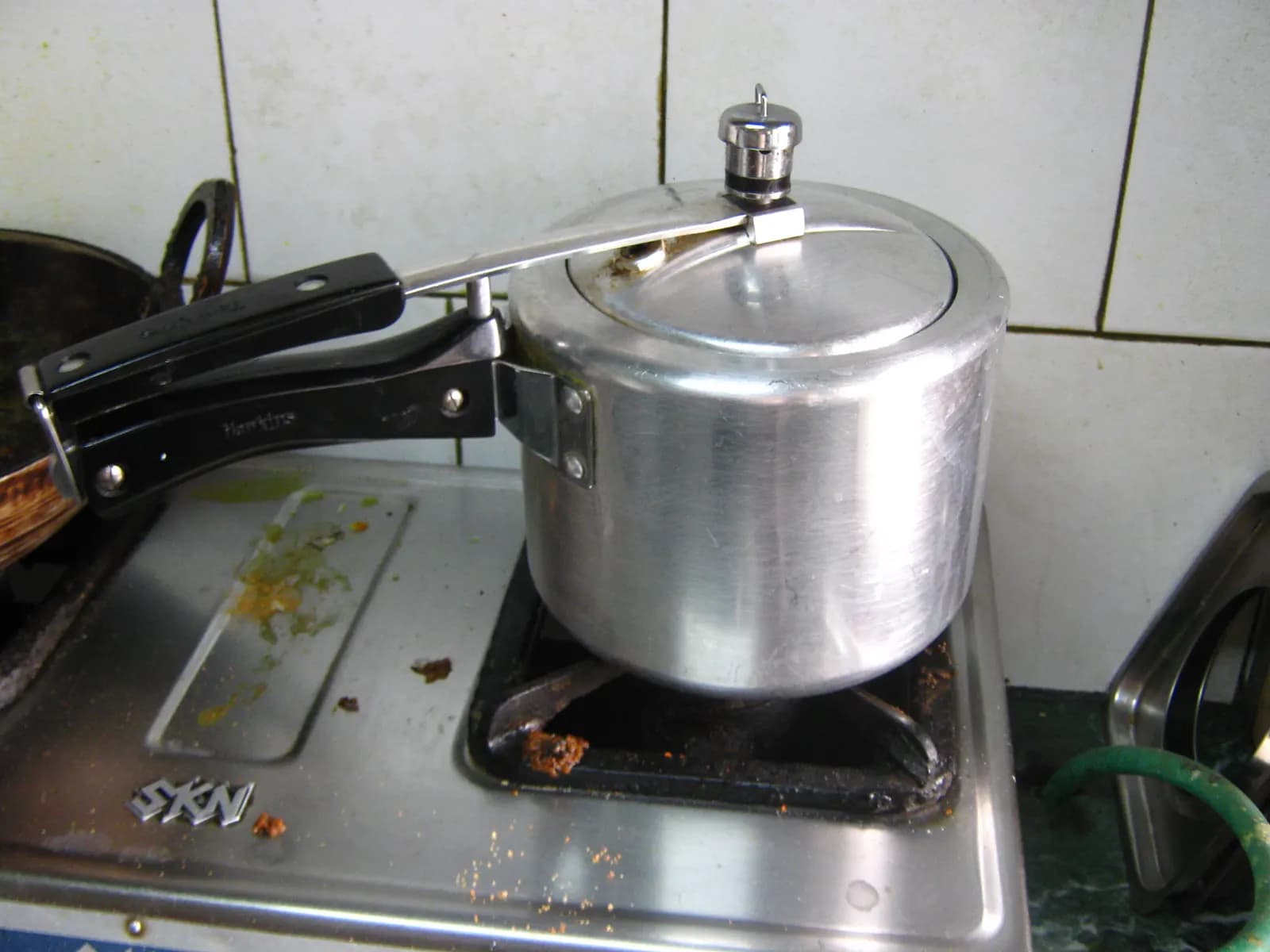
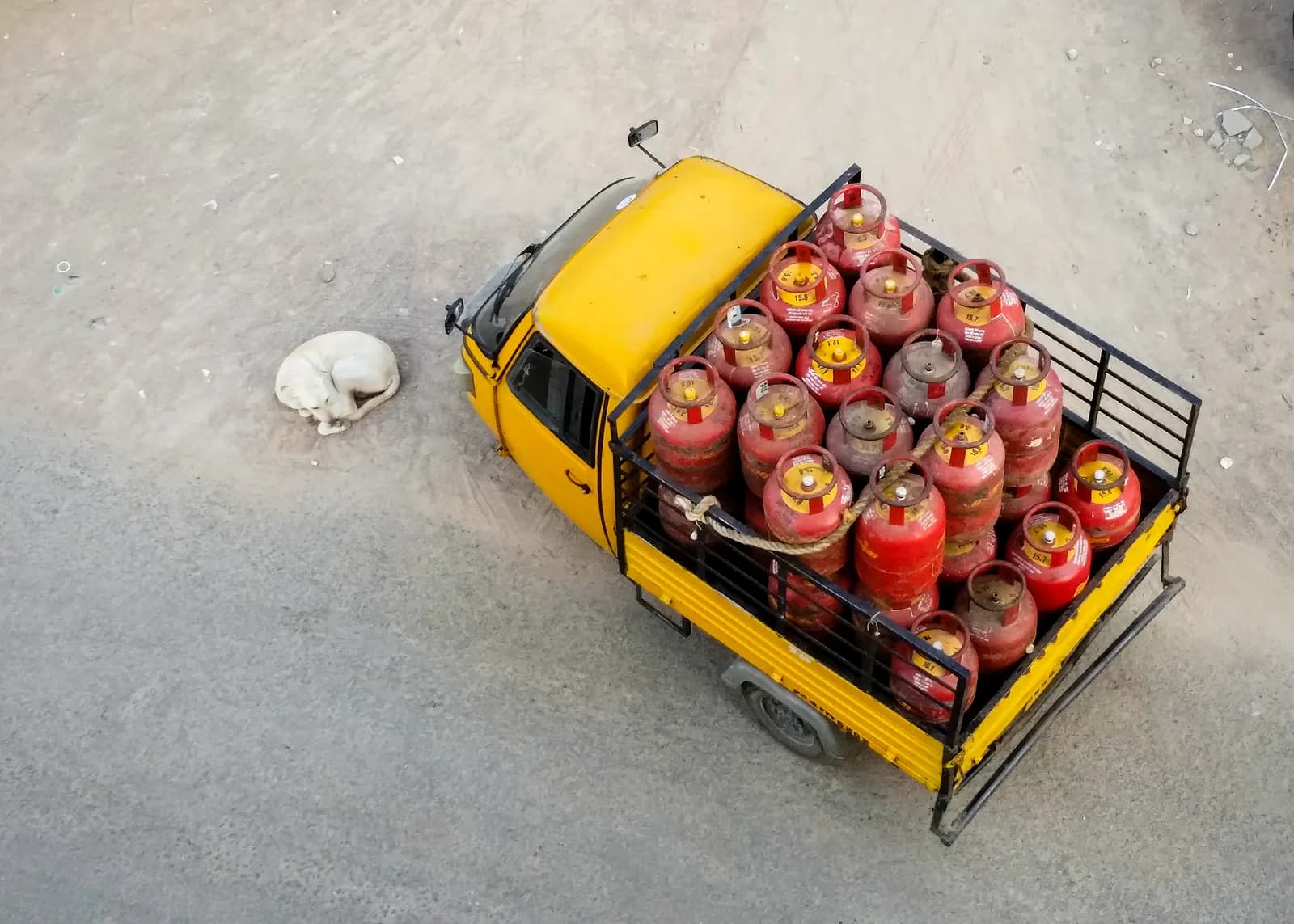
Scheme-I is the classic licence. BIS checks that your factory has the machinery, process controls, in-house testing equipment and qualified quality-control staff that the product manual demands, and that samples meet every clause of the Indian Standard. After grant, BIS keeps checking: it draws samples from the factory and the market, and you must keep test records and pay marking fee based on production. Cement, steel bars, pressure cookers, LPG cylinders and regulators, helmets and a large share of electrical appliances fall here (packaged drinking water used to, but FSSAI dropped the mandatory BIS mark on 17 October 2024 and now runs its own compulsory testing regime — see our mineral water plant guide).
CRS registration (Scheme-II)
The Compulsory Registration Scheme started with electronics in 2012 and now also covers products notified by MNRE (solar), the chemicals ministry and others. There is no factory inspection before grant. You get each model tested at a BIS-recognised laboratory, file the test report with a self-declaration and affidavits, and BIS registers the product with a unique registration number shown on the Standard Mark. The February 2026 amendment rewrote Scheme-II as "registration based on self-declaration of conformity" with a processing fee of ₹25,000 a year per application, ₹20,000 for each extra test report and ₹30,000 per application to add models later. Because there is no prior inspection, BIS relies on market and in-transit sampling afterwards.
FMCS for foreign manufacturers
Foreign factories that need the ISI mark apply under the Foreign Manufacturers Certification Scheme, run by BIS headquarters in New Delhi. The headline fees match domestic ones, but every visit is a "special visit": you pay per-diem charges, air tickets, visa and insurance for the BIS officers, plus a contingency deposit of ₹10,000. A foreign applicant must also appoint an authorised Indian representative who takes legal responsibility in India. Importers sometimes assume the brand owner abroad has a licence; always check the licence number against the BIS database before you place an order.
Quality Control Orders in 2026: what is in force, withdrawn and coming
QCOs multiplied quickly after 2019. A March 2025 government statement put the count at 187 QCOs covering 769 products, from toys and footwear to chemicals, steel and machinery. Industry, especially MSME users of imported inputs, complained about port detentions, long queues at labs and the near-impossibility of foreign suppliers getting licences in time. A high-level committee chaired by NITI Aayog member Rajiv Gauba reviewed the orders in 2025, and the government has since rolled several back.
Withdrawn orders: what it means for you
If your product or raw material was on a withdrawn list, the legal compulsion has gone and imports clear without a BIS licence. You can still hold a voluntary licence, and many buyers will keep asking for one, so don't surrender it without checking customer contracts and tender conditions. The withdrawals mostly freed upstream inputs — polymers, fibres, base metals — which matters to the plastics processors, textile clusters in Surat, Ludhiana, Tiruppur and Bhilwara, and fabrication units that buy them.
Key QCO changes, November 2025 – 2026
12 Nov 2025
14 QCOs rescinded: PTA, MEG, polyester yarns and fibres, polyethylene, polypropylene, PVC, ABS, EVA, polyurethanes, polycarbonate
13 Nov 2025
Ministry of Mines withdraws QCOs on aluminium and alloys and on non-ferrous metals such as lead, nickel, tin and zinc
18 Nov 2025
Viscose staple fibre QCO revoked by the Ministry of Textiles
16 Jan 2026
Machinery and Electrical Equipment Safety (Omnibus Technical Regulation) Order rescinded — no Scheme-X certificate needed for those machines
25 Jun 2026
Transition Facilitation (QC) Order: companies may source from Scheme-II licensees for 10 QCOs, with permission
1 Oct 2026
Electrical appliances safety QCO in force for large units (small: 1 Jan 2027; micro: 1 Apr 2027)
New and continuing orders
The rollback was selective. Finished consumer goods remain heavily regulated, and new orders keep arriving. The most important for 2026 is the Safety of Household, Commercial and Similar Electrical Appliances (Quality Control) Order, 2026 (S.O. 1739(E), 6 April 2026). It covers about 90 appliance categories — ovens, juicers, vacuum cleaners, dishwashers, air cleaners, personal-care devices and battery-operated versions — under Scheme-I against IS 302 (Part 1): 2024. It applies from 1 October 2026 for large firms, 1 January 2027 for small enterprises and 1 April 2027 for micro enterprises. Goods made for export are exempt, up to 200 units a year can be imported for R&D, and stock made before the start date can be sold for six months after informing BIS.
That staggered timetable is common: many recent QCOs give small and micro units a few extra months and allow existing stock to be cleared. The dates are in the gazette text of each order, so read your product's order rather than relying on a consultant's summary.
The Transition Facilitation order, 2026
Notified on 25 June 2026, this order lets an approved company buy inputs from suppliers holding Scheme-II (self-declaration) licences instead of Scheme-I, for ten QCOs including toys, footwear, air-conditioners and their components, washing machines, water heaters, hinges, furniture and the 2026 electrical appliances order. Only companies incorporated under the Companies Act, 2013 can apply; permission depends on technical capability, compliance history and investment in design, R&D and domestic supply chains, or on three years without default. Applications are accepted for 24 months, and the order lasts five years. Proprietors and partnerships are not covered.
How to apply for BIS certification on Manak Online
All Scheme-I applications and payments are online at manakonline.in. Before you start, find the exact Indian Standard for your product (the portal has a search, or ask the BIS technical department) and download its product manual, which lists the sampling plan, the test equipment you must own and the scheme of inspection and testing. One application covers one product, one standard and one factory; two factories making the same product need two applications.
You have two procedures to choose from. Under the simplified procedure, you get your samples tested first at a BIS lab or a BIS-recognised lab and file the report — not more than 90 days old — with the application. Under the normal procedure, you apply first, BIS inspects your factory, draws samples and sends them for testing. BIS says the simplified route generally takes about a month from a complete application, against about four months for the normal route. The simplified route needs a bit more planning, but MSMEs racing a QCO deadline almost always use it.
Scheme-I (ISI mark) on Manak Online
- 1
Identify the standard and read the product manual
Search standards on Manak OnlineConfirm the IS number, the scheme your QCO prescribes and the in-house test equipment and staff the manual requires. Gaps here cause most inspection failures.
- 2
Register on Manak Online
Create a manufacturer login with the factory address, PAN, GSTIN and contact person. Use the same legal name everywhere — on Udyam, GST and the trade mark.
- 3
Get samples tested (simplified procedure)
Pick a BIS-recognised lab for your IS from the BIS lab list, deposit samples as per the sampling guidelines and wait for the full test report.
Tip: A report older than 90 days won't be accepted, so time the testing close to your filing date.
- 4
File the application and pay
Upload documents, the test report and brand details; pay the ₹1,000 application fee and inspection charges online.
- 5
Factory inspection
A BIS officer verifies machinery, process controls, testing facilities and staff competence, and may draw samples. Close any non-conformities quickly.
- 6
Grant and first annual payment
Once BIS decides to grant, pay the ₹1,000 a year licence fee and the minimum marking fee in advance. The licence number then goes on every marked unit.
For CRS, the sequence is shorter: register the manufacturer on the CRS portal, test each model at a BIS-recognised lab, upload the report with the self-declaration and affidavits, pay, and wait for the registration number. Foreign manufacturers file through their authorised Indian representative.
Documents BIS asks for
The exact list depends on the product, but MSMEs should expect to provide the following. Keep scanned copies ready in PDF before you open the form, because sessions time out.
Typical Scheme-I document set
0/8If you don't yet have a Udyam certificate, get it first — it is free and it is how BIS confirms you qualify for the micro or small enterprise concession. See our Udyam registration guide. Start-ups claim the start-up concession using their DPIIT recognition; our Startup India registration guide covers that.
BIS certification fees and MSME concessions
BIS publishes its fees in the regulations and the marking-fee notifications. The biggest recurring cost for most ISI licensees is the annual minimum marking fee: a per-unit marking fee calculated on production, subject to a minimum for the year that is set product by product. The BIS schedule lists one minimum for large units and a lower one for MSMEs — roughly 20% lower — and the 17 March 2026 notification then gives bigger concessions on top until 31 May 2029.
| Fee (Scheme-I, domestic) | Amount | When paid |
|---|---|---|
| Application fee | ₹1,000 | With the application |
| Inspection charges | ₹7,000 per man-day | Before the BIS visit |
| Annual licence fee | ₹1,000 a year | At grant, then yearly in advance |
| Minimum marking fee | Product-specific | At grant, then yearly in advance |
| Testing charges | As per the lab | Before or after application |
| Late fee after suspension for non-payment | ₹5,000 | Within the 90-day suspension window |
The concessions on the annual minimum marking fee, measured against the large-unit figure, are 80% for micro enterprises and for start-ups, and 50% for small enterprises. Women-entrepreneur enterprises get 10% extra concession on top of their size category. "Micro" and "small" follow the MSMED Act definitions — the same investment and turnover limits as Udyam — and "start-up" follows the Income-tax Act definition used for DPIIT recognition. Medium enterprises keep the MSME column rate in the schedule. Under Scheme-II, the processing fee concession is 80% for micro units and start-ups, 50% for small units and 20% for medium units to the same date; from 1 June 2029 the regulations fix the Scheme-II concession at 20% for all MSMEs unless BIS extends the higher rates.
Worked example in ₹
The January 2026 schedule includes a product with a minimum marking fee of ₹95,000 a year for large units and ₹76,000 for MSMEs. Take a micro manufacturer using the simplified procedure with a one-day inspection:
- Application fee: ₹1,000
- Inspection: one man-day, ₹7,000
- Licence fee: ₹1,000
- Minimum marking fee after the 80% concession on ₹95,000: ₹19,000
- BIS fees in year one: about ₹28,000, plus lab testing and any travel charges
A small enterprise making the same product would pay ₹47,500 in minimum marking fee (50% off), taking BIS fees to about ₹56,500. A large unit would pay the full ₹95,000. Testing charges vary widely by product and lab — a simple mechanical product may cost a few thousand rupees to test, a complex appliance far more — so get quotes from two recognised labs. Add these costs to your startup cost calculator and check the volume you need with the break-even calculator.
Timelines, validity and the 2026 annual-payment rule
The BIS (Conformity Assessment) Amendment Regulations, 2026, published on 25 February 2026, changed how licences are kept alive. A licence can now be granted for up to five years and renewed for up to five years at a time, but fees are paid annually in advance, together with a production statement. If the annual fee and statement don't reach BIS by the due date, the licence is suspended automatically for 90 days. Pay within that window with a ₹5,000 late fee and the suspension is revoked; miss it and the licence is cancelled. While suspended you cannot use the Standard Mark, which for a QCO product means you cannot legally sell.
Renewal applications go in through the licensee dashboard before expiry; the Scheme-II text asks for them three months ahead. Adding a new model or variety to an existing licence needs an inclusion request and fee. A change of name, address, management or contact details is a paid "service request". Put these dates into your compliance calendar the same way you track GST returns.
Testing labs: where your product gets tested
BIS accepts test reports for licensing only from its own laboratories, BIS-recognised laboratories (Group-1 list) and BIS-empanelled laboratories (Group-2 list). An ordinary NABL-accredited lab report is not enough on its own unless the lab is on the BIS list for your specific Indian Standard. BIS publishes an IS-wise list showing which labs can test each standard, and the lists were last updated in April and June 2026. For CRS, the lab must be BIS-recognised for that product category, and reports follow BIS's uniform test report formats.
Lab capacity is the bottleneck when a new QCO starts, so book a slot as soon as an order is notified. Ask the lab for the full sample quantity in the sampling guidelines, the turnaround time and whether all tests are done in-house. If a single clause fails, fix the design and retest the whole product rather than arguing — a partial report will be rejected.
Common mistakes and how rejections get fixed
Most delays come from the same handful of problems. Each one is avoidable if you check it before filing rather than after an inspector or lab finds it.
| Mistake | What happens | How to fix it |
|---|---|---|
| Wrong standard or scheme | Application closed | Check the QCO text and the latest IS amendment; apply under the prescribed scheme |
| In-house test equipment missing or uncalibrated | Inspection fails | Buy the equipment the product manual lists and calibrate it before the visit |
| Test report older than 90 days or partial | Report rejected | Retest the full scope at a BIS-recognised lab close to filing |
| Different names on GST, Udyam, trade mark and application | Queries and delay | Align the legal name everywhere before applying |
| No authorisation from the brand owner | Application returned | Get the owner's letter; separate brand owners need separate applications |
| Buying from an "ISI" supplier without checking | Trader or importer liable | Verify the licence number on BIS's online licence search |
| Missing the annual payment date | Automatic suspension | Calendar the due date; pay within 90 days with the late fee |
If BIS raises a query, answer it in the portal within the time given with documents, not explanations. If an inspection finds non-conformities, close each with evidence (photos, calibration certificates, revised procedures). If samples fail, find the root cause, correct the product, retest and reapply.
After you have the licence
Mark every unit exactly as the licence and the BIS marking guidelines say: the Standard Mark with the licence number (or registration number for CRS) and the IS reference, plus the model and batch details the standard needs. Keep test records for every lot under the scheme of testing, file production statements on time and pay annual dues in advance. Expect BIS surveillance visits and market sampling. Many MSMEs also list the certification in GeM and tender bids, where it is often a qualifying condition.
Official BIS links
- Manak Online — apply and manage licencesScheme-I applications, payments, renewals, inclusions
- Products under compulsory certificationQCO list and upcoming orders
- Product certification fee and marking-fee notificationsIncludes the March 2026 concession notification
- BIS product certification FAQFees, timelines, test report rules
- CRS portalRegistration scheme for electronics and IT goods
- FMCS overviewForeign manufacturers
What to do next
First, confirm whether a QCO covers your product and from what date your size of enterprise must comply. If it does, get your Udyam registration in place for the concession, book a recognised lab and file under the simplified procedure. If you import, check your supplier's BIS licence before shipping and also keep your IEC current. Check the HSN code of your product with the HSN code finder so customs, GST and the BIS scope all describe the same thing.
This is general information, not legal or tax advice — confirm on the official source or with a professional.
Frequently asked questions
No. BIS certification is voluntary for most products. It becomes compulsory only when the government notifies a Quality Control Order (QCO) or a registration order for that product, such as cement, pressure cookers, toys, footwear, LPG cylinders and a long list of electronics. If your product is on the list, you cannot make, import, store, sell or distribute it in India without a valid BIS licence or registration and the Standard Mark.
Under the ISI scheme you pay an application fee of ₹1,000, inspection charges of ₹7,000 per man-day, an annual licence fee of ₹1,000 a year, the product's annual minimum marking fee and testing charges. Until 31 May 2029, micro units and start-ups get 80% off the large-unit minimum marking fee and small units 50%, with 10% extra concession on top for women-led enterprises.
BIS says the simplified procedure, where you submit a test report from a BIS-recognised lab with your application, generally takes about one month from a complete application. The normal procedure, where BIS inspects first and then tests samples, takes about four months on average. Queries, inspection scheduling, sample deposit and unpaid fees all add time, so start well before any QCO deadline.
The ISI mark (Scheme-I) is granted after BIS assesses your factory and tests the product, and BIS keeps checking through surveillance. CRS registration (Scheme-II) is based on self-declaration: you get the product tested at a BIS-recognised lab and register it online without a factory visit. CRS mainly covers electronics and IT goods notified by MeitY, plus some solar and other products.
On 12 November 2025 the government rescinded 14 QCOs on petrochemical and polyester inputs such as PTA, MEG, polyester yarns and fibres, polyethylene, polypropylene, PVC, ABS and polycarbonate. The Ministry of Mines withdrew orders on aluminium and several non-ferrous metals the next day, the viscose staple fibre QCO went on 18 November 2025, and the machinery and electrical equipment omnibus order was rescinded on 16 January 2026.
Yes, through BIS's Foreign Manufacturers Certification Scheme (FMCS), run from BIS headquarters in New Delhi. The basic fees match domestic ones, but every factory visit is a special visit, with per-diem, air tickets, visa and insurance paid by the applicant, plus a contingency deposit. The foreign maker must also nominate an authorised Indian representative. Electronics under CRS follow the registration route instead.
Sources & verification
Figures on this page were checked against the sources below when it was last reviewed on 7 October 2026. Each rate and limit is stored once with its own official source and review date, and official update channels are monitored daily so changes are picked up. How we verify
- 1.Product Certification — Frequently Asked Questions — Bureau of Indian Standards · accessed 7 October 2026
- 2.Bureau of Indian Standards (Conformity Assessment) Amendment Regulations, 2026 (Gazette, 25 Feb 2026) — Bureau of Indian Standards · accessed 7 October 2026
- 3.Notification CMD-2/G-18 dated 17 March 2026 — concession in annual minimum marking fee — Bureau of Indian Standards · accessed 7 October 2026
- 4.Amendment to Notification of Marking Fee, 2 January 2026 — Bureau of Indian Standards · accessed 7 October 2026
- 5.FMCS — list of fees to be charged — Bureau of Indian Standards · accessed 7 October 2026
- 6.FMCS Overview — Bureau of Indian Standards · accessed 7 October 2026
- 7.About CRS — Bureau of Indian Standards · accessed 7 October 2026
- 8.Withdrawal of BIS Quality Control Orders for Select Raw Materials — Department of Commerce (Trade Connect) · accessed 7 October 2026
- 9.Govt revokes Quality Control Order for viscose staple fibre — All India Radio News, 18 Nov 2025 · accessed 7 October 2026
- 10.India scraps QCOs across textiles, plastics, metals — The Tribune, 13 Nov 2025 · accessed 7 October 2026
- 11.India — Withdrawal of Machinery and Electrical Equipment Safety (Omnibus Technical Regulation) Order, 2024 — TÜV Rheinland · accessed 7 October 2026
- 12.Safety of Household, Commercial and Similar Electrical Appliances (QC) Order, 2026 — S.O. 1739(E), 6 April 2026 (text) — DPIIT order reproduced by World Trade Scanner · accessed 7 October 2026
- 13.Transition Facilitation (Quality Control) Order, 2026 — S.O. 3417(E), 25 June 2026 (text) — DPIIT order reproduced by World Trade Scanner · accessed 7 October 2026
- 14.Section 29, Bureau of Indian Standards Act, 2016 — LawGist (text of the Act) · accessed 7 October 2026
MSMETOOLS is an independent platform and is not affiliated with any government agency, ministry or department.
Tools for this
Startup Cost Calculator
Estimate how much capital you need to launch.
Break Even Calculator
Find your break even point and units.
HSN Code Finder (India)
Find the correct HSN/SAC code for your product.
Related guides
 ISO Certification in India 2026: Process, Cost & ChecksRead guide
 IEC Code Registration 2026: DGFT Process, ₹500 Fee & DocumentsRead guide
 Copyright Registration in India 2026: Fees, Process & RulesRead guide
 Udyam Registration Update 2026: Edit, Reclassify, CancelRead guide
Official links open the government site in a new tab.