 Starting & growing a business
Candle Making Business in India (2026): Materials, Machines, GST, Funding and Break-even
Start a candle making business in India in 2026: raw materials, machine costs, 5% GST on candles vs 18% on paraffin, PMEGP and Mudra, fire safety and break-even.
 Edited by Sumeet YadavFounder & editor, MSMETOOLS · fact-checked against official sources
Contents (11)
- 1. Which candles to make, and for whom
- 2. Raw materials and wax choices
- 3. Machines and equipment: what they cost
- 4. Setup cost: home unit vs small workshop
- 5. GST on candles — and the inverted-duty refund
- 6. Worked example: break-even for a small candle workshop
- 7. Pricing your candles
- 8. Fire safety in a candle workshop
- 9. Registrations, approvals and funding
- 10. Mistakes that sink candle businesses
- 11. What to do next
Candles sell all year in India — for power cuts, prayer, birthdays and restaurants — and in a rush around Diwali, Christmas and the wedding season. Scented and decorative candles have added a gifting and home-décor market that pays far more per piece than a plain white candle. This guide is for anyone weighing a candle making business, from a hand-poured line at home to a small workshop with moulding machines. It covers raw materials and wax choices, machines and what they cost, GST after the September 2025 rate change, registrations, PMEGP and Mudra funding, fire safety, pricing, and a worked break-even in rupees.
Quick answer
A candle unit melts wax, adds colour and fragrance, and pours or moulds it around a wick. Budget roughly ₹25,000–₹75,000 for a home set-up and ₹3–8 lakh for a small workshop with moulding machines (our estimates). Candles carry 5% GST while paraffin wax carries 18%, so plan for inverted-duty refunds. PMEGP covers manufacturing projects up to ₹50 lakh.
Plain candles are a volume business; scented and gift candles carry the margin
Wax is 50–70% of the cost of a plain candle — buy well and control waste
Melt wax on a thermostat-controlled double boiler or tank, never over an open flame
Udyam registration is Free; GST from the first inter-state or online sale
Which candles to make, and for whom
Start with the buyer, not the machine. Each kind of candle has a different market, price and process:
- Household and stick candles — plain white or coloured candles sold by weight or in packs to kirana shops, wholesalers and religious stores. High volume, thin margin; made on manual or semi-automatic moulding machines.
- Pillar and decorative candles — thicker candles in shapes, colours and layers for homes, hotels, restaurants and events.
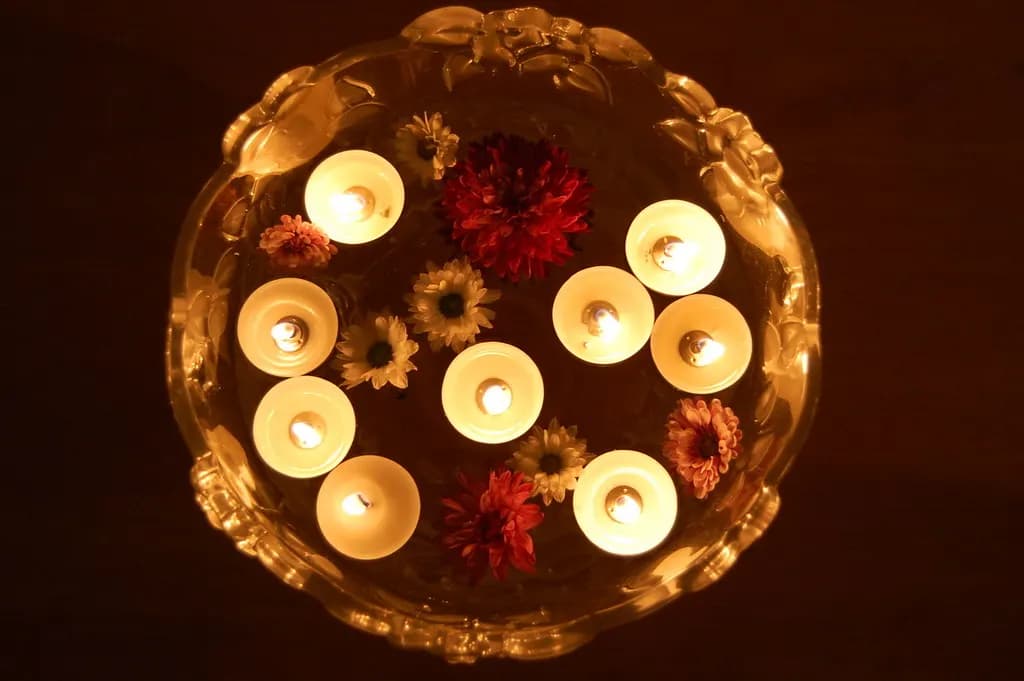
- Tealights and floating candles — small candles in metal or polycarbonate cups, sold in packs of 10–100. Big demand around Diwali and from hotels and spas.
- Scented jar and container candles — soy, paraffin or blended wax in glass jars or tins with fragrance oils. Sold online, in gift shops and as corporate gifts. The highest price per piece and the most competition on design.
- Gel, beeswax and speciality candles — niche, premium lines that need more care in sourcing and testing.
Many small makers combine a steady plain-candle line, which keeps the workshop busy and pays the rent, with a scented range that earns most of the profit. Visit wholesalers in your nearest city market and a few gift shops and cafés before you choose. Note what sells, the pack sizes, the prices paid, and how long they take to pay.
Plan for seasonality. A large share of the year's tealights and decorative candles sell in the four to six weeks before Diwali, and corporate gift orders for scented candles are placed in September and October. That means buying wax, jars and fragrance in July and August, building stock while the workshop is otherwise quiet, and having working capital to carry it. Units that start in October usually miss the season.
Raw materials and wax choices
Wax is the biggest cost. The choice also decides the GST rate on your main input and how you can market the product.
| Material | Use | Typical HSN | GST |
|---|---|---|---|
| Paraffin wax (fully or semi-refined) | Household, pillar, tealight and many jar candles | 2712 | 18% |
| Artificial or prepared waxes (blends, gel wax) | Container and speciality candles | 3404 | 18% |
| Soy or palm wax (hydrogenated vegetable fat) | Scented jar candles marketed as natural | 1516 (check supplier) | 5% |
| Beeswax | Premium and natural candles | 1521 | 5% |
| Cotton or textile wicks | All candles | 5908 | 5% |
| Fragrance oils and perfumery compounds | Scented candles | 3302 | 18% |
| Finished candles | What you sell | 3406 | 5% |
GST rates are from Notification 9/2025-Central Tax (Rate), effective 22 September 2025. Vegetable candle waxes can be billed under either heading 1516 or heading 3404 depending on how they are processed, so check the HSN on your supplier's invoice — it changes your input tax by 13 percentage points.
Other inputs. Colour (dyes or pigments made for wax), stearic acid or vybar to harden paraffin and improve colour, moulds (metal, silicone or polycarbonate), glass jars or tins with lids, labels, boxes and shrink film. Ask fragrance suppliers for the recommended fragrance load and the flash point of each oil; too much fragrance causes sweating, poor burning and smoke.
Wax prices. Paraffin is a petroleum product and its price follows crude oil and refinery supply. As an MSMETOOLS estimate based on B2B listings in 2026, fully refined paraffin slab trades at roughly ₹110–150 a kilogram before GST, soy wax at ₹250–400, and beeswax well above that. Buy in bags or cartons from a distributor, and ask for the grade (melting point) suited to the candle you make — moulded pillars need a harder, higher-melting wax than container candles.
Machines and equipment: what they cost
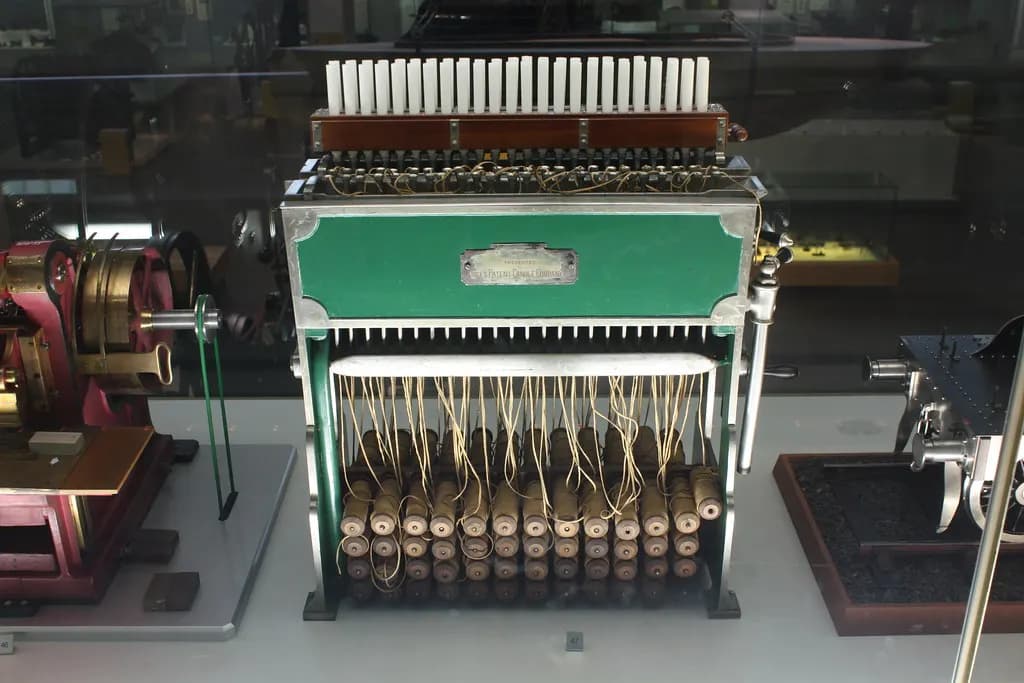
Candle making ranges from a saucepan and a thermometer to automatic moulding lines. The costs below are MSMETOOLS estimates for 2026, based on supplier listings on IndiaMART and other B2B marketplaces in October 2026; listed prices for manual machines were roughly ₹65,000–₹1 lakh, semi-automatic machines ₹22,000–₹1.3 lakh, and one automatic machine about ₹6 lakh. Capacities are quoted inconsistently (pieces per hour, kilograms per hour, pieces per batch), so compare on the candle size you will actually make.
| Equipment | Makes | Estimated cost |
|---|---|---|
| Home kit: double boiler or melting pot, thermometer, pouring jug, scale, moulds, wick holders | Jar, container and simple pillar candles | ₹10,000 – ₹30,000 |
| Manual moulding machine (stick or pillar, 100–600 moulds) | Household and pillar candles | ₹45,000 – ₹1,00,000 |
| Semi-automatic moulding machine with water cooling | Household candles in volume | ₹50,000 – ₹1,50,000 |
| Tealight machine (manual or semi-automatic) | Tealights in cups | ₹85,000 – ₹1,80,000 |
| Thermostatic wax melting tank (electric) | Melting for any line | ₹30,000 – ₹1,00,000 |
| Automatic candle machine | High-volume sticks or tealights | ₹5,00,000 and up |
| Packing table, sealer, shrink tunnel, racks | Finishing | ₹20,000 – ₹75,000 |
Before buying, ask the supplier to demonstrate the machine with your wax and mould size, check the cooling arrangement (most moulding machines use running or chilled water), the power load, spare moulds, and the nearest service technician. A machine that makes 300 candles an hour is only useful if you can sell 300 candles an hour.
Setup cost: home unit vs small workshop
Wax suppliers usually want payment on delivery; shops and distributors pay in 30–60 days, and marketplaces settle a week or two after delivery, minus commission and returns. If you sell to business buyers, your Udyam certificate brings in the MSME rule that they must pay within the agreed period, which cannot exceed 45 days.
Setup cost estimates — home unit vs small workshop
| Item | Home unit (hand-poured jar and pillar) | Small workshop (2–3 moulding machines + scented line) |
|---|---|---|
Equipment and moulds | ₹10,000 – ₹30,000 | ₹1,50,000 – ₹3,50,000 |
Melting tank, electrical work, ventilation | ₹3,000 – ₹10,000 | ₹50,000 – ₹1,50,000 |
Fire extinguishers and safety | ₹2,000 – ₹5,000 | ₹10,000 – ₹30,000 |
First stock: wax, wicks, fragrance, jars, packing | ₹8,000 – ₹20,000 | ₹75,000 – ₹1,50,000 |
Registrations, branding, photos, website or marketplace set-up | ₹2,000 – ₹10,000 | ₹15,000 – ₹50,000 |
Working capital (about two months) | ₹0 – ₹5,000 | ₹50,000 – ₹1,50,000 |
Estimated total | ₹25,000 – ₹80,000 | ₹3,50,000 – ₹8,80,000 |
Equipment and moulds
- Home unit (hand-poured jar and pillar)
₹10,000 – ₹30,000
- Small workshop (2–3 moulding machines + scented line)
₹1,50,000 – ₹3,50,000
Melting tank, electrical work, ventilation
- Home unit (hand-poured jar and pillar)
₹3,000 – ₹10,000
- Small workshop (2–3 moulding machines + scented line)
₹50,000 – ₹1,50,000
Fire extinguishers and safety
- Home unit (hand-poured jar and pillar)
₹2,000 – ₹5,000
- Small workshop (2–3 moulding machines + scented line)
₹10,000 – ₹30,000
First stock: wax, wicks, fragrance, jars, packing
- Home unit (hand-poured jar and pillar)
₹8,000 – ₹20,000
- Small workshop (2–3 moulding machines + scented line)
₹75,000 – ₹1,50,000
Registrations, branding, photos, website or marketplace set-up
- Home unit (hand-poured jar and pillar)
₹2,000 – ₹10,000
- Small workshop (2–3 moulding machines + scented line)
₹15,000 – ₹50,000
Working capital (about two months)
- Home unit (hand-poured jar and pillar)
₹0 – ₹5,000
- Small workshop (2–3 moulding machines + scented line)
₹50,000 – ₹1,50,000
Estimated total
- Home unit (hand-poured jar and pillar)
₹25,000 – ₹80,000
- Small workshop (2–3 moulding machines + scented line)
₹3,50,000 – ₹8,80,000
GST on candles — and the inverted-duty refund
Candles (HSN 3406, "candles, tapers and the like") are in Schedule I of Notification 9/2025-Central Tax (Rate), at 2.5% central tax — 5% in total — from 22 September 2025. Your main input, paraffin wax, sits in Schedule II at 18%, and so do fragrance compounds.
That gap is an inverted duty structure. Section 54(3) of the CGST Act lets a registered person claim a refund of unutilised input tax credit where it has built up because the rate on inputs is higher than the rate on output supplies. The formula counts credit on inputs, not on input services or capital goods, so the GST on your machines and rent is not refunded. File the refund on the GST portal (form RFD-01) every month or quarter, or the blocked credit will tie up your working capital. Makers who use soy wax or beeswax at 5% will build up much less credit.
Registration. The intra-state threshold for goods is ₹40 lakh in most states, but any sale to a buyer in another state needs registration from the first invoice, and so does selling through most e-commerce marketplaces. Most candle makers register early, because business buyers want a GST invoice and you need registration to claim the refund.
Composition? A manufacturer with turnover up to ₹1.5 crore can opt for composition at 1% of turnover. For a candle maker buying paraffin at 18%, it is usually a poor choice: you lose all input tax credit, cannot sell inter-state, and business buyers cannot claim credit on your bills. See the composition scheme guide and check rates with the GST calculator.
Worked example: break-even for a small candle workshop
All figures are our illustrative estimates for a rented 600 sq ft workshop in a tier-2 city with two manual moulding machines, one melting tank and a hand-poured scented line.
Assumptions. The unit sells 2,000 kg of plain household and pillar candles a month to wholesalers at ₹180 a kilogram, and 800 scented jar candles (180 g wax) at ₹220 each to gift shops and online buyers, all before GST. Paraffin costs ₹120 a kilogram; wick, colour, stearic and packing add ₹10 a kilogram for plain candles. A scented jar costs ₹123 to make: wax ₹45, fragrance ₹25, jar and lid ₹35, wick ₹3, label and box ₹15.
| Monthly line | Amount (₹) |
|---|---|
| Sales: plain candles 2,000 kg × ₹180 | 3,60,000 |
| Sales: scented jars 800 × ₹220 | 1,76,000 |
| Materials: plain 2,000 kg × ₹130 | 2,60,000 |
| Materials: jars 800 × ₹123 | 98,400 |
| Contribution | 1,77,600 |
| Rent | 15,000 |
| Three workers | 39,000 |
| Power and water | 8,000 |
| Marketing, samples, marketplace fees | 20,000 |
| Loan EMI (about ₹4 lakh over five years) | 8,000 |
| Sundries | 5,000 |
| Profit before tax | 82,600 |
Plain candles contribute ₹50 a kilogram and scented jars ₹97 a piece. Fixed costs are ₹95,000 a month. If the unit made only plain candles (try it in the break-even calculator), it would need to sell 1,900 kg a month just to break even; the scented line, at less than a third of revenue, earns about 44% of the contribution. That is why most profitable small makers build a design-led scented range rather than chasing volume in plain candles.
The GST side of the same month. Output GST at 5% on ₹5.36 lakh of sales is about ₹26,800. Input GST at 18% on ₹2.4 lakh of paraffin alone is ₹43,200, before counting fragrance. The difference — roughly ₹16,000–₹20,000 a month — sits in your credit ledger until you claim a refund.
What moves profit most. A ₹10 a kilogram rise in paraffin costs ₹20,000 a month on the plain line. Wastage — broken candles, poor pours, unsold festival stock — is the hidden cost: remelt rejects the same day, and plan festival production against firm orders. Raising scented-jar sales from 800 to 1,200 a month adds about ₹39,000 in contribution, usually for little extra fixed cost.
Pricing your candles
Price from cost, then test against the market. For each product, add the cost of wax by weight (including about 5% loss), wick, fragrance, colour, container and packing; then add a share of labour and overheads per piece, and your margin. Wholesale buyers expect a price that leaves them a 30–50% retail margin; marketplaces take commission, shipping and returns, often 25–40% of the selling price in total for small sellers. Check your numbers with the profit margin calculator.
Scented candles sell on design, fragrance and burn quality, not on wax cost. Test every new fragrance and wick size by burning samples for their full life: the candle should form an even melt pool to the edge within two to three hours, without tunnelling, heavy smoke or a flame that flares. Put burn time, net wax weight and safety warnings on the label, and keep a batch record so you can trace any complaint.
Fire safety in a candle workshop
Hot wax is a fire risk. Paraffin catches fire if it is overheated, and a wax fire spreads violently if someone throws water on it. Basic rules for every unit, from a home kitchen to a workshop:
Fire safety basics for wax melting
0/5Whether you need a fire NOC depends on your state's fire service rules, the building's height and the covered area — in Delhi, for example, industrial premises with a covered area of more than 250 sq m need one. Our fire NOC guide explains how the main states apply the rules. Even where no NOC is required, an insurer will expect extinguishers and safe storage before paying a fire claim.
Registrations, approvals and funding
A small candle unit needs no special licence, but expect these: Udyam registration (Free); GST registration for inter-state or online sales and to claim refunds; a local body trade licence or permission for the premises; fire safety arrangements, plus a fire NOC where your state's rules require one; a word with your state pollution control board, since candle making is not a named sector in CPCB's 2025 classification and states treat it differently; labour registrations for staff, with ESIC and EPF once you cross their thresholds; and a trademark application if you are building a scented-candle brand.
Udyam. A candle unit is a manufacturing enterprise. Udyam registration is free and is the gateway to PMEGP processing, priority-sector bank loans and the MSME delayed-payment protection. See our Udyam registration guide.
PMEGP. The Prime Minister's Employment Generation Programme, run by KVIC through banks, funds new manufacturing units up to ₹50 lakh. The margin-money subsidy is 15% of project cost for general-category applicants in urban areas and 25% in rural areas, rising to 25% and 35% for special categories such as SC/ST, OBC, minorities, women, ex-servicemen and persons with disabilities. You contribute 10% of the cost (5% for special categories). For a ₹6 lakh workshop, a woman applicant in a rural area would put in about ₹30,000 and receive margin money of about ₹2.1 lakh. Our PMEGP loan guide covers the online application and EDP training.
Mudra. Mudra loans suit home units and working capital: Shishu up to ₹50,000, Kishore up to ₹5 lakh, Tarun up to ₹10 lakh, all without collateral. A home maker can start with Shishu; a workshop can combine a PMEGP term loan with a cash-credit limit for festival stock. See the Mudra loan guide.
Starting a candle unit — step by step
- 1
Pick your product and buyers
Visit wholesalers, gift shops, cafés and hotels. Note what sells, pack sizes, prices and payment terms. Order competitor samples and burn-test them.
- 2
Develop and test
Make test batches with two or three waxes, wick sizes and fragrance loads. Burn-test every candle to the end and record results.
- 3
Register
Udyam (Free), GST, local trade licence; check fire and pollution requirements for your premises.
- 4
Arrange funding
PMEGP portalPrepare a project report with machine quotes and a break-even, then apply under PMEGP or for a Mudra loan.
- 5
Set up safely
Install a thermostatic melting tank, extinguishers and proper wiring; separate storage from the melting area.
- 6
Sell and claim refunds
Invoice at 5% GST under HSN 3406, build festival stock early, and file inverted-duty refunds regularly.
Mistakes that sink candle businesses
Buying machines before buyers. A moulding machine can make thousands of candles a day; without wholesalers or shops lined up, it makes inventory.
Pricing per piece without weighing wax. Price by wax weight plus loss, container and packing. A copied competitor price list does not survive a rise in paraffin prices.
Skipping burn tests. Tunnelling, smoking and flaring candles bring returns and bad reviews, and a candle that cracks its jar is a safety risk. Test every wick and fragrance combination.
Ignoring the credit ledger. Paying 18% on paraffin and charging 5% on candles locks cash with the government until you file refunds.
Missing the season. Buying festival stock in October means paying peak prices for wax and packaging and missing early buyers. Plan the Diwali season from July.
What to do next
Make and burn-test a dozen samples, then take them to buyers before you spend on machines. Build your numbers in the startup cost calculator and the business plan generator, register on Udyam, and apply under PMEGP or for a Mudra loan. If you are comparing small manufacturing ideas, read our paper bag making business guide, which has a similar inverted-duty structure.
This is general information, not legal or tax advice — confirm on the official source or with a professional.
Frequently asked questions
Our estimate is ₹25,000–₹75,000 for a home set-up making hand-poured jar and pillar candles, and ₹3–8 lakh for a small workshop with two or three manual or semi-automatic moulding machines, a wax melting tank, packing table and stock. A larger automatic line costs more. These figures include first raw materials and working capital; get quotes before you borrow.
Candles, tapers and the like (HSN 3406) carry 5% GST from 22 September 2025 under Notification 9/2025-Central Tax (Rate). Paraffin wax (HSN 2712) carries 18%, so a candle maker who buys paraffin usually builds up unused input tax credit and can claim an inverted-duty refund.
It can be, mainly in scented, decorative and gift candles, where the price per piece is far above the wax cost. Plain household candles are a low-margin commodity. In our worked example, a small workshop selling 2,000 kg of plain candles and 800 scented jars a month earns about ₹82,000 a month before tax. Festival seasons, especially Diwali and Christmas, bring a large share of annual sales.
Yes. Hand-poured jar, container and pillar candles need only a double boiler, a thermometer, moulds, wicks, a scale and a ventilated work area. Keep melting away from open flames, have a dry powder or CO2 extinguisher, check that your housing society or local body allows small-scale manufacturing at home, and register on Udyam for free.
Paraffin wax is the cheapest and easiest to mould, and suits household and pillar candles. Soy and other vegetable waxes are popular for scented jar candles marketed as natural, but they cost more and need care with fragrance load. Beeswax is premium and costly. GST differs: paraffin and artificial waxes are 18%, while beeswax and hydrogenated vegetable fats are 5%.
There is no special candle licence. A small unit needs Udyam registration, GST registration if you cross the threshold or sell online or across states, a local trade licence, and fire safety arrangements — a fire NOC if your state's rules cover your premises. Ask your state pollution control board whether you need consent; candle making is not named in CPCB's 2025 sector list.
Sources & verification
Figures on this page were checked against the sources below when it was last reviewed on 9 October 2026. Each rate and limit is stored once with its own official source and review date, and official update channels are monitored daily so changes are picked up. How we verify
- 1.Notification No. 9/2025-Central Tax (Rate), 17 September 2025 (Gazette of India) — Ministry of Finance (Department of Revenue) · accessed 9 October 2026
- 2.CGST Act, 2017 — section 54 (refund of tax) — CBIC · accessed 9 October 2026
- 3.CGST Act, 2017 — section 10 (composition levy) — CBIC · accessed 9 October 2026
- 4.Classification of Sectors into Red, Orange, Green, White and Blue Categories (January 2025) — Central Pollution Control Board (copy hosted by Pollution Control Board, Assam) · accessed 9 October 2026
- 5.PMEGP e-portal — Khadi and Village Industries Commission · accessed 9 October 2026
- 6.MUDRA — Frequently Asked Questions — Micro Units Development & Refinance Agency · accessed 9 October 2026
- 7.Candle making machine listings — IndiaMART · accessed 9 October 2026
MSMETOOLS is an independent platform and is not affiliated with any government agency, ministry or department.
Tools for this
Break Even Calculator
Find your break even point and units.
Startup Cost Calculator
Estimate how much capital you need to launch.
GST Calculator (India)
Calculate GST for your sales and purchases with current rates.
Profit Margin Calculator
Calculate profit, markup and margin for your products or services.
Related guides
 Paper Bag Making Business 2026: Cost, Machines, GST & ProfitRead guide
 Agarbatti Making Business 2026: Machines, GST & ProfitRead guide
 Masala Business in India 2026: FSSAI, GST, Machines & ProfitRead guide
 Restaurant Business Plan India (2026): Costs, Licences & P&LRead guide
Official links open the government site in a new tab.