 Business registration & legal
Shop and Establishment Registration in Andhra Pradesh (2026): Fees, Auto-Renewal and the 2025 Amendment
Shop and establishment registration in Andhra Pradesh for 2026: yearly fees from ₹30, auto-renewal, the November 2025 amendment's 10-hour day and under-20 relief.
 Edited by Sumeet YadavFounder & editor, MSMETOOLS · fact-checked against official sources
Contents (10)
- 1. What the AP shop act covers
- 2. Who must register, and who is exempt
- 3. AP shop registration fees
- 4. How to apply and renew
- 5. The November 2025 amendment: hours, overtime and rest
- 6. Women at night, leave and holidays
- 7. Worked example: a Vijayawada electronics store
- 8. Penalties and inspections
- 9. Common mistakes and how to fix them
- 10. What to do next
If you run a shop, office, showroom, clinic, coaching centre or restaurant in Vijayawada, Visakhapatnam, Guntur, Tirupati, Nellore or anywhere else in Andhra Pradesh, "shop and establishment registration" means registration under the Andhra Pradesh Shops and Establishments Act, 1988. The Act was amended in late 2025: the working day is longer, overtime is counted by the quarter, women can work at night on conditions, and units with fewer than twenty workers are freed from most of the Act — but not from registration. This guide is for owners, small employers and their accountants. It covers who must register, the official fee table, how to apply and renew, the new hours rules, penalties and a worked example for a Vijayawada store.
Quick answer
Every shop and establishment in Andhra Pradesh that employs people must register within 30 days of starting work under the AP Shops and Establishments Act, 1988. The fee is yearly and depends on headcount, from ₹100 for up to five employees to ₹2,500 above 100. Registration is renewed through auto-renewal on self-certification and online payment.
Units with fewer than 20 workers: most of the Act no longer applies since 3 November 2025, but registration and renewal still do
Shops with no employees at all: exempt from the Act since 2009
From 3 November 2025: up to 10 hours a day, 48 a week, overtime capped at 144 hours in a quarter
Women may work after 8.30 pm and before 6 am with consent, transport and safeguards
What the AP shop act covers
The Andhra Pradesh Shops and Establishments Act, 1988 (Act 20 of 1988) regulates working conditions in shops and in "establishments other than shops" — offices, commercial establishments, hotels and restaurants, theatres and places of entertainment. It is read with the A.P. Shops and Establishments Rules, 1990, which set the forms and fees. Shops and establishments are treated differently on opening hours and weekly closing: the Labour Department's note on the Act says general shops may open from 8.30 am to 8.30 pm and must close on Sundays, while establishments such as hotels and cinemas have longer notified hours and give each employee a weekly holiday instead.
The Act does five main things for a small business. It requires registration and periodic renewal; sets daily and weekly hours, rest intervals and overtime; fixes opening and closing times and a weekly closing day for shops; gives leave and 9 days of national and festival holidays a year under section 31(1); and restricts the employment of children and the night work of women and young people.
Shop registration is a labour-law document. It is separate from the trade licence issued by the Greater Visakhapatnam, Vijayawada and other municipal corporations, and from GST and Udyam registration. Banks and payment gateways usually ask for it when you open a current account.
Who must register, and who is exempt
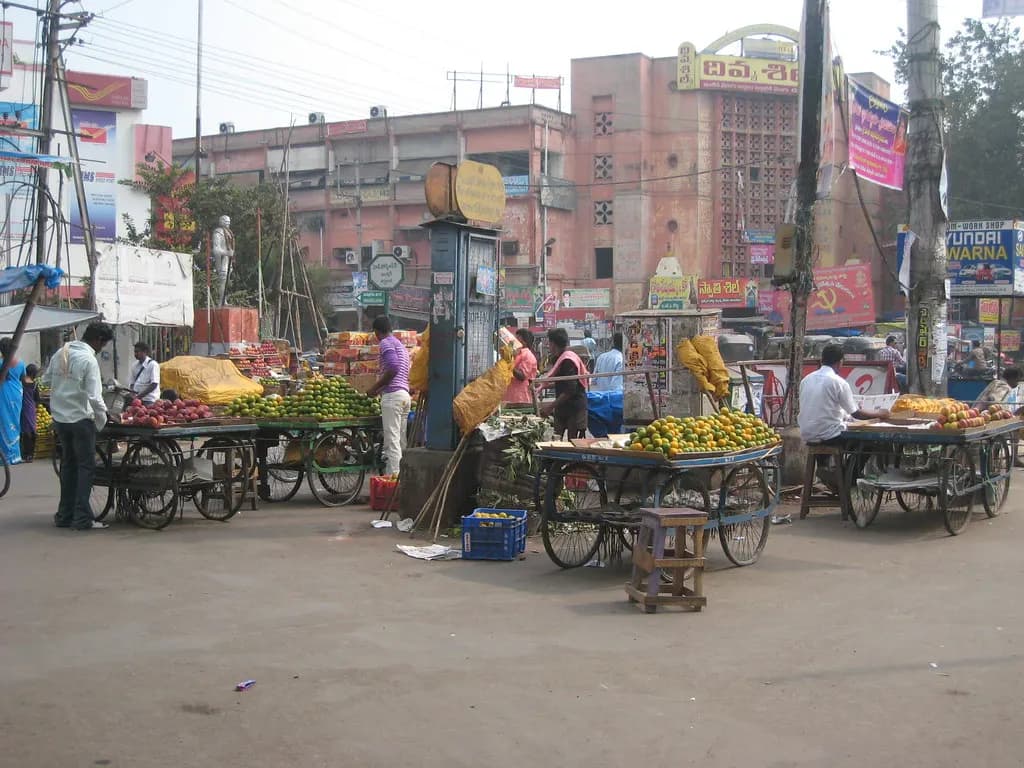
Every employer. Section 3 requires the employer of every shop and establishment covered by the Act to send a statement to the Inspector of the area within 30 days of the date it starts work. That covers a one-salesman kirana store as much as a fifty-person office.
No employees, no Act. By G.O.Ms. No. 11 of 6 February 2009, the Government exempted all shops and establishments in the State that have no employees from every provision of the Act. A shop run only by the owner — without paid staff — is outside it. The Rules' fee table still lists a ₹30 slab for "no persons", which dates from 2003 and is used when an owner registers voluntarily, for instance because a bank asks for a certificate.
The November 2025 relief for units under twenty. The Andhra Pradesh Shops and Establishments (Amendment) Act, 2025 (Act No. 17 of 2025) added section 73(6). It says that nothing in the Act applies to shops and establishments engaging fewer than 20 workers except three groups of provisions: those on registration and renewal; sections 9, 10, 16, 17, 19, 23, 24, 25, 30, 31, 32 and 47, which cover hours, rest intervals, the weekly holiday in establishments, women's night work, children and young persons, leave and national and festival holidays; and anything incidental to them. If headcount reaches twenty or more at any time, the whole Act applies.
The practical effect is worth spelling out. Small units must still register, renew, keep within the hours and leave rules and give the festival holidays. But the sections that are not on the list — including section 7 on opening and closing hours and section 12 on Sunday closing of shops — no longer apply to them on a plain reading of the new section. Confirm with your Assistant Labour Officer before you open a small shop on Sundays on the strength of that reading.
AP shop act at a glance (2026)
30 days
To register after starting work
Form I / integrated Form A
₹100
Yearly fee, up to 5 employees
same on renewal
10 hours
Daily hours limit
48 a week
20
Workers at which the full Act applies
since 3 November 2025
AP shop registration fees
The fees are in Schedule I of the 1990 Rules, as substituted by G.O.Ms. No. 65 of 17 November 2003, in the copy the Labour Department publishes in its Acts and Rules library. The schedule says the statement in Form I, or the renewal application, goes to the Inspector "together with the fees specified in the schedule for a year". The same amount applies to fresh registration and renewal.
Registration and renewal fee per year (Schedule I)
| Persons employed | Fee a year |
|---|---|
None (voluntary registration) | ₹30 |
Up to 5 | ₹100 |
6 to 10 | ₹200 |
11 to 20 | ₹350 |
21 to 50 | ₹1,000 |
51 to 100 | ₹2,000 |
101 and above | ₹2,500 |
None (voluntary registration)
- Fee a year
₹30
Up to 5
- Fee a year
₹100
6 to 10
- Fee a year
₹200
11 to 20
- Fee a year
₹350
21 to 50
- Fee a year
₹1,000
51 to 100
- Fee a year
₹2,000
101 and above
- Fee a year
₹2,500
Schedule II charges ₹60 for a notice of change or a duplicate certificate where the establishment has employees, and half that where it has none. When a notice of change increases your headcount into a higher slab, you also pay the difference in the Schedule I fee.
These are the official figures as published by the department. The portal or Mee-Seva centre calculates the amount when you apply, so check it then; anything an agent charges above that is a service fee.
How to apply and renew
Registration under the Shops Act is one of the registrations covered by the Andhra Pradesh (Issuance of Integrated Registration and Furnishing of Combined Returns under various Labour Laws by certain Establishments) Act, 2015, which lets an employer obtain registrations under several labour laws through a single integrated application. The Labour Department hosts the integrated application forms for fresh registration and renewal in its library.
Registering under the AP Shops and Establishments Act
- 1
Open the Labour Department's online services
Labour Department APUse the Labour Department, Andhra Pradesh portal for establishment registration, or a Mee-Seva centre, and choose registration under the AP Shops and Establishments Act.
- 2
Fill in the integrated application
Name and address of the establishment, nature of business, date of commencement, employer and manager details, and the number of employees by category.
- 3
Upload documents
Identity and PAN of the employer, proof of premises (rent agreement or ownership document), a photograph of the shop and the constitution document of a firm or company.
- 4
Pay the fee
AP Mee-SevaPay the Schedule I fee for your headcount online or through Mee-Seva and keep the receipt.
- 5
Download and display the certificate
Once approved, download the registration certificate and display it at the premises.
Tip: Report changes and closure within 15 days, with the Schedule II fee for a change.
Renewal. Rule 3 lets you renew for one year or up to three years from expiry, at your option, and requires the application at least thirty days before expiry. Late applications attract a penalty of 25% of the fee if filed between 2 December and 31 December, and 50% if filed on or after 1 January. In 2019 the State exempted renewal altogether, but under G.O.Ms. No. 11 of 13 August 2021 it replaced that exemption with auto-renewal: you file a self-certification and pay the prescribed fee online, and the registration renews without an inspection. A Labour Commissioner memo of 22 March 2022 told officers to make sure every establishment uses auto-renewal and pays through Mee-Seva.
Documents to keep ready
- Aadhaar and PAN of the proprietor, partners or directors
- Rent agreement or sale deed, and a recent electricity or property-tax bill
- Photograph of the shop front showing the name board
- Partnership deed, LLP agreement or certificate of incorporation, where relevant
- List of employees with designation, date of joining and wages
- Any trade-specific licence, such as FSSAI for food businesses
The November 2025 amendment: hours, overtime and rest
Act No. 17 of 2025 received the Governor's assent on 15 October 2025, was published on 21 October 2025, and was brought into force from 3 November 2025 by G.O.Ms. No. 23 of the Labour, Factories, Boilers and Insurance Medical Services Department. The statement of objects and reasons links it to a Government of India exercise on reducing compliance burden and to the State's Business Reform Action Plan.
Hours. Sections 9(1) and 16(1) now allow up to 10 hours a day and 48 hours a week in shops and establishments, up from eight hours a day. The weekly limit is unchanged, so a ten-hour day only works across a shorter week or with overtime.
Spread-over and rest. The spread-over, including rest intervals, cannot exceed 12 hours in a day. New sections 10 and 17 require a rest interval of at least thirty minutes before an employee has worked more than 6 hours. A shop employee who is serving a customer when the break begins may be kept for up to fifteen more minutes.
Overtime. The old monthly limits have been replaced: total overtime may not exceed 144 hours in a quarter, a quarter meaning three calendar months. In establishments, no one may work overtime for more than seven days at a stretch. Overtime is paid at twice the ordinary wage under section 37, the same rate as the Code on Wages, which has applied since 21 November 2025.
Working-time rules before and after 3 November 2025
| Rule | Before | From 3 November 2025 |
|---|---|---|
Daily hours | 8 | 10 hours |
Weekly hours | 48 | 48 (unchanged) |
Work before a 30-minute rest | Shorter stretch | 6 hours |
Spread-over | Longer limits with overtime | 12 hours |
Overtime cap | Monthly limits | 144 hours in a quarter |
Women at night | Restricted | Allowed with conditions |
Daily hours
- Before
8
- From 3 November 2025
10 hours
Weekly hours
- Before
48
- From 3 November 2025
48 (unchanged)
Work before a 30-minute rest
- Before
Shorter stretch
- From 3 November 2025
6 hours
Spread-over
- Before
Longer limits with overtime
- From 3 November 2025
12 hours
Overtime cap
- Before
Monthly limits
- From 3 November 2025
144 hours in a quarter
Women at night
- Before
Restricted
- From 3 November 2025
Allowed with conditions
Women at night, leave and holidays
Women at night. The substituted section 23 allows women to work in any establishment before 6 am and after 8.30 pm if six conditions are met: the woman consents; maternity-benefit provisions are not breached; adequate transport picks her up from and drops her at her residence; toilets, washrooms and drinking water are provided, with well-lit passages and entry and exit; the working conditions are safe, secure and healthy; and the POSH Act is complied with. The relaxation does not apply for sixteen weeks around childbirth, at least eight of them before the expected date, or longer if a medical certificate requires it.
Before rostering women after 8.30 pm (section 23 as amended)
0/7Leave. Published texts of section 30 give an employee 15 days of earned leave after working 240 days in a year, with accumulation allowed, plus sick leave and casual leave of 12 days each. Leave sections 30 to 32 apply even to units with fewer than twenty workers.
National and festival holidays. Section 31(1) gives every employee 9 days of paid national and festival holidays a year. If you need someone to work on one, pay as the Act and the Andhra Pradesh holiday rules require and give a substitute day.
Worked example: a Vijayawada electronics store
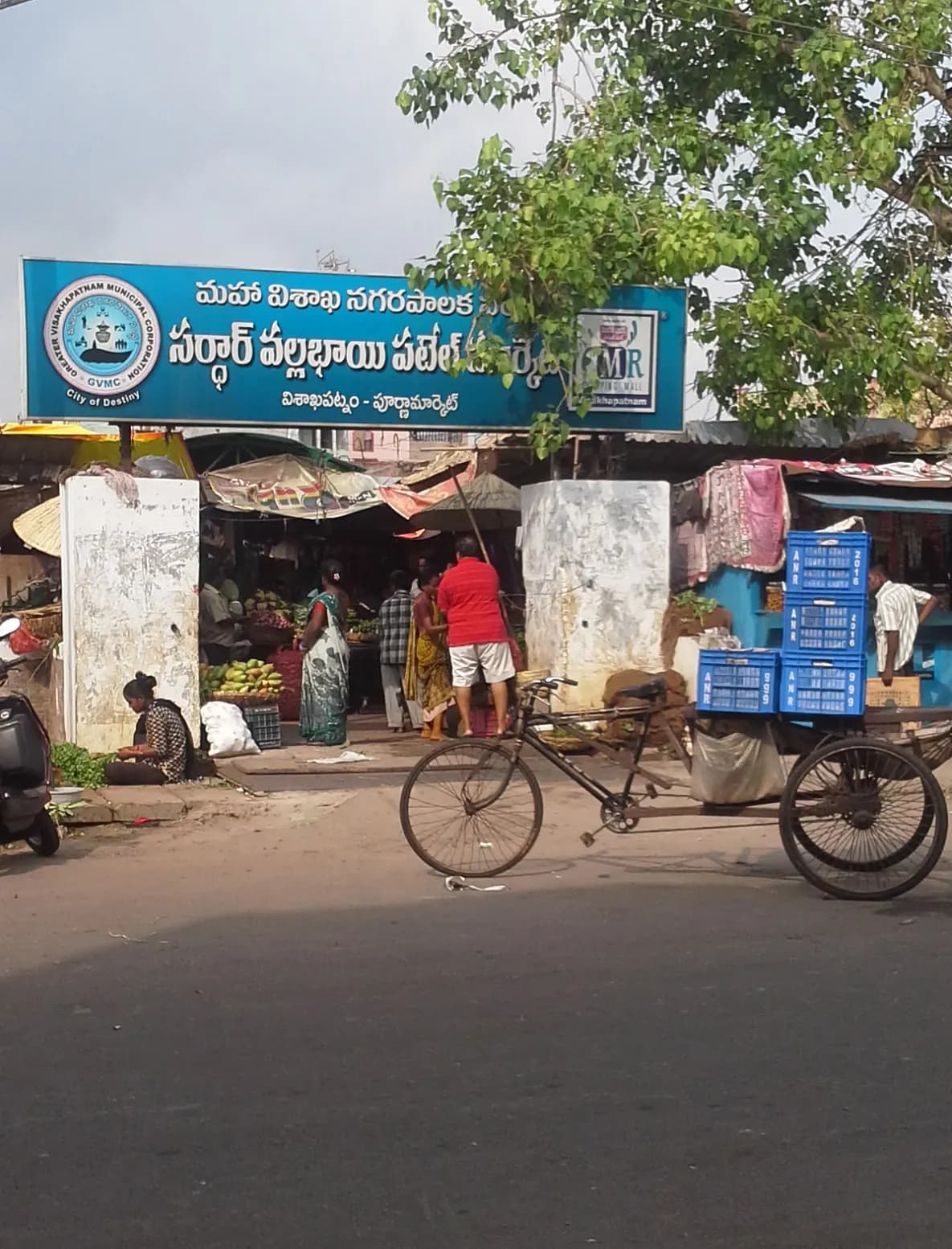
Sri Lakshmi Electronics opens on M.G. Road, Vijayawada on 1 November with seven salesmen, a billing clerk and a security guard, nine people in all.
Registration. Nine is fewer than twenty, so most of the Act does not apply — but registration does. The owner applies within 30 days, by 1 December, and pays the ₹200 yearly fee for six to ten persons. Each year she renews by self-certification and online payment before the certificate expires, avoiding the 25% or 50% late penalty.
Hours and overtime. In the Sankranti rush a salesman works 54 hours in one week. Taking the Zone I minimum wage for a shop salesman of ₹13,691.20 a month (26 days, an eight-hour day), his ordinary rate is about ₹66 an hour. The six hours above 48 are overtime at twice the rate, about ₹132 an hour, or roughly ₹790 for the week, and they count towards the 144 hours in a quarter cap. Use real wages, which are usually higher; see our Andhra Pradesh minimum wages page.
Growth. In the second year she opens a service centre and headcount reaches twenty-two. From that day the full Act applies, including opening hours and the weekly closing rules, and her fee slab moves to ₹1,000. She files a notice of change with the ₹60 fee plus the slab difference.
| Sri Lakshmi Electronics | Year 1 | Year 2 |
|---|---|---|
| Headcount | 9 | 22 |
| Yearly fee slab | ₹200 | ₹1,000 |
| Full Act applies? | No — registration, hours, leave, holidays only | Yes |
| Other duties | Professional tax, GST | Plus ESIC, EPF at 20, POSH committee |
Other compliance. With ten or more employees she registers for ESIC, forms an Internal Committee under the POSH Act at 10 or more workers, and at 20 or more employees registers for EPF. She also enrols for professional tax in Andhra Pradesh.
Penalties and inspections
Section 47 and the penalty sections of the 1988 Act, as summarised in published commentaries, punish most breaches — including running without registration — with a modest fine for a first offence, higher fines for a second, and the possibility of short imprisonment and larger fines for third and later offences, with a daily fine for a continuing failure to hold a registration certificate. The amounts are small by current standards; the bigger exposure is under the Labour Codes, where wage, overtime and social-security breaches attract much larger penalties.
Inspections usually start from the registration certificate, then move to the attendance and wage registers, overtime records and leave. Units with fewer than twenty workers face a shorter checklist since November 2025, but the hours, leave and holiday sections are on it.
Common mistakes and how to fix them
Reading the under-20 exemption as a registration exemption. It is not. Fix: register and renew even if you have only one employee.
Letting renewal lapse. Late renewal costs 25% or 50% extra. Fix: diarise the expiry date and renew by self-certification at least thirty days before.
Paying the wrong slab. The fee depends on persons employed. Fix: count everyone, and file a notice of change when headcount moves into a higher slab.
Rostering ten-hour days six days a week. The weekly limit is still 48 hours. Fix: plan ten-hour days within a shorter week, or record and pay the extra as overtime within the quarterly cap.
Night shifts without the safeguards. Women may now work after 8.30 pm only if every condition in section 23 is met. Fix: put consent, transport and POSH arrangements in writing before the first night shift.
Assuming the Labour Codes replaced the Shops Act. The Codes have applied since 21 November 2025, but the State Act continues alongside them. Follow both, and our Labour Codes guide explains the overlap.
Official links
- Labour Department, Andhra PradeshOnline services and Acts and Rules library
- A.P. Shops and Establishments Rules, 1990 (PDF)Schedule I fees, renewal rules
- Departmental note on the Act (PDF)Hours, holidays, 2009 exemption
- Amendment Bill 2025 (PDF, PRS)Text enacted as Act 17 of 2025
- AP e-GazetteOfficial notifications
- AP Mee-SevaFee payment
What to do next
Count everyone who works for you. With no employees, you are outside the Act; with even one, register within 30 days and pay the Schedule I fee for your slab, then set a reminder to auto-renew. Put a rest-interval and overtime register in place for the ten-hour day, and check pay against the Andhra Pradesh minimum wages. Our salary slip generator itemises overtime and the hourly rate calculator works out the double rate. If you also have a branch in Hyderabad, see the Telangana shop act guide.
This is general information, not legal or tax advice — confirm on the official source or with a professional.
Frequently asked questions
Yes, for any shop or establishment that employs people. Register within 30 days of starting work. The 2025 amendment exempts units with fewer than 20 workers from most of the Act, but expressly keeps registration and renewal. A shop run only by the owner, with no employees, was exempted from the Act by G.O.Ms. No. 11 of 6 February 2009.
Schedule I of the AP Shops and Establishments Rules, 1990 sets a yearly fee by headcount: ₹30 with no employees, ₹100 up to five, ₹200 for six to ten, ₹350 for eleven to twenty, ₹1,000 for 21 to 50, ₹2,000 for 51 to 100 and ₹2,500 above that. The same fee applies on renewal.
Through auto-renewal. Since 2021–22 the Labour Department renews a registration automatically when the employer files a self-certification and pays the prescribed fee online, including through Mee-Seva. The rules let you renew for one year or up to three years, and charge 25% or 50% extra if you apply late.
Since 3 November 2025, an employee may work up to 10 hours a day and 48 hours a week, with a 30-minute break after no more than 6 hours. The spread-over, including rest, is capped at 12 hours, and overtime at 144 hours in a quarter.
Yes, since November 2025. The amended section 23 allows women to work before 6 am and after 8.30 pm if they consent, transport home is provided, toilets, washrooms and drinking water are available along well-lit passages, the workplace is safe, and the POSH Act is followed. It is not allowed in the 16 weeks around childbirth.
Two groups benefit. Shops with no employees at all have been exempt from the whole Act since 2009. Shops and establishments engaging fewer than 20 workers are exempt from most of it since 3 November 2025, but must still register and renew and follow the sections on hours, rest, women's night work, leave and festival holidays.
Sources & verification
Figures on this page were checked against the sources below when it was last reviewed on 13 October 2026. Each rate and limit is stored once with its own official source and review date, and official update channels are monitored daily so changes are picked up. How we verify
- 1.Andhra Pradesh Gazette Part IV-A Extraordinary No. 11, 19 September 2025 — L.A. Bill No. 11 of 2025 (AP Shops and Establishments (Amendment) Bill, 2025) — Andhra Pradesh Legislative Assembly (gazette copy via PRS Legislative Research) · accessed 13 October 2026
- 2.G.O.Ms.No.23, LFB&IMS (Lab.II) Department, 3 November 2025, with AP Act No. 17 of 2025 (Gazette Part IV-B, 21 October 2025) — Government of Andhra Pradesh (copy via Comply360) · accessed 13 October 2026
- 3.A.P. Shops and Establishments Rules, 1990 (with Schedule I as substituted by G.O.Ms.No.65 of 17 November 2003) — Labour Department, Government of Andhra Pradesh (Acts and Rules library) · accessed 13 October 2026
- 4.A.P. Shops and Establishments Act, 1988 and Rules — departmental note — Labour Department, Government of Andhra Pradesh · accessed 13 October 2026
- 5.Labour Department, Andhra Pradesh — Acts and Rules library — Labour Department, Government of Andhra Pradesh · accessed 13 October 2026
- 6.Andhra Pradesh e-Gazette — Commissioner of Printing, Government of Andhra Pradesh · accessed 13 October 2026
- 7.AP Mee-Seva — Government of Andhra Pradesh · accessed 13 October 2026
- 8.Andhra Pradesh Shops & Establishments: notification for auto-renewal of registrations after self-certification and online fee payment (memo of 22 March 2022) — Karma Management (reproducing the Special Commissioner of Labour's memo) · accessed 13 October 2026
- 9.Andhra Pradesh Shops and Establishment Act, 1988 — overview — iPleaders · accessed 13 October 2026
MSMETOOLS is an independent platform and is not affiliated with any government agency, ministry or department.
Tools for this
Salary Slip Generator
Create professional salary slips in seconds.
Freelance Hourly Rate Calculator
Work out the hourly rate you need to charge.
Related guides
 Shop and Establishment Registration Telangana 2026: FeesRead guide
 Shop and Establishment Registration Karnataka 2026: FeesRead guide
 Shop Act License MP 2026: Gumasta Registration & FeesRead guide
 Trade License Andhra Pradesh 2026: CDMA, D&O & RenewalRead guide
Official links open the government site in a new tab.