 Sales tax
Sales Tax Holidays 2026: Every State's Dates, Price Limits and Retailer Rules
Sales tax holidays 2026: every state's tax-free weekend dates, items and per-item limits, the holidays still to come, and how retailers apply the rules.
 Edited by Sumeet YadavFounder & editor, MSMETOOLS · fact-checked against official sources
Contents (9)
- 1. What a sales tax holiday is
- 2. Sales tax holidays in 2026: state by state
- 3. Holidays still to come in 2026
- 4. Permanent exemptions are replacing some holidays
- 5. How the rules work: what qualifies and what doesn't
- 6. Worked examples for shoppers
- 7. How retailers handle sales tax holidays
- 8. Common mistakes
- 9. What to do next
A sales tax holiday is a short window, usually a weekend, when a state drops sales tax on a list of items such as clothing, school supplies, computers, hurricane supplies or hunting gear. For shoppers it's a chance to save 5% to 10% on planned purchases. For retailers and online sellers, it's a compliance job: the right items have to ring up tax-free, at the right price points, for exactly the right hours. This guide lists every state holiday in 2026 with dates and limits, flags the ones still to come, explains the rules that trip people up, and shows how retailers handle holidays at the till and on the return. Dates were checked against state revenue departments and the Federation of Tax Administrators in October 2026.
Quick answer
About 20 states held sales tax holidays in 2026, most of them back-to-school weekends in July and August. Limits apply per item, usually around $100 for clothing. As of October 2026, the main holiday still running is Florida's hunting, fishing and camping holiday to December 31.
Busiest weekend: August 7–9, with Missouri, Ohio, Oklahoma, South Carolina, Texas and Virginia
Connecticut's limit jumped to less than $300 for August 16–22, 2026
Alabama's limits are now indexed to inflation: clothing up to $156
Still to come: Nevada (Oct 30–Nov 1) and New Mexico Small Business Saturday (Nov 28)
What a sales tax holiday is
A sales tax holiday is a temporary exemption written into state law. For a set period, sales of defined items below a set price are exempt from state sales tax, and usually from local tax too. Outside that window, the same items are taxed as normal.
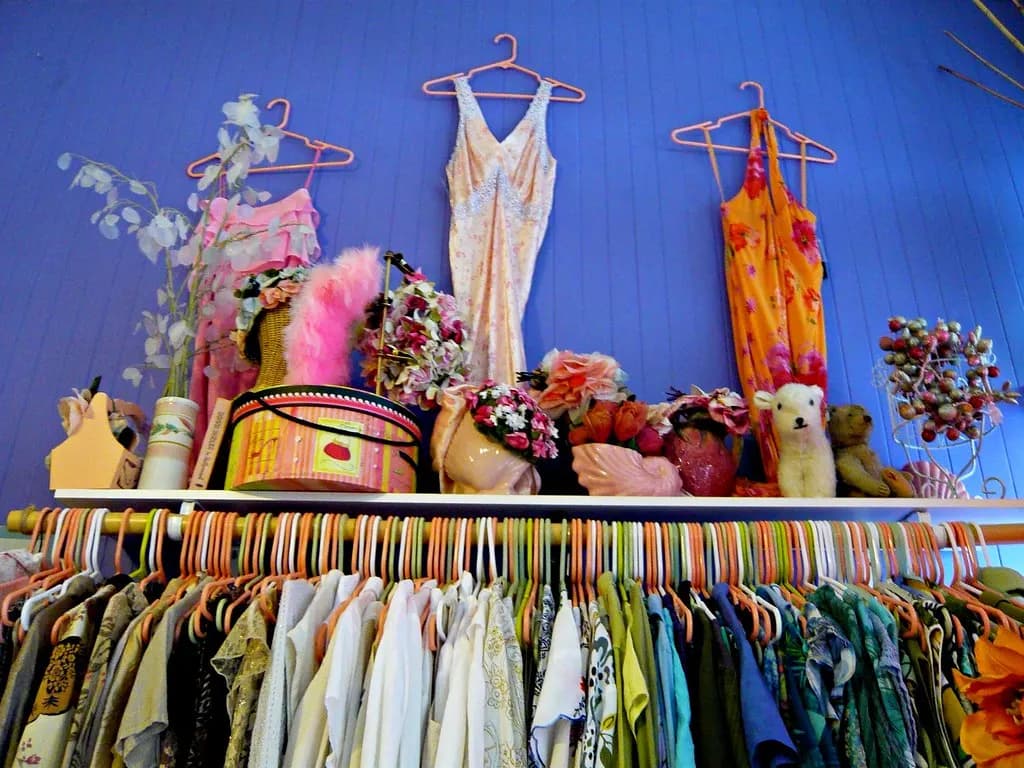
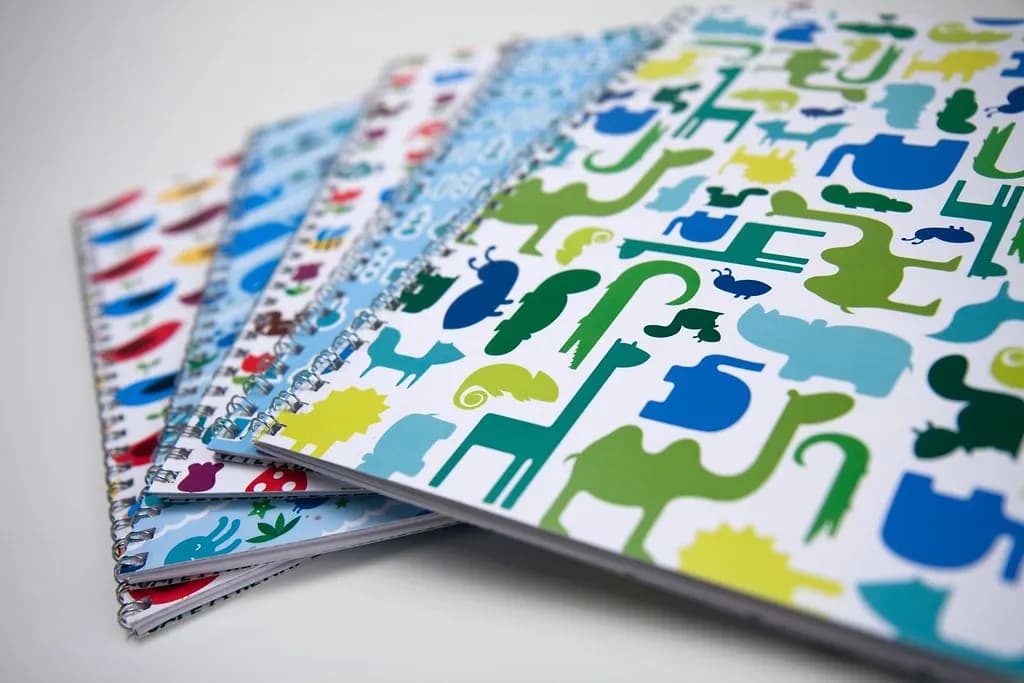
Most holidays fall into four types. Back-to-school holidays, the most common, cover clothing, footwear, school supplies and sometimes computers. Emergency or severe weather holidays cover generators, batteries, flashlights and similar supplies. Energy-efficiency holidays cover ENERGY STAR and WaterSense appliances. Second Amendment or hunting holidays cover firearms, ammunition and outdoor gear. Massachusetts runs a broad holiday covering most retail items up to $2,500.
Holidays are set by each state's legislature, not by a national calendar. Some states fix the dates in law, such as "the first Friday in August through the following Sunday", so they recur automatically. Others have to be authorised each year, which is why states sometimes skip a year or add a new one. Illinois held its first back-to-school holiday in years in 2026, for example.
Sales tax holidays in 2026: state by state
The table lists the 2026 back-to-school and general holidays. Per-item limits are for clothing unless stated. Most states exempt local tax as well as state tax; Illinois cut only the state rate, and in Alabama local governments choose whether to join.
Back-to-school and general sales tax holidays, 2026
| State | 2026 dates | Main items | Per-item limit |
|---|---|---|---|
Alabama | July 17–19, 2026 | Clothing, computers, school supplies, books | Clothing $156; computers $1,173 |
Arkansas | August 1–2, 2026 | Clothing, accessories, school supplies, student electronics | Clothing under $100; accessories under $50 |
Connecticut | August 16–22, 2026 | Clothing and footwear | less than $300 |
Florida | July 20 – August 20, 2026 | Clothing, school supplies, computers | Clothing $100; computers $1,500 |
Illinois | August 7–16, 2026 | Clothing, shoes, school supplies | Under $125; state rate cut to 1.25% |
Iowa | August 7–8, 2026 | Clothing and footwear | Under $100 |
Maryland | August 9–15, 2026 | Clothing, footwear, backpacks | $100 or less; first $40 of a backpack |
Massachusetts | Saturday, August 8 and Sunday, August 9, 2026 | Most retail items for personal use | $2,500 |
Mississippi | July 10–12, 2026 | Clothing, footwear, school supplies | Under $100 |
Missouri | August 7–9, 2026 | Clothing, supplies, computers, software | Clothing $100; computers $1,500 |
New Mexico | July 31 – August 2, 2026 | Clothing, computers, school supplies | Clothing under $100; computers $1,000 |
Ohio | August 7–9, 2026 | Clothing, school supplies | Clothing $75; supplies $20 |
Oklahoma | August 7–9, 2026 | Clothing and footwear | Under $100 |
South Carolina | August 7–9, 2026 | Clothing, footwear, supplies, computers, bed and bath | No price limit |
Tennessee | July 31 – August 2, 2026 | Clothing, school supplies, computers | $100; computers $1,500 |
Texas | August 7–9, 2026 | Clothing, footwear, school supplies, backpacks | less than $100 |
Virginia | August 7–9, 2026 | Supplies, clothing, emergency and energy items | Clothing $100 or less; supplies $20 or less |
West Virginia | July 31 – August 3, 2026 | Clothing, supplies, laptops, sports equipment | Clothing $125; computers $500 |
Alabama
- 2026 dates
July 17–19, 2026
- Main items
Clothing, computers, school supplies, books
- Per-item limit
Clothing $156; computers $1,173
Arkansas
- 2026 dates
August 1–2, 2026
- Main items
Clothing, accessories, school supplies, student electronics
- Per-item limit
Clothing under $100; accessories under $50
Connecticut
- 2026 dates
August 16–22, 2026
- Main items
Clothing and footwear
- Per-item limit
less than $300
Florida
- 2026 dates
July 20 – August 20, 2026
- Main items
Clothing, school supplies, computers
- Per-item limit
Clothing $100; computers $1,500
Illinois
- 2026 dates
August 7–16, 2026
- Main items
Clothing, shoes, school supplies
- Per-item limit
Under $125; state rate cut to 1.25%
Iowa
- 2026 dates
August 7–8, 2026
- Main items
Clothing and footwear
- Per-item limit
Under $100
Maryland
- 2026 dates
August 9–15, 2026
- Main items
Clothing, footwear, backpacks
- Per-item limit
$100 or less; first $40 of a backpack
Massachusetts
- 2026 dates
Saturday, August 8 and Sunday, August 9, 2026
- Main items
Most retail items for personal use
- Per-item limit
$2,500
Mississippi
- 2026 dates
July 10–12, 2026
- Main items
Clothing, footwear, school supplies
- Per-item limit
Under $100
Missouri
- 2026 dates
August 7–9, 2026
- Main items
Clothing, supplies, computers, software
- Per-item limit
Clothing $100; computers $1,500
New Mexico
- 2026 dates
July 31 – August 2, 2026
- Main items
Clothing, computers, school supplies
- Per-item limit
Clothing under $100; computers $1,000
Ohio
- 2026 dates
August 7–9, 2026
- Main items
Clothing, school supplies
- Per-item limit
Clothing $75; supplies $20
Oklahoma
- 2026 dates
August 7–9, 2026
- Main items
Clothing and footwear
- Per-item limit
Under $100
South Carolina
- 2026 dates
August 7–9, 2026
- Main items
Clothing, footwear, supplies, computers, bed and bath
- Per-item limit
No price limit
Tennessee
- 2026 dates
July 31 – August 2, 2026
- Main items
Clothing, school supplies, computers
- Per-item limit
$100; computers $1,500
Texas
- 2026 dates
August 7–9, 2026
- Main items
Clothing, footwear, school supplies, backpacks
- Per-item limit
less than $100
Virginia
- 2026 dates
August 7–9, 2026
- Main items
Supplies, clothing, emergency and energy items
- Per-item limit
Clothing $100 or less; supplies $20 or less
West Virginia
- 2026 dates
July 31 – August 3, 2026
- Main items
Clothing, supplies, laptops, sports equipment
- Per-item limit
Clothing $125; computers $500
Three changes stand out this year. Connecticut raised its Sales Tax Free Week limit from $100 to less than $300 per item and, according to state legislators, added backpacks and cleated shoes. Alabama raised its back-to-school limits sharply and indexed them to inflation: clothing up to $156 per item (previously $100), computers up to $1,173 (previously $750), and school supplies up to $78. Florida moved its month-long back-to-school holiday earlier, to July 20 – August 20, 2026, under its 2026 tax package.
Other 2026 holidays
Beyond back-to-school, several states held targeted holidays:
- Alabama: severe weather preparedness, February 20–22.
- Maryland: Shop Maryland Energy weekend for ENERGY STAR products, February 14–16.
- Texas: emergency preparation supplies, April 25–27; ENERGY STAR and water-efficient products over Memorial Day weekend, May 23–25.
- Missouri: Show Me Green, for ENERGY STAR appliances up to $1,500, April 19–25.
- Mississippi: Second Amendment weekend, August 28–30.
- Louisiana: Second Amendment Weekend, September 4–6, 2026, covering firearms, ammunition and hunting supplies for individual (not business) purchases.
- Florida: Hunting, Fishing and Camping holiday, September 1 – December 31, 2026.
- Virginia: emergency and energy items are folded into its August holiday, with portable generators up to $1,000 or less and ENERGY STAR or WaterSense products up to $2,500 or less.
Holidays still to come in 2026
By mid-October most holidays are over, but three remain on the calendar.
Florida's Hunting, Fishing and Camping holiday runs until December 31. It exempts listed hunting, fishing and camping gear, each category with its own price cap. Our Florida sales tax guide has the detail.
Nevada's National Guard exemption, tied to Nevada Day, runs October 30 to November 1. It isn't open to everyone: it applies only to purchases by qualifying members of the Nevada National Guard and certain relatives.
New Mexico's Small Business Saturday holiday falls on November 28. Qualifying small retailers can deduct gross receipts tax on items under $500, excluding gift cards. As with New Mexico's August holiday, participation is up to the business.
Looking ahead to 2027, the fixed-date holidays will recur on the same pattern. Texas has already published its next back-to-school dates, August 6–8, 2027. Most first-Friday-in-August states will hold theirs on August 6–8, 2027, subject to any law changes.
Remaining 2026 holidays and the next ones
Until December 31
Florida Hunting, Fishing and Camping holiday
October 30 – November 1
Nevada National Guard (Nevada Day) exemption
November 28
New Mexico Small Business Saturday (items under $500)
August 6–8, 2027
Texas back-to-school holiday, already scheduled
Permanent exemptions are replacing some holidays
A trend worth knowing: some states are turning holidays into permanent, year-round exemptions.
Florida made disaster preparedness supplies such as small generators, batteries and flashlights permanently exempt from August 1, 2025, so there is no longer a hurricane holiday. Connecticut went further in its 2026 budget: from July 1, 2026, nonelectronic school supplies are exempt all year, which the governor's office estimates saves families about $6 million a year. Its August week now concentrates on clothing and footwear. Alabama effectively made its holiday limits self-updating by indexing them to the Consumer Price Index.
Other states have gone the other way. New Jersey has no current holiday, and Georgia has a statutory energy holiday that has never been funded. California, New York, Arizona and Colorado don't hold sales tax holidays at all.
For retailers, a permanent exemption is easier than a holiday. You change the item's tax code once rather than switching it on and off for a weekend.
How the rules work: what qualifies and what doesn't
Holiday rules look simple but have a common set of details that decide whether an item is tax-free.
The limit is per item. Each qualifying article is tested on its own price, not the basket total. Five $80 shirts in a $100-limit state are all exempt; one $105 jacket is fully taxable. In most states you can't exempt the first $100 of a more expensive item. Maryland's backpack rule is the main exception, exempting the first first $40 of any backpack or bookbag.
Items sold as a set can't be split. A pair of shoes is one item, and so is a suit sold as a unit. Items normally sold separately can each qualify, even if bought together.
Discounts count; manufacturer's coupons and rebates don't. A store discount or store coupon reduces the price used for the test, because the retailer isn't reimbursed. A manufacturer's coupon or mail-in rebate doesn't, because the full price is still paid by someone. Connecticut, Iowa and Ohio say so explicitly.
| Item at a $100-limit holiday | Price used for the test | Tax-free? |
|---|---|---|
| $110 jacket, $15 store coupon | $95 | Yes |
| $110 jacket, $15 manufacturer's rebate | $110 | No |
| Five $80 shirts on one receipt | $80 each | Yes, all five |
| $95 shirt plus $10 delivery (Texas) | $105 | No |
Shipping can push an item over the limit. In Texas, delivery and handling charges are part of the sales price, so a $95 shirt with $10 shipping is a $105 item and taxable. Connecticut treats shipping on a qualifying item as exempt too.
Online and phone orders usually qualify if the order is placed and paid for during the holiday, even when delivery comes later. Texas also exempts layaway payments made during the holiday on items under the limit.
Excluded categories. Accessories such as jewelry, handbags, wallets and watches are usually excluded from clothing holidays, as is athletic or protective gear in many states. Rentals are excluded, and business purchases are excluded in most states, including Ohio, Massachusetts and Louisiana's Second Amendment Weekend.
Local tax. In most states the holiday covers local tax too. Alabama's localities opt in or out each year by resolution, and the Department of Revenue publishes the list. Illinois's 2026 holiday reduced only the state portion of the rate on qualifying items, from 6.25% to 1.25%, while local taxes still applied.
Sales tax holidays in 2026
~20
States with at least one holiday
FTA list
Aug 7–9
Busiest weekend
MO, OH, OK, SC, TX, VA
less than $300
Highest clothing limit
Connecticut
$2,500
Massachusetts single-item cap
most retail goods
Worked examples for shoppers
A Virginia family, August 7–9. They buy four pairs of jeans at $45, sneakers at $85, a $130 winter coat, ten notebooks at $3, a $25 calculator and a $700 portable generator. The jeans, sneakers and notebooks are under the limits and exempt. The coat is over $100 or less, so it's taxed in full. The calculator is over the school supply limit of $20 or less, so it's taxable. The generator is under $1,000 or less and exempt. Total exempt purchases: $180 + $85 + $30 + $700 = $995, a saving of roughly $53 to $70 depending on the local rate.
A Connecticut shopper, August 16–22. A $280 wool coat is under less than $300, so it qualifies this year when it wouldn't have under the old $100 limit. At Connecticut's 6.35% rate, that saves $17.78. A $310 coat is taxed in full, even with a $20 manufacturer's rebate.
A Massachusetts couple, August 8–9. They buy a $1,900 sofa, a $650 laptop and a $2,700 refrigerator. The sofa and laptop are under $2,500 and exempt, saving $(1,900 + 650) × 6.25% = $159.38. The refrigerator is over the cap, so the full 6.25% applies to all $2,700, not just the part above $2,500. Timing a big purchase like that for the holiday only pays if each item stays under the single-item limit.
Is it worth waiting for a holiday? For planned purchases, yes: a family spending $600 on back-to-school clothing saves $36 to $60 depending on the state and local rate. But holiday weekends are busy, stock runs low, and retailers don't always run their best discounts on the same days, so compare the final price, not just the tax.
A Maryland parent, August 9–15. A $60 backpack is taxed only on the $20 above the first first $40: 6% × $20 = $1.20 instead of $3.60. A $95 pair of boots is exempt.
How retailers handle sales tax holidays
For retailers, the holiday is a short, high-volume event where mistakes are visible to customers. Here's how to prepare.
Retailer checklist for a sales tax holiday
- 1
Read the state's guidance early
States publish item lists, FAQs and retailer instructions weeks ahead. Check for changes to limits or categories, as Connecticut and Alabama made this year.
- 2
Map your products
Tag each SKU with the holiday category (clothing, school supplies, computers) and check exclusions such as accessories and athletic gear.
- 3
Configure the point of sale
Set the exemption to start and stop at the exact times, apply the per-item limit after store discounts, and keep tax on items over the limit.
- 4
Check local participation
In Alabama, confirm whether your city and county opted in. In Illinois, only the state portion dropped.
- 5
Train staff on edge cases
Coupons vs rebates, items sold as sets, exchanges, rain checks and layaway all come up on the day.
- 6
Report holiday sales correctly
Most states want holiday sales included in gross sales and deducted as exempt sales on the return.
Participation is usually mandatory. In most states a retailer can't charge tax on qualifying items during the holiday. Arkansas, Alabama and Iowa, among others, require all retailers to take part. New Mexico is the exception. Retailers there choose whether to participate, and those that don't must pay gross receipts tax on otherwise eligible sales and may pass it on to customers. Missouri lets retailers whose qualifying items are less than 2% of merchandise opt out, as long as they give refunds of the tax.
Online sellers follow the destination state's holiday. A remote seller registered in Texas must honour the Texas holiday on orders delivered to Texas, even if it's based in a state with no holiday. That's another reason to keep your product tax codes accurate: marketplaces and tax software apply holidays automatically, but only to items categorised correctly.
Returns and exchanges. If a customer returns an item bought tax-free during the holiday, refund the price without tax. Exchanges after the holiday, and returns of items bought before it and rebought during it, follow each state's FAQ, so check the rules in the states where you sell before the weekend.
Rain checks and layaway. These also follow each state's rule. Texas, for example, exempts items placed on layaway, and final layaway payments made, during the holiday when each item is under the limit. Don't assume a rain check issued during the holiday carries the exemption to a later sale.
Reporting on the return. Ohio, for example, asks retailers to report holiday sales as gross sales on line 1 of the UST-1 and deduct them as exempt on line 2. Keep the till reports from the holiday period with your records; auditors look at holiday weekends because the exempt sales spike.
Worked example: a Texas online retailer
A Houston store sells clothing in store and online. During the August 7–9 holiday it rings up:
- A $79 dress in store: exempt, under the less than $100 limit.
- A $92 pair of shoes shipped with $9 delivery: total sales price $101, so taxable at the combined rate, $101 × 8.25% = $8.33.
- A $120 coat with a $25 store discount: sales price $95, exempt.
- A $45 leather handbag: taxable, because handbags are accessories, $45 × 8.25% = $3.71.
On its August return, the store reports all sales in total sales and claims the exempt holiday sales as exempt, keeping the itemised register report for the three days. Our Texas sales tax guide covers rates and filing.
Common mistakes
Testing the limit on the whole receipt. It's always per item.
Charging tax after a store coupon brings an item under the limit. Store discounts count; manufacturer's coupons don't.
Forgetting shipping. In Texas, a delivery charge can push an item over the limit.
Using last year's limits. Connecticut, Alabama and Florida all changed their rules for 2026.
Missing local opt-ins. In Alabama, the state tax is always suspended, but some local taxes may still apply.
Exempting business purchases. Most holidays are for personal use only.
Before each holiday weekend
0/7Official links
What to do next
Shoppers: put the remaining 2026 dates in your calendar and check your state's item list before you buy. Retailers: diary next year's holidays now, tag your products, and test your checkout before the weekend. For the arithmetic on any taxable item, use the sales tax calculator or our guide to how to calculate sales tax, and see the state guides for Ohio, Tennessee, Massachusetts and Iowa for their holiday rules in full.
This is general information, not legal or tax advice — confirm on the official source or with a professional.
Frequently asked questions
About 20 states held at least one holiday in 2026: Alabama, Arkansas, Connecticut, Florida, Illinois, Iowa, Louisiana, Maryland, Massachusetts, Mississippi, Missouri, Nevada, New Mexico, Ohio, Oklahoma, South Carolina, Tennessee, Texas, Virginia and West Virginia. Most are back-to-school weekends in July or August. Florida, Louisiana, Mississippi and Texas also hold hunting, emergency or energy holidays.
As of October 2026, Florida's Hunting, Fishing and Camping holiday runs until December 31 (September 1 – December 31, 2026). Nevada's exemption for National Guard members and their families runs October 30 to November 1, and New Mexico's Small Business Saturday holiday falls on November 28 for qualifying items under $500 from small retailers.
Yes in most states. Orders placed and paid for during the holiday qualify even if they are delivered later, as long as the item meets the price limit. Texas and Connecticut also count delivery charges when deciding whether an item is under the limit, so a $95 item with $10 shipping can lose the exemption in Texas.
Per item. A family can buy ten $90 pairs of shoes tax-free in a state with a $100 limit, but a single $110 pair is taxed in full. You can't split a pair of shoes or a suit to fit under the limit, and in most states you can't exempt the first $100 of an item that costs more. Maryland's backpack rule, which exempts the first first $40, is an exception.
In most states, yes: a retailer can't charge tax on qualifying items during the holiday. New Mexico is different: participation is optional, and a retailer that opts out pays gross receipts tax on its sales and may pass it on. Missouri retailers whose qualifying items are under 2% of merchandise can opt out and give refunds instead.
Store discounts and store coupons reduce the price used to test the limit, so a $110 jacket with a $15 store coupon becomes a $95 qualifying item. Manufacturer's coupons and rebates generally don't reduce the price for the test, because the retailer is reimbursed for them. Iowa, Ohio and Connecticut all follow this rule.
Sources & verification
Figures on this page were checked against the sources below when it was last reviewed on 12 October 2026. Each rate and limit is stored once with its own official source and review date, and official update channels are monitored daily so changes are picked up. How we verify
- 1.Sales Tax Holidays — Federation of Tax Administrators · accessed 12 October 2026
- 2.Sales Tax Free Week — Connecticut Department of Revenue Services · accessed 12 October 2026
- 3.Governor Lamont announces sales tax reductions (August 12, 2026) — Office of the Governor of Connecticut · accessed 12 October 2026
- 4.Virginia's 3-Day Sales Tax Holiday — Virginia Department of Taxation · accessed 12 October 2026
- 5.New Mexico back-to-school tax holiday is next weekend (July 24, 2026) — New Mexico Taxation and Revenue Department · accessed 12 October 2026
- 6.Sales Tax Holidays — Alabama Department of Revenue · accessed 12 October 2026
- 7.Information Letter #26-16 — 2026 Sales Tax Holiday — South Carolina Department of Revenue · accessed 12 October 2026
- 8.Texas Comptroller announces expected savings during sales tax holiday Aug. 7–9 (August 4, 2026) — Texas Comptroller of Public Accounts · accessed 12 October 2026
- 9.Hunters get a tax break during the 2nd Amendment Weekend sales tax holiday Sept. 4–6 — Louisiana Department of Revenue · accessed 12 October 2026
- 10.Sales Tax Holiday Instructions 2026 — Arkansas Department of Finance and Administration · accessed 12 October 2026
- 11.It's back-to-school time, which means it's back to Shop Maryland Tax-Free Week time — Maryland Matters · accessed 12 October 2026
MSMETOOLS is an independent platform and is not affiliated with any government agency, ministry or department.
Tools for this
Sales Tax Calculator (US)
Calculate sales tax for all US states and cities.
Discount Calculator
Work out sale prices and stacked discounts.
Related guides
 Iowa Sales Tax 2026: 6% Rate, 1% Local Tax & Permit GuideRead guide
 Ohio Sales Tax Rate 2026: 5.75% State, Columbus & Cleveland 8%Read guide
 Tennessee Sales Tax Rate 2026: 7% State, Nashville 9.75%Read guide
 Connecticut Sales Tax 2026: 6.35%, Meals 7.35%, LuxuryRead guide
Official links open the government site in a new tab.