 Sales tax
Tennessee Sales Tax Rate in 2026: Local Rates, the Single-Article Cap, Food and Filing
Tennessee sales tax rate 2026: 7% state plus up to 2.75% local, the single-article cap, 4% food rate, Nashville and Memphis at 9.75%, registration and filing.
 Edited by Sumeet YadavFounder & editor, MSMETOOLS · fact-checked against official sources
Contents (12)
- 1. How Tennessee's sales tax rate is built
- 2. Nashville, Memphis and city rates in 2026
- 3. The single-article cap on expensive items
- 4. Food, candy and prepared meals
- 5. Worked examples in dollars
- 6. What's taxable in Tennessee
- 7. Registering for a sales tax certificate
- 8. Out-of-state sellers and marketplaces
- 9. Filing, paying and penalties
- 10. Tennessee's sales tax holiday
- 11. Common mistakes and how to fix them
- 12. What to do next
If you run a shop, restaurant or service business in Tennessee, or ship to Tennessee customers from another state, this guide gives you the 2026 sales tax rates and the rules that trip people up. It covers the 7% state rate, the local rates stacked on top, Nashville, Memphis, Knoxville and Chattanooga totals, the single-article cap on expensive items, the lower grocery rate, and how to register and file. Every rate below comes from the Tennessee Department of Revenue's published notices and its rate file for October to December 2026.
Quick answer
Tennessee's state sales tax rate is 7%, and every city or county adds a local rate of up to 2.75%, so most purchases carry 9.25% to 9.75%. Nashville and Memphis are both 9.75%. Groceries get a 4% state rate, and local tax applies only to the first $1,600 of any single item.
Combined rates run from 9% to 9.75% in the fourth-quarter 2026 rate file
On one item over $1,600, a 2.75% state single-article tax applies up to $3,200
Davidson County's local rate on groceries drops to 1.75% from November 1, 2026
Returns are due by the 20th of the following month and must be filed electronically in TNTAP
Remote sellers register after $100,000 in Tennessee sales over the previous 12 months
How Tennessee's sales tax rate is built
Tennessee has no personal income tax on wages, so the state leans on sales tax harder than almost anywhere else. The Department of Revenue says sales tax brings in about 60% of all state tax collections. That's why the combined rate is among the highest in the country, even though the state rate itself is a flat 7%.
The tax has two parts. The state portion is 7% on most goods and taxable services, with a reduced 4% for food and food ingredients and a handful of special rates for things like aviation fuel and industrial energy. The local portion is set by each county and city, by resolution or ordinance, and must be a multiple of 0.25% no higher than 2.75%. Every local jurisdiction in Tennessee levies one, so there's no tax-free corner of the state.
Where a city levies a higher rate than its county, the city rate applies inside the city limits. Memphis, for example, charges 2.75% while the rest of Shelby County charges 2.25%. Where a city doesn't have its own higher rate, the county rate applies. The local sales tax rate and the local use tax rate are always the same.
There's one exception to the 2.75% ceiling. Since February 1, 2025, Davidson County has added a 0.5% surcharge on top of its 2.25% local rate to pay for Metro Nashville's transit program. The surcharge is levied under a different law, so the effective local rate in Nashville is 2.75%, and the combined rate is 9.75%.
You report the state tax, local tax and any surcharge on one return to the Department of Revenue, which passes the local share back to the cities and counties. You don't file anything with your city or county for sales tax, though most businesses do need a separate local business license from the county or city clerk, covered in our Tennessee business license guide.

Nashville, Memphis and city rates in 2026
Most of Tennessee falls into one of two bands. Counties and cities at the 2.25% local rate, including Knox, Hamilton and Shelby, have a combined rate of 9.25%. Those at the 2.75% maximum, including Memphis, Rutherford and Williamson counties, are at 9.75%. In the department's fourth-quarter 2026 rate file, more than half of the local jurisdictions are at the 2.75% ceiling, and the lowest local rate is 2%, giving a statewide minimum of 9%.
Nashville changed most recently. Davidson County voters approved the transit surcharge in November 2024, and it applied to sales on or after February 1, 2025, and to services billed for periods starting on or after that date. If your point-of-sale system was set up before then and still uses 9.25% for Nashville, you have been under-collecting.
| City (county) | Local rate | Combined general rate | Groceries |
|---|---|---|---|
| Nashville (Davidson) | 2.25% + 0.5% surcharge | 9.75% | 6.75%; 6.25% from Nov 1, 2026 |
| Memphis (Shelby) | 2.75% | 9.75% | 6.75% |
| Shelby County, outside higher-rate cities | 2.25% | 9.25% | 6.25% |
| Knoxville (Knox) | 2.25% | 9.25% | 6.25% |
| Chattanooga (Hamilton) | 2.25% | 9.25% | 6.25% |
| Murfreesboro (Rutherford) | 2.75% | 9.75% | 6.75% |
| Franklin (Williamson) | 2.75% | 9.75% | 6.75% |
| Clarksville (Montgomery) | 2.5% | 9.5% | 6.5% |
Smaller changes happen through the year, usually after a local referendum. Voters in Portland, in Sumner County, raised the city's local rate to 2.75% from August 1, 2026, and the department publishes a notice for each change. Which location's rate you charge depends on where the sale is made from. Under sourcing rules in force since July 1, 2024, a sale made from a Tennessee place of business to a Tennessee customer is sourced to the seller's location, so a Franklin store delivering a sofa to Nashville charges Williamson County's 9.75% rate, not Davidson's. Sales shipped into Tennessee from outside the state are sourced to the delivery address.
For any address that isn't in the table, use the department's local sales tax rate map or its jurisdiction lookup, which return the rate along with the situs and FIPS codes you report on the return.
The single-article cap on expensive items
Tennessee's most unusual rule is the single-article limit, which changes the tax on any single item priced above $1,600. It has three layers.
- State tax on the full price. The 7% state rate applies to the whole sales price, however large.
- Local tax on the first $1,600 only. In almost every jurisdiction, local tax applies only to the first $1,600 of a single article. At the 2.75% local rate, the most local tax you can owe on one item is $44. Davidson County's surcharge follows the same limit, so its local cap is also $44.
- State single-article tax on the next $1,600. An extra 2.75% state tax applies to the part of the price between $1,600 and $3,200. Anything above $3,200 carries only the 7% state rate.
A single article means one item that the seller could sell on its own, not counting accessories. The limit applies item by item, not to the invoice total, so a $3,000 order for ten $300 chairs gets no break. Dealer-installed accessories sold with a car or a boat are added to the vehicle's price for the cap.
The limit doesn't apply at all to some sales. Services, amusements, custom software, software maintenance contracts, specified digital products such as downloaded music and e-books, and warranty or service contracts all pay local tax on the full price. A $2,500 repair job in Knoxville is taxed at 9.25% on every dollar.
Two places use a lower local base: the department's single-article chart shows Hamblen County outside Morristown at $300 and Hancock County at $375. Everywhere else the base is $1,600.
Working out tax on one item over $1,600
- 1
State tax on the full price
Multiply the whole price by 7%.
- 2
Local tax on the first $1,600
Multiply the lower of the price or $1,600 by the local rate. At 2.75% that's at most $44.
- 3
Single-article tax on the next $1,600
Multiply the part of the price between $1,600 and $3,200 by 2.75%. That's at most $44.
- 4
Add the three together
On items over $3,200, the effective rate falls toward 7% as the price rises.
Tip: Set expensive items up in your POS so the cap is applied per item, not per receipt.
Food, candy and prepared meals
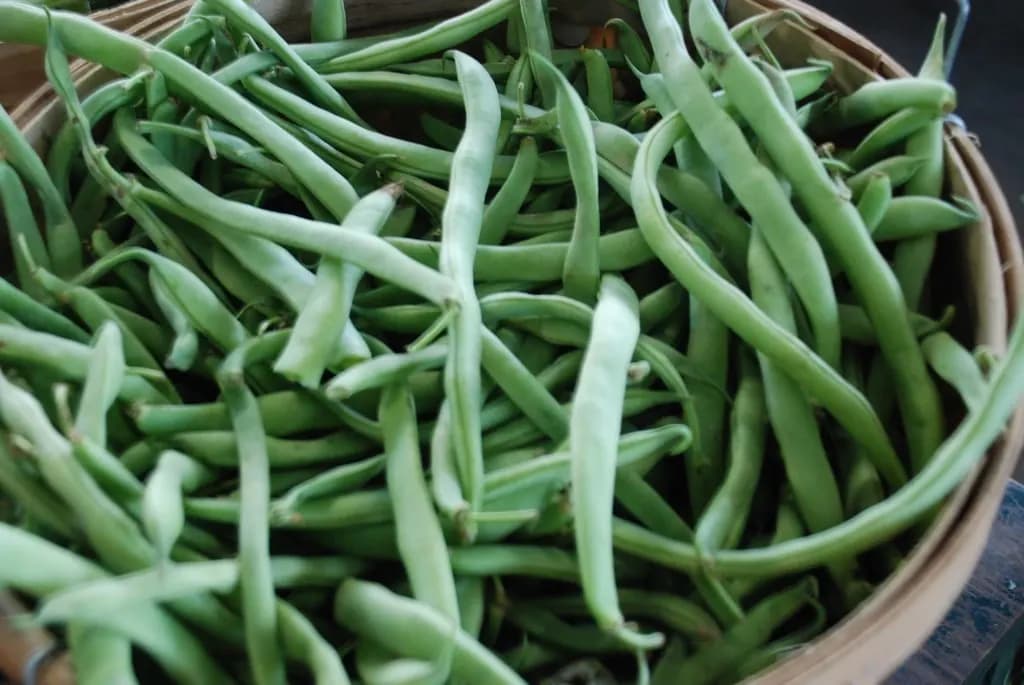
Groceries are taxed in Tennessee, but at a reduced state rate of 4% instead of 7%. The full local rate still applies, so a typical grocery bill carries 6.25% in a 2.25% county and 6.75% in a 2.75% one. The reduced rate has been 4% since July 1, 2017.
The rate only covers "food and food ingredients" as the law defines them. Candy, alcoholic beverages, tobacco, dietary supplements and prepared food are excluded and pay the general 7% plus local tax. The department's manual gives examples where similar products land on different sides of the line: dried fruit with added sweeteners is taxed at 7%, while unsweetened dried fruit gets the 4% rate. Candy is a sweetened preparation that doesn't contain flour, so a chocolate bar is candy while a chocolate-covered cookie isn't. Soft drinks, unlike in some states, count as food and qualify for the reduced rate.
Prepared food covers anything the seller heats, mixes or combines into a single item, and food sold with utensils such as plates, knives or straws. A rotisserie chicken or a deli sandwich made in the store pays the full rate. A bag of salad greens and a carton of eggs don't.
Local cuts on grocery tax
Local governments now have some room to cut tax on groceries. A 2024 law lets a city whose rate is higher than its county's reduce or drop the city's extra slice on food. Hendersonville used it to cut its local food rate to 2.25% from February 1, 2025, while other purchases in the city stay at 2.75%.
A 2026 law extended a similar option to counties, and Davidson County has used it. Under the department's Notice 26-19, the county's local rate on food and food ingredients falls from 2.25% to 1.75% on November 1, 2026, in Nashville and in every city inside the county, including Belle Meade, Berry Hill, Forest Hills, Goodlettsville and Oak Hill. The state's 4% and the transit surcharge are unchanged, so the combined grocery rate goes from 6.75% to 6.25%. Prepared food, candy and everything else stay at 9.75%. Nashville grocers report the new rate on a new line, starting with the November return due December 20.
Worked examples in dollars
A Nashville electronics shop. A customer buys a $1,000 television. It's under $1,600, so the single-article rules don't change anything. Tax at 9.75% is $97.50: $70 state, $22.50 county and $5 transit surcharge.
A Memphis furniture store. A customer buys a $5,000 sectional sofa. State tax at 7% on the full price is $350. Local tax at 2.75% applies only to the first $1,600, which is $44. The state single-article tax at 2.75% applies to the $1,600 between $1,600 and $3,200, which is another $44. The total is $438, an effective rate of about 8.76% instead of 9.75%. If the same store sold five $1,000 chairs on one invoice, each chair is under the cap, so the full 9.75% applies and the tax is $487.50.
A Knoxville grocery run. A shopper buys $200 of groceries, a $10 bag of candy and a $20 hot meal from the deli counter. The groceries are taxed at 4% plus 2.25%, or $12.50. The candy and the hot meal are taxed at 9.25%, or $2.78. The receipt shows $15.28 in tax.
A Nashville grocer after November 1. A family's $150 weekly shop was taxed at 6.75%, or $10.13. From November 1, 2026, the same shop is taxed at 6.25%, or $9.38, a saving of 75 cents a week.
A Chattanooga repair shop. A $2,500 repair to a customer's boat engine is a taxable service, so the single-article limit doesn't apply. Tax at 9.25% on the full $2,500 is $231.25.
Try it — Nashville sales tax on $1,000
What's taxable in Tennessee
Tennessee taxes the retail sale, lease and rental of tangible personal property unless a specific exemption applies, plus a list of services written into the law. Clothing is taxable all year, apart from the August sales tax holiday. Prewritten computer software is taxable whether it's delivered on a disk, downloaded or accessed remotely, and specified digital products such as e-books, music and video downloads are taxable too.
Taxable services include repairing and installing tangible personal property, laundry and dry cleaning, parking, hotel and short-term lodging, telecommunications, cable and satellite television, and most amusement and recreation charges such as admission tickets, gym memberships and dues to sporting or recreational clubs. Professional services such as legal, accounting, consulting and medical care aren't taxed.
The main exemptions are prescription drugs and many prescribed medical items, sales for resale backed by a resale certificate, sales to governments and qualifying nonprofits with an exemption certificate, and a set of agricultural and manufacturing exemptions for items used directly in farming or production.
Advertising that you'll "pay the sales tax" for a customer doesn't make a sale tax-free. The manual says that if you advertise "no sales tax," the tax is treated as included in the price you charge and you still owe it on the full amount. Dealers must also collect tax on an accrual basis, reporting credit and installment sales in the period the sale is made, not when the money comes in.
Registering for a sales tax certificate
Anyone who sells, rents or leases tangible personal property or provides taxable services in Tennessee needs a certificate of registration before making the first sale. Operating as a dealer without one is a Class C misdemeanor. A business with more than one location needs a certificate for each location, and out-of-state businesses with a physical presence in Tennessee, even a temporary one, must register too.
You register online through the Tennessee Taxpayer Access Point (TNTAP) by choosing Register a New Business. Have your business name, address and phone number, the names and Social Security numbers of owners, partners or officers, your federal EIN, a description of what you sell, and, if you bought an existing business, the previous owner's name and address. Tennessee doesn't charge a fee for a regular sales and use tax certificate. The certificate should be displayed at the business location.
The manual sets a filing threshold of $400 a month ($4,800 a year) in gross sales. Below that, the department expects you to pay tax to your suppliers instead of registering. In practice, almost any business with a regular shop or website will pass it quickly.
Before your first taxable sale in Tennessee
0/6Registering for sales tax is not the same as getting a business license or registering for Tennessee's business tax. Those are separate: the business license comes from your county and city clerks for $15 each, and the business tax is an annual tax on gross receipts once you reach the threshold. Our Tennessee business license guide walks through both.
Flea market dealers who aren't otherwise registered follow a different route. A dealer selling at markets on a permanent basis buys an annual registration for $45, while occasional dealers can buy a monthly registration for $5 or a quarterly one for $15 at each market. If the tax on your sales is more than the registration fee, you still file a return for the difference.
Out-of-state sellers and marketplaces
An out-of-state dealer with no physical presence in Tennessee must register and collect tax once it has made $100,000 or more in sales to Tennessee customers over the previous 12-month period. Tennessee has never had a transaction-count test, so 200 small orders don't trigger registration on their own. The threshold counts all retail sales, including exempt ones, but not sales for resale.
Marketplace facilitators such as Amazon, Etsy and eBay have had to collect Tennessee tax since October 1, 2020, once they make or facilitate more than $100,000 in Tennessee sales. If all your Tennessee sales go through a facilitator that collects the tax, you don't need your own registration. If you also sell through your own website or a physical stand, you may.
Remote sellers charge the rate where the customer receives the goods. A seller without a Tennessee business location that registers through the Streamlined Sales Tax registration system can file the Streamlined simplified electronic return; Tennessee has been an associate member of the Streamlined Sales Tax Governing Board since October 1, 2005.
Filing, paying and penalties
All Tennessee sales and use tax returns and payments must be filed electronically, through TNTAP or through an approved software vendor. Returns are due by the 20th of the following month after the end of the period.
Monthly filing is the default and applies to most businesses. If your liability has averaged $1,000 or less a month for 12 consecutive months, you can file quarterly, with returns due January 20, April 20, July 20 and October 20. Annual filing, due January 20, is mainly for manufacturers, wholesalers and marketplace sellers whose only Tennessee sales go through a facilitator that collects the tax.
Tennessee doesn't pay vendors a discount for filing on time, unlike Ohio or Georgia. Late filing or late payment costs 5% a month of the tax due for each month or part of a month it's late, up to 25%, with a minimum penalty of $15 even on a small return. Interest is added on top. The commissioner can waive penalties for reasonable cause through a penalty waiver request.
A 2026 law also covers cash sales now that the U.S. Mint has stopped making pennies. Public Chapter 602, effective March 18, 2026, lets a business without exact change round a cash total to the nearest five cents under set rules. The tax itself is still calculated to the cent.
A monthly filer's calendar for late 2026
October 20
September return and payment due; quarterly filers' July–September return also due
November 1
Davidson County local rate on groceries drops to 1.75%
November 20
October return due
December 20
November return due — first return with the new Davidson County food line
January 20, 2027
December monthly, fourth-quarter and annual returns due
Tennessee's sales tax holiday
Tennessee holds a sales tax holiday on clothing, school supplies and computers each summer. In 2026 it ran from Friday, July 31, to Sunday, August 2. Clothing and school or art supplies priced at $100 or less per item, and computers, laptops and tablets for personal use priced at $1,500 or less, were exempt from both state and local tax. The 2027 holiday is scheduled for July 30 to August 1.
The limits are per item and all-or-nothing. A $120 jacket is fully taxable; you can't exempt the first $100. Items normally sold together, such as a pair of shoes, can't be split to get under the limit. Business purchases don't qualify, and jewelry, handbags, sports equipment, flash drives, separately bought software and printer supplies are never exempt.

Common mistakes and how to fix them
Using 9.25% in Nashville. Davidson County has been at 9.75% since February 2025. If your system is still on the old rate, update it now and pay the shortfall on your next return; you can't go back and charge past customers.
Applying the single-article cap to an invoice total. The cap is per item. A contractor buying $4,000 of lumber in hundreds of pieces pays full local tax on every board.
Capping local tax on services or warranties. The single-article limit is only for tangible goods. Repair labor, extended warranties, software maintenance and digital downloads pay local tax on the full price.
Charging the food rate on prepared food or candy. Sandwiches, hot foods and anything sold with utensils pay the full rate. Set them up as separate tax categories in your register, and from November 1 make sure Nashville stores apply the lower county food rate only to qualifying groceries.
Charging the wrong local rate inside a city. Memphis and Shelby County have different rates, as do many smaller cities and their counties. Look up each store's address, not just its ZIP code.
Waiting for the first return to register. You need the certificate before your first sale. If you've already been selling without one, register now, file the back periods and request a penalty waiver if you have a reasonable cause.
Official links
- Tennessee Department of Revenue — Sales and Use TaxRates, registration and guidance
- Due Dates and Tax RatesState, food and local rates; due dates
- Local sales tax rate mapEvery county and city rate, with food rates
- Single article and special ratesThe $1,600 limit and state single-article tax
- Notice 26-19: Davidson County food rate1.75% local food rate from November 1, 2026
- TNTAPRegister, file and pay
What to do next
Register in TNTAP before your first sale, get your local business license from the county and city clerk, and load the right combined rate, food rate and single-article settings into your till or online store. Use the sales tax calculator to check receipts and our how to calculate sales tax guide for backing tax out of a tax-inclusive price. Selling across the border too? Compare our Georgia and Alabama sales tax guides.
This is general information, not legal or tax advice — confirm on the official source or with a professional.
Frequently asked questions
The state rate is 7% on most goods and taxable services. Every city and county adds a local rate of up to 2.75%, so combined rates in the Department of Revenue's fourth-quarter 2026 rate file run from 9% to 9.75%. Most of the state sits at 9.25% or 9.75%. Groceries carry a lower 4% state rate plus local tax.
Nashville and the rest of Davidson County charge 9.75% on most purchases: the 7% state rate, the county's 2.25% local rate and a 0.5% transit surcharge that voters approved in November 2024 and that started on February 1, 2025. Groceries are taxed at 6.75%, falling to 6.25% from November 1, 2026.
Inside the City of Memphis the combined rate is 9.75%: 7% state plus a 2.75% city rate that took effect on January 1, 2020. Parts of Shelby County without a higher city rate are at 9.25%. On a single item over $1,600, the local tax stops at $44 and a state single-article tax applies instead.
Local tax applies only to the first $1,600 of the price of one item of tangible personal property in most of the state. On the slice between $1,600 and $3,200, the state adds a 2.75% single-article tax. The 7% state tax applies to the full price. Services, digital products and warranties pay local tax on the whole price.
Yes, at a reduced state rate of 4% plus the full local rate, so most groceries cost 6.25% to 6.75% in tax. Candy, alcoholic drinks, tobacco, dietary supplements and prepared food don't qualify and are taxed at the general 7% plus local tax. Soft drinks do qualify for the food rate. Hendersonville and, from November 2026, Davidson County have cut their local rate on food.
Tennessee doesn't charge a fee for a regular sales and use tax certificate of registration, which you get online through TNTAP before you start selling. Each business location needs its own certificate. The separate county and city business license, which most businesses also need, costs $15 per clerk. Flea market dealers without a regular registration buy short-term registrations instead.
Sources & verification
Figures on this page were checked against the sources below when it was last reviewed on 9 October 2026. Each rate and limit is stored once with its own official source and review date, and official update channels are monitored daily so changes are picked up. How we verify
- 1.Sales and Use Tax — Due Dates and Tax Rates — Tennessee Department of Revenue · accessed 9 October 2026
- 2.Single Article and Special Tax Rates — Tennessee Department of Revenue · accessed 9 October 2026
- 3.Local Sales Tax and Local Sales Tax Rates map; Q4 2026 rate file (TNR2026Q4AUG21.csv) — Tennessee Department of Revenue · accessed 9 October 2026
- 4.Notice 24-11 — Change of Local Tax Rate: Davidson County — Tennessee Department of Revenue · accessed 9 October 2026
- 5.Notice 26-19 — Davidson County Food Tax Rate Decrease — Tennessee Department of Revenue · accessed 9 October 2026
- 6.Notice 19-21 — Change of Local Tax Rate: City of Memphis; Notice 26-17 — City of Portland — Tennessee Department of Revenue · accessed 9 October 2026
- 7.Sales and Use Tax Manual (August 2026) — Tennessee Department of Revenue · accessed 9 October 2026
- 8.Marketplace Sellers, Marketplace Facilitators and Out-of-State Dealers — Tennessee Department of Revenue · accessed 9 October 2026
- 9.Sales Tax Holiday — Clothing, School Supplies and Computers — Tennessee Department of Revenue · accessed 9 October 2026
- 10.Streamlined Sales Tax (associate membership and sourcing) — Tennessee Department of Revenue · accessed 9 October 2026
- 11.Tennessee Authorizes Local Option to Reduce or Eliminate Sales Tax on Food — Sales Tax Institute · accessed 9 October 2026
MSMETOOLS is an independent platform and is not affiliated with any government agency, ministry or department.
Tools for this
Sales Tax Calculator (US)
Calculate sales tax for all US states and cities.
Invoice Generator
Create professional invoices with tax, logo and custom details.
Related guides
 Georgia Sales Tax Rate 2026: 4% State, Atlanta 8.9% & FoodRead guide
 Tennessee Business License 2026: Fees, Tax & TNTAPRead guide
 Arkansas Sales Tax 2026: 6.5% Rate, 0% State Grocery TaxRead guide
 Alabama Sales Tax Rate 2026: 4% State, Groceries 2% & CitiesRead guide
Official links open the government site in a new tab.