 Sales tax
Florida Sales Tax Rate in 2026: State Rate, County Surtax Table and How to Collect It
Florida sales tax rate in 2026: the 6% state rate plus all 67 county surtaxes, the $5,000 cap, DR-1 registration, due dates and holidays.
 Edited by Sumeet YadavFounder & editor, MSMETOOLS · fact-checked against official sources
Contents (11)
- 1. How the Florida sales tax rate works
- 2. Florida sales tax rate by county (2026)
- 3. How to calculate Florida sales tax correctly
- 4. Special rates and what is not taxed
- 5. Commercial rent tax: repealed from October 1, 2025
- 6. Who must register to collect Florida sales tax
- 7. Filing frequency, due dates and the collection allowance
- 8. Resale certificates: buying inventory tax-free
- 9. Florida sales tax holidays and law changes for 2026
- 10. Common Florida sales tax mistakes and how to fix them
- 11. What to do next
If you sell goods in Florida, rent out equipment, run a short-term rental or ship to Florida customers, you need two numbers: the state rate and the surtax of the county you deliver to. This guide gives you both for every county, using the Department of Revenue's 2026 surtax table, then walks through registration, filing, resale certificates and the law changes of 2025 and 2026 that many rate pages still miss. All figures were checked against floridarevenue.com in October 2026.
Quick answer
Florida's state sales tax rate is 6%. Most counties add a discretionary sales surtax of 0.5% to 2%, so the rate you actually charge ranges from 6% to 8% depending on the county where the goods are delivered.
Surtax applies only to the first $5,000 of a single item of tangible personal property
Sales tax on commercial rent was repealed from October 1, 2025
Register free online with Form DR-1; returns are due on the 1st and late after the 20th
Out-of-state sellers must collect once Florida sales top $100,000 a year
Citrus and Collier have no surtax; Hamilton has the highest at 2%
How the Florida sales tax rate works
Florida taxes each retail sale, rental, admission and taxable service unless a specific exemption applies. The general state rate is 6% and it is the same everywhere in the state. On top of it, each county may levy one or more local surtaxes, which voters usually approve for schools, roads, hospitals or fire services. The Department of Revenue collects both pieces on one return and passes the surtax back to the county.
The surtax is what makes Florida rates differ from place to place. A shop in Orlando charges the state rate plus Orange County's 0.5%, while a shop in Tallahassee adds Leon County's 1.5%. Cities do not add their own layer. Unlike Texas or Colorado, a Florida city has no separate sales tax, so the county is the only local rate you need to know.
You do not need to show the state tax and the surtax as separate lines on a receipt. The Department only requires that the total sales tax is stated separately from the price. Most point-of-sale systems show a single "sales tax" line at the combined rate for the store's county.
Florida sales tax rate by county (2026)
The table below lists the total discretionary sales surtax for each of Florida's 67 counties for calendar year 2026, as published on Form DR-15DSS, and the combined rate you get by adding the 6% state rate. Some counties stack two or three separate surtaxes; the table shows the total, which is the figure you collect.
| County | Surtax | Combined rate |
|---|---|---|
| Alachua | 1.5% | 7.5% |
| Baker | 1% | 7% |
| Bay | 1% | 7% |
| Bradford | 1% | 7% |
| Brevard | 1% | 7% |
| Broward | 1% | 7% |
| Calhoun | 1.5% | 7.5% |
| Charlotte | 1% | 7% |
| Citrus | None | 6% |
| Clay | 1.5% | 7.5% |
| Collier | None | 6% |
| Columbia | 1.5% | 7.5% |
| DeSoto | 1.5% | 7.5% |
| Dixie | 1% | 7% |
| Duval | 1.5% | 7.5% |
| Escambia | 1.5% | 7.5% |
| Flagler | 1% | 7% |
| Franklin | 1.5% | 7.5% |
| Gadsden | 1.5% | 7.5% |
| Gilchrist | 1% | 7% |
| Glades | 1% | 7% |
| Gulf | 1% | 7% |
| Hamilton | 2% | 8% |
| Hardee | 1% | 7% |
| Hendry | 1.5% | 7.5% |
| Hernando | 0.5% | 6.5% |
| Highlands | 1.5% | 7.5% |
| Hillsborough | 1.5% | 7.5% |
| Holmes | 1.5% | 7.5% |
| Indian River | 1% | 7% |
| Jackson | 1.5% | 7.5% |
| Jefferson | 1% | 7% |
| Lafayette | 1% | 7% |
| Lake | 1% | 7% |
| Lee | 0.5% | 6.5% |
| Leon | 1.5% | 7.5% |
| Levy | 1% | 7% |
| Liberty | 1.5% | 7.5% |
| Madison | 1.5% | 7.5% |
| Manatee | 1% | 7% |
| Marion | 1.5% | 7.5% |
| Martin | 0.5% | 6.5% |
| Miami-Dade | 1% | 7% |
| Monroe | 1.5% | 7.5% |
| Nassau | 1% | 7% |
| Okaloosa | 1% | 7% |
| Okeechobee | 1% | 7% |
| Orange | 0.5% | 6.5% |
| Osceola | 1.5% | 7.5% |
| Palm Beach | 0.5% | 6.5% |
| Pasco | 1% | 7% |
| Pinellas | 1% | 7% |
| Polk | 1% | 7% |
| Putnam | 1% | 7% |
| St. Johns | 0.5% | 6.5% |
| St. Lucie | 1% | 7% |
| Santa Rosa | 1% | 7% |
| Sarasota | 1% | 7% |
| Seminole | 1% | 7% |
| Sumter | 1% | 7% |
| Suwannee | 1% | 7% |
| Taylor | 1% | 7% |
| Union | 1% | 7% |
| Volusia | 0.5% | 6.5% |
| Wakulla | 1.5% | 7.5% |
| Walton | 1% | 7% |
| Washington | 1.5% | 7.5% |
Three counties changed on January 1, 2026. Palm Beach County's 1% infrastructure surtax was repealed at the end of 2025 and replaced by a new 0.5% school capital outlay surtax, so the combined rate in West Palm Beach, Boca Raton and Delray Beach fell to 6.5%. Martin County dropped to 0.5% when its school surtax expired. Jackson County's 1% small county surtax, which was due to lapse, was extended with no end date, so its total stays at 1.5%.
Watch the counties with surtaxes scheduled to end on December 31, 2026. On the DR-15DSS both of Brevard County's 0.5% surtaxes, Charlotte County's 1% surtax, and one 0.5% surtax each in Liberty and Santa Rosa counties carry that expiration date. Some of these may be renewed by voters or extended. The Department publishes the next year's table each November, so update your point-of-sale rates before January 1 rather than assuming this year's figure carries over.
Hillsborough County (Tampa) is back at 7.5%. After the Florida Supreme Court struck down a 2018 transportation surtax in 2021, the Legislature used the money already collected to suspend two of the county's other surtaxes from January 1, 2025, and stores charged 6.5% for five months. Full collection resumed on June 1, 2025, and the county's infrastructure surtax has since been extended to 2041. If your receipts in Tampa still show 6.5%, your rate table is out of date.

How to calculate Florida sales tax correctly
Three rules decide the right amount on an invoice: where the item is delivered, whether the $5,000 surtax cap applies, and how Florida's bracket system rounds partial dollars.
Rule 1: charge the rate of the delivery county
The surtax follows the place of delivery. If a customer walks out of your store with the goods, that is your county. If you deliver or ship, it is the customer's county. A furniture store in Fort Lauderdale (Broward, 7%) that delivers a sofa to a home in Naples charges only 6%, because Collier County has no surtax. For cars, boats sold with registration, and mobile homes, use the county where the vehicle will be registered instead.
Rule 2: the surtax stops at $5,000 per item
The state rate applies to the full price, but the county surtax applies only to the first $5,000 of a sale of a single item of tangible personal property. "Single item" also covers goods sold in bulk or as a working unit, such as a complete machine. The cap does not help with services, admissions, transient rentals or prepaid calling arrangements, where surtax applies to the whole charge.
Worked example: a restaurant supplier in Tampa sells and delivers a $12,000 walk-in cooler in Hillsborough County. State tax is 6% of $12,000, which is $720. Surtax is 1.5% of the first $5,000 only, which is $75. Total sales tax is $795, not the $900 you would get by multiplying $12,000 by the full 7.5%. On a $40,000 delivery van registered in Hamilton County, the saving is larger: 2% surtax on $5,000 is $100, rather than $800 on the full price.
Try it — sales tax on a $1,000 sale in Miami-Dade
Rule 3: use the bracket table for cents
Florida does not round tax on partial dollars as a straight percentage. It uses published bracket tables, one for each combined rate, that set the tax on each cent range below a whole dollar. Point-of-sale software built for Florida applies these automatically. If you invoice manually, download the bracket chart for your rate from the Department's forms page, because a straight calculation can be off by a cent on small sales and add up over a year.
Since May 11, 2026, Florida businesses may also round in-person cash totals to the nearest nickel after tax is computed, because the US Mint stopped making pennies in November 2025. The rule comes from Senate Bill 1074. Rounding happens after the tax is calculated and never applies to card, check or electronic payments.
Two quick everyday examples
A boutique in Orlando sells a dress for $80. The combined rate is 6.5%, so tax is $5.20 and the customer pays $85.20. A hardware store in Jacksonville (Duval, 7.5%) sells $250 of tools: tax is $18.75. If the same Jacksonville store ships an order to a contractor in Nassau County, it charges Nassau's 7%, which happens to be lower.
Special rates and what is not taxed
A few transactions carry their own state rate. Electricity is taxed at 6.95%, receipts from coin-operated amusement machines at 4%, and retail sales of new mobile homes at 3%. Surtax may still be added on top where it applies.
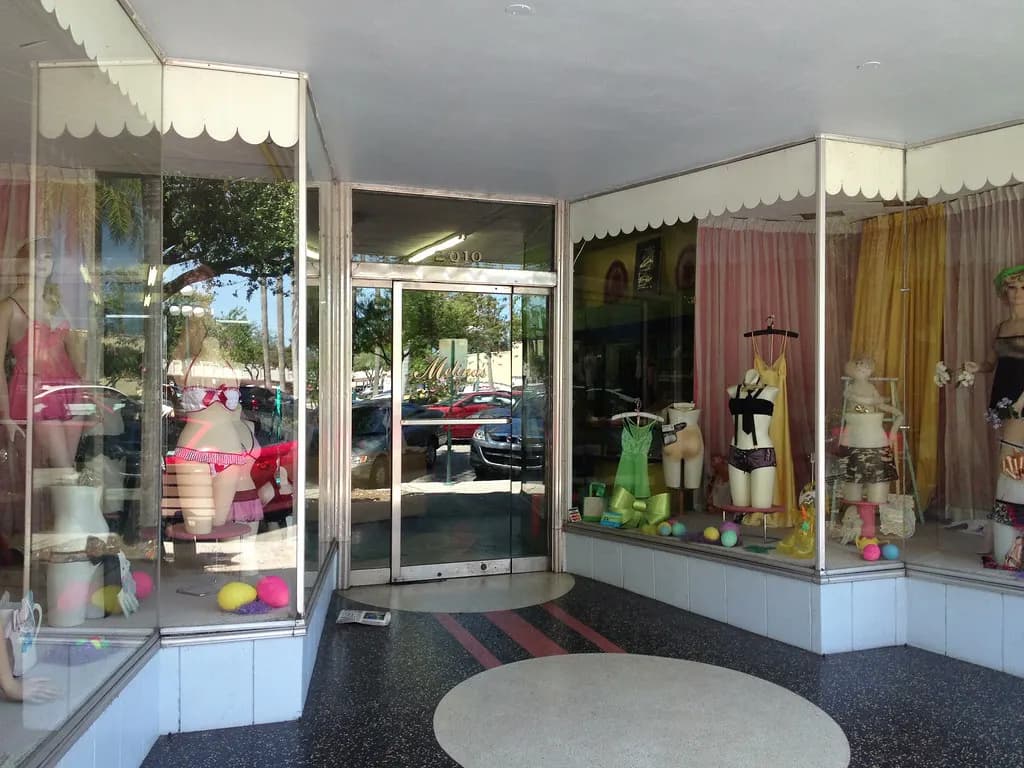
Florida exempts a long list of items in Chapter 212 of the Florida Statutes. The ones small businesses meet most often are unprepared grocery food, prescription drugs and most professional services. A bookkeeper, lawyer or marketing consultant usually does not charge Florida sales tax, while a repair shop, caterer or pest control company serving commercial buildings usually does. Restaurants charge tax on prepared meals, and that is where many new food businesses get caught out.
Since August 1, 2025, a group of items that used to be tax-free only during hurricane-season holidays is exempt all year. They include AA, AAA, C, D, 6-volt and 9-volt batteries, portable generators of 10,000 running watts or less, portable fuel cans of five gallons or less, smoke and carbon monoxide alarms, fire extinguishers, tie-down kits, waterproof tarps up to 1,000 square feet, life jackets, insect repellent, sunscreen and all bicycle helmets. A convenience store or hardware store that still charges tax on these items owes the money back to customers, so check your product tax codes.
Two more exemptions began on July 1, 2026. Gold coins of at least 99.5% purity and silver coins of at least 99.9% purity that qualify as legal tender under Florida law are no longer taxable. And homeowners with a homestead property valued at $700,000 or less can claim a refund of the sales tax paid on impact-resistant windows, doors and garage doors, capped at $500 per owner. That one is refund-only, so contractors and retailers still charge tax at the till.
Commercial rent tax: repealed from October 1, 2025
For decades Florida was the only state that charged sales tax on commercial rent. The rate was cut in steps, last to 2%, and the 2025 Legislature repealed section 212.031 entirely. From October 1, 2025, no state sales tax and no county surtax applies to rent or license fees for offices, retail units, warehouses, self-storage units or floor space rented to independent stylists and vendors.
The repeal is based on the rental period, not the payment date. If a tenant pays August 2025 rent in November, the landlord still collects 2% plus surtax and reports it. If a tenant prepaid October 2025 rent back in September, no tax is due on it. Landlords who collected tax on post-repeal months must refund the tenant first and then claim a refund from the Department on Form DR-26S.
Some property charges remain taxable because they fall under a different section of the law. Hotel, motel and vacation rentals of six months or less, parking spaces in lots and garages, boat docking and storage in marinas, and aircraft tie-downs are still subject to sales tax and surtax. Many counties also charge a separate tourist development tax on short-term stays.
Florida rent after October 1, 2025
| Type of rental | Sales tax? | Rule |
|---|---|---|
Office, retail, warehouse or industrial space | No | s. 212.031 repealed |
Self-storage units | No | s. 212.031 repealed |
Booth or chair rent to stylists and vendors | No | License to use real property |
Rent for periods through September 2025, paid late | Yes — 2% plus surtax | Tax follows the rental period |
Hotel, motel or vacation rental of 6 months or less | Yes — plus surtax | s. 212.03 transient rentals |
Parking, boat docking, aircraft tie-down | Yes — plus surtax | s. 212.03 |
Office, retail, warehouse or industrial space
- Sales tax?
No
- Rule
s. 212.031 repealed
Self-storage units
- Sales tax?
No
- Rule
s. 212.031 repealed
Booth or chair rent to stylists and vendors
- Sales tax?
No
- Rule
License to use real property
Rent for periods through September 2025, paid late
- Sales tax?
Yes — 2% plus surtax
- Rule
Tax follows the rental period
Hotel, motel or vacation rental of 6 months or less
- Sales tax?
Yes — plus surtax
- Rule
s. 212.03 transient rentals
Parking, boat docking, aircraft tie-down
- Sales tax?
Yes — plus surtax
- Rule
s. 212.03
If your sales tax account existed only for commercial rent, you had to file returns through the September 2025 period. The Department then updates the account on its own; you do not need to close it.
Who must register to collect Florida sales tax
You need a Florida sales tax certificate before you make taxable sales if you sell taxable goods at retail, rent out equipment or vehicles, charge admissions, run vending or amusement machines, offer short-term accommodation, or provide a taxable service such as nonresidential cleaning, nonresidential pest control or security services. Manufacturers and importers who sell at retail register too. Some licensing agencies will not issue a license until you have a sales tax number, so register early in your launch plan.
Out-of-state sellers with no physical presence in Florida have had to register since July 1, 2021 if their taxable remote sales into Florida exceeded $100,000 in the previous calendar year. There is no transaction-count test. A business with a warehouse, staff or inventory in Florida must register from its first sale, whatever its volume.
If you buy goods out of state without paying sales tax and bring them into Florida within six months, you owe use tax at the same combined rate. Florida gives credit for sales tax paid to another US state, so you pay only the difference.
How to register for Florida sales tax
- 1
Form your business and get an EIN
How to get an EINRegister your LLC or corporation with the Division of Corporations (Sunbiz) and get a free EIN from the IRS. Sole proprietors can use an SSN, but an EIN keeps it off your forms.
- 2
Apply online with Form DR-1
Complete the Florida Business Tax Application on the Department of Revenue site. The interview asks for business activities, locations, opening date and responsible officers, and works out which taxes apply.
Tip: The Department lists no fee for online registration — ignore sites that charge for a 'permit'.
Florida Business Tax Application - 3
Wait about three business days
Allow three business days for processing before checking the status of a new application.
- 4
Receive your DR-11 and DR-13
You get a Certificate of Registration (DR-11) to display at your business location and a Florida Annual Resale Certificate (DR-13) for tax-free purchases of goods you will resell.
- 5
Set up e-filing
Enroll to file and pay online. E-filing is mandatory once you paid $5,000 or more in the prior state fiscal year, and it is the only way to earn the collection allowance.
Filing frequency, due dates and the collection allowance
The Department assigns your filing frequency from the tax you collect in a year, and it can move you up or down as your sales change. The bands are in the table below.
Every return is due on the 1st and becomes late after the 20th of the month after the period ends. When the 20th falls on a weekend or holiday, the deadline moves to the next business day. If you pay by electronic funds transfer, start the payment by 5:00 p.m. Eastern on the business day before the 20th so the money arrives on time.
You must file a return for every period even when you made no taxable sales. A missing zero return still triggers the late penalty, which is 10% of the tax owed (minimum $50), plus interest at a floating rate the Department posts on its website. The $50 minimum applies even when no tax was due, so a seasonal business that forgets its off-season returns can rack up penalties on months it was closed.
| Annual sales tax collected | Filing frequency | Example period and late date |
|---|---|---|
| more than $1,000 | Monthly | March return due April 1, late after April 20 |
| $501 to $1,000 | Quarterly | January–March due April 1, late after April 20 |
| $101 to $500 | Semiannual | January–June due July 1, late after July 20 |
| $100 or less | Annual | Calendar year due January 1, late after January 20 |
Filing electronically and on time earns a collection allowance of 2.5% of the first $1,200 of tax due (up to $30 per return). A monthly filer who owes $1,500 keeps $30 (2.5% of $1,200). Over twelve months that is $360, which roughly covers a basic sales tax software subscription. A quarterly filer owing $300 keeps $7.50. Paper filers and late filers lose the allowance.
What goes on the return
Florida's return is Form DR-15. You report gross sales, exempt sales, taxable sales and purchases subject to use tax, then the surtax by county. Surtax is reported separately from state tax and is distributed to counties by where sales were delivered, which is why your sales records need the delivery county on every invoice. The DR-15 instructions explain each line, and the online filing screen totals the figures for you.
Resale certificates: buying inventory tax-free
When your registration is approved you also receive a Florida Annual Resale Certificate for Sales Tax, Form DR-13. You give a copy to suppliers when you buy goods you will resell, or items you will rent out again, so the supplier does not charge you tax. The certificate is valid for one calendar year and expires on December 31, and the Department issues a new one to active dealers each year. Hand out the new one in January, because suppliers will start charging tax once yours expires.
Sellers must check the certificate before accepting it. The Department lets you verify a certificate number online or by phone, and a verified number protects the seller if the buyer later misuses it.
If you buy something tax-free for resale and then use it yourself, you owe use tax and surtax on it. A café that buys cups and lids for takeout sales tax-free but then uses a case in the staff room owes tax on that case. Fraudulent use of a resale certificate carries criminal and civil penalties, so keep personal and business purchases strictly apart.
Florida sales tax holidays and law changes for 2026
Florida's 2026 tax package, Chapter 2026-239, Laws of Florida, kept two sales tax holidays and moved the school holiday earlier. Businesses cannot opt out of either one, so your till must stop charging tax on qualifying items for the whole period.
Florida sales tax changes, 2025–2026
Jun 1, 2025
Hillsborough County returns to its full 1.5% surtax after a five-month suspension
Aug 1, 2025
Generators, batteries, alarms, tarps and other storm items permanently exempt
Oct 1, 2025
Sales tax and surtax on commercial rent repealed
Jan 1, 2026
Palm Beach and Martin surtaxes fall to 0.5%; Jackson's 1% surtax made permanent
May 11, 2026
Cash sales may be rounded to the nearest nickel (SB 1074)
Jul 1, 2026
Gold and silver coin exemption; home-hardening refund window opens
Jul 20 – Aug 20, 2026
Back-to-School sales tax holiday
Sep 1 – Dec 31, 2026
Hunting, Fishing and Camping sales tax holiday
Nov 2026
Department publishes 2027 county surtax rates (DR-15DSS)
The Back-to-School holiday ran from July 20 – August 20, 2026, a 32-day window instead of the August-only holiday of 2025. It covered clothing, footwear, wallets and bags priced at $100 or less per item, school supplies at $50 or less, learning aids and jigsaw puzzles at $30 or less, and personal computers and accessories at $1,500 or less bought for home use. Sales inside theme parks, airports and hotels were excluded.
The Hunting, Fishing and Camping holiday runs September 1 – December 31, 2026. It covers items such as tents up to $200, sleeping bags and camping stoves up to $50, rods and reels within set price caps, bait and tackle, ammunition, bows and firearm accessories. Rentals and purchases for commercial use are excluded.
Common Florida sales tax mistakes and how to fix them
The mistake auditors see most is charging the store's county rate on every order. If you deliver, the customer's county decides the surtax. Build the delivery county into your invoicing or e-commerce settings, and keep proof of the delivery address.
The second is applying surtax to the full price of expensive single items. Equipment dealers, car lots and furniture stores that ignore the $5,000 cap overcharge customers, and any tax collected must be paid to the state or refunded to the buyer. It cannot be kept.
Third, landlords and tenants still exchanging tax on commercial rent after the repeal. If you collected tax on rent for October 2025 or later, refund your tenant and then apply to the Department on Form DR-26S. Tenants who paid it should ask the landlord, not the state, for the money back.
Fourth, missing zero returns. A seasonal kiosk or a part-time online seller that files nothing for quiet periods collects $50 penalties for each one. If your business has stopped selling, close the account rather than leaving it open.
Fifth, relying on rate lists that are a year old. Rates change on January 1, and sometimes mid-year when a county ordinance takes effect. Download the new DR-15DSS each November and subscribe to the Department's email alerts.
If you find you have under-collected, file amended returns and pay the difference with interest as soon as you can. Florida's voluntary disclosure program can reduce penalties for businesses that come forward before the Department contacts them, which is worth knowing if you discover you should have registered years ago.
Official Florida Department of Revenue links
- Sales and Use Tax overviewRates, filing frequency, due dates
- Form DR-15DSS — 2026 county surtax ratesUpdated every November
- Discretionary sales surtax rules$5,000 cap and exceptions
- Register to collect tax (Form DR-1)Online business tax application
- Out-of-state retailer requirementsRemote seller threshold
- TIP 25A01-04 — commercial rent repeal
- Tax Information Publications (TIPs)Holidays and new exemptions
What to do next
Look up your county in the table, set the combined rate in your point-of-sale or online store, and register with Form DR-1 before your first taxable sale. If you are still setting up the business itself, start with how to form an LLC and the business licenses most new companies need. To check an invoice total, use the sales tax calculator and our free invoice generator.
This is general information, not legal or tax advice — confirm on the official source or with a professional.
Frequently asked questions
The state rate is 6%. Most counties add a discretionary sales surtax of 0.5% to 2%, so the combined rate you charge runs from 6% in Citrus and Collier counties to 8% in Hamilton County. Miami-Dade, Broward, Pinellas and Duval-area rates are listed in the county table above, taken from the Department of Revenue's Form DR-15DSS.
No, not for rental periods that start on or after October 1, 2025. The state tax on commercial real property rent and the county surtax on it were both repealed. Rent for months through September 2025 is still taxable at 2% plus surtax even if the tenant pays late. Hotel stays of six months or less, parking and boat docking are still taxed.
Charge the surtax of the county where the item is delivered, not where your shop is. A Miami seller shipping to a customer in Collier County charges only the 6% state rate because Collier has no surtax. For cars and mobile homes, use the county where the vehicle will be registered.
The Department of Revenue does not list a fee for online registration, and you should not pay a third party just to file Form DR-1 for you. Apply at floridarevenue.com, allow about three business days for processing, and you will receive a Certificate of Registration (DR-11) and an Annual Resale Certificate (DR-13).
Returns and payments are due on the 1st and become late after the 20th of the month after each reporting period. Your filing frequency depends on how much tax you collect a year: monthly if it is more than $1,000, quarterly for $501 to $1,000, semiannually for $101 to $500 and annually for $100 or less. File a return even when you owe nothing.
Yes. The Back-to-School holiday ran July 20 – August 20, 2026, covering clothing up to $100, school supplies up to $50 and personal computers up to $1,500. The Hunting, Fishing and Camping holiday runs September 1 – December 31, 2026. Hurricane supplies such as small generators and batteries no longer need a holiday — they have been permanently exempt since August 1, 2025.
Sources & verification
Figures on this page were checked against the sources below when it was last reviewed on 7 October 2026. Each rate and limit is stored once with its own official source and review date, and official update channels are monitored daily so changes are picked up. How we verify
- 1.Sales and Use Tax — Florida Department of Revenue · accessed 7 October 2026
- 2.Discretionary Sales Surtax Information for Calendar Year 2026 (Form DR-15DSS) — Florida Department of Revenue · accessed 7 October 2026
- 3.Discretionary Sales Surtax — Florida Department of Revenue · accessed 7 October 2026
- 4.TIP 25A01-04: Sales Tax on Commercial Rentals Repealed Effective October 1, 2025 — Florida Department of Revenue · accessed 7 October 2026
- 5.TIP 25A01-05: New Sales Tax Exemptions Beginning August 1, 2025 — Florida Department of Revenue · accessed 7 October 2026
- 6.TIP 26A01-11: Annual Back-to-School Sales Tax Holiday July 20 – August 20, 2026 — Florida Department of Revenue · accessed 7 October 2026
- 7.TIP 26A01-06: 2026 Hunting, Fishing, and Camping Sales Tax Holiday — Florida Department of Revenue · accessed 7 October 2026
- 8.TIP 26A01-03: Cash Transactions — Rounding to the Nearest Nickel — Florida Department of Revenue · accessed 7 October 2026
- 9.TIP 26A01-08: Exemption for Certain Gold and Silver Coins — Florida Department of Revenue · accessed 7 October 2026
- 10.TIP 26A01-09: Exemption for Home-Hardening Products — Florida Department of Revenue · accessed 7 October 2026
- 11.Requirements for Out-of-State Retailers / Registration — Florida Department of Revenue · accessed 7 October 2026
- 12.Florida's Sales and Use Tax (GT-800013) — Florida Department of Revenue · accessed 7 October 2026
- 13.Section 212.054, Florida Statutes — Discretionary sales surtax — The Florida Senate · accessed 7 October 2026
- 14.CS/SB 1074 (2026) — One-cent Piece — The Florida Senate · accessed 7 October 2026
- 15.HB 7031 (2025) — Taxation — The Florida Senate · accessed 7 October 2026
MSMETOOLS is an independent platform and is not affiliated with any government agency, ministry or department.
Tools for this
Sales Tax Calculator (US)
Calculate sales tax for all US states and cities.
Invoice Generator
Create professional invoices with tax, logo and custom details.
Related guides
 California Sales Tax Rate 2026: City Rates, Permit & FilingRead guide
 Texas Sales Tax Permit 2026: Who Needs One & How to ApplyRead guide
 New York City Sales Tax Rate 2026: 8.875% ExplainedRead guide
 Kansas Sales Tax Rate 2026: 6.5% State, 0% on FoodRead guide
Official links open the government site in a new tab.