 Starting & growing a business
How to Start a Catering Business in 2026: Kitchens, Permits, Food Safety, Pricing and a Worked Event Example
How to start a catering business in 2026: commissary vs home kitchen rules, health permits, event food safety, service charges vs tips and a worked event P&L.
 Edited by Sumeet YadavFounder & editor, MSMETOOLS · fact-checked against official sources
Contents (9)
Catering has one of the lowest-cost entry points in food service: no dining room, no walk-in traffic to chase, and you only buy food for events that are already booked. The catch is that most people imagine starting from their home kitchen, and in most of the US that isn't allowed. This guide is for anyone in the US planning to start a catering business in 2026, from drop-off office lunches to full-service weddings. It covers where you can legally cook, which permits apply, the food safety rules for off-site events, how to price a menu per guest, how service charges and tips are taxed, and what it costs to start. Rules were checked against FDA, the IRS, BLS and state and county health departments in October 2026.
Quick answer
To start a catering business, pick your niche (drop-off, corporate, weddings or events), secure a permitted kitchen such as a commissary or shared kitchen, form an LLC and get an EIN, then get a catering or food establishment permit from the health department where your kitchen is. Train a certified food manager, insure the business, write contracts that separate service charges from tips, and price every event from cost.
Most states require caterers to cook in a permitted food establishment, not a home kitchen
Exception: California counties that opt in allow home kitchen operations; LA County caps them at $100,000 a year
Food Code holding temperatures: hot 135°F (57°C) or above, cold 41°F (5°C) or less
A gratuity written into the contract is a service charge, taxed as wages when paid to staff (IRS)
Startup estimates: about $10,000–$25,000 with a rented commissary (StartCosts)
Choose your catering niche
Catering covers very different businesses. Drop-off catering delivers trays to offices, schools and parties, with no staff on site; it's the easiest to start and scales with a van and a reliable lunch menu. Corporate catering adds recurring contracts, invoices on net terms and tight delivery windows. Full-service event catering for weddings, galas and private parties brings staff, rentals, bar service and long days, with higher prices per guest and much higher risk if something goes wrong. Specialty catering, such as barbecue, a cuisine you know well, or dietary niches, sells on a clear identity rather than price.
Pick one to start. Each niche needs different equipment, staffing and insurance, and your marketing works far better when a client can describe what you do in one sentence. Many caterers start with drop-off and corporate lunches to build steady cash flow, then add events once they have staff they trust. If you plan to work closely with planners and venues, our wedding planning business guide shows how that side of the industry books work.
Where you can legally cook
This is the question that decides your start-up plan. Most health codes treat a caterer as a food establishment that prepares food in its own permitted kitchen and serves it somewhere else. Alabama's health department, for example, defines a caterer as someone operating from a permitted food establishment who contracts with one client to provide a set menu and quantity at a site that isn't open to the public, and it states plainly that catering food preparation and storage must happen in an approved, permitted establishment, not a private residence.
That leaves four common routes:
Kitchen options for a new caterer
| Option | How it works | Trade-offs |
|---|---|---|
Commissary or shared kitchen | Rent permitted kitchen time by the hour or month under a written agreement | Low start-up cost; you're limited by booking slots and storage |
Restaurant partnership | Use a restaurant's kitchen during off-hours; it may add a catering permit | Cheap, but depends on the owner and their permit |
Your own commercial kitchen | Lease and build a licensed kitchen | Full control and room to grow; highest cost |
Home kitchen operation | Only where state law and the county allow it, with meal and sales caps | Very low cost; tight limits and mostly California |
Commissary or shared kitchen
- How it works
Rent permitted kitchen time by the hour or month under a written agreement
- Trade-offs
Low start-up cost; you're limited by booking slots and storage
Restaurant partnership
- How it works
Use a restaurant's kitchen during off-hours; it may add a catering permit
- Trade-offs
Cheap, but depends on the owner and their permit
Your own commercial kitchen
- How it works
Lease and build a licensed kitchen
- Trade-offs
Full control and room to grow; highest cost
Home kitchen operation
- How it works
Only where state law and the county allow it, with meal and sales caps
- Trade-offs
Very low cost; tight limits and mostly California
Cottage food doesn't cover catering. Cottage food laws let you make shelf-stable foods at home, such as cookies and bread, but they exclude foods that need temperature control, which is most of a catering menu: cooked meats, rice, cut fruit, dairy dishes and sauces. Our cottage food business guide explains those limits.
California's two exceptions. California counties treat a person hired to cook at a private event, with all food prepared on site and nothing stored or cooked elsewhere, as a cook-for-hire. El Dorado County, for example, doesn't require a health permit for a cook-for-hire, only a statement of intent and a business license. California also lets cities and counties opt in to microenterprise home kitchen operations (MEHKOs). Los Angeles County allows 30 meals a day and 90 meals a week, with up to $100,000 in gross annual sales. Its $597 application review fee is being waived for up to 1,000 permittees through December 31, 2026 or until funds run out. A MEHKO is a small home restaurant, so check with your county before treating it as a catering base.
Catering permits and licenses
Once you have a kitchen, the permit follows it. The health department where your kitchen is located usually reviews your plan, inspects the kitchen and issues the permit, even if you cater events in other counties. Expect to submit your menu, how you'll cook, cool and reheat food, the kinds of events you'll serve, how you'll transport and hold food, and proof of a certified food protection manager. Alabama's catering checklist also asks how you'll provide handwashing with hot and cold running water, soap and paper towels at each event, where guests and staff will use restrooms, and how you'll clean and sanitize utensils and linens. It bars caterers from reusing leftovers once they've been served.
California counties add a layer: a caterer using a permitted kitchen needs a written agreement for that kitchen, a separate catering operation permit, and standard operating procedures approved before the first event. A restaurant with a fixed permit that wants to cater needs a catering permit on top. California also allows catering at a host facility, such as a brewery or winery, where a caterer can sell directly to customers for up to four hours in any 12-hour period.
Fees vary widely. Maine's Health Inspection Program charges $270 for a catering license, or a combined eating and catering license if you also run a restaurant. Elsewhere, fees are set by counties and cities, so ask for the fee schedule when you first call. Around the health permit you'll also need:
Licenses and registrations to line up
0/8Alcohol. Serving drinks at events adds a separate licensing track run by your state alcohol agency, and rules differ sharply: some states issue caterer's licenses or event permits, while others expect the venue or a licensed bar service to handle alcohol. Liquor liability insurance is a separate line on your policy. Many new caterers leave bar service to a licensed partner for the first year.
Sales tax. Catered meals are usually treated as prepared food in states with a sales tax, and depending on the state, mandatory service charges, delivery and rental fees billed with the meal can be taxable too. Get your state's guidance on what's included in the taxable price before you design your invoice; our sales tax guide shows how to calculate it.
Food safety for off-site events
The riskiest part of catering is the time between your kitchen and the last guest. Most health codes follow the FDA Food Code, which requires food that needs temperature control for safety to be held hot at 135°F (57°C) or above or cold at 41°F (5°C) or less. Hot food that's cooked ahead must be cooled quickly, then reheated properly before serving. Use insulated carriers, hot boxes and chafing dishes to keep hot food hot, and coolers with ice or refrigerated units for salads, desserts and cut fruit. Probe-check temperatures at loading, arrival and through service, and write them down.
Some caterers use time as a public health control instead, for example on a buffet without hot or cold wells. Under the Food Code, that requires written procedures your health department can review and a marking system, and food generally has to be served or discarded within 4 hours of leaving temperature control. Label each pan with the time it came out, and train staff to bin it on time even if it looks fine.

Ask about the venue before you quote. A site without a handwashing station, running water or a place to wash utensils means you bring a portable handwash unit, extra utensils and enough sets to avoid washing on site. Allergen questions need a written answer at booking: the FDA recognizes nine major food allergens, and a wedding with a guest's severe nut allergy needs a plan for preparation, labeling and service, not just a note on the order.
Staffing, service charges and tips
Full-service events need servers, a lead, kitchen staff and someone to load and drive. BLS reported a median wage of $17.00 an hour in May 2025 for food servers outside restaurants, the group that includes catering servers. State and local minimum wages apply, and many are well above the federal $7.25 an hour. Event staff working irregular shifts are often employees, not contractors, so set up payroll properly; our first employee guide explains the steps.
Service charges vs tips. Catering contracts often include a line called "gratuity" or "service charge." The IRS is clear: a payment is a tip only if the customer voluntarily decides to pay it and sets the amount. Required gratuities in a contract or invoice and automatic charges added to a bill are service charges. If you pass service charges to staff, they're wages paid by you, reported on Form W-2 and subject to payroll tax, and they don't qualify for the federal no tax on tips deduction for 2025 through 2028. A service charge you keep is business income. If you want staff to receive genuine tips, add an optional, blank tip line the client fills in or not.
Tip or service charge? (IRS test)
| Line on the invoice | Treated as | What it means for you |
|---|---|---|
Gratuity required by the contract | Service charge | Wages if paid to staff (Form W-2); income if you keep it |
Automatic percentage added to the bill | Service charge | Same as above; not eligible for the tips deduction |
Optional tip line the client fills in | Tip | Belongs to the employees; report as tips |
Suggested percentages with a no-tip option | Tip | Fine, as long as the client chooses the amount |
Gratuity required by the contract
- Treated as
Service charge
- What it means for you
Wages if paid to staff (Form W-2); income if you keep it
Automatic percentage added to the bill
- Treated as
Service charge
- What it means for you
Same as above; not eligible for the tips deduction
Optional tip line the client fills in
- Treated as
Tip
- What it means for you
Belongs to the employees; report as tips
Suggested percentages with a no-tip option
- Treated as
Tip
- What it means for you
Fine, as long as the client chooses the amount
Whatever you call it, owners, managers and supervisors can't keep any part of employees' tips under federal law. Tell clients in your contract what the service charge covers, because many assume it's all paid to the servers.
Pricing a catering event
Price every event from cost. Start with food cost per guest using a recipe cost sheet; our food cost guide and food cost calculator show the method. Then add the costs restaurants don't have: staff hours including travel and set-up, rentals and disposables, fuel, kitchen rental time, and card fees. Quote with a written contract and deposit, using our quotation generator.
Worked example. A 120-guest wedding buffet at $45 a guest brings in $5,400 before sales tax and service charge. Direct costs: food at 30% ($1,620); five servers for seven hours at about $20 an hour including payroll taxes ($700); two kitchen staff for ten hours at $22 ($440); rentals and disposables ($400); fuel and tolls ($80); 12 hours of commissary time at $25 ($300); and card fees at 3% ($162). That's $3,702, leaving a contribution of $1,698 toward overhead and profit, about 31% of the food price.
Now the overhead. Say monthly fixed costs are $5,500: insurance $150, a van payment $600, marketing $400, software $100, phone and admin $200, permits and other costs $50, and an owner's draw of $4,000. You need about 3.3 events of this size a month, or roughly 39 a year, to break even. Smaller drop-off orders fill the gaps between weddings, and they're the reason many caterers build a corporate lunch menu early.
Try it — events a year to break even
The sensitivities are sharp. If the event runs two hours long and you pay seven people for it, that's another $300 or so. A guest count that drops from 120 to 100 after you've bought food costs you the margin on 20 guests unless your contract sets a final count deadline and a minimum. Write both into every contract.
Startup costs
Catering startup costs depend on whether you rent a kitchen or build one. StartCosts estimates $10,000 to $25,000 for a caterer using a commissary and $50,000 to $75,000 or more for a full commercial set-up. These are market estimates, not official figures.
| Item | Estimated cost | Basis |
|---|---|---|
| Commissary or shared kitchen | $500–$2,000 a month | StartCosts estimate; private kitchens cost more |
| Kitchen equipment (ovens, warmers, chafing dishes, prep) | $2,500–$25,000 | StartCosts estimate |
| Serving equipment (platters, utensils, linens, displays) | $500–$7,000 | StartCosts estimate |
| Transport equipment (insulated carriers, racks) | $500–$7,000 | StartCosts estimate |
| Vehicle | $0–$35,000 | StartCosts estimate; existing vehicle at the low end |
| General liability insurance | $400–$2,000 a year | StartCosts estimate; liquor liability extra |
| Health permit | Varies; Maine catering $270 | State and county fee schedules |
| LLC filing and EIN | $35 – $500; EIN Free ($0) | State filing fees; IRS |
| Marketing, website and tastings | $400–$3,000 | StartCosts estimate |
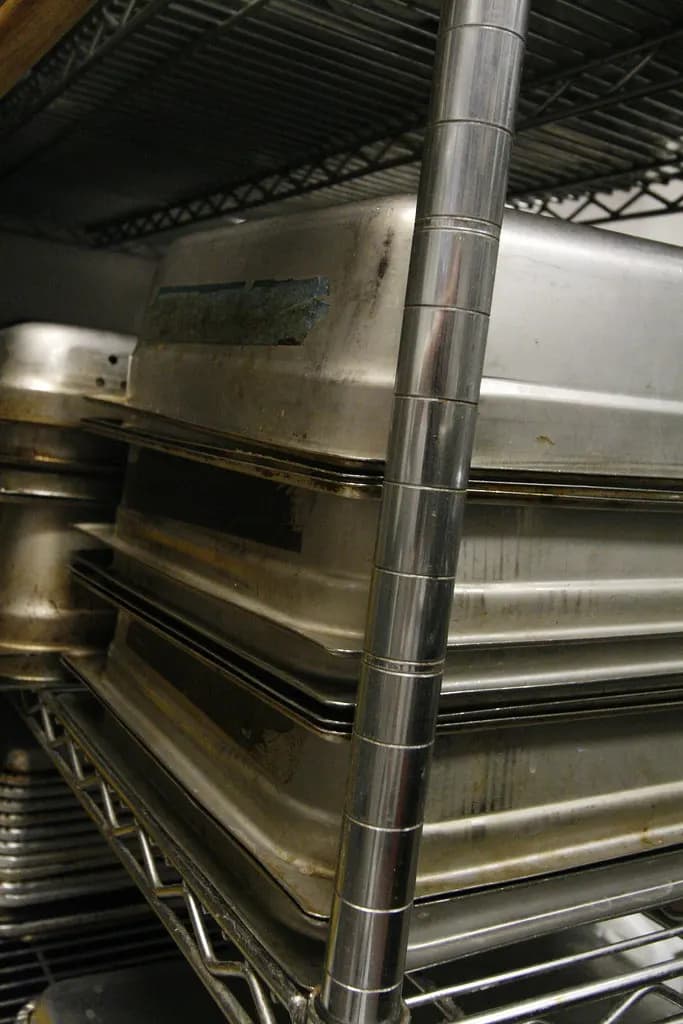
Buy used where you can: restaurant auctions and closing sales are full of hotel pans, carriers and chafing dishes. Insure the business before your first event, because venues will ask for a certificate of insurance naming them as additional insured. Our business insurance guide explains the main policies, and the startup cost calculator totals your list.
Common mistakes when starting a catering business
The first mistake is cooking at home without checking the law. Selling catered food from an unpermitted kitchen can bring fines and closure, and an illness traced to an unpermitted kitchen is very hard to insure or defend. The second is underpricing labor: new caterers cost the food carefully and then forget set-up, travel and breakdown hours, which can double the time on an event.
The third is a loose contract. Without a deposit, a final guest count deadline, a minimum, a cancellation policy and a clear service charge clause, one bad event can wipe out a month's profit. The fourth is calling a mandatory charge a tip, which creates payroll and tax problems for you and confusion for your staff. The fifth is skipping the site visit: an outdoor venue without power, water or a place to wash hands changes your equipment list and your price.
Official links
- FDA Food Code 2022 (full document)Holding temperatures and time as a public health control
- FDA Food Code 2026Latest model code edition
- Alabama catering checklistExample of what a catering plan review asks for
- El Dorado County (CA) caterers and host facilitiesCatering permits, cook-for-hire, host facilities
- LA County microenterprise home kitchen operationsHome kitchen limits and fees
- Maine eating and lodging license applicationCatering license fee
- IRS — tip recordkeeping and reportingTips vs service charges
- BLS — food and beverage serving workers payWages for catering servers
What to do next
Call two or three commissary kitchens near you and ask about hourly rates, storage and whether their permit covers catering. Then call the health department that oversees that kitchen and ask for its catering plan review checklist and fee schedule. Cost your first menu in the food cost calculator, total your start-up list in the startup cost calculator and send your first quotes with the quotation generator. If you later want a storefront, our guides on how to start a restaurant, how to start a bakery and how to start a coffee shop cover the next step.
This is general information, not legal or tax advice — confirm on the official source or with a professional.
Frequently asked questions
Usually not from an ordinary home kitchen. Most states require caterers to prepare food in a permitted food establishment, and cottage food laws exclude the cooked meats, rice and dairy dishes caterers serve. Some California counties allow a microenterprise home kitchen operation; Los Angeles County caps it at 30 meals a day, 90 meals a week and $100,000 in gross sales a year. Most new caterers rent a commissary or shared kitchen.
Typically a local business license, a food establishment or catering permit from the health department where your kitchen is, a certified food protection manager, a sales tax permit, and an alcohol permit if you'll serve drinks. Fees vary: Maine's catering license is $270, while California counties issue a separate catering operation permit tied to a permitted kitchen.
There's no official figure. StartCosts estimates $10,000 to $25,000 for a caterer working from a rented commissary and $50,000 to $75,000 or more for a full commercial set-up. Kitchen equipment alone runs $2,500 to $25,000, and commissary rent about $500 to $2,000 a month in its estimate. A used van and secondhand hotel pans and carriers can cut the bill sharply.
Start from cost, not from competitors. Add food cost per guest, staff hours, rentals and disposables, transport and kitchen time, then divide by your target food cost share, often around 30% of the food price. In our example, a 120-guest event at $45 a head costs about $3,700 in direct costs and leaves about $1,700 toward overhead and profit.
If it's written into the contract or added automatically, the IRS treats it as a service charge, not a tip. Service charges you pay out to staff are wages, reported on Form W-2, and they don't qualify for the no tax on tips deduction. A tip is only a payment the client chooses to make and decides the amount of, such as an optional line left blank on the invoice.
Most states follow the FDA Food Code, which requires hot food to be held at 135°F (57°C) or above and cold food at 41°F (5°C) or less. If you serve food without temperature control, written time-control procedures generally limit it to 4 hours before it's served or thrown away. Health departments also ask how you'll wash hands and utensils at the event site.
Sources & verification
Figures on this page were checked against the sources below when it was last reviewed on 13 October 2026. Each rate and limit is stored once with its own official source and review date, and official update channels are monitored daily so changes are picked up. How we verify
- 1.FDA Food Code 2022 — full document — U.S. Food and Drug Administration · accessed 13 October 2026
- 2.FDA Food Code 2026 — U.S. Food and Drug Administration · accessed 13 October 2026
- 3.Checklist for catering plans and operations — Alabama Department of Public Health · accessed 13 October 2026
- 4.Caterers and host facilities — El Dorado County Environmental Management (California) · accessed 13 October 2026
- 5.Microenterprise home kitchen operation — Los Angeles County Department of Public Health · accessed 13 October 2026
- 6.Eating and lodging license application — Maine CDC Health Inspection Program · accessed 13 October 2026
- 7.Food and beverage serving and related workers — Pay — U.S. Bureau of Labor Statistics · accessed 13 October 2026
- 8.Tip recordkeeping and reporting — Internal Revenue Service · accessed 13 October 2026
- 9.29 CFR part 531, subpart D — Tipped employees — U.S. Department of Labor (eCFR) · accessed 13 October 2026
- 10.Catering startup costs — StartCosts (secondary) · accessed 13 October 2026
MSMETOOLS is an independent platform and is not affiliated with any government agency, ministry or department.
Tools for this
Startup Cost Calculator
Estimate how much capital you need to launch.
Food Cost Calculator
Calculate food cost, menu pricing and profit margins.
Break Even Calculator
Find your break even point and units.
Quotation Generator
Create professional quotes for clients.
Related guides
 How to Start a Bakery Business in 2026: Home to StorefrontRead guide
 How to Start a Restaurant in 2026: Permits, Costs & TipsRead guide
 Food Truck Business Plan 2026: Template, Costs & ExampleRead guide
 How to Start a Coffee Shop in 2026: Permits, Costs & StepsRead guide
Official links open the government site in a new tab.