 Starting & growing a business
B2B vs B2C: What They Mean and How Selling to Businesses Differs From Selling to Consumers (2026)
B2B meaning and B2C meaning explained for US owners: sales cycles, pricing, net-30 terms, resale certificates and sales tax, marketing channels and 2026 examples.
 Edited by Sumeet YadavFounder & editor, MSMETOOLS · fact-checked against official sources
Contents (12)
- 1. What does B2B mean?
- 2. What does B2C mean?
- 3. B2B vs B2C: the key differences
- 4. Sales cycles: how buyers decide
- 5. Pricing: wholesale, retail and everything between
- 6. Payment terms and getting paid
- 7. Sales tax: retail sales, resale certificates and nexus
- 8. Rules that apply to B2C but not B2B
- 9. Marketing channels: how each model finds customers
- 10. Worked examples: choosing or combining B2B and B2C
- 11. Common mistakes when selling to both
- 12. What to do next
B2B and B2C are two of the most-used labels in business, and they matter more than they look. Whether you sell to other companies or to individual shoppers changes how you price, how long a sale takes, when you get paid, whether you collect sales tax, which consumer laws apply and where you find customers. This guide explains what each term means for a US small business in 2026, compares the two models side by side, and walks through worked examples, including how to run both from the same company.
Quick answer
B2B (business-to-business) means selling to other businesses, such as a wholesaler supplying restaurants. B2C (business-to-consumer) means selling to individuals for personal use, such as a retail store or an online shop. B2B sales are usually larger, slower and invoiced on credit terms; B2C sales are smaller, faster, paid upfront and covered by consumer-protection rules.
B2B: several decision-makers, quotes, contracts, net-30 invoices
B2C: quick decisions, fixed prices, card payments, returns and reviews
Sales to resellers can be tax-exempt with a valid resale certificate; most retail sales are taxable
E-commerce was 17.1% of US retail sales in Q2 2026
Many small firms do both, which needs separate price lists and terms
What does B2B mean?
B2B stands for business-to-business. A B2B company's customers are other organizations: companies, nonprofits, schools, hospitals and sometimes government agencies. The product might be something the customer resells (a distributor selling snacks to convenience stores), something it builds into its own product (a machine shop making parts for an equipment maker), or something it uses to run itself (an accounting firm, a cleaning contractor, cloud software).
What makes B2B distinct isn't the product but the buyer. A business buys to make or save money, so it compares suppliers on total cost, reliability and risk, not just price. Purchases often go through a process: someone identifies a need, a manager approves a budget, a buyer collects quotes, and accounts payable pays your invoice on agreed terms. If you've ever sent a quote and then waited for a purchase order, you've done B2B selling.
B2B relationships also tend to last. A restaurant that likes your produce orders every week; a firm that adopts your software uses it for years. That repeat value is why B2B sellers can spend more time and money winning each customer than a typical retailer can.
What does B2C mean?
B2C stands for business-to-consumer. The customer is an individual buying for personal, family or household use: a person ordering shoes online, getting a haircut, booking a plumber for their home or subscribing to a streaming service. Most of the businesses people see every day, such as shops, restaurants, salons, gyms and online stores, are B2C.
B2C buying is usually quicker and more emotional. One person decides, often in minutes, based on price, convenience, reviews and how the brand makes them feel. Prices are posted rather than negotiated, payment is collected at checkout, and the relationship depends on repeat visits rather than contracts.
Online selling keeps growing. The Census Bureau's latest quarterly report put US retail e-commerce at $340.2 billion in the second quarter of 2026, 17.1% of all retail sales and up 12.2% on a year earlier. That still means most consumer spending happens offline, which is why many B2C small businesses combine a storefront, local events and an online shop.
Other models you'll hear about
The two main terms have several cousins, and knowing them helps you describe your business to lenders and partners.
| Term | Means | Small-business example |
|---|---|---|
| B2B | Business sells to businesses | Commercial cleaning company serving offices |
| B2C | Business sells to consumers | Bakery selling cakes over the counter |
| D2C (DTC) | Brand sells straight to consumers, skipping retailers | Skincare brand selling only on its own website |
| B2B2C | Business sells to a business that serves consumers | Snack maker selling through a grocery chain's app |
| B2G | Business sells to government agencies | IT contractor holding a federal or city contract |
| C2C | Consumers sell to each other through a platform | Individuals selling used items on a marketplace |
| B2B marketplace | Platform connects business buyers and sellers | Wholesale ordering platform for independent shops |
B2B vs B2C: the key differences
The same product can be sold both ways, but almost everything around the sale changes. This side-by-side view covers the differences that affect a small business's day-to-day operations.
B2B vs B2C at a glance
| B2B | B2C | |
|---|---|---|
Buyer | A business, often several people | One person or household |
Why they buy | To earn, save or reduce risk | Personal need, want or convenience |
Order size | Larger, often recurring | Smaller, often one-off |
Sales cycle | Weeks to months | Seconds to days |
Pricing | Quotes, tiers, contracts, volume discounts | Posted prices, promotions |
Payment | Invoice on terms (net 15/30/60), ACH or check | Upfront by card, wallet or cash |
Sales tax | Often exempt for resale with a certificate | Usually collected on taxable goods |
Consumer-protection rules | Mostly contract law | FTC and state consumer rules apply |
Main channels | Direct sales, referrals, LinkedIn, trade shows | Social media, search, marketplaces, stores |
Buyer
- B2B
A business, often several people
- B2C
One person or household
Why they buy
- B2B
To earn, save or reduce risk
- B2C
Personal need, want or convenience
Order size
- B2B
Larger, often recurring
- B2C
Smaller, often one-off
Sales cycle
- B2B
Weeks to months
- B2C
Seconds to days
Pricing
- B2B
Quotes, tiers, contracts, volume discounts
- B2C
Posted prices, promotions
Payment
- B2B
Invoice on terms (net 15/30/60), ACH or check
- B2C
Upfront by card, wallet or cash
Sales tax
- B2B
Often exempt for resale with a certificate
- B2C
Usually collected on taxable goods
Consumer-protection rules
- B2B
Mostly contract law
- B2C
FTC and state consumer rules apply
Main channels
- B2B
Direct sales, referrals, LinkedIn, trade shows
- B2C
Social media, search, marketplaces, stores
Sales cycles: how buyers decide
In B2C, the "sales cycle" can be a single tap. A shopper sees an ad, reads a few reviews and buys. Your job is to remove friction: clear photos, honest descriptions, quick checkout, easy returns. You measure success with conversion rate, average order value and repeat purchase rate.
In B2B, a purchase is a project. Even at a small company, the person who finds you (perhaps an office manager) is rarely the only one who decides. The owner approves the spend, a finance person checks your terms, and the people who'll use your product want to be sure it works. Bigger customers add procurement teams, vendor forms, proof of insurance and a W-9 before the first order. The bigger the contract, the longer this takes, so a B2B seller has to plan cash flow around sales that close weeks or months after the first conversation.
That changes how you sell. B2B selling rewards preparation: a short capabilities document, case studies with numbers, references, a clean quote with clear scope, and fast answers to procurement questions. It also rewards patience with follow-up, because a quiet buyer is often just waiting on an internal approval.
Pricing: wholesale, retail and everything between
B2C pricing is public. You set a retail price, run promotions and compete in plain view. Common approaches include cost-plus pricing, competitor-based pricing and "keystone" pricing in retail, which doubles the wholesale cost: an item that costs a shop $20 retails at $40, a 100% markup and a 50% gross margin. Our markup calculator converts between markup and margin so you don't confuse the two.
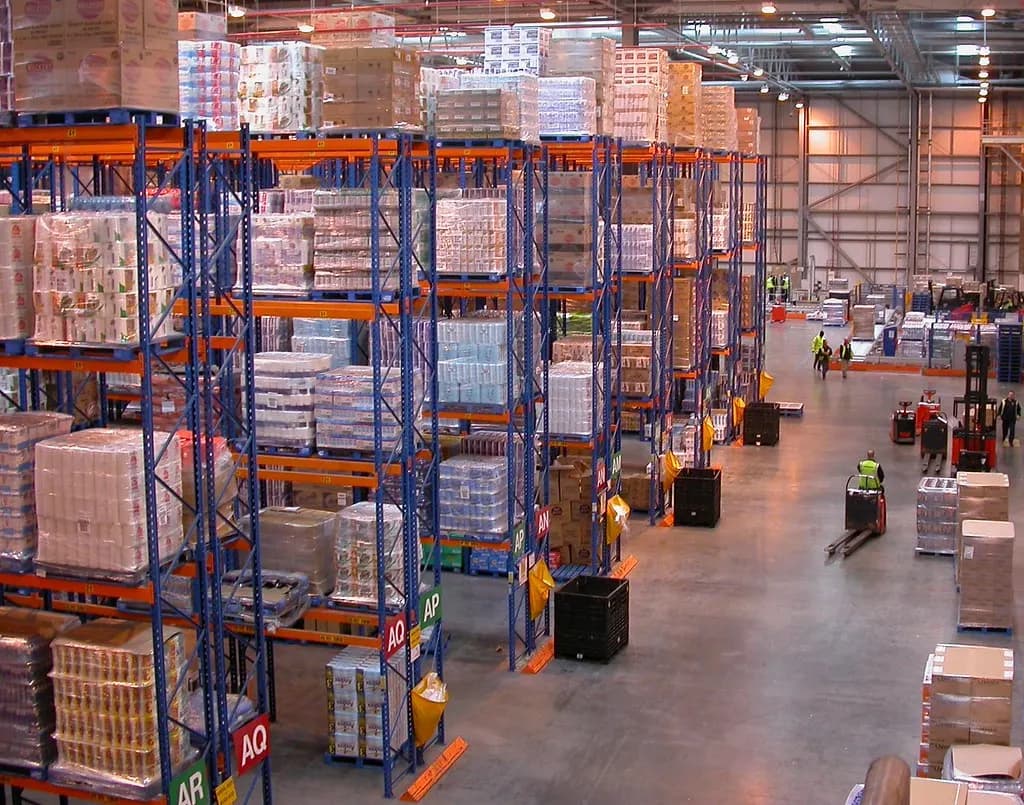
B2B pricing is usually private and layered. You might publish a wholesale price list with volume tiers, then negotiate contract pricing for large accounts. Many manufacturers also set a minimum advertised price (MAP) so their retail partners don't undercut each other. Because a business buyer compares the total cost of working with you, delivery charges, minimum order quantities, payment terms and support all count as part of the price.
Here's an illustrative example using made-up but realistic numbers for a small coffee roaster:
| Item | B2C (website) | B2B (cafe account) |
|---|---|---|
| Pack size | 12 oz bag | 5 lb bag |
| Price | $18.00 per bag | $60.00 per bag |
| Price per pound | $24.00 | $12.00 |
| Roasted coffee and packaging cost per pound | $8.00 | $7.00 |
| Gross margin per pound | $16.00 (67%) | $5.00 (42%) |
| Selling costs | Card fees, shipping, ads, returns | Delivery route, sales visits, 30 days of credit |
The wholesale margin is much thinner, but one cafe might buy 40 pounds a week, every week, with no advertising. That's $480 of weekly revenue from a single relationship, compared with dozens of separate retail orders to reach the same number. Many small producers use B2B volume to keep the roaster busy and B2C sales to earn the higher margin.
Payment terms and getting paid
Consumers pay at checkout. A B2C business deals with card processing fees, chargebacks and refunds, but it rarely chases unpaid bills. B2B is different: extending credit is normal, and getting paid on time becomes a core skill.
Common B2B payment terms
- Due on receipt / COD: payment when the invoice or goods arrive. Common for new customers.
- Net 15, net 30, net 60: the full amount is due 15, 30 or 60 days after the invoice date. Net 30 is the most common starting point.
- 2/10 net 30: the buyer may deduct 2% if it pays within 10 days; otherwise the full amount is due in 30.
- Deposits and milestones: for projects, a share upfront and the rest as work is delivered.
None of these is set by federal law for private companies. They're commercial terms, so they must appear on your quote, contract or invoice, along with any late fee you intend to charge. State law can limit late fees and interest, and some states protect freelancers: New York's Freelance Isn't Free Act has applied statewide since August 28, 2024, adding contract requirements and an enforcement route through the state attorney general.
Early-payment discounts are more expensive than they look. Offering 2/10 net 30 means giving up 2% to receive cash 20 days sooner. Annualized, that's roughly 2 ÷ 98 × 365 ÷ 20, or about 37% a year, far more than most business credit lines cost. Offer it only if cash today is worth that much to you.
Government buyers (B2G) have their own rules. Under the federal Prompt Payment Act, an agency that pays a proper invoice late generally owes the vendor interest; the rate for July through December 2026 is 4.75%. State and local governments have their own prompt-pay laws.
Setting up B2B credit safely
- 1
Use a credit application
Collect the customer's legal name, EIN, billing contact, trade references and bank details before you extend terms.
- 2
Start small
Offer due-on-receipt or a modest credit limit for the first orders, then move to net 30 once they've paid reliably.
- 3
Put terms in writing
Create an invoiceState the due date, accepted payment methods and any late fee on every quote and invoice.
- 4
Follow up on day one
Send a reminder the day after an invoice falls due, and pause new orders for accounts that go past 60 days.
Sales tax: retail sales, resale certificates and nexus
Sales tax is where B2B and B2C diverge most in practice. In general, a state's sales tax is meant to land once, on the final consumer.
B2C sales. If you sell taxable goods (and in some states, taxable services or digital products) to consumers in a state where you must collect, you charge sales tax at checkout and remit it to the state. Rates differ by state and locality; for example, Florida's state rate is 6% before county surtaxes (see our Florida sales tax guide).
B2B sales for resale. When a business buys goods to resell, the sale to it is usually exempt, but only if the buyer gives you a valid resale certificate and you accept it in good faith and keep it on file. California's tax agency, for example, says a seller that accepts a valid resale certificate in good faith and on time doesn't owe tax on that sale, while buyers who misuse a certificate face penalties and interest. If the buyer is purchasing something it doesn't normally sell, the certificate should describe the items; otherwise treat the sale as taxable.
B2B sales for the buyer's own use. A business buying printer paper, a laptop or cleaning supplies for itself is usually the end consumer, so the sale is taxable even though the buyer is a business. This is a common trap: "it's a business customer" doesn't by itself make a sale exempt.
Multistate buyers. The 23 full member states of the Streamlined Sales Tax Agreement (plus Tennessee as an associate member) accept a single multistate certificate of exemption, so long as the buyer's exemption reason is valid in the state concerned. Other states have their own forms.
Where you must collect. Since the Supreme Court's 2018 decision in South Dakota v. Wayfair, states can require out-of-state sellers to collect tax once they pass an "economic nexus" threshold, even without a physical presence. Many states use $100,000 of annual sales into the state; some are higher, such as Texas at $500,000, and several states have dropped the old 200-transaction test. Marketplaces such as Amazon or Etsy generally collect tax on the sales they facilitate, which helps B2C sellers, but your direct website sales still count toward your own obligations.
Rules that apply to B2C but not B2B
Selling to consumers brings federal and state consumer-protection rules that generally don't apply when both sides are businesses. A few that small B2C sellers meet most often:
- FTC Cooling-Off Rule. For many sales made at a buyer's home of $25 or more, or at temporary locations such as hotel rooms, fairgrounds or the buyer's workplace of $130 or more, the buyer can cancel within three business days, and the seller must give written and oral notice of that right.
- FTC Mail, Internet or Telephone Order Rule. If you take orders remotely, you must have a reasonable basis for any shipping time you state; with no stated time, the default is 30 days, and you must offer delays or refunds when you can't meet it.
- FTC Consumer Reviews and Testimonials Rule. In force since October 21, 2024, it bans fake reviews, paying for reviews on the condition they're positive, and suppressing negative reviews through threats. Courts can impose civil penalties of up to $53,088 per violation for knowing violations.
- Warranties and refunds. Written warranties on consumer products are governed by the federal Magnuson-Moss Warranty Act, and many states regulate return and refund policies and automatic renewals.
B2B deals are mostly governed by the contract you sign and, for goods, by each state's version of the Uniform Commercial Code. That gives both sides more freedom, but it also means a bad contract is harder to escape. Read the terms on a customer's purchase order: big buyers often attach their own conditions on payment timing, liability and returns.
Marketing channels: how each model finds customers
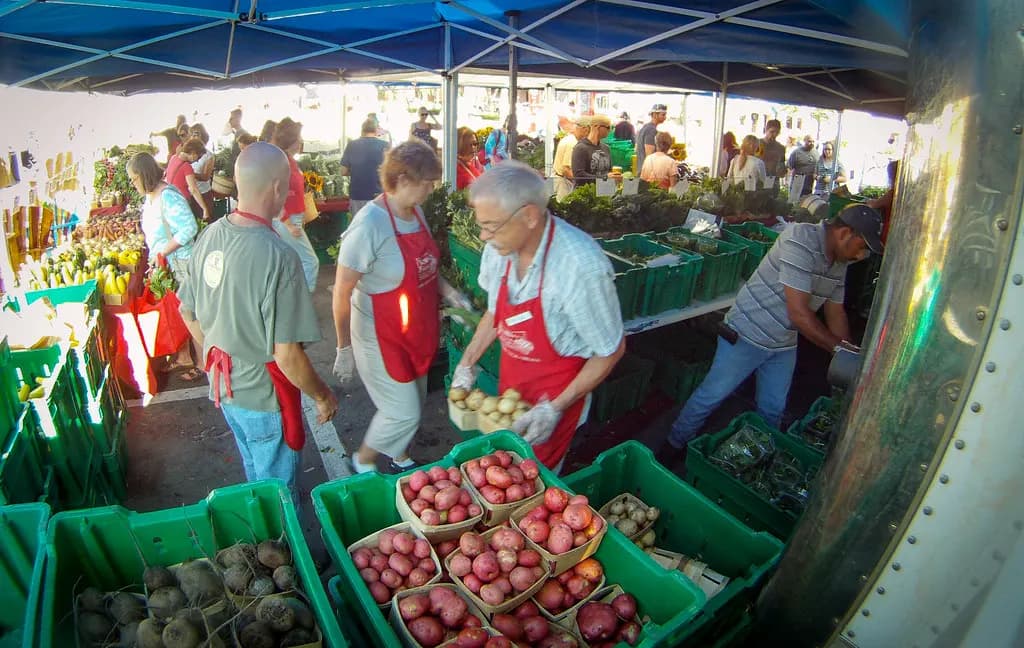
B2C marketing is about reach and repetition. You need many people to see you, so channels with large audiences and quick feedback work best: social media, search ads, marketplaces, email lists, local events and word of mouth. Reviews carry enormous weight, which is why the FTC's review rule matters.
B2B marketing is about trust with a small number of buyers. A local commercial cleaner might need only 20 good accounts to fill its schedule, so it doesn't need mass reach. The channels that work are direct outreach, referrals from existing clients, industry associations, trade shows, LinkedIn, search for problem-specific terms ("commercial kitchen hood cleaning near me") and useful content that shows expertise.
| Channel | Works best for B2B when… | Works best for B2C when… |
|---|---|---|
| Search (SEO and ads) | Buyers search for a specific problem or service | Shoppers search for a product or local business |
| Social media | You share expertise on LinkedIn or in industry groups | Your product photographs well or has a story |
| You nurture leads over a long sales cycle | You drive repeat purchases with offers | |
| Marketplaces | A wholesale platform reaches independent retailers | You need instant reach and trust (Amazon, Etsy) |
| Events | Trade shows put you in front of buyers | Markets and pop-ups let shoppers try the product |
| Referrals | One happy client introduces another | Friends and family share a product they love |
Worked examples: choosing or combining B2B and B2C
A graphic designer. Selling logo packages to individuals starting side businesses is closer to B2C: low prices, quick decisions, payment upfront. Retainers with three local companies are B2B: monthly invoices on net 15 terms, a statement of work and slower decisions, but predictable income. Many freelancers shift toward B2B as they grow because three retainers can replace dozens of one-off projects. See our consulting business guide for pricing retainers.
A candle maker. Craft fairs and an online shop are B2C, with sales tax collected on most sales. A wholesale program for gift shops is B2B: a wholesale price around half of retail, a minimum order, resale certificates on file for each shop, and net 30 terms once a shop has paid for its first order upfront. The maker needs to check that wholesale prices still leave a profit after packaging and shipping.
A small software company. Selling a $9-a-month app to individuals means high volume, self-serve signup and low support per user. Selling a $400-a-month version to small firms means demos, security questionnaires, invoices and annual contracts. Same code, very different sales operation.
If you're starting out, choose the model that fits your capacity. B2B suits founders who are comfortable with relationship selling and can survive slow payments. B2C suits founders who can build a brand, handle many small transactions and manage returns. Our how to start a business guide covers the registration steps for either.
Before you open your first B2B account
0/6Common mistakes when selling to both
Using one price list for everyone. If your wholesale price appears on your website, consumers will ask for it and retail partners will complain. Keep separate lists and check that your retail price is at least the wholesale price plus a fair retail margin.
Skipping resale certificates. If an auditor finds untaxed sales to a business without a certificate on file, the tax usually falls on you. Collect the certificate before the first tax-free invoice, and diary renewal dates where your state requires them.
Treating all business customers as tax-exempt. Only purchases for resale or other specific exemptions qualify. A dentist buying a gift basket from you for the waiting room is a taxable sale in most states.
Giving credit without checks. Net 30 for a brand-new customer you know nothing about is an unsecured loan. Start with upfront payment or a small limit.
Ignoring consumer rules because you "mostly do B2B." A single consumer sale at a pop-up event, or a B2C page on your website, brings consumer rules with it. Make sure your shipping promises, reviews and refund terms meet them.
What to do next
Write down who your customer is, how they pay and which tax treatment applies, then build the paperwork to match. For B2B, set up a quote template, a credit application and invoice terms; for B2C, check where you must collect sales tax and how your checkout handles it. Our quotation generator, invoice generator and sales tax calculator cover the basics for both.
Official links
- Census Bureau quarterly e-commerce reportLatest US online retail sales figures
- Streamlined Sales Tax member statesMultistate exemption certificate and member list
- California Publication 103 — Sales for ResaleHow resale certificates work, with examples
- Texas remote sellersExample of a state economic nexus threshold
- FTC Cooling-Off RuleConsumer right to cancel certain sales
- FTC Consumer Reviews and Testimonials Rule Q&AWhat B2C sellers can and can't do with reviews
- Prompt Payment (federal contracts)Interest on late federal payments to vendors
This is general information, not legal or tax advice — confirm on the official source or with a professional.
Frequently asked questions
B2B stands for business-to-business: a company sells products or services to other businesses rather than to individual shoppers. Examples include a wholesaler supplying restaurants, a software company selling payroll tools to employers, or a print shop producing signs for local stores. B2B sales usually involve larger orders, several decision-makers, quotes and invoices, and payment terms such as net 30.
B2C stands for business-to-consumer: a business sells directly to individuals for their personal use. A coffee shop, an online clothing store, a hair salon and a streaming service are all B2C. B2C sales are usually smaller, faster and paid upfront by card, and they come with consumer-protection rules and sales tax collection on most taxable goods.
A coffee roaster is a common example. It sells 12-ounce bags to shoppers through its website and farmers markets (B2C) and sells 5-pound bags to cafes and offices on invoice (B2B). The same product needs two price lists, two sets of payment terms and two sales tax treatments: tax on most retail sales, and resale certificates for cafes that resell coffee.
Net 30 means the full invoice amount is due 30 days after the invoice date. It's a form of short-term credit the seller gives the buyer. Terms like 2/10 net 30 add an early-payment discount: the buyer can deduct 2% if it pays within 10 days. Net 30 is a business convention, not a federal law, so it must be agreed in your quote, contract or invoice.
Not always. In most states a sale to a business that will resell the item is exempt if the buyer gives you a valid resale or exemption certificate, which you must keep on file. Sales to businesses that use the item themselves are usually taxable just like a consumer sale. Rules for services, digital products and out-of-state buyers vary by state.
B2B2C, or business-to-business-to-consumer, is when you sell to a business that then delivers your product or service to consumers, often under your brand. A meal-kit brand selling through a grocery chain, or an insurance product sold through a bank's app, are examples. You negotiate like a B2B seller but still need consumer-facing marketing, support and compliance.
Sources & verification
Figures on this page were checked against the sources below when it was last reviewed on 8 October 2026. Each rate and limit is stored once with its own official source and review date, and official update channels are monitored daily so changes are picked up. How we verify
- 1.Quarterly Retail E-Commerce Sales, 2nd Quarter 2026 — U.S. Census Bureau · accessed 8 October 2026
- 2.Publication 103 — Sales for Resale — California Department of Tax and Fee Administration · accessed 8 October 2026
- 3.Streamlined Sales Tax Governing Board — member states — Streamlined Sales Tax Governing Board · accessed 8 October 2026
- 4.Remote Sellers — Texas Comptroller of Public Accounts · accessed 8 October 2026
- 5.South Dakota v. Wayfair, Inc., 585 U.S. 162 (2018) — Legal Information Institute, Cornell Law School · accessed 8 October 2026
- 6.16 CFR § 429.0 — Cooling-Off Rule definitions — Legal Information Institute, Cornell Law School (Code of Federal Regulations) · accessed 8 October 2026
- 7.Cooling-Off Period for Sales Made at Home or Certain Other Locations — Federal Trade Commission · accessed 8 October 2026
- 8.Consumer Reviews and Testimonials Rule: Questions and Answers — Federal Trade Commission · accessed 8 October 2026
- 9.Prompt Payment — Bureau of the Fiscal Service, U.S. Treasury · accessed 8 October 2026
- 10.Freelance Isn't Free Act — New York State Department of Labor · accessed 8 October 2026
MSMETOOLS is an independent platform and is not affiliated with any government agency, ministry or department.
Tools for this
Quotation Generator
Create professional quotes for clients.
Invoice Generator
Create professional invoices with tax, logo and custom details.
Markup Calculator
Turn cost and markup into a selling price.
Sales Tax Calculator (US)
Calculate sales tax for all US states and cities.
Related guides
 How to Start a Business in 2026: 12 Steps, Costs & TaxesRead guide
 White Label Meaning (2026): vs Private Label, OEM & RulesRead guide
 How to Sell on Amazon in 2026: Fees, FBA & First StepsRead guide
 How to Start a Business With No Money (2026): 30-Day PlanRead guide
Official links open the government site in a new tab.