 Starting & growing a business
How to Start a Business Without Any Money in 2026: A Realistic 30-Day Plan
How to start a business without any money in 2026: service ideas, pre-sales, free SBA, SCORE and SBDC help, microloans, the truth about grants and a 30-day plan.
 Edited by Sumeet YadavFounder & editor, MSMETOOLS · fact-checked against official sources
Contents (10)
- 1. What "no money" really means
- 2. Businesses you can start with little or no money
- 3. Get paid before you spend: deposits and pre-sales
- 4. Free help: SCORE, SBDCs and other SBA partners
- 5. Microloans and CDFIs: borrowing small and sensibly
- 6. The truth about grants
- 7. The cheapest legal setup, state by state
- 8. Your 30-day plan
- 9. Common mistakes when starting with no money
- 10. What to do next
Starting a business without money is possible, but only for certain kinds of business and only if you change the order of things: sell first, spend second. This guide is for anyone in the US with a skill, a phone and very little cash. It covers which businesses work on a near-zero budget, how to get customers to fund you through deposits and pre-sales, the free help the SBA network provides, where microloans and CDFIs fit, why grants are rarely the answer, the cheapest legal setup in different states, and a 30-day plan to land your first paying customers. Figures were checked with official sources in October 2026.
Quick answer
To start a business with no money, sell a service using skills and tools you already have, get paid upfront or take deposits before you spend, operate as a sole proprietor (no state filing needed in any state) until revenue is steady, and use free help from SCORE and Small Business Development Centers. If you need cash later, an SBA microloan or CDFI loan beats credit cards; startup grants are rare.
Best fits: cleaning, lawn care, pet care, tutoring, bookkeeping, freelancing, handyman work
SBA says it does not provide grants for starting a business
SBA microloans go up to $50,000; the average is about $13,000
An EIN is Free ($0); LLC filing fees run $35 – $500 by state
Self-employment tax starts once you net $400 or more in a year
What "no money" really means
Nobody starts a business with literally zero dollars. You need a phone, a way to get to customers and usually a few basic supplies. What "no money" realistically means is starting without savings, without a loan and without spending more than a few hundred dollars before your first customer pays you.
That rules some businesses out. Anything that needs inventory, a storefront, a commercial kitchen, a vehicle you do not own, or specialist equipment needs capital before revenue. A restaurant, a retail shop or a manufacturing business cannot be started on a near-zero budget, however good the plan. If that is your goal, the path is to start a service business now, build savings and a track record, and use both to borrow for the bigger idea later.
What remains is a large group of businesses where your time and skill are the product. Those can start this month. The key is to pick one where customers already pay for the service, so you are competing on reliability and convenience, not inventing a market.
Businesses you can start with little or no money
The best near-zero-cost businesses share three traits: you already have the skill, you already own most of the tools, and the customer can pay the same day or in advance. The SBA's startup cost guidance separates one-time costs, such as equipment and permits, from ongoing costs like supplies and transport. In the businesses below, both stay small.
Low-cost business ideas compared
| Business | Typical startup spend (estimate) | How you get paid | Watch out for |
|---|---|---|---|
House cleaning | $100–$300 for supplies | Per visit, often weekly | Insurance once you hire; client trust |
Lawn care and yard work | $0 if you own a mower; else rent | Per visit or monthly | Seasonality; equipment wear |
Pet sitting and dog walking | $0–$150 | Per visit or weekly package | Bonding/insurance for client keys |
Tutoring and test prep | $0 | Per session, prepaid packages | Background checks for minors |
Bookkeeping | $0–$50 software | Monthly retainer | Needs real accounting skill |
Freelance writing, design, social media | $0 if you own a computer | Deposit plus balance | Scope creep; late payers |
Handyman and assembly | $0 if you own tools | Per job, deposit for materials | State contractor licence limits |
Moving help and hauling | $0 without a truck | Per hour | Injury risk; vehicle rental |
House cleaning
- Typical startup spend (estimate)
$100–$300 for supplies
- How you get paid
Per visit, often weekly
- Watch out for
Insurance once you hire; client trust
Lawn care and yard work
- Typical startup spend (estimate)
$0 if you own a mower; else rent
- How you get paid
Per visit or monthly
- Watch out for
Seasonality; equipment wear
Pet sitting and dog walking
- Typical startup spend (estimate)
$0–$150
- How you get paid
Per visit or weekly package
- Watch out for
Bonding/insurance for client keys
Tutoring and test prep
- Typical startup spend (estimate)
$0
- How you get paid
Per session, prepaid packages
- Watch out for
Background checks for minors
Bookkeeping
- Typical startup spend (estimate)
$0–$50 software
- How you get paid
Monthly retainer
- Watch out for
Needs real accounting skill
Freelance writing, design, social media
- Typical startup spend (estimate)
$0 if you own a computer
- How you get paid
Deposit plus balance
- Watch out for
Scope creep; late payers
Handyman and assembly
- Typical startup spend (estimate)
$0 if you own tools
- How you get paid
Per job, deposit for materials
- Watch out for
State contractor licence limits
Moving help and hauling
- Typical startup spend (estimate)
$0 without a truck
- How you get paid
Per hour
- Watch out for
Injury risk; vehicle rental
The spending ranges are our estimates for a solo start with tools you mostly own, not quotes. Price your time properly from day one. A common mistake is to charge what feels comfortable rather than what covers taxes, transport and unpaid admin time. Use the hourly rate calculator to set a rate that pays you a real wage after the 15.3% self-employment tax.
Get paid before you spend: deposits and pre-sales
Customer money is the cheapest startup capital there is. It costs no interest, needs no credit check and proves people want what you sell. There are four practical ways to use it.
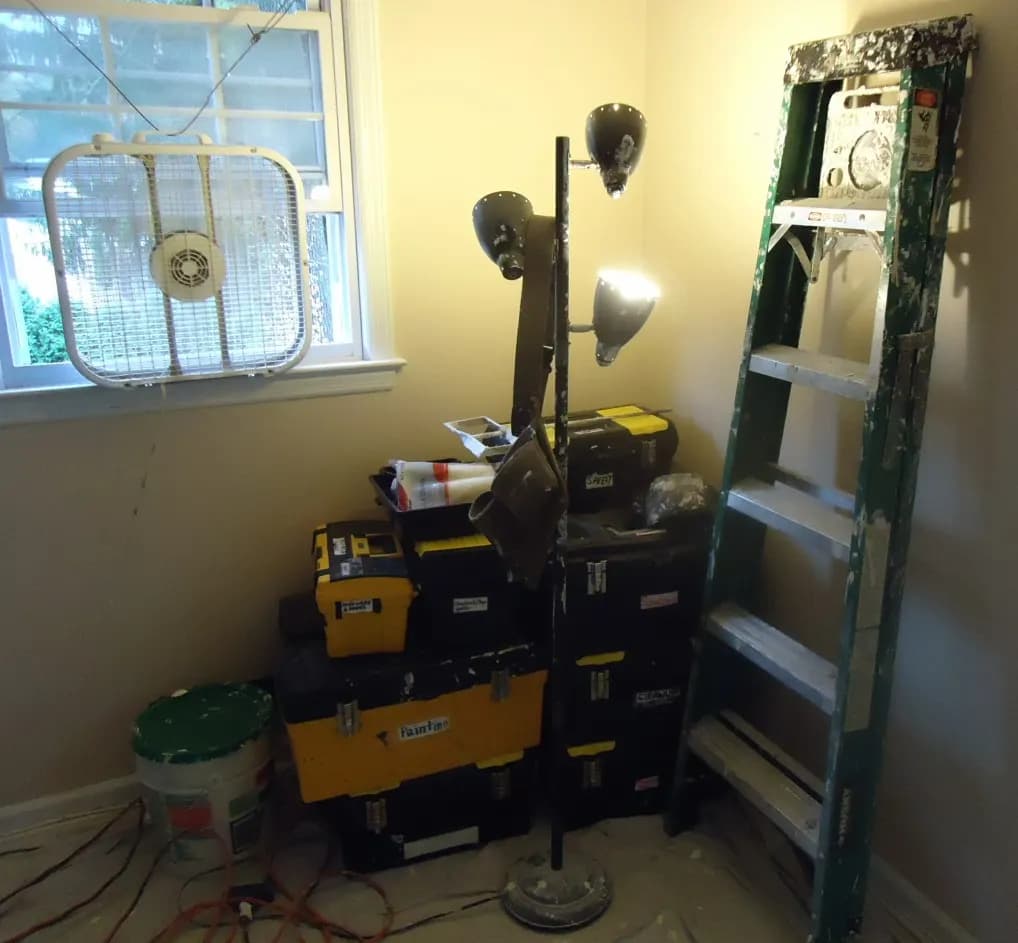
Deposits. For any job that needs materials, take a deposit large enough to cover them before you buy. A handyman installing shelving asks for the materials cost upfront; a caterer asks for 50% when the event is booked. State the deposit terms in writing.
Prepaid packages. A dog walker sells ten walks for the price of nine, paid in advance. A tutor sells a four-week block. You get cash at the start of the month and the customer gets a discount and a commitment.
Retainers. Freelancers and bookkeepers can bill monthly at the start of the month rather than the end. Even a small retainer smooths cash flow.
Pre-orders. If you make a product, take orders and payment before you produce. Pre-orders have legal limits. The Federal Trade Commission's Mail, Internet or Telephone Order Merchandise Rule says you must have a reasonable basis for any shipping time you state, or for shipping within 30 days if you state none. If you cannot ship on time, you must tell the customer, offer them the choice to cancel, and refund promptly if they do. Promise a realistic date and keep the money separate until you deliver.
Send a proper invoice for every deposit and package. A free invoice generator gives you a numbered, professional document in a minute, and it doubles as your record for taxes.
Customer-funded cash flow
Step 1
Quote the job
Step 2
Take deposit
covers materials
Step 3
Buy materials
Step 4
Deliver the work
Step 5
Collect balance
invoice same day
Finding your first five customers without an ad budget
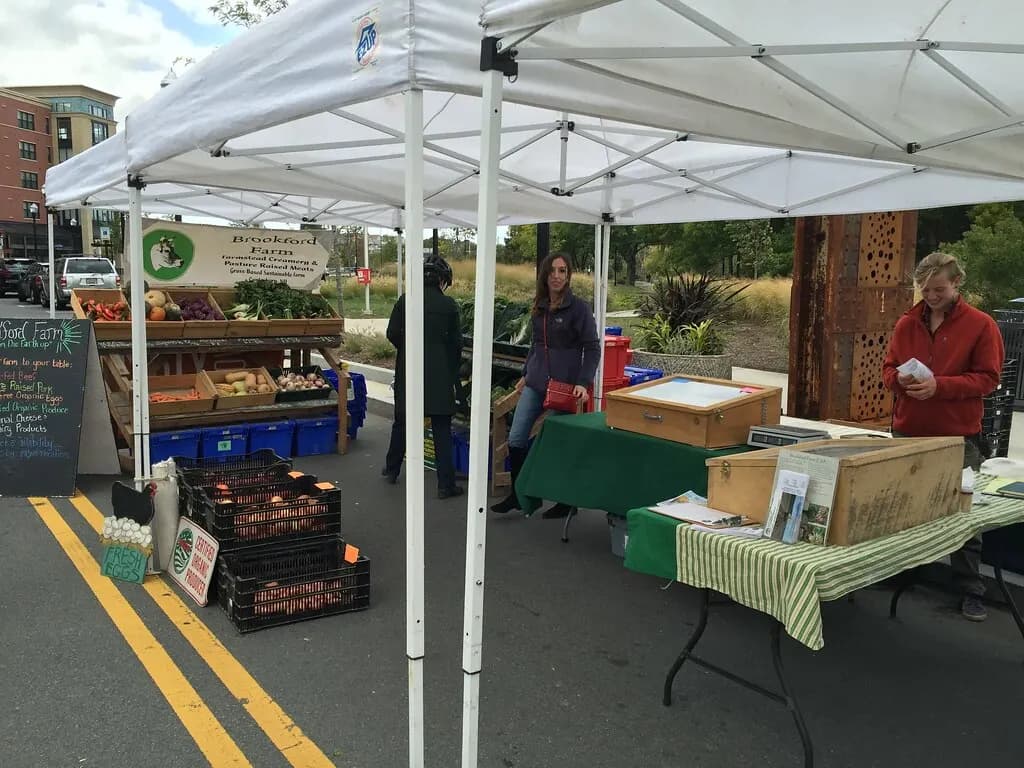
Paid advertising is the wrong tool when you have no money, because it needs testing budget before it works. Your first customers come from people who already trust you, and from people who trust them. Start with a list of everyone you could reasonably message: neighbours, former coworkers, friends from school, your gym, your place of worship, parents at your children's school. Most people underestimate this list by half.
Message them individually, not with a group post. Say exactly what you now offer, who it suits and what the first job costs, and ask for either a booking or a referral. A direct, personal message converts far better than a public announcement, and a referral from a mutual contact carries the trust a stranger's ad cannot.
Then make the first jobs work for you twice. Do the job well, ask for a review the same day while the customer is pleased, and offer a small credit for each referral that books. A free Google Business Profile, local community groups and neighbourhood apps put those reviews in front of the next customers. A cleaner or dog walker who gets two referrals from each of the first five customers has fifteen clients by the end of the second month without spending anything on marketing.
Free help: SCORE, SBDCs and other SBA partners
The most underused free resource for new owners is the SBA's network of resource partners. They are funded largely by federal money so that advice is free or close to it.
SCORE is the SBA's network of volunteer business mentors. The SBA describes it as the nation's largest network of volunteer expert mentors, offering advice at no cost. A SCORE mentor can review your pricing, your first marketing plan or a lease before you sign it.
Small Business Development Centers (SBDCs) are hosted by universities and state economic development agencies, funded in part by Congress through the SBA. America's SBDC reports nearly 1,000 local centers offering no-cost consulting and low-cost training. SBDC advisors help with business plans, financial projections and loan applications, which matters when you approach a microlender.
Women's Business Centers provide free to low-cost counseling and training, and there are around 168 of them. Veterans Business Outreach Centers, run by 31 organizations under SBA agreements, serve veterans, service members and military spouses. Your local library is another overlooked resource: many offer free business databases, meeting rooms and workshops.
What to bring to your first SCORE or SBDC session
0/5Microloans and CDFIs: borrowing small and sensibly
If you need some money, for a used mower, a laptop or a month of working capital, borrow small and from lenders built for new businesses. Credit cards and online cash advances are expensive and unforgiving when revenue is uncertain.
SBA microloans are made by nonprofit intermediary lenders in your area. Loans go up to $50,000, the average is about $13,000, interest rates generally run 8%–13% and the maximum term is 7 years. You can use the money for working capital, inventory, supplies, furniture, fixtures, machinery and equipment, but not to pay existing debts or buy real estate. Many intermediaries also provide training and technical assistance, and some require it. Since April 1, 2026, SBA's microloan program has applied US citizenship and residency requirements to borrowers, so check eligibility with the lender first.
Community Development Financial Institutions (CDFIs) are lenders certified by the Treasury's CDFI Fund to serve low-income and underserved communities. There are 1,281 certified CDFIs, including loan funds, credit unions and community banks. They often lend to people with thin or damaged credit and pair the loan with coaching.
SBA microloans at a glance (2026)
$50,000
Maximum loan
about $13,000
Average loan
8%–13%
Typical interest rates
Set by the intermediary
7 years
Maximum term
A worked example: Jasmine wants to start a pressure-washing service and needs a $4,500 commercial washer and surface cleaner. A $5,000 microloan at 10% over three years costs about $161 a month. If she charges $150 per driveway and her fuel and chemicals cost $20 per job, she needs just over one job a month to cover the payment, and every job after that is income. Compare that with the average credit card rate of about 22.15% on accounts paying interest, which starts the day you buy. Our startup business loans guide compares the options in more detail.
The truth about grants
Searching for "free money to start a business" leads to a lot of disappointment and some scams. The SBA states plainly that it does not provide grants for starting and expanding a business. Its grant programs fund research and development through SBIR and STTR, export promotion through state STEP programs, and organizations such as SCORE and SBDCs that help entrepreneurs.
Grants do exist elsewhere, but they are narrow. Some cities and states run small business grants for particular neighbourhoods, industries or recovery efforts; some corporations and foundations run competitions, often for women-owned, minority-owned or veteran-owned firms. They are competitive, usually require an operating business, and often reimburse spending rather than paying upfront. Our guides to small business grants and grants for women-owned businesses list the real ones.
Treat any offer that asks you to pay a fee to receive a "government grant" as a scam. Federal grants are listed free on Grants.gov, and no legitimate agency charges you to apply or to claim an award.
The cheapest legal setup, state by state
You do not need to form a company to start. In every state, a person who sells services under their own name is a sole proprietor automatically, with no state filing. You report profit on Schedule C of your personal return and pay self-employment tax once net earnings reach $400 in a year. If you trade under a different name, you usually register a DBA, also called an assumed or fictitious name, with your county or state; see our DBA guide.
An LLC separates business debts from personal assets, which matters once you have employees, a lease or work that could injure someone. But it costs money to form and, in many states, to keep. Filing fees range from $35 – $500, and annual costs vary even more.
| State | LLC filing fee | Ongoing state cost to know about |
|---|---|---|
| Montana | $35 | Annual report each year |
| California | $70 | $800 minimum annual franchise tax |
| Delaware | $110 | $400 annual tax |
| Georgia | $110 | $60 annual registration |
| Florida | $125 | $138.75 annual report |
| New York | $200 | Publication requirement (newspaper costs vary by county) |
| Texas | $300 | Franchise tax reports |
| Massachusetts | $500 | $500 annual report |
California is the classic trap for a no-money start: the filing fee is small, but the annual minimum franchise tax applies whether or not you earn anything. A sole proprietorship avoids it. Our LLC registration guide and LLC vs sole proprietorship comparison explain when the switch is worth it.
Two other steps cost nothing. An EIN from the IRS is free; as a sole proprietor without employees you can use your Social Security number, but a free EIN keeps it off the W-9s you give clients. And open a separate checking account, many of which have no monthly fee, so business money never mixes with personal money. Check whether your city or county requires a local business license; fees are usually modest but vary widely.
Your 30-day plan
Thirty days is enough to go from idea to first paying customers in a service business if you work the plan daily. The order matters: validate demand, then set up just enough to get paid legally, then sell.
Start a business with no money in 30 days
Days 1–3
Pick one service you can deliver today. List 30 people you know who might buy it or refer you.
Days 4–7
Call or message 15 of them. Ask what they pay now and what annoys them. Set a price and a first-customer offer.
Days 8–10
Book a free SCORE or SBDC session. Check your city or county license rule. Decide sole proprietor or LLC.
Days 11–14
Get a free EIN, open a free business checking account, create an invoice template and a simple one-page website or profile.
Days 15–21
Land 3 paying customers. Take deposits or prepayment. Ask each for a review and a referral.
Days 22–27
Post in local groups, list on Google Business Profile, and offer a referral credit. Track every lead and quote.
Days 28–30
Review the month: revenue, hours, cost per customer. Set aside 25–30% for taxes. Decide what to buy first with profits.
The goal at day 30 is not a big business. It is proof: paying customers, a price that works and a repeatable way to find the next ones. Reinvest the first profits in whatever removes your biggest bottleneck, whether that is better equipment, a second set of hands or marketing. Keep a tally of what you spend and earn in the startup cost calculator.
Common mistakes when starting with no money
The first mistake is spending on things that feel like a business before you have customers: logo packages, printed cards, a custom website, an LLC in an expensive state. None of them earns money in month one. Spend only where it gets you paid sooner.
The second is underpricing. Low prices attract customers who leave for the next lower price and leave you no margin for taxes or a bad month. Price for the customer who values reliability.
Third, ignoring taxes. With no employer withholding, you owe income tax and self-employment tax on your profit; once you expect to owe $1,000 or more for the year, the IRS expects quarterly estimated payments. Put a quarter or more of every payment into a separate savings account. Fourth, borrowing too early. Debt before demand is how small ideas become personal financial problems. Prove the service, then borrow to grow it.
What to do next
Pick your service today and contact the first five people on your list. When the first customers are paying, our full how to start a business guide covers the next steps, from choosing a structure to licenses and insurance. Need a name first? Try the business name generator.
This is general information, not legal or tax advice — confirm on the official source or with a professional.
Frequently asked questions
You can start a service business with almost no cash if you sell skills you already have, use tools you already own and get paid before you spend. You will still have small costs, such as a phone, transport and possibly a local license. What you cannot do without money is a business that needs inventory, premises or equipment before the first sale.
Service businesses are the easiest: house cleaning, lawn care, pet sitting and dog walking, tutoring, bookkeeping, social media management, handyman work, moving help, resume writing and freelance design or writing. Each uses skills and tools you may already have and lets you charge before you incur most costs.
Rarely. The SBA states that it does not provide grants for starting and expanding a business. Federal grants mostly fund research (SBIR/STTR) or go to organizations that help entrepreneurs. Some states, cities and private programs offer small grants, often for specific groups or areas, but they are competitive and should not be your startup plan.
No. In every state you can operate as a sole proprietor without filing anything with the state, using your own name and Social Security number. An LLC adds liability protection but costs from $35 – $500 to form depending on the state, plus annual fees in many states. Many owners start as sole proprietors and form an LLC once revenue is steady.
Look at SBA microloans of up to $50,000 from nonprofit intermediaries and loans from CDFIs, which are set up to lend to borrowers banks turn down. They usually want a simple plan and some training. Avoid merchant cash advances and high-rate online loans for a business that has no revenue yet.
SCORE offers free mentoring from experienced volunteers, and Small Business Development Centers, at nearly 1,000 locations, give no-cost one-on-one consulting. Women's Business Centers provide free or low-cost counseling, and Veterans Business Outreach Centers serve veterans and military spouses. All are SBA resource partners.
Sources & verification
Figures on this page were checked against the sources below when it was last reviewed on 8 October 2026. Each rate and limit is stored once with its own official source and review date, and official update channels are monitored daily so changes are picked up. How we verify
- 1.Grants — U.S. Small Business Administration · accessed 8 October 2026
- 2.Microloans — U.S. Small Business Administration · accessed 8 October 2026
- 3.Resource partners — U.S. Small Business Administration · accessed 8 October 2026
- 4.About America's SBDC — America's SBDC · accessed 8 October 2026
- 5.CDFI Certification — CDFI Fund, U.S. Department of the Treasury · accessed 8 October 2026
- 6.Self-employment tax (Social Security and Medicare taxes) — Internal Revenue Service · accessed 8 October 2026
- 7.Get an employer identification number — Internal Revenue Service · accessed 8 October 2026
- 8.Business Guide to the FTC's Mail, Internet, or Telephone Order Merchandise Rule — Federal Trade Commission · accessed 8 October 2026
- 9.Calculate your startup costs — U.S. Small Business Administration · accessed 8 October 2026
MSMETOOLS is an independent platform and is not affiliated with any government agency, ministry or department.
Tools for this
Startup Cost Calculator
Estimate how much capital you need to launch.
Freelance Hourly Rate Calculator
Work out the hourly rate you need to charge.
Business Name Generator
Find unique business names.
Invoice Generator
Create professional invoices with tax, logo and custom details.
Related guides
 How to Start a Business in 2026: 12 Steps, Costs & TaxesRead guide
 Startup Business Loans 2026: SBA, Microloans & CDFIsRead guide
 B2B Meaning vs B2C Meaning: Differences & Examples (2026)Read guide
 Start a Wedding Planning Business (2026): Pricing & ChecklistRead guide
Official links open the government site in a new tab.