 Government schemes & funding
Electric Scooter Subsidy in 2026: PM E-DRIVE, State EV Policies and What Women Can Actually Get
Electric scooter subsidy in 2026: PM E-DRIVE ₹5,000 till March 2028, Delhi's new EV policy, Maharashtra and Gujarat, what women can actually get, GST and road tax.
 Edited by Sumeet YadavFounder & editor, MSMETOOLS · fact-checked against official sources
Contents (8)
- 1. Is there an electric scooter subsidy only for women?
- 2. PM E-DRIVE: the central subsidy on electric scooters
- 3. State EV policies: Delhi, Maharashtra and Gujarat
- 4. GST, registration fees and road tax on electric scooters
- 5. Worked example: what a scooter really costs in Delhi
- 6. Electric scooters for delivery and small businesses
- 7. Common mistakes when claiming EV subsidies
- 8. What to do next
"Electric scooter subsidy for women" is one of the most searched EV questions in India, and one of the most misanswered. Many pages promise a special ₹36,000 subsidy for women or say the central subsidy has ended. Neither is right in October 2026. This guide gives the verified position for 2026: how much the central PM E-DRIVE scheme pays and until when, what state EV policies add (with Delhi's new 2026 policy, Maharashtra and Gujarat as examples), which women-specific schemes actually exist, GST at 5%, road-tax and registration-fee waivers, and how small businesses and delivery riders can use EVs. Every amount comes from a gazette notification or policy document checked this month; where only news reports exist, we say so.
Quick answer
There is no national subsidy just for women buying an electric scooter. Every buyer gets the central PM E-DRIVE incentive of ₹2,500 per kWh of battery, capped at ₹5,000, deducted by the dealer, for scooters up to ₹1.5 lakh ex-factory — extended to 31 March 2028. States add their own: Delhi pays ₹10,000 per kWh, up to ₹30,000 in its policy's first year plus lifetime road-tax waiver. GST on EVs is 5%.
Delhi's ₹36,000-for-women idea was a 2025 draft; the policy notified from 1 July 2026 has no women-specific clause
PM E-DRIVE lapsed briefly after 31 July 2026 and was restored on 10 August 2026
Registration certificate fees are waived for battery-operated vehicles nationwide
Commercial e-2Ws used for deliveries qualify for PM E-DRIVE
Is there an electric scooter subsidy only for women?
Not from the central government, and not in the three state policies we checked. PM E-DRIVE pays the same incentive to every eligible buyer, whatever their gender. That's the honest answer to the most searched question on this topic, and it matters because some dealer and aggregator pages still advertise women-only subsidies that were never notified.
The confusion comes mostly from Delhi. In April 2025, news agencies reported that the draft of Delhi's "EV Policy 2.0" proposed an incentive of ₹12,000 per kWh, up to ₹36,000, for the first 10,000 women with a driving licence who bought an electric two-wheeler. When the Delhi Electric Vehicles Policy, 2026 was finally notified with effect from 1 July 2026, that clause was not in it. The notified policy pays the same per-kWh incentive to every eligible buyer resident in Delhi. If a dealer offers you a women-only Delhi subsidy, ask to see it in the policy document.
What women buyers can use:
- The general central and state incentives, which apply to women exactly as to anyone else, and are often substantial when stacked — see the worked example below.
- Women-focused livelihood schemes for commercial EVs. Maharashtra's Pink E-Rickshaw scheme for women drivers is the best-known. It started in 2024 with a 20% state subsidy, and news reports in July–August 2026 say the State Cabinet raised it to 40% of the vehicle cost, with the woman paying at least 10% and the rest by bank loan. We could not obtain the Government Resolution itself, so confirm the current terms with the Women and Child Development department before applying. It covers e-rickshaws, not scooters.
- Women's business loans to finance an EV used in a business — for example Mudra loans, Stand-Up India for women entrepreneurs, and state schemes such as Udyogini. See our guide to business loans for women.
PM E-DRIVE: the central subsidy on electric scooters
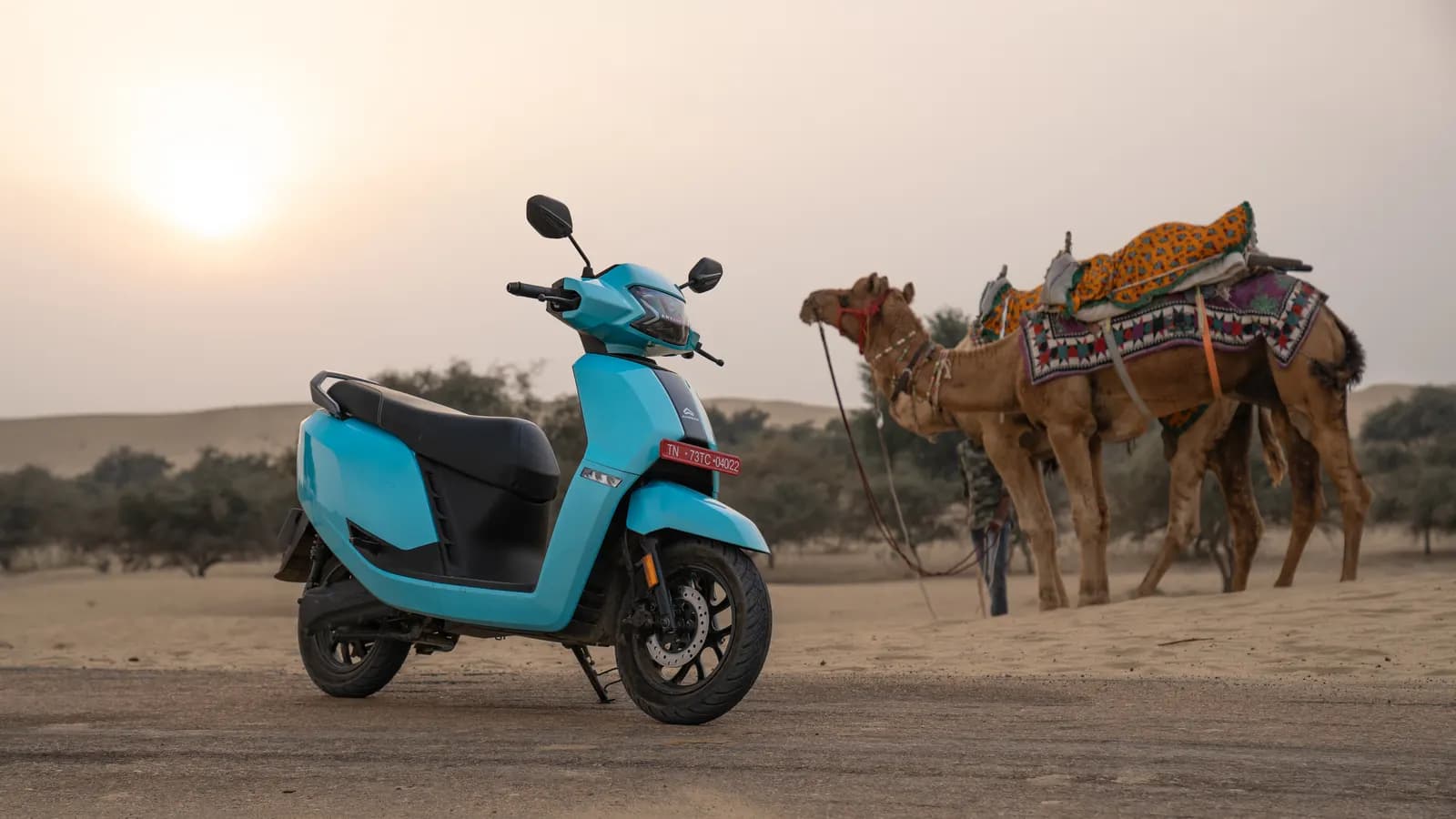
PM Electric Drive Revolution in Innovative Vehicle Enhancement (PM E-DRIVE) is the Ministry of Heavy Industries scheme that replaced FAME-II and the stop-gap EMPS-2024. It was notified by S.O. 4259(E) on 29 September 2024 and covers electric two-wheelers (e-2Ws), three-wheelers, e-ambulances, e-trucks, e-buses, charging stations and testing agencies. EMPS-2024, which ran from 1 April to 30 September 2024, was folded into it.
For electric scooters and motorcycles, the incentive is based on battery capacity:
- FY 2024-25: ₹5,000 per kWh (max ₹10,000).
- 1 April 2025 to 31 March 2028: ₹2,500 per kWh, capped at ₹5,000 per vehicle.
- In every case the incentive is limited to 15% of ex-factory price if that's lower, and only scooters with an ex-factory price up to ₹1.5 lakh qualify.
In practice almost every mainstream scooter has a battery of 2 kWh or more, so most buyers now get the full ₹5,000. Only e-2Ws with advanced batteries, from manufacturers registered under the scheme and models approved on the PM E-DRIVE portal, qualify. Both privately and commercially registered e-2Ws are eligible.
PM E-DRIVE for electric scooters (2026)
₹5,000
Maximum per e-2W
₹2,500 per kWh
₹1.5 lakh
Ex-factory price ceiling
31 March 2028
Scheme ends
Or earlier if funds run out
₹11,900 crore
Total scheme outlay
The July–August 2026 lapse and extension
The e-2W window was originally to close on 31 March 2026. A notification of 27 March 2026 pushed it to 31 July 2026, and for about ten days after that date new buyers got no central subsidy — which is why many pages still say it "ended". On 10 August 2026, S.O. 4424(E) amended the scheme again: the e-2W component now runs to 31 March 2028, the e-2W budget rises to ₹2,767 crore for up to 45,79,120 vehicles, and the total scheme outlay to ₹11,900 crore. Manufacturers must submit all claims by 31 December 2027.
Two caveats. The scheme is fund-limited: if the e-2W money runs out before March 2028, that component closes and no further claims are accepted. And the incentive per kWh "is subject to review" as vehicle costs fall, so the amount can be cut by a fresh notification. The electric three-wheeler (L5) sub-component already closed on 26 December 2025 after hitting its target.
How you get the PM E-DRIVE subsidy
You don't apply to the government yourself. The incentive is given at the point of sale: the dealer reduces the price by the eligible amount, and the manufacturer claims it back from the ministry. At the showroom, the dealer generates an e-voucher through the PM E-DRIVE app using your Aadhaar, with biometric or face authentication, and links it to the vehicle's chassis number on the Vahan database. You sign the e-voucher and the dealer uploads it.
So check three things before paying: that the model appears on the PM E-DRIVE approved-models list, that the invoice shows the incentive as a deduction, and that you've completed the Aadhaar authentication. If the dealer quotes a price "after subsidy", ask to see the gross price and the deduction separately on the invoice.
State EV policies: Delhi, Maharashtra and Gujarat
States set their own purchase incentives, road tax and registration rules, so the total benefit depends heavily on where you register the scooter.
Delhi: EV Policy 2026
The Delhi Electric Vehicles Policy, 2026 took effect on 1 July 2026 and runs to 31 March 2030. For electric two-wheelers with an ex-showroom price up to ₹2.25 lakh, it pays a purchase incentive that falls each year:
| Registration period | Delhi e-2W incentive |
|---|---|
| Year 1 (from 1 July 2026) | ₹10,000 per kWh, up to ₹30,000 |
| Year 2 | ₹6,600 per kWh, up to ₹20,000 |
| Year 3 | ₹3,300 per kWh, up to ₹10,000 |
The incentive applies to both plug-in and battery-swapping models empanelled by the Transport Department's model approval committee. It is paid by direct benefit transfer to Delhi-resident individuals, proprietary firms, agencies and companies: you apply on the department's portal within 30 days of getting the registration certificate, and the money is due within 60 days of a complete application. A vehicle that takes the incentive can't get an NOC to move to another state for three years.
Delhi adds a scrapping incentive of ₹10,000 if you scrap a Delhi-registered BS-IV or older two-wheeler at an authorised facility when buying the e-scooter, and 100% exemption from road tax for the life of the vehicle and from registration fees for EVs bought during the policy. It also sets a hard deadline: from 1 April 2028, only electric two-wheelers can be newly registered in Delhi. For businesses, electric auto-rickshaws get ₹50,000 in year 1 (falling to ₹40,000 and ₹30,000), and small electric goods carriers get ₹50,000 to ₹1,00,000 by weight.
Maharashtra: EV Policy 2025
Maharashtra's Electric Vehicle Policy 2025, issued by the Transport Department's Government Resolution of 23 May 2025, runs from 1 April 2025 to 31 March 2030. Summaries of the policy describe purchase incentives of about 10% of the base price on approved models, available first come, first served and passed to buyers through manufacturers; for e-2Ws this is reported as up to ₹10,000 for the first one lakh vehicles. All EVs registered in the state during the policy period get a 100% motor vehicle tax exemption, registration and renewal fees are waived, and electric passenger vehicles are exempt from tolls on routes such as the Mumbai–Pune Expressway, Samruddhi Mahamarg and Atal Setu. We couldn't open the GR itself, so confirm the e-2W cap with the dealer or the Transport Department before counting on it.
Gujarat: 2021 policy lapsed
Gujarat's EV Policy 2021, announced in June 2021 for four years, offered ₹10,000 per kWh of battery, up to ₹20,000 for an electric two-wheeler, with registration fees waived. That policy has run its course. Reports say the state later cut road tax on EVs to a concessional 1% until 31 March 2026; we could not find an official notice extending it. As of October 2026 we found no notified replacement purchase subsidy for e-2Ws in Gujarat, so buyers there should assume only the central PM E-DRIVE incentive applies and ask the RTO what road tax will be charged.
Stacking benefits — Delhi vs Maharashtra vs Gujarat (e-scooter, 2026)
| Delhi | Maharashtra | Gujarat | |
|---|---|---|---|
Central PM E-DRIVE | Up to ₹5,000 | Up to ₹5,000 | Up to ₹5,000 |
State purchase incentive | ₹10,000 per kWh, up to ₹30,000 (year 1) | About 10%, reported up to ₹10,000 (first 1 lakh) | None found (2021 policy lapsed) |
Road / motor vehicle tax | 100% exempt, lifetime | 100% exempt during policy | Check RTO — 1% concession was to 31 March 2026 |
Registration certificate fee | Exempt | Exempt | Exempt (central rule) |
Scrapping bonus | ₹10,000 | Check policy | — |
Women-specific scooter subsidy | No | No (Pink E-Rickshaw is for e-rickshaws) | No |
Central PM E-DRIVE
- Delhi
Up to ₹5,000
- Maharashtra
Up to ₹5,000
- Gujarat
Up to ₹5,000
State purchase incentive
- Delhi
₹10,000 per kWh, up to ₹30,000 (year 1)
- Maharashtra
About 10%, reported up to ₹10,000 (first 1 lakh)
- Gujarat
None found (2021 policy lapsed)
Road / motor vehicle tax
- Delhi
100% exempt, lifetime
- Maharashtra
100% exempt during policy
- Gujarat
Check RTO — 1% concession was to 31 March 2026
Registration certificate fee
- Delhi
Exempt
- Maharashtra
Exempt
- Gujarat
Exempt (central rule)
Scrapping bonus
- Delhi
₹10,000
- Maharashtra
Check policy
- Gujarat
—
Women-specific scooter subsidy
- Delhi
No
- Maharashtra
No (Pink E-Rickshaw is for e-rickshaws)
- Gujarat
No
Other states run their own policies with different incentives, road-tax waivers and end dates. Before you buy, check your state transport department's EV page and ask the dealer which state incentive, if any, is built into the quote.
GST, registration fees and road tax on electric scooters
GST. Electric scooters, motorcycles and e-bicycles attract 5% GST, against 18% for petrol scooters up to 350 cc after GST 2.0. Chargers and charging stations are also at 5%. A replacement battery pack bought separately falls under a different heading and attracts 18%. Our guide to GST on two-wheelers has worked ₹ examples.
Registration certificate fees. In August 2021 the Ministry of Road Transport and Highways amended rule 81 of the Central Motor Vehicles Rules so that battery-operated vehicles pay no fee for issue or renewal of a registration certificate or for assignment of a new registration mark. This applies nationwide.
Road tax. Road or motor vehicle tax is levied by states, which is where the biggest differences lie. Delhi and Maharashtra exempt EVs fully under their current policies; other states charge a reduced rate or the normal rate. On a ₹1.1 lakh scooter, a state road tax of 8–10% would be ₹8,800–₹11,000, so the exemption can be worth more than the central subsidy.
Income tax. The old section 80EEB deduction for interest on EV loans applied only to loans sanctioned between 1 April 2019 and 31 March 2023, so it isn't available for a new loan. Businesses can claim depreciation on an EV used in the business.
Worked example: what a scooter really costs in Delhi
Take an electric scooter with a 3 kWh battery, ex-showroom price ₹1,10,000 including 5% GST, bought in Delhi in October 2026 (year 1 of the Delhi policy) by a buyer who scraps an old BS-IV petrol scooter. The model is assumed to be on both the PM E-DRIVE and Delhi approved lists, with an ex-factory price under ₹1.5 lakh.
| Item | Basis | Amount |
|---|---|---|
| Ex-showroom price (incl. 5% GST) | Assumed | ₹1,10,000 |
| PM E-DRIVE incentive (at purchase) | 3 kWh × ₹2,500 = ₹7,500, capped | −₹5,000 |
| You pay at the showroom | ₹1,05,000 | |
| Delhi purchase incentive (DBT later) | 3 kWh × ₹10,000 = ₹30,000, within cap | −₹30,000 |
| Delhi scrapping incentive (DBT) | Scrapped BS-IV two-wheeler | −₹10,000 |
| Net cost after all incentives | ₹65,000 | |
| Road tax and registration fees | Exempt in Delhi | ₹0 |
That's a 41% reduction on the showroom price — and the Delhi incentives fall in year 2 and year 3 of the policy, so timing matters. The same scooter bought in a state without a purchase subsidy and with normal road tax would cost the buyer about ₹1,05,000 plus road tax and insurance.
Try it — EMI on your electric scooter loan
The preset assumes you finance ₹85,000 of the ₹1,05,000 showroom price; when the Delhi incentive arrives, you could use it to prepay the loan.
Electric scooters for delivery and small businesses
PM E-DRIVE covers commercially registered e-2Ws, so a delivery rider, a kirana store, a pharmacy or a cloud kitchen buying scooters for deliveries gets the same central incentive. Delhi's policy pays individual buyers, proprietary firms, agencies and companies resident in Delhi, so a small business registering a fleet there can claim for each vehicle, subject to the model and price conditions.
The economics usually favour EVs for high-mileage use. As an illustration with our own assumptions: a petrol scooter doing 45 km per litre at ₹95 a litre costs about ₹2.10 per km in fuel; an electric scooter using about 35 Wh per km on electricity at ₹8 per unit costs about ₹0.28 per km. A rider doing 100 km a day for 26 days a month would spend roughly ₹5,500 on petrol versus about ₹730 on electricity. Your figures depend on your tariff, riding and the scooter, and you should budget for a battery replacement after the warranty, which costs a large share of the scooter's price and attracts 18% GST.
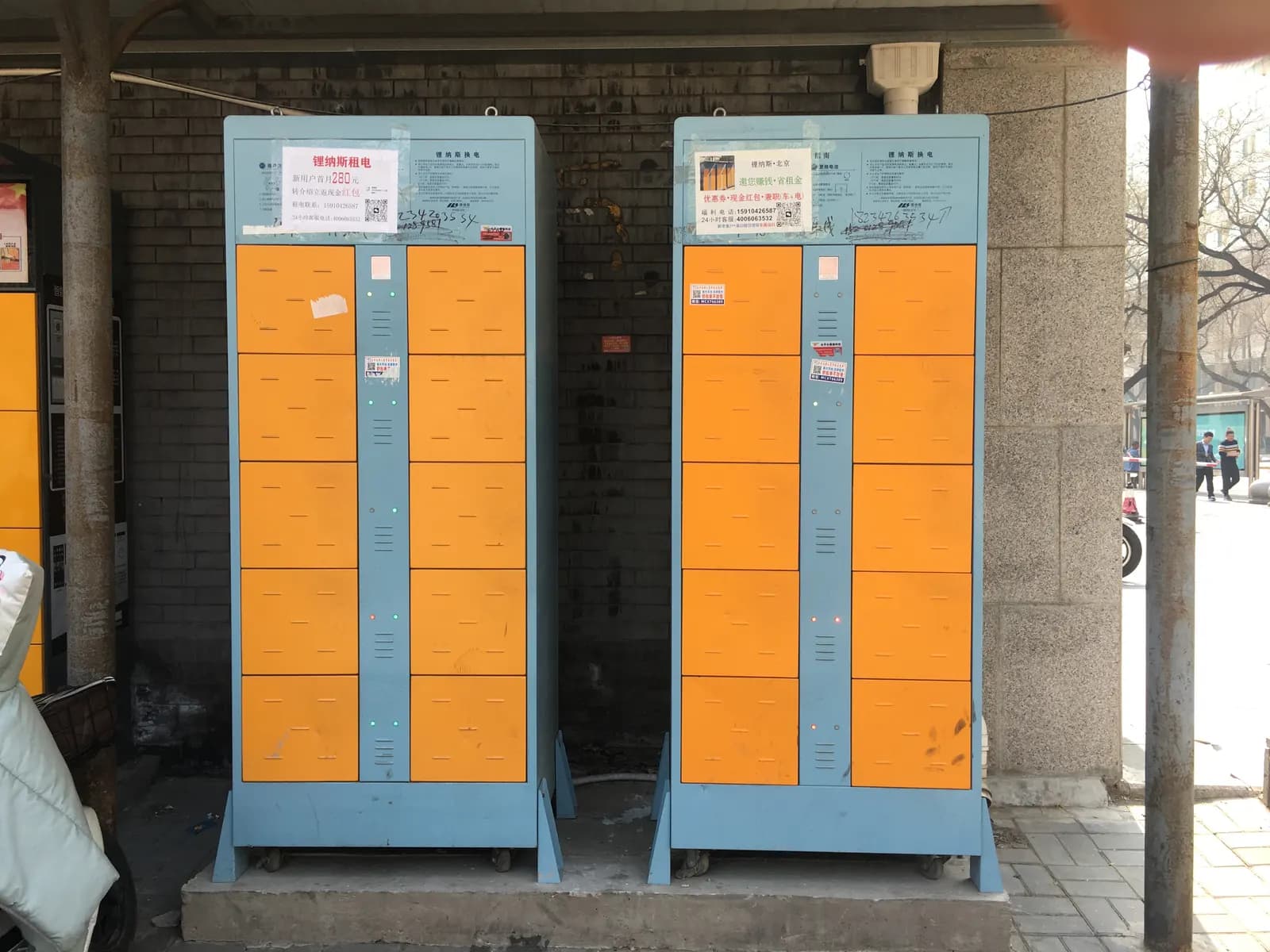
Two business-specific points. First, GST credit: section 17(5)(a) of the CGST Act generally blocks input tax credit on motor vehicles for carrying people with 13 seats or fewer, which includes scooters, unless you deal in vehicles, carry passengers for a fare or run a driving school; some delivery businesses argue the block doesn't apply to vehicles used only for goods, but the position is contested. Second, battery swapping: Delhi's incentive covers swapping-based models, and swapping networks cut downtime for delivery riders, though you then pay a monthly battery subscription instead of owning the battery.
Common mistakes when claiming EV subsidies
Believing the subsidy has ended. The PM E-DRIVE e-2W incentive runs to 31 March 2028 after the August 2026 extension, unless funds run out first. Check the PM E-DRIVE portal's announcements rather than older news.
Paying for a women-only subsidy that doesn't exist. No central or Delhi women-only scooter subsidy is in force. Treat any dealer "ladies' subsidy" as a discount from the dealer, not the government, and get it in writing.
Buying an unapproved model. Both PM E-DRIVE and Delhi pay only on approved models. Low-speed scooters that don't need registration don't qualify.
Missing the Delhi deadline. Apply for the Delhi incentive within 30 days of receiving the registration certificate.
Ignoring the price cap. Scooters above ₹1.5 lakh ex-factory get no PM E-DRIVE incentive; in Delhi the state incentive stops above ₹2.25 lakh ex-showroom.
Registering in another state. A Delhi-subsidised scooter can't be moved to another state for three years. Register where you live and ride.
Before you pay for an electric scooter
0/7Official links
- PM E-DRIVE portalApproved models, notifications, announcements
- PM E-DRIVE amendment, 10 August 2026 (S.O. 4424(E))e-2W rates and extension to 31 March 2028
- Delhi Electric Vehicles Policy, 2026Incentives, road tax, scrapping, mandates
- Delhi Transport DepartmentEV policy operating guidelines and claim portal
- Parivahan — Vahan servicesRegistration and road-tax details by state
What to do next
Shortlist two or three scooters on the PM E-DRIVE approved list, then check your state's EV portal for any purchase incentive and road-tax waiver before you visit a dealer. Ask for the invoice with the central incentive shown separately, and if you're in Delhi, file your state claim within 30 days of registration. If you're buying for a business or financing the purchase, plan the loan with our EMI calculator and compare women's financing options in our business loans for women guide.
This is general information, not legal or tax advice — confirm on the official source or with a professional.
Frequently asked questions
Not at the national level. PM E-DRIVE pays the same incentive to every buyer. Delhi's 2025 draft EV policy proposed up to ₹36,000 for the first 10,000 women buyers, but the Delhi EV Policy notified from 1 July 2026 has no women-specific incentive. Women can still combine PM E-DRIVE, state subsidies and road-tax waivers, and use women's loan schemes to finance the scooter.
Under PM E-DRIVE, registered e-2Ws get ₹2,500 per kWh of battery capacity, capped at ₹5,000 or 15% of the ex-factory price, whichever is lower, for scooters with an ex-factory price up to ₹1.5 lakh. The dealer deducts it from the price. States add more: in Delhi, ₹10,000 per kWh, up to ₹30,000 in the policy's first year, plus road-tax and registration-fee exemption.
No. The e-2W subsidy briefly lapsed after 31 July 2026, but a Ministry of Heavy Industries notification of 10 August 2026 restored it and extended it to 31 March 2028, with a larger allocation. It is fund-limited, so the e-2W component can close earlier if the money runs out.
Electric scooters, motorcycles and e-bicycles attract 5% GST, the same rate since 2019 and unchanged by GST 2.0. Petrol scooters up to 350 cc attract 18%. A replacement lithium-ion battery bought separately is taxed at 18%, not 5%.
Registration certificate fees for battery-operated vehicles were waived nationally by the Central Motor Vehicles Rules amendment of August 2021. Road tax is a state matter: Delhi exempts EVs bought during its 2026 policy for the vehicle's life, and Maharashtra's 2025 policy exempts EVs from motor vehicle tax. Other states differ, so check your state transport department.
Yes. PM E-DRIVE covers both privately and commercially registered e-2Ws, so delivery riders and businesses buying scooters for deliveries qualify. Delhi's policy pays individual buyers, proprietary firms, agencies and companies resident in Delhi. Businesses generally can't claim GST input tax credit on two-wheelers because of section 17(5)(a) of the CGST Act.
Sources & verification
Figures on this page were checked against the sources below when it was last reviewed on 9 October 2026. Each rate and limit is stored once with its own official source and review date, and official update channels are monitored daily so changes are picked up. How we verify
- 1.Notification S.O. 4424(E) dated 10 August 2026 — amendment to PM E-DRIVE Scheme — Ministry of Heavy Industries (Gazette of India) · accessed 9 October 2026
- 2.PM E-DRIVE portal — scheme overview and announcements — Ministry of Heavy Industries · accessed 9 October 2026
- 3.FAQ — PM E-Drive Portal and Mobile App (error handling) — Ministry of Heavy Industries · accessed 9 October 2026
- 4.Delhi Electric Vehicles Policy, 2026 — Transport Department, Government of NCT of Delhi (Delhi Gazette) · accessed 9 October 2026
- 5.Delhi govt likely to offer up to Rs 36,000 subsidy to women under EV Policy 2.0 (PTI, 11 April 2025) — The Week / PTI · accessed 9 October 2026
- 6.Maharashtra Electric Vehicle Policy 2025 — EV Reporter · accessed 9 October 2026
- 7.Maharashtra targets 30% EV adoption by 2030, announces purchase sops — Mercom India · accessed 9 October 2026
- 8.Gujarat announces a new EV policy, Rs 870 crore support over 4 years (22 June 2021) — BW Businessworld · accessed 9 October 2026
- 9.Electric vehicles — registration certificate fees exempted — S.S. Rana & Co. · accessed 9 October 2026
- 10.Maharashtra doubles pink e-rickshaw subsidy for women — GKToday · accessed 9 October 2026
MSMETOOLS is an independent platform and is not affiliated with any government agency, ministry or department.
Tools for this
EMI Calculator
Calculate loan EMIs for business and personal loans.
GST Calculator (India)
Calculate GST for your sales and purchases with current rates.
ROI Calculator
Calculate return on investment for your business projects.
Break Even Calculator
Find your break even point and units.
Related guides
 Subsidy for Solar Panels 2026: PM Surya Ghar ₹78,000 GuideRead guide
 Loan for Women's Business in India (2026): Schemes & TipsRead guide
 Udyogini Scheme 2026: Eligibility, Subsidy & How to ApplyRead guide
 Stand-Up India Loan 2026: Eligibility, Limits & StatusRead guide
Official links open the government site in a new tab.