 Government schemes & funding
Credit Linked Capital Subsidy Scheme (CLCSS): What It Paid, Why It Ended and What to Use in 2026
CLCSS paid MSEs 15% (up to ₹15 lakh) on machinery loans until March 2020. What replaced it, how SC/ST units still get 25%, and the machinery subsidies open in 2026.
 Edited by Sumeet YadavFounder & editor, MSMETOOLS · fact-checked against official sources
Contents (6)
If you are planning to buy machinery and someone has told you to "apply for CLCSS", this page will save you time. The Credit Linked Capital Subsidy Scheme was for years the best-known technology subsidy for small manufacturers in India, and it still appears on many scheme lists, bank pages and consultants' brochures. It stopped taking new cases in 2020. This guide explains how CLCSS worked, exactly when and how it ended, what took over its other parts, and which machinery subsidies a micro or small enterprise can actually use in 2026, with worked ₹ examples.
Quick answer
The Credit Linked Capital Subsidy Scheme (CLCSS) gave micro and small enterprises a 15% capital subsidy on bank loans of up to ₹1 crore for approved machinery, a maximum of ₹15 lakh. Its last version, the CLCS component of CLCS-TUS, was valid only until 31 March 2020. It is discontinued: no new applications, and the 2026-27 Budget keeps only a ₹0.01 crore token line for old claims.
Its other parts (ZED, LEAN, design, IPR, incubation) became the MSME Champions Scheme
SC/ST units still get 25% up to ₹25 lakh through the National SC-ST Hub
Recycling units: MSE-SPICE pays 25% up to ₹12.5 lakh
Also check PMEGP second loans and your state's capital subsidy
What CLCSS was and how it worked
CLCSS was run by the Office of the Development Commissioner (MSME). Its aim was to help micro and small enterprises (MSEs) replace outdated machines with well-established, proven technology. The idea was simple. If a small unit took a term loan from a bank to buy approved machinery, the government paid part of the cost as a capital subsidy through the bank. Because the subsidy was tied to the loan, it was called "credit linked".
In its final form the rules were:
- Subsidy rate: 15% of the eligible investment in plant and machinery.
- Loan ceiling: loans of up to ₹1 crore counted, so the subsidy could not exceed ₹15 lakh per unit.
- Calculation: for term loans sanctioned after 13 August 2019, the subsidy was 15% of the loan or of the machinery cost, whichever was lower. A unit that had already received less than ₹15 lakh under the earlier CLCSS could claim the balance, but never more than ₹15 lakh in total.
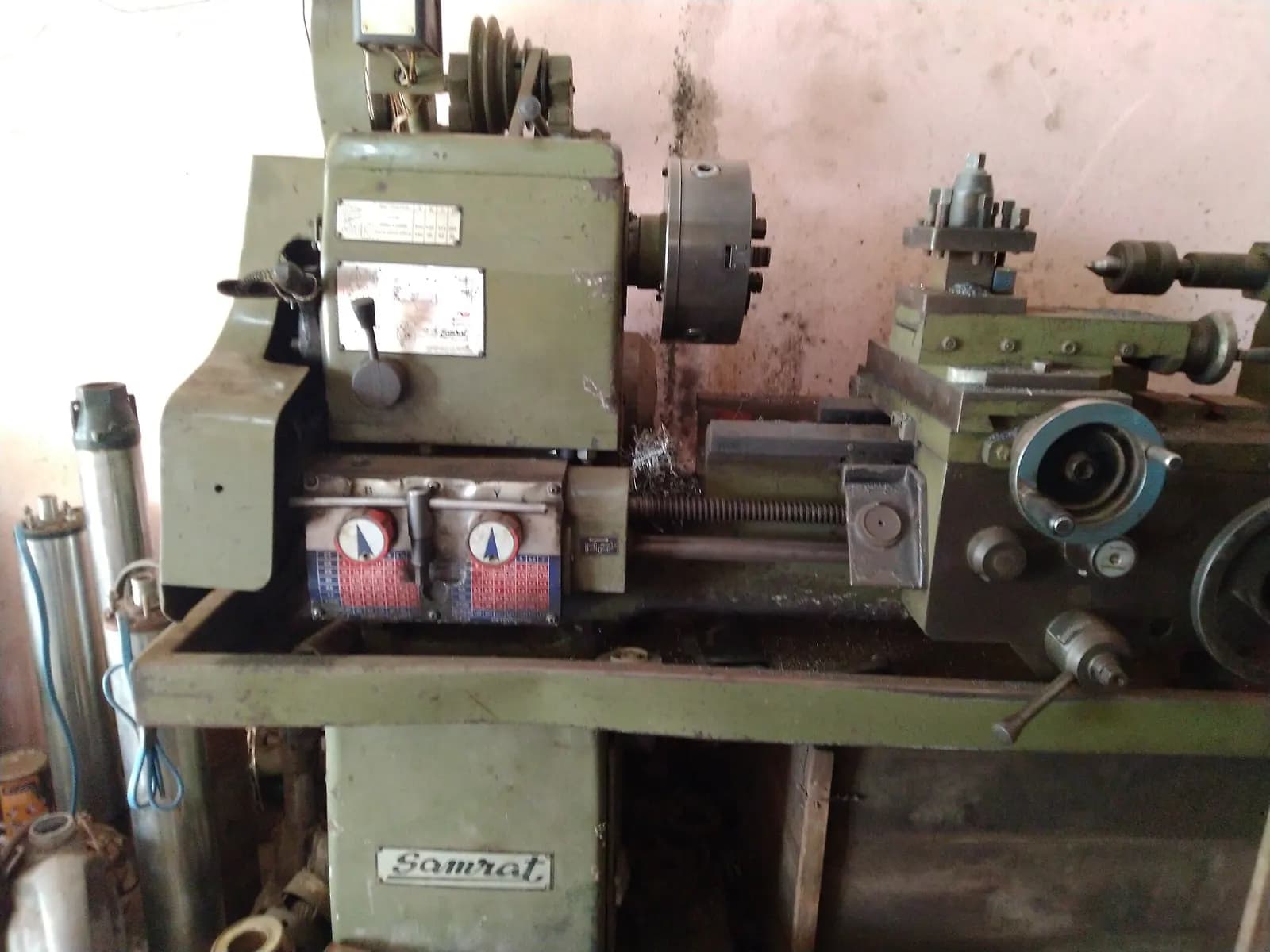
- What qualified: new machinery and technology from an approved list of sub-sectors and products, kept up to date by a committee of experts. The guidelines describe "technology upgradation" as a significant step up from the unit's existing technology, leading to better productivity, quality or environmental performance. Replacing a machine with the same technology did not count.
- Who could claim: existing and new micro and small enterprises (proprietorships, partnerships, cooperatives, private limited companies and LLPs) with a valid Udyog Aadhaar number and an entry in the MSME Data Bank. A unit that grew from small to medium because of the extra loan was still eligible. Khadi, village industry and coir units were covered.
Some groups got wider cover. Units owned 51% or more by SC/ST or women entrepreneurs, and units in the North-East, Jammu and Kashmir, Himachal Pradesh, Uttarakhand, Andaman and Nicobar, Lakshadweep, aspirational districts and LWE-affected districts could claim the subsidy on any core plant and machinery, not only on listed technologies. SC/ST-owned units could also get a higher subsidy under the Special CLCSS, explained below.
What was left out of the subsidy calculation
The guidelines excluded a long list of costs from "eligible machinery", and many claims were cut because of these exclusions:
- tools, jigs, dies, moulds, spares and consumables;
- installation charges and electrical work such as cables, bus bars and panels not mounted on the machine;
- generator sets and extra transformers, unless specifically approved;
- research and development and pollution-control equipment, unless approved for that sub-sector;
- transport of indigenous machinery to the factory and know-how fees for erecting it; and
- storage tanks not linked to the manufacturing process.
For imported machines, the import duty, shipping, customs clearance charges and GST were added to the cost. Second-hand and in-house fabricated machines never qualified. Machines bought on hire purchase, lease, buyer's credit or supplier's credit didn't qualify either, because the subsidy needed a term loan from a notified lender.
How the money moved
You applied to your bank for a term loan. Once the loan was sanctioned, fully disbursed and the machines installed, the bank visited your unit to confirm the machinery was working. It then filed the subsidy claim online through its nodal agency. There were eleven nodal banks and agencies, among them SIDBI, NABARD, SBI, Canara Bank, Bank of Baroda, PNB and Bank of India. Smaller lenders (cooperative banks, RRBs and state financial corporations) worked through SIDBI or NABARD. The date of the last loan disbursement was the "reference date". The ministry released claims first-in, first-out.
When the subsidy arrived, the bank did not pay it to you. It kept it as a term deposit receipt for three years from the reference date. The deposit earned no interest, and you paid no interest on the matching part of the loan. If the unit was still in commercial production after three years, the deposit was credited to your loan account.
When and why CLCSS ended
How CLCSS wound down
Before 2017
CLCSS runs alongside two other technology schemes, TEQUP and TADF
1 Apr 2017
CLCSS continues as the subsidy component of the new CLCS-TUS, which absorbs TEQUP and TADF
17 May 2017
Special CLCSS for SC/ST units notified (25% subsidy)
13 Aug 2019
Revised CLCS guidelines; subsidy on the lower of loan or machinery cost
31 Mar 2020
Validity of the CLCS component ends
12 Aug 2021
DC-MSME circular: CLCS-TUS no longer in operation, no new applications
2026-27
Budget keeps a ₹0.01 crore token line for old liabilities
From April 2017 the ministry merged its three overlapping technology schemes into one umbrella, the Credit Linked Capital Subsidy and Technology Upgradation Scheme (CLCS-TUS). The capital subsidy became one component. The others were Zero Defect Zero Effect (ZED) certification, lean manufacturing, design support, Digital MSME, incubation and IPR awareness. The December 2019 guidelines stated that "the present validity of the CLCS Component of CLCS-TU scheme is extended up to 31st March 2020".
It was not extended again. In August 2021 the Development Commissioner (MSME) issued a circular, dated 12 August 2021, saying that CLCS-TUS was no longer in operation, that subsidy applications for reference year 2019-20 had been settled for eligible units, and that no new applications were being accepted. The ministry has not published a detailed reason. The scheme had faced long backlogs and uncertainty. In 2018, for example, the MSME Secretary had to say publicly that CLCSS had not been discontinued, because banks were unsure whether it was active. The ministry's later choices show where the money went instead: away from general machinery subsidies and towards certification, productivity and targeted schemes.
The 2026-27 Notes on Demands for Grants still show a line called "Credit Linked Capital Subsidy (CLCS)". It had ₹0.04 crore at the revised stage of 2025-26 and has ₹0.01 crore for 2026-27. The note describes the scheme in the past tense. A token line like this lets the ministry settle stray old liabilities. It does not mean the scheme has reopened.
If you had a pending claim: the window has closed. If your loan was sanctioned before 31 March 2020 and your bank says it filed a claim, ask it for the claim number and status in writing. If the bank never filed the claim, there is no route left to file it now.
What replaced CLCSS
There is no single replacement for the general 15% subsidy. Its pieces went in different directions.
Where CLCS-TUS's parts went
| Old component | Where it is now | Status, October 2026 |
|---|---|---|
Capital subsidy (CLCS), 15% up to ₹15 lakh | Not replaced for general MSEs | Discontinued after 31 Mar 2020 |
Special CLCSS for SC/ST units, 25% | Component of the National SC-ST Hub | Running; funded in 2026-27 |
ZED certification | MSME Sustainable (ZED), MSME Champions Scheme | Open; renewal under evaluation |
Lean manufacturing | MSME Competitive (LEAN) | Open; renewal under evaluation |
Design, IPR, incubation | MSME Innovative | Open; renewal under evaluation |
Digital MSME | Linked to the Champions Scheme; not a separate line in the 2026-27 Budget | No separate scheme |
Capital subsidy (CLCS), 15% up to ₹15 lakh
- Where it is now
Not replaced for general MSEs
- Status, October 2026
Discontinued after 31 Mar 2020
Special CLCSS for SC/ST units, 25%
- Where it is now
Component of the National SC-ST Hub
- Status, October 2026
Running; funded in 2026-27
ZED certification
- Where it is now
MSME Sustainable (ZED), MSME Champions Scheme
- Status, October 2026
Open; renewal under evaluation
Lean manufacturing
- Where it is now
MSME Competitive (LEAN)
- Status, October 2026
Open; renewal under evaluation
Design, IPR, incubation
- Where it is now
MSME Innovative
- Status, October 2026
Open; renewal under evaluation
Digital MSME
- Where it is now
Linked to the Champions Scheme; not a separate line in the 2026-27 Budget
- Status, October 2026
No separate scheme
The MSME Champions Scheme was formed from the six non-subsidy components for 2021-22 to 2025-26. It has ₹54.72 crore in the 2026-27 Budget. In a 12 March 2026 Lok Sabha reply the ministry said the scheme had met or exceeded its key targets and was being evaluated. The ZED certification guide explains the part most small manufacturers use. ZED doesn't pay for machines, but it pays 80% of a micro unit's certification cost and opens up interest concessions from several banks.
The textile ministry's separate Amended Technology Upgradation Fund Scheme (ATUFS) often gets confused with CLCSS. It too has closed: no new projects since 31 March 2022. See our TUFS guide.
Machinery subsidies you can use in 2026
If you want help buying machines now, these are the realistic options, in roughly the order to check them.
1. Special CLCSS (SC/ST-owned units). This is the closest thing to the old CLCSS, and it is more generous. Under the National SC-ST Hub, an SC/ST-owned micro or small enterprise gets 25% of a term loan of up to ₹1 crore (or of the machinery cost, if lower) for new plant and machinery, up to ₹25 lakh. Since 15 November 2021 it covers service enterprises too. Trading is excluded, and so are industries in the pollution "red" category. The unit needs Udyam registration and a GeM seller account. The claim must reach the bank within one year of the last disbursement. Loans from NBFCs don't qualify. The subsidy is again held as a three-year deposit. Since 2016 the Hub has paid ₹356.10 crore to 3,160 MSEs. See our National SC-ST Hub guide.
2. MSE-SPICE (recycling and circular-economy units). Launched in December 2023 under the RAMP programme and run by SIDBI. It pays a 25% capital subsidy on plant and machinery, up to ₹12.5 lakh, for existing (brownfield) micro and small units investing in 11 circular-economy sectors such as plastic, rubber and e-waste recycling. You must meet extended producer responsibility and recycling norms. You can't take both SPICE and MSE-GIFT. Confirm with SIDBI or your bank that new sanctions are continuing in 2026.
3. PMEGP second loan (existing PMEGP units). If your unit was set up under PMEGP and has done well, you can take a second loan to upgrade. The project can be up to ₹1 crore in manufacturing, with a subsidy of 15% (20% in NER and hill states), capped at ₹15 lakh (₹20 lakh NER/hill). See our PMEGP guide.
4. Your state's industrial policy. Most states pay new and expanding units a capital investment subsidy or an interest subsidy on term loans for plant and machinery, often higher in backward districts and for women and SC/ST owners. Your District Industries Centre handles these claims.
5. Sector schemes. Food processors should check PMFME, which is subject to its own renewal decision. Green-technology loans sanctioned up to 31 March 2026 get MSE-GIFT's 2% interest subvention.
6. Guarantees instead of subsidies. If collateral rather than cost is your problem, a CGTMSE guarantee covers loans up to ₹10 crore without property. For larger machinery loans, MCGS-MSME gives a 60% guarantee on loans up to ₹100 crore.
Worked example: the same machine, then and now
A small precision-engineering unit in Pune wants a CNC turning centre costing ₹60 lakh. It borrows ₹50 lakh from a public sector bank and puts in ₹10 lakh of its own money.
| Route | Subsidy calculation | Subsidy |
|---|---|---|
| Old CLCSS (loan sanctioned in 2019) | 15% of the lower of loan (₹50 lakh) or machine cost (₹60 lakh) | ₹7.5 lakh |
| SCLCSS today (SC/ST-owned unit) | 25% of the lower of ₹50 lakh or ₹60 lakh | ₹12.5 lakh |
| PMEGP second loan (if an existing PMEGP unit) | 15% of the project cost, capped at ₹15 lakh | up to ₹9 lakh on a ₹60 lakh project |
| General MSE in 2026, not SC/ST, not PMEGP | No central capital subsidy for this machine | ₹0 central (check the state policy) |
In every subsidy route above, the money goes to the bank and is locked against the loan for about three years. Plan your cash flow on the full loan EMI, not on the loan minus the subsidy. On ₹50 lakh at 10% over seven years, the EMI is about ₹83,000 a month. You can check your own numbers with the EMI calculator.
Preparing a subsidy-ready machinery loan
Whichever route you use, the paperwork follows the same pattern that CLCSS set. Get a quotation from the machine supplier that lists each machine separately from tools, dies, spares, installation and freight, so the bank can work out the eligible cost without going back and forth with you. Keep your Udyam certificate current, with the right NIC code for the activity the machine will be used for. If you are an SC/ST owner, keep proof of ownership ready (the proprietor's caste certificate, or a partnership deed or share register showing at least 51% SC/ST holding), along with your GeM seller ID. Ask the bank at the start whether it is a nodal bank for the scheme or works through SIDBI or NABARD, and get the scheme named in the sanction letter. Finally, keep the machine installed and the unit running for the full three-year lock-in. Selling or moving the machine early can lead to the subsidy being recovered.
Mistakes to avoid when someone offers you "CLCSS"
- Paying an agent to file a CLCSS application. There is no live application process. Anyone charging a fee for one is selling nothing.
- Buying the machine first. Every surviving capital subsidy is credit-linked. The loan has to be sanctioned before the purchase, and the claim is filed by the bank.
- Using a lease or NBFC loan when you want SCLCSS. SCLCSS needs a term loan from a scheduled bank, RRB, cooperative bank or state financial corporation tied to a nodal agency. NBFC loans and leases don't qualify.
- Missing the one-year claim window. For SCLCSS, the documents must reach the bank within a year of the last disbursement, and the bank uploads them within 30 days after that.
- Counting spares, dies and installation costs. Leave these out of your subsidy estimate. They were excluded under CLCSS and are excluded under SCLCSS.
Official links
- CLCS-TUS revised guidelines (Dec 2019)Final CLCSS rules and validity to 31 March 2020
- DC-MSME — CLCS-TUS componentsZED, Lean, Design, Digital, Incubation, IPR
- National SC-ST Hub — SCLCSS25% capital subsidy for SC/ST MSEs
- MSE-SPICE FAQ (SIDBI)Circular-economy capital subsidy
- Budget 2026-27, Demand No. 68CLCS token line and Champions allocation
What to do next
Before you talk to a bank about machinery, decide which route fits you: SCLCSS if you are an SC/ST owner, SPICE for a recycling project, a PMEGP second loan if you started under PMEGP, or your state's capital subsidy. Then get the loan sanctioned under that scheme before you place the order. Our list of government schemes for MSMEs shows the current status of every other option, and the ROI calculator helps you check whether the machine pays for itself even without a subsidy.
This is general information, not legal or tax advice — confirm on the official source or with a professional.
Frequently asked questions
No. The CLCS component of CLCS-TUS was valid only until 31 March 2020. In August 2021 the Development Commissioner (MSME) said the scheme was no longer in operation, that claims for 2019-20 had been settled and that no new applications were being accepted. The 2026-27 Budget keeps a ₹0.01 crore token line only for leftover liabilities.
CLCSS paid a capital subsidy of 15% on institutional finance for approved machinery, on loans of up to ₹1 crore, so the maximum subsidy was ₹15 lakh. For loans sanctioned after 13 August 2019, the subsidy was 15% of the loan or the machinery cost, whichever was lower.
There is no direct replacement for the general 15% subsidy. The other parts of the umbrella scheme (ZED, LEAN, design, IPR, incubation and Digital MSME) became the MSME Champions Scheme. SC/ST-owned units still get a 25% capital subsidy through the National SC-ST Hub. MSE-SPICE pays 25% up to ₹12.5 lakh for recycling projects, and PMEGP pays 15% on upgradation loans for its own units.
Only if your bank uploaded the claim in time. The ministry settled claims for reference year 2019-20 and stopped accepting new applications. If your bank sanctioned a loan before 31 March 2020 but never filed the claim, there is now no window to file it. Ask the bank for written confirmation of the claim's status.
The Special Credit Linked Capital Subsidy Scheme is part of the National SC-ST Hub. It pays SC/ST-owned micro and small enterprises 25% of a term loan of up to ₹1 crore for new machinery, a maximum of ₹25 lakh. It covers manufacturing and, since November 2021, services. Its guidelines ran to 31 March 2026, but it is funded in 2026-27 and the claims portal is open.
The general CLCSS covered manufacturing machinery and equipment for services in approved sub-sectors and technologies, from a list kept by the ministry. Traders were not covered. SC/ST, women, North-East, hill-state, island and aspirational-district units could claim on any core machinery, not just listed technologies. Second-hand and fabricated machines never qualified.
Sources & verification
Figures on this page were checked against the sources below when it was last reviewed on 9 October 2026. Each rate and limit is stored once with its own official source and review date, and official update channels are monitored daily so changes are picked up. How we verify
- 1.Revised Guidelines of Credit Linked Capital Subsidy component of CLCS-TUS (OM of 13 Dec 2019) — Office of the Development Commissioner (MSME) · accessed 9 October 2026
- 2.CLCS-TUS scheme page (components: ZED, Lean, Design, Digital, Incubation, IPR) — Office of the Development Commissioner (MSME) · accessed 9 October 2026
- 3.Notes on Demands for Grants 2026-27, Demand No. 68 — Ministry of MSME — Ministry of Finance (Union Budget) · accessed 9 October 2026
- 4.Revised Guidelines of National SC-ST Hub Scheme (OM of 15 May 2025) — Ministry of MSME / NSIC · accessed 9 October 2026
- 5.MSME Champions Scheme progress (Lok Sabha reply, 12 Mar 2026) — PIB — Ministry of MSME · accessed 9 October 2026
- 6.FAQs under MSE-SPICE — SIDBI · accessed 9 October 2026
- 7.CLCS-TUS, Interest Subvention Scheme are no longer in operation: MSME ministry (17 Aug 2021) — KNN India · accessed 9 October 2026
- 8.CLCSS scheme for MSMEs is in continuation, MSME Secretary reiterates (27 Feb 2018) — KNN India · accessed 9 October 2026
MSMETOOLS is an independent platform and is not affiliated with any government agency, ministry or department.
Tools for this
EMI Calculator
Calculate loan EMIs for business and personal loans.
ROI Calculator
Calculate return on investment for your business projects.
Break Even Calculator
Find your break even point and units.
Related guides
 Technology Upgradation Fund (ATUFS) 2026: Status & What's OpenRead guide
 SC ST Hub Scheme 2026: 25% Subsidy, Refunds & How to ApplyRead guide
 Term Loan for Business 2026: Tenure, EMI, DSCR & RulesRead guide
 PM FME Scheme 2026: 35% Subsidy, Status & How to ApplyRead guide
Official links open the government site in a new tab.