 Business registration & legal
Trade License in Bangalore and Karnataka (2026): GBA City Corporations, Renewal Window, Penalties and the Rules Elsewhere in the State
Trade licence in Bangalore for 2026: who issues it now BBMP is GBA, 1–5 year validity, the February renewal window, 25%/100% penalties and Karnataka town rules.
 Edited by Sumeet YadavFounder & editor, MSMETOOLS · fact-checked against official sources
Contents (11)
- 1. What a trade licence is, and what it isn't
- 2. Who issues trade licences in Bengaluru now
- 3. Licence period, fees and how the demand is worked out
- 4. Renewal window and penalties
- 5. Conditions that can block a renewal
- 6. How to apply for a new trade licence in Bengaluru
- 7. Penalties for trading without a licence
- 8. Worked example: a café in a Jayanagar side street
- 9. Trade licences in other Karnataka cities and towns
- 10. Common mistakes and how to fix them
- 11. What to do next
If you run a shop, restaurant, salon, office, lodge or workshop in Bengaluru, you need a trade licence from the city — and since 2025 the city is no longer BBMP. This guide is for owners and managers in Karnataka who are setting up or renewing: who issues the licence now that the Greater Bengaluru Authority and five city corporations have replaced BBMP, how long a licence lasts, the February renewal window and the penalties for missing it, the documents and conditions inspectors check, and how the rules differ in Mysuru, Hubballi-Dharwad, Mangaluru and other towns. Everything here was checked against the Karnataka Acts and the corporation's own notices in October 2026.
Quick answer
In Bengaluru, apply or renew through the GBA trade licence service (the old BBMP portal, now run by the Greater Bengaluru Authority for all five city corporations). You can take a licence for 1 to 5 financial years, paying each year's fee up front. Renewals open in February; in 2026-27 the penalty-free window was 1–28 February.
Late renewal: 25% of the licence fee in March, 100% of the licence fee from 1 April
Fee is set by trade category; the portal computes it — no official public fee table is currently online
Upload owner consent or lease, an electricity bill and the occupancy certificate if available
Nameboards must give Kannada 60% of the space; it's checked at renewal
Other Karnataka cities and towns license under the 1976 and 1964 municipal Acts, amended in September 2025
What a trade licence is, and what it isn't
A trade licence is the local body's permission to use a particular premises for a particular trade. The municipality uses it to check that the activity suits the zone and the building, that it won't create a nuisance or a health risk, and that it pays its share of the cost of regulating trades. BBMP's own FAQ described it simply as a permit issued by the municipal corporation that lets a person or business carry out the trade it is issued for, in the premises named on it.
The licence doesn't create a business entity and doesn't replace any other registration. A café in Indiranagar, for example, will usually need a trade licence from its city corporation, an FSSAI registration or licence for the food, a registration under the Karnataka Shops and Commercial Establishments Act for its staff, professional tax enrolment, GST registration once it crosses the threshold, and possibly a fire clearance. Inspectors at renewal often ask to see some of these, so it helps to treat them as one bundle.
The trade licence is tied to the premises. If you move, you need a licence for the new address; if you change the kind of business, the licence category has to change too.
Who issues trade licences in Bengaluru now
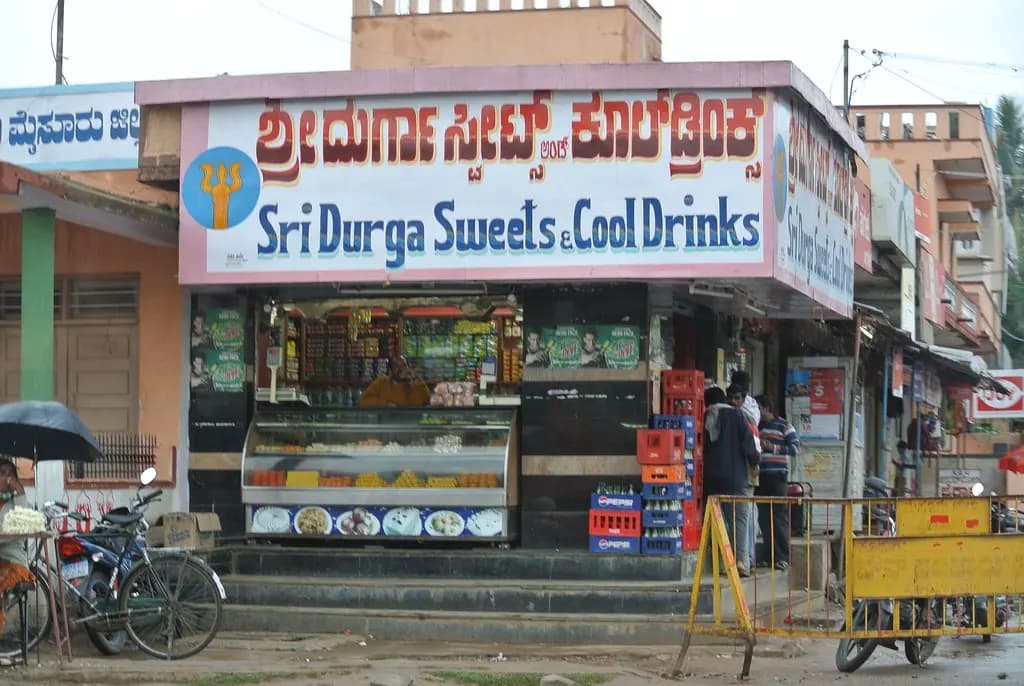
Bengaluru's civic structure changed in 2025. The Greater Bengaluru Governance Act, 2024 came into force in May 2025, and by 2 September 2025 the Greater Bengaluru Authority (GBA) was fully in place over five new city corporations: Bengaluru Central, North, South, East and West. The Act repealed the BBMP Act, 2020, but its savings clause keeps alive anything done under the old law — so licences issued by BBMP, and their licence numbers, continue.
Under Chapter XXIII of the new Act, the commissioner of each city corporation has the power to grant licences for, among other things, trade establishments, wholesale and retail markets, restaurants, industries, commercial undertakings, corporate offices, service apartments and paying-guest accommodation, shared offices, hospitals and nursing homes, theatres and places of amusement, milk trade and food trucks. The fee for each licence is fixed by the city corporation, and different rates can apply to different licences. Every licence must state its period and conditions.
In practice, trade licensing has stayed centralised so far. The online service that used to be BBMP's now carries GBA branding, and renewal instructions for 2026-27 came in a single circular from the GBA Chief Commissioner covering all five corporations. Your premises' address decides which corporation's health officers inspect it and which commissioner signs the licence.
One practical note: on 12 October 2026 the GBA trade licence site was still showing a notice that the service was down for an "application migration" from 21 September 2026, with resumption expected around 25 September. If you can't reach it, keep checking the GBA and city corporation websites for the new address rather than paying an agent, and keep screenshots of any failed attempt in case a deadline passes while the system is down.
Licence period, fees and how the demand is worked out
Validity. Bengaluru licences follow the financial year, 1 April to 31 March. BBMP's FAQ explained that you can apply for a new licence or a renewal for one to five years at a time; the 2026-27 GBA circular kept that option. A five-year licence means paying five years' fees at once — and avoiding four renewal deadlines and the risk of four penalties. If you're confident you'll stay in the same premises, the multi-year option is usually the sensible choice.
Who does what in Bengaluru licensing
Step 1
Greater Bengaluru Authority
portal + common circulars
Step 2
City corporation
Central / North / South / East / West
Step 3
Health officer
inspection of your premises
Step 4
Commissioner
grants, suspends or revokes
Step 5
GBA Chief Commissioner
appeals within 30 days
How the fee is set. The fee depends on the category of trade, not just on floor area. A provision store, a bakery unit, a restaurant, a lodge priced by the number of rooms, a nursing home priced by beds, a salon and a petrol pump all fall into different slabs, and units using machinery also pay according to the horsepower installed. When you choose your trade on the portal, it generates the demand for you.
What we couldn't verify. The current GBA trade licence fee schedule isn't published on any official page we could reach in October 2026. Several consultancy and loan-company websites print tables of BBMP fees, but none of them links to an official schedule, and some of the numbers contradict each other. We've left those figures out. Use the demand the portal shows, and if it looks wrong for your trade, ask the health officer of your ward or zone before paying.
Payment rules. BBMP's FAQ said part payments aren't accepted: you pay the full demand for all the years you select. You can pay online by card or net banking, or save the application and pay later; the 2026-27 circular also allowed a Canara Bank challan.
Renewal window and penalties
The renewal season starts in February each year for the financial year beginning 1 April. The BBMP FAQ put it plainly: renew before the end of February to avoid the penalty, which starts in March, though the penalty-free period can be extended by circular. For 2026-27, the GBA circular set out this schedule:
Bengaluru trade licence renewal — 2026-27 schedule
1–28 February
Renew for the next financial year with no penalty
1–31 March
Penalty of 25% of the licence fee added to the demand
From 1 April
Penalty of 100% of the licence fee — you pay double
Late January each year
Watch for the GBA circular confirming the next window
The penalty is charged on the licence fee for the year. On a one-year renewal with a demand of ₹6,000 (an illustrative figure — your category's fee will differ), paying in February costs ₹6,000, paying in March costs ₹7,500, and paying in April or later costs ₹12,000. On a five-year renewal, ask the health officer how the penalty is applied before you pay, because the circular's wording as reported doesn't say whether it falls on the first year's fee or on the whole demand.
Renewal is online only. The 2026-27 circular required renewals to be done online. Search for your existing licence using the application or licence number, confirm or update the details, choose the number of years, pay and download the renewed certificate. If the category, area or owner has changed, update those details first — a renewal on outdated details can be withheld after inspection.
Conditions that can block a renewal
The 2026-27 circular linked renewal to several conditions that go beyond paying the fee. These are where most renewals now get stuck.
Zoning and road width. As reported, businesses established after 2015 on residential roads narrower than 40 ft are to be refused outright, and on wider residential roads only specified categories of business are allowed, within a limited area. If your shop is on a residential street, check the zoning before you sign a lease, not after.
Building violations. Renewals are withheld for businesses operating in buildings that deviate from the approved plan, in parking areas or on rooftops. A restaurant that has taken over the basement parking of a commercial building is the classic case.
Waste and plastics. Businesses generating more than 100 kg of waste a day must process it on site or have an agreement with an authorised waste vendor. Hotels, restaurants and convention halls must give a written declaration that they comply with the single-use plastic ban and display awareness posters. Wet and dry waste must be separated into green and blue bins.
Kannada nameboards. Karnataka's 2024 amendment to its Kannada language law requires business nameboards to give Kannada at least 60% of the space, in the upper half of the board. When the bill was passed, the government said compliance would be checked whenever a licence is issued or renewed, and BBMP and now the GBA have tied renewals to it. Changing the board is cheap compared with a refused renewal.
Unpaid property tax. Under the Greater Bengaluru Governance Act, the commissioner can suspend or revoke a licence if property tax or other dues on the premises remain unpaid. If you're a tenant, ask the landlord for the latest property tax receipt — it's your licence at risk.
How to apply for a new trade licence in Bengaluru
New trade licence in Bengaluru
- 1
Check zoning and the building
Confirm that your trade is allowed on that road and in that building — residential roads under 40 ft and buildings with plan violations are the usual reasons for refusal.
Tip: Ask the landlord for the building's occupancy certificate and latest property tax receipt before signing.
- 2
Open the GBA trade licence service
GBA trade licence serviceUse the trade licence link on the GBA or your city corporation's website and choose online new trade licence registration.
- 3
Fill in the mandatory details
Enter the business and owner details, premises address, ward, trade category, and machinery horsepower if any. Choose the number of years (1 to 5).
- 4
Upload documents
Upload owner consent or lease, an electricity bill and the occupancy certificate if available, each as a JPG or PDF under 1 MB.
- 5
Pay the full demand
Pay online or save and pay later by bank challan. Part payment isn't accepted.
- 6
Inspection and certificate
The health officer for your area may inspect. Download the licence and receipt from the portal once approved, and display the licence at the premises.
Timing. Apply before you start trading — the Act lets the commissioner act against premises being used without a licence from day one. For a simple shop or office with clean papers, approval mostly depends on the inspection backlog in your zone. Restaurants, lodges, nursing homes and units with machinery take longer because inspectors look at more.
Which category to choose. Choose the category that matches what you actually do from the premises. If you run two different activities — say a bakery counter and a café — declare both, because the licence only covers the trades written on it.
Documents for a Bengaluru trade licence
0/9Penalties for trading without a licence
The Greater Bengaluru Governance Act gives the city several tools. If an act that needs a licence is done without one, the commissioner can serve a notice requiring you to stop or undo it, enter the premises and take steps to prevent it continuing, and — where no other penalty is specially provided — prosecute, with a fine on conviction of up to ₹50,000 per offence. For eating houses, hotels, lodges, tea shops, cafés, restaurants, cinemas and similar places of public resort, the commissioner can also stop the use of the premises for a period, including by sealing them.
Anyone aggrieved by a notice or action of the commissioner under the licensing chapter can appeal to the Chief Commissioner of the GBA within 30 days of the order, and the Chief Commissioner's decision is final. If your renewal is withheld for a reason you think is wrong — say, the inspector has recorded the wrong road width — put your objection in writing with evidence and keep the 30-day clock in mind.
Worked example: a café in a Jayanagar side street
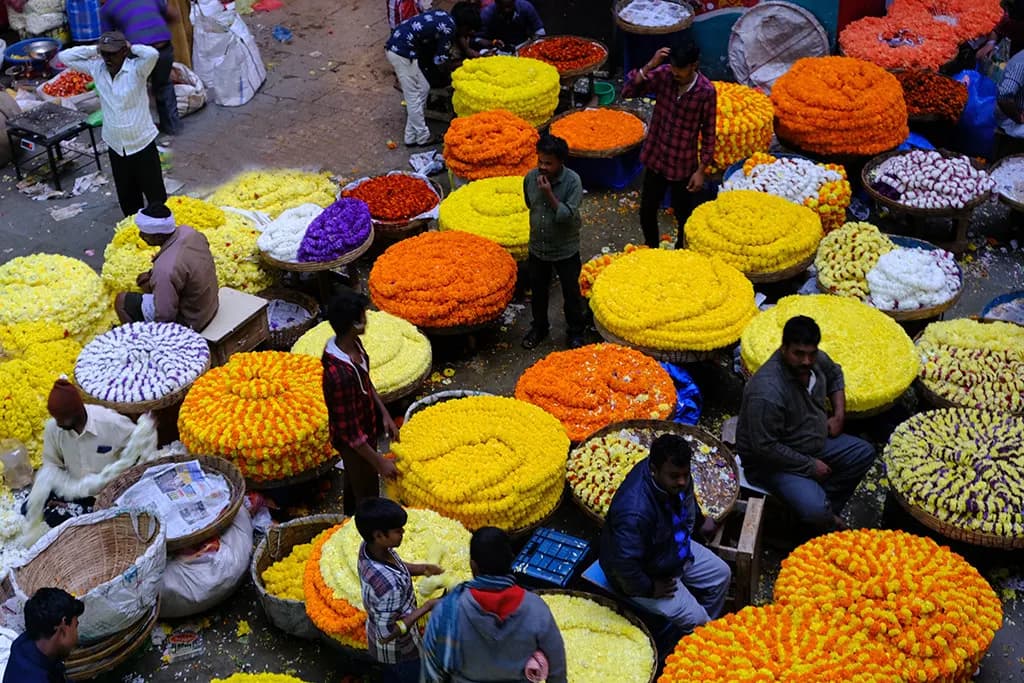
Kavya plans a 30-seat café on the ground floor of a commercial building on a 50-ft road. Before signing the lease she asks the owner for the occupancy certificate and the latest property tax receipt, because both affect the licence. She registers with FSSAI, registers the café under the Karnataka Shops and Commercial Establishments Act for her eight staff, and enrols for professional tax.
On the trade licence portal she chooses the restaurant category, enters her details and selects five years, so her licence runs to 31 March 2031 and she skips four renewal seasons. She uploads the lease with the owner's consent, the electricity bill and the occupancy certificate, pays the full demand online, and orders a nameboard with the café's name in Kannada in the upper part and English below. The health officer visits, checks the kitchen, waste segregation and the plastic-ban poster, and approves.
Now compare her neighbour, who opened a similar café in 2024 on a 30-ft residential street and renewed on 10 April 2026. He paid double the year's fee because of the 100% penalty — and his renewal is at risk anyway, because his road is narrower than 40 ft and the circular bars businesses started after 2015 on such roads. The cheapest fix was to check zoning before leasing.
Trade licences in other Karnataka cities and towns
Outside Bengaluru, two state laws apply. City corporations such as Mysuru, Hubballi-Dharwad, Mangaluru, Belagavi, Kalaburagi, Davanagere, Ballari, Vijayapura, Shivamogga and Tumakuru issue trade licences under section 353 of the Karnataka Municipal Corporations Act, 1976. City municipal councils, town municipal councils and town panchayats issue them under section 256 of the Karnataka Municipalities Act, 1964.
Bengaluru vs other Karnataka urban local bodies
| Bengaluru (five city corporations) | Other city corporations | Municipal councils / town panchayats | |
|---|---|---|---|
Law | Greater Bengaluru Governance Act 2024, ss.303–312 | Karnataka Municipal Corporations Act 1976, s.353 | Karnataka Municipalities Act 1964, s.256 |
Which trades need a licence | Subjects listed in s.303; detail in rules and bye-laws | As specified in bye-laws or notified by government (since Sept 2025) | As specified in bye-laws or notified by government (since Sept 2025) |
MSME exemption in the Act | No | Yes — MSMEs registered with the DIC | Yes — MSMEs registered with the DIC |
Online channel | GBA trade licence service | Corporation's portal / state system | ULB office or state system |
Appeal | GBA Chief Commissioner within 30 days | Per the 1976 Act | Per the 1964 Act |
Law
- Bengaluru (five city corporations)
Greater Bengaluru Governance Act 2024, ss.303–312
- Other city corporations
Karnataka Municipal Corporations Act 1976, s.353
- Municipal councils / town panchayats
Karnataka Municipalities Act 1964, s.256
Which trades need a licence
- Bengaluru (five city corporations)
Subjects listed in s.303; detail in rules and bye-laws
- Other city corporations
As specified in bye-laws or notified by government (since Sept 2025)
- Municipal councils / town panchayats
As specified in bye-laws or notified by government (since Sept 2025)
MSME exemption in the Act
- Bengaluru (five city corporations)
No
- Other city corporations
Yes — MSMEs registered with the DIC
- Municipal councils / town panchayats
Yes — MSMEs registered with the DIC
Online channel
- Bengaluru (five city corporations)
GBA trade licence service
- Other city corporations
Corporation's portal / state system
- Municipal councils / town panchayats
ULB office or state system
Appeal
- Bengaluru (five city corporations)
GBA Chief Commissioner within 30 days
- Other city corporations
Per the 1976 Act
- Municipal councils / town panchayats
Per the 1964 Act
The September 2025 amendment. Karnataka Act No. 64 of 2025, which received the Governor's assent on 11 September 2025 and came into force on publication the next day, changed both laws. It deleted the long statutory schedules of trades — Schedule X of the 1976 Act and Schedule XIII of the 1964 Act — and replaced them with trades "as specified in the bye-laws or as notified by the Government". The bill's statement of objects listed rationalising the trade licence and compliance reduction among its aims. In the 1964 Act, the penalty sub-section was also replaced with a general provision that anyone using premises in contravention "shall be punished with penalty". Until each council adopts new bye-laws, expect the existing licensing practice of your local body to continue.
The MSME exemption. Both Acts carry a proviso that micro, small and medium enterprises registered under the MSMED Act, 2006 with the District Industries Centre, and large industries that have filed an Industrial Entrepreneurs Memorandum or hold an industrial licence, are exempt from obtaining a trade licence. That is a significant relief for manufacturers and service units outside Bengaluru. Two cautions: first, the Bengaluru law has no matching proviso, so the exemption doesn't help inside the five city corporations; second, local bodies don't all read "registered with the DIC" the same way, especially for traders who hold only an Udyam certificate. Ask your municipality for its written position before you skip the licence, and keep your Udyam certificate handy.
How to apply outside Bengaluru. The Directorate of Municipal Administration directed urban local bodies to use its common trade licence application, known as Vyapar, and councils take applications online or at their offices. Fees are fixed locally by each body — there is no single state-wide rate — and most licences run to 31 March. Check your corporation's or council's website, or visit the revenue or health section with your documents. In villages, the gram panchayat issues trade permissions under the Karnataka Gram Swaraj and Panchayat Raj Act, 1993.
How Karnataka's trade licence law changed, 2025–26
15 May 2025
Greater Bengaluru Governance Act in force; GBA replaces BBMP
2 September 2025
GBA and five city corporations fully operational
12 September 2025
Act 64 of 2025 removes trade schedules from the 1964 and 1976 Acts
2 February 2026
GBA circular on 2026-27 renewals: February window, 25% / 100% penalties
21 September 2026
GBA trade licence service taken offline for migration
Common mistakes and how to fix them
Paying an agent for a "BBMP licence" that's actually a GBA renewal. It's the same service. If an agent quotes a fee far above the portal demand, the difference is their charge.
Missing February. The penalty doubles your cost from 1 April. Diary the first week of February and take a multi-year licence if you can.
Choosing the cheapest category. If the category doesn't match your activity, the inspection will flag it and the licence won't protect you. Declare the real trade.
Ignoring the building. Plan violations, parking-area use and unpaid property tax are now grounds to withhold renewal. Get the landlord's documents before you commit to the premises.
Assuming the trade licence covers labour law. It doesn't. See our Karnataka labour licence and Shops Act guide, Karnataka professional tax and Karnataka minimum wages.
Not closing the licence. If you shut down or move, apply to close or surrender the licence so demands don't keep building against it.
Official links
- GBA trade licence serviceNew licences and renewals for the five Bengaluru city corporations
- Greater Bengaluru Governance Act, 2024Chapter XXIII — licences and fees
- Karnataka Act No. 64 of 2025Amendments to s.256 (1964 Act) and s.353 (1976 Act)
- BBMP trade licence FAQValidity, documents and payment rules
- Seva SindhuKarnataka's single window for citizen services
What to do next
Check zoning and the building's papers, pick your trade category, and decide how many years to license for — then put the first week of February in your calendar for renewals. If you're outside Bengaluru and registered with the DIC, ask your municipality in writing whether the MSME exemption covers you. Then line up the rest of your Karnataka registrations: Shops and Establishments and labour licences, professional tax, FSSAI for food, a fire NOC where needed, and GST registration. Our startup cost calculator helps you budget the year's fees.
This is general information, not legal or tax advice — confirm on the official source or with a professional.
Frequently asked questions
Yes. The Greater Bengaluru Governance Act, 2024 repealed the BBMP Act, 2020 but saved actions and licences granted under it. Licensing now sits with the commissioners of the five city corporations, and in practice the Greater Bengaluru Authority runs one trade licence portal and issues common renewal circulars. Your existing licence number carries over; renew it through the GBA trade licence service.
Renewals open in February for the financial year starting 1 April. For 2026-27, the GBA circular allowed renewal without penalty during 1–28 February. Renewal in March attracted a penalty of 25% of the licence fee, and from 1 April the penalty became 100% of the licence fee. Each year's circular can change the window, so check it in late January.
The fee depends on the trade category of your business — a provision store, restaurant, salon, lodge or workshop each has its own rate — and for machinery-based units on the horsepower used. The portal works out the demand once you choose the category. The current GBA rate schedule isn't published on an accessible official page, so rely on the demand the portal shows rather than figures quoted on agency websites.
You can apply or renew for 1 to 5 financial years, paying the fee for each year up front. Licences follow the financial year, so a one-year licence taken in 2026-27 is valid to 31 March 2027 whatever the date of payment. Part payments are not accepted.
The Karnataka Municipal Corporations Act, 1976 and the Karnataka Municipalities Act, 1964 exempt MSMEs registered under the MSMED Act with the District Industries Centre, and large industries that have filed an Industrial Entrepreneurs Memorandum, from obtaining a trade licence. The Greater Bengaluru Governance Act has no matching exemption, and municipalities may still expect shops and eateries to hold one, so confirm with your local body before relying on it.
Under the Greater Bengaluru Governance Act, the commissioner can require you to stop the activity, enter the premises to prevent it, and seal eating places and places of public resort that run without a licence. Where no specific penalty applies, a court can fine you up to ₹50,000 per offence. A licence can also be suspended or revoked if property tax or other dues are unpaid.
Sources & verification
Figures on this page were checked against the sources below when it was last reviewed on 12 October 2026. Each rate and limit is stored once with its own official source and review date, and official update channels are monitored daily so changes are picked up. How we verify
- 1.The Greater Bengaluru Governance Act, 2024 — Chapter XXIII, Licenses and Fees (ss.303–312) and s.361 — Department of Parliamentary Affairs and Legislation, Government of Karnataka · accessed 12 October 2026
- 2.The Karnataka Municipalities and Certain Other Law (Amendment) Act, 2025 (Karnataka Act No. 64 of 2025) — Department of Parliamentary Affairs and Legislation, Government of Karnataka · accessed 12 October 2026
- 3.BBMP — FAQ on Trade License — Bruhat Bengaluru Mahanagara Palike · accessed 12 October 2026
- 4.GBA Trade License Online Service — service notice — Greater Bengaluru Authority · accessed 12 October 2026
- 5.Karnataka Legislative Assembly — LA Bill No. 53 of 2025, statement of objects and reasons — PRS Legislative Research (bill text) · accessed 12 October 2026
- 6.Bengaluru trade licence renewal 2026–27 begins; GBA issues penalty rules and online guidelines — Asianet Newsable · accessed 12 October 2026
- 7.Greater Bengaluru Authority — Wikipedia · accessed 12 October 2026
- 8.Bill mandating 60% Kannada on sign boards passed in Karnataka Assembly — The South First · accessed 12 October 2026
- 9.Trade licence app of MCC violates DMA circular — Deccan Herald · accessed 12 October 2026
MSMETOOLS is an independent platform and is not affiliated with any government agency, ministry or department.
Tools for this
Startup Cost Calculator
Estimate how much capital you need to launch.
Invoice Generator
Create professional invoices with tax, logo and custom details.
Related guides
 Trade License Telangana 2026: GHMC Fees, Renewal & PenaltyRead guide
 Labour License Karnataka 2026: Shops Act, CLRA & FeesRead guide
 Trade License Andhra Pradesh 2026: CDMA, D&O & RenewalRead guide
 Trade License Goa 2026: Panaji & Margao Fees, Panchayat RulesRead guide
Official links open the government site in a new tab.