 Grants & funding programs
North Carolina Small Business Grants: What's Actually Open in 2026 and How to Apply
North Carolina small business grants in 2026: One NC SBIR grants open to June 2027, Helene recovery programs, Golden LEAF, local grants, NC IDEA and scams.
 Edited by Sumeet YadavFounder & editor, MSMETOOLS · fact-checked against official sources
Contents (10)
- 1. The honest answer: what North Carolina grants really look like
- 2. The One North Carolina Small Business Program: the state grant that's open now
- 3. Workforce training grants through your local board
- 4. Hurricane Helene recovery: what closed and what's left
- 5. Golden LEAF and other "grants" that go through local government
- 6. Local and private grants
- 7. When grants won't cover it: loans that fill the gap
- 8. Grant scams: how to spot them
- 9. Common mistakes and how to fix them
- 10. What to do next
If you've searched for North Carolina small business grants, you've probably found lists that mix hurricane relief rounds that closed months ago with programs only towns and nonprofits can apply for. This guide is for North Carolina owners who want to know what is open in October 2026: which state programs give money you don't repay, who can actually apply, what the current amounts and deadlines are, and where local and private grants come from. It covers the One NC Small Business Program, workforce training grants, Hurricane Helene recovery money, Golden LEAF, local and private grants, the loans that fill the gaps, and the scams that target grant seekers.
Quick answer
North Carolina has no general state grant for startup costs, rent or equipment. The main state grant open to individual businesses is the One NC Small Business Program for technology firms pursuing federal SBIR/STTR awards, open until June 30, 2027 (or when funds run out). Most Helene business grant rounds have closed, and big programs such as SmBIZ and Golden LEAF fund local governments and nonprofits, not businesses.
One NC Incentive grant: up to $12,000 toward an SBIR/STTR Phase I proposal
One NC Matching grant: 50% of a federal Phase I award, up to $75,000, plus up to $25,000 in Helene-impacted areas
Training costs: Incumbent Worker Training grants through your local Workforce Development Board
Helene: WNC Small Business Initiative II and Asheville Recovers Together are closed; SmBIZ is open to local governments only
Never pay a fee to get a grant — that's the FTC's top scam warning
The honest answer: what North Carolina grants really look like
North Carolina's Department of Commerce supports small businesses mostly through loans and loan guarantees, tax credits, free counseling, infrastructure money paid to towns and counties, and job-creation incentives for large expansions. Cash grants paid straight to small businesses are reserved for a few purposes the state wants to buy: technology research, workforce training and, after Hurricane Helene, disaster recovery.
That shapes where you should look. A technology company chasing federal research money has a genuine, open state grant. An employer upgrading staff skills should talk to its local workforce board. A café or retailer looking for help with equipment or a storefront will usually find better odds with its city, county, chamber of commerce or a private fund, and with loans backed by the state's SSBCI programs. A business in western North Carolina hit by Helene should know that most direct grant rounds have closed and that today's money flows mostly through local governments.
The table below sorts the main programs by what they are and who can apply, so you don't waste time on the wrong application. Our national guide to small business grants covers federal and private programs open in every state.
North Carolina programs at a glance (status on October 9, 2026)
| Program | Type | Who applies | Amount | Status |
|---|---|---|---|---|
One NC Small Business — Incentive | Grant (reimbursement) | NC for-profit tech firms preparing an SBIR/STTR Phase I proposal | Up to $12,000 | Open to June 30, 2027 (or when funds run out) |
One NC Small Business — Matching | Grant | NC firms that won a federal SBIR/STTR Phase I award | 50% of award, up to $75,000 (+$25,000 Helene areas) | Open to June 30, 2027 (or when funds run out) |
Incumbent Worker Training | Grant (cost share) | Employers training staff with 6+ months' service | Set by local board | Ask your Workforce Development Board |
Hurricane Helene Business Edge Fund | Grant | Helene-affected businesses via workforce boards | Up to $10,000 | Check with local board |
SmBIZ infrastructure grants | Grant | Local governments in eligible WNC counties | Up to $1 million per project | Open while funds last |
WNC Small Business Initiative II | Grant | WNC businesses with Helene damage | Up to $50,000 | Closed Feb 21, 2025 |
Asheville Recovers Together | Grant | Businesses in Asheville city limits | $5,000 to $75,000 | Closed July 14, 2026 |
Golden LEAF programs | Grant | Local governments and 501(c)(3) nonprofits | Varies | Rolling / by program |
NC IDEA SEED (private) | Grant | Early-stage, growth-oriented NC startups | $50,000 | Two cycles a year |
One NC Small Business — Incentive
- Type
Grant (reimbursement)
- Who applies
NC for-profit tech firms preparing an SBIR/STTR Phase I proposal
- Amount
Up to $12,000
- Status
Open to June 30, 2027 (or when funds run out)
One NC Small Business — Matching
- Type
Grant
- Who applies
NC firms that won a federal SBIR/STTR Phase I award
- Amount
50% of award, up to $75,000 (+$25,000 Helene areas)
- Status
Open to June 30, 2027 (or when funds run out)
Incumbent Worker Training
- Type
Grant (cost share)
- Who applies
Employers training staff with 6+ months' service
- Amount
Set by local board
- Status
Ask your Workforce Development Board
Hurricane Helene Business Edge Fund
- Type
Grant
- Who applies
Helene-affected businesses via workforce boards
- Amount
Up to $10,000
- Status
Check with local board
SmBIZ infrastructure grants
- Type
Grant
- Who applies
Local governments in eligible WNC counties
- Amount
Up to $1 million per project
- Status
Open while funds last
WNC Small Business Initiative II
- Type
Grant
- Who applies
WNC businesses with Helene damage
- Amount
Up to $50,000
- Status
Closed Feb 21, 2025
Asheville Recovers Together
- Type
Grant
- Who applies
Businesses in Asheville city limits
- Amount
$5,000 to $75,000
- Status
Closed July 14, 2026
Golden LEAF programs
- Type
Grant
- Who applies
Local governments and 501(c)(3) nonprofits
- Amount
Varies
- Status
Rolling / by program
NC IDEA SEED (private)
- Type
Grant
- Who applies
Early-stage, growth-oriented NC startups
- Amount
$50,000
- Status
Two cycles a year
The One North Carolina Small Business Program: the state grant that's open now
The One NC Small Business Program is run by the N.C. Department of Commerce's Office of Science, Technology & Innovation for the state's Board of Science, Technology & Innovation. It exists to help North Carolina technology companies win and use federal Small Business Innovation Research (SBIR) and Small Business Technology Transfer (STTR) awards, the federal government's main research grants for small firms. It has two parts, and both are open for the 2026–27 fiscal year until June 30, 2027 (or when funds run out), or earlier if the money runs out.
For the 2026–27 year the state has made $210,000 available for Incentive grants and $1.92 million for Matching grants. In the year just ended, Commerce made 50 grants to 46 businesses across 13 counties, 18 Incentive grants and 32 Matching grants, so the program is small and competitive but very real.
Incentive grants: help paying for a Phase I proposal
Incentive grants reimburse part of what you spend preparing a federal SBIR or STTR Phase I proposal, such as staff time, consultants and proposal-related costs, up to $12,000. The reimbursement rate depends on your county's development tier: 75% of eligible costs if you're in a Tier 1 or Tier 2 county, and 50% in a Tier 3 county. The FY 2026–27 solicitation, released on September 14, 2026, gives the arithmetic: a Tier 1 or 2 firm reaches the cap with $16,000 of eligible costs, while a Tier 3 firm needs $24,000. If a proposal that already received an Incentive award is resubmitted, it can get a second award of up to $6,000. County tiers are updated every November, so check yours before you apply.
To qualify, you must be a for-profit small business with your principal place of business in North Carolina, and at least 51% of the work in your Phase I proposal must be done in the state. You apply after you've submitted the federal proposal, with evidence of the submission and of your costs, such as pay stubs and invoices.
How the two One NC grants fit around a federal SBIR/STTR award
Step 1
Prepare federal Phase I proposal
Step 2
Incentive grant
up to $12,000
Step 3
Win federal Phase I award
Step 4
Matching grant
50%, up to $75,000
Step 5
Phase II invitation → final 25%
Matching grants: stretching a federal Phase I award
Matching grants go to North Carolina firms that have won a federal Phase I SBIR or STTR award. The state pays 50% of the federal award, up to $75,000, to help you strengthen your research and bridge the gap before Phase II. For the second year running, firms in the areas most heavily affected by Hurricane Helene can receive up to $25,000 more; in the last fiscal year six companies in those counties shared about $314,000 under that provision.
The money comes in two stages: 75% after you prove the federal Phase I award, and the remaining 25% after you're invited to submit a Phase II proposal. You can receive one Matching award per solicitation period and ten over the life of the company. Firms in Tier 3 counties are limited to two previous Matching awards, a limit that doesn't apply to firms in the Helene-affected area.
One NC Small Business Program, FY 2026–27
$12,000
Maximum Incentive grant
75% of costs in Tier 1–2, 50% in Tier 3
$75,000
Maximum Matching grant
50% of the federal Phase I award
$25,000
Extra Matching funds in Helene-impacted areas
$1.92 million
Matching funds available this year
Worked example: a Durham software startup
A six-person Durham company building sensor software spends $20,000 of staff time and consultant fees preparing a Phase I SBIR proposal to the National Science Foundation. Durham County is a Tier 3 county, so after submitting the federal proposal it applies for an Incentive grant at 50%: $20,000 × 50% = $10,000, under the $12,000 cap.
Six months later the company wins a $300,000 federal Phase I award. It applies for a Matching grant at 50% of that award, which would be $150,000, but the cap limits it to $75,000. It receives 75% of that, $56,250, once it shows the federal award, and the remaining $18,750 when the agency invites it to submit Phase II. Had the same firm been based in an eligible Helene-affected county, it could have received up to $25,000 more.
Federal SBIR Phase I awards themselves can run up to $323,090 for firms with 500 or fewer employees, so the federal grant is the bigger prize; the state money makes it easier to chase and to use.
Workforce training grants through your local board
If you have employees and pay for training, North Carolina's workforce grants are the most practical state money for ordinary businesses. Commerce lists several employer programs, including Incumbent Worker Training, On-the-Job Training and Customized Training, and says local Workforce Development Boards and community colleges deliver them.
Incumbent Worker Training helps you upskill existing staff. The employees must have worked for you consistently for six months or more, and the training should raise their skills so they can be promoted and you can backfill their old roles. You share the cost in cash or in kind, with the share depending on your company's size. Commerce doesn't publish a single statewide cap or deadline; each Workforce Development Board sets its own funding cycle, so the first step is to call a business services representative at your local board. On-the-Job Training works the other way: it offsets part of the wages of new hires while they learn the job. Customized Training through the community college system can design courses for expanding employers.
In western North Carolina, Commerce has also given workforce boards $500,000 for a Hurricane Helene Business Edge Fund, paying up to $10,000 per business. Commerce's disaster recovery page doesn't say whether money remains, so ask your local board.
Hurricane Helene recovery: what closed and what's left
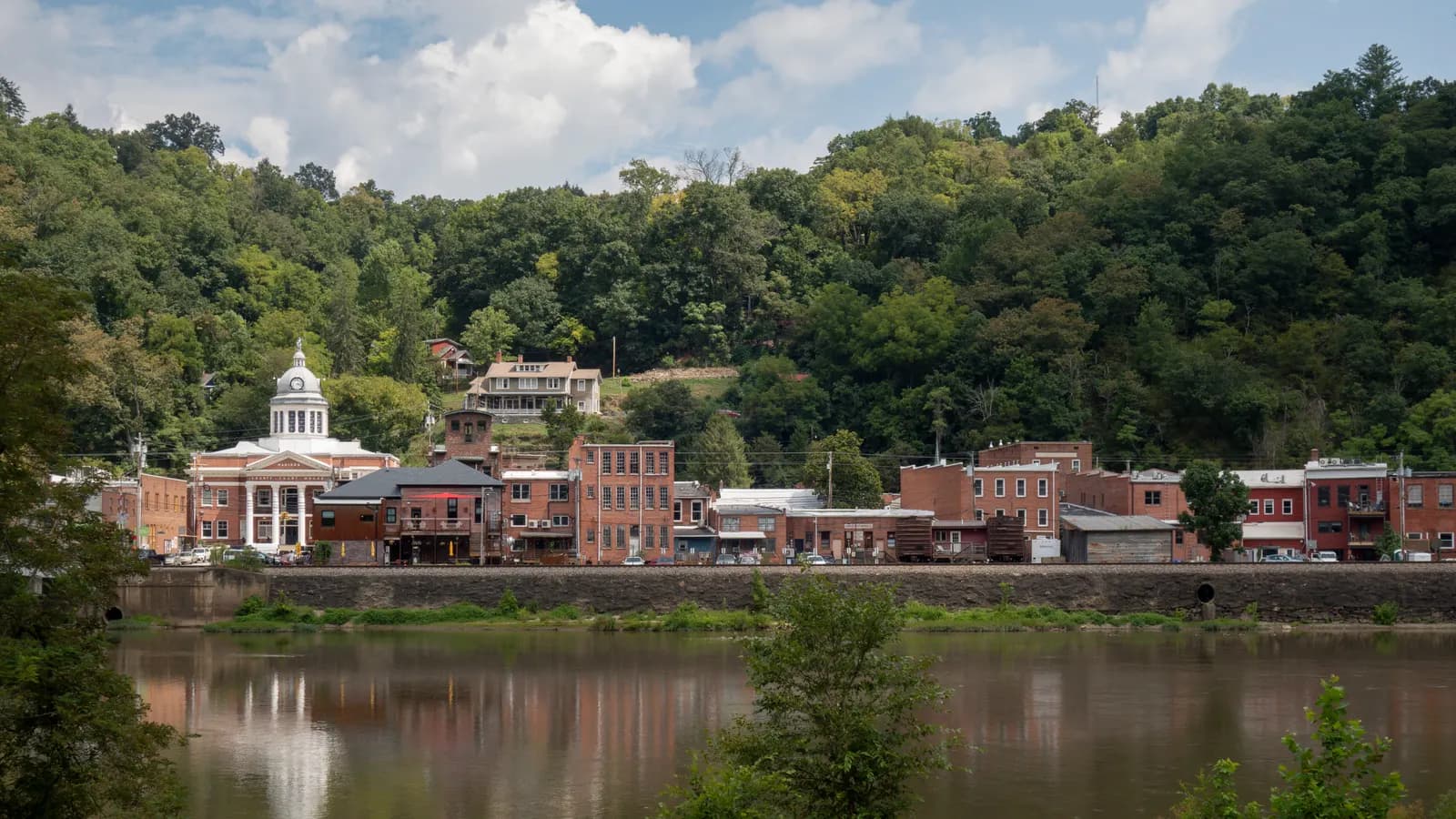
Hurricane Helene struck western North Carolina in late September 2024, and the recovery money that followed came in waves. Knowing which waves have passed saves you from chasing dead links.
Closed: the Western NC Small Business Initiative II
The biggest direct grant program for businesses was the Western North Carolina Small Business Initiative II, managed by Appalachian Community Capital and backed by the State of North Carolina and Dogwood Health Trust. It offered up to $50,000 to businesses with up to $2.5 million in 2023 revenue, or up to $25,000 for businesses with revenue of $1 million or less, across 30 western counties and the Qualla Boundary. Grants could pay for repairs, cleanup, rent or mortgage payments and keeping staff. The application window ran from January 31 to February 21, 2025, and Appalachian Community Capital says the initiative supported more than 2,100 businesses in 31 counties. There's no open round as of October 2026.
Closed: Asheville Recovers Together
The City of Asheville used federal Community Development Block Grant–Disaster Recovery (CDBG-DR) money for a $14.6 million small business program offering $5,000 to $75,000. Businesses needed a principal location in city limits, to have been operating before September 27, 2024, and to have unmet Helene losses after insurance and other aid. Applications ran from June 15 to July 14, 2026, and are closed. If you applied, keep records of any other aid you receive, because CDBG-DR programs check for duplicated benefits.
Open, but not to businesses: SmBIZ
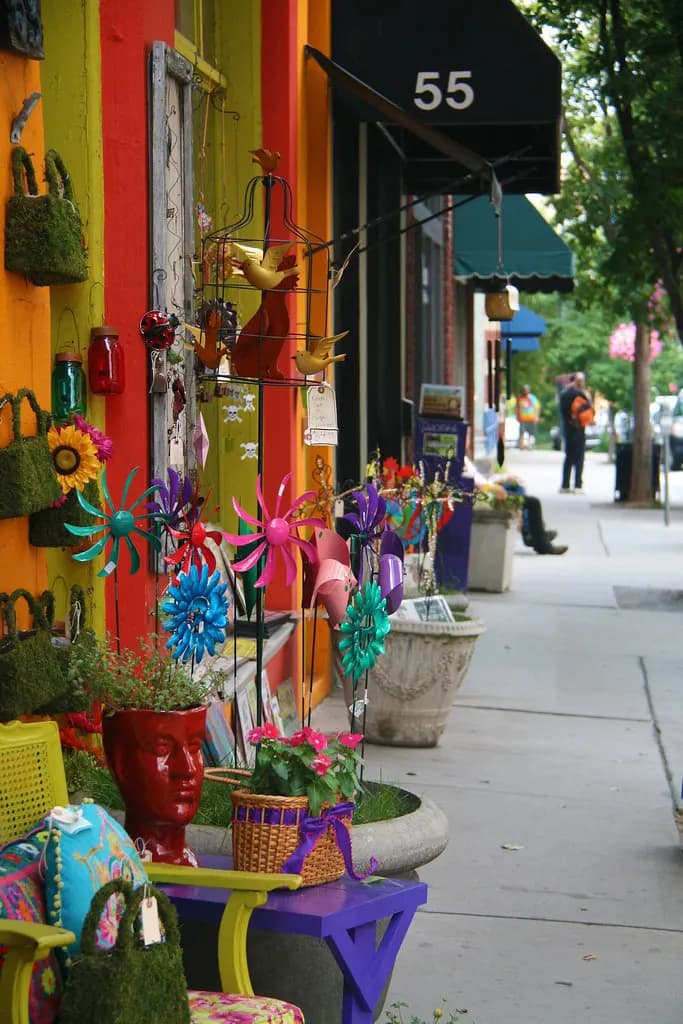
The Small Business Infrastructure Grant Program (SmBIZ) is a $55 million state program, created with the General Assembly in 2025, that rebuilds the public infrastructure small businesses rely on: water and sewer lines, stormwater systems, sidewalks, curbs and utility connections. Grants of up to $1 million per project go to local governments in eligible counties, first come, first served. By September 24, 2026, Commerce had awarded more than $36 million to 51 projects, including sidewalk rebuilds along Marshall's Main Street and stormwater work in Hayesville, and local governments can keep applying while money remains.
You can't apply for SmBIZ yourself. If a broken sidewalk, culvert or water line is hurting your business, tell your town manager or county economic developer, because they're the ones who can apply.
Other Helene options
SBA disaster loans of up to $2 million were available under the Helene declarations; the filing deadlines tied to each declaration are on the SBA's disaster portal. The SBTDC's Business Recovery Portal, linked from Commerce's disaster recovery page, collects federal and state resources in one place. Many private and community foundation funds that opened after the storm have also closed, so check the date on any list you find before you start an application.
Golden LEAF and other "grants" that go through local government
Golden LEAF, the foundation created with part of North Carolina's tobacco settlement, is one of the most-cited names on grant lists, but its programs are for local governments and 501(c)(3) nonprofits. A business benefits indirectly: a county might win a Golden LEAF SITE or Economic Catalyst grant to prepare a site or extend utilities for an expanding employer, or a community college might win funding for a training program you hire from.
Commerce's Building Reuse grants work the same way. They help renovate vacant or underused buildings for business use, or help an existing North Carolina company expand in place, but the grant is made to a local government, with priority for Tier 1 and 2 counties and rural areas of Tier 3 counties. Larger state incentives such as the Job Development Investment Grant (JDIG) and the One North Carolina Fund are aimed at major job-creating projects, also with local government involvement. If you're planning to add a significant number of jobs, talk to your county economic development office early, before you commit to a site.
Programs that reach businesses through local government
| Program | Who applies | What it pays for | How a business gets involved |
|---|---|---|---|
SmBIZ | Local governments in eligible WNC counties | Water, sewer, stormwater, sidewalks, utility lines | Report the damaged infrastructure to your town or county |
Golden LEAF (SITE, Economic Catalyst, Open Grants) | Local governments and 501(c)(3) nonprofits | Sites, infrastructure, training tied to jobs | Work with your county economic developer on a jobs project |
Building Reuse | Local governments (Tier 1–2, rural Tier 3 priority) | Renovating vacant or expanding buildings | Bring the building and job plan to the county |
JDIG / One NC Fund | State, with local government match for One NC | Large job-creating expansions | Talk to Commerce before choosing a site |
SmBIZ
- Who applies
Local governments in eligible WNC counties
- What it pays for
Water, sewer, stormwater, sidewalks, utility lines
- How a business gets involved
Report the damaged infrastructure to your town or county
Golden LEAF (SITE, Economic Catalyst, Open Grants)
- Who applies
Local governments and 501(c)(3) nonprofits
- What it pays for
Sites, infrastructure, training tied to jobs
- How a business gets involved
Work with your county economic developer on a jobs project
Building Reuse
- Who applies
Local governments (Tier 1–2, rural Tier 3 priority)
- What it pays for
Renovating vacant or expanding buildings
- How a business gets involved
Bring the building and job plan to the county
JDIG / One NC Fund
- Who applies
State, with local government match for One NC
- What it pays for
Large job-creating expansions
- How a business gets involved
Talk to Commerce before choosing a site
Local and private grants
Cities, counties, chambers of commerce and downtown development organizations run smaller grant programs, typically façade or building improvement grants that reimburse part of exterior work, small business grants for particular neighborhoods, or recovery grants after a local disaster. They're often open for only a few weeks a year and are announced on city websites and in economic development newsletters. Your local Small Business Center at the community college and the Small Business and Technology Development Center (SBTDC) usually know what's open nearby.
Private funds are the other main source. NC IDEA, a Durham-based foundation, gives $50,000 SEED grants in two cycles a year to early-stage, growth-oriented companies headquartered in North Carolina with at least one full-time founder living in the state. It's competitive and narrow: the Fall 2026 cycle's application deadline was August 24, and NC IDEA says consulting firms, agencies, franchises, resellers and local service businesses aren't eligible. National programs for specific groups are covered in our guides to grants for women-owned businesses and veteran business grants.
How to find and apply for a North Carolina grant
- 1
Get your paperwork in order
NC business license guideRegister the business with the Secretary of State (or file a DBA), get an EIN, and keep a current tax return, profit-and-loss statement and bank statements ready. Most programs ask for them.
- 2
Match the program to your purpose
Research firms → One NC Small Business Program. Training → your Workforce Development Board. Storefronts and recovery → city, county and private funds.
- 3
Check the date and the applicant type
Confirm the program is open today and that businesses (not just governments or nonprofits) can apply.
Tip: Many lists still show 2025 Helene programs that have closed.
- 4
Get free help
SBTDC counselors and community college Small Business Centers help with applications and financial projections at no cost.
- 5
Apply and keep records
Most grants reimburse costs after the fact, so keep invoices, proof of payment and payroll records for every dollar you claim.
When grants won't cover it: loans that fill the gap
Because grants are scarce and slow, most North Carolina businesses fund growth with loans. The NC Rural Center runs the state's federal State Small Business Credit Initiative (SSBCI) programs, including a Loan Participation program that improves loan terms through banks, credit unions and CDFIs, a Capital Access program that gives lenders extra loss reserves, and NC Invest for venture capital. You can't apply to SSBCI directly; instead, ask your lender whether an SSBCI program can strengthen your loan request. SBA-guaranteed loans are covered in our guides to startup business loans and SBA loan requirements.
Grant scams: how to spot them
Grant scams follow a familiar script. Someone contacts you by phone, text, email or social media to say you qualify for a government grant, then asks for a "processing fee", your bank details or your Social Security number. The FTC's guidance is blunt: government agencies don't charge fees to get a grant and don't cold-call to offer them, and the official list of federal grants at Grants.gov is free.
In North Carolina, the safe test is simple. Real state programs publish their rules on commerce.nc.gov or another .gov site, or on the named administrator's own website, as with the One NC solicitations and the WNC Small Business Initiative. Be wary of paid grant lists, "guaranteed" grant writers and anyone who asks for payment by gift card, wire transfer or cryptocurrency. If you're targeted, report it at ReportFraud.ftc.gov and to the North Carolina Attorney General's consumer protection division, and if you've paid, contact your bank at once.
Before you apply for a North Carolina grant
0/7Common mistakes and how to fix them
Applying to programs that aren't for businesses. SmBIZ, Golden LEAF and Building Reuse money goes to local governments and nonprofits. Instead of applying, bring your project to the town or county.
Chasing closed Helene rounds. If a page doesn't show a 2026 date, assume the program may have closed and check the administrator's own site.
Missing the One NC timing rules. Incentive grants reimburse costs for a proposal you've already submitted to a federal agency, and Matching grants require the federal award. Submit the federal proposal first, keep every cost record, then apply to the state before June 30, 2027 (or when funds run out) or before funds run out.
Treating reimbursement grants as up-front cash. Most programs pay after you spend. Budget for the cash gap, or line up a short-term loan or line of credit.
Official links
- One North Carolina Small Business ProgramFY 2026–27 solicitations and online application
- N.C. Commerce — Workforce grantsIncumbent Worker, On-the-Job and Customized Training
- N.C. Commerce — Disaster recoveryHelene programs, SBA declarations, recovery portal
- N.C. Commerce — SmBIZFor local governments
- Golden LEAF FoundationPrograms for governments and nonprofits
- NC Rural Center — SSBCIState-backed loan programs through lenders
- FTC — Government grant scamsWarning signs and reporting
What to do next
Decide which category you're in. If you're a technology company, download the One NC solicitations and plan your federal SBIR or STTR proposal now, since the state's money runs out on a first-come basis. If you employ people, call your Workforce Development Board about training grants. Everyone else should get the basics in place with our North Carolina business license and North Carolina LLC guides, build a plan with the business plan generator, and check local and private grants alongside SBA-backed loans. If you also operate in Florida, compare with our Florida small business grants guide.
Frequently asked questions
A few, mostly for specific purposes. The main state grant open to individual businesses right now is the One North Carolina Small Business Program for technology firms pursuing federal SBIR/STTR awards, open until June 30, 2027 (or when funds run out). Training grants run through local workforce boards. Most other state money for small business recovery, such as SmBIZ, goes to local governments, and general cash grants come from cities, counties and private funds.
Not many. The main business grant rounds have closed: the Western NC Small Business Initiative II (up to $50,000) took applications in February 2025, and Asheville Recovers Together (grants of $5,000 to $75,000) closed on July 14, 2026. The state's SmBIZ infrastructure grants are still open, but only to local governments. Ask your local workforce board about the Helene Business Edge Fund.
There are two parts. Incentive grants reimburse up to $12,000 of the cost of preparing a federal SBIR or STTR Phase I proposal, at 75% of costs in Tier 1 and 2 counties and 50% in Tier 3. Matching grants pay 50% of a federal Phase I award, up to $75,000, plus up to $25,000 more for firms in Helene-impacted areas.
Not directly. Golden LEAF's grant programs are for local governments and 501(c)(3) nonprofits. A business can benefit when a town, county or community college wins a Golden LEAF grant for a project tied to new jobs, such as site or infrastructure work for an expanding employer, or training programs. Talk to your county economic developer if you think a project could qualify.
Government grants for brand-new businesses are rare. Technology startups can use the One NC Small Business Program alongside federal SBIR/STTR awards. NC IDEA, a private foundation, gives $50,000 SEED grants twice a year to early-stage, growth-oriented North Carolina companies; most local service businesses, franchises and consultancies aren't eligible. Many founders combine small grants with SBA-backed loans.
Never pay a fee to get a government grant, and treat any unsolicited call, text or social media message offering one as a scam. Real North Carolina programs publish their rules on .gov sites or the named administrator's website, and the federal list at Grants.gov is free. Report scams to ReportFraud.ftc.gov and to the North Carolina Attorney General's consumer protection division.
Sources & verification
Figures on this page were checked against the sources below when it was last reviewed on 9 October 2026. Each rate and limit is stored once with its own official source and review date, and official update channels are monitored daily so changes are picked up. How we verify
- 1.One NC SBIR/STTR Phase I Incentive Funds Program — FY 2026-2027 Solicitation (NCBSTI-FY2627I) — N.C. Department of Commerce / Board of Science, Technology & Innovation · accessed 9 October 2026
- 2.One NC SBIR/STTR Phase I Matching Funds Program — FY 2026-2027 Solicitation (NCBSTI-FY2627M) — N.C. Department of Commerce / Board of Science, Technology & Innovation · accessed 9 October 2026
- 3.North Carolina Makes $2 Million of Funding Available to Support Innovative Small Businesses (Oct 8, 2026) — N.C. Department of Commerce · accessed 9 October 2026
- 4.State Awards Grants to 46 Small Businesses to Accelerate Technology Commercialization (Sept 3, 2026) — N.C. Department of Commerce · accessed 9 October 2026
- 5.Governor Stein Announces $5 Million to Strengthen Small Businesses in Western North Carolina (Sept 24, 2026) — N.C. Department of Commerce · accessed 9 October 2026
- 6.Governor Stein Announces Nearly $14 Million in Second Round of Grants to Support Small Business Recovery (Nov 12, 2025) — N.C. Department of Commerce · accessed 9 October 2026
- 7.Disaster Recovery — N.C. Department of Commerce · accessed 9 October 2026
- 8.Western North Carolina Small Business Initiative II (program flyer) — State of North Carolina / Appalachian Community Capital · accessed 9 October 2026
- 9.Western North Carolina Small Business Initiative II — Appalachian Community Capital · accessed 9 October 2026
- 10.Asheville Recovers Together Small Business Grant Program (May 29, 2026) — Mountain BizWorks · accessed 9 October 2026
- 11.Incumbent Worker Training — N.C. Department of Commerce · accessed 9 October 2026
- 12.Golden LEAF Foundation — Funding Opportunities — Golden LEAF Foundation · accessed 9 October 2026
- 13.Building or Site Funds — N.C. Department of Commerce · accessed 9 October 2026
- 14.SSBCI — NC Rural Center · accessed 9 October 2026
- 15.NC IDEA SEED — NC IDEA · accessed 9 October 2026
- 16.Government grant scams — Federal Trade Commission · accessed 9 October 2026
MSMETOOLS is an independent platform and is not affiliated with any government agency, ministry or department.
Tools for this
Business Plan Generator (US)
Create a professional business plan for US investors and banks.
Startup Cost Calculator
Estimate how much capital you need to launch.
Loan Eligibility Calculator
Check your business loan eligibility based on income and existing loans.
Break Even Calculator
Find your break even point and units.
Related guides
 Florida Small Business Grants (2026): What's Actually OpenRead guide
 Small Business Grants 2026: Federal, State & How to ApplyRead guide
 Grants for Women-Owned Businesses 2026: What's RealRead guide
 Veteran Small Business Grants 2026: What VA & SBA OfferRead guide
Official links open the government site in a new tab.