 Grants & funding programs
Small Business Grants for Veterans in 2026: What the VA and SBA Really Offer
Veterans Affairs small business grants in 2026: why the VA has no startup grants, plus free SBA VBOC help, VetCert contracts, $0-fee SBA Express and scams.
 Edited by Sumeet YadavFounder & editor, MSMETOOLS · fact-checked against official sources
Contents (10)
- 1. Does the VA give small business grants?
- 2. SBA programs for veteran entrepreneurs
- 3. The VA's Self-Employment track (VR&E)
- 4. VetCert: turning veteran status into contracts
- 5. SBA loans and other financing for veterans
- 6. Grants veteran-owned businesses can actually win
- 7. State certification programs for veteran-owned businesses
- 8. How to spot veteran grant scams
- 9. Mistakes veteran founders make with funding
- 10. What to do next
Search for "Veterans Affairs small business grants" and you'll find pages promising free money for veteran entrepreneurs. The reality is more useful once you know it: the VA doesn't hand out business grants, and neither does any federal agency for general start-up costs. What veterans do get is a set of real advantages — free training and counseling, a federal contracting goal worth billions, cheaper SBA loans and state certification programs. This guide is for veterans, service-disabled veterans, transitioning service members and military spouses in 2026. It explains each program, who qualifies and how to apply, and how to avoid the scams that target veterans looking for grants.
Quick answer
The VA does not offer small business grants — its small business office refers entrepreneurs to the SBA. For veterans, the real federal support is free training and counseling (Boots to Business and 51 Veterans Business Outreach Center locations), contracting preferences through SBA VetCert, and lower-cost SBA loans.
SBA Express loans to veteran-owned businesses: $0 upfront fee in FY2027
Government-wide goal: 5% of federal contract dollars to service-disabled veteran-owned small businesses
VA's VR&E Self-Employment track can support disabled veterans starting a business, case by case
Genuine grants for veterans' businesses are mostly SBIR/STTR, state or private — never with an upfront fee
Does the VA give small business grants?
No. The VA's Office of Small and Disadvantaged Business Utilization (OSDBU) helps veteran-owned firms sell to the VA, but it has said plainly that it doesn't deal with start-ups, loans or grants, and points people to the Small Business Administration. The SBA, in turn, says the federal government doesn't provide grants to start a business.
That surprises people because grants for veterans' individual needs do exist — housing adaptation grants, education benefits and disability compensation. None of them is designed to fund a business. Any website promising a "VA small business grant" in exchange for a fee is, at best, selling you a list and, at worst, a scam.
There is one VA route that can help with the cost of starting a business: the Veteran Readiness and Employment (VR&E) Self-Employment track, covered below. It's a rehabilitation program for veterans with service-connected disabilities, not a grant programme anyone can apply to.
So where does real money for veteran businesses come from? Mostly from customers — including the federal government — and from loans. Grants play a smaller role: research grants through SBIR and STTR, occasional state programs and private competitions. Our small business grants guide covers those in detail.
Veteran business support in numbers (2026)
51
VBOC locations nationwide
SBA, September 25, 2026
nearly 260,000
Boots to Business graduates
Since 2013
5%
SDVOSB federal contracting goal
Raised from 3% by the FY2024 NDAA
$0
SBA Express upfront fee for veterans
FY2027, loans up to $500,000
SBA programs for veteran entrepreneurs
The SBA's Office of Veterans Business Development (OVBD) runs the main federal programs. They're free, and they're where most successful veteran founders start.
Veterans Business Outreach Centers (VBOCs)
VBOCs are SBA-funded centers, run by universities, state agencies and nonprofits, that give veterans, service members, Guard and Reserve members and military spouses free help to start or grow a business. In September 2026 the SBA said it works through 51 VBOC locations and announced nearly $4.9 million in grants over five years for new centers in Alaska, Florida and Louisiana.
A VBOC can help you with:
- Business planning — feasibility checks, business plans, accounting and financial planning;
- Access to capital — understanding loans, investors and grants, and preparing applications;
- Government contracting — VetCert, SAM.gov registration and how to bid;
- Marketing and outreach;
- Transition training through Boots to Business.
Boots to Business, Reboot and Military Spouse Pathway to Business
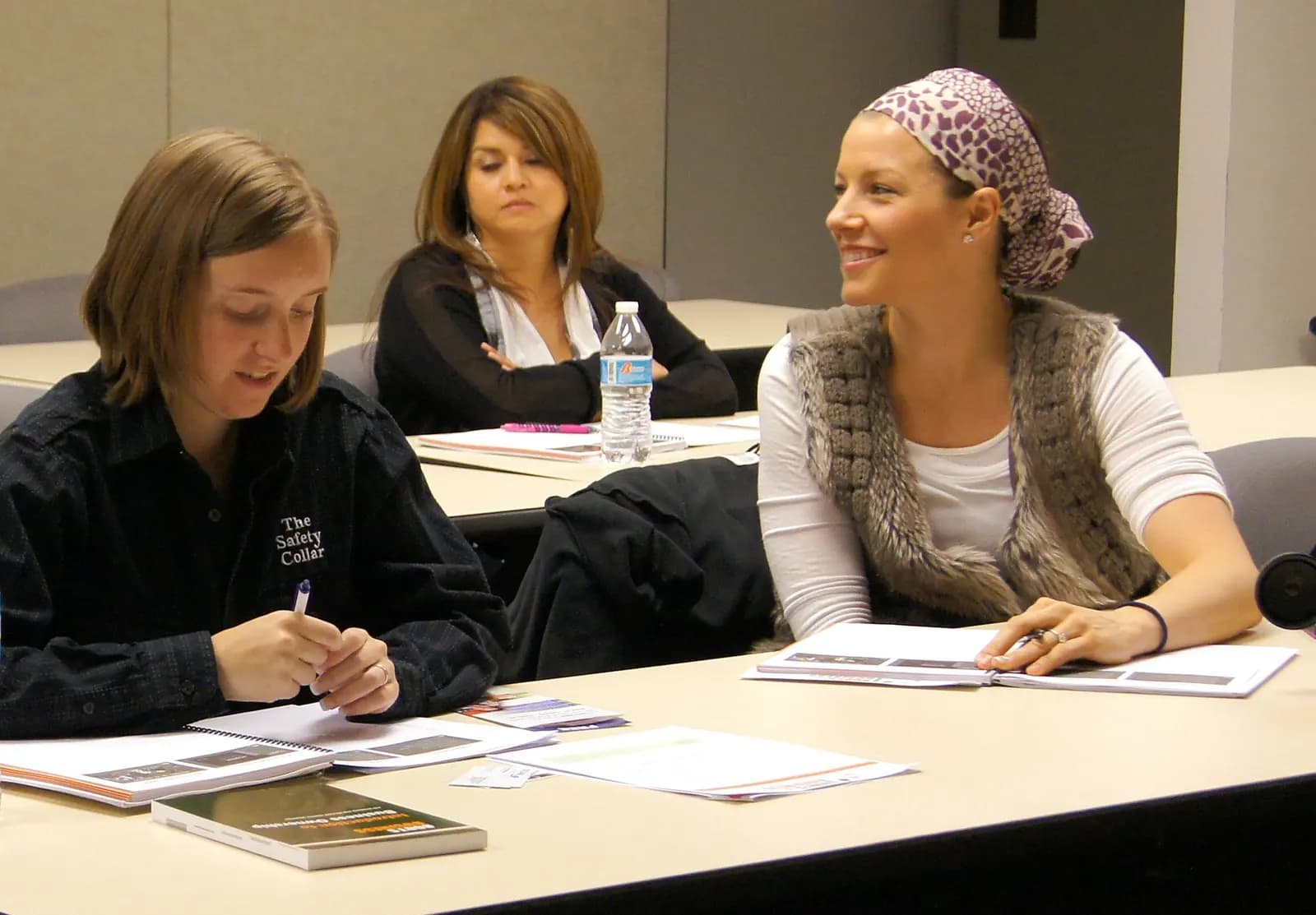
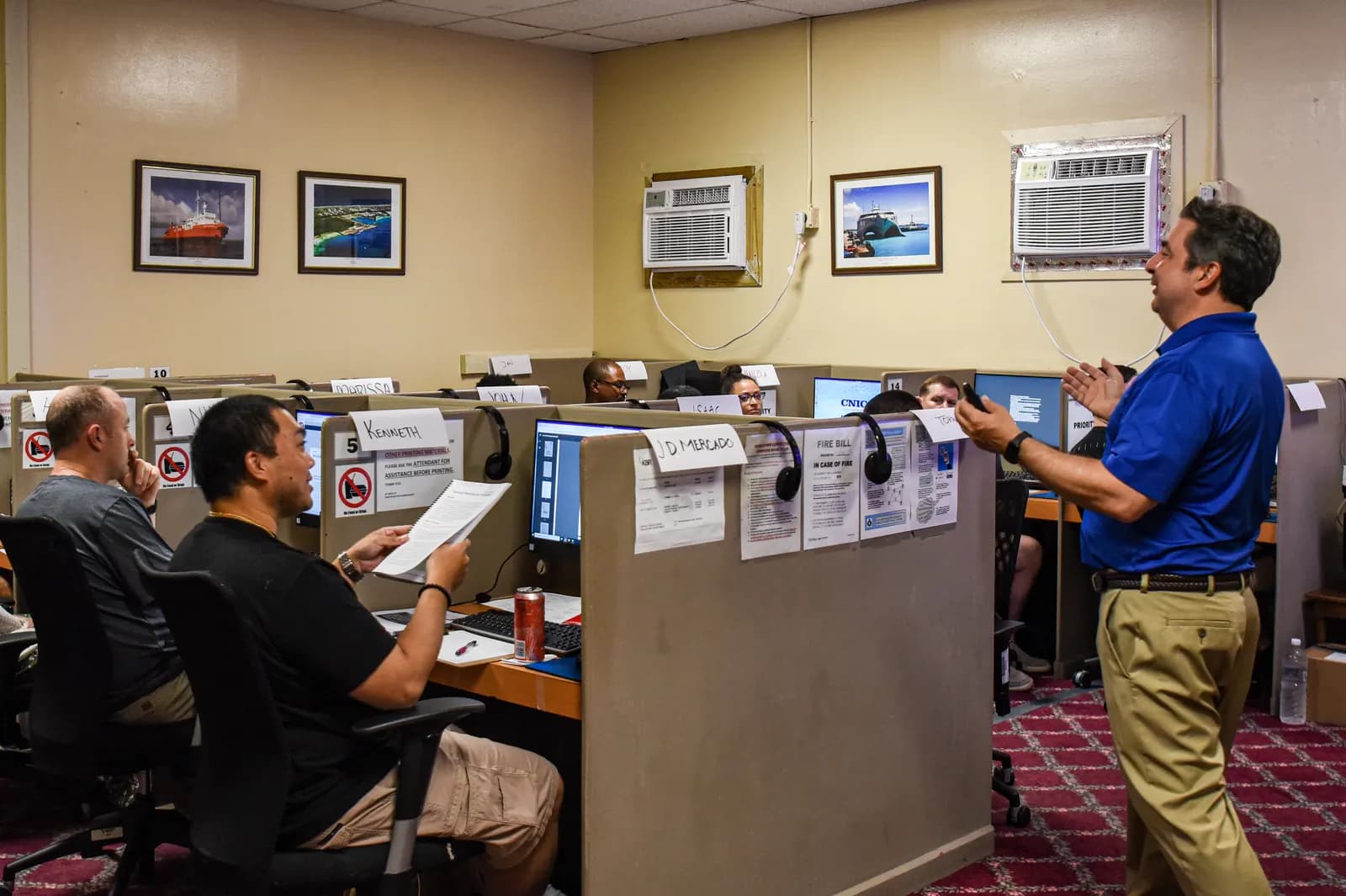
Boots to Business (B2B) is the SBA's entrepreneurship track within the Department of Defense Transition Assistance Program, taught on installations worldwide to service members leaving the military and their spouses. B2B Reboot brings the same course to veterans of any era, Guard and Reserve members and spouses in local communities and online. Military Spouse Pathway to Business focuses on spouses. Together these programs have trained nearly 260,000 people since 2013. Classes are free; you register through the Boots to Business portal or your local VBOC.
Training for women and service-disabled veterans
The SBA also funds specialist programs through grantees. V-WISE (Veteran Women Igniting the Spirit of Entrepreneurship), run by Syracuse University's Institute for Veterans and Military Families, trains women veterans and spouses. The Service-Disabled Veteran Entrepreneurship Training Program funds courses for veterans injured in the line of duty, delivered by grantees such as Oklahoma State University's Veterans Entrepreneurship Program, St. Joseph's University's Entrepreneurship Bootcamp for Veterans and Warrior Rising.
Veterans can also use the SBA's wider network — Small Business Development Centers, SCORE mentors and Women's Business Centers — and APEX Accelerators for help with government contracting.
The VA's Self-Employment track (VR&E)
If you have a service-connected disability, the VA's Veteran Readiness and Employment program — sometimes still called "voc rehab" or Chapter 31 — has a Self-Employment track for veterans who want to start their own business.
Who qualifies. You generally need a VA service-connected disability rating of at least 10% (or a 20% memorandum rating if you're about to leave the military), a discharge that isn't dishonorable, and an employment barrier: your disability makes it hard to get and keep suitable work. If you were discharged on or after January 1, 2013, there's no time limit on eligibility; earlier discharges usually have a 12-year window.
What you can get. Your Vocational Rehabilitation Counselor works with you on an analysis of your business concept, a business plan, training in small-business operations, marketing and finance, and guidance on resources to carry out the plan. The VA then reviews whether the business is viable. Under VA procedures, an approved self-employment plan can, in some circumstances, include start-up support — but it's decided case by case, must not aggravate your disability and is for starting a business, not expanding an existing one.
How to apply. Apply for VR&E online at va.gov, attend an orientation at your regional office and ask your counselor specifically about the Self-Employment track. Treat it as a structured rehabilitation plan rather than a cheque. Many veterans combine it with VBOC counseling and an SBA loan.
VetCert: turning veteran status into contracts
For many veteran-owned businesses, the most valuable federal benefit isn't a grant — it's access to federal contracts reserved for them.
VetCert is the SBA's certification for veteran-owned small businesses (VOSBs) and service-disabled veteran-owned small businesses (SDVOSBs). The SBA took it over from the VA on January 1, 2023. To qualify:
- the business must be small under the SBA size standard for its NAICS codes;
- one or more veterans must own at least 51% and control the business — management and daily operations;
- for SDVOSB status, the controlling owners must be veterans the VA has rated as service-disabled (a permanently and totally disabled veteran can have a spouse or caregiver help with management).
Certification is free. You apply through the SBA's certification portal, and you'll need an active SAM.gov registration, which can take up to 10 business days to activate. Once certified, you must report changes that affect eligibility within 30 days and recertify every 3 years, within the 90 days before your eligibility period ends.
What certification unlocks
- Government-wide SDVOSB goal. Agencies aim to award at least 5% of prime contract dollars to SDVOSBs each year. The goal rose from 3% under the FY2024 National Defense Authorization Act.
- SDVOSB set-asides and sole-source awards. Contracting officers can set aside work for SDVOSBs, and can award sole-source contracts up to $5 million, or $8.5 million for manufacturing, when the conditions in FAR 19.1406 are met.
- VA Vets First. The VA gives priority to certified SDVOSBs and then VOSBs in its own buying. Self-certification no longer works for VA set-asides.
How to get VetCert certified
- 1
Confirm your veteran status and rating
The VA must confirm you're a veteran, and for SDVOSB status, that you have a service-connected disability rating.
- 2
Register on SAM.gov
SAM.govGet a Unique Entity ID and complete your SAM.gov registration with your NAICS codes.
- 3
Gather ownership and control documents
Articles of organization or incorporation, operating agreement or bylaws, stock ledger, tax returns and evidence that the veteran manages day-to-day operations.
- 4
Apply on the SBA certification portal
SBA certificationsCreate a MySBA Certifications account, complete the VetCert application and upload documents.
- 5
Keep it current
Report changes within 30 days and recertify every three years.
SBA loans and other financing for veterans
There's no longer a dedicated veterans' loan — the old Patriot Express program ended years ago — but veterans get real cost advantages within standard SBA programs.
SBA Express with no upfront fee. For fiscal year 2027, which started on October 1, 2026, the SBA's upfront guaranty fee is $0 on SBA Express loans to businesses owned and controlled by a veteran or a veteran's spouse. SBA Express loans go up to $500,000. Lenders must document your eligibility in their loan file.
Worked example. A veteran-owned landscaping company borrows $350,000 through SBA Express. The SBA guarantees 50%, or $175,000. A non-veteran business would normally pay an upfront fee of 3% of the guaranteed portion — $5,250 — usually passed on to the borrower or financed in the loan. The veteran-owned business pays $0. Interest rates and the lender's own fees still apply, so compare offers from more than one SBA Express lender.
Microloans. For smaller needs, SBA microloans go up to $50,000, through nonprofit intermediaries that often add free coaching. They're a common first step for veterans with limited credit history.
Military Reservist Economic Injury Disaster Loan (MREIDL). If an essential employee — including an owner — is called up to active duty as a Guard or Reserve member and your business can't meet ordinary operating expenses as a result, MREIDL offers up to $2 million at 4%, with terms up to 30 years. You can apply from the date the employee receives call-up notice until one year after their release from active duty. It can't be used for lost profits, to refinance long-term debt or to expand.
For a fuller picture of eligibility, see SBA loan requirements and the SBA 7(a) loan guide.
Grants veteran-owned businesses can actually win
Real grants are narrower than the internet suggests, but some are open to veteran-owned firms on equal terms with other small businesses:
- SBIR and STTR. Federal research agencies fund small businesses to develop new technology. Phase I awards typically go up to about $323,090. Veterans with defense or technical experience often do well here, especially with Department of Defense topics.
- USDA rural programs. Farm and rural businesses run by veterans can apply for USDA programs such as Value-Added Producer Grants on the same terms as other applicants.
- State programs. Some states run small grant rounds or training stipends for veteran entrepreneurs through their veterans affairs or economic development agencies. These change every year, so check your state's official site.
- Private and nonprofit awards. Foundations, banks and corporations run pitch competitions and grant contests for veteran founders. They're competitive and small, so use the scam checks below and read the terms — some are really marketing for paid services.
See our small business grants guide for how SBIR, USDA and state grants work and how to apply through SAM.gov and Grants.gov.
State certification programs for veteran-owned businesses
Most state help for veteran businesses works like VetCert: certification that gives you an edge in state and local contracting rather than a grant.
| State program | Who qualifies | Contracting goal |
|---|---|---|
| California DVBE (Disabled Veteran Business Enterprise) | At least 51% owned and managed by disabled veterans with a service-connected disability of at least 10% | 3% of state agency contract dollars |
| New York SDVOB (Service-Disabled Veteran-Owned Business) | At least 51% owned and controlled by veterans with a service-connected disability rating of at least 10%, with a significant presence in New York | 6% of state contract spending |
| Other states | Varies — many recognise SBA VetCert or run their own veteran or disabled-veteran certification | Varies by state |
Certification is free in both states and handled by the state procurement agency — California's Office of Small Business and DVBE Services and New York's Office of General Services. If your customers include state agencies, universities or transit authorities, state certification can be worth more than any grant. Check whether your state accepts SBA VetCert as proof, which saves a second application.
How to spot veteran grant scams
Veterans are a favorite target for grant scams because of the steady stream of real benefits they receive. The FTC's guidance applies directly:
- The government doesn't call, text or message you to offer a grant. Real grants require you to apply for a specific purpose.
- There's no fee to get a government grant. Anyone asking for a "processing fee", "release fee" or "insurance" upfront is lying.
- Watch the payment method. Gift cards, wire transfers, payment apps and cryptocurrency are classic scam signs.
- Check the name. Scammers invent official-sounding bodies like a "Veterans Business Grant Administration". Verify any program on sba.gov, va.gov or Grants.gov.
- Guard your details. Never give your VA login, SSN or bank credentials to someone promising a grant.
- Be wary of "guaranteed approval" lists. Paying for a list of grants gets you nothing the free SBA and VBOC resources don't already offer.
Report scams at ReportFraud.ftc.gov. If someone has used your identity, tell the VA and your bank straight away.
A realistic funding plan for a veteran-owned start-up
0/8Mistakes veteran founders make with funding
Waiting for a grant instead of starting. Months spent searching for a "veterans grant" that doesn't exist are months not spent finding customers. Most veteran businesses are funded by savings, revenue and loans.
Skipping certification. If you could ever sell to the government, VetCert is free and opens set-asides. Without it, VA contracting officers can't use Vets First set-asides with you.
Getting ownership wrong. VetCert requires the veteran to own and control the business. Structures where a non-veteran partner holds key decision rights, or where the veteran is a figurehead, are a common reason for denial.
Missing recertification. Certification lapses if you don't recertify every three years. Put the date in your calendar and start in the 90-day window.
Paying for "help" that's free. VBOCs, SBDCs, SCORE, APEX Accelerators and VetCert itself cost nothing. Be cautious of consultants charging for applications you can do yourself.
Official links
- SBA — Veteran-owned businessesTraining and resources
- SBA — Find a VBOCFree counseling and Boots to Business
- SBA — Veteran contracting (VetCert)VOSB and SDVOSB certification
- SBA certifications portalApply for VetCert
- VA — VR&E Self-Employment trackFor veterans with service-connected disabilities
- SBA — Military reservist loanMREIDL
- FTC — Government grant scamsWarning signs and reporting
What to do next
Start with the free help: book a session at your nearest VBOC and take Boots to Business or Reboot. Then cost your idea with the startup cost calculator, draft your plan with the business plan generator and check what you might borrow with the loan eligibility calculator. If you could sell to government, register on SAM.gov and apply for VetCert early — it's the veteran advantage most worth having.
Frequently asked questions
No. The Department of Veterans Affairs doesn't offer grants or loans to start or grow a business; its small business office refers entrepreneurs to the SBA. The closest VA help is the Veteran Readiness and Employment Self-Employment track for veterans with a service-connected disability rating of at least 10%, which can include business planning, training and, case by case, start-up support under an approved plan.
Not for general start-up or working capital. The federal government says it doesn't provide grants to start a business. Veteran-owned firms can compete for SBIR/STTR research grants like any small business, and the SBA funds free training through 51 Veterans Business Outreach Center locations. The bigger federal advantage for veterans is contracting: a 5% government-wide goal for service-disabled veteran-owned businesses.
VetCert is the SBA's certification for veteran-owned (VOSB) and service-disabled veteran-owned (SDVOSB) small businesses. You need it to win VA set-asides under Vets First and SDVOSB set-aside or sole-source contracts across government. Veterans must own and control at least 51% of the business. Apply free at certifications.sba.gov and recertify every 3 years.
There's no separate veterans' loan, but SBA Express loans (up to $500,000) to businesses owned and controlled by a veteran or a veteran's spouse carry a $0 upfront guaranty fee in fiscal year 2027. If a reservist who is essential to your business is called up, the Military Reservist Economic Injury Disaster Loan offers up to $2 million at 4%.
Real government grants never require an upfront fee, and agencies don't contact you out of the blue by phone, text or social media to offer money. Be wary of anyone who promises a 'guaranteed veterans grant', asks for gift cards, wire transfers or crypto, or wants your VA, bank or login details. Check programs on sba.gov, va.gov or Grants.gov and report scams at ReportFraud.ftc.gov.
Some do, but most state help is certification and contracting preferences rather than cash. California's DVBE program sets a 3% participation goal for state contracts and New York sets a 6% goal for service-disabled veteran-owned businesses. Several states also fund veteran entrepreneur training or small grant rounds through their veterans affairs or economic development agencies — check your state's official sites.
Sources & verification
Figures on this page were checked against the sources below when it was last reviewed on 9 October 2026. Each rate and limit is stored once with its own official source and review date, and official update channels are monitored daily so changes are picked up. How we verify
- 1.Veteran-owned businesses (Grow your business) — U.S. Small Business Administration · accessed 9 October 2026
- 2.SBA announces $4.9M in grant awards to expand VBOC network (Sept 25, 2026) — U.S. Small Business Administration · accessed 9 October 2026
- 3.Veteran contracting assistance programs (VetCert) — U.S. Small Business Administration · accessed 9 October 2026
- 4.13 CFR 128.306 — maintaining VOSB/SDVOSB certification — eCFR / National Archives · accessed 9 October 2026
- 5.FAR 19.1406 — Sole source awards (FAC 2026-01) — Acquisition.gov · accessed 9 October 2026
- 6.Information Notice 5000-881797 — FY 2027 7(a) program fees — U.S. Small Business Administration · accessed 9 October 2026
- 7.Military reservist loan — U.S. Small Business Administration · accessed 9 October 2026
- 8.VR&E Self-Employment track — U.S. Department of Veterans Affairs · accessed 9 October 2026
- 9.Eligibility for Veteran Readiness and Employment — U.S. Department of Veterans Affairs · accessed 9 October 2026
- 10.Q&A: Women Veteran series chat events (OSDBU answers) — VA News · accessed 9 October 2026
- 11.Government grant scams — Federal Trade Commission · accessed 9 October 2026
- 12.DVBE program requirements — California Department of General Services · accessed 9 October 2026
- 13.2024 SDVOB annual report — New York State Office of General Services · accessed 9 October 2026
- 14.Federal Small Business Contracting Goals (CRS Insight IN12018, June 30, 2026) — Congressional Research Service · accessed 9 October 2026
MSMETOOLS is an independent platform and is not affiliated with any government agency, ministry or department.
Tools for this
Startup Cost Calculator
Estimate how much capital you need to launch.
Business Plan Generator (US)
Create a professional business plan for US investors and banks.
Loan Eligibility Calculator
Check your business loan eligibility based on income and existing loans.
Related guides
 Grants for Women-Owned Businesses 2026: What's RealRead guide
 Startup Business Loans 2026: SBA, Microloans & CDFIsRead guide
 SBA Loan Requirements 2026: 7(a), 504 & Microloan RulesRead guide
 Florida Small Business Grants (2026): What's Actually OpenRead guide
Official links open the government site in a new tab.