 Income & corporation tax
Tax on Dividends in the UK (2026): Rates, Allowance and Worked Examples
UK tax on dividends in 2026: the £500 allowance, 10.75% and 35.75% rates from April 2026, director salary plus dividend examples and how to report to HMRC.
 Edited by Sumeet YadavFounder & editor, MSMETOOLS · fact-checked against official sources
Contents (9)
- 1. What counts as a dividend?
- 2. Dividend tax rates from 6 April 2026
- 3. How dividends are taxed alongside salary
- 4. Worked examples for 2026
- 5. Salary vs dividends: what directors should weigh up in 2026
- 6. Paying dividends from your company: the rules
- 7. How to report dividends and pay the tax
- 8. Common dividend tax mistakes
- 9. What to do next
Whether you're a company director paying yourself mostly in dividends or an investor with shares outside an ISA, dividend tax went up on 6 April 2026. This guide sets out how UK tax on dividends works in 2026: the allowance, the new rates, how dividends stack on top of salary, worked examples for directors and investors in pounds, and when and how to tell HMRC.
Quick answer
The first £500 of dividends each tax year is tax-free. Dividends above that are taxed at 10.75% in the basic rate band, 35.75% in the higher rate band and 39.35% in the additional rate band. Dividends are added on top of your other income, so your salary decides which rate they fall into.
Basic and higher dividend rates rose by 2 percentage points from 6 April 2026 (from 8.75% and 33.75%)
Your £12,570 Personal Allowance can cover dividends if salary hasn't used it
ISA and pension dividends are tax-free
Over £10,000 of dividends? You must file a Self Assessment return
What counts as a dividend?
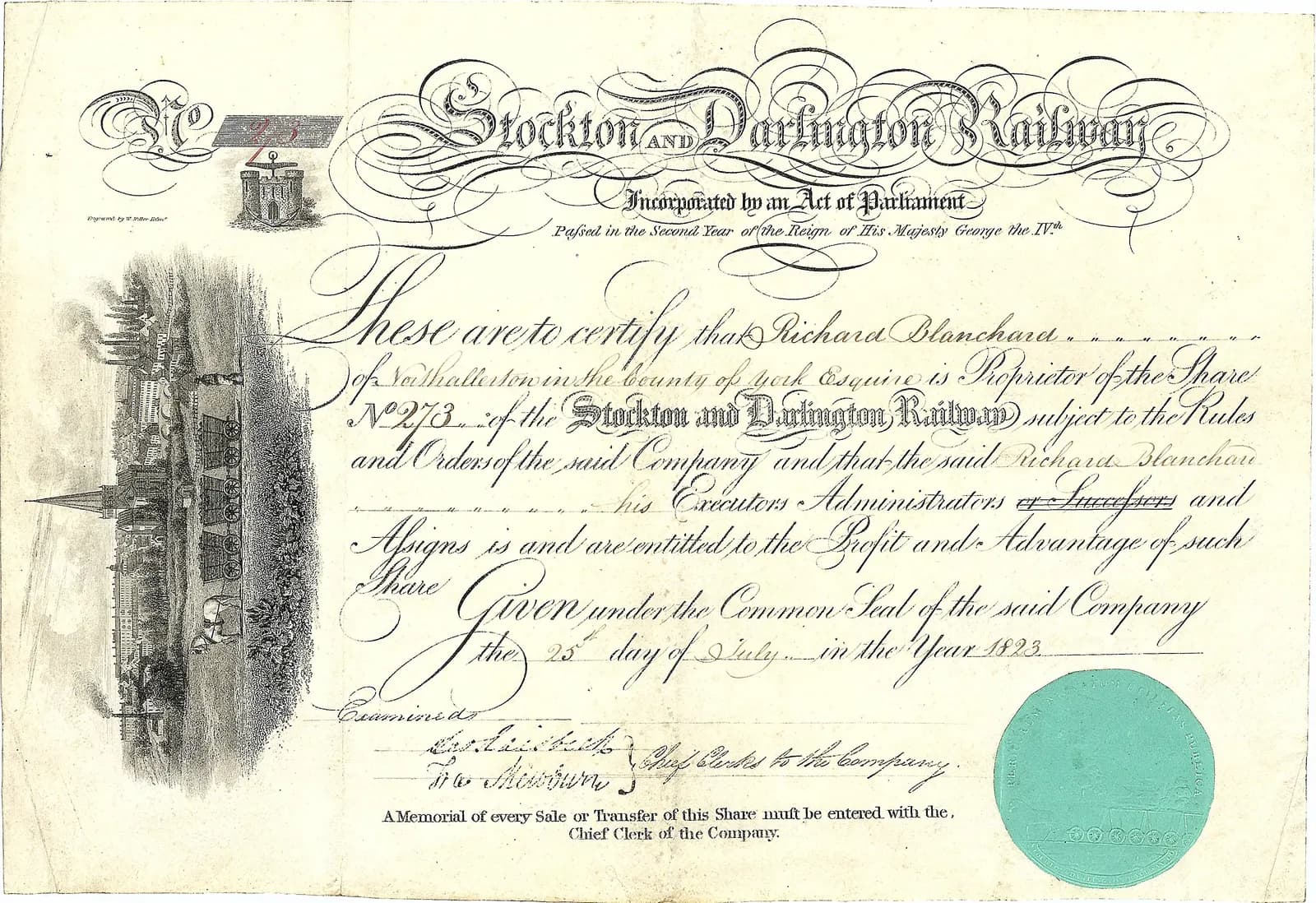
A dividend is a payment a company makes to its shareholders out of profits that have already been taxed. That covers dividends from your own limited company, from listed shares and from most funds held outside a tax wrapper. Dividends aren't a business expense for the company: they're paid from profits after Corporation Tax, which the company pays at 19% on profits up to £50,000, rising to 25% above £250,000, with marginal relief in between.
Because the company has already paid tax on those profits, dividends are taxed at lower rates than salary and carry no National Insurance. That's why so many owner-managed companies pay directors a mix of salary and dividends.
Dividend tax at a glance (2026-27)
£500
Dividend allowance
Taxed at 0%
10.75%
Basic rate band
Was 8.75% in 2025-26
35.75%
Higher rate band
Was 33.75% in 2025-26
39.35%
Additional rate band
Unchanged
Dividend tax rates from 6 April 2026
The November 2025 Budget raised the ordinary and upper dividend rates by two percentage points for 2026-27 onwards. The allowance and the additional rate didn't change.
| Tax band (taxable income, England, Wales and NI) | 2025-26 dividend rate | 2026-27 dividend rate |
|---|---|---|
| Within Personal Allowance (up to £12,570) | 0% | 0% |
| Dividend allowance (first £500 of dividends) | 0% | 0% |
| Basic rate band (up to £50,270) | 8.75% | 10.75% |
| Higher rate band (£50,270 to £125,140) | 33.75% | 35.75% |
| Additional rate band (over £125,140) | 39.35% | 39.35% |
Dividend rates apply across the UK. If you live in Scotland, your salary is taxed at Scottish income tax rates, but your dividends use the UK dividend rates above. Scottish bands can change which UK band your dividends fall into, so Scottish directors should check their own figures.
How dividends are taxed alongside salary
HMRC taxes your income in a fixed order: earnings and other non-savings income first, then savings interest, then dividends on top. So dividends sit at the top of your income, and your salary decides which band they land in.
How HMRC works out tax on your dividends
Step 1
Add up salary, profits and rent
Step 2
Use Personal Allowance on that first
Step 3
Add savings interest
Step 4
Add dividends on top
Last slice of income
Step 5
First £500 at 0%
Still uses up band
Step 6
Tax the rest at the band it falls in
Two points catch people out:
- The allowance isn't extra band. The £500 is taxed at 0%, but it still counts as income in whatever band it falls in. It can tip later dividends into the higher rate band.
- The Personal Allowance taper. Above adjusted net income of £100,000, you lose £1 of Personal Allowance for every £2 of income, and dividends count. A large dividend can push the marginal rate on income between £100,000 and £125,140 well above the headline rates.
Worked examples for 2026
All examples use 2026-27 rates for someone in England with no other income.
1. Investor with shares outside an ISA. Sarah earns a £35,000 salary and receives £2,000 of dividends from shares in a general investment account. Her salary leaves her in the basic rate band. The first £500 of dividends is tax-free and the remaining £1,500 is taxed at 10.75%: £161.25. In an ISA, she'd pay nothing.
2. Higher-rate employee. Mark earns £60,000 and receives £5,000 of dividends. All of his dividends fall in the higher rate band. £500 is tax-free, then £4,500 × 35.75% = £1,608.75.
3. Director using the basic rate band. Aisha owns 100% of her consultancy company. She takes a £12,570 salary and £37,700 of dividends, so her total income is exactly £50,270, the top of the basic rate band.
| Step | Amount |
|---|---|
| Salary (covered by Personal Allowance; no employee NI at the £12,570 primary threshold) | £12,570.00 |
| Dividends | £37,700.00 |
| First £500 at 0% | £0.00 |
| £37,200 × 10.75% | £3,999.00 |
| Personal tax on dividends | £3,999.00 |
| Take-home (salary + dividends − tax) | £46,271.00 |
Behind this, her company pays employer National Insurance of (£12,570 − £5,000) × 15% = £1,135.50 on the salary. A company whose only employee is the director can't claim the Employment Allowance. If the company's taxable profit after salary and NI is £50,000, Corporation Tax at 19% is £9,500, leaving £40,500 of post-tax profit: enough to cover the £37,700 dividend with £2,800 left in the company.
4. Director taking more. If Aisha takes £60,000 of dividends instead, £37,700 falls in the basic rate band (£500 at 0% + £37,200 × 10.75% = £3,999) and £22,300 falls in the higher rate band (× 35.75% = £7,972.25). Her personal dividend tax is £11,971.25.
5. What the April 2026 rise costs. With a £12,570 salary and £50,000 of dividends, dividend tax is £7,406.25 at 2025-26 rates and £8,396.25 at 2026-27 rates, an extra £990 a year.
Use the budget planner to set aside dividend tax each month, so the January bill isn't a surprise.

Salary vs dividends: what directors should weigh up in 2026
There's no single best split, but these are the moving parts for a one-person company:
- Salary is a deductible cost for the company, so it saves Corporation Tax. A salary between the Lower Earnings Limit and the primary threshold earns you a qualifying year for State Pension without employee NI. Above £5,000 the company pays 15% employer NI. Since the threshold fell to £5,000 in April 2025, many advisers have reassessed the "£12,570 salary" default.
- Dividends carry no National Insurance at all, but they come out of profits that have already suffered Corporation Tax, and the personal rates went up in April 2026.
- Employer pension contributions are usually deductible for the company and carry neither NI nor dividend tax, which makes them worth considering if you don't need all the cash now.
- Other income, such as a spouse's shareholding, rental profits or a second job, changes which band your dividends fall into.
If you're paying any salary, the company must register as an employer and run payroll. An accountant can model your exact numbers. Small differences in salary level change the result by a few hundred pounds a year.
Paying dividends from your company: the rules
A company can only pay dividends out of available profits, meaning accumulated profits from this and previous years after tax. Paying more than that can make the dividend unlawful, and it may then have to be repaid to the company.
Before each dividend
0/6Drawing money without declaring a dividend or running it through payroll creates a director's loan, which has its own tax rules.
How to report dividends and pay the tax
Dividend tax is never deducted at source. You have to tell HMRC yourself:
- Within your allowances: if the dividends are covered by your unused Personal Allowance and the £500 dividend allowance, you don't need to do anything.
- Up to £10,000: if you already file a tax return, include them. If you don't, ask HMRC to change your tax code or call the helpline. Do this after the tax year ends and by 5 October.
- Over £10,000: you must file a Self Assessment tax return. If you don't usually file, register by 5 October after the end of the tax year. You'll get a UTR number to file with.
For 2026-27 dividends, the return and payment are due by 31 January 2028. A director's first big dividend year often triggers payments on account too, so the first January bill can be much larger than expected.
Common dividend tax mistakes
- Using last year's rates. Budget with 10.75% and 35.75% for 2026-27, not 8.75% and 33.75%.
- Treating the £500 as extra band. It's taxed at 0% but still fills your basic rate band.
- Paying dividends without profits. Check the accounts first; an unlawful dividend can be reclaimed by the company.
- Forgetting to report. Dividends aren't taxed at source, so nothing is collected unless you report them.
- Ignoring payments on account. A first-year director can face a year's tax plus half again on 31 January.
Official links
- Tax on dividendsAllowance, rates and examples
- How to report tax on dividendsTax code or Self Assessment
- Income Tax rates and bandsPersonal Allowance and bands
- Taking money out of a limited companyDividend rules and vouchers
- Corporation Tax rates19%, 25% and marginal relief
- Register for Self AssessmentIf dividends exceed £10,000
What to do next
Work out your expected 2026-27 dividends now, apply the new rates and set the tax aside as you go. If you're over £10,000, or you're a director, make sure you're registered for Self Assessment; our Self Assessment guide covers deadlines and payments on account. The profit margin calculator helps you check how much post-tax profit your company is really generating before you declare a dividend.
This is general information, not legal or tax advice — confirm on the official source or with a professional.
Frequently asked questions
The first £500 of dividends is tax-free. Above that, dividends falling in the basic rate band are taxed at 10.75%, in the higher rate band at 35.75%, and in the additional rate band at 39.35%. These rates apply from 6 April 2026. Dividends inside an ISA or pension aren't taxed at all.
The dividend allowance is £500. Dividends covered by it are taxed at 0%, but they still count towards your total income when working out which tax band the rest of your dividends fall into. Your Personal Allowance of £12,570 can also cover dividends if your salary and other income haven't used it up.
Yes. From 6 April 2026 the ordinary (basic) rate rose from 8.75% to 10.75% and the upper (higher) rate from 33.75% to 35.75%. The additional rate stayed at 39.35% and the allowance stayed at £500. A director taking £50,000 of dividends on top of a £12,570 salary pays about £990 more a year.
Only if your dividends exceed your unused allowances. Up to £10,000, if you don't already file a tax return, you can ask HMRC to adjust your tax code or contact the helpline. Above £10,000 you must file a Self Assessment return, registering by 5 October after the tax year if you don't already file.
Many single-director companies pay a small salary, often up to the £12,570 Personal Allowance, and take the rest as dividends. Dividends carry no National Insurance, but they're paid from profits after Corporation Tax and the rates rose in April 2026. The best mix depends on profits, other income and pension plans, so run the numbers each year.
No. Dividends from shares held in an ISA are tax-free and don't use up your dividend allowance. Dividends received inside a pension aren't taxed either, although pension withdrawals are taxed as income when you take them.
Sources & verification
Figures on this page were checked against the sources below when it was last reviewed on 7 October 2026. Each rate and limit is stored once with its own official source and review date, and official update channels are monitored daily so changes are picked up. How we verify
- 1.Tax on dividends — HMRC / GOV.UK · accessed 7 October 2026
- 2.Tax on dividends: how to report tax on dividends — HMRC / GOV.UK · accessed 7 October 2026
- 3.Budget 2025: overview of tax legislation and rates — Annex A rates and allowances — HM Treasury / HMRC · accessed 7 October 2026
- 4.Income Tax rates and Personal Allowances — HMRC / GOV.UK · accessed 7 October 2026
- 5.Running a limited company: taking money out of a limited company — GOV.UK · accessed 7 October 2026
- 6.Corporation Tax rates — HMRC / GOV.UK · accessed 7 October 2026
- 7.Rates and thresholds for employers 2026 to 2027 — HMRC / GOV.UK · accessed 7 October 2026
- 8.Claim Employment Allowance: eligibility — HMRC / GOV.UK · accessed 7 October 2026
MSMETOOLS is an independent platform and is not affiliated with any government agency, ministry or department.
Tools for this
Budget Planner
Plan and track your business budget easily.
Profit Margin Calculator
Calculate profit, markup and margin for your products or services.
Related guides
 How to Pay Yourself as a Director (2026): Salary vs DividendsRead guide
 Universal Credit for Self-Employed 2026: MIF & ReportingRead guide
 Business Asset Disposal Relief 2026: 18% Rate & £1m LimitRead guide
 Trading Allowance 2026: The £1,000 Rule for Side HustlesRead guide
Official links open the government site in a new tab.