 Income & corporation tax
The £1,000 Trading Allowance in 2026: Side Hustles, Online Selling and When to Tell HMRC
The £1,000 trading allowance in 2026: when side income is tax-free, full vs partial relief, allowance vs expenses, platform reporting and the planned £3,000 rule.
 Edited by Sumeet YadavFounder & editor, MSMETOOLS · fact-checked against official sources
Contents (11)
- 1. What the trading allowance is
- 2. Full relief and partial relief
- 3. Who can't use the allowance
- 4. Am I trading or just selling my own things?
- 5. When you must register even under £1,000
- 6. Trading allowance vs actual expenses: worked examples
- 7. Selling online: platform reporting since 2024
- 8. The planned £3,000 reporting threshold
- 9. Benefits, student loans and other knock-on effects
- 10. Common mistakes
- 11. What to do next
Selling crafts at weekends, walking dogs, tutoring in the evenings or reselling trainers online can all count as trading for tax. The £1,000 trading allowance decides whether that side income is taxed at all, and whether you need to tell HMRC. This guide explains how the allowance works in 2026-27, the difference between full and partial relief, when claiming your real expenses is better, the cases where you must register even below £1,000, what digital platforms now report to HMRC, and the planned move to a £3,000 reporting threshold.
Quick answer
The trading allowance lets you earn up to £1,000 of gross trading income a tax year tax-free. At or below that, you usually don't need to tell HMRC (full relief). Above it, you register for Self Assessment and can deduct the £1,000 instead of your actual expenses (partial relief).
The test is on gross income before costs, not profit
You can't claim the allowance and expenses for the same tax year; choose the bigger deduction
It doesn't cover income from your employer, a partnership or a company you or a connected person control
Since 1 January 2024, digital platforms report many sellers to HMRC, but that isn't a new tax
The planned £3,000 reporting threshold has been announced but hasn't started
What the trading allowance is
The trading allowance is a tax exemption introduced from 6 April 2017 under sections 783A to 783AR of the Income Tax (Trading and Other Income) Act 2005. HMRC's manual calls it the trading and miscellaneous income allowance. It gives each individual up to £1,000 a tax year of relief against income from self-employment, from casual services such as babysitting or gardening, and from hiring out personal equipment such as power tools.
The allowance is per person, not per business. If you sell candles and also do occasional gardening jobs, the two incomes are added together and share one £1,000. There's a separate £1,000 property allowance for income from land and property, so a person with both kinds of income gets a £1,000 allowance for each.
It's designed for small, informal income. Its main effect is to take hundreds of thousands of people with tiny side earnings out of the tax system altogether, and to let people with modest income above £1,000 skip detailed expense records. It's optional: if it doesn't suit you, for example because you've made a loss, you can choose not to use it.
The trading allowance at a glance (2026-27)
£1,000
Tax-free gross trading income a year
Per individual, all trades combined
£1,000
Separate property allowance
For rental and land income
5 October
Register for Self Assessment by
After the tax year you go over £1,000
£3,000
Planned reporting threshold
Announced March 2025, no start date yet
Full relief and partial relief
The allowance works in two ways, depending on whether your gross trading income is above or below £1,000.
Full relief applies automatically when your total gross income from trades and miscellaneous sources is £1,000 or less in the tax year. The income is treated as nil and isn't taxed. You don't need to tell HMRC or register for Self Assessment, unless one of the exceptions below applies. You must still keep a record of what you received.
Partial relief is a choice you make on your tax return when your gross income is over £1,000. Instead of deducting your actual expenses and capital allowances, you deduct a flat £1,000. Your taxable profit becomes your gross income minus £1,000. You pay Income Tax and, if your profits are high enough, Class 4 National Insurance on what's left.
"Gross" is the key word. HMRC defines it as the total you'd put on your tax return before any allowances or expenses are taken off, whether you use the cash basis or traditional accounting. So a market trader who takes £1,300 at stalls but spent £900 on stock has gross income of £1,300 and is over the limit, even though the profit is only £400. Many people get this wrong and assume that a small profit means nothing to report.
| Your gross trading income | What happens | Do you tell HMRC? |
|---|---|---|
| £1,000 or less | Full relief: income is tax-free | No, unless an exception applies |
| Over £1,000, costs under £1,000 | Partial relief usually best: deduct £1,000 | Yes, register by 5 October and file a return |
| Over £1,000, costs over £1,000 | Claim actual expenses instead | Yes, register and file a return |
| Business made a loss | Opt out and claim expenses to record the loss | Yes, to claim loss relief |
Who can't use the allowance
The allowance is blocked in a tax year if any of your trading income comes from certain connected sources. You can't use it if you receive trading or property income from a company you, or someone connected to you, owns or controls; from a partnership where you or a connected person are a partner; or from your employer, or your spouse's or civil partner's employer.
These rules stop people turning employment income or company profits into tax-free side income. For example, a company director who invoices their own company £900 for "consultancy" can't treat it as covered by the allowance. An employee who does a paid weekend job for their own employer's business can't either; that income is likely to be employment income anyway.
The allowance also doesn't apply to your share of trading income from a partnership. Partners calculate their profit share under the normal rules. A partner can still use the allowance against a separate sole-trader side business, as long as that income isn't from the partnership or connected people.
Do I need to tell HMRC about my side income?
Step 1
Are you trading, or just selling your own unwanted things?
Step 2
Not trading
No Income Tax; Capital Gains Tax only on valuable items
Step 3
Trading: gross income ≤ £1,000?
Full relief; usually nothing to report
Step 4
Gross income over £1,000
Register by 5 October and file a return
Step 5
On the return
Deduct £1,000 or actual expenses, whichever is bigger
Am I trading or just selling my own things?
The allowance only matters if you're trading. Selling your own possessions, such as old furniture, unwanted gifts or a bike you no longer ride, usually isn't trading at all, so there's no Income Tax however many items you sell. Very valuable personal items can bring Capital Gains Tax instead, but that's a separate set of rules.
HMRC decides whether an activity is a trade using what it calls the "badges of trade", summarised in its Business Income Manual at BIM20205. No single badge settles it; HMRC looks at the whole picture. The badges include whether you set out to make a profit, how many transactions there are and whether they're systematic and repeated, whether the item is the kind of thing people buy to resell rather than to use or enjoy, whether you improved or repaired it to sell it for more, whether you sold it the way a business would, how quickly you sold after buying, and whether you bought it at all or received it as a gift or inheritance.
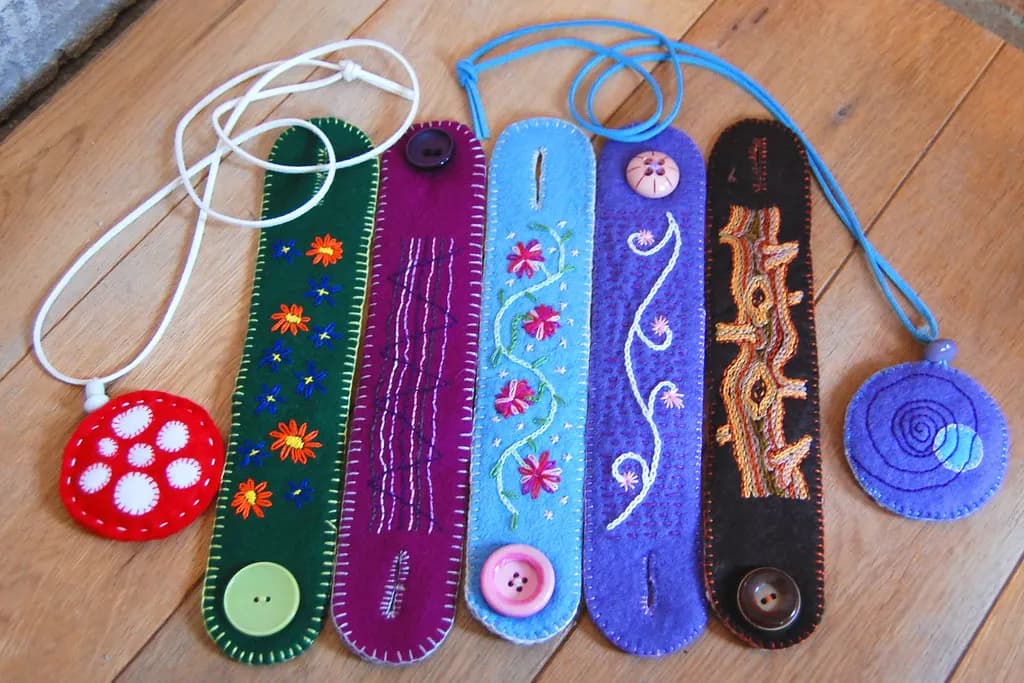
In practice: someone who clears a loft once is not trading. Someone who buys job lots at car boot sales every weekend, cleans them up and lists them online at a mark-up almost certainly is. Making things to sell, such as cakes, candles or jewellery, is trading from the first sale, and so is offering a paid service like cleaning, tutoring or delivery driving. If you're unsure, HMRC has a free online tool on GOV.UK that asks about your activity and tells you whether you need to report it.
When you must register even under £1,000
Full relief means you usually don't need to register. But there are situations where you must register for Self Assessment and declare the income, even though it's £1,000 or less. You can still use the allowance on the return; you just can't stay out of the system.
Register for Self Assessment even below £1,000 if you want to
0/4You might also choose to register voluntarily if you've just started and expect to go over £1,000 soon, so you're set up in good time. If you're already in Self Assessment for another reason, such as high income or rental income, you'll simply include your trading income on the return and apply the allowance there.
Separate rules apply to other, non-trading income such as tips or commission not taxed through PAYE. HMRC's guidance says to contact them if that income is between £1,000 and £2,500, and to register for Self Assessment if it's over £2,500.
Trading allowance vs actual expenses: worked examples
When your gross income is over £1,000, you compare the allowance with your actual allowable costs and take the bigger figure. Our allowable expenses guide lists what counts. The examples below are for 2026-27 and assume each person already uses their £12,570 personal allowance on a salary, so the side profit is taxed at the 20% basic rate.
| Person | Gross income | Actual costs | Profit using allowance | Profit using expenses | Best choice | Tax at 20% |
|---|---|---|---|---|---|---|
| Sam, dog walker | £850 | £60 | £0 (full relief) | £790 | Full relief | £0 |
| Aisha, online craft seller | £3,200 | £600 | £2,200 | £2,600 | Allowance | £440 |
| Tom, weekend photographer | £4,500 | £1,800 | £3,500 | £2,700 | Expenses | £540 |
| Jo, tutor | £1,400 | £0 | £400 | £1,400 | Allowance | £80 |
Sam earns £850 walking neighbours' dogs. It's under £1,000, so full relief applies: no tax, no registration, just a record of what he was paid. Aisha sells handmade cards through an online marketplace for £3,200, with £600 of materials and fees. Deducting the allowance leaves £2,200 of profit and saves her keeping detailed expense records; claiming her costs would leave £2,600. She uses partial relief and pays £440.
Tom shoots weddings at weekends for £4,500 and spends £1,800 on equipment hire, travel and editing software. His costs are higher than the allowance, so he claims expenses and is taxed on £2,700 rather than £3,500, saving £160 in tax. Jo tutors two evenings a month for £1,400 and has no real costs, so the allowance cuts her taxable profit to £400 and her tax to £80.
None of them pays Class 4 National Insurance, because their self-employed profits are below the £12,570 lower profits limit. Class 4 is worked out on self-employed profits alone, not on salary plus side income. If your side profits are below £7,105, you can pay voluntary Class 2 if you want the year to count for your State Pension.
Selling online: platform reporting since 2024
From 1 January 2024, UK digital platform operators, including online marketplaces, gig apps and holiday-let sites, have had to collect details about their sellers and report their earnings to HMRC each year. The first reports, covering 2024, went to HMRC by 31 January 2025, and each calendar year is now reported by the following January. Platforms must send you a copy of what they report, showing your earnings broken down by quarter.
Digital platform reporting dates
1 January 2024
UK platform reporting rules start
31 January 2025
First reports to HMRC, covering calendar year 2024
31 January 2026
Reports covering 2025
31 January 2027
Reports covering 2026; copies sent to sellers
Sellers of goods are left out of the reports if they make fewer than 30 sales sales in the calendar year and receive less than €2,000 (about £1,700). That exclusion doesn't apply to services, such as food delivery, taxi driving or freelancing, or to property and transport rentals; those sellers can be reported whatever they earn. Platforms will ask you for your name, address, date of birth and National Insurance number.
HMRC has been clear that this isn't a new tax. If you're clearing out your loft or selling clothes your children have outgrown, you're not trading and there's no Income Tax to pay, even if you're reported. You're likely to be trading if you buy things in order to resell them at a profit, make things to sell, or offer a paid service. Then the normal rules apply: if your gross income is over £1,000, you need to register.
Reports run by calendar year, but tax runs from 6 April to 5 April. Use your own records to work out the income for each tax year, not the platform's totals. Our marketplace profit calculator helps you see what you actually make after fees.
The planned £3,000 reporting threshold
On 11 March 2025 the government announced plans to raise the Self Assessment reporting threshold for trading income from £1,000 to £3,000 of gross income within this Parliament. It estimated that about 300,000 people would no longer need to file a return, around 90,000 of whom would have no tax to pay at all. The rest would pay any tax through a new, simpler online service.
This is a change to who has to file, not to the allowance. The £1,000 tax-free amount hasn't changed, and as of October 2026 no start date has been legislated. Several websites wrongly say the allowance itself is now £3,000. Until HMRC confirms the start date, anyone with gross trading income over £1,000 still needs to register by 5 October after the end of the tax year.

Benefits, student loans and other knock-on effects
Using the trading allowance reduces your income for several other calculations. HMRC's guidance says it reduces the income used for tax credits, the High Income Child Benefit Charge, student loan repayments and the married couple's allowance. That can help a parent whose income is close to the Child Benefit charge threshold.
Universal Credit is different. Income for Universal Credit isn't reduced by the allowance, so self-employed claimants report their actual earnings and expenses each month under the Universal Credit rules. If you claim Universal Credit and have side income, read our Universal Credit for the self-employed guide.
For Making Tax Digital for Income Tax, the test is based on your qualifying income, which is gross self-employment and property income. From April 2026 that applies above £50,000, falling to £30,000 from April 2027. A small side hustle won't bring you in on its own, but it's added to any rental income you have.
Common mistakes
The most common error is using profit instead of gross income to decide whether you're under £1,000. The second is claiming both the allowance and some expenses; you must choose one. The third is assuming that because a platform hasn't reported you, there's nothing to declare. Platform reports have exclusions; the tax rules don't.
Other mistakes include using the allowance against income from your own company or employer, forgetting that two side hustles share one allowance, and missing the 5 October registration deadline. If you've had untaxed side income over £1,000 in past years, you can bring your affairs up to date through HMRC's digital disclosure service. Owning up before HMRC contacts you usually means lower penalties.
What to do next
Add up your gross side income for the current tax year, 6 April 2026 to 5 April 2027, and keep a simple record of what you receive and spend. If you're heading over £1,000, register as a sole trader by 5 October after the year ends, then compare the allowance with your real costs when you file. Our self-employed tax guide shows how the profit turns into a tax bill.
This is general information, not legal or tax advice — confirm on the official source or with a professional.
Frequently asked questions
It's a tax exemption that lets individuals earn up to £1,000 a year in gross income from self-employment, casual services or hiring out personal equipment without paying tax on it. If your gross trading income is £1,000 or less, you usually don't need to tell HMRC. If it's more, you can deduct the £1,000 instead of your actual expenses.
Income. The test uses your gross trading income, the total you receive before taking off any costs. Someone who sells £1,400 of crafts that cost £700 to make has a profit of £700 but gross income of £1,400, so they're over the limit and must register for Self Assessment. They can still deduct the allowance or their expenses on the return.
Yes. The allowance covers your side income separately from your salary. An employee who earns £950 from weekend dog walking pays no tax on it and doesn't need to tell HMRC. The exception is income from your own employer, or your spouse's or civil partner's employer: that can't use the allowance.
Not automatically. Platforms report sellers who make 30 or more sales of goods, or receive about £1,700 or more, in a calendar year. That doesn't create a new tax. Selling your own unwanted possessions isn't trading. You only owe tax if you're trading, for example buying goods to resell or making items to sell for profit, and your gross income is over £1,000.
No. The allowance is still £1,000. In March 2025 the government announced plans to raise the point at which trading income must be reported through Self Assessment to £3,000 within this Parliament, with a simpler way to pay any tax due. No start date has been set, so the current £1,000 rules still apply.
Use whichever gives the larger deduction. If your real business costs are under £1,000, the allowance usually wins and saves record-keeping. If your costs are more than £1,000, or you've made a loss, claim actual expenses. You can't do both for the same tax year, but you can change your choice each year.
Sources & verification
Figures on this page were checked against the sources below when it was last reviewed on 9 October 2026. Each rate and limit is stored once with its own official source and review date, and official update channels are monitored daily so changes are picked up. How we verify
- 1.Tax-free allowances on property and trading income — HMRC / GOV.UK · accessed 9 October 2026
- 2.BIM86000 — Trading and Miscellaneous Income Allowance — HMRC Business Income Manual · accessed 9 October 2026
- 3.Selling goods or services on a digital platform — HMRC / GOV.UK · accessed 9 October 2026
- 4.No tax changes for online sellers — HMRC / GOV.UK · accessed 9 October 2026
- 5.Boost for side-hustlers as 300,000 people to be taken out of tax returns, government announces — HM Treasury / HMRC · accessed 9 October 2026
- 6.Expenses if you're self-employed — HMRC / GOV.UK · accessed 9 October 2026
- 7.Self-employed National Insurance rates — HMRC / GOV.UK · accessed 9 October 2026
- 8.BIM20205 — Meaning of trade: badges of trade: summary — HMRC Business Income Manual · accessed 9 October 2026
MSMETOOLS is an independent platform and is not affiliated with any government agency, ministry or department.
Tools for this
Marketplace Profit Calculator
Profit after Amazon, Etsy, Shopify and Flipkart fees.
Budget Planner
Plan and track your business budget easily.
Related guides
 Side Hustle Tax UK 2026: When to Tell HMRC and What You PayRead guide
 Self-Employed Tax 2026: How to Calculate It (Worked Examples)Read guide
 Making Tax Digital 2026: Thresholds, Deadlines & PenaltiesRead guide
 Universal Credit for Self-Employed 2026: MIF & ReportingRead guide
Official links open the government site in a new tab.