 Starting & growing a business
Starting a Food Business From Home in the UK: 2026 Guide
Starting a food business from home in the UK in 2026: free council registration 28 days before trading, kitchen inspection, allergens, labels and tax.
 Edited by Sumeet YadavFounder & editor, MSMETOOLS · fact-checked against official sources
Contents (11)
- 1. When does home cooking become a food business?
- 2. Step 1: Check your home and get permissions
- 3. Step 2: Register with the local council
- 4. Step 3: Set up your kitchen and food safety system
- 5. Step 4: The inspection and your hygiene rating
- 6. Step 5: Allergens and labelling
- 7. Step 6: Selling online, at markets and to shops
- 8. Step 7: Register with HMRC and sort your tax
- 9. Pricing your food and working out costs
- 10. Common mistakes home food businesses make
- 11. What to do next
Thousands of UK food businesses start in a home kitchen: celebration cakes, sourdough, meal prep, chutneys, dog treats, street-food prep for a weekend market. The rules are lighter than many people fear. You don't need a licence or a commercial kitchen, and registration is free. But food law applies to a home business exactly as it does to a restaurant, the council will inspect your kitchen, and allergen and labelling mistakes can harm customers. This guide explains what you must do in 2026, step by step, and where home businesses most often go wrong.
Quick answer
To start a food business from home in the UK, register with your local council at least 28 days before you start selling (it's free), set up a written food safety system such as Safer Food, Better Business, train in food hygiene and allergens, label prepacked food correctly, check your mortgage, tenancy and insurance, and register with HMRC once income passes £1,000.
No licence needed for most home food — but registration is compulsory
Registration: free, at least 28 days before trading, even if you only sell online
Expect a home kitchen inspection and a 0–5 food hygiene rating
Give information on 14 allergens; full labels on prepacked food
Tax: Self Assessment once gross sales pass £1,000 a year
When does home cooking become a food business?
The Food Standards Agency's test is simple: if you provide food on a regular and organised basis, you're a food business under food law. That's true whether you charge for it or give it away. Baking a cake for a neighbour once isn't a business. Taking weekly cake orders through Instagram, running a stall at the monthly farmers' market, selling jars of jam through Etsy or cooking meals for a local delivery round all are.
The type of food matters less than the regularity. Cakes, biscuits, bread, chocolates, preserves, sauces, ready meals and street food prepared at home all fall within the system. Homemade pet treats are different: they come under animal feed law, which has its own registration with the council's trading standards team. Some foods are higher risk and get closer attention from inspectors: anything with raw or lightly cooked eggs, fresh cream, cooked rice, meat, fish, dairy, or food that's cooked, cooled and reheated.
If you're unsure, register. It costs nothing and can't be refused, and the council's food safety team can then advise you before you build up customers. Our wider guide on how to start a business in the UK explains the business structure and tax side.
Starting a home food business at a glance
Step 1
Check the home is suitable
Step 2
Register with the council
Step 3
Food safety system and training
Step 4
Allergens and labels
Step 5
Register with HMRC
Step 6
Start selling
inspection and rating follow
Step 1: Check your home and get permissions
Before registering, make sure you can legally run a business from your home. GOV.UK points to three groups of people who may need to agree.
Your mortgage lender or landlord. Many mortgages and tenancy agreements restrict business use. A small baking business usually isn't a problem, but you should ask, and get the answer in writing. Social housing tenants should check with the housing association or council.
The council's planning team. You don't normally need planning permission just to cook at home, but you might if the business changes the character of the home: lots of customers collecting, frequent deliveries, staff working there, a big extraction fan, or converting a garage into a kitchen. If you're unsure, ask the planning department informally.
Your insurer. Ordinary home insurance often excludes business equipment, stock and customers visiting. Tell your insurer and add business cover, and consider product liability insurance, which covers you if someone is made ill by your food. Many markets and shops won't let you sell without public and product liability cover.
Business rates. Most home food businesses don't pay business rates. You may become liable if part of the home is used only for the business, customers visit to buy, you employ people there, or you've altered the home for the business. Selling by post or delivery from an ordinary kitchen usually doesn't trigger rates. If in doubt, ask the Valuation Office Agency (or the assessor in Scotland, or Land & Property Services in Northern Ireland).
Step 2: Register with the local council
Register with the local authority where your home is at least 28 days before you start trading. This applies in England, Wales and Northern Ireland, and Food Standards Scotland sets the same 28 days for Scottish councils. It's free, it can't be refused, and online-only businesses must register just like those with a shopfront. In England, Wales and Northern Ireland you can register through the FSA's online service, which passes your details to the right council.
You'll be asked for your address, contact details, the type of food you make, how you sell it (direct to customers, online, markets, to shops), roughly how many people you supply, and your start date. Be accurate: it helps the council decide how soon to inspect. Tell the council if your activities change significantly or if you stop trading.
Registration or approval? Selling direct to the public only needs registration. If you start supplying products of animal origin, such as meat, fish, eggs or dairy products, to other businesses like shops or cafes, you may need approval instead, which is a stricter process. Selling cakes containing eggs or butter to a local cafe is normally fine under registration, but making sausages, cured meats or cheese for wholesale may not be. Ask the council before taking trade orders.

Step 3: Set up your kitchen and food safety system
A domestic kitchen can pass
You don't need a commercial kitchen. You do need a kitchen that's clean, in good repair and set up to prevent contamination. Practical things inspectors look for include:
- A wash-hand basin or a clear handwashing routine with soap, hot water and paper towels, separate from washing food.
- Surfaces that are smooth, undamaged and easy to clean, and equipment in good condition.
- Enough fridge space to keep business food separate, and a fridge thermometer so you can check it's running at 5°C or below, as the FSA recommends.
- Separate storage for business ingredients, clearly labelled with dates.
- Pets kept out of the kitchen while you're preparing food, and no pet bowls or litter trays there.
- Laundry kept away from food preparation, and no washing hanging over the work area.
- Pest control: no gaps, droppings or signs of insects, and bins with lids.
- Fats and oils disposed of in the bin, not down the sink.
Your food safety management system
Food law requires every food business to have procedures based on HACCP (Hazard Analysis and Critical Control Point). For a home business the easiest way is the FSA's Safer Food, Better Business pack, or a similar system, where you record your safe methods and daily checks: cleaning, chilling, cooking, cross-contamination and allergen control. Fill it in as you go. Inspectors check that your records match how you actually work.
Training
There's no law saying you must hold a specific certificate. The legal duty is that food handlers are trained or supervised in food hygiene matters for their work. Most home businesses take a Level 2 food hygiene course, which is cheap and quick online, plus the FSA's free allergen training. Keep the certificates; they're evidence for the inspector and reassure customers and market organisers.
Home food business essentials (2026)
free
Council registration
Can't be refused
28 days
Register before trading
England, Wales, Scotland and NI
14
Allergens to track
For every product you sell
£1,000
Trading allowance
Register with HMRC above this
Step 4: The inspection and your hygiene rating
After you register, a council food safety officer will contact you to arrange an inspection of the parts of your home used for the business. They'll look at three things: how you handle food (preparation, cooking, cooling and storage), the condition of the kitchen, and how you manage food safety, including records and training. In England, Wales and Northern Ireland you'll get a rating from 5 (very good) to 0 (urgent improvement required). In Scotland the Food Hygiene Information Scheme gives a "Pass" or "Improvement Required".
Your rating is published online. In Wales and Northern Ireland you must also display it where customers can see it, which for a home business typically means online and on your market stall. If you disagree with the rating, you can appeal in writing within 21 days. If you accept it but have since fixed the problems, you can ask for a re-rating visit, which some councils charge for.
Many home bakers get a 5 at their first inspection. The usual reasons for a lower score are incomplete records, no clear way to keep business and family food apart, and gaps in allergen control.
Is your home kitchen inspection-ready?
0/8Step 5: Allergens and labelling
The 14 allergens
You must be able to tell customers whether your food contains any of the 14 regulated allergens: celery, cereals containing gluten, crustaceans, eggs, fish, lupin, milk, molluscs, mustard, tree nuts, peanuts, sesame, soya, and sulphites above a set level. Home bakers deal with several of these every day: wheat, eggs, milk, nuts and soya are in most cakes and biscuits. Keep a written allergen matrix for each product, check supplier labels every time you buy, and think about cross-contamination: a "nut-free" cake made in the same kitchen as almond flapjacks needs careful handling and honest wording.
Which label do you need?
What you must put on a label depends on how the food is packed and sold:
- Food packed to order (you box a cake after the customer orders it): no full label is legally required, but allergen information must be available, and it's good practice to include it in writing.
- Prepacked for direct sale (PPDS) (you wrap brownies at home and sell them yourself from your market stall): Natasha's Law, in force since 1 October 2021, requires the name of the food and a full ingredients list with allergens emphasised, for example in bold.
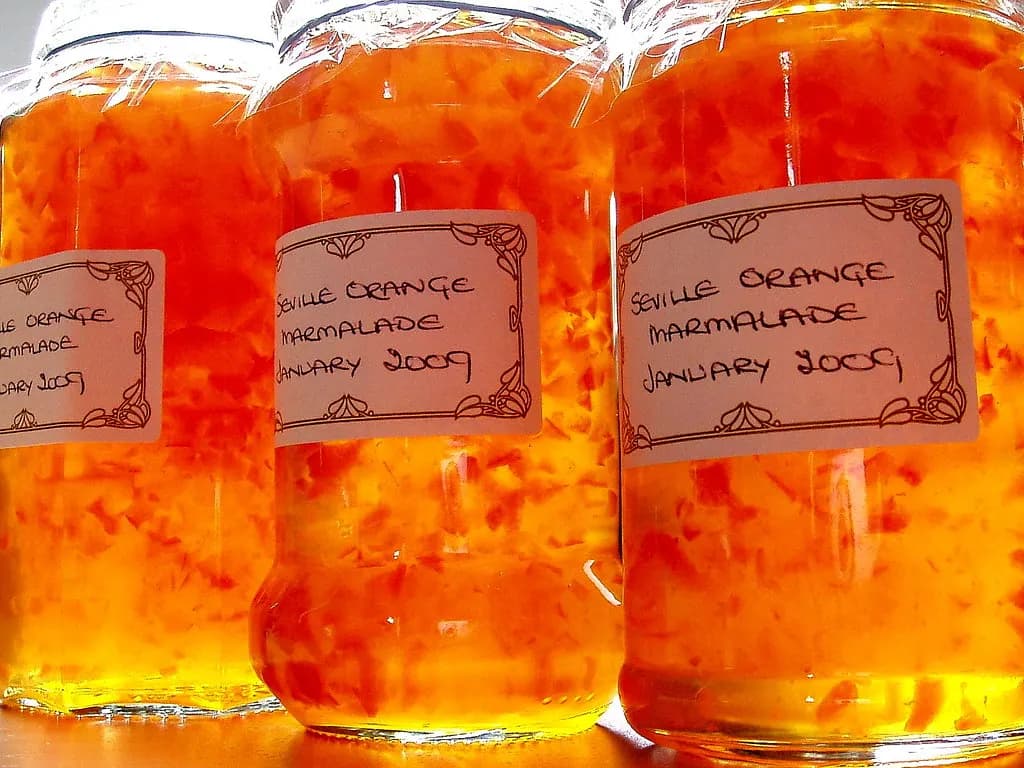
- Prepacked food (sealed jars of chutney or packs of biscuits sold through a shop or posted to customers): full prepacked labelling applies. That means the name of the food, the ingredients list with allergens emphasised, net quantity in grams or millilitres, a best-before or use-by date, any special storage conditions or instructions, and the name and address of your business. Some foods have extra rules, such as country of origin for honey.
Labels must be clear, easy to read, permanent and not misleading. Avoid health or "free-from" claims unless you're sure you can justify them; "gluten-free", for example, has a legal meaning with a limit on gluten content.
Label rules by how you sell
| How you sell | Example | What the label needs |
|---|---|---|
Packed after the customer orders | Custom birthday cake boxed for collection | No full label, but allergen information must be given |
Prepacked for direct sale (PPDS) | Wrapped flapjacks on your own market stall | Name of food + full ingredients, allergens emphasised |
Prepacked, sold through others or posted | Sealed jars of jam in a farm shop or sent by post | Full label: name, ingredients, allergens, quantity, date, storage, your name and address |
Sold online | Cake order through your website | Allergen information before purchase and again on delivery |
Packed after the customer orders
- Example
Custom birthday cake boxed for collection
- What the label needs
No full label, but allergen information must be given
Prepacked for direct sale (PPDS)
- Example
Wrapped flapjacks on your own market stall
- What the label needs
Name of food + full ingredients, allergens emphasised
Prepacked, sold through others or posted
- Example
Sealed jars of jam in a farm shop or sent by post
- What the label needs
Full label: name, ingredients, allergens, quantity, date, storage, your name and address
Sold online
- Example
Cake order through your website
- What the label needs
Allergen information before purchase and again on delivery
Step 6: Selling online, at markets and to shops
Online and social media sales
Selling through a website, Instagram, Facebook Marketplace or a delivery app is distance selling. You must register just like any other food business, and allergen information must be available before the customer completes the order and when the food is delivered, for example on a printed sheet in the box. The Consumer Contracts Regulations also apply: give customers your business details, the total price including delivery, and how long delivery will take. Perishable food and personalised items, such as a cake iced with a name, are exempt from the usual 14-day right to cancel. Our guide to starting an online shop covers the rest of the online selling rules.
Delivering food safely
If you deliver or post food, it must arrive safe to eat. Use food-grade packaging, keep chilled food cold with insulated boxes or cool packs, and tell customers when to expect delivery. Avoid posting high-risk chilled foods such as fresh cream cakes unless you can guarantee temperature control. Your car counts as part of the business when you deliver, so keep it clean and food separate from anything that could contaminate it.
Markets, fairs and shops
Market organisers usually ask for your registration details, food hygiene rating, food hygiene certificate and insurance. Some councils require a street trading consent for stalls outside an organised market. If you sell to cafes or shops, they'll want to see your rating and allergen information, and they may expect labels that meet full prepacked rules.
Step 7: Register with HMRC and sort your tax
A home food business is self-employment. If your gross sales are more than £1,000 in a tax year, register for Self Assessment by 5 October after the end of the tax year you started, then file a return each year. The trading allowance means you don't need to report if your total trading income, before expenses, is £1,000 or less. Our guides to the trading allowance and side hustle tax explain how it works if you also have a job, and the sole trader registration guide walks through registering.
You pay tax on profit, not sales. Allowable expenses include ingredients, packaging, labels, equipment, training, insurance, market pitch fees, website costs, delivery costs and a reasonable share of household bills such as gas and electricity for the oven. You can use HMRC's flat rates for working from home if you prefer simplicity. Keep receipts and a simple record of every sale.
If you sell through online marketplaces such as Etsy or eBay, the platform may report your sales to HMRC under the digital platform reporting rules, unless you make fewer than 30 sales sales and earn no more than €2,000 (about £1,700) in a year. Reporting doesn't create new tax, but HMRC will notice if a reported seller hasn't registered.
VAT is unlikely to matter at first: registration is only compulsory once taxable turnover goes over £90,000 in a rolling 12 months. Many foods are zero-rated, but some, such as confectionery and chocolate-covered biscuits, are standard-rated, which matters later.
Pricing your food and working out costs
Home food businesses often underprice because they count ingredients but not their time, energy, packaging or delivery. Cost a single cake properly before you set a price.
Worked example. A 20cm celebration cake uses £7.50 of ingredients, a £1.80 box and board, and roughly £0.90 of oven energy. That's £10.20 in direct costs. It takes you three hours to bake, fill, decorate and box. If you want to earn £15 an hour for your time, that's £45, giving a price of about £55 before any delivery charge. Selling it for £30 because "that's what a supermarket cake costs" means you're paying yourself under £7 an hour. The food cost calculator and markup calculator help you check your margins.
Check the food cost on one of your products
Start-up costs are low compared with a cafe. Our estimate, based on typical online prices for a home baker in 2026, is roughly £200 to £800 for training, labels, packaging, a fridge thermometer, small equipment and the first year of insurance, assuming you already have a working kitchen. A dedicated second fridge or a stand mixer adds more. These are estimates, not official figures. The startup cost calculator helps you list your own costs.
Common mistakes home food businesses make
- Starting to sell before registering. Registration is free, but you must do it 28 days before trading.
- No written allergen information. Relying on memory is how allergen mistakes happen.
- Wrong labels on wrapped food. Pre-wrapped items on your own stall need full ingredients under Natasha's Law.
- Ignoring the mortgage, tenancy or insurance. A claim can be refused if your insurer didn't know about the business.
- Underpricing. Count your hours and all costs, not just ingredients.
- Supplying wholesale without checking approval. Products of animal origin for other businesses may need approval.
Official GOV.UK and regulator links
- Register a food businessfree, 28 days before trading
- Starting a food businessFSA guidance including home and online sales
- Food labelling: what you must showPrepacked labels
- Run a business from homePermissions and insurance
- Registering a food business in ScotlandFood Standards Scotland
- Register for Self AssessmentHMRC
What to do next
Check your mortgage or tenancy and insurance, then register with the council four weeks before your first sale. Use those four weeks to set up Safer Food, Better Business, complete your hygiene and allergen training, and write your allergen matrix and labels. Cost each product properly with the food cost calculator and send professional invoices with the invoice generator. If demand grows beyond your kitchen, our guide on how to start a cafe covers the next step.
This is general information, not legal or tax advice — confirm on the official source or with a professional.
Frequently asked questions
You don't need a licence, but you must register your home food business with your local council at least 28 days before you start selling. Registration is free and can't be refused. The council will then arrange a food hygiene inspection of your kitchen and give you a rating.
Only if it's genuinely occasional, such as a one-off charity bake sale. The Food Standards Agency says that if you provide food on a regular and organised basis you're a food business, even if you give it away free. Regular cake orders, market stalls or online sales all need registration.
There's no legal requirement for a particular certificate. The law requires anyone handling food to be trained or supervised in food hygiene suitable for their work. Most home food businesses take a Level 2 food hygiene course online because it's the simplest way to show the inspector you're trained.
Food you pack at home before customers choose it, such as wrapped brownies on a market stall, needs a label with the name of the food and full ingredients with allergens emphasised. Food sold online in sealed packs generally needs full prepacked labelling, including quantity, date mark, and your name and address. Food packed to order needs allergen information available.
Yes, once it's a business. If your gross trading income is over £1,000 in a tax year, register for Self Assessment by 5 October after the end of the tax year you started. You pay Income Tax and National Insurance on your profit after allowable expenses such as ingredients, packaging and a share of household costs.
Yes. After you register, a food safety officer will contact you to arrange an inspection of the area where you prepare and store food. They look at hygiene practices, the condition of the kitchen and your food safety records, then give a rating from 0 to 5 in England, Wales and Northern Ireland.
Sources & verification
Figures on this page were checked against the sources below when it was last reviewed on 13 October 2026. Each rate and limit is stored once with its own official source and review date, and official update channels are monitored daily so changes are picked up. How we verify
- 1.Food business registration — GOV.UK · accessed 13 October 2026
- 2.Starting a food business — Food Standards Agency / GOV.UK · accessed 13 October 2026
- 3.Food labelling: what you must show — GOV.UK · accessed 13 October 2026
- 4.Food labelling and packaging — GOV.UK · accessed 13 October 2026
- 5.Food hygiene rating scheme — Food Standards Agency / GOV.UK · accessed 13 October 2026
- 6.Run a business from home — GOV.UK · accessed 13 October 2026
- 7.Business rates: working at home — GOV.UK · accessed 13 October 2026
- 8.Registering a food business — Food Standards Scotland · accessed 13 October 2026
- 9.Food hygiene rating scheme (FHRS): guidance for businesses — Food Standards Agency / GOV.UK · accessed 13 October 2026
MSMETOOLS is an independent platform and is not affiliated with any government agency, ministry or department.
Tools for this
Food Cost Calculator
Calculate food cost, menu pricing and profit margins.
Startup Cost Calculator
Estimate how much capital you need to launch.
Markup Calculator
Turn cost and markup into a selling price.
Invoice Generator
Create professional invoices with tax, logo and custom details.
Related guides
 How to Start a Cafe in the UK (2026): Licences, Costs & StepsRead guide
 How to Start a Business in the UK (2026): 10 StepsRead guide
 How to Start an Online Shop in the UK (2026): Rules & StepsRead guide
 How to Start a Cleaning Business in the UK (2026 Guide)Read guide
Official links open the government site in a new tab.