 Income tax & TDS
Depreciation Rates as per the Income Tax Act in 2026: Section 33 Chart, Block of Assets and Worked Examples
Depreciation rates as per the Income-tax Act in 2026: section 33 and Rule 25 chart for buildings, machinery, cars, computers, the 180-day rule and worked examples.
 Edited by Sumeet YadavFounder & editor, MSMETOOLS · fact-checked against official sources

Contents (11)
- 1. What tax depreciation is and which law applies in 2026
- 2. Depreciation rate chart for 2026 (Appendix I)
- 3. How the block-of-assets method works
- 4. What counts in the actual cost of an asset
- 5. The 180-day rule: half depreciation in the first year
- 6. Additional depreciation for manufacturers
- 7. Depreciation under the new tax regime and the 22% company regime
- 8. Selling, scrapping and losing assets
- 9. Common mistakes and how to avoid them
- 10. Tax depreciation versus book depreciation
- 11. What to do next
If you run a factory, a shop, a clinic or a transport business in India, depreciation is often the single largest deduction in your tax computation after salaries and raw material. This guide gives the full 2026 depreciation rate chart under the Income-tax Act, 2025 and the Income-tax Rules, 2026, explains how the block-of-assets method works, and walks through the rules that change the number you can claim: the 180-day half rate, additional depreciation for manufacturers, the 40% cap for the new tax regimes, and what happens when you sell an asset.
Quick answer
From tax year 2026-27, depreciation is allowed under section 33 of the Income-tax Act, 2025 at the percentages in Rule 25 and Appendix I of the Income-tax Rules, 2026, applied to the written-down value of each block of assets. The rates are the same as the old Appendix I.
Buildings: 5% residential, 10% factory/office/shop · Furniture: 10%
Plant and machinery and cars: 15% · Hired trucks, buses, taxis: 30%
Computers and software: 40% · Intangibles (not goodwill): 25%
Used under 180 days in the year of purchase: half rate
New machinery for manufacturers: extra 20% of actual cost (not on the 22% or new regimes)
What tax depreciation is and which law applies in 2026
Depreciation is the deduction the tax law gives you for the wear and tear of business assets. You do not deduct the full price of a machine, a delivery van or a building in the year you buy it. Instead, you deduct a fixed percentage of its remaining value every year, for as long as the asset is in use. That percentage is set by the government, not by you or your accountant, which is why people search for the "depreciation rate chart".
India moved to a new income-tax law on 1 April 2026. The Income-tax Act, 2025 applies to income earned from that date, which the new law calls tax year 2026-27. Depreciation now sits in section 33 of the new Act, which takes the place of section 32 of the Income-tax Act, 1961. The percentages are not written in the Act itself. Section 33(3) says depreciation on a block of assets is the percentage of written-down value "as may be prescribed", and the Central Board of Direct Taxes prescribed them in Rule 25 and Appendix I of the Income-tax Rules, 2026, notified on 20 March 2026.
The good news for anyone with existing assets is continuity. The rates in the new Appendix I match the old Appendix I item for item, the block-of-assets method is unchanged, and the written-down value at the end of FY 2025-26 under the old law becomes the opening value under the new one. If you are still finishing a return for income earned up to 31 March 2026 (assessment year 2026-27), you use section 32 and the 1961 Rules. For any purchase from 1 April 2026, you cite section 33 and Rule 25.
| What it covers | Income-tax Act, 1961 | Income-tax Act, 2025 |
|---|---|---|
| Depreciation allowance | Section 32 | Section 33 |
| Rates of depreciation | Rule 5 and Appendix I, 1962 Rules | Rule 25 and Appendix I, 2026 Rules |
| Additional depreciation | Section 32(1)(iia) | Section 33(8) and (9) |
| Actual cost | Section 43(1) | Section 39 |
| Written-down value | Section 43(6) | Section 41 |
| Gains on depreciable assets | Section 50 | Section 74 |
Depreciation rate chart for 2026 (Appendix I)
The table below lists the rates most MSMEs actually use. Every rate is a percentage of written-down value, not of the original cost. Appendix I has many more specialised entries, especially in the 40% band, and you should check the full notification if your asset is unusual.
Depreciation rates under Rule 25 and Appendix I (2026)
| Block of assets | Rate (WDV) | Typical examples |
|---|---|---|
Residential buildings (not hotels) | 5% | Staff quarters, labour housing |
Other buildings | 10% | Factory shed, office, shop, godown, hotel |
Temporary erections | 40% | Wooden structures, temporary sheds |
Furniture and fittings | 10% | Tables, racks, electrical wiring, switches, fans |
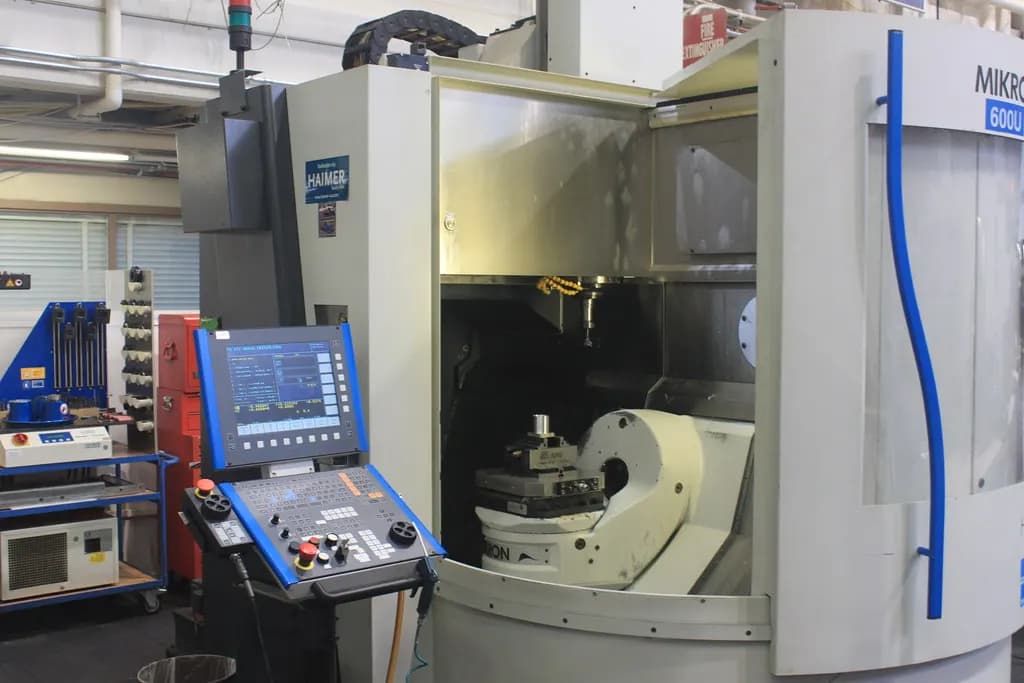
Plant and machinery (general) | 15% | Lathes, CNC machines, generators, ACs, tools |
Motor cars (not on hire) | 15% | Owner's car, sales staff car |
Buses, lorries, taxis run on hire | 30% | Trucks of a transport business, taxi fleet |
Moulds in rubber and plastic factories | 30% | Injection and compression moulds |
Computers including software | 40% | Laptops, servers, licensed software |
Pollution control equipment | 40% | Dust collectors, scrubbers, effluent plants |
Renewable energy devices | 40% | Rooftop solar plant, solar water heater, electric vehicles |
Books owned by professionals | 40% | Law reports, medical reference books |
Ships and inland vessels | 20% | Fishing vessels, barges, speed boats |
Intangible assets (not goodwill) | 25% | Patents, trademarks, licences, franchises, know-how |
Residential buildings (not hotels)
- Rate (WDV)
5%
- Typical examples
Staff quarters, labour housing
Other buildings
- Rate (WDV)
10%
- Typical examples
Factory shed, office, shop, godown, hotel
Temporary erections
- Rate (WDV)
40%
- Typical examples
Wooden structures, temporary sheds
Furniture and fittings
- Rate (WDV)
10%
- Typical examples
Tables, racks, electrical wiring, switches, fans
Plant and machinery (general)
- Rate (WDV)
15%
- Typical examples
Lathes, CNC machines, generators, ACs, tools
Motor cars (not on hire)
- Rate (WDV)
15%
- Typical examples
Owner's car, sales staff car
Buses, lorries, taxis run on hire
- Rate (WDV)
30%
- Typical examples
Trucks of a transport business, taxi fleet
Moulds in rubber and plastic factories
- Rate (WDV)
30%
- Typical examples
Injection and compression moulds
Computers including software
- Rate (WDV)
40%
- Typical examples
Laptops, servers, licensed software
Pollution control equipment
- Rate (WDV)
40%
- Typical examples
Dust collectors, scrubbers, effluent plants
Renewable energy devices
- Rate (WDV)
40%
- Typical examples
Rooftop solar plant, solar water heater, electric vehicles
Books owned by professionals
- Rate (WDV)
40%
- Typical examples
Law reports, medical reference books
Ships and inland vessels
- Rate (WDV)
20%
- Typical examples
Fishing vessels, barges, speed boats
Intangible assets (not goodwill)
- Rate (WDV)
25%
- Typical examples
Patents, trademarks, licences, franchises, know-how
A few notes in Appendix I change how items are classified. "Buildings" includes roads, bridges, culverts, wells and tube wells inside your premises. A building counts as residential only if at least two-thirds of its built-up floor area is used for living, and that includes staff housing inside the factory compound. "Electrical fittings" covers wiring, switches, sockets and fans, so they sit in the 10% furniture block rather than the 15% machinery block. "Computer software" means a program recorded on a disc, tape or other storage device, which in practice covers licensed packages you buy outright.
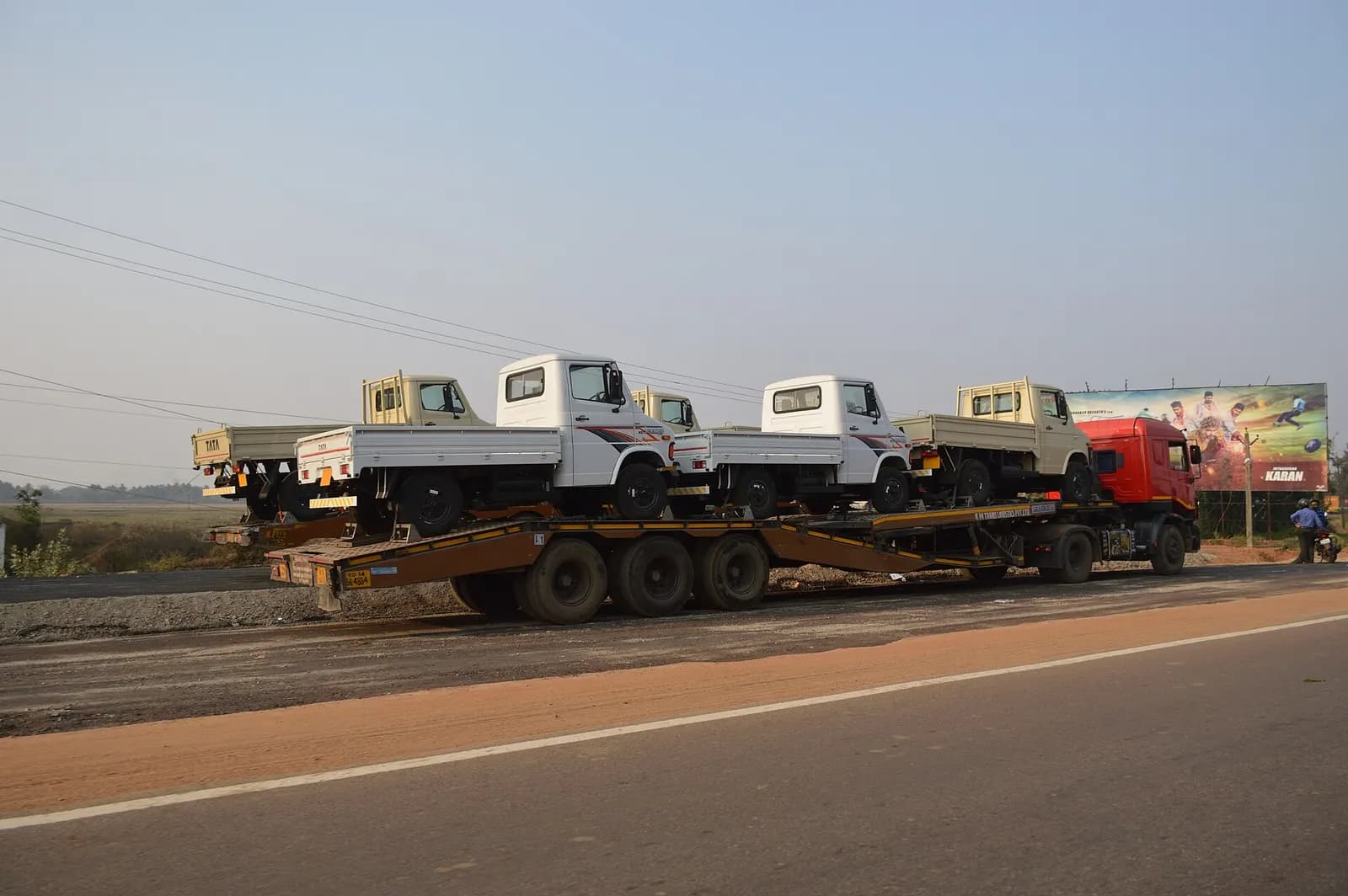
Motor vehicles are the most common source of mistakes. An ordinary car used in your business is plant and machinery at 15%, whether it is a hatchback for a sales rep or an SUV for the proprietor. Only buses, lorries and taxis used in a business of running them on hire get 30%. A trader who owns two trucks to deliver his own goods is not running them on hire, so his trucks also sit at 15%. Appendix I also lists "electrically operated vehicles including battery powered or fuel-cell powered vehicles" among renewable energy devices at 40%, which is worth knowing if you are electrifying a delivery fleet; keep the invoice and the vehicle's registration details with your asset register.
How the block-of-assets method works
Indian tax law does not track depreciation machine by machine. Section 2(17) groups assets of the same class that carry the same rate into a "block of assets". All your general plant and machinery at 15% is one block, all your computers at 40% another, all your non-residential buildings at 10% a third. You calculate depreciation once for each block, on the block's written-down value.
Section 41(1)(c) of the new Act gives the written-down value as a formula. Start with the block's value at the beginning of the year, which is last year's opening value minus last year's depreciation. Add the actual cost of any asset in that block bought during the year. Subtract the money received, including scrap value, for anything in the block sold, discarded, demolished or destroyed during the year. The amount subtracted can never push the block below zero. The result is the written-down value on which this year's rate is applied.
Written-down value of a block (section 41)
Step 1
Opening WDV of the block
Step 2
+ cost of additions
net of GST credit and subsidy
Step 3
− sale and scrap money
cannot go below nil
Step 4
= WDV for the year
apply the Appendix I rate
The practical effect is that you never "finish" depreciating a single machine. When you sell an old lathe for ₹40,000, you do not compare the sale price with that lathe's own book value. You simply reduce the whole machinery block by ₹40,000. There is no separate profit or loss on the individual asset, as long as other assets remain in the block and the block value stays above zero.
The block method also means depreciation is a percentage of a shrinking number. A machinery block of ₹10,00,000 gives ₹1,50,000 in year one, ₹1,27,500 in year two and ₹1,08,375 in year three if nothing is added. The deduction never reaches zero, but it gets smaller each year, which is why businesses that keep investing see a steadier depreciation figure than those that buy everything at the start.
What counts in the actual cost of an asset
Depreciation is only as good as the cost you start from. Section 39 defines actual cost as what you paid, reduced by anything someone else bore. Four reductions matter for MSMEs.
First, GST. If you claim input tax credit of the GST on a machine, that GST is not part of its cost for depreciation, because you have already recovered it through credit. If you cannot claim credit, for example on a motor car where credit is blocked under GST law, the GST stays in the cost and is depreciated with the car.
Second, subsidies. A capital subsidy from the Central Government, a State Government, any authority or any other person that relates to buying the asset reduces its actual cost. If a state industrial policy gives you a 25% capital subsidy on a ₹40 lakh plant, your depreciable cost is ₹30 lakh. Where a subsidy is not tied to a specific asset, section 39(3) spreads it across the assets in proportion.
Third, cash. Section 39(2) excludes from actual cost any payment, or total payments in a day, above ₹10,000 to one person for buying an asset, if made other than through a bank or prescribed online mode. Paying a used-machinery dealer ₹60,000 in cash for a compressor means that ₹60,000 never enters your block and you lose depreciation on it for good.
Fourth, interest. Section 32(b) does not allow interest on money borrowed to buy an asset, for the period from the date of borrowing until the asset is first put to use, as a business expense; that interest is added to the asset's cost instead. Interest after it is in use is an ordinary business expense. Installation, freight, loading and the cost of trial runs before commercial production are also part of actual cost.
Records to keep for every asset you capitalise
0/7The 180-day rule: half depreciation in the first year
Section 33(4) cuts the rate in half for an asset that is bought during the tax year and put to use for fewer than 180 days in that year. The tax year runs from 1 April to 31 March, so an asset first put to use on or after roughly 3 October gets only half the rate in its first year. The test is about the date of first use for the business, not the invoice date. A machine delivered in September but installed and commissioned in November gets half.
The half rate is not a lost deduction. The written-down value simply stays higher, and you claim the full rate on that larger balance from the next year onwards. It does shift tax into later years, so a business deciding whether to buy a large machine in late September or early October should be aware that a few days can halve the first-year claim.
Worked example: a printing unit buys an offset press for ₹12,00,000 (excluding GST, on which credit is taken) and installs it on 20 November 2026. It is used for fewer than 180 days in tax year 2026-27, so depreciation is 7.5% of ₹12,00,000, or ₹90,000. Its written-down value going into tax year 2027-28 is ₹11,10,000, and depreciation that year is 15%, or ₹1,66,500.
Additional depreciation for manufacturers
Section 33(8) gives an extra deduction to businesses that manufacture or produce any article or thing, or that generate, transmit or distribute power. When such a business buys and installs new plant or machinery and first puts it to use, it can claim additional depreciation of 20% of actual cost of the actual cost on top of the normal rate.
The machinery must be new: never used by anyone, in India or abroad. It cannot be a ship or aircraft, office appliances, a road transport vehicle, or anything installed in an office or residential premises, including a guest house. It also cannot be an asset whose whole cost is written off in one year under some other provision. A garment exporter buying new sewing machines for its factory qualifies. The same exporter buying a new car, new laptops for its accounts team or a second-hand embroidery machine does not.
If the new machine is used for fewer than 180 days in the year of purchase, section 33(9) allows 10% of cost in that year and the remaining 10% in the next year. This "balance in the next year" rule was added to the old Act in 2016 and continues in the new Act in plain words.
Worked example: a component maker on the normal tax regime installs a new CNC machine costing ₹20,00,000 on 10 June 2026. Normal depreciation is 15% of ₹20,00,000, or ₹3,00,000. Additional depreciation is 20%, or ₹4,00,000. The total first-year deduction is ₹7,00,000, and the machine's written-down value carried into the block falls by that full amount. Had the same machine been installed on 10 December 2026, the first-year claim would be ₹1,50,000 normal plus ₹2,00,000 additional, with a further ₹2,00,000 additional claimed in tax year 2027-28.
Depreciation under the new tax regime and the 22% company regime
The new Act has several optional or default low-rate regimes, and each one trades lower rates for fewer deductions. Two consequences for depreciation are easy to miss.
First, additional depreciation is not available. Section 205(1)(a) lists section 33(8) among the deductions a company must give up if it opts for the 25% regime for manufacturers in section 199, the 22% regime in section 200 or the 15% regime in section 201. Section 202(2)(a)(vi) applies the same exclusion to individuals, Hindu undivided families, associations of persons and bodies of individuals taxed under the default new regime.
Second, Rule 25(2) caps the depreciation rate at 40% of written-down value for these taxpayers. Today no block in Appendix I is above 40%, so the cap does not bite on current rates, but it matters if an older or special entry would otherwise allow more. Normal depreciation at the Appendix I rates is fully allowed under every regime. A proprietor on the new regime can still claim 15% on his machinery and 40% on his computers; he just cannot add the 20% bonus for new plant.
| Who | Normal depreciation | Additional 20% | Rate cap |
|---|---|---|---|
| Company on normal 25%/30% rates | Yes | Yes, if a manufacturer | None |
| Company on s.199, s.200 or s.201 | Yes | No | 40% |
| Firm or LLP (flat 30%) | Yes | Yes, if a manufacturer | None |
| Individual/HUF on the default new regime (s.202) | Yes | No | 40% |
| Individual/HUF who opts out of s.202 | Yes | Yes, if a manufacturer | None |
For a manufacturing MSME weighing the regimes, additional depreciation is a real factor. A company planning heavy capital spending in the next two years may find that the 20% bonus, plus the right to other deductions, outweighs the lower rate under section 200, at least until the investment phase ends. Our guide to company tax rates in India sets out the regimes side by side.
Selling, scrapping and losing assets
When you sell an asset, the sale proceeds reduce the block, as explained above. Two situations create a taxable gain instead, under section 74 of the new Act.
The first is when the sale proceeds exceed the block. If, during the year, you sell assets from a block for more than the block's opening written-down value plus the cost of additions during the year (and the expenses of the sale), the excess is a short-term capital gain. It does not matter how long you held the asset: gains on depreciable assets are always short-term. The block value becomes nil, and no depreciation is allowed on it that year.
The second is when a block ceases to exist because every asset in it has been sold. The gain or loss is then the sale price minus the block's opening value plus additions, again short-term. For example, a small office has a computer block with an opening value of ₹1,20,000 and sells all its old computers to a refurbisher for ₹50,000 in May 2026, buying new ones only in a different year. The block ceases to exist and the result is a short-term capital loss of ₹70,000, which can be set off against capital gains.
If you merely discard a machine without selling it, its scrap value, if any, reduces the block and the rest stays in the written-down value. You keep depreciating it with the block. Insurance money received for an asset destroyed in a fire is treated as money received and reduces the block in the same way.
Common mistakes and how to avoid them
Six depreciation errors that tax officers often pick up
- 1
Charging 30% on your own trucks
The 30% rate is only for vehicles used in a business of running them on hire. Trucks that carry your own goods are 15%.
- 2
Claiming GST twice
If you took input tax credit on the GST, the GST cannot also sit in the asset's cost for depreciation.
- 3
Ignoring the date of first use
The 180-day test is based on when the asset is put to use, not the invoice date. Keep commissioning reports.
Tip: A machine invoiced in September but installed in October usually gets only half the rate.
- 4
Additional depreciation on excluded items
No additional depreciation on vehicles, office equipment, used machinery, or anything on the 22%, 15% or new regimes.
- 5
Paying cash for second-hand equipment
Cash payments above ₹10,000 a day to one seller are excluded from cost permanently.
- 6
Using Companies Act rates in the tax return
Book depreciation under Schedule II must be added back and replaced with Appendix I depreciation in the computation.
Depreciation is mandatory in one sense: section 33(7) applies "whether or not the assessee has claimed" it. You cannot skip depreciation in a loss year to save it for later; the tax department will treat it as allowed and reduce the written-down value anyway. What the new Act does protect is unabsorbed depreciation. Under section 33(11), if business profit before depreciation is lower than the depreciation allowed, the unused part is carried forward and added to next year's depreciation, with no time limit, subject to the loss set-off rules.
Presumptive taxpayers are a special case. A trader or professional declaring income under section 58 is treated as having claimed all deductions, including depreciation, and the written-down value is reduced as if depreciation had been allowed each year. Read our guide on presumptive taxation if you are on the scheme and own significant assets.
Tax depreciation versus book depreciation
The depreciation in your audited accounts and the depreciation in your tax return are different numbers, and that is normal. Companies follow Schedule II of the Companies Act, 2013, which uses the useful life of each asset, usually on a straight-line or written-down-value method, and the result goes into the profit and loss statement and balance sheet. Partnership firms and proprietors follow the accounting standards that apply to them. The tax return ignores all of that: book depreciation is added back to profit, and depreciation computed under section 33 at Appendix I rates is deducted instead.
Keep a separate fixed asset register for tax with one sheet per block. Each year it should show the opening written-down value, additions with dates of first use, deletions, the rate, depreciation at full and half rate, any additional depreciation and the closing value. The tax audit report under section 63 asks for exactly this information, block by block, and having it ready saves a lot of back-and-forth with your auditor.
What to do next
Pull out last year's fixed asset register and check that every block carries the correct rate, especially vehicles and electrical fittings. Before buying a large machine in the second half of the year, compare the first-year deduction from installing it before and after early October, and check whether your tax regime still allows additional depreciation. Then use the ROI calculator to see how the tax saving from depreciation changes the payback period of the investment, and read our guides on partnership firm income tax and LLP income tax to see how depreciation feeds into the book profit used for partner remuneration.
This is general information, not legal or tax advice — confirm on the official source or with a professional.
Frequently asked questions
Under Rule 25 and Appendix I of the Income-tax Rules, 2026, the main written-down-value rates are 10% for factory, office and shop buildings, 5% for residential buildings, 10% for furniture, 15% for general plant and machinery and cars, 30% for trucks and taxis run on hire, 40% for computers and software, and 25% for intangible assets such as patents and licences.
Section 33 of the Income-tax Act, 2025, which applies from tax year 2026-27 (income earned from 1 April 2026). It replaces section 32 of the 1961 Act. The percentages themselves are not in the Act; they are prescribed in Rule 25 and Appendix I of the Income-tax Rules, 2026, notified on 20 March 2026. For income up to 31 March 2026 you still use section 32 and the old Appendix I.
If you buy an asset during the tax year and put it to use for fewer than 180 days in that year, section 33(4) allows only half the normal rate for that first year. A machine first used on 15 October qualifies for 7.5% instead of 15%. The rest is not lost: the asset's written-down value stays higher and you claim the full rate on it from the next year.
Yes, normal depreciation is allowed. But individuals, HUFs, firms' members and others taxed under section 202 (the default new regime), and companies taxed at the concessional rates in sections 199 to 201, cannot claim additional depreciation under section 33(8), and Rule 25(2) caps their depreciation rate at 40% of written-down value.
Computers, including laptops and computer software, are depreciated at 40% of written-down value. A laptop bought for ₹1,00,000 and used for more than 180 days gets ₹40,000 depreciation in year one and ₹24,000 in year two.
No. Section 33(1)(b) and the definition of assets in section 33(12) specifically exclude goodwill of a business or profession, continuing the position introduced in 2021 under the old Act. Other intangible assets bought for the business, such as know-how, patents, copyrights, trademarks, licences and franchises, are depreciated at 25% of written-down value.
No. Companies Act depreciation, under Schedule II, is based on the useful life of each asset and goes into the financial statements. Income-tax depreciation uses the block-of-assets method and fixed written-down-value percentages from Appendix I. Because the two differ, every company and most firms add back book depreciation and deduct tax depreciation when computing taxable income.
Sources & verification
Figures on this page were checked against the sources below when it was last reviewed on 9 October 2026. Each rate and limit is stored once with its own official source and review date, and official update channels are monitored daily so changes are picked up. How we verify
- 1.Income-tax Rules, 2026 — Notification No. 22/2026, G.S.R. 198(E), 20 March 2026 (rule 25, Appendix I and Appendix II) — Central Board of Direct Taxes · accessed 9 October 2026
- 2.Income-tax Act, 2025 (Act 30 of 2025) — sections 2(17), 33, 39, 41, 74 and 205 — Ministry of Law and Justice (Gazette of India, reproduced by TaxHeal) · accessed 9 October 2026
- 3.Objective and scope of the new Act (Income-tax Act, 2025) — FAQs — Income Tax Department (e-filing portal) · accessed 9 October 2026
- 4.Finance Act, 2026 (No. 4 of 2026), Gazette of India, 30 March 2026 — Ministry of Law and Justice (Legislative Department) · accessed 9 October 2026
- 5.Depreciation Rules 2026: Rates, Block of Assets & Appendix I/II Explained — Patron Accounting · accessed 9 October 2026
- 6.Rule 25 of the Income-tax Rules, 2026 — depreciation — TaxHeal · accessed 9 October 2026
MSMETOOLS is an independent platform and is not affiliated with any government agency, ministry or department.
Tools for this
ROI Calculator
Calculate return on investment for your business projects.
EMI Calculator
Calculate loan EMIs for business and personal loans.
Related guides
 Company Tax Rate in India 2026: 22%, 25%, 30% & MAT 14%Read guide
 Partnership Firm Income Tax 2026: Rate, Partner Pay & RulesRead guide
 Presumptive Taxation Scheme 2026: 44AD, 44ADA & Section 58Read guide
 LLP Income Tax 2026: Tax Rate, AMT, Partner Pay & ITR-5Read guide
Official links open the government site in a new tab.