 Government schemes & funding
Agriculture Infrastructure Fund (AIF) in 2026: Interest Subvention, Eligible Projects, Extension Status and How to Apply
Agri Infrastructure Fund in 2026: 3% interest subvention on loans up to ₹2 crore, CGTMSE cover, eligible projects, the March 2027 extension and how to apply.
 Edited by Sumeet YadavFounder & editor, MSMETOOLS · fact-checked against official sources
Contents (9)
- 1. What the Agriculture Infrastructure Fund is
- 2. What AIF gives you: subvention, rate cap and guarantee
- 3. AIF scheme status in 2026: the extension to March 2027
- 4. Who can apply for an AIF loan
- 5. Eligible projects: what AIF will and won't finance
- 6. Worked examples in ₹
- 7. How to apply on the AIF portal
- 8. Common mistakes and how to avoid them
- 9. What to do next
A warehouse, a cold store, a grading line or a custom hiring centre can transform what a farmer, FPO or rural entrepreneur earns from a harvest — but the loan to build it is usually the hardest part. The Agriculture Infrastructure Fund (AIF) was designed to make that loan cheaper and easier to get. This guide is for farmers, FPOs, cooperatives, PACS and agri start-ups planning a project in 2026. It covers what AIF pays, the rate cap, who qualifies, which projects are eligible and which aren't, where the scheme stands after its September 2026 extension, the portal steps and documents, and worked ₹ examples. Everything was checked against the AIF portal, the September 2024 guidelines and the Department of Agriculture's 2026 orders in October 2026.
Quick answer
AIF is a ₹1 lakh crore central financing facility for farm-gate and post-harvest infrastructure. On bank loans up to ₹2 crore per project, the Centre pays 3% a year interest subvention for up to 7 years and the CGTMSE guarantee fee. The lending rate on that part is capped at 9%, so you pay at most 6%.
Current extension runs to 31 March 2027 (or earlier approval for 2026-31) — check that your bank is sanctioning new loans
No capital subsidy, but you can stack another scheme's subsidy on top
Minimum promoter contribution 10% of project cost; repayment up to 7 years with 6 months to 2 years moratorium
Apply online at agriinfra.dac.gov.in with a DPR; up to 25 projects projects per private entity in different locations
What the Agriculture Infrastructure Fund is
AIF is a central sector scheme of the Department of Agriculture & Farmers Welfare, announced in May 2020 and launched in August 2020. It doesn't lend money itself. Instead it gives medium- and long-term debt financing support: banks, cooperative banks, RRBs, small finance banks, NBFCs and NCDC lend to eligible borrowers, and the Centre pays part of the interest and the credit guarantee fee. The target is infrastructure at the farm gate and at aggregation points — the places where produce is stored, sorted, graded and first processed — because that's where most post-harvest losses happen.
The scheme has grown well past its starting point. By the AIF portal's dashboard in October 2026, lenders had sanctioned about ₹1.02 lakh crore across roughly 2.26 lakh projects, and the July 2026 meeting of the National Level Monitoring Committee recorded more than two lakh projects sanctioned, about 92% of the overall target. Uttar Pradesh, Rajasthan, Maharashtra, Madhya Pradesh and Gujarat have the largest tentative allocations under the state-wise split of the ₹1 lakh crore.
AIF is designed to be combined with other schemes. The guidelines explicitly allow convergence with any central or state grant or subsidy — MIDH, PMFME, SMAM, Gobar-Dhan, PMKSY, AMI, PACS as multi-service centres, RKVY, PM-KUSUM and PMEGP among them. Our subsidy for agriculture guide compares those schemes side by side.
What AIF gives you: subvention, rate cap and guarantee
AIF benefits at a glance (2026)
3% a year
Interest subvention
on loans up to ₹2 crore per project
9%
Maximum lending rate
on the subvented amount
7 years
Subvention period
max; moratorium 6 months to 2 years
Govt-paid
CGTMSE guarantee fee
loans up to ₹2 crore
Interest subvention. All loans under the facility get 3% a year interest subvention, limited to ₹2 crore of loan per project in one location, for a maximum of 7 years. Your loan can be bigger — the subvention just stops at the first ₹2 crore. A 31 August 2026 circular reminded banks that the subvention is worked out only on the eligible outstanding principal; processing fees, inspection charges, penal charges and interest on overdue amounts can't be added to inflate the claim.
Rate cap. The same circular and the portal FAQ say the subvention applies subject to a maximum lending rate of 9%. So on the subvented part your bank can charge at most 9% and the government pays 3 points of it, leaving you with no more than 6%. Above ₹2 crore, banks charge their normal market rate. The portal's Interest Rates page lists each lender's rate by state, which is worth checking before you choose a bank — some states told the July 2026 monitoring committee that banks were sanctioning above the prescribed rate.
Credit guarantee. Loans up to ₹2 crore are covered under the CGTMSE guarantee scheme, and the government pays the guarantee fee rather than you. FPOs can instead use the guarantee facility under the FPO promotion scheme and NABSanrakshan, and are also eligible for reimbursement of that fee. A September 2025 order extended guarantee cover for PACS warehouse and godown loans from 2+5 to 2+8 years for new projects. Because the loan is guaranteed, collateral demands should be limited — if a bank insists on property for a small AIF loan, ask why.
Repayment. The repayment period covered by the facility is up to 7 years, including a moratorium of 6 months to 2 years. The subvention runs for the same maximum period.
Refinance. NABARD offers need-based refinance to lending institutions, which is why cooperative banks and RRBs can lend under AIF without stretching their own funds.
AIF scheme status in 2026: the extension to March 2027
How long AIF runs
August 2020
Scheme launched; loans to be disbursed in four years, scheme period 10 years
2021
Cabinet extends disbursement to six years (to 2025-26) and the scheme to 2032-33; APMCs, state agencies and federations added
September 2024
Revised guidelines: integrated primary-secondary processing, PM-KUSUM and community farming assets added
March 2026
Department of Expenditure allows AIF to continue to 30 September 2026 on 15th Finance Commission terms
30 September 2026
Further extension to 31 March 2027 or approval for the 16th FC period, whichever is earlier
This is where most online information is out of date. Under the September 2024 guidelines, the scheme runs from 2020-21 to 2032-33, but loan disbursement was to finish in six years — by the end of 2025-26. That's why many pages say AIF "ended" in March 2026, while others still quote 2032-33.
What actually happened is that AIF, along with other agriculture schemes such as PM-KISAN, PMFBY and RKVY, moved onto temporary extensions while the government appraises them for the 16th Finance Commission cycle (2026-31). A Department of Expenditure memorandum in March 2026 allowed AIF to continue to 30 September 2026 with the same scope and cost norms. On 30 September 2026, the Department of Agriculture issued an order conveying a further extension up to 31 March 2027, or until the scheme is approved for the 16th FC period, whichever is earlier.
The extension comes with conditions. The scheme runs on the existing provisions, scope and cost norms; spending must stay within the 2026-27 budget allocation; and the order states that no fresh approval or sanction of work is permitted from the 15th Finance Commission period outlay, while committed liabilities — subvention and guarantee fees on loans already sanctioned — continue to be paid. Expenditure during the extension is to be absorbed into the continuing scheme's 16th FC outlay. In plain terms: existing borrowers keep getting their subvention, and the scheme is alive, but how freely banks sanction brand-new loans until the 2026-31 approval comes through may vary. Before you pay a contractor or a machinery advance, get the bank's sanction letter showing the AIF subvention, or confirm with your State Project Management Unit that new sanctions are being processed.
Who can apply for an AIF loan
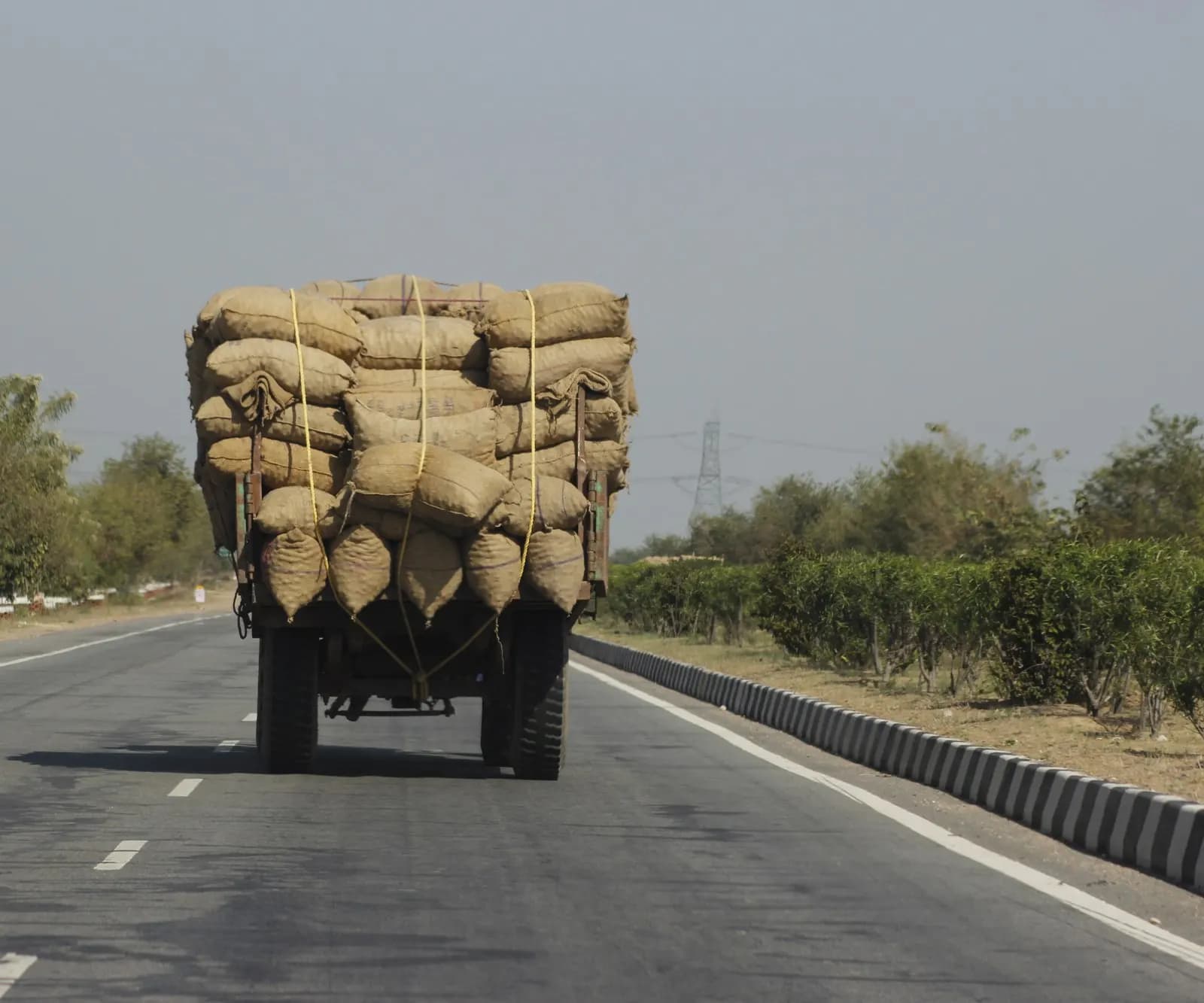
The AIF portal lists the eligible borrowers:
- Individual farmers and agri-entrepreneurs
- Start-ups in agriculture
- Farmer Producer Organisations (FPOs) and their federations
- Self Help Groups (SHGs) and their federations, and Joint Liability Groups
- Primary Agricultural Credit Societies (PACS), marketing cooperative societies and multipurpose cooperative societies
- National and state federations of cooperatives
- APMCs — for multiple projects of different types within their market area
- State agencies
- Public-private partnership projects sponsored by central, state or local bodies
A private entity — a farmer, an agri-entrepreneur or a start-up — can put up to 25 projects projects, each eligible for subvention on up to ₹2 crore, as long as each is in a different location. "Location" means a village or town with its own Local Government Directory (LGD) code. Several projects in the same location share one ₹2 crore cap. The 25-project limit doesn't apply to state agencies, cooperatives and their federations, FPOs, SHGs and their federations. APMCs get a separate ₹2 crore limit for each infrastructure type — a cold store, a grading line and a silo — within their designated market area.
Banks still appraise each loan on its merits. AIF doesn't override credit checks, and the monitoring committee heard in July 2026 that some banks were checking the CIBIL scores of individual FPO members; the department asked states to report such cases.
Eligible projects: what AIF will and won't finance
Is my processing project eligible?
Step 1
Post-harvest or farming asset?
check the portal list
Step 2
Processing involved?
primary = eligible
Step 3
Secondary products?
only if integrated with primary
Step 4
Alcohol, malting?
not eligible
Step 5
Fixed asset, not working capital
→ prepare the DPR
The portal groups eligible projects into two families.
Post-harvest management projects: supply chain services including e-marketing platforms; warehouses and silos; cold stores and cold chains; packaging units; assaying units; sorting and grading units; reefer vans and insulated vehicles; ripening chambers; farm residue and waste management; primary processing; and integrated primary and secondary processing.
Viable farming assets: organic input production such as vermicomposting; compressed biogas plants; bio-stimulant units; smart and precision agriculture — drones, boom sprayers, field sensors, weather stations, AI and blockchain applications; nurseries and tissue culture; seed processing; custom hiring centres with at least four machines or implements; farm and harvest automation such as combine harvesters; solar power under PM-KUSUM components A, B and C; spirulina, sericulture and honey processing; plant quarantine units; hydroponic, vertical, aeroponic and mushroom farming; polyhouses and greenhouses; crop-cluster supply-chain projects; and PPP projects for farming assets or post-harvest management. Solarising any eligible project and the digital or fibre connectivity it needs can also be financed.
Primary vs secondary processing. This is where most rejections happen. The portal's crop-wise table lists primary activities — cleaning, sorting, grading, drying, milling, de-husking, oil extraction, ginning, pulping, packing — and the secondary products that are allowed only as part of an integrated primary-plus-secondary project. A standalone secondary processing unit, such as a biscuit factory buying flour, isn't eligible. For cereals, a flour mill qualifies, and a mill that also makes bread or snacks can qualify as an integrated unit. Malting and alcoholic beverage making are listed as ineligible, along with products such as tyres from rubber or cosmetics from tea and coffee.
Not eligible at all: working capital; and, for individual farmers, tractors and non-refrigerated logistics vehicles (which FPOs, cooperatives and other entities can finance).
Eligible or not? Common AIF project questions
| Project | Eligible? | Note |
|---|---|---|
Warehouse or cold store by a farmer or FPO | Yes | Core post-harvest asset |
Dal mill or flour mill | Yes | Primary processing |
Snack or bakery unit buying raw material | No | Standalone secondary processing |
Rice mill + puffed rice line in one project | Yes | Integrated primary + secondary |
Tractor for an individual farmer | No | Allowed for FPOs, cooperatives, other entities |
Custom hiring centre (4+ machines) | Yes | Viable farming asset |
Solar plant under PM-KUSUM component A | Yes | Up to 2 MW for farmers, FPOs, cooperatives, panchayats |
Working capital limit | No | Fixed infrastructure only |
Warehouse or cold store by a farmer or FPO
- Eligible?
Yes
- Note
Core post-harvest asset
Dal mill or flour mill
- Eligible?
Yes
- Note
Primary processing
Snack or bakery unit buying raw material
- Eligible?
No
- Note
Standalone secondary processing
Rice mill + puffed rice line in one project
- Eligible?
Yes
- Note
Integrated primary + secondary
Tractor for an individual farmer
- Eligible?
No
- Note
Allowed for FPOs, cooperatives, other entities
Custom hiring centre (4+ machines)
- Eligible?
Yes
- Note
Viable farming asset
Solar plant under PM-KUSUM component A
- Eligible?
Yes
- Note
Up to 2 MW for farmers, FPOs, cooperatives, panchayats
Working capital limit
- Eligible?
No
- Note
Fixed infrastructure only
Worked examples in ₹
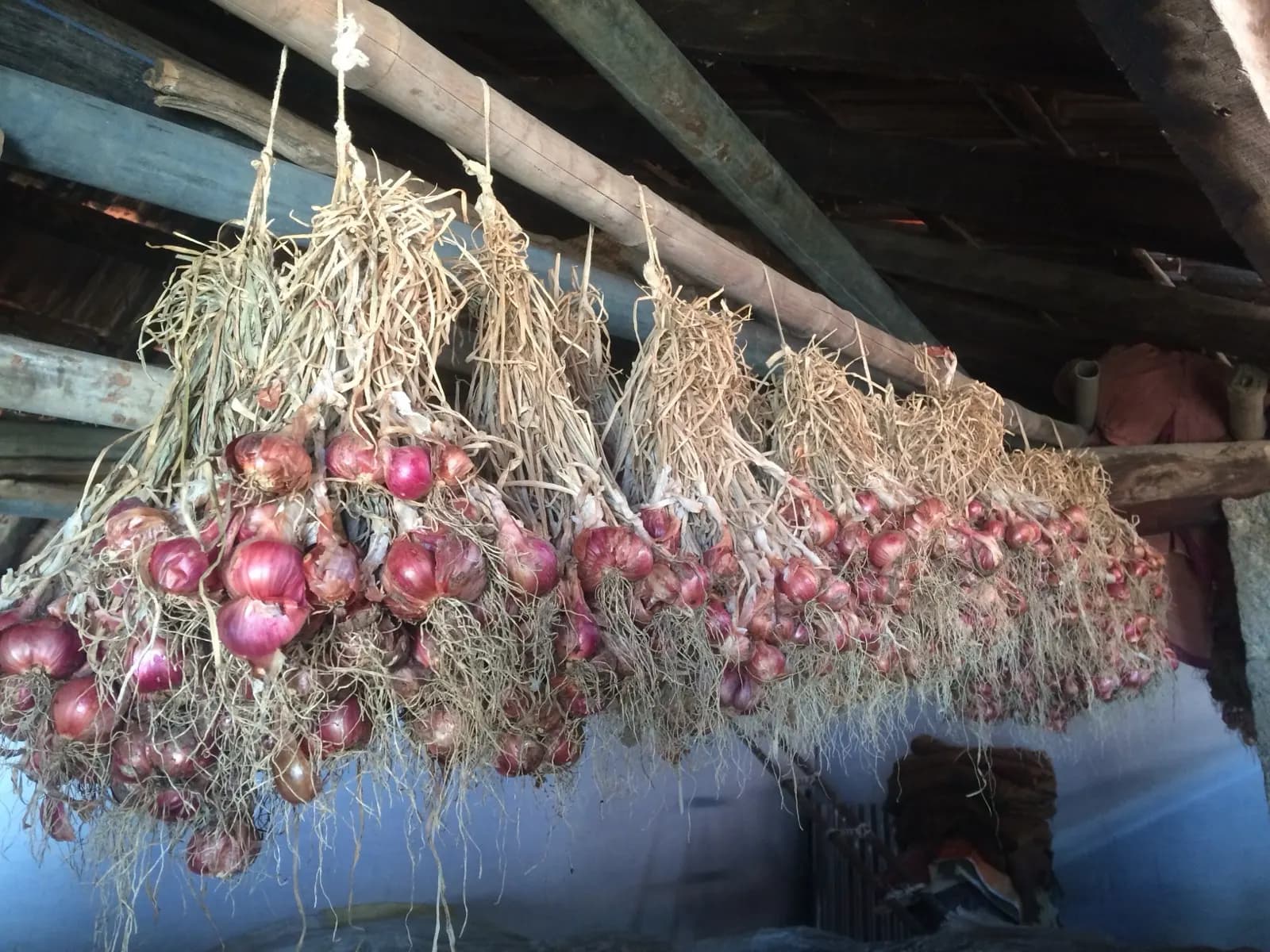
Example 1 — an FPO onion store in Nashik. An FPO borrows ₹1.5 crore from a public sector bank for a 2,000-tonne onion storage and grading shed, with a two-year moratorium and five years of repayment. The bank charges 9%, the cap. AIF pays 3 points, so the FPO's effective rate is 6%.
- Year 1 and 2 (no principal repaid): subvention ≈ ₹1.5 crore × 3% = ₹4.5 lakh a year
- Years 3–7: subvention falls as principal is repaid — roughly ₹12 lakh over the five years if principal is repaid evenly
- Total government support ≈ ₹21 lakh over seven years, plus the CGTMSE fee it doesn't have to pay
Example 2 — a ₹3 crore cold store by an agri-entrepreneur. The loan is ₹3 crore. Only the first ₹2 crore is subvented and capped at 9%; the remaining ₹1 crore is at the bank's market rate, say 10.5%. In year one the borrower pays ₹2 crore × 6% + ₹1 crore × 10.5% = ₹12 lakh + ₹10.5 lakh = ₹22.5 lakh of interest, against ₹31.5 lakh at a flat 10.5% without AIF. The guarantee covers only the first ₹2 crore, so the bank may ask for collateral on the balance.
Example 3 — stacking a capital subsidy. A farmer in Krishnagiri plans a ₹60 lakh mango pack-house and ripening chamber that qualifies for back-ended horticulture assistance. AIF requires at least 10% of project cost — ₹6 lakh — from the promoter; the capital subsidy can count towards promoter's contribution under the guidelines, but the 10% minimum must still be met. The bank lends the rest under AIF at no more than 6% effective, and when the subsidy is released it reduces the loan outstanding. Use our EMI calculator at 6% to see the repayment, and the break-even calculator to check how many tonnes the pack-house must handle to pay for itself.
How to apply on the AIF portal
Applying for an AIF loan
- 1
Register on the portal
Open the AIF portalGo to agriinfra.dac.gov.in → Beneficiary Corner → Register as Beneficiary. Verify with your mobile number and Aadhaar OTP to create login credentials.
- 2
Prepare the DPR
Use the DPR templates and model DPRs on the portal, or a chartered accountant. Include applicant details, the process flow, project cost break-up, means of finance, five-year revenue projections and machinery details.
- 3
Fill the application and choose a lender
Enter the project details, upload the DPR and pick the lending institution and branch. Compare rates on the portal's Interest Rates page first.
Tip: You can change the bank later through the portal if the first one doesn't respond.
- 4
Central PMU check, then bank appraisal
The Central PMU checks eligibility and forwards the application to your chosen bank, which appraises viability and sanctions or rejects it.
- 5
Build, geo-tag and claim
After disbursement, geo-tag the asset through the Krishi Mapper app. The bank claims subvention and guarantee fee from the government; the benefit reaches you as a lower effective interest rate.
Documents. The portal's checklist asks for the bank's loan application, photographs, identity and address proof, registration proof of the entity (partnership deed, incorporation certificate, Udyam or DIC registration, cooperative or FPO registration), up to three years of income tax returns and audited balance sheets where available, GST certificate if applicable, land ownership or lease records, a year of bank statements, existing loan statements, a net worth statement, the DPR, and local authority permissions and building plans where relevant.
Common mistakes and how to avoid them
Choosing an ineligible processing project. Check the crop-wise table before you prepare the DPR; a standalone secondary unit will be rejected.
Assuming AIF is a grant. It lowers your interest and removes the guarantee fee, but you still repay the full loan.
Splitting one project to beat the cap. Several projects in the same LGD location share one ₹2 crore limit; only genuinely separate locations get separate caps.
Paying a rate above 9% on the subvented part. If your sanction letter shows a higher rate on the first ₹2 crore, raise it with the bank and the State PMU.
Letting a rejection sit. If the Central PMU returns your application, the portal shows the reason — usually an ineligible activity, a missing land document or a DPR without a cost break-up. Fix that specific point and resubmit rather than starting over. If the bank rejects it on viability, ask for the reasons in writing and try another lender on the portal; the State PMU in your agriculture department can also help with project preparation and with banks that don't respond. States such as Andhra Pradesh told the July 2026 monitoring committee they were setting up dedicated State PMUs for exactly this kind of handholding.
Skipping geo-tagging. All AIF assets must be geo-tagged; untagged projects slow down the bank's subvention claim.
Official links
- AIF portal — register and applyBeneficiary registration, DPR templates, interest rates
- AIF eligible projectsCrop-wise processing table
- AIF FAQsRate cap, contribution, repayment
- Extension order, 30 September 2026AIF extended to 31 March 2027
- AIF Scheme Guidelines (September 2024)Full scheme rules
- AIF circularsWatch for the 2026-31 approval
What to do next
Pick the asset, confirm it's on the eligible list, and get a DPR done with realistic throughput and prices. Then compare lenders on the portal and ask your chosen branch, in writing, whether it's sanctioning new AIF loans during the current extension. If your project also qualifies for a capital subsidy, line that up in parallel — our guides to subsidy for agriculture and the PMFME scheme explain the main ones — and see government loans for business for other credit-linked schemes. We'll update this page when the scheme is approved for 2026-31.
Frequently asked questions
It's a central sector financing facility of ₹1 lakh crore launched in 2020 for post-harvest and community farming infrastructure. Banks and other lenders give the loans; the Centre pays 3% a year of the interest on loans up to ₹2 crore per project for up to 7 years, and pays the CGTMSE guarantee fee on those loans.
Yes, on a temporary extension. A Department of Agriculture order of 30 September 2026 extends AIF to 31 March 2027, or until the scheme is approved for the 16th Finance Commission period if that happens first. The order says no fresh sanctions can be charged to the old outlay, so confirm with your bank that new loans are being sanctioned before you commit.
Individual farmers, agri-entrepreneurs, start-ups, FPOs and their federations, SHGs and their federations, joint liability groups, PACS, marketing and multipurpose cooperative societies, APMCs, state agencies, national and state cooperative federations, and public-private partnership projects sponsored by central, state or local bodies.
For the subvented part — up to ₹2 crore per project — the lending rate is capped at 9%, and the government pays 3% a year of it, so you pay no more than 6%. Any loan amount above ₹2 crore carries the bank's normal market rate.
No. AIF gives an interest subvention and a credit guarantee, not a capital or margin-money subsidy. You can combine it with a capital subsidy from another scheme — PMFME, MIDH, SMAM, PMKSY, PMEGP, PM-KUSUM and others — and that subsidy can count towards your promoter's contribution, but you must still put in at least 10% of project cost.
Working capital isn't eligible — AIF funds fixed infrastructure only. Tractors and non-refrigerated logistics vehicles are eligible only for entities such as FPOs and cooperatives, not individual farmers. Farm machinery is eligible as a custom hiring centre with at least four machines or implements.
Sources & verification
Figures on this page were checked against the sources below when it was last reviewed on 9 October 2026. Each rate and limit is stored once with its own official source and review date, and official update channels are monitored daily so changes are picked up. How we verify
- 1.AIF — Main Features — Department of Agriculture & Farmers Welfare · accessed 9 October 2026
- 2.AIF — Frequently Asked Questions — Department of Agriculture & Farmers Welfare · accessed 9 October 2026
- 3.AIF — Eligible Projects — Department of Agriculture & Farmers Welfare · accessed 9 October 2026
- 4.AIF Scheme Guidelines (revised September 2024) — Department of Agriculture & Farmers Welfare · accessed 9 October 2026
- 5.Office Memorandum — temporary extension of AIF beyond 30.09.2026 (30 Sep 2026) — Department of Agriculture & Farmers Welfare · accessed 9 October 2026
- 6.Department of Expenditure OM — temporary extension of DAFW schemes beyond 31.03.2026 — Ministry of Finance, Department of Expenditure · accessed 9 October 2026
- 7.Minutes of the third NLMC meeting on AIF (9 Jul 2026) — Department of Agriculture & Farmers Welfare · accessed 9 October 2026
- 8.Clarification on calculation of interest subvention claims (31 Aug 2026) — Department of Agriculture & Farmers Welfare · accessed 9 October 2026
- 9.Order on credit guarantee coverage for PACS warehouse loans (24 Sep 2025) — Department of Agriculture & Farmers Welfare · accessed 9 October 2026
- 10.AIF — Scheme Overview and Checklist of Documents — Department of Agriculture & Farmers Welfare · accessed 9 October 2026
MSMETOOLS is an independent platform and is not affiliated with any government agency, ministry or department.
Tools for this
EMI Calculator
Calculate loan EMIs for business and personal loans.
Break Even Calculator
Find your break even point and units.
Loan Eligibility Calculator
Check your business loan eligibility based on income and existing loans.
Related guides
 Subsidy for Agriculture 2026: AIF, SMAM, Drip, NHB & KCCRead guide
 PM FME Scheme 2026: 35% Subsidy, Status & How to ApplyRead guide
 Tractor Subsidy 2026: SMAM Rates, Caps & How to ApplyRead guide
 ECLGS 2026: Emergency Credit Line Guarantee Scheme 5.0Read guide
Official links open the government site in a new tab.