 Business registration & legal
How to Get a Business License in 2026: Federal, State and Local
How to get a business license in 2026: federal, state and local permits, sales tax permits, DBAs and home-business rules, with real costs for CA, TX, NY, FL and WA.
 Edited by Sumeet YadavFounder & editor, MSMETOOLS · fact-checked against official sources
Contents (10)
- 1. Do you need a business license?
- 2. The three levels: federal, state and local
- 3. How to get a business license, step by step
- 4. State examples: California, Texas, New York, Florida and Washington
- 5. Sales tax permits: the license most sellers forget
- 6. Home-based businesses and home-occupation permits
- 7. What a business license costs: worked examples
- 8. Renewals and staying compliant
- 9. Official links
- 10. What to do next
There's no single "US business license". Depending on what you sell and where, you may need permits from a federal agency, your state, your county and your city, sometimes all at once. This guide shows you how to work out which licenses apply to your business, how to get each one, what they cost in five big states, and how to stay renewed so a lapsed permit doesn't shut you down.
Quick answer
To get a business license, check your city and county first: most require a general business license or tax registration. Then register with your state for sales tax if you sell taxable goods, and add any industry license your trade needs (food, alcohol, contractors, cosmetology). Federal licenses apply only to specific activities like alcohol, firearms, aviation and broadcasting.
Form your LLC and get your EIN first — most applications ask for both
Sales tax permits are free in California, Texas and New York
Washington uses one state application for state and many city licenses ($50 to open)
File a DBA if you trade under any name other than your legal name
Diary every renewal date; many licenses expire yearly
Do you need a business license?
Almost every business needs at least one license or registration, even a one-person home business. The questions that decide which ones apply to you:
- Where are you located? Cities and counties license businesses physically within their limits, including home-based ones.
- Do you sell taxable goods or services? Then you need a state sales tax permit (also called a seller's permit or Certificate of Authority).
- Is your work regulated? Food, alcohol, childcare, healthcare, cosmetology, real estate, contracting, security and transport all carry their own state or local licenses.
- Do you use a trade name? Then you need a DBA filing.
- Do you have employees? You'll register for state withholding and unemployment insurance, which is a registration rather than a license, but just as mandatory.
The order that saves time
Step 1
Form LLC / corporation
Step 2
Get EIN
Step 3
State tax registrations
sales tax, payroll
Step 4
City & county license
+ zoning
Step 5
Industry permits
health, trade
The three levels: federal, state and local
Most small businesses deal mainly with local and state licensing. The SBA's federal list is short and activity-specific.
| Level | Who issues it | Typical examples | Who needs it |
|---|---|---|---|
| Federal | TTB, ATF, FAA, FCC, USDA, Federal Maritime Commission | Alcohol production or import permit, firearms dealer license, broadcasting license | Only businesses in those regulated activities |
| State | Revenue department, licensing boards, Secretary of State | Sales tax permit, contractor license, cosmetology license, liquor license, DBA (some states) | Anyone selling taxable items or working in a regulated trade |
| County | County clerk, health department | Health permit, fictitious business name (some states), county business license | Food businesses; sole props using a trade name in many states |
| City | City clerk, finance or business tax office, zoning | General business license or tax certificate, home-occupation permit, sign permit, fire inspection | Most businesses located in the city |
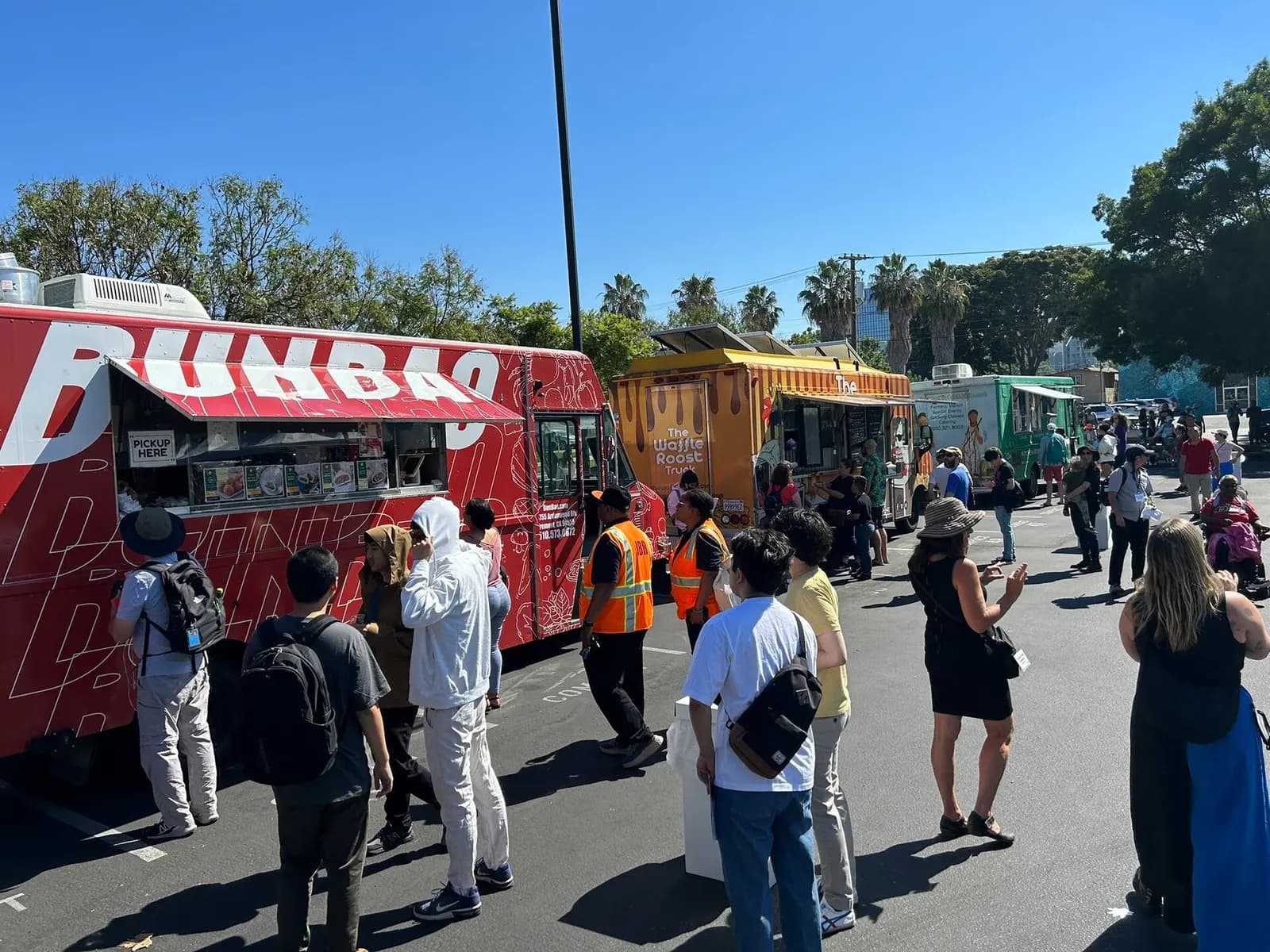
A food truck shows how the layers stack up: a city business license, a county health permit for the truck and commissary, a state sales tax permit and, often, a fire department inspection for cooking equipment.
How to get a business license, step by step
Getting licensed
- 1
Set up the entity and EIN
LLC registration guideIf you're forming an LLC or corporation, do it first so every license is issued in the right legal name. Then get your free EIN from the IRS.
- 2
Search your state's license finder
Many states run a permit wizard: CalGold in California, NY Business Express in New York, and the Business Licensing Service at the Washington DOR. Answer questions about your activity and location to get a list.
- 3
Call or check your city and county
Search [your city] business license on the official .gov site. Ask whether you need a general license, a zoning clearance or a home-occupation permit, and whether the county also licenses businesses.
- 4
Register for sales tax
If you'll sell taxable goods (and in some states, services), apply online with the state revenue department before your first sale.
- 5
Apply for industry licenses
Contractors, cosmetologists, food sellers and others apply to their state board or county health department. Expect exams, inspections, insurance or bonds.
- 6
Display licenses and set renewal reminders
Many permits must be posted where customers can see them. Note every expiry date in your calendar.
Have these ready: your legal business name and any DBA, EIN (or SSN for a sole proprietor), business address and mailing address, owner details, a description of what you sell, your start date and, for food or retail premises, a floor plan or lease.
State examples: California, Texas, New York, Florida and Washington
Each state organises licensing differently. Here's how it works in five of the most-searched states, with fees confirmed on official sites in October 2026.
Licensing at a glance in 5 states
| State | General state business license? | Sales tax permit | State sales tax rate | DBA filing |
|---|---|---|---|---|
California | No — cities and counties license | Seller's permit from CDTFA: Free | 7.25% | Fictitious business name with the county |
Texas | No | Comptroller permit: Free (bond possible) | 6.25% | Entities: SOS Form 503, $25; sole props: county clerk |
New York | No — industry licenses only | Certificate of Authority: Free | 4% | Assumed name with the state (entities) or county clerk (sole props) |
Florida | No — county and city business tax receipts | Register with Florida DOR online | 6% | Fictitious name with the state: $50, valid 5 years |
Washington | Yes — Business License Application | Included in the business license | 6.5% | Trade name added to the business license |
California
- General state business license?
No — cities and counties license
- Sales tax permit
Seller's permit from CDTFA: Free
- State sales tax rate
7.25%
- DBA filing
Fictitious business name with the county
Texas
- General state business license?
No
- Sales tax permit
Comptroller permit: Free (bond possible)
- State sales tax rate
6.25%
- DBA filing
Entities: SOS Form 503, $25; sole props: county clerk
New York
- General state business license?
No — industry licenses only
- Sales tax permit
Certificate of Authority: Free
- State sales tax rate
4%
- DBA filing
Assumed name with the state (entities) or county clerk (sole props)
Florida
- General state business license?
No — county and city business tax receipts
- Sales tax permit
Register with Florida DOR online
- State sales tax rate
6%
- DBA filing
Fictitious name with the state: $50, valid 5 years
Washington
- General state business license?
Yes — Business License Application
- Sales tax permit
Included in the business license
- State sales tax rate
6.5%
- DBA filing
Trade name added to the business license
California
California has no statewide general business license. Your city (or county, if you're unincorporated) issues a business license or business tax certificate. If you sell tangible goods, get a seller's permit from the CDTFA — it's free, though the CDTFA can ask some applicants for a security deposit. Trade names are filed as a fictitious business name with your county, and most counties require a newspaper notice afterwards. Use CalGold to list permits by city and activity.
Texas
Texas also has no general state business license. Anyone selling or leasing taxable goods, or selling taxable services, needs a sales and use tax permit from the Comptroller. There's no fee, but the Comptroller may require a security bond, and it says to allow two to three weeks for processing. LLCs and corporations using a trade name file Form 503 with the Secretary of State for $25; sole proprietors file with the county clerk.
New York
New York has no general state license, but you must register for sales tax at least 20 days before you start making taxable sales. The Certificate of Authority is free and must be displayed at your place of business. NY Business Express lists licenses by industry, and New York City adds its own licenses through the Department of Consumer and Worker Protection.
Florida
Florida doesn't issue a general state license. Instead, counties and many cities charge a local business tax and issue a business tax receipt; you may need both. Register with the Florida Department of Revenue to collect sales tax. A fictitious name costs $50 through Sunbiz and lasts five years. Professions such as contractors, cosmetologists and real estate agents are licensed by the state's Department of Business and Professional Regulation.
State registration fees at a glance (2026)
Free
California seller's permit
Free
Texas sales tax permit
Bond possible
Free
New York Certificate of Authority
$50
Washington business license
Plus endorsements
Washington
Washington is the exception: you file one Business License Application with the Department of Revenue if, among other triggers, you earn $12,000 a year or more, hire employees, use a trade name or need a city or state endorsement. Opening a business costs $50 plus endorsement fees, and many cities' licenses are added as endorsements on the same application. Online applications take about 10 business days, or two to three weeks longer with endorsements. LLCs must register with the Secretary of State first.
Sales tax permits: the license most sellers forget
A sales tax permit lets you collect sales tax from customers and buy inventory for resale without paying tax on it. Apply before your first taxable sale. Operating without one can bring back taxes, penalties and interest on everything you sold.
Rates are a combination of state and local rates, so the rate on your invoice depends on where the sale is sourced. Check the right rate for an address in our sales tax calculator, then show the tax as its own line on each invoice.
Work out the sales tax on a salePick a state and add the local rate to see the tax and total.Home-based businesses and home-occupation permits
Working from home doesn't exempt you from licensing. Many cities require the same general license as any other business, plus a home-occupation permit from the planning or zoning department. These permits commonly limit:
- customer and client visits per day, and parking
- employees who don't live in the home
- signs, storage of inventory and outdoor work
- noise, deliveries and hazardous materials
Freelancers who never see clients at home often get approved quickly, while a home salon, daycare or food business may face inspections or be refused. Check your lease or HOA rules too; they can forbid a business even when the city allows it.

What a business license costs: worked examples
There's no national price list, because every city sets its own fees and many base them on revenue, employees or square footage. Using only fees verified on state sites, here's what the state-level part costs:
- Seattle-area graphic designer, sole proprietor, trading as "Pixel & Pine": $50 opening fee + the trade name fee + the city endorsement fee. Renewal is $5 a year plus endorsement renewals.
- Austin online candle shop run by an LLC with a brand name: Free sales tax permit + $25 assumed name = $25 at state level, plus any city requirements.
- Orlando mobile pet groomer, sole proprietor: $50 fictitious name + Orange County and City of Orlando business tax receipts (check each office's current rate) + free DOR registration if selling taxable products.
- Brooklyn gift shop: Free Certificate of Authority, filed 20 days before opening, plus any city licenses your products require.
Regulated trades cost more: contractor and cosmetology licenses involve exams and board fees, and food businesses pay health permit fees that depend on the county. Add these to your launch budget with the startup cost calculator.
Renewals and staying compliant
Licenses lapse quietly. A missed renewal can bring late penalties (Washington charges half the endorsement fee, up to $150, on late renewals) and, for health or trade licenses, a forced closure until you're reinstated.
Keep your licenses current
0/7Official links
Official licensing resources
- SBA — Apply for licenses and permitsFederal licenses by activity and links to state resources
- CalGold (California permit finder)Permits by city and business type
- CDTFA — Seller's permitCalifornia sales tax registration
- Texas Comptroller — Sales tax permitOnline registration
- NY Business ExpressNew York license wizard
- NY — Register for sales taxCertificate of Authority
- Florida DOR — Sales and use taxRegistration and certificates
- Washington DOR — Business licenseState and city endorsements
What to do next
If you haven't set up your company yet, follow our LLC registration guide and EIN guide first. Then make your list of city, state and industry licenses, apply for sales tax before your first sale, and diary every renewal.
This is general information, not legal or tax advice — confirm on the official source or with a professional.
Frequently asked questions
Usually yes. Online sellers still need whatever general license their city or county requires for a business based at that address, and a sales tax permit in their home state if they sell taxable goods. As your sales grow, you may also have to register in other states where you pass their economic nexus threshold. Marketplace facilitator laws make platforms like Amazon and Etsy collect sales tax on sales made through them, but that doesn't replace your local license or your permit for sales on your own site.
It depends on your city, state and trade. Sales tax permits are free in California, Texas and New York. Washington charges $50 to open a business account, plus any city endorsement fees. Local licenses and taxes vary widely by city, and regulated trades such as contractors, cosmetologists and food businesses pay separate license fees.
No. Forming an LLC with your Secretary of State creates the legal entity; it doesn't give you permission to operate. You still need any city or county business license, a sales tax permit if you sell taxable goods, and any professional or industry license your work requires. Most license applications ask for your LLC's name and EIN, so form the LLC first.
Often yes. Many cities require a general business license for home-based businesses, and some also require a home-occupation permit that limits signs, customer visits, employees and noise. Check with your city's planning or zoning department before you start, and read your lease or HOA rules, which can be stricter than the city's.
Simple local licenses and sales tax permits are often issued online within a day to a few weeks. Washington says online applications take about 10 business days, longer with endorsements. Texas allows two to three weeks for a sales tax permit. Health permits, liquor licenses and contractor licenses can take months because of inspections and exams.
You need a DBA (also called a fictitious, assumed or trade name) if you do business under any name other than your legal name — for example, Jane Doe trading as Sunrise Bakery, or Sunrise LLC trading as Sunrise Cafe. In Florida a fictitious name costs $50 with the state; Texas entities pay $25, and sole proprietors there file with the county clerk.
Sources & verification
Figures on this page were checked against the sources below when it was last reviewed on 7 October 2026. Each rate and limit is stored once with its own official source and review date, and official update channels are monitored daily so changes are picked up. How we verify
- 1.Apply for licenses and permits — U.S. Small Business Administration · accessed 7 October 2026
- 2.Register your business — U.S. Small Business Administration · accessed 7 October 2026
- 3.Apply for a business license — Washington State Department of Revenue · accessed 7 October 2026
- 4.Variable business license processing fees — Washington State Department of Revenue · accessed 7 October 2026
- 5.Obtaining a seller's permit (FAQ) — California Department of Tax and Fee Administration · accessed 7 October 2026
- 6.Texas sales and use tax permit FAQs — Texas Comptroller of Public Accounts · accessed 7 October 2026
- 7.Texas Online Tax Registration Application — Texas Comptroller of Public Accounts · accessed 7 October 2026
- 8.Form 503 — Assumed Name Certificate — Texas Secretary of State · accessed 7 October 2026
- 9.How to register for New York State sales tax — New York State Department of Taxation and Finance · accessed 7 October 2026
- 10.Fictitious names — frequently asked questions — Florida Division of Corporations · accessed 7 October 2026
- 11.Florida sales and use tax — Florida Department of Revenue · accessed 7 October 2026
- 12.State and local sales tax rates, midyear 2026 — Tax Foundation · accessed 7 October 2026
MSMETOOLS is an independent platform and is not affiliated with any government agency, ministry or department.
Tools for this
Sales Tax Calculator (US)
Calculate sales tax for all US states and cities.
Invoice Generator
Create professional invoices with tax, logo and custom details.
LLC Name Checker (US)
Check business name availability in your state.
Startup Cost Calculator
Estimate how much capital you need to launch.
Related guides
 How to Start an LLC in 2026: Steps, State Fees & CostsRead guide
 Illinois Business License 2026: Chicago, Cook & State StepsRead guide
 Iowa Business License 2026: Permits, Contractors & Des MoinesRead guide
 Nebraska Business License 2026: Free Permit & Local RulesRead guide
Official links open the government site in a new tab.