 VAT
How to Register for VAT in the UK (2026)
How to register for VAT in 2026: the £90,000 threshold and 30-day rule, voluntary registration, applying online, Flat Rate and cash schemes, MTD and deregistering.
 Edited by Sumeet YadavFounder & editor, MSMETOOLS · fact-checked against official sources
Contents (9)
- 1. Who has to register for VAT?
- 2. The 30-day rule: deadlines and effective dates
- 3. Should you register voluntarily?
- 4. How to register for VAT online
- 5. VAT schemes for small businesses
- 6. After you register: returns, MTD and penalties
- 7. How to deregister for VAT
- 8. Common VAT registration mistakes
- 9. What to do next
Crossing the VAT threshold changes your prices, your invoices and your record-keeping, and HMRC expects you to spot it within weeks. This guide explains when you have to register for VAT in 2026, how the rolling 12-month and 30-day tests work, whether voluntary registration makes sense, how to register online, which VAT schemes can save you time or money, and how to deregister. It's written for UK sole traders, partnerships and small limited companies.
Quick answer
You must register for VAT when your VAT taxable turnover for the last 12 months goes over £90,000, or when you expect to go over £90,000 in the next 30 days alone. Register online on GOV.UK within 30 days of the end of the month you went over. You can also register voluntarily below the threshold.
Check your rolling 12-month turnover at the end of every month; zero-rated sales count
Your effective date is the first day of the second month after you went over
Once registered, charge 20% (or 5% / 0%) and file returns through Making Tax Digital software
Small businesses can simplify with the Flat Rate (£150,000), Cash or Annual Accounting (£1.35 million) schemes
Who has to register for VAT?
Every UK business, whether a sole trader, partnership or limited company, must register when it passes either test:
- Backward-looking test: your VAT taxable turnover in any rolling 12-month period goes over £90,000. It's not your accounting year or the tax year. Check the last 12 months at the end of every month.
- Forward-looking test: you expect your VAT taxable turnover to go over £90,000 in the next 30 days alone, for example because you've signed a single large contract.
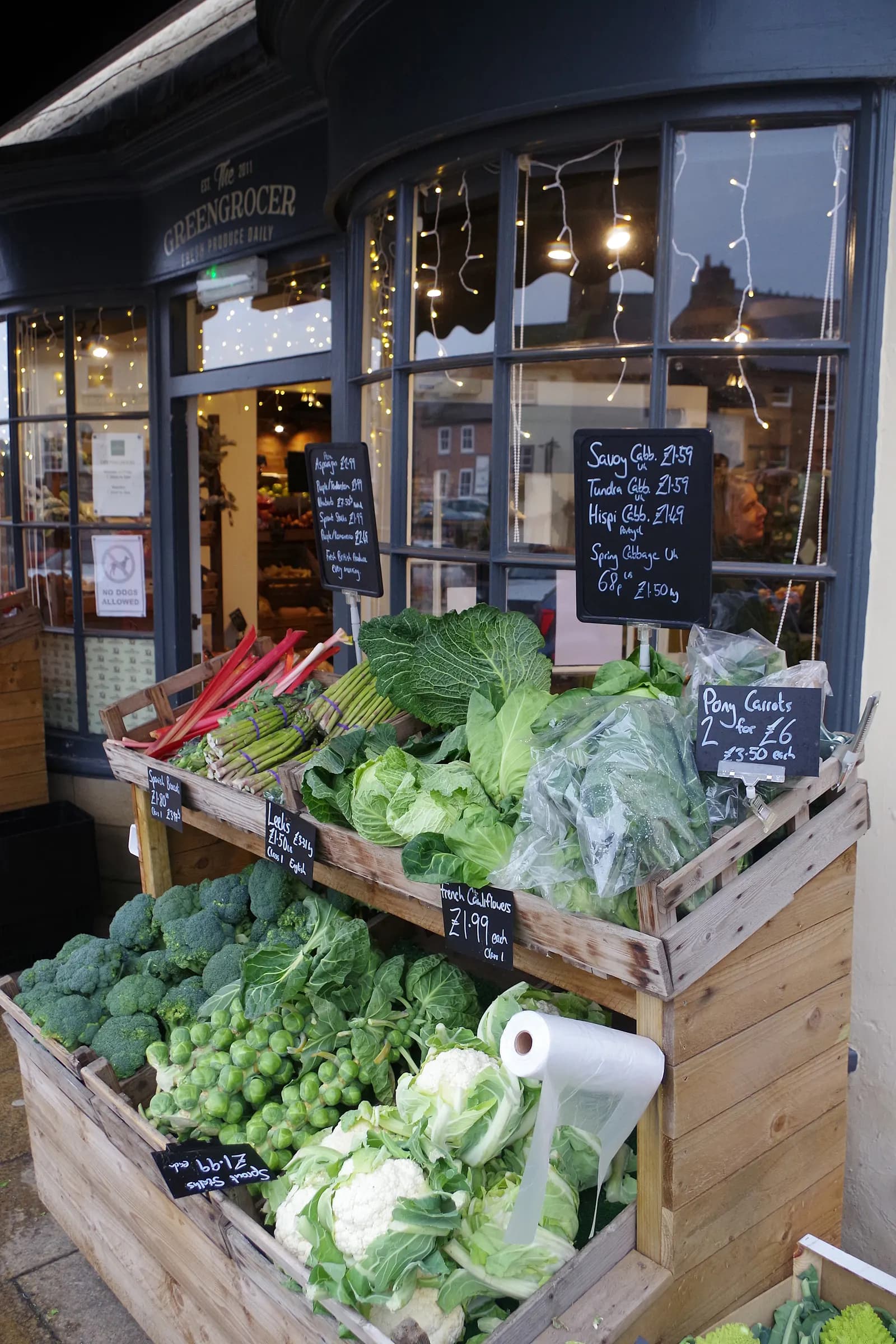
VAT taxable turnover is everything you sell that isn't VAT-exempt or outside the scope of VAT. It includes zero-rated and reduced-rated sales, goods you hire out, and business goods used for personal reasons. A greengrocer selling mostly zero-rated food can still have to register. HMRC can then grant an exemption from registration if almost all sales are zero-rated, but you have to apply for it.
Businesses based outside the UK that supply goods or services in the UK have no threshold: they must register from their first UK supply. Businesses that only make exempt supplies, such as most insurance, finance and some property and education, don't register and can't reclaim VAT.
If you go over the threshold only temporarily, for example because of a one-off sale, you can apply for a registration exception. HMRC decides whether you still have to register.
The 30-day rule: deadlines and effective dates
The deadline and the date you start charging VAT depend on which test you met.
| Situation | Register by | Effective date of registration |
|---|---|---|
| Rolling 12-month turnover went over £90,000 during July | 30 August | 1 September |
| On 1 May you sign a contract worth over £90,000 to be billed in May | 30 May | 1 May |
| Turnover is under £90,000 and you choose to register | Any time | The date you ask for, agreed with HMRC |
Worked example: rolling turnover. Jo is a self-employed decorator. At the end of June her sales for the previous 12 months total £86,000. A busy July adds £9,000 and the month that drops out of the window was £3,500, so her rolling total at the end of July is £91,500. She went over in July, so she must register by 30 August. From 1 September she charges VAT.
If you register late, HMRC will make you pay the VAT you should have charged from your effective date, out of your own pocket if customers won't pay extra, and may charge a failure-to-notify penalty. Most price lists and quotes sent in the months before you cross the threshold should say "plus VAT if applicable".
Should you register voluntarily?
You can register at any turnover if you make taxable supplies. Voluntary registration tends to work in your favour when:
- your customers are VAT-registered businesses. They reclaim the VAT, so adding 20% costs them nothing in the end;
- you buy a lot of standard-rated goods or equipment. You can reclaim the VAT on your costs;
- you sell mainly zero-rated goods. You charge 0% but reclaim VAT on costs, so HMRC often owes you money;
- you're about to grow past £90,000 and want one clean start date.
It usually doesn't suit businesses selling to the public, such as hairdressers, tradespeople working for homeowners or cafés. Customers can't reclaim the VAT, so you either raise prices by a fifth or absorb it. On a £100 haircut, absorbing VAT leaves you £83.33. Model your own figures with the VAT calculator before deciding.
How to register for VAT online
Register for VAT in five steps
- 1
Gather your details
Limited companies need the company registration number, business bank details, the company UTR and turnover figures (actual and an estimate for the next 12 months). Sole traders and partners need their National Insurance number, a passport or driving licence, bank details, their UTR if they have one, and turnover figures.
Tip: No personal UTR yet? See our UTR guide; you can still register as an individual.
- 2
Sign in and start the online service
Register for VAT onlineUse HMRC's online VAT registration. You don't need to finish in one session; you can save and return.
- 3
Choose your schemes at the same time
If you want the Flat Rate or Annual Accounting Scheme, you can apply while registering. Cash Accounting needs no application.
- 4
Get your VAT number
HMRC sends a 9-digit VAT registration number and confirms your effective date of registration, with guidance on setting up your business tax account.
- 5
Set up Making Tax Digital
HMRC signs you up for MTD for VAT automatically. Create your VAT online account, then link MTD-compatible software to submit returns.
Some businesses must register on paper with form VAT1, for example if they're applying for a registration exception, registering divisions of a company or an overseas partnership, or can't use online services because of age, disability, location or religious belief. Paper applications take longer.
While you wait for your number, don't show VAT separately on invoices. Instead, raise your prices to cover the VAT you'll owe from your effective date and tell customers why. When the number arrives, reissue those invoices as proper VAT invoices so VAT-registered customers can reclaim. Our invoice generator adds a VAT number field and the VAT breakdown.
Reclaiming VAT on purchases before registration
You can claim VAT on costs from before your effective date if they're for your taxable business:
- goods bought up to 4 years before registration that you still hold, such as stock, tools and equipment;
- services received up to 6 months before registration.
Claim them on your first VAT return and keep the invoices.
VAT schemes for small businesses
Once registered, three HMRC schemes can make VAT simpler or improve cash flow.
Flat Rate vs Cash Accounting vs Annual Accounting
| Flat Rate Scheme | Cash Accounting | Annual Accounting | |
|---|---|---|---|
Join if turnover is up to | £150,000 excl. VAT | £1.35 million | £1.35 million |
Must leave above | £230,000 incl. VAT | £1.6 million | £1.6 million |
How it works | Pay a fixed % of VAT-inclusive turnover; no reclaim except capital assets over £2,000 | Pay VAT when customers pay you; reclaim when you pay suppliers | One return a year; advance payments of 10% monthly or 25% quarterly |
Best for | Low-cost service businesses | Businesses with slow-paying customers | Steady businesses wanting fewer returns |
Watch out for | 16.5% rate if you spend little on goods | Can't combine with Flat Rate | Only one refund a year |
Join if turnover is up to
- Flat Rate Scheme
£150,000 excl. VAT
- Cash Accounting
£1.35 million
- Annual Accounting
£1.35 million
Must leave above
- Flat Rate Scheme
£230,000 incl. VAT
- Cash Accounting
£1.6 million
- Annual Accounting
£1.6 million
How it works
- Flat Rate Scheme
Pay a fixed % of VAT-inclusive turnover; no reclaim except capital assets over £2,000
- Cash Accounting
Pay VAT when customers pay you; reclaim when you pay suppliers
- Annual Accounting
One return a year; advance payments of 10% monthly or 25% quarterly
Best for
- Flat Rate Scheme
Low-cost service businesses
- Cash Accounting
Businesses with slow-paying customers
- Annual Accounting
Steady businesses wanting fewer returns
Watch out for
- Flat Rate Scheme
16.5% rate if you spend little on goods
- Cash Accounting
Can't combine with Flat Rate
- Annual Accounting
Only one refund a year
Flat Rate worked example. Priya, an IT consultant, invoices £20,000 plus £4,000 VAT in a quarter (£24,000 gross). The sector rate for computer and IT consultancy is 14.5%, minus 1% in her first year of VAT registration: 13.5%.
| Method | VAT paid to HMRC for the quarter | VAT she keeps |
|---|---|---|
| Standard accounting (with £150 VAT on costs) | £4,000 − £150 = £3,850 | £150 (reclaimed) |
| Flat Rate, first year (13.5% × £24,000) | £3,240 | £760 |
| Flat Rate as a limited cost business (16.5% × £24,000) | £3,960 | £40 |
The limited cost business test catches many consultants: if your spending on goods is less than 2% of your turnover, or less than £1,000 a year, you must use 16.5%. That rate usually wipes out the benefit. Check the test every quarter.

After you register: returns, MTD and penalties
Every VAT-registered business has had to use Making Tax Digital (MTD) for VAT since April 2022. You keep digital records and file returns through MTD-compatible software, unless HMRC has given you an exemption, for example on grounds of age, disability, location or religious belief.
Your first year as a VAT-registered business
Effective date
Start charging VAT and keeping digital records
Number arrives
Reissue invoices as VAT invoices; set up your VAT online account and software
End of each quarter
Your VAT accounting period closes (quarterly is the default)
1 month + 7 days later
Return due and payment must reach HMRC
Every month end
Check you're still eligible for any scheme you use
Late returns earn penalty points. The threshold is 4 points for quarterly filers, 5 for monthly and 2 for annual. At the threshold, each further late return costs £200. Late payment costs 3% of the VAT owed at day 15, another 3% of what's still unpaid at day 30, then 10% a year from day 31, plus late payment interest.
Keep your registration details up to date. You must tell HMRC within 30 days about changes such as a new business name, trading name, address or agent.
How to deregister for VAT
- You may cancel if your VAT taxable turnover falls below £88,000 (this doesn't apply to overseas businesses supplying the UK).
- You must cancel within 30 days if you stop making taxable supplies, for example when you stop trading, or if you join a VAT group. Otherwise you may get a penalty.
- Selling the business or changing its legal form, for example from sole trader to company? You may be able to transfer the VAT number with form VAT68 instead of cancelling.
Most businesses cancel online. HMRC usually confirms within 40 working days. You then file a final VAT return up to the cancellation date and pay VAT on stock and assets you still hold where you reclaimed VAT, if the total VAT due on them is more than £1,000.
Common VAT registration mistakes
- Using the tax year instead of a rolling 12 months. The test runs at every month end.
- Leaving zero-rated sales out of turnover. They count towards the threshold.
- Waiting for the VAT number before acting. Your effective date doesn't wait. Price for VAT from that date.
- Joining the Flat Rate Scheme without checking the limited cost test. At 16.5%, many service businesses pay more than under standard accounting.
- Forgetting pre-registration VAT. Claim VAT on stock and equipment from the last 4 years and services from the last 6 months.
Official links
- When to register for VATThreshold, 30-day rules, voluntary registration
- How to register for VATOnline registration service
- VAT ratesStandard, reduced and zero rates
- VAT Flat Rate SchemeEligibility and sector rates
- VAT Cash Accounting SchemePay VAT when you're paid
- VAT Annual Accounting SchemeOne return a year
- Cancel your VAT registrationDeregistration and final return
What to do next
Set a monthly reminder to total your last 12 months' taxable sales. When you're within about £10,000 of £90,000, decide on pricing and whether you'd benefit from a scheme. Use the VAT calculator to see VAT-inclusive prices, and the profit margin calculator to check what VAT does to your margin. Sole traders should also keep on top of their Self Assessment tax return. VAT registration doesn't replace it.
This is general information, not legal or tax advice — confirm on the official source or with a professional.
Frequently asked questions
When your VAT taxable turnover for the last 12 months goes over £90,000, or you expect it to go over £90,000 in the next 30 days alone. Look back over a rolling 12 months at the end of every month, not just your tax year. Once you're over, you have 30 days from the end of that month to register.
Yes. Any business making taxable supplies can register below the threshold. It usually makes sense if your customers are VAT-registered businesses that can reclaim the VAT, or if you buy a lot of standard-rated goods and want to reclaim VAT on them. It usually doesn't suit businesses selling mainly to the public, who can't reclaim it.
Most businesses register online in under an hour, and you can save and return. HMRC then posts your 9-digit VAT number and effective date; times vary, so check HMRC's published reply times. While you wait you can't show VAT on invoices, but you can raise prices to cover it and reissue proper VAT invoices once your number arrives.
You must pay HMRC the VAT due on all sales since the date you should have been registered, even if you didn't charge it to customers. That usually comes out of your own margin. HMRC can also charge a penalty for failing to notify, based on the VAT owed and on why you were late.
VAT-registered businesses that expect VAT taxable turnover of £150,000 or less (excluding VAT) in the next 12 months. You pay a fixed percentage of your VAT-inclusive turnover, set by your trade, and get a 1% discount in your first year. Businesses that spend very little on goods are 'limited cost businesses' and pay 16.5%.
You can ask HMRC to cancel your registration if your taxable turnover falls below £88,000. You must cancel within 30 days if you stop making taxable supplies, for example when you stop trading. You'll file a final return and may owe VAT on stock and assets you still hold if that VAT is over £1,000.
Sources & verification
Figures on this page were checked against the sources below when it was last reviewed on 7 October 2026. Each rate and limit is stored once with its own official source and review date, and official update channels are monitored daily so changes are picked up. How we verify
- 1.Register for VAT: when to register — HMRC / GOV.UK · accessed 7 October 2026
- 2.Register for VAT: how to register — HMRC / GOV.UK · accessed 7 October 2026
- 3.Register for VAT: cancel your registration — HMRC / GOV.UK · accessed 7 October 2026
- 4.Register for VAT by post (VAT1) — HMRC / GOV.UK · accessed 7 October 2026
- 5.VAT rates — HMRC / GOV.UK · accessed 7 October 2026
- 6.VAT Flat Rate Scheme — HMRC / GOV.UK · accessed 7 October 2026
- 7.VAT Cash Accounting Scheme — HMRC / GOV.UK · accessed 7 October 2026
- 8.VAT Annual Accounting Scheme — HMRC / GOV.UK · accessed 7 October 2026
- 9.VAT Returns — HMRC / GOV.UK · accessed 7 October 2026
- 10.Applying for an exemption from Making Tax Digital for VAT — HMRC / GOV.UK · accessed 7 October 2026
- 11.Penalty points and penalties if you submit your VAT Return late — HMRC / GOV.UK · accessed 7 October 2026
- 12.How late payment penalties work if you pay VAT late — HMRC / GOV.UK · accessed 7 October 2026
- 13.VAT guide (VAT Notice 700), section 11 — HMRC · accessed 7 October 2026
MSMETOOLS is an independent platform and is not affiliated with any government agency, ministry or department.
Tools for this
VAT Calculator (UK)
Add or remove VAT at 20%, 5% or 0%.
Invoice Generator
Create professional invoices with tax, logo and custom details.
Profit Margin Calculator
Calculate profit, markup and margin for your products or services.
Related guides
 VAT Cash Accounting Scheme 2026: £1.35m Limit & How It WorksRead guide
 Sole Trader UK 2026: How to Register, Tax, NI & MTDRead guide
 VAT Flat Rate Scheme 2026: Rates, 16.5% Test & RulesRead guide
 UK VAT Registration Number 2026: Format, Find & Check OneRead guide
Official links open the government site in a new tab.