 Business registration & legal
Patent Registration for MSMEs and Startups (2026): Provisional vs Complete, Fees with the 80% Concession, Expedited Examination and Support
Patent registration for MSMEs in 2026: provisional vs complete, the 80% fee concession (₹1,600 to file), expedited examination, SIPP status and renewal costs.
 Edited by Sumeet YadavFounder & editor, MSMETOOLS · fact-checked against official sources
Contents (13)
- 1. What can be patented
- 2. File before you tell anyone
- 3. Provisional vs complete specification
- 4. Who gets the 80% fee concession
- 5. Patent fees for MSMEs and startups in 2026
- 6. How to file, step by step
- 7. After filing: publication, examination and grant
- 8. Expedited examination: the MSME fast lane
- 9. Government support: SIPP, MSME reimbursement and TISCs
- 10. Keeping the patent alive
- 11. Common mistakes MSMEs make
- 12. What changed recently
- 13. What to do next
Many of India's most valuable small-business inventions come out of the workshop, not the laboratory: a better die, a cheaper process, a smarter attachment for a machine, a new formulation. A patent lets you stop others from making, using, selling or importing that invention in India for 20 years — and it is far cheaper for an MSME or startup than most owners assume, because the government charges you one-fifth of the full fee. This guide explains what is patentable, provisional versus complete filing, the fees with the 80% concession, expedited examination, the support schemes and where they stand in 2026, renewals, and a full worked example in rupees.
Quick answer
File Form 1 with a provisional or complete specification on IP India's e-filing portal. MSMEs within the medium-enterprise limit, DPIIT startups and individuals pay ₹1,600 to file (others ₹8,000), ₹4,000 to request examination and ₹8,000 for expedited examination. File the complete specification within 12 months of a provisional and request examination within 31 months. A patent lasts 20 years if renewed.
Claim small-entity or startup status on Form 28 to get the 80% lower fees
File before any demo, sale, publication or pitch — disclosure can kill novelty
Expedited examination is open to MSMEs, startups and women inventors
SIPP's last term ended 31 March 2026; MSME reimbursement may cover up to ₹1 lakh
What can be patented
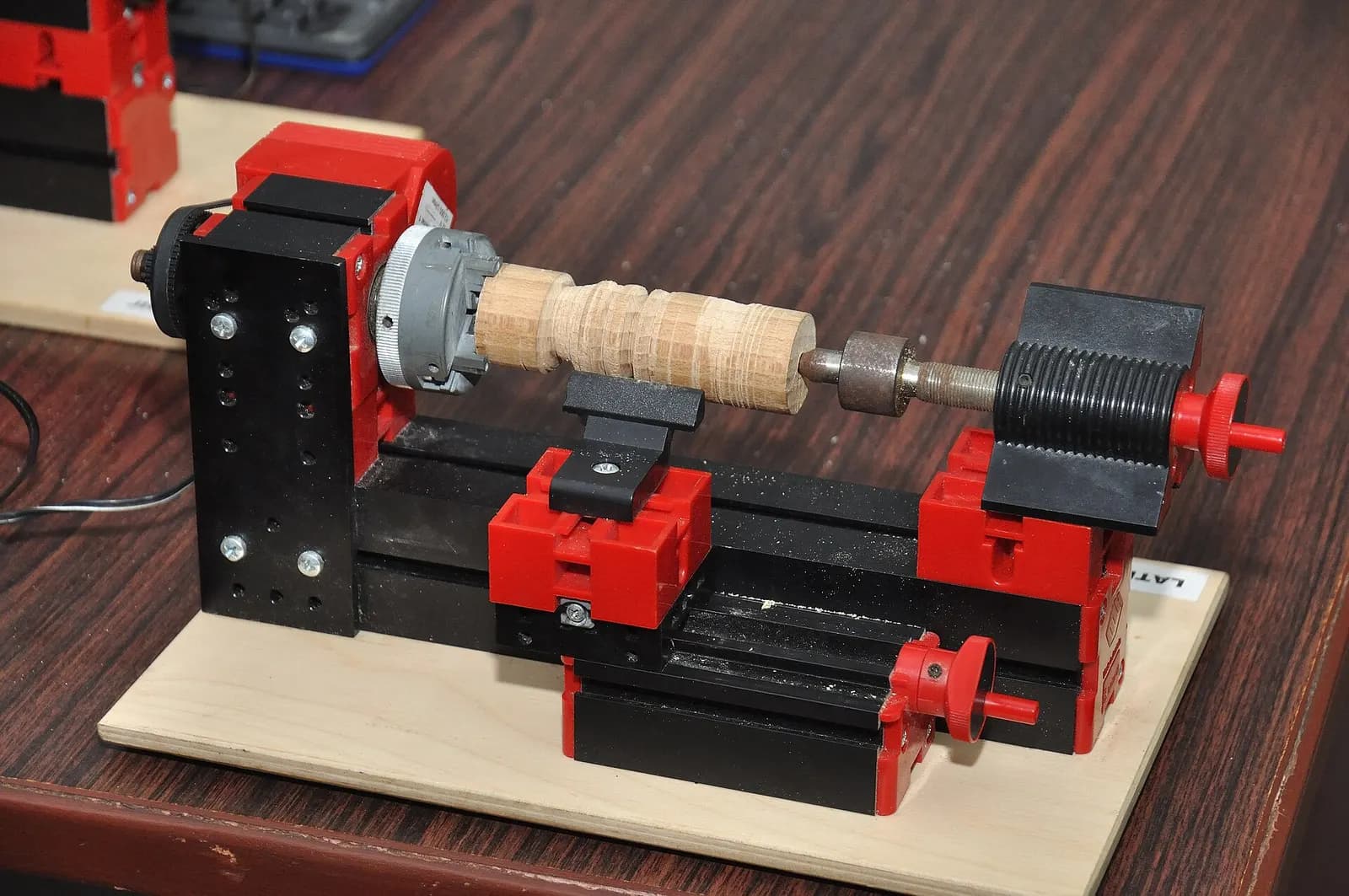
An invention is patentable in India if it is a new product or process that is novel (not published or used anywhere before your filing date), involves an inventive step (a technical advance or economic significance that would not be obvious to a skilled person in that field), and is capable of industrial application.
Section 3 of the Patents Act lists what is not an invention, however clever. The exclusions that MSMEs run into most often are:
- Mere arrangement or rearrangement of known devices that each work independently (section 3(f)) — bolting a known motor onto a known cart is not enough on its own.
- New use or new form of a known substance without enhanced efficacy (section 3(d)).
- Simple admixtures that only add up the properties of their ingredients (section 3(e)) — common in formulations.
- Methods of agriculture or horticulture (section 3(h)).
- Mathematical or business methods, computer programs per se and algorithms (section 3(k)) — software that produces a technical effect on a machine or system may still qualify; pure code is protected by copyright.
- Traditional knowledge or aggregations of traditionally known properties (section 3(p)) — relevant to herbal and ayurvedic products.
If the novelty in your product is how it looks rather than how it works, file a design instead; it is cheaper and faster.
File before you tell anyone
India judges novelty against everything disclosed anywhere in the world before your filing date — including your own brochure, YouTube video, trade-fair demo, pitch deck emailed to an investor without a confidentiality agreement, or the first sale. Section 31 protects only a narrow set of disclosures: display at an exhibition notified by the government, and papers read before a learned society, provided you file within 12 months. The Patents (Amendment) Rules, 2024 added a procedure for claiming this grace period on Form 31 (₹500 for small entities). Anything else — a customer trial, an Instagram reel, a tender submission — can be cited against you. The cheapest insurance is a provisional application filed the week before you go public.
Provisional vs complete specification
Provisional or complete — which to file first?
| Provisional specification | Complete specification | |
|---|---|---|
Purpose | Secures your filing (priority) date early | Defines the invention and the legal monopoly |
Claims | Not required | Required — the claims set the scope of protection |
Examined? | Never | Yes, after a request for examination |
Government fee (small entity) | ₹1,600 with Form 1 | No extra fee if filed later within 30 pages and 10 claims |
Deadline | Complete must follow within 12 months | Can be filed directly with Form 1 |
Best for | Inventions still being refined; urgent launch or pitch | Finished inventions with test data and drawings |
Purpose
- Provisional specification
Secures your filing (priority) date early
- Complete specification
Defines the invention and the legal monopoly
Claims
- Provisional specification
Not required
- Complete specification
Required — the claims set the scope of protection
Examined?
- Provisional specification
Never
- Complete specification
Yes, after a request for examination
Government fee (small entity)
- Provisional specification
₹1,600 with Form 1
- Complete specification
No extra fee if filed later within 30 pages and 10 claims
Deadline
- Provisional specification
Complete must follow within 12 months
- Complete specification
Can be filed directly with Form 1
Best for
- Provisional specification
Inventions still being refined; urgent launch or pitch
- Complete specification
Finished inventions with test data and drawings
A provisional is not a shortcut to a cheap patent. It only buys time — up to 12 months, which cannot be extended — to finish development, test the product and work out the claims. Anything you add in the complete specification that was not described in the provisional gets the later date. Describe the invention in the provisional as fully as you can, with drawings and every variant you can foresee.
If you plan to file abroad, the same 12-month window is your convention priority period, and filing outside India first requires either a foreign filing licence or a six-week wait after filing in India. Note this before you send the specification to an overseas office or a PCT filing.
Who gets the 80% fee concession
The First Schedule to the Patents Rules has two columns of fees. The lower column — exactly one-fifth of the other — applies to:
- Natural persons filing in their own name;
- Startups recognised by DPIIT under Startup India (and foreign startups meeting the same criteria);
- Small entities — enterprises whose investment in plant and machinery (manufacturing) or equipment (services) is within the MSMED Act limit for a medium enterprise, currently ₹125 crore;
- Educational institutions.
Every fee-bearing document filed at the lower rate must be accompanied by Form 28 claiming the status, with evidence — an Udyam certificate for an MSME or the DPIIT certificate for a startup. If you later assign the application to a large company, the new owner pays the difference. A startup or small entity that loses its status because its recognition period ends or its size grows does not have to pay the difference for applications already filed.
Patent fees for MSMEs and startups in 2026
These are the e-filing fees from the First Schedule to the Patents Rules, 2003, as published by IP India. Paper filing costs 10% extra, and expedited examination can only be requested online.
| Fee item | MSME / startup / individual | Others |
|---|---|---|
| Form 1 — application (up to 30 pages, 10 claims) | ₹1,600 | ₹8,000 |
| Each extra page beyond 30 | ₹160 | ₹800 |
| Each extra claim beyond 10 | ₹320 | ₹1,600 |
| Form 9 — early publication | ₹2,500 | ₹12,500 |
| Form 18 — request for examination | ₹4,000 | ₹20,000 |
| Form 18A — expedited examination | ₹8,000 | ₹60,000 |
| Renewal, years 3–6 (per year) | ₹800 a year | ₹4,000 a year |
| Renewal, years 7–10 (per year) | ₹2,400 a year | ₹12,000 a year |
| Renewal, years 11–15 (per year) | ₹4,800 a year | ₹24,000 a year |
| Renewal, years 16–20 (per year) | ₹8,000 a year | ₹40,000 a year |
Worked example. A Coimbatore pump manufacturer registered on Udyam (investment ₹12 crore, so a small entity) invents a new impeller-and-seal arrangement that cuts leakage.
- Month 0 — provisional with Form 1: ₹1,600
- Month 10 — complete specification, 34 pages and 14 claims: 4 extra pages × ₹160 + 4 extra claims × ₹320 = ₹1,920
- Same day — early publication on Form 9: ₹2,500, and expedited examination on Form 18A: ₹8,000
- Government fees to get to examination: ₹14,020. A large company filing the same application would pay ₹90,100 — more than six times as much, mostly because expedited examination costs it ₹60,000.
- If granted, keeping it alive for the full 20 years costs (4 × ₹800) + (4 × ₹2,400) + (5 × ₹4,800) + (5 × ₹8,000) = ₹76,800 in renewal fees, against ₹3,84,000 for a large company.
Professional fees for a patent agent's search, drafting and prosecution are separate, are not regulated, and are usually the largest part of the cost. Use our startup cost calculator to budget for them alongside the government fees.
How to file, step by step
Filing a patent application in India
- 1
Search the prior art
Search IP India's patent database, Google Patents and international databases for similar inventions. A patent agent's search before drafting saves money on a doomed application.
- 2
Draft the specification
Write the title, field, background, a detailed description with drawings, and — for a complete specification — the claims and an abstract. Claims decide what you own, so draft them with a registered patent agent if you can.
- 3
Prepare the forms
Form 1 (application), Form 2 (provisional or complete specification), Form 3 (statement about corresponding foreign applications), Form 5 (declaration of inventorship, with the complete), Form 28 (small entity or startup status) and Form 26 (power of attorney) if an agent files.
- 4
File online and pay
Patent e-filingFile on IP India's patent e-filing portal with a digital signature and pay ₹1,600. You receive an application number and filing date at once.
- 5
Complete, publish and request examination
File the complete within 12 months if you began with a provisional. Consider Form 9 for early publication and Form 18 or 18A to request examination within 31 months.
- 6
Answer the examination report
Reply to the first statement of objections and put the application in order within 6 months (extendable by three months on Form 4), attend any hearing, and track status online.
After filing: publication, examination and grant
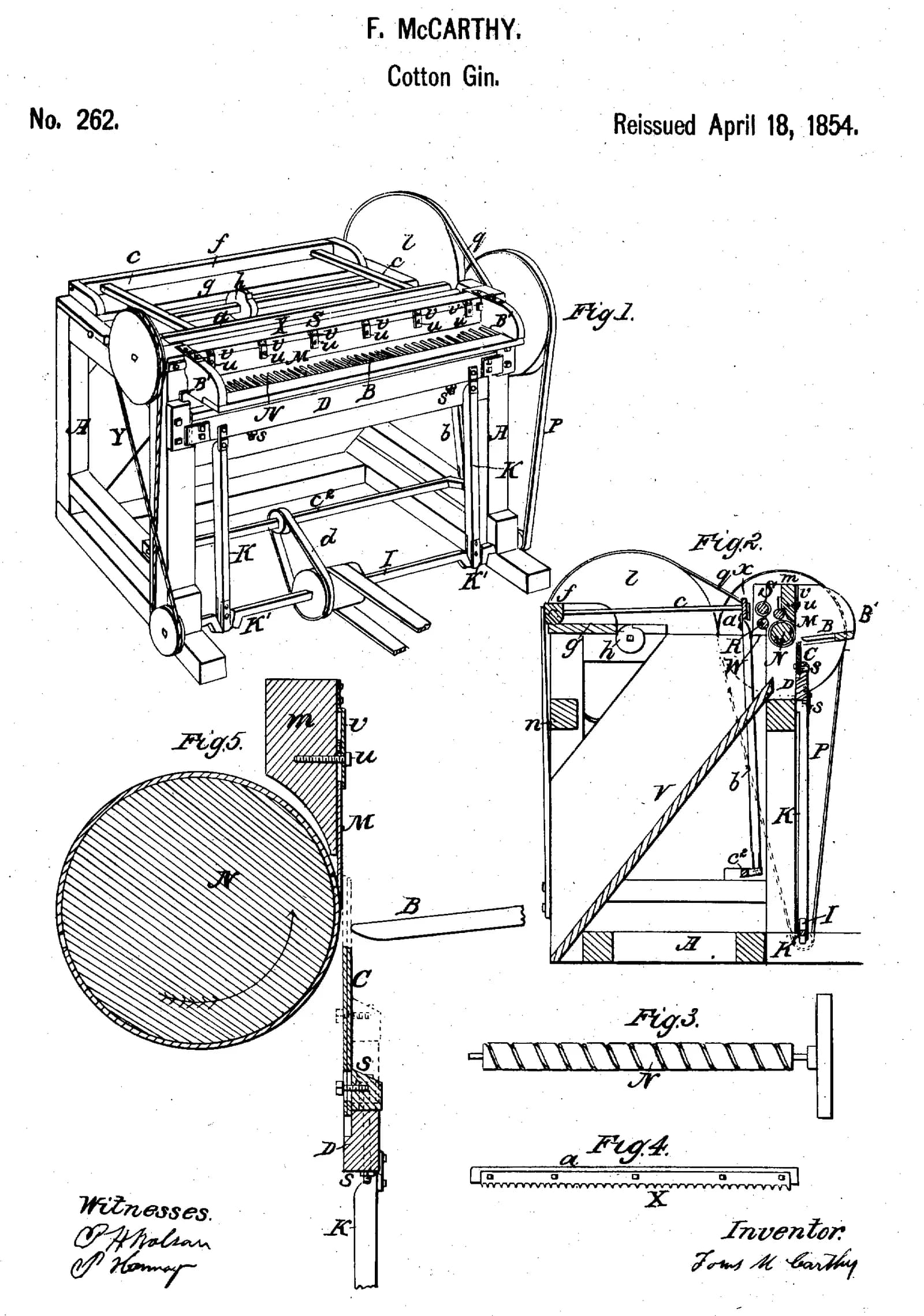
An application is kept confidential for 18 months from the filing or priority date, whichever is earlier, and then published in the Patent Office Journal. Filing Form 9 brings publication forward to about a month after the request. Early publication matters because your rights to claim damages from infringers run from publication, and because the office will not take up an application for examination until it is published.
Examination is not automatic. Since the Patents (Amendment) Rules, 2024 came into force on 15 March 2024, you must file the request for examination within 31 months of the priority or filing date (it used to be 48 months), or the application is treated as withdrawn. Ordinary requests are examined in the order they are filed.
The examiner's report becomes the first statement of objections (often called the FER). You then have 6 months to put the application in order — amend the claims, argue novelty and inventive step, fix formal defects — extendable once by three months. If objections remain, the Controller offers a hearing. Anyone can also file a pre-grant opposition after publication, and post-grant opposition is possible within a year of grant.
A typical MSME patent journey
Month 0
Provisional filed — priority date secured
By month 12
Complete specification filed (deadline cannot be extended)
Month 12–13
Early publication on Form 9; expedited examination on Form 18A
Within weeks of referral
Examination report under the rule 24C timelines
+6 months (+3)
Reply and put the application in order; hearing if needed
Grant
Patent granted, renewals due from the third year
Year 20
Patent expires; the invention enters the public domain
Expedited examination: the MSME fast lane
Rule 24C allows a request for expedited examination on Form 18A, filed online only, for ₹8,000 if you are a small entity or startup. Eligible applicants include:
- startups and small entities;
- natural persons where at least one applicant is a woman;
- government departments, government companies and government-funded institutions;
- applicants who chose India as the International Searching or Preliminary Examining Authority in their PCT application;
- applicants under a patent-office arrangement such as a Patent Prosecution Highway, and sectors notified by the government.
The rule sets tight internal timelines: the examiner's report is ordinarily due within a month of referral, the first statement of objections issues within 15 days of the Controller's review, and the Controller aims to dispose of the application within three months of your last reply. You must file Form 9 for early publication alongside, unless the application has already been published. A startup or small entity's request remains valid even if it later loses that status. For an MSME with a product about to launch, expedited examination is usually the single best value item in the whole fee schedule.
Support for MSME and startup patents (2026)
80%
Lower statutory fees
small entities, startups, individuals — Form 28
₹8,000
Expedited examination
Form 18A, online only
₹1 lakh
MSME reimbursement cap
domestic patent; ₹5 lakh foreign
31 March 2026
SIPP last notified term ended
check IP India before relying on it
Government support: SIPP, MSME reimbursement and TISCs
SIPP (Scheme for Facilitating Startups Intellectual Property Protection). Under SIPP, DPIIT-recognised startups could file patents, designs and trademarks through empanelled facilitators whose professional fees were paid by the Controller General's office, leaving the startup to pay only the statutory fees. The last notified extension ran until 31 March 2026. Startup India's June 2026 scheme playbook still describes SIPP and links to the IP India facilitator list, but a law-firm review in May 2026 found no notified extension or successor. Before you rely on it for a new filing, check the IP India SIPP page or confirm with a facilitator that new applications are being accepted; matters already under way are expected to continue.
MSME Innovative Scheme — IPR reimbursement. Udyam-registered units can claim reimbursement of patent expenses through the Ministry of MSME's Innovative Scheme portal — up to ₹1 lakh for a domestic patent and ₹5 lakh for a foreign patent, with smaller amounts for designs and trademarks. The scheme was launched in March 2022; confirm on the portal that it is accepting claims, and keep every invoice and fee receipt. See our MSME schemes list for other support.
Technology and Innovation Support Centres (TISCs) and IP Facilitation Centres. Host institutions across India offer prior-art search help and guidance at low or no cost, which is useful before you pay an agent to draft.
The statutory 80% concession on government fees does not depend on any of these schemes; it is written into the Patents Rules and applies whenever you file Form 28.
Do you need a patent agent? The law lets an applicant file and prosecute a patent without an agent, and some inventors do file their own provisionals. But the complete specification and the claims are legal documents that decide what you can enforce for 20 years, and examination replies turn on case law about inventive step. Only registered patent agents and advocates can represent you before the office. For most MSMEs, the sensible split is to do the prior-art homework and the technical write-up in-house, then pay an agent to draft the claims and handle the examination report.
Enforcing the patent. A granted patent is enforced through a civil suit for infringement, usually before a High Court or district court with jurisdiction, seeking an injunction and damages or an account of profits. Before suing, collect evidence of the infringing product, test reports and sales, and expect the defendant to counter-claim that your patent is invalid — which is why a careful search and well-drafted claims at the start pay for themselves.
Before you file
0/6Keeping the patent alive
Renewal fees fall due from the third year, counted from the filing date, and must be paid every year to keep the patent in force; a patent that is not renewed ceases to have effect. Pending renewals accumulate and are paid on grant. Since 2024, paying renewal fees online in advance for at least four years earns a 10% reduction.
Every patentee must also file a statement of working on Form 27, now once every three financial years rather than every year, showing whether and how the invention is worked commercially in India. A lapsed patent can be restored on application within the prescribed period, but restoration is discretionary and the fees are higher — set reminders instead.
Common mistakes MSMEs make
Disclosing first, filing later. A product video or trade-fair demo before filing is the most common reason Indian MSME applications fail on novelty.
A thin provisional. If the provisional is a two-page sketch, the complete specification cannot rely on it for the features that matter, and the priority date protects very little.
Missing the 12-month or 31-month deadlines. The first cannot be extended; the second is far shorter than the old 48 months.
Forgetting Form 28. Without it you are charged the full fee, and the office can ask you to pay the difference later.
Claims that describe the product, not the invention. Narrow claims copied from one drawing are easy to design around. Claim the inventive principle, with fallback dependent claims.
Ignoring Form 3. You must keep the office informed of corresponding foreign applications; failure can be a ground for revoking the patent.
What changed recently
The Patents (Amendment) Rules, 2024, effective 15 March 2024, cut the examination-request deadline to 31 months, made working statements triennial, introduced a certificate of inventorship and a grace-period procedure, allowed longer extensions on Form 4, and gave a 10% rebate for advance online renewals. The fee schedule itself has not changed since then, and small entities remain in the concessional column with startups and individuals. The main 2026 change for founders is outside the rules: the uncertain status of SIPP after 31 March 2026.
Official links
- Patent e-filing (IP India)File Form 1, 2, 9, 18, 18A and 28 online
- Patents Rules — First Schedule (fees)Current official fee table
- Rule 24C — expedited examinationWho qualifies and the timelines
- Patents Act — section 3 (what is not an invention)Check exclusions before drafting
- SIPP — Startups IP protectionStatus and facilitator list
- MSME Innovative Scheme — IPR reimbursementClaim patent, design and trademark expenses
What to do next
Write down what is new in your product or process, keep it confidential, and get a prior-art search done. If it holds up, file a provisional before any launch, get your Udyam registration or Startup India recognition in place so you pay ₹1,600 instead of ₹8,000, and plan for expedited examination. Protect the product's appearance with a design and its name with a trademark.
This is general information, not legal or tax advice — confirm on the official source or with a professional.
Frequently asked questions
MSMEs that qualify as a small entity pay the same reduced fees as individuals and DPIIT-recognised startups: ₹1,600 to file online (up to 30 pages and 10 claims) instead of ₹8,000, ₹4,000 for the request for examination instead of ₹20,000, and ₹8,000 for expedited examination. These are one-fifth of the full fees. Paper filing costs 10% extra.
A small entity is an enterprise whose investment in plant and machinery (manufacturing) or equipment (services) is within the MSMED Act limit for a medium enterprise, currently ₹125 crore. So micro, small and medium enterprises qualify. You claim the status on Form 28 with supporting evidence such as your Udyam certificate.
A provisional specification describes the invention and secures your filing date, but has no claims and is never examined. You must file the complete specification, with claims, within 12 months or the application is treated as abandoned. A complete application can also be filed directly. There is no extra government fee for filing the complete after a provisional within 30 pages and 10 claims.
Under ordinary examination you must request examination within 31 months of the priority or filing date, and the office then examines requests in turn. With expedited examination, available to MSMEs, startups and women inventors among others, the rules set short internal deadlines for the examination report, and practitioners commonly report grants within about a year of the request. Every objection response adds time.
The last notified term of SIPP, which paid patent facilitators' fees for DPIIT-recognised startups, ran until 31 March 2026. DPIIT's June 2026 scheme playbook still describes SIPP, but a law-firm review in May 2026 found no notified extension. Check the IP India SIPP page or ask an empanelled facilitator before relying on it. The 80% statutory fee concession is separate and continues.
Section 3(k) of the Patents Act excludes computer programs per se, algorithms and business methods. An invention that uses software can still be patentable if it delivers a technical effect or technical contribution, such as improving how a machine, device or network works. Pure code is protected by copyright instead.
Sources & verification
Figures on this page were checked against the sources below when it was last reviewed on 9 October 2026. Each rate and limit is stored once with its own official source and review date, and official update channels are monitored daily so changes are picked up. How we verify
- 1.Patents Rules, 2003 — First Schedule (fees), as amended — IP India · accessed 9 October 2026
- 2.Patents Rules, 2003 — Rule 24C (expedited examination) — IP India · accessed 9 October 2026
- 3.Patents Rules, 2003 — Rule 24B (examination) — IP India · accessed 9 October 2026
- 4.Patents Rules, 2003 — Rule 7 (fees, Form 28, 10% physical-filing surcharge) — IP India · accessed 9 October 2026
- 5.Patents Act, 1970 — sections 3, 9, 31 and 53 — IP India · accessed 9 October 2026
- 6.Patents (Amendment) Rules, 2024 — a look at key changes — Fox Mandal & Associates · accessed 9 October 2026
- 7.The SIPP Scheme: what its expiry means for startups (26 May 2026) — S.S. Rana & Co. · accessed 9 October 2026
- 8.Playbook of Government Schemes and Initiatives for Startups (June 2026) — Startup India, DPIIT · accessed 9 October 2026
- 9.IPR component of the MSME Innovative Scheme — circular — MSME-DFO Kolkata, Ministry of MSME · accessed 9 October 2026
MSMETOOLS is an independent platform and is not affiliated with any government agency, ministry or department.
Tools for this
Related guides
 Design Registration in India 2026: Fees, Process & ValidityRead guide
 Copyright Registration in India 2026: Fees, Process & RulesRead guide
 Trademark Registration in India 2026: Fees, Process & ClassesRead guide
 Trade License Odisha 2026: SUJOG, BMC Fees & RenewalRead guide
Official links open the government site in a new tab.