 Business registration & legal
Design Registration in India (2026): Fees, Novelty, Locarno Classes, Process and the 10 + 5 Year Term
Design registration in India in 2026: what the Designs Act protects, fees (₹1,000 for MSMEs and startups), novelty rules, Locarno classes, process and 10+5 years.
 Edited by Sumeet YadavFounder & editor, MSMETOOLS · fact-checked against official sources
Contents (13)
- 1. What a "design" is under Indian law
- 2. The novelty test: why timing matters most
- 3. Who pays the lower fee
- 4. Design registration fees in 2026
- 5. Locarno classes: filing in the right class
- 6. How to file a design application
- 7. After filing: objections, registration and publication
- 8. Renewal, restoration and keeping the right alive
- 9. Enforcing a registered design
- 10. Designs, copyright and trademarks together
- 11. Common mistakes that cost applicants their design
- 12. What changed in 2025–2026
- 13. What to do next
If your product sells partly because of how it looks — a bottle shape, a lamp, a sari border, a furniture profile, a phone case, a pattern on tiles — a competitor can copy it within weeks of launch. Design registration gives you the exclusive right to that appearance across India for up to 15 years. This guide is for MSME manufacturers, D2C brands, artisans and product startups. It explains what the Designs Act, 2000 protects, the novelty test that trips most applicants, Locarno classes, the official fees (with the lower rate for MSMEs and startups), how to file and clear objections, renewal, enforcement, and what changed in 2026.
Quick answer
File Form 1 with the Design Office (part of IP India) with drawings or photos of the article and a short statement of novelty, in the right Locarno class. The fee is ₹1,000 for individuals, DPIIT startups and MSMEs and ₹4,000 for others. The design must be new and not published or used anywhere before you file. Protection lasts 10 years, extendable once by 5 years.
Protects appearance — shape, configuration, pattern, ornament, lines or colours — not function
File before launch, exhibition, social media posts or sending samples
Objections must be cleared within six months of filing (extendable by three)
One design, one class per application; extension costs ₹2,000 for MSMEs
What a "design" is under Indian law
The Designs Act, 2000 defines a design as the features of shape, configuration, pattern, ornament or composition of lines or colours applied to an article — in two or three dimensions, or both — by any industrial process, where the finished article appeals to and is judged solely by the eye. Three ideas sit inside that definition:
- It must be applied to an article. An "article" is anything manufactured, including a part that is made and sold separately. A pure artwork that is never put on a product is a copyright matter, not a design.
- It is judged by the eye. The test is visual appeal, not usefulness. How the product works is irrelevant.
- Some things are excluded. The definition leaves out any mode or principle of construction, anything that is in substance a mere mechanical device, trademarks, property marks and artistic works as defined in the Copyright Act.
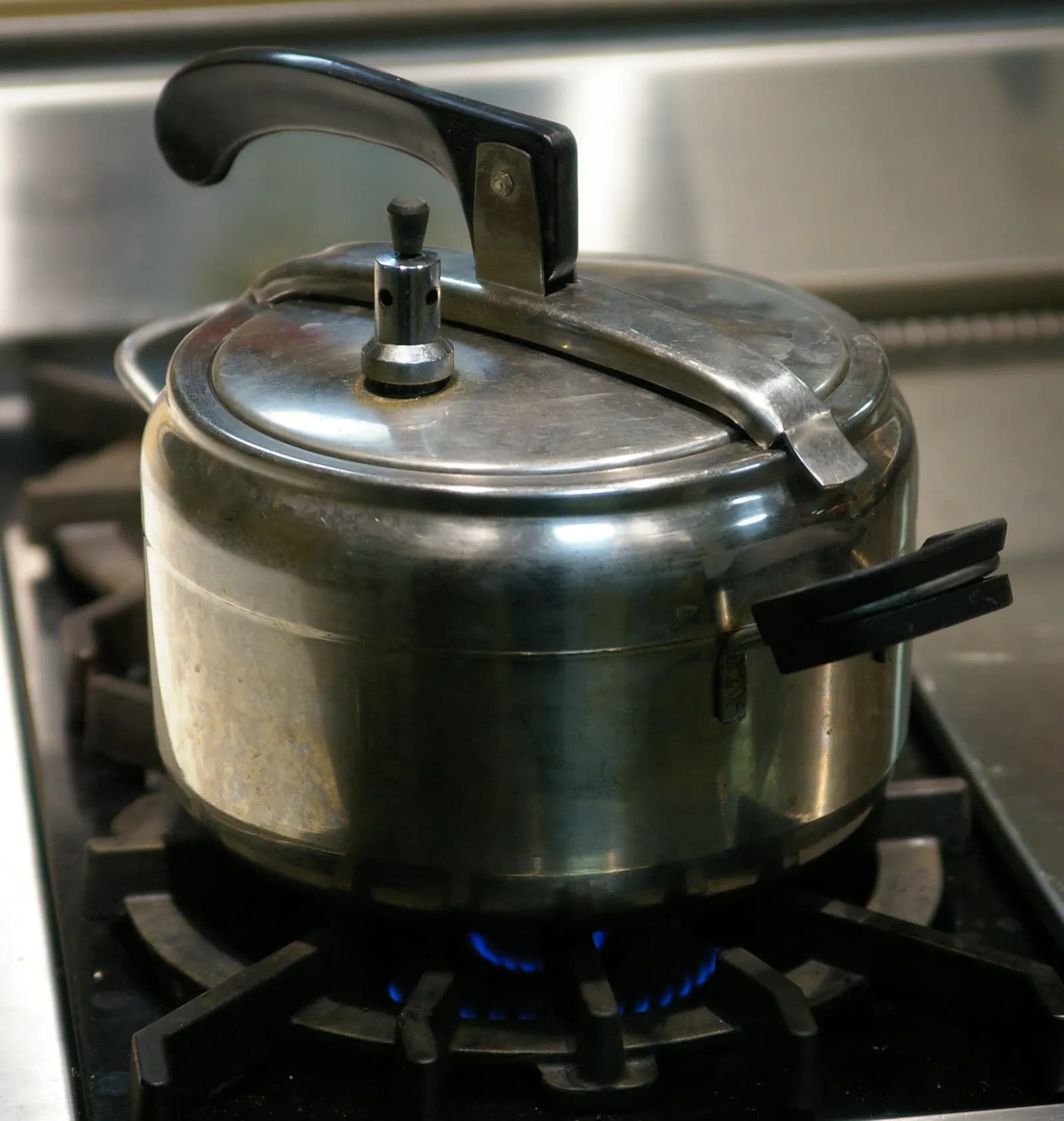
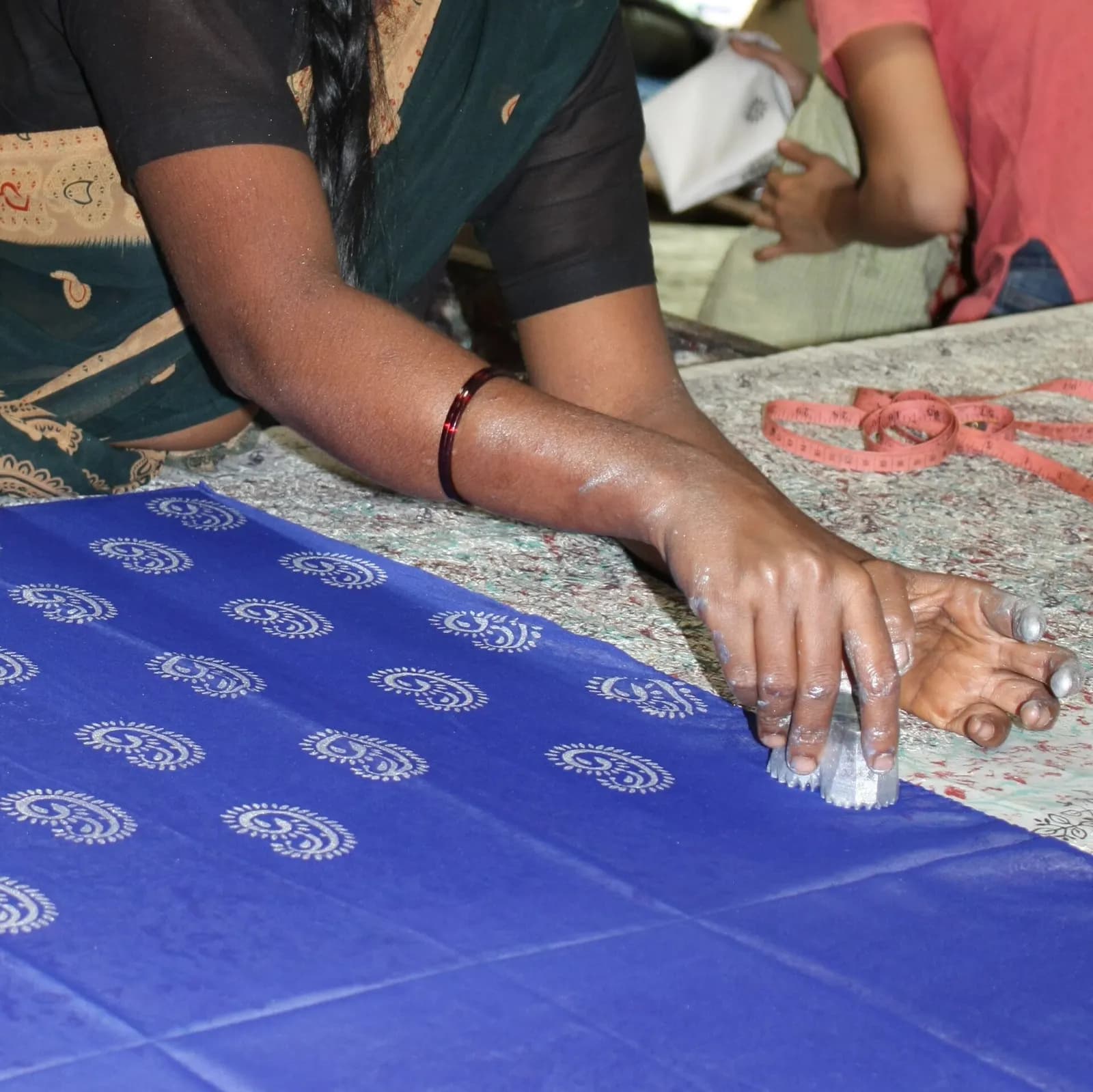
So a new shape for a pressure-cooker handle, a textile print, the profile of an aluminium extrusion, the form of a perfume bottle, or the look of a ceramic tile can be registered. A new mechanism inside the cooker cannot — that is a patent. Your brand logo cannot either — that is a trademark.
The novelty test: why timing matters most
Section 4 of the Act bars registration of a design that:
- is not new or original;
- has been disclosed to the public anywhere in India or any other country, by publication in tangible form, by use or in any other way, before the filing date (or the priority date, if you claim one);
- is not significantly distinguishable from known designs or combinations of known designs; or
- contains scandalous or obscene matter.
The second ground is the one that catches small businesses. Indian design law has no general grace period: if you post the product on Instagram, list it on a marketplace, show it to a distributor without a confidentiality agreement or sell even a few pieces before filing, your own disclosure can destroy novelty. A competitor can later use that same evidence to cancel your registration under section 19.
There is one narrow exception. Under section 21, displaying a design at a recognised industrial or international exhibition notified by the government does not count against you, provided you give the Controller prior notice in the prescribed form and file within six months of first exhibiting it. For everything else — trade fairs that are not notified, buyer meetings, influencer seeding, catalogue shoots shared online — file first.
The third ground means minor tweaks are not enough. Changing the colour of an existing product or combining two well-known shapes rarely passes. Before filing, search the Design Search Utility on IP India by article name, Locarno class and applicant, and look at what competitors already sell.
Who pays the lower fee
The Designs (Amendment) Rules, 2021 replaced the old three-tier fee table with two columns: one for natural persons, startups and small entities, and one for everyone else. The lower column is one quarter of the higher.
- A small entity is an enterprise whose investment in plant and machinery (for manufacturing) or equipment (for services) is within the MSMED Act limit for a medium enterprise — currently ₹125 crore. So micro, small and medium enterprises all qualify. Keep your Udyam registration handy as evidence.
- A startup is an entity recognised by DPIIT under Startup India. Foreign startups qualify if they meet the same turnover and age criteria and file a declaration.
- An individual designer or proprietor filing in their own name also pays the lower fee.
Entity status is claimed on Form 24, which carries no fee. If a design filed at the lower rate is later assigned to a large company, the difference in fees becomes payable.
Design registration fees in 2026
These are the official fees in the First Schedule to the Designs Rules, 2001, as substituted in 2021. There is no separate e-filing discount for designs.
Official design fees
| Form and purpose | Natural person / startup / small entity | Others |
|---|---|---|
Form 1 — application for registration (per design, per class) | ₹1,000 | ₹4,000 |
Form 3 — extension for a further 5 years | ₹2,000 | ₹8,000 |
Form 4 — restoration of a lapsed design | ₹1,000 + ₹1,000 additional fee | ₹4,000 + ₹4,000 additional fee |
Form 8 — petition for cancellation | ₹1,500 | ₹6,000 |
Notice of exhibition of an unregistered design | ₹500 | ₹2,000 |
Form 1 — application for registration (per design, per class)
- Natural person / startup / small entity
₹1,000
- Others
₹4,000
Form 3 — extension for a further 5 years
- Natural person / startup / small entity
₹2,000
- Others
₹8,000
Form 4 — restoration of a lapsed design
- Natural person / startup / small entity
₹1,000 + ₹1,000 additional fee
- Others
₹4,000 + ₹4,000 additional fee
Form 8 — petition for cancellation
- Natural person / startup / small entity
₹1,500
- Others
₹6,000
Notice of exhibition of an unregistered design
- Natural person / startup / small entity
₹500
- Others
₹2,000
Worked example. A Moradabad brassware unit registered on Udyam (investment ₹3 crore) launches four new lamp shapes and one decorative pattern for its trays.
- Four lamp shapes in Locarno class 26 (lighting): 4 × ₹1,000 = ₹4,000
- Tray pattern in class 7 (household goods): 1 × ₹1,000 = ₹1,000
- Government fees at filing: ₹5,000. A large company filing the same five designs would pay 5 × ₹4,000 = ₹20,000.
- Ten years later, extending the two lamp designs that still sell: 2 × ₹2,000 = ₹4,000.
Attorneys typically charge separately for drawings, novelty statements and filing; those are market fees, not set by law. Udyam-registered units can also apply for reimbursement of design registration expenses of up to ₹15,000 under the IPR component of the Ministry of MSME's Innovative Scheme — confirm the scheme is open on its portal before you count on it.
Locarno classes: filing in the right class
Since the 2021 amendment, India classifies designs under the Locarno Classification maintained by WIPO, which has 32 classes divided into subclasses. You must name the class and the article in the application, and a separate application is needed for each class. Within a class, a registration for one article does not automatically cover others in the same class, so name the article precisely.
| Product | Locarno class | Example subclass |
|---|---|---|
| Bottles, jars, packaging, containers | 9 | 09-01 bottles, flasks |
| Kitchen utensils, cookware, cutlery | 7 | 07-02 cooking appliances and utensils |
| Furniture | 6 | 06-01 seats |
| Textiles and fabric prints | 5 | 05-05 textile fabrics |
| Garments and footwear | 2 | 02-04 footwear |
| Lighting | 26 | 26-05 lamps |
| Jewellery and watches | 11 | 11-01 jewellery |
| Graphic symbols, surface patterns, GUIs, icons | 14 and 32 | 14-04 screen displays; 32 ornamentation |
Check the current Locarno edition on WIPO's site for exact subclass wording. If the Controller disagrees with your class, the Controller's decision on the class is final under section 6, so choose carefully and describe the article in plain words.
How to file a design application
Filing your design, step by step
- 1
Search existing designs
Design Search UtilityUse the free Design Search Utility on IP India by article name and Locarno class, and check what is on sale in your category. Change the design now if it is too close to something known.
- 2
Prepare the representations
Make clear drawings or photographs of the article from all relevant angles — typically front, back, sides, top, bottom and a perspective view — on a plain background. Each sheet is dated and signed.
Tip: Show only the article. Remove brand names and logos from the views, or they may draw an objection.
- 3
Write the statement of novelty and any disclaimer
State briefly which features are new — for example 'the novelty resides in the shape and configuration of the bottle as illustrated'. Disclaim any mechanical function, words or marks that appear on the article.
- 4
File Form 1 online or at the Design Office
Apply through IP India's design e-filing system or at the Patent Office, naming the Locarno class and the article, with Form 24 if you claim startup or small-entity status and a power of attorney if an agent files.
- 5
Pay the fee and note the application number
Pay ₹1,000 or ₹4,000. Your registration, if granted, will date back to this filing date.
- 6
Answer objections and attend any hearing
The examiner checks formalities, class and novelty. Reply within three months of an objection, and in any case before the six-month limit from filing runs out.
Documents to keep ready: applicant name, address and nationality; representations of the article in every relevant view; a statement of novelty and disclaimer; the Locarno class and article name; Form 24 with your Udyam certificate or DPIIT recognition for the lower fee; a power of attorney if an agent files; and, if you claim priority from a foreign filing, a certified copy of that application.
After filing: objections, registration and publication
The Design Office, based in Kolkata, examines applications in order. Common objections include unclear or inconsistent views, a wrong class, words or logos in the representations, a statement of novelty that claims function, or a cited earlier design that looks too similar.
Rule 18 sets a tight clock. Once an objection is communicated, you have 3 months to remove it or ask for a hearing, or the application is treated as withdrawn. On top of that, the total time to put the application in order cannot exceed six months from the filing date, extendable by three months on Form 18 if you ask before the six months end. If a hearing is held, you get at least ten days' notice and it can be held by phone, followed by written submissions. If the Controller refuses registration, you can appeal to the High Court.
Once accepted, the design is entered in the Register of Designs as of the application date, the registration is published in the Patent Office Journal, and the certificate issues. Only after publication can others inspect the registered design.
The life of a registered design
Day 0
Form 1 filed — this is the registration date if granted
Within 6 months
Clear all objections (3 months per objection; +3 months on Form 18)
On acceptance
Entered in the Register; published in the Patent Office Journal; certificate issued
Year 10
File Form 3 before expiry to extend for 5 more years
Up to 1 year after lapse
Restoration possible on Form 4 with the additional fee
Year 15
Protection ends; the design enters the public domain
Renewal, restoration and keeping the right alive
Unlike a trademark, a design cannot be renewed forever. The first term is ten years from the registration date. To get the second and final five-year term, file Form 3 with ₹2,000 (or ₹8,000) before the ten years end. If you miss it, section 12 allows the proprietor to apply for restoration within one year from the date the design ceased to have effect, explaining in a verified statement why the fee was not paid, and paying the restoration fee plus an equal additional fee.
Record any change of ownership, licence or address on the Register. An unrecorded assignment can leave you unable to enforce the design in your own name. And watch the Patent Office Journal for designs similar to yours: anyone interested can petition to cancel a registration at any time under section 19, on grounds such as prior registration, prior publication, lack of novelty or that it is not a "design" at all — the same grounds you can use against a copycat's registration.
Enforcing a registered design
Piracy under section 22 covers applying your registered design, or a fraudulent or obvious imitation, to articles in the registered class for sale without consent; importing such articles for sale; and knowingly selling or exposing them for sale. You can choose either:
- a fixed sum of up to ₹25,000 per contravention (₹50,000 cap per design), recoverable as a contract debt; or
- a civil suit for damages and an injunction, which is the better route for any serious copying.
Suits must be filed in a court not lower than a District Judge, and the defendant can attack the validity of your registration on any section 19 ground — which is why getting novelty right at filing matters so much. Keep evidence of your launch date, the registration certificate and samples of the infringing product. For marketplace listings, the registration number is what platforms' IP complaint forms ask for.
Designs, copyright and trademarks together
| What you want to stop | Right to use | Term |
|---|---|---|
| Copies of the product's shape, pattern or ornament | Design | 10 + 5 years |
| Look-alike brand names and logos | Trademark | 10 years, renewable indefinitely |
| Copying of pack artwork, catalogues, photos | Copyright | Author's life + 60 years |
| Copies of a new technical function or mechanism | Patent | 20 years |
Most products need more than one right. A biscuit brand might register the pack shape as a design, the brand name and logo as a trademark, and the pack artwork as copyright. Be careful with artwork you also apply to products: copyright in a design that could have been registered, but was not, ends once the article has been reproduced more than 50 times by an industrial process. For prints, patterns and shapes you intend to mass-produce, the design route is the one that holds.
Common mistakes that cost applicants their design
Launching before filing. The most common and least fixable error. A product photo on your website, a marketplace listing or a WhatsApp catalogue sent to dealers can all be cited against you. Treat the filing date as the launch gate.
Representations that do not match. If the front view shows four ribs and the perspective view shows five, the examiner will object, and you cannot add new matter later. Have one person check every view against the physical sample.
Claiming function in the statement of novelty. "Novelty resides in the improved grip that prevents slipping" describes a function; "novelty resides in the shape and configuration of the handle as illustrated" describes appearance. Only the second is registrable.
Filing one application for several products. Each design in each class needs its own application. A set of matching articles can be filed together only if it meets the definition of a "set" in the rules — articles of the same general character, ordinarily sold or used together, bearing the same design.
Letting the clock run out. Because of the six-month cap, a slow reply to an objection can kill an application even if the design is good. Diarise both the three-month reply date and the six-month outer limit the day you file.
Design registration in numbers (2026)
₹1,000
Fee for MSMEs, startups, individuals
Form 1, per design per class
₹4,000
Fee for other applicants
large companies
10 + 5
Years of protection
extension on Form 3
6 months
Priority window
for designs filed abroad first
What changed in 2025–2026
The Act and the 2021 fee schedule still govern filings in October 2026, but three developments matter:
- GUIs and digital designs. In 2026 the Calcutta High Court, in NEC Corporation v. Controller of Patents and Designs, held that a graphical user interface shown on a device can qualify as a design if it meets the statutory tests, setting aside the Design Office's refusals and sending them back for fresh consideration. App and device makers should consider filing screen designs.
- DPIIT's concept note (January 2026). DPIIT proposed wide amendments to the Designs Act, including protection for virtual designs, a 12-month grace period for the applicant's own disclosures, deferred publication, divisional applications and a clearer interface with copyright. These are proposals only; until Parliament amends the Act, there is still no general grace period.
- Riyadh Design Law Treaty. India signed the treaty in November 2024, which aims to simplify design procedures across countries. Its procedural benefits apply in India only once the law is amended to implement it.
Official links
- Design e-filing (IP India)File Form 1 and follow-up forms online
- Design Search UtilitySearch registered and published designs by article and class
- Designs Act, 2000 (PDF)Sections 2, 4, 11, 12, 19, 21, 22 and 44
- Designs Rules, 2001 — Rule 18 (objections)Three-month reply and six-month limit
- MSME Innovative Scheme — IPR reimbursementReimbursement claims for Udyam-registered units
What to do next
Before your next product launch, freeze the final look, photograph it in all views, and file the design before anyone outside the company sees it. Get your Udyam registration or Startup India recognition in place first so you pay ₹1,000 instead of ₹4,000, and pair the design with a trademark for the brand. If the product also has a new technical feature, read our guide to patent filing for MSMEs before you disclose anything.
This is general information, not legal advice — confirm on the official source or with a professional.
Frequently asked questions
The official fee for Form 1 is ₹1,000 for natural persons, DPIIT-recognised startups and small entities (MSMEs within the medium-enterprise investment limit), and ₹4,000 for everyone else. One application covers one design in one Locarno class. Extending protection after ten years costs ₹2,000 or ₹8,000. Attorney fees are extra.
A registered design is protected for 10 years, extendable once by 5 years. The ten years run from the date of registration, which is the date of the application. To get the extra five years, file Form 3 with the fee before the first ten years end. If you miss it, you can apply to restore the design within one year of it lapsing.
Usually not. Section 4 of the Designs Act bars a design that was disclosed to the public anywhere in the world, by publication or use, before the filing or priority date. The narrow exception is a recognised exhibition: if you give the Controller notice and file within six months of first exhibiting, the display does not destroy novelty. File before you launch, post or send samples.
A design protects how a product looks — its shape, configuration, pattern or ornament — when applied to an article. A trademark protects a sign that tells buyers who made the goods, such as a brand name or logo. The Designs Act expressly excludes trademarks from the definition of design, so a logo goes to the Trade Marks Registry, while a bottle shape or a fabric print goes to the Design Office.
There is no fixed statutory time, but the rules force speed: objections must be cleared within six months of filing (extendable by three months), or the application is treated as withdrawn. Applications without objections are often registered within a few months of filing. After registration the design is published in the Patent Office Journal and the certificate issues.
It is not required to list products, but a registered design gives you an enforceable right to have copies taken down and to sue sellers of imitations. Marketplace IP complaint processes generally ask for the registration number, so register before launching a distinctive product online.
Sources & verification
Figures on this page were checked against the sources below when it was last reviewed on 9 October 2026. Each rate and limit is stored once with its own official source and review date, and official update channels are monitored daily so changes are picked up. How we verify
- 1.The Designs Act, 2000 (official text) — IP India · accessed 9 October 2026
- 2.Designs Rules, 2001 — Rule 2 (definitions of small entity and startup) — IP India · accessed 9 October 2026
- 3.Designs Rules, 2001 — Rule 11 (application) and Rule 18 (objections) — IP India · accessed 9 October 2026
- 4.Designs (Amendment) Rules, 2021 — substituted First Schedule — LegitQuest · accessed 9 October 2026
- 5.Design Search Utility — Controller General of Patents, Designs and Trade Marks · accessed 9 October 2026
- 6.India proposes major reform of design law — European Commission IP Helpdesk · accessed 9 October 2026
- 7.GUIs as registrable designs in India: from UST Global to the 2026 clarification — Asia IP · accessed 9 October 2026
- 8.IPR component of the MSME Innovative Scheme — circular — MSME-DFO Kolkata, Ministry of MSME · accessed 9 October 2026
MSMETOOLS is an independent platform and is not affiliated with any government agency, ministry or department.
Tools for this
Related guides
 Trademark Registration in India 2026: Fees, Process & ClassesRead guide
 Copyright Registration in India 2026: Fees, Process & RulesRead guide
 Patent Registration for MSMEs 2026: Fees, Process & SupportRead guide
 Trade License Chennai 2026: GCC Fees, Validity & RenewalRead guide
Official links open the government site in a new tab.