 Finance & accounting
Commercial Auto Insurance in 2026: When Personal Auto Won't Cover You, State Minimums and Hired & Non-Owned Auto
Commercial auto insurance in 2026: when personal auto won't pay, state minimum limits, hired and non-owned auto, FMCSA rules for trucks, labelled costs and examples.
 Edited by Sumeet YadavFounder & editor, MSMETOOLS · fact-checked against official sources
Contents (9)
- 1. When your personal auto policy won't cover business driving
- 2. What commercial auto insurance covers
- 3. State minimum auto liability requirements
- 4. Hired and non-owned auto (HNOA) coverage
- 5. What commercial auto insurance costs
- 6. Tax treatment of commercial auto insurance
- 7. Common mistakes and how to avoid them
- 8. How to buy commercial auto insurance
- 9. What to do next
Commercial auto insurance covers vehicles used for business, and the hard question for most small businesses is not what it costs but whether they need it at all. This guide is for owners who drive for work, buy a van or truck, or have employees running errands in their own cars. It explains when a personal auto policy stops covering you, what a business auto policy covers, the minimum liability limits in several large states and the federal rules for trucks, how hired and non-owned auto coverage protects you when you don't own the vehicle, and what it costs, with labelled estimates and worked claims. For the full list of business policies, see our small business insurance guide.
Quick answer
You need commercial auto insurance when the business owns or leases a vehicle, or when your driving goes beyond occasional errands: deliveries, carrying people for pay, hauling tools and equipment between job sites, or employees driving for work. The Texas Department of Insurance warns that most personal policies don't cover accidents while you're driving for business. Every state sets a minimum liability limit, but contracts usually require $1 million. If staff use their own or rented cars, add hired and non-owned auto coverage. Insureon's customers average about $245 a month (an estimate).
California minimum: $30,000 per person / $60,000 per accident bodily injury and $15,000 property damage
Texas minimum: $30,000 per person / $60,000 per accident bodily injury and $25,000 property damage
Interstate for-hire trucks of 10,001+ lbs: $750,000 federal minimum
Premiums are deductible if you use actual expenses, not the standard mileage rate
When your personal auto policy won't cover business driving
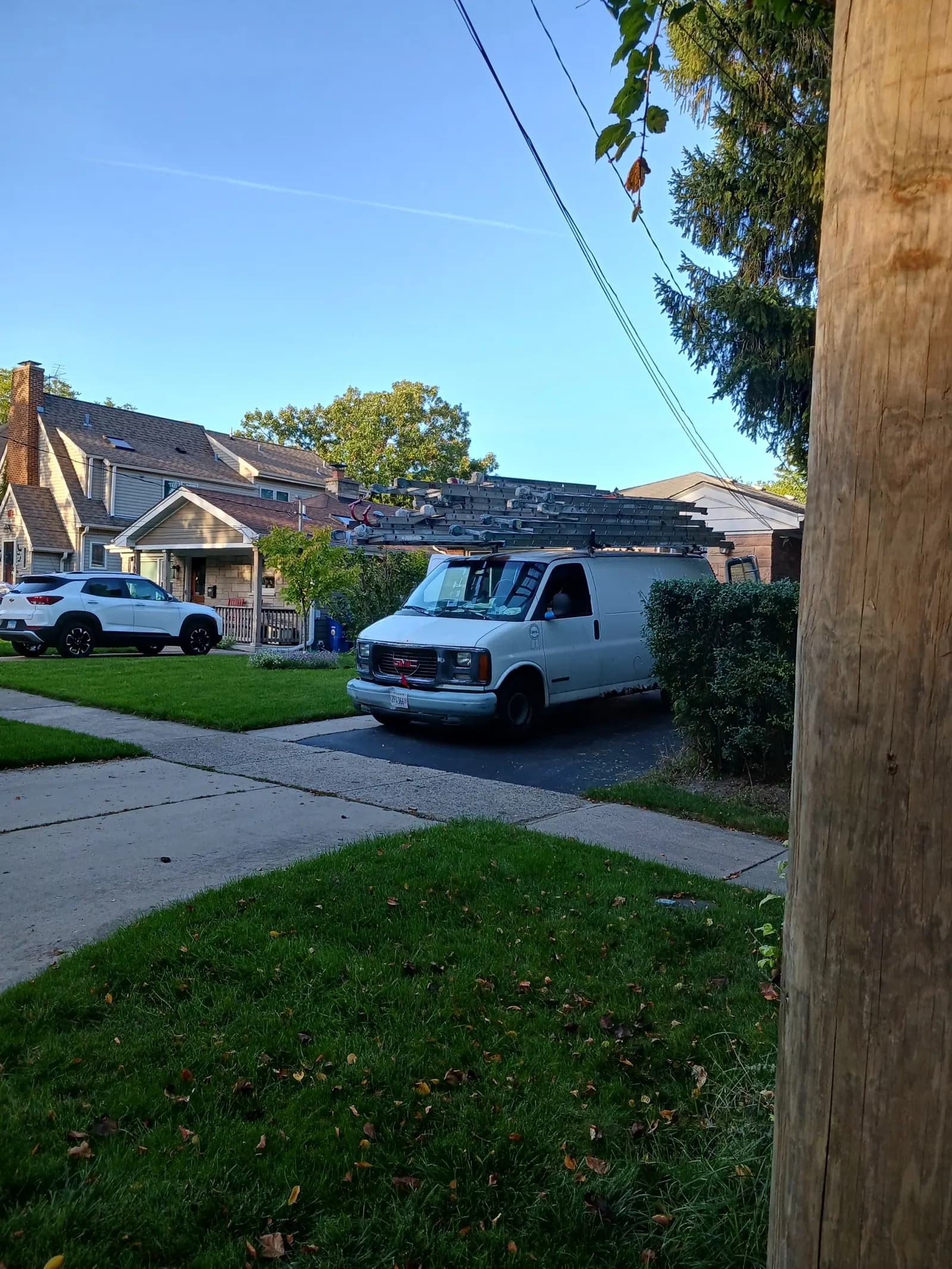
Personal auto policies are priced for commuting, errands and family trips. Business use changes the risk, and insurers handle it in three ways: some policies exclude certain business uses outright, some cover limited business use if you disclose it and pay a higher rate, and some cover it only up to the personal policy's limits, which are far lower than business contracts require. The Texas Department of Insurance tells consumers plainly that most policies don't cover accidents that happen while you are driving for business, and the NAIC notes that personal auto policies may exclude business-related liability.
These are the situations that most often fall outside a personal policy:
- The vehicle is owned or leased by the business. The NAIC advises that when the business owns or leases the vehicle, the business should be the principal named insured. A personal policy in your name on a van titled to your LLC is a mismatch that can lead to a denied claim.
- Deliveries and transporting goods for a fee, including food and parcel delivery.
- Carrying passengers for pay, such as shuttles, tours and non-emergency medical transport.
- Hauling tools, equipment or materials between job sites, especially with a trailer, ladder rack or heavy load.
- Employees driving the vehicle as part of their job.
- Heavier vehicles such as box trucks, dump trucks, tow trucks and anything requiring commercial plates.
- Vehicles with signage or business equipment permanently installed.
Occasional business errands, such as driving to the bank or to a client meeting, are often accepted on a personal policy if you have told the insurer you use the car for business. The only reliable answer is your insurer's, in writing: describe exactly how you use the vehicle and ask whether the policy covers it.
Personal auto vs commercial auto
| Personal auto policy | Commercial (business) auto policy | |
|---|---|---|
Named insured | You and your household | The business, with listed drivers |
Business use | Limited, excluded or must be disclosed | Built for it |
Typical liability limits | Often near state minimums or $100,000/$300,000 | Often $1 million combined single limit |
Employees driving | Generally not intended for it | Covered drivers listed or allowed |
Rented and employee-owned cars | Not for business use | Hired and non-owned auto can be included |
Vehicles covered | Cars, SUVs, pickups for personal use | Vans, trucks, trailers, specialised vehicles |
Named insured
- Personal auto policy
You and your household
- Commercial (business) auto policy
The business, with listed drivers
Business use
- Personal auto policy
Limited, excluded or must be disclosed
- Commercial (business) auto policy
Built for it
Typical liability limits
- Personal auto policy
Often near state minimums or $100,000/$300,000
- Commercial (business) auto policy
Often $1 million combined single limit
Employees driving
- Personal auto policy
Generally not intended for it
- Commercial (business) auto policy
Covered drivers listed or allowed
Rented and employee-owned cars
- Personal auto policy
Not for business use
- Commercial (business) auto policy
Hired and non-owned auto can be included
Vehicles covered
- Personal auto policy
Cars, SUVs, pickups for personal use
- Commercial (business) auto policy
Vans, trucks, trailers, specialised vehicles
What commercial auto insurance covers
A business auto policy uses the same building blocks as a personal policy, with higher limits and broader options:
Liability. Pays for bodily injury and property damage you or your drivers cause to others, plus legal defence. Limits are written either as split limits (per person, per accident and property damage, like the state minimums below) or as a combined single limit, one figure for everything in an accident, such as $1 million. The NAIC notes commercial policies typically carry higher limits, such as $1 million.
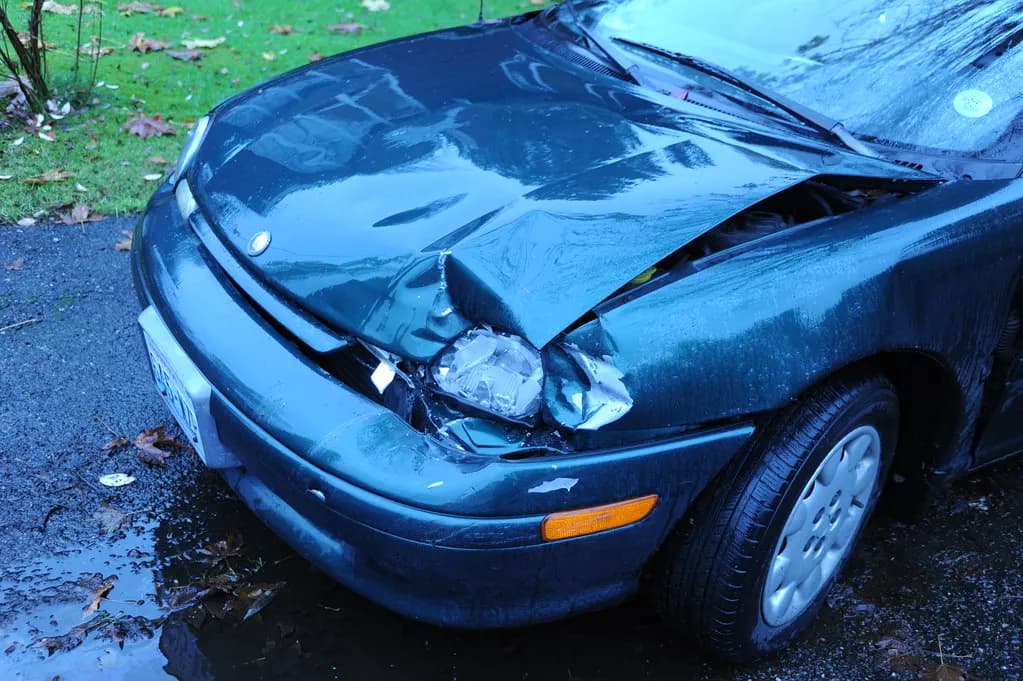
Physical damage. Collision pays to repair your vehicle after a crash; comprehensive pays for theft, vandalism, fire, hail, flood and hitting an animal. A lender or lessor will require both on a financed vehicle.
Medical payments or personal injury protection (PIP). Pays medical costs for the driver and passengers regardless of fault. PIP is mandatory in no-fault states such as Florida and New York.
Uninsured and underinsured motorist. Pays your driver's injuries when the at-fault driver has no insurance or too little.
Hired and non-owned auto. Liability for vehicles the business rents or borrows and for employees' own cars used on business, covered in its own section below.
Optional add-ons include rental reimbursement while a vehicle is repaired, towing, gap coverage on leased vehicles, and coverage for tools and equipment carried in the vehicle (often better placed on an inland marine or tools policy). Policies define which vehicles are covered using "covered auto" designations: all autos, owned autos only, specifically listed autos, hired autos and non-owned autos. Ask your agent which designations are on your policy, because a newly bought van may not be covered automatically if your policy only covers listed vehicles.
State minimum auto liability requirements
Nearly every state requires liability insurance or another proof of financial responsibility on registered vehicles, and each sets its own minimums. The examples below are verified from state sources for 2026. Minimums are legal floors only: a serious crash can cost far more, and anything above your limit can be claimed from the business and, depending on how it's organised, from you.
| State | Minimum liability for registered vehicles | Notes |
|---|---|---|
| California | $30,000 per person / $60,000 per accident bodily injury and $15,000 property damage | Same minimums for private passenger, commercial and fleet vehicles; raised from 15/30/5 on January 1, 2025 |
| Texas | $30,000 per person / $60,000 per accident bodily injury and $25,000 property damage | Texas Department of Insurance recommends higher limits |
| New York | $25,000 per person / $50,000 per crash bodily injury ($50,000/$100,000 for death) and $10,000 property damage | No-fault state; personal injury protection also required |
| Florida | $10,000 PIP and $10,000 property damage liability | Commercial motor vehicles of 26,000 lbs or more need higher combined limits (below) |
California's increase is the most recent big change: legislation passed in 2022 doubled its long-standing minimums from January 1, 2025, and they are scheduled to rise again in 2035. If you insured a business vehicle at the old minimums, your renewal should already reflect the new ones, but check your declarations page.
Florida adds a weight-based rule for heavier commercial vehicles. Under Florida Statutes §627.7415, a commercial motor vehicle needs combined bodily injury and property damage liability of at least:
Florida minimums for heavy commercial vehicles
$50,000
26,000 to under 35,000 lbs
Combined BI/PD per occurrence
$100,000
35,000 to under 44,000 lbs
Combined BI/PD per occurrence
$300,000
44,000 lbs or more
Combined BI/PD per occurrence
$750,000
Federal: interstate for-hire freight
Vehicles of 10,001 lbs or more
Federal rules for trucks and for-hire carriers
Motor carriers operating in interstate commerce fall under Federal Motor Carrier Safety Administration rules. For-hire carriers of non-hazardous property in vehicles of 10,001 pounds or more must carry at least $750,000 of public liability under 49 CFR §387.9, with $1 million or $5 million for some hazardous materials, and their insurer files proof with the FMCSA. Passenger carriers have separate, higher minimums. Shippers, brokers and freight platforms commonly require $1 million or more regardless. Our trucking business plan guide covers the authority and filing steps.
Hired and non-owned auto (HNOA) coverage
Hired and non-owned auto coverage is the piece of commercial auto many small businesses don't know they need, because they don't own a vehicle. It covers the business's liability in two situations:
- Hired autos: vehicles the business rents, leases short-term or borrows, such as a rental car on a business trip or a van rented to move stock.
- Non-owned autos: vehicles the business doesn't own that are used on its business, mainly employees' and owners' own cars when they run work errands, visit clients or make deliveries.
Why it matters: when an employee causes a crash on a work errand, the employee's personal policy normally pays first. But injured people and their lawyers commonly name the employer too, arguing the employee was acting for the business. If the claim exceeds the employee's personal limits, or the personal insurer denies it because of a business-use exclusion, the business is exposed. HNOA defends the business and pays up to its limit.
HNOA has limits worth knowing. It is liability-only: it doesn't pay to repair the employee's car or the rental car. It generally doesn't protect the employee personally. And it is usually excess over the vehicle owner's own insurance. You can buy it on a commercial auto policy or, for businesses without owned vehicles, as an endorsement on a BOP or general liability policy, often for a modest premium. Our business owners policy guide lists it among the most useful BOP add-ons.
Worked example: an employee's errand
A two-office accounting firm in Texas owns no vehicles. A staff accountant drives her own car to drop tax documents at a client's office, runs a red light and injures another driver, who has $85,000 of medical bills and lost wages and sues for $250,000, naming both the employee and the firm.
The employee's personal policy has the Texas minimum of $30,000 per person. Her insurer pays that $30,000. The injured driver's lawyer then pursues the firm. The firm's general liability policy excludes autos, but it carries a $1 million HNOA endorsement on its BOP. The HNOA insurer defends the firm and settles for a further $95,000, excess over the personal policy. Without HNOA, the firm would have paid its own lawyers and the $95,000 itself.
What commercial auto insurance costs
Commercial auto is usually the most expensive policy a small business with vehicles buys. Insureon, an online broker, reports that its small business customers pay an average of about $245 a month, with annual premiums ranging from under $375 to over $16,000. About 40% of its customers pay under $200 a month and 29% pay $200 to $400. These are estimates from one broker's customers, most of whom have fewer than five employees.
The NAIC lists the factors that drive the price: the type of vehicle, the region where it operates, your claims history, deductibles, and safety features such as anti-theft devices, secure parking and telematics. In practice, the drivers' motor vehicle records, how far and where the vehicles go, what you carry, and the liability limits matter most. A florist's single van in a small town costs a fraction of a dump truck working highway jobs in a large city.
Worked example: a landscaping company's fleet
A landscaping company in Florida runs two pickup trucks and one 26,500-pound GVWR dump truck, all owned by the LLC, with four employees who drive them. Its commercial clients require $1 million combined single limit.
The pickups need at least the Florida minimums of $10,000 PIP and $10,000 property damage liability, and the dump truck, being over 26,000 pounds, needs at least $50,000 of combined liability under §627.7415. The client contracts override both: all three vehicles go on one business auto policy at a $1 million combined single limit, with collision and comprehensive on the financed dump truck, PIP as required, and uninsured motorist coverage. The company also adds hired and non-owned auto for the owner's personal SUV, which he uses to visit job sites.
| Vehicle | Legal minimum (Florida) | Contract requirement | What the company buys |
|---|---|---|---|
| Pickup trucks (2) | $10,000 PIP + $10,000 property damage liability | $1 million combined single limit | $1 million CSL, PIP, uninsured motorist |
| Dump truck, 26,500 lbs | $50,000 combined liability | $1 million combined single limit | $1 million CSL, PIP, collision and comprehensive |
| Owner's personal SUV | Owner's personal policy | Not specified | Hired and non-owned auto for the business |
If the quotes came to $3,100 for each pickup and $6,800 for the dump truck (illustrative figures; real prices vary widely), the annual premium would be $13,000. Two inexpensive steps can bring that down: running motor vehicle record checks before hiring drivers and excluding anyone with serious violations, and installing telematics that some insurers credit.
Build vehicle costs into your pricesAdd insurance, fuel and payments to your fixed costs and see how much work covers them.Tax treatment of commercial auto insurance
IRS Publication 334 lists insurance on cars and other vehicles used in your business, covering liability, damage and other losses, among deductible business insurance premiums. Two rules decide how much you can deduct:
- Mixed use: if you use the vehicle partly for personal driving, deduct only the business-use share of the premium. Keep a mileage log to support the percentage.
- Standard mileage rate: if you use the standard mileage rate for a vehicle, you can't deduct its insurance separately, because the rate already accounts for insurance and other operating costs. Only the actual expense method lets you deduct premiums, along with fuel, repairs and depreciation.
HNOA premiums on a BOP or general liability policy are deductible as business insurance. Premiums paid in advance for more than one year are deducted year by year.
Common mistakes and how to avoid them
Titling the vehicle to the LLC but insuring it personally. Match the policy to the owner on the title. If the business owns it, insure it commercially in the business's name.
Not disclosing business use. If your personal insurer doesn't know you use the car for deliveries or job sites, a claim can be denied. Tell the insurer and get the answer in writing.
Buying state minimums. Minimums are a legal floor. A single serious injury claim can exceed $30,000 many times over, and clients usually require $1 million.
Forgetting non-owned autos. If anyone drives a personal or rented car for the business, including you, the business needs HNOA, or the auto exclusion in your general liability leaves a gap.
Letting unchecked drivers use vehicles. Run motor vehicle record checks, tell your insurer about new drivers, and keep a written vehicle-use policy.
Commercial auto checklist
0/8How to buy commercial auto insurance
Gather your vehicles' VINs, values, garaging addresses and uses, a list of drivers with licence numbers, your annual mileage, what you haul, and your claims history. Ask an independent agent to quote from several insurers; specialist insurers handle trucking, passenger transport and higher-risk classes. Confirm the agent is licensed through your state insurance department. Compare quotes on the same limits, deductibles, covered-auto designations, PIP and uninsured motorist choices, and HNOA terms. If you operate across state lines or carry freight for hire, make sure the insurer can make the FMCSA filing you need. If you run a vehicle rental business, see our car rental start-up guide for the separate rules that apply to renting vehicles to the public.
Official links
- NAIC — Small business insuranceCommercial auto and hired/non-owned vehicles
- Texas Department of Insurance — Auto insurance guideMinimums and business-use warning
- California DMV — Insurance requirementsMinimums for private, commercial and fleet vehicles
- New York DMV — Insurance requirementsMinimum liability amounts
- Florida Statutes §627.7415Commercial motor vehicle minimums by weight
- FMCSA — Insurance filing requirementsInterstate carriers and brokers
- IRS Publication 334Deducting business vehicle insurance
What to do next
List every vehicle used for the business, who owns it and how it's driven, then ask your insurer in writing whether your current cover applies. If the business owns vehicles, get two commercial auto quotes at the limits your contracts require; if it doesn't, add hired and non-owned auto to your business owners policy or general liability policy. Then add the premiums to your vehicle costs in the startup cost calculator.
This is general information, not legal, tax or insurance advice — confirm on the official source or with a licensed professional.
Frequently asked questions
It depends on how you use it. Occasional errands may be covered by a personal policy, but the Texas Department of Insurance warns that most personal policies don't cover accidents while you're driving for business, and the NAIC says personal policies may exclude business liability. Deliveries, carrying paying passengers, hauling tools between job sites, or a vehicle titled to the business usually need commercial cover. Ask your insurer in writing.
Each state sets its own. California requires $30,000 per person / $60,000 per accident bodily injury and $15,000 property damage for private passenger, commercial and fleet vehicles. Texas requires $30,000 per person / $60,000 per accident bodily injury and $25,000 property damage. New York requires $25,000 per person / $50,000 per crash bodily injury ($50,000/$100,000 for death) and $10,000 property damage. Florida requires $10,000 of personal injury protection and $10,000 of property damage liability, with higher limits for heavy commercial trucks. Interstate for-hire trucks have federal minimums.
Hired and non-owned auto (HNOA) coverage protects your business when someone is hurt or property is damaged by a vehicle the business doesn't own: a car you rent, or an employee's own car used on a work errand. The employee's personal policy usually pays first, but injured people often sue the employer too. HNOA is liability-only, and it's often added to a BOP or general liability policy.
Insureon reports an average of about $245 a month for its small business customers, with annual premiums ranging from under $375 to over $16,000. That is an estimate from one broker's data. The vehicle type, how far and where it's driven, the drivers' records, what you haul, your limits and deductibles, and your claims history decide the real price.
If the LLC owns or leases the vehicle, yes. The NAIC advises that when a business owns or leases a vehicle, the business should be the principal named insured, which normally means a commercial policy. If the vehicle is titled to you personally and used only occasionally for the LLC, a personal policy may work, but confirm business use with your insurer and consider HNOA for the LLC.
Yes, under the actual expense method. IRS Publication 334 lets you deduct insurance on vehicles used in your business; if you also use the vehicle personally, deduct only the business-use share. If you use the standard mileage rate for a vehicle, you can't also deduct its insurance, because the rate already includes it.
Sources & verification
Figures on this page were checked against the sources below when it was last reviewed on 13 October 2026. Each rate and limit is stored once with its own official source and review date, and official update channels are monitored daily so changes are picked up. How we verify
- 1.Small Business Insurance — National Association of Insurance Commissioners · accessed 13 October 2026
- 2.Auto insurance guide — Texas Department of Insurance · accessed 13 October 2026
- 3.Insurance requirements (vehicle registration) — California Department of Motor Vehicles · accessed 13 October 2026
- 4.Insurance requirements — New York State Department of Motor Vehicles · accessed 13 October 2026
- 5.Florida Statutes §627.7415 — Commercial motor vehicles; additional liability insurance coverage — Florida Legislature · accessed 13 October 2026
- 6.Florida Statutes §324.022 and §627.736 — Florida Legislature · accessed 13 October 2026
- 7.49 CFR § 387.9 — Financial responsibility, minimum levels — Legal Information Institute (Code of Federal Regulations) · accessed 13 October 2026
- 8.Publication 334, Tax Guide for Small Business (for 2025 returns) — Insurance — Internal Revenue Service · accessed 13 October 2026
- 9.How much does commercial auto insurance cost? — Insureon · accessed 13 October 2026
MSMETOOLS is an independent platform and is not affiliated with any government agency, ministry or department.
Tools for this
Startup Cost Calculator
Estimate how much capital you need to launch.
Break Even Calculator
Find your break even point and units.
Budget Planner
Plan and track your business budget easily.
Related guides
 Business Owners Policy (BOP) 2026: Coverage, Eligibility, CostRead guide
 General Liability Insurance (2026): Coverage, Limits, CostRead guide
 Professional Liability Insurance (2026): E&O, Tail, CostRead guide
 Credit Card Surcharge Laws by State 2026: Caps & BansRead guide
Official links open the government site in a new tab.