 Finance & accounting
Business Owners Policy (BOP) in 2026: What It Bundles, Who Qualifies and What It Costs
Business owners policy (BOP) in 2026: what it bundles, built-in limits, who qualifies by size and sales, what it excludes, labelled costs and a worked fire claim.
 Edited by Sumeet YadavFounder & editor, MSMETOOLS · fact-checked against official sources
Contents (12)
- 1. What a business owners policy bundles
- 2. What a BOP does not cover
- 3. Who qualifies for a business owners policy
- 4. BOP vs buying policies separately
- 5. What a business owners policy costs
- 6. How to set your BOP limits
- 7. Useful BOP add-ons
- 8. Home-based businesses and BOPs
- 9. Is a BOP tax deductible?
- 10. Common BOP mistakes and how to avoid them
- 11. How to buy a BOP
- 12. What to do next
A business owners policy (BOP) is the package most small businesses with a shop, office, café or stockroom end up buying, because it puts the three coverages they need most into one policy at a lower price than buying them separately. This guide is for owners deciding between a BOP and standalone policies, or checking whether the BOP they have is enough. It explains exactly what a standard BOP bundles, the built-in extras and their limits, the size, sales and class rules that decide who qualifies, what it leaves out, and what it costs, with a worked fire claim. For the full list of small business policies, see our small business insurance guide.
Quick answer
A BOP bundles general liability, commercial property (your building if owned, plus equipment, stock and furniture) and business income coverage into one policy for small, lower-risk businesses. Under ISO's standard program most businesses qualify up to 35,000 square feet and $6 million of sales per location, with tighter rules for contractors and restaurants. It doesn't include commercial auto, workers' comp, professional liability, flood or earthquake. Insureon's customers pay a median of about $83 a month (an estimate).
Liability + property + lost income in one policy, usually cheaper than three separate ones
Built-in extras: extra expense, debris removal, civil authority, forgery, electronic data
Not eligible: most factories, jewelry stores, large or high-hazard operations
Premiums are deductible business expenses under IRS rules
What a business owners policy bundles
A BOP is a package policy: one form, one premium and one renewal date covering both property and liability. The SBA describes it as combining the typical coverage options into one bundle, and the NAIC describes it as typically combining property, business interruption and liability coverage, often at a lower cost than separate policies. Many insurers base their forms on ISO's standard Businessowners Coverage Form (BP 00 03), and tailor versions to particular industries.
1. Property. Section I covers your building, if you own it, and your business personal property: equipment, furniture, computers, stock, supplies and the improvements you have paid for in a leased space. It pays for direct physical loss from covered causes such as fire, wind, hail, theft, vandalism, burst pipes and smoke.
2. Business income and extra expense. When covered property damage forces you to close or slow down, business income pays the net income you would have earned plus continuing expenses such as rent, loan payments and payroll. Extra expense pays the additional costs of staying open or reopening faster, like renting temporary space or expediting equipment. On the ISO form, business income covers losses during the period of restoration that occur within 12 consecutive months after the damage, and extended business income adds up to 60 more days after you reopen while sales recover.
3. Liability. Section II is general liability: bodily injury and property damage you cause to others, personal and advertising injury, medical payments and products and completed operations. Our general liability insurance guide explains these coverages and their limits in detail.
Built-in extras on the ISO standard BOP form (examples)
| Additional coverage or extension | What it does | Standard limit |
|---|---|---|
Debris removal | Clears wreckage after a covered loss | Up to 25% of the loss, plus up to $25,000 more per location |
Business income from dependent properties | Lost income when a key supplier or customer is damaged | $5,000 (can increase) |
Civil authority | Lost income when authorities block access after nearby damage | Begins 72 hours after the order |
Forgery or alteration | Forged or altered cheques and similar instruments | $2,500 (can increase) |
Money orders and counterfeit money | Accepted in good faith in a sale | $1,000 |
Electronic data | Restoring data destroyed by a covered cause | $10,000 aggregate (can increase) |
Newly acquired property | Buildings and contents you add mid-term | $250,000 buildings; $100,000 contents |
Personal property off premises | Property in transit or at other locations | $10,000 (can increase) |
Outdoor property | Signs, fences, trees and shrubs for named perils | $2,500 total; $1,000 per tree or plant |
Debris removal
- What it does
Clears wreckage after a covered loss
- Standard limit
Up to 25% of the loss, plus up to $25,000 more per location
Business income from dependent properties
- What it does
Lost income when a key supplier or customer is damaged
- Standard limit
$5,000 (can increase)
Civil authority
- What it does
Lost income when authorities block access after nearby damage
- Standard limit
Begins 72 hours after the order
Forgery or alteration
- What it does
Forged or altered cheques and similar instruments
- Standard limit
$2,500 (can increase)
Money orders and counterfeit money
- What it does
Accepted in good faith in a sale
- Standard limit
$1,000
Electronic data
- What it does
Restoring data destroyed by a covered cause
- Standard limit
$10,000 aggregate (can increase)
Newly acquired property
- What it does
Buildings and contents you add mid-term
- Standard limit
$250,000 buildings; $100,000 contents
Personal property off premises
- What it does
Property in transit or at other locations
- Standard limit
$10,000 (can increase)
Outdoor property
- What it does
Signs, fences, trees and shrubs for named perils
- Standard limit
$2,500 total; $1,000 per tree or plant
Those figures come from ISO's February 2025 overview of its program. Your insurer's own BOP form may use different limits, so check your declarations page and the coverage form itself.
What a BOP does not cover
The NAIC lists four things a BOP excludes: commercial auto, workers' compensation, health or disability insurance, and liability for wrongful professional practices. Each needs its own policy:
- Vehicles the business owns or leases need commercial auto insurance. If employees drive their own cars for work, ask for a hired and non-owned auto endorsement on the BOP.
- Employee injuries need workers' compensation, which most states require from the first hire.
- Professional mistakes need professional liability insurance. Some insurers sell BOPs with a limited professional endorsement for specific trades, such as barbers or pharmacists, but a consultant or IT firm needs a separate E&O policy.
The property section also excludes flood and earthquake, along with wear and tear, mould beyond a small sub-limit, and gradual leaks. Flood cover comes from the National Flood Insurance Program or private flood insurers; earthquake cover is a separate policy or endorsement. On the liability side, employment practices claims, liquor liability for businesses that sell alcohol, pollution and cyber losses beyond the small built-in data limits are excluded.
Who qualifies for a business owners policy
BOPs are designed for small and midsize "Main Street" businesses. Eligibility is set by each insurer, but most start from ISO's program rules. For most eligible types of business, ISO applies a limit of 35,000 square feet of total floor area and $6 million of annual gross sales at each location. The NAIC notes that some businesses, such as factories and jewelry stores, usually need more customised coverage, while home-based and small businesses often start with a BOP and expand later.
ISO's eligible categories include apartments, auto service, contractors, convenience and grocery stores, light manufacturing, hotels and motels, retailers including internet retailers, offices, processing and service businesses, restaurants, self-storage facilities, and wholesale and distribution businesses. Several have their own rules:
| Type of business | Special BOP eligibility rules (ISO program) |
|---|---|
| Contractors | Payroll no more than $300,000 a year; no exterior work above 3 stories; subcontracted work no more than 10% of sales; no renting equipment to others |
| Offices | Up to 100,000 square feet and 6 stories |
| Limited-cooking restaurants | Up to 7,500 square feet, 75 seats, beer and wine no more than 25% of sales |
| Quick-service restaurants | Up to 7,500 square feet, 150 seats, beer and wine no more than 25% of sales |
| Full-service restaurants | Up to 7,500 square feet, 150 seats, alcohol no more than 50% of sales |
| Processing and service businesses | No more than 25% of sales from off-premises work; gyms up to 7,500 square feet |
| Internet retailers | Limits on direct imports for resale and on direct sales share |
| Wholesale and distribution | No more than 25% of sales from retail; no more than 25% of floor area open to the public |
If you don't fit, the alternative is a commercial package policy, which combines separate commercial property and general liability forms with more flexibility in limits and coverage. It usually costs more and takes longer to quote, but it can cover larger buildings, higher sales, manufacturing and specialised risks. Our restaurant start-up guide covers how alcohol sales affect insurance for food businesses.
BOP vs buying policies separately
A BOP is usually the cheaper and simpler route when you have physical assets: stock, equipment, furniture or improvements to a leased space. Because the insurer underwrites property and liability together and the risks are relatively predictable, the bundled premium is typically lower than buying commercial property, business income and general liability on their own.
Standalone general liability can make more sense in two cases. If you work from home or at clients' sites with little more than a laptop and a phone, there may be little property to insure, and a standalone general liability policy plus professional liability may cost less. And if your contracts demand liability limits or endorsements that BOP insurers won't offer for your trade, a separate general liability policy gives more room.
BOP at a glance (estimates)
about $83/mo
Median premium
Insureon customers; about $1,000 a year
$400–$6,000+
Annual premium range
Insureon customers; estimate
$1M / $2M
Most common liability limits
Chosen by 79% of Insureon customers
35,000 sq ft
Typical size limit
ISO program, plus $6M sales per location
What a business owners policy costs
Insureon, an online broker, reports a median BOP premium of about $83 a month, roughly $1,000 a year, among about 100,000 small business customers, with annual premiums ranging from around $400 to over $6,000. A quarter of its customers pay under $50 a month and a third pay $50 to $100. Most of those customers have fewer than five employees, so treat these as estimates and a starting point, not a quote.
The main price drivers are the value of the property you insure, the building's construction and fire protection, your location (crime, wind, hail and wildfire risk, and local repair costs), your industry and customer traffic, your liability limits and deductible, the number of employees, and your claims history. Insureon notes that 79% of its BOP customers choose $1 million per occurrence and $2 million aggregate liability limits, and that the average deductible is $500. Retailers and restaurants pay more than consultants and offices because more people walk through the door and more can go wrong.
Worked example: a fire at a boutique
Jo runs a clothing boutique in 1,800 square feet of leased retail space, with $420,000 of annual sales and two part-time employees. Her BOP has $1 million / $2 million liability limits, $120,000 of business personal property (stock, racks, counters, point-of-sale equipment) on a replacement cost basis, $30,000 for tenant improvements she paid for, actual-loss-sustained business income for 12 months, and a $1,000 property deductible. The premium is $1,350 a year (an illustrative figure).
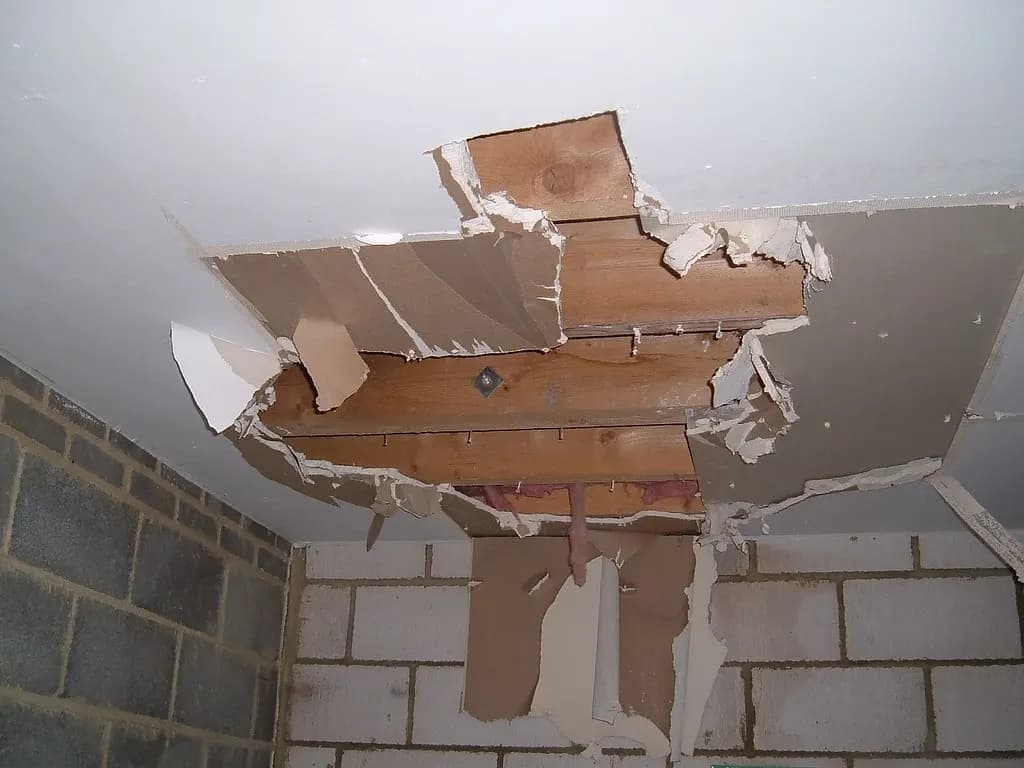
An electrical fire in the stockroom one night destroys $64,000 of stock and $11,000 of fixtures, smoke-damages the rest, and ruins $18,000 of the improvements. The shop is closed for 11 weeks while the landlord repairs the building and Jo refits the space.
| Loss item | Amount | Covered under |
|---|---|---|
| Stock and fixtures destroyed (replacement cost) | $75,000 | Business personal property |
| Smoke cleaning of remaining stock | $6,000 | Business personal property |
| Tenant improvements rebuilt | $18,000 | Business personal property (improvements) |
| Debris removal | $4,500 | Additional coverage |
| Lost net income for 11 weeks | $16,500 | Business income |
| Continuing rent, payroll and loan payments | $22,000 | Business income |
| Pop-up space and rush shipping to reopen faster | $5,000 | Extra expense |
| Total before deductible | $147,000 | |
| Less property deductible | −$1,000 | |
| Insurance pays | $146,000 |
Two choices made this claim work. Replacement cost meant the insurer paid what new stock and fixtures actually cost, not their depreciated value. And Jo had raised her contents limit when she added a second clothing line; a $90,000 limit would have left part of the $99,000 property loss uninsured. Her landlord's own property policy pays for the building itself.

How to set your BOP limits
Getting the numbers right matters more than the choice of insurer, because a claim can never pay more than the limit you chose.
Business personal property. Add up what it would cost to replace everything you would lose in a total fire, at today's prices: stock at cost, furniture, fixtures, computers, tools and machinery, plus the improvements you paid for in a leased space. Stock levels swing through the year, so base the limit on your peak, or ask about a seasonal increase endorsement that raises the limit automatically during your busy months.
Building. If you own the building, insure it for its full rebuilding cost, which is often different from its market value or purchase price. Many property forms include a coinsurance or insurance-to-value condition that reduces claim payments if you insure for much less than the property is worth, so ask your agent whether your form has one and how it works.
Business income. Estimate how long it would take to reopen after a total loss, including permits, rebuilding and restocking, and how much net income and fixed costs you would need for that time. Twelve months is the standard ISO period; businesses that rely on custom equipment or a hard-to-replace location may need longer.
Liability. Start from the highest limit any lease, client or licence requires, usually $1 million per occurrence and $2 million aggregate, and add an umbrella if you need more.
Useful BOP add-ons
Most insurers let you add endorsements to a BOP instead of buying separate policies. The ones small businesses most often need:
- Hired and non-owned auto liability for employees who run errands in their own or rented cars.
- Equipment breakdown for sudden mechanical or electrical failure of refrigeration, HVAC, ovens or computers, which the base property form excludes.
- Spoilage for food businesses, covering stock lost when refrigeration fails.
- Employment practices liability once you have staff.
- Data breach and cyber cover above the small electronic data limits in the base form.
- Employee dishonesty for theft by staff.
- Utility services for income lost when power or water to your premises fails because of off-site damage.
- Higher limits on forgery, outdoor signs, off-premises property and dependent properties.
If your contracts require more than $1 million or $2 million of liability, an umbrella policy sits above the BOP's liability section; the NAIC notes umbrella limits typically run from $1 million to $5 million.
Home-based businesses and BOPs
Running a business from home creates a gap. The NAIC explains that homeowners and renters policies often cap business property at about $2,500 at home and $250 away from home, generally exclude business liability such as injuries to visiting clients, and pay nothing for lost business income. The SBA specifically points home-based owners towards BOPs.
Home-business options compared
| Option | Best for | Typical gaps |
|---|---|---|
Homeowners or renters policy alone | Hobby-level activity with no client visits | Business property capped (often $2,500 at home, $250 away); business liability excluded; no lost income |
Home-business endorsement | Very small operations with little stock | Low limits; may exclude some business types |
Business owners policy | Home businesses with stock, equipment, client visits or staff | Still excludes auto, workers' comp and professional liability |
Homeowners or renters policy alone
- Best for
Hobby-level activity with no client visits
- Typical gaps
Business property capped (often $2,500 at home, $250 away); business liability excluded; no lost income
Home-business endorsement
- Best for
Very small operations with little stock
- Typical gaps
Low limits; may exclude some business types
Business owners policy
- Best for
Home businesses with stock, equipment, client visits or staff
- Typical gaps
Still excludes auto, workers' comp and professional liability
For a very small operation, a home-business endorsement on your homeowners policy may be enough. Once you keep inventory, see clients at home, have employees, or own equipment worth more than a few thousand dollars, a BOP or in-home business policy is usually the better fit. Tell both insurers what you do, so the homeowners policy doesn't deny a claim because of undisclosed business activity.
Is a BOP tax deductible?
Yes. IRS Publication 334 lists the premiums for fire, theft, flood and similar insurance, liability insurance and business interruption insurance among those you can generally deduct, which covers every part of a BOP. Sole proprietors and single-member LLCs report it as an insurance expense on Schedule C. If you run the business from home and also claim the home office deduction, don't deduct the same homeowners premium twice: the business share of homeowners insurance goes into the home office calculation, while a separate BOP premium is deducted in full as a business expense. Prepaid multi-year premiums are deducted year by year.
Common BOP mistakes and how to avoid them
Underinsuring contents. Owners often set business personal property limits from memory. Walk through the space with a spreadsheet, include stock at its replacement cost and the improvements you paid for, and update the limit when you expand.
Choosing actual cash value to save premium. Actual cash value deducts depreciation, so five-year-old equipment pays out at a fraction of the cost of replacing it. Replacement cost is usually worth the extra premium.
Assuming flood is covered. It isn't. Check your flood zone and price flood insurance separately if you're exposed, remembering that NFIP policies usually have a waiting period before they take effect.
Outgrowing the eligibility rules. If you add square footage, a second location, liquor sales or new services, tell your insurer. A BOP that no longer fits the program rules can be cancelled or a claim disputed.
Forgetting the lease. Read who insures what. Many leases make the tenant responsible for improvements and require the landlord to be named as an additional insured.
BOP buying checklist
0/8How to buy a BOP
The SBA's three steps apply: assess your risks, find a licensed agent, and shop around. Before you call, have ready your square footage and building construction, your contents values, annual sales and payroll, number of employees, a description of everything you sell or do, any alcohol sales, and your claims history. An independent agent can compare BOPs from several insurers; an online broker is quicker for simple office and retail risks. Confirm the agent is licensed in your state through your state insurance department, which the NAIC's directory links to.
Compare quotes on the same contents and building limits, valuation basis, business income terms, deductibles, liability limits and endorsements. A cheaper quote often hides an actual cash value basis, a shorter business income period or missing endorsements.
Official links
- SBA — Get business insuranceBOPs and other policy types
- NAIC — Small business insuranceWhat a BOP includes and excludes
- NAIC — Find your state insurance departmentCheck agent licences and complaints
- FEMA — National Flood Insurance ProgramFlood cover a BOP excludes
- IRS Publication 334Deductible business insurance premiums
What to do next
List what you would lose in a fire: stock, equipment, improvements and three to six months of income and fixed costs. Use those numbers to set your BOP limits, then get two quotes. Add the premium to your fixed costs in the break-even calculator, and check our guides to general liability and commercial auto insurance for the cover a BOP leaves out.
This is general information, not legal, tax or insurance advice — confirm on the official source or with a licensed professional.
Frequently asked questions
A BOP bundles three coverages: general liability for injuries and property damage you cause to others, commercial property for your building (if you own it) and business personal property such as equipment, stock and furniture, and business income for lost profits and continuing expenses while you are closed after covered damage. Standard forms add extras such as debris removal, extra expense, civil authority, forgery and electronic data coverage at modest limits.
The NAIC lists commercial auto, workers' compensation, health and disability insurance, and professional liability as outside a BOP. Standard property sections also exclude flood and earthquake, and the liability section excludes employment practices claims and most pollution. You buy those separately or add some by endorsement, such as hired and non-owned auto or employment practices liability.
BOPs are built for small and midsize, lower-hazard businesses: offices, shops, small restaurants, service firms, small contractors and some light manufacturers. Under ISO's standard program, most eligible risks are limited to 35,000 square feet and $6 million of annual sales per location, with tighter rules for contractors and restaurants. The NAIC notes that factories and jewelry stores usually need custom coverage. Each insurer sets its own rules.
Insureon reports a median of about $83 a month among its small business customers, with annual premiums from about $400 to over $6,000. That is an estimate from one broker's mostly very small customers. Your property values, location, industry, limits, deductible, number of employees and claims history set the actual price; restaurants and retailers usually pay more than offices.
If you have equipment, stock, furniture or a leased space to protect, usually yes: a BOP adds property and business income coverage for much less than buying them separately. If you work from home with only a laptop and your risk is professional mistakes, standalone general liability plus professional liability may fit better. Compare both quotes.
Yes, and the SBA highlights BOPs as a fit for many home-based businesses. The NAIC notes homeowners and renters policies often cap business property at about $2,500 at home and $250 away, exclude business liability, and don't pay lost income. A home-business endorsement can cover very small operations; once you have inventory, client visits or employees, a BOP is usually the better fit.
Sources & verification
Figures on this page were checked against the sources below when it was last reviewed on 13 October 2026. Each rate and limit is stored once with its own official source and review date, and official update channels are monitored daily so changes are picked up. How we verify
- 1.Get business insurance — U.S. Small Business Administration · accessed 13 October 2026
- 2.Small Business Insurance — National Association of Insurance Commissioners · accessed 13 October 2026
- 3.ISO's Businessowners Policy (BOP) Program overview (February 11, 2025) — Insurance Services Office (Verisk) · accessed 13 October 2026
- 4.Publication 334, Tax Guide for Small Business (for 2025 returns) — Insurance — Internal Revenue Service · accessed 13 October 2026
- 5.Commercial general liability insurance — Insurance Information Institute · accessed 13 October 2026
- 6.How much does a business owner's policy cost? — Insureon · accessed 13 October 2026
MSMETOOLS is an independent platform and is not affiliated with any government agency, ministry or department.
Tools for this
Startup Cost Calculator
Estimate how much capital you need to launch.
Break Even Calculator
Find your break even point and units.
Budget Planner
Plan and track your business budget easily.
Related guides
 General Liability Insurance (2026): Coverage, Limits, CostRead guide
 Professional Liability Insurance (2026): E&O, Tail, CostRead guide
 Commercial Auto Insurance (2026): Rules, State Minimums, CostRead guide
 Small Business Insurance (2026): Types, Costs, What's RequiredRead guide
Official links open the government site in a new tab.