 Starting & growing a business
Daycare Business Plan (2026): Licensing, Ratios, Subsidies and a Worked Example
Write a daycare business plan for 2026: state licensing and staff ratios (TX, CA, FL, NY), CACFP rates, child care subsidies, insurance and a worked break-even.
 Edited by Sumeet YadavFounder & editor, MSMETOOLS · fact-checked against official sources
Contents (11)
- 1. What a daycare business plan has to prove
- 2. Daycare business plan outline
- 3. Daycare licensing requirements: four state examples
- 4. Staffing plan: turning ratios into payroll
- 5. Revenue: tuition, child care subsidies and CACFP
- 6. Daycare startup costs
- 7. Insurance for a daycare business
- 8. Worked example: a 60-child center in Texas
- 9. Marketing and the enrollment ramp-up
- 10. Mistakes to avoid in a daycare business plan
- 11. What to do next
A daycare is one of the few businesses where the government effectively writes half of your business plan for you. State licensing rules fix how many children each teacher can supervise, how much space each child needs and who can run the center, so your capacity, payroll and rent follow from them. This guide is for anyone in the US writing a daycare center business plan in 2026, whether you're opening a leased center, converting a building or growing a home daycare. It covers the plan outline lenders expect, licensing ratios and space rules in Texas, California, Florida and New York, subsidy and food-program income, insurance, startup costs and a worked break-even. Rules were checked against state regulations and federal notices in October 2026.
Quick answer
A daycare business plan follows the SBA's standard format, but its numbers come from your state's licensing rules. Work out licensed capacity from indoor and outdoor space, build a classroom-by-classroom staffing plan from the staff-to-child ratios, set tuition by age group, add subsidy and CACFP food income, and show the enrollment you need to break even.
Infant ratios are 1:4 in Texas, California, Florida and New York; they loosen with age at different rates
Space rules drive capacity: e.g. 30 sq ft indoor per child in Texas, 35 sq ft in California
CACFP pays centers $4.76 per free-rate lunch from July 1, 2026
A July 13, 2026 federal rule let states drop enrollment-based and advance subsidy payments
Plan to break even at roughly 80–85% of licensed capacity
What a daycare business plan has to prove
Lenders, landlords and grant reviewers read a daycare plan for three things. First, that you can get licensed for the number of children your numbers assume, in the building you've chosen. Second, that your payroll, which is usually the biggest cost by far, matches the ratios for each classroom. Third, that families in your area will pay your tuition or use subsidies, and that you can fill the infant and toddler rooms where staffing costs the most per child.
That's why a generic business plan template falls short for child care. A plan that shows 80 children in a building that only supports 60 under your state's square-footage rule, or a payroll line that assumes one teacher can cover a room of infants, will be spotted by any lender who finances child care. Our general guide to how to write a business plan covers the basics; this page covers what's specific to daycare.
Decide early which kind of program you're planning. A licensed child care center operates in a commercial building and is the focus of this guide. A family child care home (sometimes called a home daycare) operates in your residence for a smaller group under lighter rules and lower costs, and is a common way to test demand before leasing a building. Many states also license school-age or before- and after-school programs separately, and some programs, such as certain faith-based or part-day programs, are license-exempt but must still meet health and safety rules to accept subsidies.
Daycare business plan outline
The sections of a daycare center business plan
- 1
Executive summary
Program type, location, licensed capacity, ages served, opening date, funding needed and break-even enrollment.
- 2
Company description and licensing path
Legal structure, licensing agency, license type, director qualifications and timeline to license.
- 3
Market analysis
Children under five within a 15-minute drive, competing centers and their tuition and waiting lists, local employers, subsidy demand.
- 4
Programs and curriculum
Classrooms by age, hours, curriculum approach, meals, and any pre-K or school-age programs.
- 5
Facility and capacity
Square footage, indoor and outdoor capacity calculation, build-out needed, fire and health approvals.
- 6
Staffing plan
Classroom-by-classroom ratios, shifts, director, cook and floaters, wages, training and background checks.
- 7
Marketing and enrollment plan
Pre-opening waiting list, tours, employer partnerships, subsidy agency enrollment.
- 8
Financial projections
Startup budget, monthly P&L for three years, ramp-up enrollment, break-even and cash flow.
- 9
Funding request
Amount, uses, owner equity, collateral and repayment plan.
Keep the executive summary to a page and write it last. Put the detail lenders check, the capacity math and staffing grid, in the body rather than an appendix, because those two tables decide whether the rest is credible. If you want a starting draft, our business plan generator produces the standard sections for you to edit.
Daycare licensing requirements: four state examples
Every state licenses child care centers, and the agency, ratios and space rules differ. In Texas, centers are regulated by Health and Human Services Commission (HHSC) Child Care Regulation under the minimum standards in chapter 746 of Title 26 of the Texas Administrative Code. In California, the Department of Social Services' Community Care Licensing Division licenses centers under Title 22, and applicants attend a licensing orientation and clear Live Scan fingerprint checks. Florida sets the core standards in statute, section 402.305, and licenses through the Department of Children and Families or, in some counties, a designated local licensing agency. In New York, the Office of Children and Family Services licenses child day care centers under 18 NYCRR Part 418, except in New York City, where group child care programs are permitted and inspected by the city's Health Department.
Staff-to-child ratios in licensed centers (selected ages)
| Age | Texas | California | Florida | New York |
|---|---|---|---|---|
Infants (under 12–18 months) | 1:4 (max group 10) | 1:4 (infant center) | 1:4 | 1:4 (max group 8) |
1-year-olds | 1:5 (max group 13) to 1:9 (max group 18) | Infant or toddler program rules | 1:6 | 1:5 (max group 12) |
2-year-olds | 1:11 (max group 22) | 1:12, or 1 teacher + 1 aide per 15 children | 1:11 | 1:5 (max group 12) |
3-year-olds | 1:15 (max group 30) | 1:12, or 1 teacher + 1 aide per 15 children | 1:15 | 1:7 (max group 18) |
4-year-olds | 1:18 (max group 35) | 1:12, or 1 teacher + 1 aide per 15 children | 1:20 | 1:8 (max group 21) |
Indoor space per child | 30 sq ft | 35 sq ft | 35 sq ft | Set in Part 418 |
Outdoor space per child | 80 sq ft | 75 sq ft | 45 sq ft | Set in Part 418 |
Infants (under 12–18 months)
- Texas
1:4 (max group 10)
- California
1:4 (infant center)
- Florida
1:4
- New York
1:4 (max group 8)
1-year-olds
- Texas
1:5 (max group 13) to 1:9 (max group 18)
- California
Infant or toddler program rules
- Florida
1:6
- New York
1:5 (max group 12)
2-year-olds
- Texas
1:11 (max group 22)
- California
1:12, or 1 teacher + 1 aide per 15 children
- Florida
1:11
- New York
1:5 (max group 12)
3-year-olds
- Texas
1:15 (max group 30)
- California
1:12, or 1 teacher + 1 aide per 15 children
- Florida
1:15
- New York
1:7 (max group 18)
4-year-olds
- Texas
1:18 (max group 35)
- California
1:12, or 1 teacher + 1 aide per 15 children
- Florida
1:20
- New York
1:8 (max group 21)
Indoor space per child
- Texas
30 sq ft
- California
35 sq ft
- Florida
35 sq ft
- New York
Set in Part 418
Outdoor space per child
- Texas
80 sq ft
- California
75 sq ft
- Florida
45 sq ft
- New York
Set in Part 418
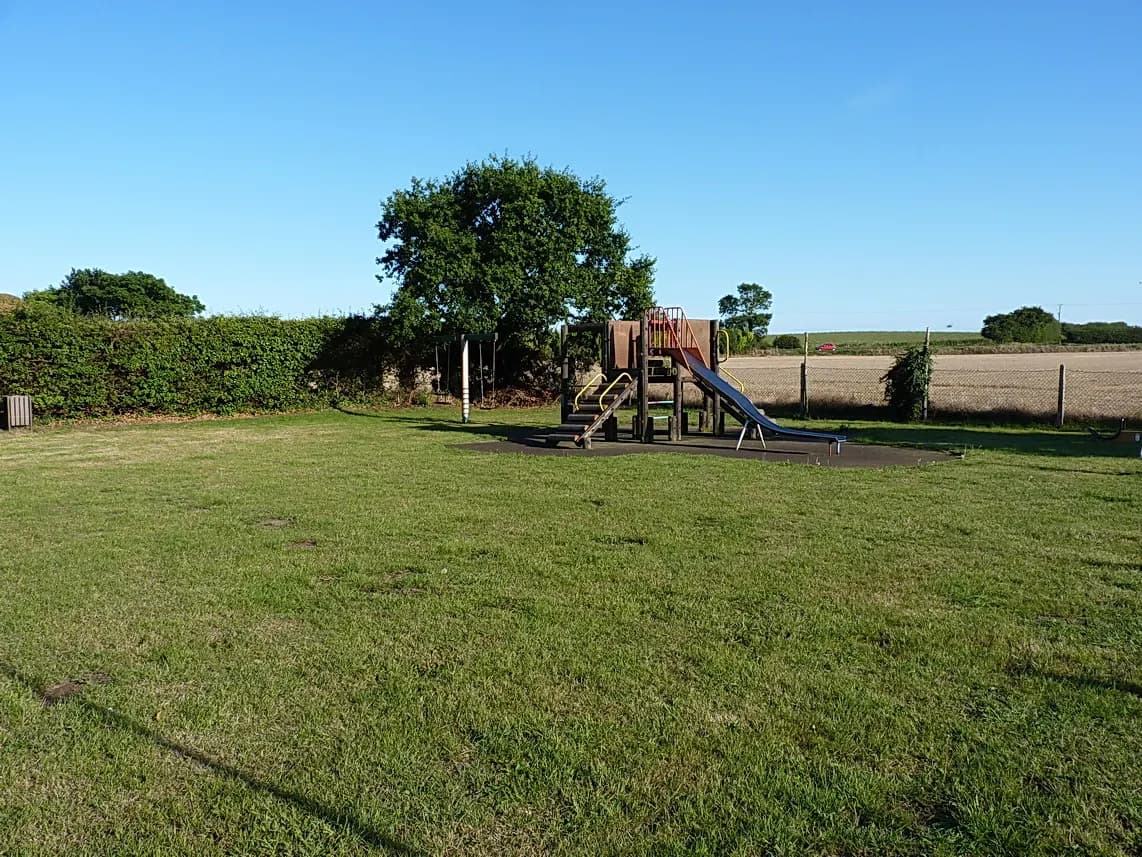
A few details change the math. Texas sets both a ratio and a maximum group size for centers with 13 or more children, so a room of three-year-olds can't exceed 30 even with two teachers. California's base rule is one teacher for every 12 children, or one teacher and one aide for 15, and a preschool program can run one fully qualified teacher plus a qualified aide for 18; infant centers stay at 1:4, and one teacher can watch up to 12 sleeping infants only if the other required staff are immediately available. Florida bases a mixed-age room of children two and older on the age group with the most children. New York also caps groups, at 8 for infants and 12 for toddlers. Your square footage counts only usable activity space: California, for example, excludes bathrooms, halls, offices, kitchens and storage.
Staff rules matter as much as ratios. Florida requires every child care staff member to complete a 40 clock hours introductory course, bars anyone under 21 from being an operator, and requires a staff member with a child development associate (CDA) credential or equivalent for every 20 children. Every state requires criminal background and abuse-registry checks before staff work with children, and directors must meet education and experience standards that your plan should name.
The licensing process and timeline
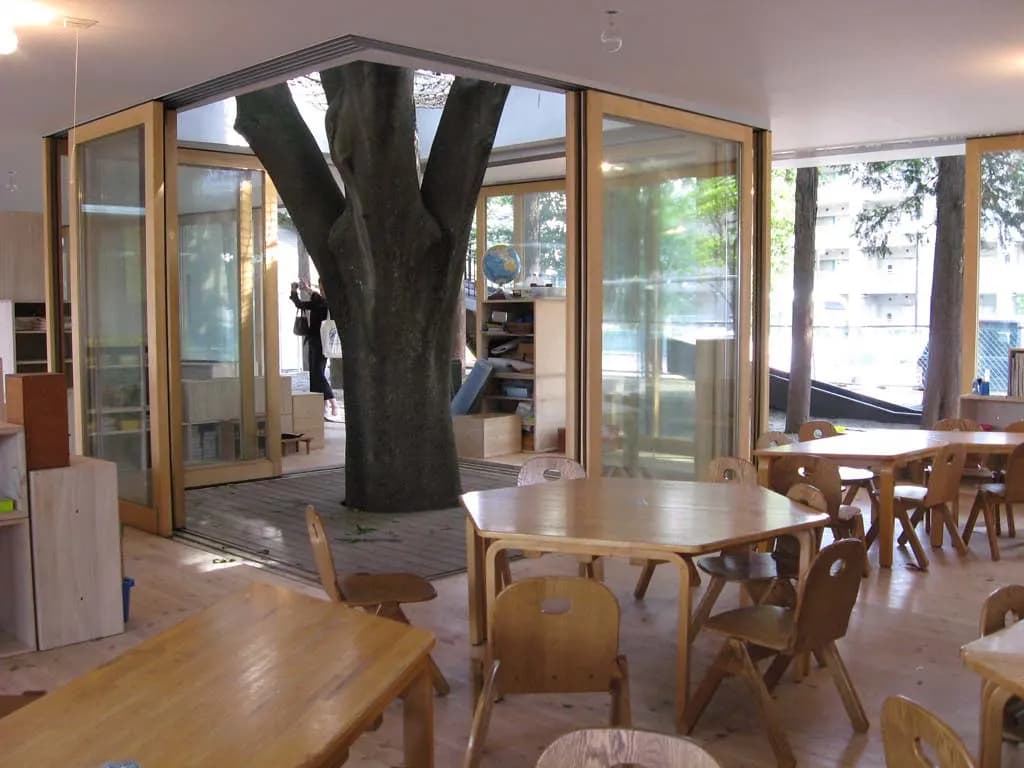
The steps are similar everywhere. You attend the agency's pre-application orientation or training, confirm zoning and a certificate of occupancy for child care use, pass fire marshal and health or sanitation inspections, submit the application with floor plans, policies, the director's credentials and staff background checks, then pass a pre-licensing inspection. Expect the process to take several months, longer if the building needs work. Don't sign a long lease until the zoning, fire exits, restrooms and outdoor space have been checked against the rules, because converting the wrong building is the most expensive mistake in this business.
Documents most licensing agencies ask for
0/7Staffing plan: turning ratios into payroll
Payroll is usually more than half of a center's costs, and it's set by ratios rather than by revenue. The method is mechanical. List each classroom with its age group and planned enrollment, divide by the ratio to get teachers needed at any one time, then multiply by your opening hours and divide by a full-time shift to get full-time equivalents. A room open 11 hours a day needs more than one full-time teacher to stay in ratio all day, though rooms can be combined in early morning and late afternoon when fewer children are present, as long as the combined group meets the ratio for the youngest children in it.
Wages are the other half. The BLS puts the national median wage for childcare workers at $16.82 an hour and for preschool and childcare center directors at $28.51 an hour (May 2025). Centers that pay at or below the median struggle with turnover, and every vacancy can force a classroom closure because ratios can't be stretched. Budget for payroll taxes, workers' compensation, paid training hours and a floater or two to cover breaks and sick days. Treat staff as W-2 employees: teachers who work your schedule, in your classrooms, under your policies are employees, not contractors (see our 1099 vs W-2 guide).
Revenue: tuition, child care subsidies and CACFP
Tuition is set by age, highest for infants because they need the most staff per child. Survey every licensed center within a 15-minute drive, record their weekly rates by age, registration fees and waiting lists, and price within that range unless you offer something clearly different. Charge weekly or monthly in advance, with a registration fee and a policy that tuition is due whether or not a child attends.
Child care subsidies are funded mainly by the federal Child Care and Development Fund (CCDF) and run by each state, such as the Texas Workforce Commission's local workforce boards, Florida's School Readiness program and county social services districts in New York. To accept subsidized children you enroll with the state or local agency, and the state sets your rate and payment rules. Those rules changed in 2026. A federal final rule effective July 13, 2026 rescinded four requirements from the March 2024 CCDF rule: the 7% of family income cap on family co-payments, the requirement to pay providers prospectively, the requirement to pay based on a child's enrollment rather than attendance, and the requirement to use some grants or contracts for direct services. States may keep those policies, and HHS reported that as of March 2026, 31 states, DC and five territories still capped co-payments at 7% or less. For your cash flow, the key question is whether your state pays in advance or after the fact, and based on enrollment or attendance; model at least a month's delay if it pays in arrears.
The Child and Adult Care Food Program (CACFP) reimburses meals and snacks served to enrolled children. Nonprofit centers can participate broadly, but a for-profit center qualifies only if at least 25% of the children in care (enrolled or licensed capacity, whichever is less) are eligible for free or reduced-price meals or receive subsidies. Payments depend on each child's eligibility category. The rates for July 1, 2026 to June 30, 2027 in the contiguous states are:
| Meal (centers) | Free | Reduced-price | Paid |
|---|---|---|---|
| Breakfast | $2.54 | $2.24 | $0.42 |
| Lunch or supper | $4.76 | $4.36 | $0.45 |
| Snack | $1.30 | $0.65 | $0.12 |
Alaska, Hawaii, Guam, Puerto Rico and the Virgin Islands have higher rates. CACFP comes with meal pattern rules, menus, daily meal counts and annual eligibility paperwork, so it's worth applying for if many families qualify, and it rarely covers full food cost if few do. Your state agency (often the education or agriculture department) handles applications.
Daycare startup costs
The building drives the budget. The figures below are our planning estimates for a leased center licensed for about 60 children, based on the capacity and payroll assumptions in the worked example; they aren't official figures, and renovation costs vary enormously by building and city.
| Startup item | Estimated cost | Basis |
|---|---|---|
| Build-out and renovation (restrooms, sinks, fire exits, finishes) | $50,000–$250,000 | Depends on prior use of the building |
| Furniture, cribs, equipment, kitchen | $20,000–$60,000 | Child-sized furniture for six classrooms |
| Playground, fencing and safety surfacing | $15,000–$60,000 | Outdoor space for the licensed capacity |
| Deposits and pre-opening rent | $15,000–$25,000 | Two to three months on a 4,000 sq ft lease |
| Licensing, inspections, background checks, legal | $2,000–$8,000 | State and local fees, attorney review of lease |
| Pre-opening payroll and training | $20,000–$40,000 | Director plus teachers hired before opening |
| Marketing and enrollment software | $3,000–$8,000 | Signage, website, tours, parent app |
| Working capital (three months) | $50,000–$150,000 | Covers losses while enrollment ramps up |
| Total | About $150,000–$550,000 | Less for a family child care home |
A family child care home in your own house can often start for about $5,000 to $20,000 because you skip commercial rent and build-out. Lenders financing a center usually expect owner equity; SBA microloans of up to $50,000 can fund equipment and working capital, and 7(a) loans can finance build-out (see our SBA loan requirements guide).
Insurance for a daycare business
Insurance for child care is specialized, and some carriers won't write it, so get quotes before you finalize the budget. Most centers carry general liability for injuries to children and visitors, abuse and molestation coverage, which standard general liability policies often exclude, professional liability for claims about the care itself, commercial property for the building contents and equipment, workers' compensation for staff (required in most states once you have employees; Texas lets most private employers opt out), commercial auto if you transport children, and an umbrella policy for higher limits. Some states require centers to tell parents whether they carry liability insurance. Your landlord will want to be named as additional insured.
Worked example: a 60-child center in Texas
Here's an imagined center in suburban Texas, licensed for 60 children, open 6:30 a.m. to 5:30 p.m. on weekdays. Classrooms follow the Texas ratios: 8 infants (two teachers at 1:4), 10 children aged 12–17 months (two at 1:5), 9 aged 18–23 months (one at 1:9), 11 two-year-olds (one at 1:11), 15 three-year-olds (one at 1:15) and 7 four-year-olds (one at 1:18), eight teachers in ratio at any one time.
Weekly tuition is an assumption for a mid-priced suburban market: $325 for infants, $290 for one-year-olds, $260 for two-year-olds and $235 for three- and four-year-olds. At full enrollment that's $16,140 a week, about $69,900 a month, or an average of about $1,165 a month per child. Variable costs per child, food net of CACFP, classroom supplies and payment fees, come to about $75 a month, leaving $1,090 per enrolled child toward fixed costs.
Fixed monthly costs total $53,961: ten full-time-equivalent teachers at $17 an hour ($29,444), a director who is also the owner ($4,950), a part-time cook ($1,732), payroll taxes and workers' compensation at about 12% ($4,335), rent on 4,000 sq ft ($7,000), and $6,500 for insurance, utilities, curriculum, software, marketing, repairs, cleaning and loan payments. Staffing is treated as fixed because the classrooms must be staffed to ratio once they open.
Break-even is $53,961 ÷ $1,090, or about 50 enrolled children, roughly 83% of capacity. At 55 children the center earns about $6,000 a month before income tax, on top of the owner-director's salary. The sensitive line is the infant room: an empty infant slot loses $325 a week while the room still needs two teachers, so plans that assume a full infant room on day one are the ones that run out of cash.
Try it — daycare break-even in enrolled children per month
Marketing and the enrollment ramp-up
Most new centers take 6 to 18 months to reach target enrollment, and your plan should show that curve month by month rather than starting at 90%. Build a waiting list before you open: a simple website with tuition ranges, a pre-enrollment deposit, open-house tours once the building is ready, and outreach to large local employers, hospitals and apartment complexes. Enroll with your state's subsidy program and CACFP sponsor before opening so those families can choose you from day one. Reviews and word of mouth from the first families do most of the long-term marketing, which is why staff stability and clear communication with parents matter commercially, not just for quality.
Mistakes to avoid in a daycare business plan
- Signing a lease before the licensing walk-through. Exits, restrooms, sinks and outdoor space decide whether the building can be licensed at all.
- Using total square footage. Only usable activity space counts toward capacity; halls, offices, kitchens and bathrooms don't.
- Assuming full infant rooms. They cost the most to staff and usually fill slowest.
- Ignoring group-size caps. Two teachers don't let you double a room past the maximum group size.
- Counting on subsidy payments in advance. After July 13, 2026, check whether your state pays on attendance or in arrears.
- Underpaying staff. Turnover forces classroom closures and loses families.
- Skipping abuse and molestation coverage. Standard liability policies often exclude it.
Official links
- Texas HHSC — Child care minimum standardsChapter 746 standards for centers
- California CDSS — Child care licensingOrientations, forms and regulations
- Florida Statutes s. 402.305Licensing standards, ratios and training
- New York OCFS — Child careLicensing outside New York City
- NYC Health — Child careGroup child care permits in New York City
- CACFP payment rates 2026–27Federal Register notice
- CCDF final rule (July 13, 2026)Subsidy payment rule changes
- SBA — Write your business planStandard plan sections
What to do next
Start with the building and the rules: pull your state's licensing standards, measure a candidate space and calculate its licensed capacity before anything else. Then build the staffing grid from the ratios, survey local tuition and run your numbers through the break-even calculator. Register the business as an LLC before signing a lease, and book your state's licensing orientation early, since it's often the first step and classes fill up.
This is general information, not legal or tax advice — confirm on the official source or with a professional.
Frequently asked questions
The SBA's standard sections, executive summary, company description, market analysis, organization, services, marketing, funding request and financial projections, plus the parts lenders look for in child care: your state's licensing path, licensed capacity and square footage, a classroom-by-classroom staffing plan built from the state ratios, a tuition schedule, subsidy and CACFP income, and a break-even enrollment figure.
They're set by each state. For infants most states require one caregiver for every four: Texas and Florida use 1:4 for babies under one, New York 1:4 from six weeks to 18 months and California 1:4 in infant centers. Ratios loosen with age, for example Texas allows 1:18 (max group 35) for four-year-olds and Florida 1:20, while New York stays at 1:8 (max group 21).
Our estimate for a leased center licensed for about 60 children is roughly $150,000 to $550,000, covering build-out, furniture, a playground, deposits, pre-opening payroll and three months of working capital. A licensed family child care home in your own house can start for about $5,000 to $20,000. These are planning estimates, not official figures; get quotes for your building.
Yes, if it qualifies. A for-profit child care center can join the USDA Child and Adult Care Food Program when at least 25% of the children in care (enrolled or licensed capacity, whichever is less) are eligible for free or reduced-price meals or receive child care subsidies. From July 1, 2026 centers receive $4.76 per free-rate lunch in the contiguous states.
A federal final rule effective July 13, 2026 rescinded four 2024 CCDF requirements: the 7% of family income cap on family co-payments, paying providers in advance, paying based on enrollment rather than attendance, and using some grants or contracts. States may keep those policies, so check your state's current payment rules before you count on subsidy income.
It can be, but margins are thin because staffing is set by ratios. In our worked example, a 60-child Texas center charging an average of about $1,165 a month per child breaks even at about 50 enrolled children and earns roughly $6,000 a month at 55. Low enrollment in infant rooms, staff turnover and slow subsidy payments are the usual problems.
Sources & verification
Figures on this page were checked against the sources below when it was last reviewed on 9 October 2026. Each rate and limit is stored once with its own official source and review date, and official update channels are monitored daily so changes are picked up. How we verify
- 1.Write your business plan — U.S. Small Business Administration · accessed 9 October 2026
- 2.Minimum Standards for Child-Care Centers, 26 TAC chapter 746 (Subchapter E ratios; space rules) — Texas Health and Human Services Commission (via LII); HHSC standards PDF revised 01/2025 · accessed 9 October 2026
- 3.22 CCR 101216.3 Teacher-Child Ratio; 101416.5 Staff-Infant Ratio; 101238.2 and 101238.3 activity space — California Code of Regulations (via LII) · accessed 9 October 2026
- 4.Florida Statutes section 402.305 — Licensing standards; child care facilities — The Florida Senate · accessed 9 October 2026
- 5.18 NYCRR 418-1.8 — Supervision of children (child day care centers) — New York Codes, Rules and Regulations (via LII) · accessed 9 October 2026
- 6.Child Care — NYC Health — NYC Department of Health and Mental Hygiene · accessed 9 October 2026
- 7.CACFP national average payment rates, July 1, 2026 – June 30, 2027 — USDA Food and Nutrition Service (Federal Register) · accessed 9 October 2026
- 8.7 CFR 226.2 — Definitions (for-profit center) — Electronic Code of Federal Regulations · accessed 9 October 2026
- 9.Restoring Flexibility in the Child Care and Development Fund (CCDF) — final rule — Administration for Children and Families (Federal Register) · accessed 9 October 2026
- 10.Occupational Employment and Wage Statistics, May 2025 — childcare workers and childcare center directors — U.S. Bureau of Labor Statistics · accessed 9 October 2026
- 11.Child care licensing — California Department of Social Services · accessed 9 October 2026
MSMETOOLS is an independent platform and is not affiliated with any government agency, ministry or department.
Tools for this
Break Even Calculator
Find your break even point and units.
Business Plan Generator (US)
Create a professional business plan for US investors and banks.
Startup Cost Calculator
Estimate how much capital you need to launch.
Budget Planner
Plan and track your business budget easily.
Related guides
 How to Start a Daycare in 2026: Licensing, Costs & PayRead guide
 Food Truck Business Plan 2026: Template, Costs & ExampleRead guide
 How to Write a Business Plan (2026): Sections & SampleRead guide
 How to Start a Home Health Care Business in 2026Read guide
Official links open the government site in a new tab.