 Starting & growing a business
How to Start a Daycare in 2026: Licensing, Home vs Center, Costs and Income
How to start a daycare in 2026: home vs center, federal CCDF background checks, state home capacities (TX, CA, FL, NY), CACFP rates, costs and an income example.
 Edited by Sumeet YadavFounder & editor, MSMETOOLS · fact-checked against official sources
Contents (12)
- 1. Home daycare or child care center?
- 2. The federal floor: CCDF rules that apply in every state
- 3. Home daycare rules in four states
- 4. How to get a daycare license, step by step
- 5. Preparing your home or building
- 6. Startup costs for a daycare
- 7. Setting tuition and finding funding
- 8. Worked example: home daycare income
- 9. Insurance for a daycare
- 10. Taxes for a home daycare
- 11. Mistakes to avoid when starting a daycare
- 12. What to do next
Starting a daycare is one of the few businesses where the first customer you must satisfy is the state. Before a single family enrols, you'll need a license or registration, background checks for every adult, health and safety training, an inspected home or building, and a clear plan for how many children of which ages you can legally care for. This guide is for parents and early-childhood teachers thinking about a home daycare, and for operators planning a center. It covers the federal rules that sit under every state's system, home capacities in Texas, California, Florida and New York, startup costs, tuition and food reimbursement, insurance, taxes and a worked income example. Rules were checked against HHS, state agencies, USDA and the IRS in October 2026.
Quick answer
To start a daycare, choose between a home daycare and a center, contact your state child care licensing agency and attend its orientation, complete background checks and health and safety training, prepare your home or building to pass inspection, get insured, set tuition from your real costs, and enrol families up to your licensed capacity.
A home daycare can start for about $6,000–$23,000; a center often needs $150,000+ (estimates)
Background checks: FBI fingerprints plus state and national registries, results within 45 days
Health and safety training must be completed within three months for subsidy-funded programs
Home capacity examples: CA up to 8 children (small) or 14 children (large); FL up to 10 children (no more than 5 preschool, 2 under 12 months)
CACFP pays Tier I homes $3.31 per lunch from July 2026
Home daycare or child care center?
The first decision shapes everything else: your budget, your license type, your staffing and your daily life.
A home daycare (states call it a family child care home, family day care home or registered home) runs in your own residence. You're usually the main caregiver, sometimes with an assistant, and you care for a small mixed-age group. Startup costs are low because you skip commercial rent and build-out, and you can deduct part of your home costs. The trade-off is long days, your home becoming a workplace, and a hard ceiling on enrolment.
A child care center runs in a commercial or community building, with a director, lead teachers and assistants, classrooms split by age, and licensed capacity that can run into the hundreds. It can grow into a real company, but it needs serious capital, a building that meets fire, sanitation and space rules, and payroll before revenue. Texas, for example, defines a center as an operation licensed for seven or more children at a location other than the permit holder's home.
Home daycare vs child care center
| Home daycare | Child care center | |
|---|---|---|
Typical startup (estimate) | About $6,000–$23,000 | About $150,000–$550,000 |
Typical capacity | 6–14 children, by state and ages | Set by space and staffing; often 40–150+ |
Who cares for children | You, plus an assistant in large homes | Director, teachers and aides |
Building | Your home, inspected | Commercial space with fire and health approvals |
Biggest risk | Burnout and a hard enrolment cap | Cash burn while enrolment ramps up |
Typical startup (estimate)
- Home daycare
About $6,000–$23,000
- Child care center
About $150,000–$550,000
Typical capacity
- Home daycare
6–14 children, by state and ages
- Child care center
Set by space and staffing; often 40–150+
Who cares for children
- Home daycare
You, plus an assistant in large homes
- Child care center
Director, teachers and aides
Building
- Home daycare
Your home, inspected
- Child care center
Commercial space with fire and health approvals
Biggest risk
- Home daycare
Burnout and a hard enrolment cap
- Child care center
Cash burn while enrolment ramps up
Most first-time owners without a large budget start with a home program, build a waiting list and a reputation, then open a center once they can prove demand. If you're heading straight for a center, read our daycare business plan guide, which works through center ratios, staffing costs and a full break-even.
The federal floor: CCDF rules that apply in every state
Child care licensing is a state job, but federal law sets a minimum standard through the Child Care and Development Fund (CCDF), the program that pays for child care subsidies. Any provider who wants to accept subsidised families must meet these rules, and most states have built them into licensing for everyone.
Comprehensive background checks. Every staff member, and in most states adult household members in a home daycare, needs an FBI fingerprint check, a search of the national sex offender registry, and searches of the state criminal, sex offender and child abuse and neglect registries in the state where they live and every state they lived in during the past five years. Checks must be requested before a new staff member starts, states must return results within 45 days, and existing staff are rechecked at least once every 5 years. A new hire can start once the FBI or in-state criminal check clears, but must be supervised at all times by someone fully cleared until the rest come back.
Health and safety training. Caregivers must be trained in a set list of topics: preventing infectious disease (including immunizations), safe sleep and preventing sudden infant death, giving medication, food and allergic reactions, building and premises safety including water and traffic, preventing shaken baby syndrome and child maltreatment, emergency preparedness, handling hazardous materials, transport safety, pediatric first aid and CPR, and recognizing and reporting child abuse. Pre-service or orientation training must be completed within three months, with ongoing training after that.
Inspections. Licensed providers get at least one inspection before licensing for health, safety and fire standards, and at least one unannounced inspection every year after that. Even license-exempt providers who take subsidies get an annual health and safety inspection.
Home daycare rules in four states
Each state decides when a home needs a license, how many children it can care for and how ages change the count. These four large states show the range. Your own children under school age usually count toward the limit.
| State | Agency | Home types and capacity | Fees |
|---|---|---|---|
| Texas | HHSC Child Care Regulation | Listed home: up to 3 unrelated children; registered home: 6 children plus up to 6 school-age after school (12 total); licensed home: varies by age; never more than 12 in total | Check HHSC fee schedule |
| California | CDSS Community Care Licensing | Small family child care home up to 8 children; large home with an assistant up to 14 children | Annual fees set by CDSS |
| Florida | Department of Children and Families (or county agency) | Family day care home up to 10 children (no more than 5 preschool, 2 under 12 months); large family child care home up to 12 children (no more than 4 under 24 months) | Registered home $25; licensed home $50; large home $60 |
| New York | Office of Children and Family Services | Family day care: 6 below school age (8 if at least 2 are school-age) per caregiver; group family day care adds an assistant for larger groups | Check OCFS |
Texas. HHSC recognises three home types. A listed family home cares for up to 3 unrelated children for pay, at least four hours a day on three or more days a week; it isn't routinely inspected unless there's a complaint. A registered child-care home can care for 6 children plus up to 6 school-age after school (12 total), and a licensed child-care home can take more depending on the children's ages, but no home may have more than 12 children at once, including the caregiver's own. Once you move outside your home, you're a center, licensed for seven or more children.
California. A small family child care home can care for up to four infants, or six children with no more than three infants, and up to 8 children only when the extra children are school-age and documented. A large family child care home needs an assistant provider present to care for up to 12 children (no more than four infants), and up to 14 children under the same school-age conditions. Large homes also need a fire clearance from the local fire authority. Start with a CDSS licensing orientation, which is a required first step.
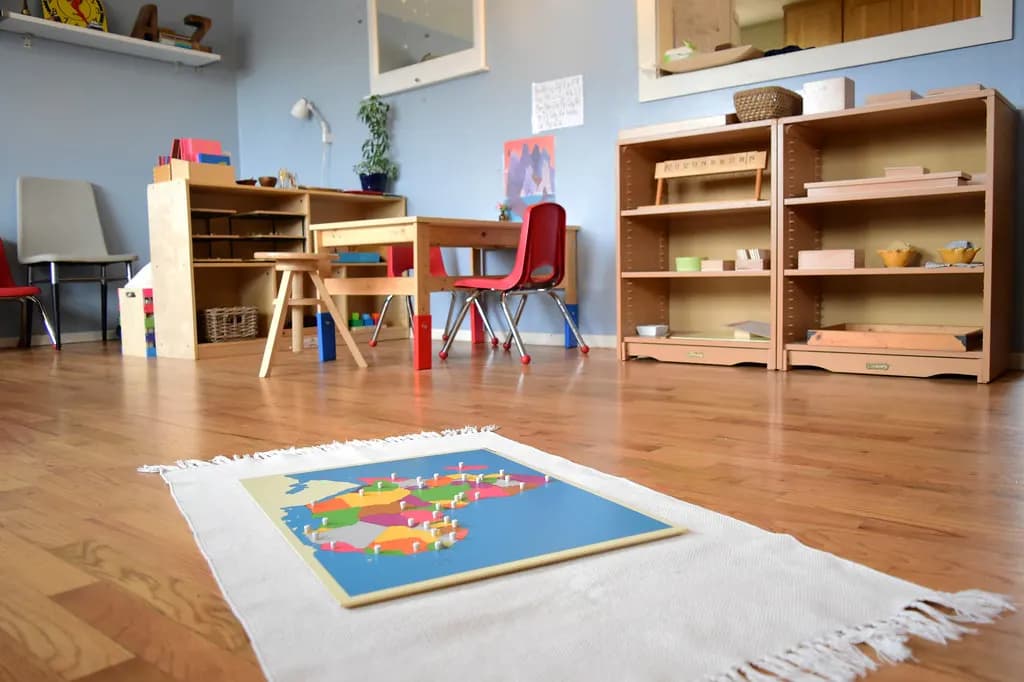
Florida. A family day care home may care for four infants, or three infants plus three other children, or six preschoolers over 12 months, or up to 10 children (no more than 5 preschool, 2 under 12 months) if no more than five are preschool age and no more than two of those are infants. A large family child care home can take up to 12 children (no more than 4 under 24 months) with no more than four under 24 months. Fees are set in statute: $25 for a registered home, $50 for a licensed home and $60 for a large home, while centers pay $1 per licensed child (minimum $25, maximum $100). Some counties run their own licensing programs instead of DCF.
New York. OCFS regulates family day care and group family day care homes. One caregiver may supervise up to six children below school age, or eight if at least two are school-age, and there must be one caregiver for every two children under the age of two. Group family day care homes need a second caregiver once more than six children of preschool age are present. In New York City, the Health Department also permits and inspects group child care programs.
How to get a daycare license, step by step
The exact forms differ, but the sequence is the same almost everywhere.
From idea to licensed daycare
- 1
Attend your state's orientation
Most licensing agencies require or strongly recommend a pre-application orientation that explains home types, capacity and the application package.
- 2
Check zoning, HOA and lease rules
Small home daycares are often allowed by right, but large homes and centers may need a zoning permit, and leases or HOA rules can prohibit business use.
- 3
Complete background checks and training
Fingerprint everyone who needs it, including adult household members where required, and finish CPR, first aid and health and safety training.
Tip: Book fingerprinting early; results can take up to 45 days.
- 4
Prepare the space
Install smoke and CO detectors, fire extinguishers, gates, outlet covers and secure storage; fence outdoor play areas; make sure cribs meet federal standards.
- 5
Submit the application and pass inspection
Send the application and fee, then pass the pre-licensing inspection for health, safety and fire standards. Large homes and centers may need a separate fire inspection.
- 6
Register the business and open
Form an LLC or file a DBA if you'll use a business name, get an EIN before hiring, set up contracts and policies, insure the program and start enrolling.
Write a parent handbook before you open. It should cover hours, fees and late pickup charges, sick-child rules, meals, nap routines, discipline policy, emergency plans and how you'll communicate. Licensing agencies often ask to see these policies, and they prevent most disputes with parents. Use written enrolment agreements, and collect each child's immunization records and emergency contacts before their first day.
Preparing your home or building
Inspectors look at the space through a toddler's eyes. Cover outlets, anchor furniture that could tip, lock away medicines, cleaning products and sharp objects, gate stairs, and remove or fence any water hazard such as a pool or pond. Check that you have working smoke and carbon monoxide detectors, a fire extinguisher, two ways out of the main care area, and a written evacuation plan you practise with the children.
Infants need extra attention. Cribs used by child care facilities and family child care homes must meet the federal crib standards; the Consumer Product Safety Commission presumes cribs made on or after June 28, 2011 comply, while older cribs need test documentation. Safe sleep training applies: babies sleep on their backs, on a firm mattress, with no soft bedding. Plan separate spaces for napping, active play, eating and diaper changing, with a hand-washing sink near the changing area and the kitchen.
Ready for the licensing inspection
0/7Startup costs for a daycare
Here's what a licensed home daycare typically costs to start. These are our planning estimates based on equipment prices, typical training costs and Insureon's average premiums; they aren't official figures, and your home's condition matters most.
| Startup item | Estimated cost (home daycare) | Notes |
|---|---|---|
| Licensing, fingerprinting, CPR and first aid training | $200–$1,000 | Varies by state and household size |
| Home safety changes | $500–$5,000 | Gates, detectors, extinguisher, fencing |
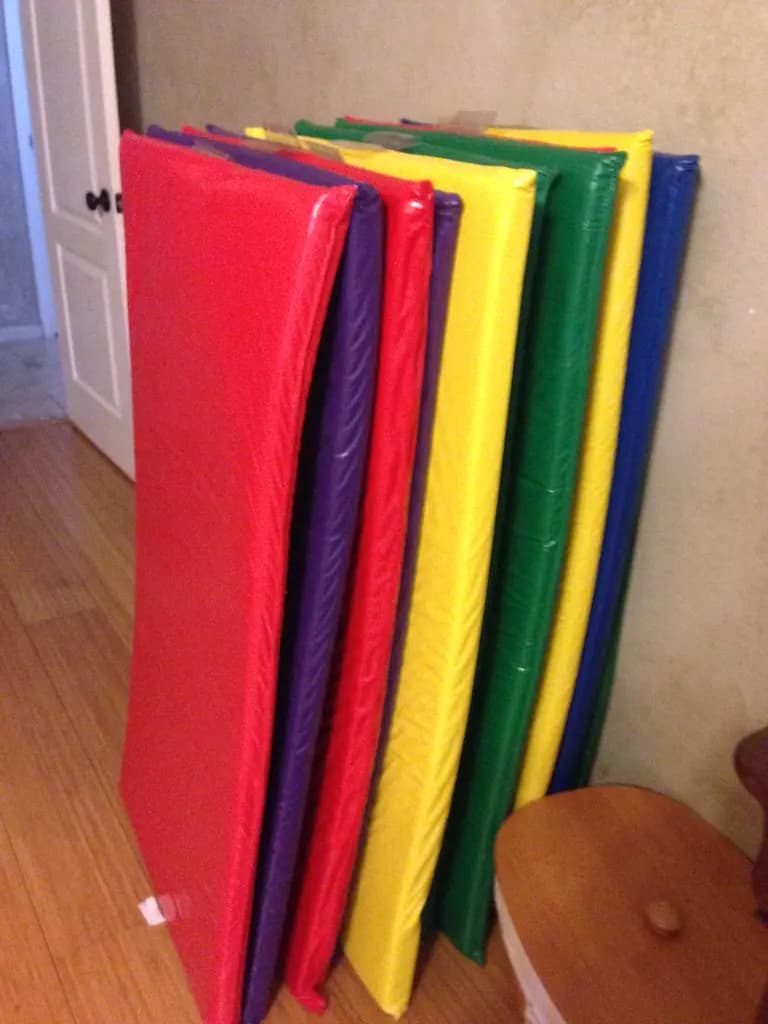
| Cribs, nap mats, high chairs, tables and chairs | $1,500–$5,000 | Compliant cribs for every infant |
| Toys, books, art supplies and curriculum | $500–$2,500 | Age-appropriate for your mix of children |
| Insurance (first year) | $1,000–$2,500 | Insureon lists daycare general liability at about $91 a month |
| Business setup, website and marketing | $200–$1,000 | LLC filing of $35 – $500 if you form one |
| Parent app and payment software | $0–$600 | Billing, attendance and messaging |
| Cash cushion | $2,000–$5,000 | Covers slow enrolment in the first months |
| Total | About $6,000–$23,000 | A center typically needs $150,000–$550,000 |
A center's budget is dominated by build-out, playground, pre-opening payroll and several months of working capital while enrolment fills; our daycare business plan breaks that down line by line. SBA microloans of up to $50,000 suit home programs and small centers. Add up your own figures in the startup cost calculator.
Setting tuition and finding funding
Price from your costs and your local market, not from a national average. Call or visit five licensed programs nearby, note what they charge by age, and what's included: meals, diapers, early drop-off and holidays. Infant care always costs more because ratios are tighter: in New York a home provider needs one caregiver for every two children under two, so an infant place uses far more of your capacity than a preschooler.
Charge weekly or monthly in advance, with tuition due whether or not the child attends, and set clear policies for holidays, your own sick days and late pickup. Enrolment deposits and registration fees protect you when families change plans. Many providers offer a sibling discount and charge part-time places at a premium, because a part-time child still occupies a full slot on the days they attend.
Child care subsidies through CCDF help low-income families pay for care, and accepting them widens your market. A 2026 federal rule rescinded the earlier cap on family co-payments of 7% of family income and gave states more flexibility on how they pay providers, effective July 13, 2026; check your state's current subsidy rates and payment practices before you count on that income.
Food is the other funding stream. The USDA Child and Adult Care Food Program reimburses licensed or approved family child care homes for meals and snacks that meet its nutrition standards, through a sponsoring organization. Tier I rates apply in lower-income areas or to lower-income providers; everyone else gets Tier II.
CACFP day care home rates, July 2026–June 2027 (contiguous states)
$1.74
Tier I breakfast
Tier II $0.62
$3.31
Tier I lunch or supper
Tier II $1.99
$0.98
Tier I snack
Tier II $0.27
Worked example: home daycare income
Here's an illustrative month for a home daycare caring for six full-time children, open 7 a.m. to 6 p.m. on weekdays, run by one provider with occasional paid backup care. The figures are assumptions for the example, not market averages.
Tuition is $1,100 a month per child, or $6,600 a month for six children. The home is Tier I in CACFP and serves breakfast, lunch and an afternoon snack on about 21 days a month: $6.03 a day per child, or roughly $760 a month in reimbursement. Food costs about $6 a day per child, about $756 a month, so CACFP covers almost all of it.
Other monthly costs come to $960: supplies and curriculum ($150), insurance ($175), extra utilities and wear on the home ($150), paid backup caregiver for appointments and holidays ($300), parent app and payment fees ($120), training and license renewals ($25) and marketing ($40). Total costs including food are $1,716.
The provider keeps about $5,644 a month ($6,600 + $760 − $1,716) before income tax and self-employment tax. Over a 55-hour week, or about 238 hours a month, that's roughly $24 an hour, compared with a BLS median of $16.82 an hour for childcare workers. Adding two school-age children after school at $500 a month each, where your state allows it, would lift income by $1,000 with little extra cost. Losing one full-time child cuts about $1,100, which is why waiting lists and deposits matter so much in a small program.
Insurance for a daycare
A homeowners policy won't cover your daycare: insurers design it for household risks, not a business, so a child injured in your care is usually excluded. You'll need general liability at a minimum, and many states or sponsors require proof of it. Insureon lists daycare averages of about $91 a month for general liability, $135 for a business owner's policy and $99 for professional liability; home programs often pay less, and quotes depend on ages, group size and claims history.
Ask about abuse and molestation coverage, which standard liability policies often exclude, accident insurance for children, commercial auto if you'll ever drive children, and workers' compensation once you have employees. Tell your homeowners insurer about the daycare in writing; some will add an endorsement, and some will cancel, which is better to learn before a claim than after.
Taxes for a home daycare
A home daycare gets an unusual break on the home office deduction. Normally a space must be used exclusively for business, but the IRS waives that rule for daycare if you've applied for, been granted or are exempt from a state license. You work out a time-space percentage: the share of your home's area used for daycare multiplied by the share of hours it's used for daycare. If you use rooms for daycare 55 hours a week out of 168, your time share is about 33%. The simplified method is $5 per sq ft, reduced for the time share, up to $1,500.
Family daycare providers can also deduct food using the IRS standard meal and snack rates instead of receipts: for the 2025 tax year, $1.66 breakfast, $3.15 lunch or dinner, $0.93 snack in most states. If CACFP reimburses a meal, you can deduct only the part of the standard rate above the reimbursement, and you must keep attendance and meal records for each child. As a sole proprietor you pay self-employment tax of 15.3% on profit, so set aside money from each payment for quarterly estimated taxes. Report CACFP payments as income.
Mistakes to avoid when starting a daycare
- Caring for children before you're licensed or registered. Operating without approval can bring fines and makes you ineligible for subsidies and CACFP.
- Forgetting household members. Many states require background checks on adults who live in a home daycare, not just caregivers.
- Filling the infant slots first. Infants use the most capacity; plan your age mix around your state's limits.
- Old cribs. Cribs must meet federal standards; donated or second-hand cribs from before mid-2011 usually don't qualify.
- Relying on a homeowners policy. It almost never covers business liability.
- No written policies. A parent handbook and signed enrolment agreement prevent most payment and pickup disputes.
- Pricing below cost. Tuition must cover your time, backup care and holidays, not just food and toys.
Official links
- 45 CFR Part 98 — CCDF health, safety and background checksFederal minimum standards
- Texas HHSC — Child Care Regulation handbookHome and center definitions
- California CDSS — Child care licensingOrientation and regional offices
- Florida Statutes §402.302Family day care home definitions
- New York — 18 NYCRR Part 417Family day care supervision rules
- USDA CACFP payment rates 2026–27Day care home Tier I and II rates
- CPSC — Crib rules for child care providersCrib compliance
- IRS Publication 587Daycare home deduction and meal rates
What to do next
Look up your state's child care licensing agency and book its orientation, then decide whether you're starting at home or planning a center. Start background checks and CPR training early, because they set your timeline. Price your places by age using local programs as a guide, then add up your budget in the startup cost calculator. If you're planning a center, move on to our daycare business plan guide next.
This is general information, not legal or tax advice — confirm on the official source or with a professional.
Frequently asked questions
A licensed home daycare can usually start for about $6,000 to $23,000, covering safety changes, cribs and equipment, toys and curriculum, training, insurance and a cash cushion. A leased child care center is a different scale, typically about $150,000 to $550,000 once you include build-out, playground, pre-opening payroll and working capital. Both ranges are our planning estimates, not official figures.
Usually yes, once you care for children from more than one unrelated family for pay on a regular basis. Each state sets its own thresholds: Texas lists homes caring for up to 3 unrelated children and registers or licenses larger ones, while Florida licenses or registers family day care homes of up to 10 children (no more than 5 preschool, 2 under 12 months). If you want families to pay with child care subsidies, you must also meet federal CCDF health and safety rules.
It depends on your state and the children's ages. A California small family child care home can be licensed for up to 8 children, and a large home with an assistant up to 14 children. A Texas registered home can care for 6 children plus up to 6 school-age after school (12 total). In New York, one family day care provider may supervise 6 below school age (8 if at least 2 are school-age). Infant limits are always tighter.
Programs that take CCDF child care subsidies must run comprehensive checks on every staff member: an FBI fingerprint check, the national sex offender registry, and state criminal, sex offender and child abuse registries in every state the person lived in during the past five years. States must return results within 45 days, and staff are rechecked at least once every 5 years. Most states apply the same checks to every licensed provider.
It depends on tuition, enrollment and food reimbursement. In our worked example, a provider caring for six children at $1,100 a month, with CACFP Tier I meal reimbursement, keeps about $5,640 a month before income and self-employment tax, after food, supplies, insurance and backup care. That's roughly $24 an hour for a 55-hour week.
Yes. Licensed or approved family child care homes can join the USDA Child and Adult Care Food Program through a sponsoring organization. From July 2026 to June 2027, Tier I homes in the contiguous states receive $1.74 per breakfast, $3.31 per lunch or supper and $0.98 per snack; Tier II homes receive lower rates.
Sources & verification
Figures on this page were checked against the sources below when it was last reviewed on 13 October 2026. Each rate and limit is stored once with its own official source and review date, and official update channels are monitored daily so changes are picked up. How we verify
- 1.45 CFR 98.43 — Criminal background checks — HHS Administration for Children and Families (via LII) · accessed 13 October 2026
- 2.45 CFR 98.41 — Health and safety requirements — HHS Administration for Children and Families (via LII) · accessed 13 October 2026
- 3.45 CFR 98.42 and 98.44 — Monitoring; training — HHS Administration for Children and Families (via LII) · accessed 13 October 2026
- 4.Child Care Regulation Handbook — Definitions — Texas Health and Human Services Commission · accessed 13 October 2026
- 5.22 CCR §102416.5 — Family child care home capacity — California Department of Social Services (via LII) · accessed 13 October 2026
- 6.Child care licensing — California Department of Social Services · accessed 13 October 2026
- 7.Florida Statutes §402.302 and §402.315 — Florida Legislature · accessed 13 October 2026
- 8.18 NYCRR §417.8 and §416.8 — Family and group family day care supervision — New York Office of Children and Family Services (via LII) · accessed 13 October 2026
- 9.CACFP national average payment rates and day care home rates, July 1, 2026 – June 30, 2027 — USDA Food and Nutrition Service (Federal Register) · accessed 13 October 2026
- 10.Enforcement guidance for child care providers — cribs — U.S. Consumer Product Safety Commission · accessed 13 October 2026
- 11.Publication 587 — Business use of your home — Internal Revenue Service · accessed 13 October 2026
- 12.Childcare workers and childcare center directors — OEWS May 2025 — U.S. Bureau of Labor Statistics · accessed 13 October 2026
- 13.Daycare insurance — Insureon (secondary) · accessed 13 October 2026
MSMETOOLS is an independent platform and is not affiliated with any government agency, ministry or department.
Tools for this
Startup Cost Calculator
Estimate how much capital you need to launch.
Break Even Calculator
Find your break even point and units.
Freelance Hourly Rate Calculator
Work out the hourly rate you need to charge.
Budget Planner
Plan and track your business budget easily.
Related guides
 Daycare Business Plan 2026: Licensing, Ratios & CostsRead guide
 How to Start a Tutoring Business in 2026: Rules & PricingRead guide
 How to Start a Consulting Business in 2026 (US Guide)Read guide
 How to Start a Home Health Care Business in 2026Read guide
Official links open the government site in a new tab.