 Income & corporation tax
HMRC Tax-Free Allowances in 2026: The Personal Allowance and Every Extra Allowance
HMRC tax-free allowances for 2026: the £12,570 Personal Allowance frozen to 2031, the £100k taper, Marriage Allowance and trading, savings and dividend allowances.
 Edited by Sumeet YadavFounder & editor, MSMETOOLS · fact-checked against official sources
Contents (9)
- 1. What the Personal Allowance is
- 2. Is the tax-free allowance going up?
- 3. Losing the allowance above £100,000
- 4. Marriage Allowance and Blind Person's Allowance
- 5. The other tax-free allowances you can stack
- 6. Personal Allowance in Scotland and Wales
- 7. Worked examples for sole traders and directors
- 8. Common mistakes with the tax-free allowance
- 9. What to do next
If you're employed, self-employed or paying yourself from your own company, the first slice of your income each year is free of Income Tax. HMRC calls it the Personal Allowance, and most people know it as the "tax-free allowance". This guide covers what the allowance is in 2026, how long it's frozen, who loses it, the extra allowances you can stack on top, how it works in Scotland, and worked examples for employees, sole traders and company directors in pounds.
Quick answer
The HMRC tax-free Personal Allowance is £12,570 for the 2026-27 tax year, and it's frozen at that level until 5 April 2031. You lose £1 of it for every £2 of adjusted net income above £100,000, so it's gone completely at £125,140. Several separate allowances can make more income tax-free on top.
Same £12,570 in England, Wales, Scotland and Northern Ireland; only the bands above it differ in Scotland
Marriage Allowance moves £1,260 to a spouse, worth up to £252 a year
Extra tax-free amounts: Blind Person's Allowance £3,250, dividend allowance £500, savings allowance up to £1,000, trading and property allowances £1,000 each
The next Budget is on 28 October 2026; no change to the allowance had been announced when we checked
What the Personal Allowance is
The Personal Allowance is the amount of income you can receive in a tax year before Income Tax starts. The UK tax year runs from 6 April to 5 April, so the 2026-27 allowance covers income received from 6 April 2026 to 5 April 2027. It's an annual amount, not a monthly one. If you earn nothing for half the year and then take a job, your tax code spreads the whole allowance over the pay periods that remain, and any overpayment comes back through payroll or a refund.
The allowance applies to your total taxable income, not to each source separately. Wages, pensions, self-employed profits, rental profits, savings interest and dividends are added together, and the allowance is used up in a set order: earnings, pensions, trading and rental profits first, then savings interest, then dividends. That order matters for directors and savers, because it decides which of the extra allowances you can use.
You get one Personal Allowance in total. Two part-time jobs don't give you two allowances. HMRC normally puts the whole allowance against your main job (the familiar 1257L tax code) and gives the second job a BR code, so every pound there is taxed at the basic rate. If your main job pays less than the allowance, you can ask HMRC to split it between the jobs.
Tax-free allowances at a glance (2026-27)
£12,570
Personal Allowance
Frozen to 5 April 2031
£100,000
Taper starts
£1 lost per £2 of income
£1,260
Marriage Allowance
Saves up to £252
£3,250
Blind Person's Allowance
Added on top
Is the tax-free allowance going up?
No increase has been announced. The allowance has been £12,570 since April 2021. Successive governments extended the freeze, first to April 2028 and then, at the Budget on 26 November 2025, by three more years. HMRC's policy paper sets the Personal Allowance at £12,570 and the basic rate limit at £37,700 for 2028-29, 2029-30 and 2030-31, so the freeze runs until 5 April 2031. The National Insurance primary threshold and the self-employed Lower Profits Limit stay tied to the allowance at £12,570 for the same years.
A frozen allowance means more tax in real terms each year. When wages rise with inflation but the allowance stays still, more of each pay rise is taxed, and more people are pulled into the higher rate band. Economists call this fiscal drag. For a small business owner, it also means profits that were just under a threshold a few years ago may now sit above it.
The Budget for 2026 takes place on 28 October 2026, the date the Chancellor confirmed to the Treasury Select Committee on 31 July 2026. Any change to the allowance would normally be announced there. We'll update this page after the Budget; until then, plan on £12,570.
Where the "£13,830" and "£18,570" headlines come from
Search results for this topic are full of stories about the tax-free allowance "rising" to figures such as £13,830, £15,820 or £18,570. These aren't new Personal Allowance rates. They add a second allowance to the standard one:
| Headline figure | How it's made up | Who it applies to |
|---|---|---|
| £13,830 | £12,570 + £1,260 Marriage Allowance | The receiving partner, who gets a tax reduction worth up to £252 |
| £15,820 | £12,570 + £3,250 Blind Person's Allowance | People who are registered blind or severely sight impaired |
| £18,570 | £12,570 + £5,000 starting rate for savings + £1,000 Personal Savings Allowance | Savers with little other income, for savings interest only |
Each one is real for the people it covers, but none of them is a general rise. If someone tells you HMRC has "increased" your allowance, check your tax code in your HMRC personal tax account before acting on it.
Losing the allowance above £100,000
The Personal Allowance is reduced once your adjusted net income goes over £100,000. You lose £1 of allowance for every £2 above that limit, so it reaches nil at £125,140. Adjusted net income is your total taxable income from all sources, minus certain reliefs. The two that matter most are pension contributions and Gift Aid. If your pension provider adds basic rate relief at source, you deduct the grossed-up contribution (£1.25 for every £1 you pay in), and you do the same for Gift Aid donations.
The taper creates an effective 60% Income Tax rate in the band between £100,000 and £125,140 for someone in England, Wales or Northern Ireland. For every extra £100 you earn there, you pay £40 at the higher rate and lose £50 of allowance. That £50 is now taxed at 40% as well, adding another £20. Add employee National Insurance at 2% above the upper earnings limit and an employee keeps only £38 of each £100.
Worked example: employee on £110,000. Priya's salary is £110,000 and she has no other income. Her income is £10,000 over the limit, so she loses £5,000 of allowance and keeps £7,570. Her taxable income is £102,430: £37,700 at 20% (£7,540) and £64,730 at 40% (£25,892), a total of £33,432. On a salary of exactly £100,000 her tax would be £27,432. The last £10,000 of salary cost her £6,000 in Income Tax, which is the 60% rate in action.
If Priya pays £8,000 into a personal pension, the provider claims £2,000 of basic rate relief, making a gross contribution of £10,000. Her adjusted net income drops to £100,000, she gets the full £12,570 back, and she can claim the extra higher rate relief through Self Assessment. Salary sacrifice works in a similar way because it reduces the salary itself. Our pension tax relief guide covers the limits and how to claim.
How the £100,000 taper works
Step 1
Add up all taxable income
Step 2
Deduct grossed-up pension contributions and Gift Aid
Step 3
Adjusted net income
Over £100,000?
Step 4
Lose £1 per £2 over
Nil at £125,140
Step 5
Remaining allowance set against income
The same adjusted net income figure drives the High Income Child Benefit Charge, which starts once adjusted net income passes £60,000. Reducing it with pension contributions can help with both at once.
Marriage Allowance and Blind Person's Allowance
Marriage Allowance lets a spouse or civil partner who doesn't use their full Personal Allowance transfer £1,260 of it to their partner. The transfer reduces the partner's tax by up to £252 a year. To qualify you must be married or in a civil partnership (living together isn't enough), the person giving up the allowance must have income below the Personal Allowance, and the receiving partner must pay tax at the basic rate. In Scotland, the receiving partner must pay at the starter, basic or intermediate rate, which usually means income up to £43,662.
Here's how it works in pounds. Daniel runs a small online shop as a sole trader and makes a profit of £9,000. His wife Sophie is employed on £30,000. Daniel transfers £1,260 of his allowance to Sophie. His own allowance falls to £11,310, which still covers his £9,000 profit, so he pays no more tax. Sophie's tax drops by £252. Her tax code ends in M and Daniel's record shows N. Claims carry on automatically each year until one of you cancels, for example when Daniel's profits rise above his reduced allowance.
You can backdate a claim to 6 April 2022 (the 2022 to 2023 tax year) if you were eligible in those years, which can mean a lump sum of several hundred pounds. The earliest year you can claim moves forward each April, so a couple who've never claimed should apply sooner rather than later. If either partner was born before 6 April 1935, Married Couple's Allowance may be worth more, and you can't have both.
Blind Person's Allowance adds £3,250 to the Personal Allowance for 2026-27. In England and Wales, you must be registered as blind or severely sight impaired with your local council and hold a certificate or similar document. In Scotland and Northern Ireland, you qualify if you can't do work that needs eyesight. If you don't have enough income to use it, you can transfer the unused part to your spouse or civil partner.
The other tax-free allowances you can stack
The Personal Allowance isn't the only tax-free amount. Several smaller allowances apply to particular kinds of income, and a business owner can often use three or four of them in one year.
| Allowance | 2026-27 amount | What it covers |
|---|---|---|
| Personal Allowance | £12,570 | Any taxable income, earnings first |
| Dividend allowance | £500 | Dividends, taxed at 0% (still counts towards your band) |
| Personal Savings Allowance | £1,000 basic rate / £500 higher rate / £0 additional rate | Savings interest outside ISAs |
| Starting rate for savings | Up to £5,000 at 0% | Interest, if other income is under £17,570 |
| Trading allowance | £1,000 | Gross self-employed or casual income |
| Property allowance | £1,000 | Gross rental or land income |
| Marriage Allowance | £1,260 transfer | Spouse or civil partner who's a basic rate taxpayer |
| Blind Person's Allowance | £3,250 | Added to the Personal Allowance |
Trading and property allowances
The trading allowance lets you receive up to £1,000 of gross income from self-employment or casual work in a tax year without paying tax on it or telling HMRC, as long as you don't need to file a return for another reason. That covers selling handmade goods, occasional gardening or babysitting, or hiring out your own tools. The property allowance does the same for up to £1,000 of property income, such as renting out a driveway. If you have both kinds of income, you get both allowances.
Above £1,000, you can still deduct the allowance instead of your actual expenses. That's "partial relief". Say you earn £3,000 from weekend dog walking with £400 of costs. Deducting the £1,000 allowance leaves £2,000 taxable instead of £2,600. If your real costs are higher than £1,000, claim them instead; you can't do both. The allowances don't apply to income from a partnership, from a company you or a connected person controls, or from your employer or your partner's employer. A director can't use the trading allowance against fees from their own company.
Savings and dividend allowances
Savings interest outside an ISA gets a Personal Savings Allowance of £1,000 for basic rate taxpayers, £500 for higher rate taxpayers and nothing for additional rate taxpayers. On top of that, the starting rate for savings taxes up to £5,000 of interest at 0%, but every pound of other income above the Personal Allowance cuts that band by a pound, so it's gone once other income reaches £17,570. That's why a director on a small salary can sometimes receive a few thousand pounds of interest tax-free.
Dividends get a separate £500 allowance. Dividends inside it are taxed at 0%, but they still use up your basic rate band. From 6 April 2026, dividends above the allowance are taxed at 10.75% in the basic rate band and 35.75% in the higher rate band. Our dividend tax guide covers the full rates and more director examples.
Personal Allowance in Scotland and Wales
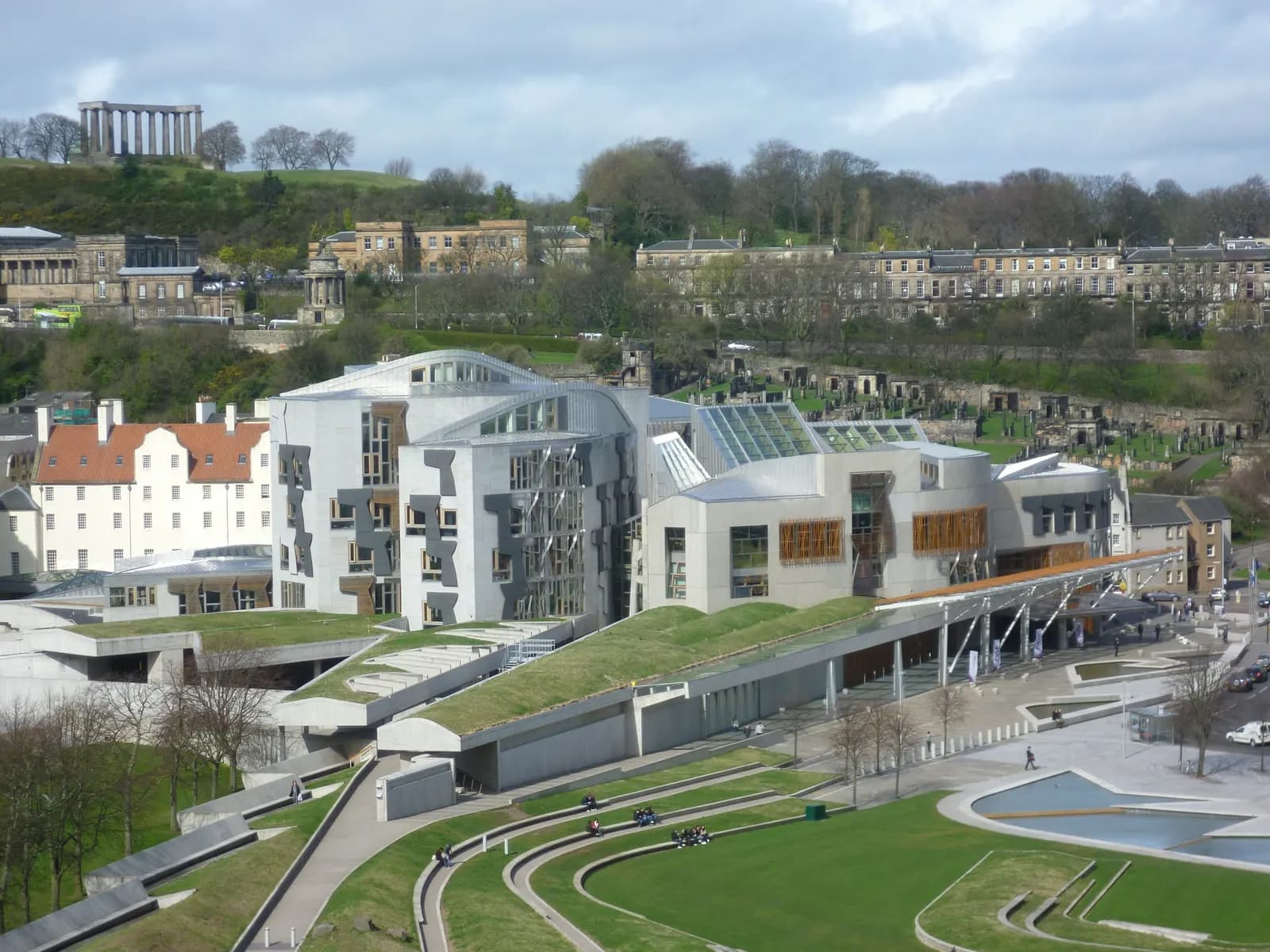
The Personal Allowance is reserved to Westminster, so it's £12,570 everywhere in the UK, and the £100,000 taper applies everywhere too. What differs is the bands above it. If you live in Scotland, your wages, pension and self-employed profits are taxed at Scottish rates, which run from a 19% starter rate to a 48% top rate. Your tax code starts with S. Savings interest and dividends are still taxed at UK rates wherever you live.
| Scottish band 2026-27 | Taxable income | Rate |
|---|---|---|
| Personal Allowance | Up to £12,570 | 0% |
| Starter rate | £12,571 to £16,537 | 19% |
| Basic rate | £16,538 to £29,526 | 20% |
| Intermediate rate | £29,527 to £43,662 | 21% |
| Higher rate | £43,663 to £75,000 | 42% |
| Advanced rate | £75,001 to £125,140 | 45% |
| Top rate | Over £125,140 | 48% |
On a £30,000 salary, a Scottish taxpayer pays £3,451.07 of Income Tax against £3,486 in England, a little less because of the starter band. At £40,000 the picture flips: £5,551.07 in Scotland against £5,486 in England. At £60,000 the gap is wider, at £13,182.05 against £11,432, because Scotland's 42% higher rate starts at £43,663. National Insurance is the same across the UK.
Wales has its own Welsh rates of Income Tax, shown by a C at the start of the tax code. For 2026-27 the Welsh bands are 0%, 20%, 40% and 45%, the same as England and Northern Ireland.
Worked examples for sole traders and directors
These examples use 2026-27 rates for someone in England with no other income, unless stated.
Sole trader with £30,000 profit
Tom is a self-employed electrician. After allowable expenses and capital allowances, his profit is £30,000. His Personal Allowance covers the first £12,570, leaving £17,430 taxable at 20%: £3,486 of Income Tax. He also pays Class 4 National Insurance of 6% on profits between the Lower Profits Limit of £12,570 and £30,000, which is £1,045.80. His total bill is £4,531.80, paid through Self Assessment by 31 January 2028. Tom doesn't need to tell his customers anything about the allowance; it's applied automatically on his return.
If Tom's profit were only £11,000, the Personal Allowance would cover all of it and he'd pay no Income Tax and no Class 4 National Insurance. He'd still need to file a return, because his gross income is well over the £1,000 trading allowance. Our self-employed tax guide covers expenses and payments on account.
Director taking salary and dividends
Aisha owns her own limited company. She takes a salary of £12,570, which the Personal Allowance covers in full, and £37,700 of dividends. The first £500 of dividends is taxed at 0% and the remaining £37,200 at 10.75%, giving dividend tax of £3,999. Her total income is exactly £50,270, the top of the basic rate band.
A salary at the Personal Allowance level is popular because it's deductible for the company and costs the director no Income Tax or employee National Insurance. It isn't free for the company, though: employer National Insurance at 15% applies above the £5,000 secondary threshold, and a company whose only employee is the director can't claim the Employment Allowance. If the salary is lower than £12,570, the unused allowance passes to dividends first, so the director's total tax often comes out the same.
Director crossing £100,000
Now suppose Aisha takes the same salary plus £100,000 of dividends. Her adjusted net income is £112,570, so she loses £6,285 of allowance and keeps £6,285. Part of her salary is now taxed: £6,285 at 20% is £1,257. Her dividends use the £31,415 of basic rate band that's left: £500 at 0% and £30,915 at 10.75% (£3,323.36). The other £68,585 is taxed at 35.75% (£24,519.14). Her total personal tax is £29,099.50.
If she had taken £87,430 of dividends instead, keeping her income at exactly £100,000, the bill would be £21,777.48. The extra £12,570 of dividends cost £7,322.02 in tax, an effective rate of about 58%. Leaving that money in the company, or paying it into her pension as an employer contribution, keeps her full allowance. That's a decision to model with an accountant before the year ends, not after.
Check your allowance each year
0/6Common mistakes with the tax-free allowance
Thinking the allowance is per job. You have one allowance across all your income. A second job on a BR code isn't overtaxed; the allowance has already gone on the first job.
Forgetting dividends count towards the £100,000 limit. Directors often watch their salary and forget that dividends, rental profit and savings interest all go into adjusted net income. A large year-end dividend can wipe out the allowance.
Not checking an emergency code. A new job without a P45 often starts on an emergency code such as 1257L with an M1 or W1 marker, or on 0T. Give your employer your P45 or complete the starter checklist so the right code is issued. Overpaid tax comes back through payroll, or through a tax refund if you've left the job.
Using the trading allowance and expenses together. You choose one or the other on each source of income. Claiming £1,000 of allowance and then your mileage as well will be corrected by HMRC, with interest.
Assuming the headline allowance has gone up. Until a Budget says otherwise, the figure is £12,570, and HMRC's plans freeze it to 5 April 2031.
Official links
- Income Tax rates and Personal AllowancesAllowance, bands and the £100,000 taper
- Threshold freeze to 5 April 2031HMRC policy paper
- Apply for Marriage AllowanceEligibility, backdating and how to apply
- Blind Person's AllowanceEligibility and how to claim
- Trading and property allowances£1,000 allowances and partial relief
- Scottish Income Tax2026-27 Scottish bands
- What your tax code means1257L and other codes
What to do next
Check your tax code first: it's the quickest way to see whether HMRC is giving you the right allowance. If you're self-employed, set aside tax on everything above £12,570 as you go; the budget planner helps you put a monthly figure on it. Directors should plan salary and dividends together, using our dividend tax guide, and anyone heading towards £100,000 should look at pension tax relief before 5 April. If you pay staff, the salary slip generator shows the tax code on every payslip.
This is general information, not legal or tax advice — confirm on the official source or with a professional.
Frequently asked questions
The standard Personal Allowance is £12,570 for the tax year 6 April 2026 to 5 April 2027. It's the same across England, Wales, Scotland and Northern Ireland. You pay no Income Tax on income up to that amount, as long as your adjusted net income is under £100,000. Above that, the allowance shrinks and disappears completely at £125,140.
Not under current plans. The Personal Allowance has been £12,570 since April 2021, and the November 2025 Budget extended the freeze to 5 April 2031. Headlines about a £13,830 or £18,570 allowance usually add other allowances, such as Marriage Allowance or savings allowances, on top. The next Budget is on 28 October 2026, so check after that date for any change.
Most people can earn £12,570 a year from wages, pension or self-employment before paying Income Tax. Some can receive more tax-free on top: up to £1,000 of savings interest for basic rate taxpayers, £500 of dividends, and £1,000 each of gross trading or property income under the separate allowances. National Insurance has its own thresholds.
If your adjusted net income is over £100,000, you lose £1 of Personal Allowance for every £2 above that limit. At £125,140 you have no allowance left. This creates an effective 60% Income Tax rate on income between those two figures. Pension contributions and Gift Aid donations reduce adjusted net income and can restore some or all of the allowance.
Yes, through Marriage Allowance, if you earn less than the Personal Allowance and your partner is a basic rate taxpayer (starter, basic or intermediate rate in Scotland). You can transfer £1,260, which cuts their tax by up to £252 a year. You can also backdate a claim to 6 April 2022 (the 2022 to 2023 tax year).
Yes. A sole trader's allowance is set against business profits on the Self Assessment return. A director usually uses it against a salary from the company, often set at £12,570, and any unused part covers dividends first. You only get one Personal Allowance in total, however many jobs or businesses you have.
Sources & verification
Figures on this page were checked against the sources below when it was last reviewed on 9 October 2026. Each rate and limit is stored once with its own official source and review date, and official update channels are monitored daily so changes are picked up. How we verify
- 1.Income Tax rates and Personal Allowances — HMRC / GOV.UK · accessed 9 October 2026
- 2.Income Tax: maintaining the Personal Allowance and basic rate limit until 5 April 2031 — HMRC · accessed 9 October 2026
- 3.Budget 2025: overview of tax legislation and rates — Annex A rates and allowances — HM Treasury / HMRC · accessed 9 October 2026
- 4.Marriage Allowance — HMRC / GOV.UK · accessed 9 October 2026
- 5.Blind Person's Allowance: eligibility — HMRC / GOV.UK · accessed 9 October 2026
- 6.Tax-free allowances on property and trading income — HMRC / GOV.UK · accessed 9 October 2026
- 7.Scottish Income Tax — HMRC / GOV.UK · accessed 9 October 2026
- 8.Adjusted net income — HMRC / GOV.UK · accessed 9 October 2026
- 9.Tax codes: what your tax code means — HMRC / GOV.UK · accessed 9 October 2026
- 10.Chancellor letter to the Treasury Select Committee — Budget 2026 date — HM Treasury · accessed 9 October 2026
MSMETOOLS is an independent platform and is not affiliated with any government agency, ministry or department.
Tools for this
Budget Planner
Plan and track your business budget easily.
Salary Slip Generator
Create professional salary slips in seconds.
Related guides
 Self-Employed Tax 2026: How to Calculate It (Worked Examples)Read guide
 Pension Annual Allowance 2026: HMRC Limits & Tax ReliefRead guide
 Side Hustle Tax UK 2026: When to Tell HMRC and What You PayRead guide
 Claim a Tax Refund from HMRC (2026): P800, PAYE & ScamsRead guide
Official links open the government site in a new tab.