 HR, payroll & labour
Minimum Wages in Odisha (2026): Latest Daily Rates, VDA Cycle and Worked Payroll
Odisha minimum wages 2026: the new daily rates from 1 October 2026 for all four skill categories, how the VDA works, monthly equivalents and ₹ payroll examples.
 Edited by Sumeet YadavFounder & editor, MSMETOOLS · fact-checked against official sources
- Rates in force
- from 1 October 2026
- Last checked
- Against the official source on 9 October 2026
- Next revision due
- 1 April 2027
Contents (10)
- 1. Odisha minimum wage rates from 1 October 2026
- 2. How Odisha's minimum wage is built: basic rate plus VDA
- 3. Which scheduled employments are covered
- 4. Which skill category does each worker fall into?
- 5. Daily rates, rest days and monthly pay
- 6. Worked payroll examples in ₹ (October 2026)
- 7. Employer obligations under the Code on Wages
- 8. Common mistakes Odisha employers make
- 9. What happens if you underpay
- 10. What to do next
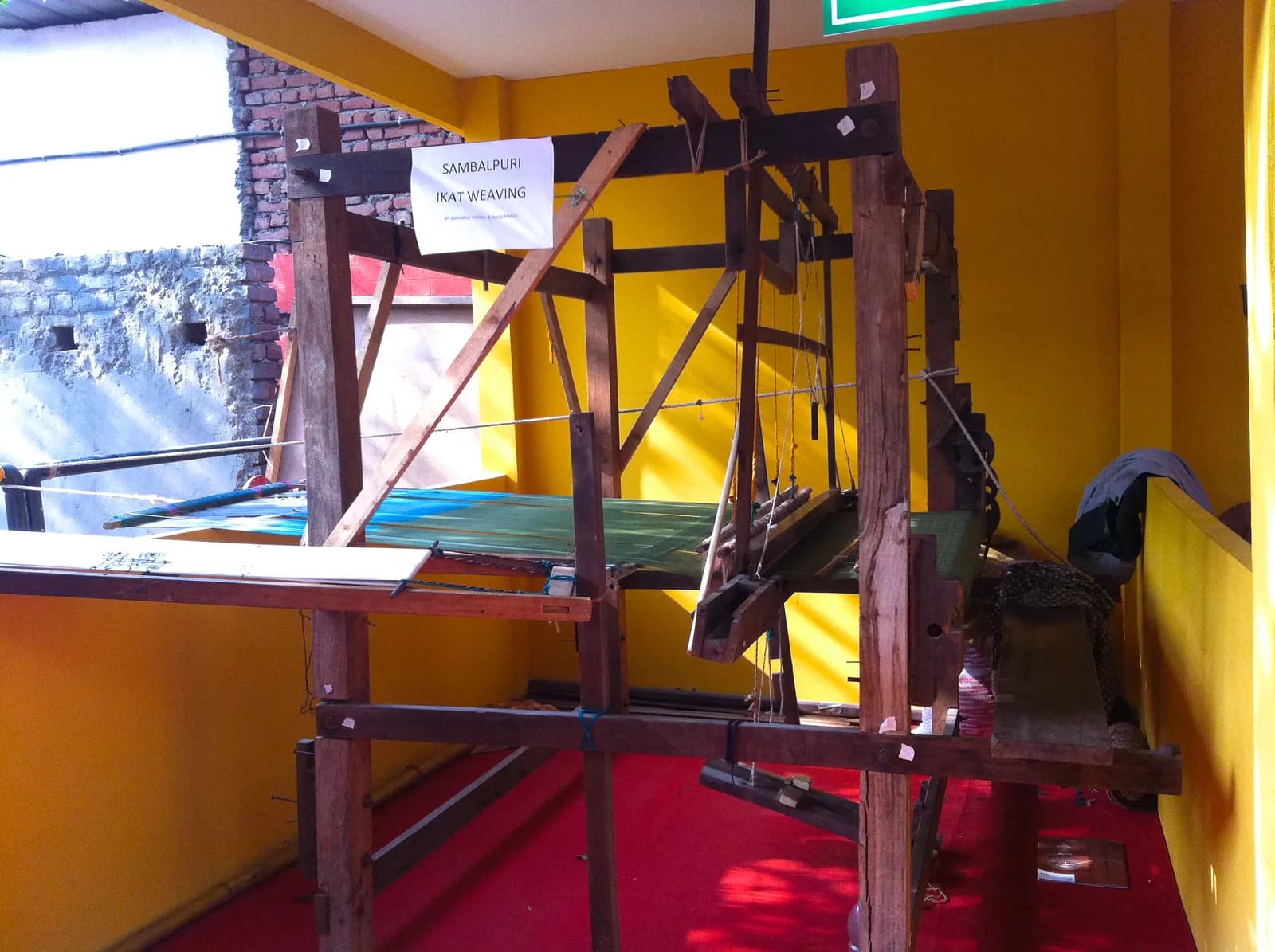
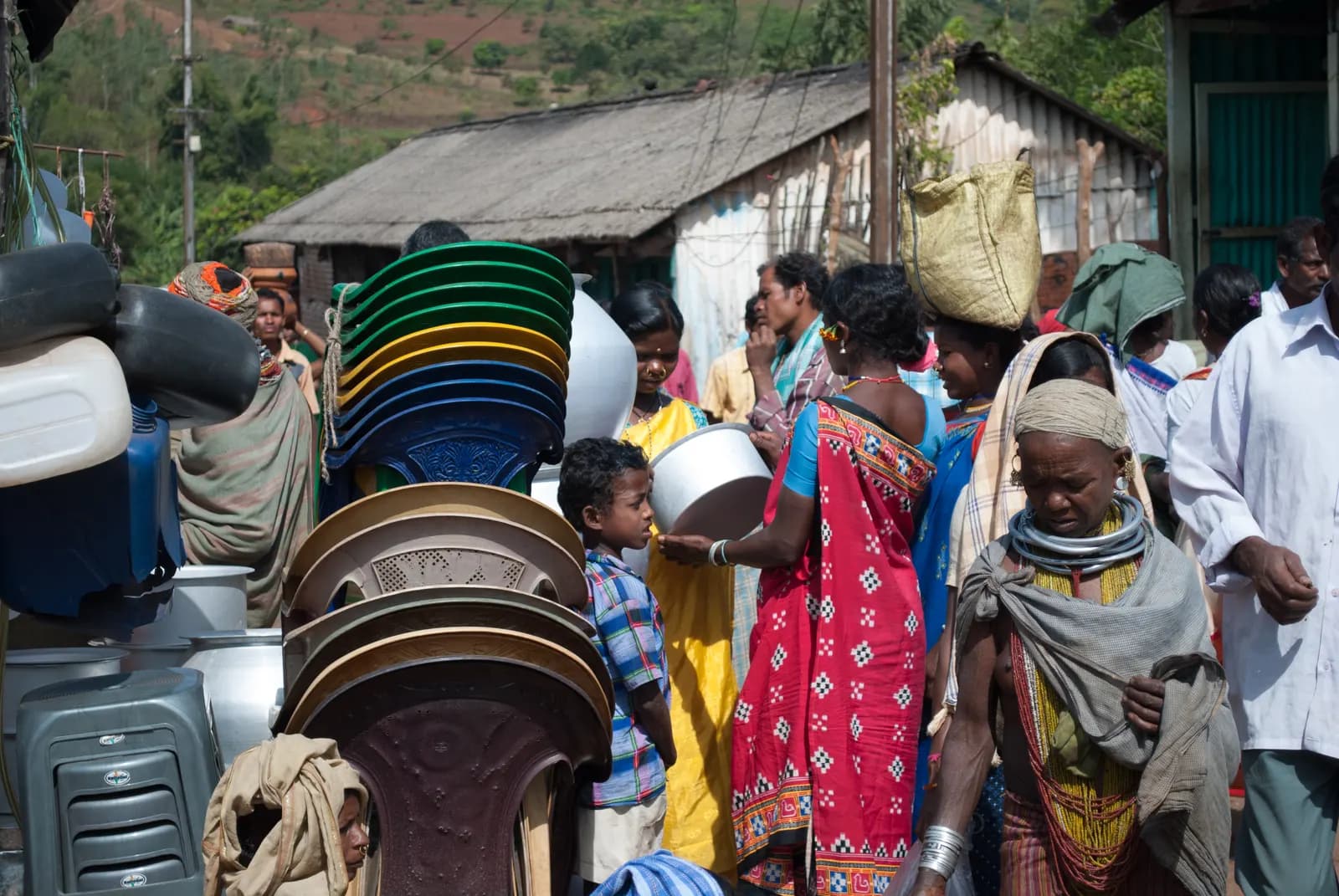
If you employ anyone in Odisha — a helper in a Cuttack rice mill, a security guard in a Bhubaneswar office, a weaver in Sambalpur or a salesperson in a Rourkela shop — the Labour Commissioner's latest order sets the least you can pay per day. Odisha revises the dearness part of that wage twice a year, and the October 2026 order was signed only on 8 October, so many payroll sheets still show the April figures. This page gives you the daily rates now in force, checked against the Labour Directorate's own notifications, along with monthly equivalents, how the VDA arithmetic works, worked payroll in rupees and the rules that trip employers up.
Quick answer
From 1 October 2026, Odisha's minimum wages including VDA are ₹478 a day for unskilled, ₹528 for semi-skilled, ₹578 for skilled and ₹628 for highly skilled workers, under Labour Commissioner notification No. 8393/LC dated 8 October 2026. The rise is ₹6 a day over the April 2026 rates.
One state-wide rate for all 91 scheduled employments — no zones
Over a 26-day month: ₹12,428 (unskilled) to ₹16,328 (highly skilled)
VDA = ₹2.60 a day per point per CPI-IW point, revised every 1 April and 1 October
No professional tax on Odisha salaries since 1 April 2026
Odisha minimum wage rates from 1 October 2026
The table below follows notification No. 8393/LC, issued by the Office of the Labour Commissioner in Bhubaneswar on 8 October 2026 with effect from 1 October 2026. It raises the variable dearness allowance (VDA) by six rupees a day for every category. The monthly column is our calculation at 26 working days, which is how payroll firms and most HR teams quote Odisha's figures; the hourly column divides the daily rate by the eight-hour working day set in the base notification.
| Category | Daily rate before 1 Oct 2026 | VDA increase | Daily rate from 1 October 2026 | 26-day month (our calculation) | Hourly (8 hours) | Overtime per hour (2×) |
|---|---|---|---|---|---|---|
| Unskilled | ₹472 | ₹6 | ₹478 | ₹12,428 | ₹59.75 | ₹119.50 |
| Semi-skilled | ₹522 | ₹6 | ₹528 | ₹13,728 | ₹66.00 | ₹132.00 |
| Skilled | ₹572 | ₹6 | ₹578 | ₹15,028 | ₹72.25 | ₹144.50 |
| Highly skilled | ₹622 | ₹6 | ₹628 | ₹16,328 | ₹78.50 | ₹157.00 |
These are all-inclusive rates. The 2024 base notification says the minimum covers the basic rate, the cost-of-living allowance and the cash value of any concessional supply of essential commodities, so you cannot count a food ration or free accommodation on top of a lower cash wage unless the law on payment in kind allows it. The rates are the same in every district — Odisha does not divide the state into zones the way West Bengal or Uttar Pradesh do.
Odisha minimum wages at a glance
₹478
Unskilled, per day
incl. VDA
₹628
Highly skilled, per day
₹6 a day
VDA rise from 1 Oct 2026
91
Scheduled employments covered
Odisha minimum wage calculator
A full month is 26 working days; the daily rate is the monthly rate ÷ 26 where the order fixes only a monthly figure.
Overtime is paid at twice the ordinary rate (daily rate ÷ 8 hours). Arrears assume the same shortfall in every month since the rates took effect on 1 October 2026; a claim under the Code on Wages must generally be filed within 3 years. Estimates only — check the order for your employment.
How Odisha's minimum wage is built: basic rate plus VDA
Odisha's current structure dates from Notification No. 5308 of the Labour & ESI Department, published in the Odisha Gazette Extraordinary No. 1367 on 18 July 2024. That notification, made under the Minimum Wages Act, 1948 after a draft and objections round in March 2024, reset the basic minimum to ₹450, ₹500, ₹550 and ₹600 a day for the four categories and superseded every earlier rate. It also said a special VDA would be declared at half-yearly intervals by the Labour Commissioner.
The VDA formula is simple. For every one-point rise in the average All-India Consumer Price Index for Industrial Workers (CPI-IW, base 2016=100) over the previous half-year, the daily wage goes up by ₹2.60 a day per point. The result is rounded to whole rupees. Because the basic rates step up by ₹50 between categories and the VDA is the same rupee amount for all four, the gap between unskilled and highly skilled stays at exactly ₹150 a day.
Here is how the October 2026 figure was reached. The notification records that the average CPI-IW rose from 147.50 to 149.80 — a rise of 2.30 points. Multiply 2.30 by ₹2.60 and you get ₹5.98, rounded to ₹6. In April 2026 the index had risen from 143.58 to 147.50, or 3.92 points, which gave ₹10.19, rounded to ₹10. In October 2025 the index barely moved — up only 0.03 points — so the Labour Commissioner notified a nil increase.
You can use the same arithmetic to budget for April 2027. Watch the monthly CPI-IW releases from the Labour Bureau between October 2026 and March 2027; if the half-year average ends, say, 3 points above 149.80, expect a VDA increase of about ₹8 a day from 1 April 2027. That is an estimate on our part, not an official projection, but it is how every recent revision has been calculated.
How Odisha's minimum wage has moved since 2024
18 Jul 2024
Basic rates reset to ₹450 / ₹500 / ₹550 / ₹600 a day (Notification 5308)
1 Oct 2024
First VDA under the new structure — ₹2 a day
1 Apr 2025
Rates reach ₹462 / ₹512 / ₹562 / ₹612 with VDA
1 Oct 2025
Nil VDA — CPI-IW average up only 0.03 points (order dated 21 Nov 2025)
1 Apr 2026
VDA up ₹10 — unskilled ₹472 (order dated 1 May 2026)
1 Oct 2026
VDA up ₹6 a day — unskilled ₹478 (order dated 8 Oct 2026)
1 Apr 2027
Next scheduled VDA revision
Which scheduled employments are covered
The April 2026 notification attaches the full list of 91 scheduled employments, and the October order applies the new VDA to employees "working in the State" in the same categories. The 2024 base notification listed 89 employments; two more — sericulture activities and Swachha Karmi — appear in the current list after supplementary notifications issued in August 2024.
The list is broad enough to cover most small businesses. It includes agriculture; construction of roads, buildings, dams and irrigation works; shops and commercial establishments (including salons, beauty parlours, spas, photocopy shops, tent houses and newspaper hawkers); hotels, eating houses and restaurants; private security agencies; rice, flour, dal, chuda and masala mills; readymade garments; handloom and hosiery; powerlooms; printing presses and DTP centres; private road transport; petrol pumps; private hospitals, nursing homes, clinics and laboratories; non-teaching staff of private schools, ITIs and coaching centres; NGOs; courier and cargo services; brick and tile making; stone crushing; engineering units including sponge iron and ferro-alloy plants employing fewer than 50 people; and domestic workers.
If your business isn't obviously on the list, look for the closest entry before concluding you are outside it — "shops and commercial establishments" and "contingent and casual employees in Government and other establishments" catch a very wide range of employers. And since the Code on Wages, 2019 came into force on 21 November 2025, minimum wages are a right of every employee rather than only those in scheduled employments; once Odisha's own rules under the Code are final, expect the list-based approach to give way to a universal one.
Which skill category does each worker fall into?
Unlike some states, Odisha's 2024 notification defines the four categories, and those definitions still apply:
- Unskilled — simple operations needing little or no skill or experience: helpers, loaders, sweepers, cleaners, packers, watchmen, kitchen helpers.
- Semi-skilled — some skill or competence acquired through experience on the job, done under the supervision of a skilled employee. The definition expressly includes unskilled supervisory work, so a head loader who directs a gang of loaders is semi-skilled.
- Skilled — skill acquired through experience or training as an apprentice or in a technical or vocational institute, with work calling for initiative and judgement: electricians, welders, fitters, machine operators, drivers, cooks, tailors, data-entry and accounts staff. The April 2026 notification uses "Skilled/Clerical", confirming clerical staff belong here.
- Highly skilled — a high degree of perfection and full competence acquired through intensive technical or professional training or long experience, with full responsibility for the decisions involved: senior technicians, tool-room machinists, supervisors of skilled crews.
The draft Odisha Code on Wages Rules propose a Technical Committee, chaired by the Labour Commissioner, to publish a schedule mapping occupations to these categories. Until that schedule is final, classify by the work actually done, not the job title, and where a role could fit two categories, paying the higher one is the safer choice in an inspection.
Daily rates, rest days and monthly pay
The detail that catches most employers is in Explanation 2 of the 2024 notification: the daily minimum rate is inclusive of wages for the weekly day of rest. In other words, ₹478 is what an unskilled worker earns for each working day, and that figure already carries the value of the paid Sunday.
For a daily-rated worker, that makes the calculation straightforward — pay the daily rate for each day worked, and the weekly rest day needs no separate payment. For a monthly-paid employee, it means the "26-day" figure in the table is a benchmark, not a ceiling. October 2026 has 31 days and four Sundays, which leaves 27 working days. An unskilled employee on a flat ₹12,428 who works all 27 days has effectively been paid about ₹460 a day — below the minimum. Either pay the daily rate for every working day or set the monthly salary high enough to cover the longest month.
The draft Code on Wages rules point the same way. Draft rule 7 says that where a daily rate is worked out by dividing a monthly rate by 26 and is not below the notified daily minimum, no separate rest-day wages are payable. The test is always the daily rate per day worked.
Odisha vs neighbours and the central sphere — unskilled minimum per day
| Jurisdiction | Unskilled rate | In force from | Structure |
|---|---|---|---|
Odisha (statewide) | ₹478 | 1 October 2026 | Basic + VDA, revised 1 April and 1 October; one rate for all districts |
West Bengal — Zone A | ₹406 | 1 July 2026 | Varies by scheduled employment and zone; revised January and July |
Central sphere — agriculture, Area C | ₹486 | 1 October 2026 | Applies to central-sphere establishments only |
Central sphere — construction, Area C | ₹565 | 1 October 2026 | Applies to central-sphere establishments only |
Odisha (statewide)
- Unskilled rate
₹478
- In force from
1 October 2026
- Structure
Basic + VDA, revised 1 April and 1 October; one rate for all districts
West Bengal — Zone A
- Unskilled rate
₹406
- In force from
1 July 2026
- Structure
Varies by scheduled employment and zone; revised January and July
Central sphere — agriculture, Area C
- Unskilled rate
₹486
- In force from
1 October 2026
- Structure
Applies to central-sphere establishments only
Central sphere — construction, Area C
- Unskilled rate
₹565
- In force from
1 October 2026
- Structure
Applies to central-sphere establishments only
The West Bengal figure is the shops-and-establishments example used on our West Bengal page; rates there differ by employment. Central-sphere rates bind only establishments under the Central Government, such as mines, major ports and central PSUs — see our guide to central minimum wages. A private business in Odisha follows the state rates above.
Worked payroll examples in ₹ (October 2026)
Example 1 — a skilled machine operator in Cuttack. Pradeep runs a lathe in a small engineering unit and is paid the skilled minimum. In October he works 26 days and 10 hours of overtime.
- Wages: 26 × ₹578 = ₹15,028
- Overtime at twice the normal rate of wages: ₹72.25 × 2 × 10 = ₹1,445
- Gross: ₹16,473
- ESI, since wages are below ₹21,000/month: employee share at 0.75% ≈ ₹123.55; your share at 3.25% ≈ ₹535.37
- EPF on ₹15,028 (overtime is excluded) — well below the ₹25,000 a month ceiling — at 12% of wages: ₹1,803.36 from him, the same from you
- Professional tax: nil — Odisha repealed PT from April 2026
- Net pay ≈ ₹16,473 − ₹123.55 − ₹1,803.36 = ₹14,546.09
Before April 2026 a worker on this pay would have had Odisha PT deducted. That deduction has gone; if your payroll software still computes it, switch it off and refund anything wrongly withheld this year.
Example 2 — a daily-rated helper in a rice mill. A helper works 22 days in October. Minimum pay = 22 × ₹478 = ₹10,516. No separate payment is due for the Sundays, because the daily rate includes rest-day wages. If the same helper worked all 27 working days, the minimum would be ₹12,906.
Example 3 — October arrears. A Bhubaneswar shop paid its assistant ₹472 a day for the first week of October because the new order only appeared on 8 October. The rate applies from 1 October, so for 6 days worked at the old rate the shop owes 6 × ₹6 = ₹36 — small per person, but it must be paid with the next wages and shown on the wage slip.
Example 4 — a part-time domestic worker. The list says domestic workers' wages are calculated by hours of work. A cook working three hours a day for a household is due at least ₹59.75 × 3 = ₹179.25 a day, or about ₹4,660 over 26 days if she is unskilled.
Example 5 — a security guard through an agency. Private security services are a scheduled employment, and the base notification says the rates apply to contractors' employees. An unskilled guard working 26 shifts must get at least ₹12,428; if the agency bills you a monthly rate that leaves less than that after its margin, the underpayment will come back to you as principal employer.
Monthly check for a minimum-wage worker in Odisha
Step 1
Map job to 1 of 4 categories
Step 2
Daily rate × days worked
rest day already included
Step 3
Overtime
2× hourly
Step 4
ESI / EPF
Step 5
No Odisha PT
repealed Apr 2026
Step 6
Pay by the 7th
with wage slip
Employer obligations under the Code on Wages
The Minimum Wages Act, 1948 under which the 2024 notification was made has been repealed and replaced by the Code on Wages, 2019, in force from 21 November 2025. Existing notifications continue until replaced, and the Code adds its own duties:
- Pay on time — monthly wages before the end of the 7th day of the next month; weekly wages before the weekly holiday; daily wages at the end of the shift.
- Final settlement within 2 working days when someone resigns, is dismissed or is retrenched.
- Overtime at twice the normal rate of wages for work beyond normal hours. Odisha's base notification fixes an eight-hour day excluding half an hour of rest.
- Equal pay — the notification bars any difference between men and women, and persons with disabilities get the same rate as others in their category.
- Contract labour — the rates apply to employees engaged by contractors, and the Code makes the principal employer answerable for wages a contractor fails to pay.
- Registers and wage slips — keep the employee, muster-roll and wage registers and issue a wage slip to every employee. The draft Odisha rules prescribe the formats.
- Deductions — total deductions cannot exceed 50% of wages.
The draft Odisha Code on Wages Rules, 2026 were published on 11 February 2026 for 45 days of objections. They would supersede the Odisha Minimum Wages Rules, 1954 and the Odisha Payment of Wages Rules, 1936, keep the VDA computation before 1 April and 1 October each year, and make the month the longer wage period. The Labour Directorate's Acts & Rules page lists them, but we could not confirm a final gazette notification when we last checked on 9 October 2026; check before relying on the draft wording.
Odisha minimum wage checklist for October 2026
0/8Common mistakes Odisha employers make
Using the April figure in October. Because the October order is signed after the 1st, payroll often runs on the old rate for one cycle. The new rate still applies from 1 October; the fix is to pay the difference as arrears.
Treating the 26-day figure as the monthly minimum. As shown above, a 27-day month can push a flat monthly salary below the daily rate. Build a small buffer into monthly salaries or pay per day.
Netting allowances against the minimum. The rate is all-inclusive, but only of cash wage and dearness elements. Bonus, PF contributions, gratuity and travel concessions don't count towards it.
Still deducting professional tax. Odisha's PT law was repealed with effect from 1 April 2026 by an ordinance gazetted on 21 April. Some payroll systems kept deducting PT for April and May; those amounts belong to the employees. See our professional tax due dates guide for the states that still levy it.
Paying trainees below the unskilled rate. Odisha's notification has no lower trainee rate. Apprentices engaged under the Apprentices Act, 1961 are paid a stipend under that Act; everyone else gets at least the unskilled rate.
What happens if you underpay
A worker, a group of workers or a trade union can file a claim with the authority under the Code on Wages for unpaid minimum wages within 3 years. The authority can order the shortfall plus compensation of up to 10 times the claim. Paying less than the minimum is also an offence: a fine of up to ₹50,000 for a first offence and up to ₹1 lakh fine and/or 3 months' imprisonment for a repeat within five years. Odisha's district labour officers receive every VDA notification with instructions to act on it, so expect inspections to check the current rate.
If you find you have underpaid, calculate the difference from the date the higher rate applied, pay it as a separate line on the next wage slip and keep the working on file. That is far cheaper than a claim with compensation on top.
Official links
- Odisha Labour Directorate — Notifications & GuidelinesEvery VDA notification is posted here
- Notification No. 8393/LC dated 8 Oct 2026 (w.e.f. 1 Oct 2026)
- Notification No. 3920 dated 1 May 2026 with list of 91 employments
- Draft Odisha Code on Wages Rules, 2026
- Odisha PT Repeal Ordinance, 2026
- The Code on Wages, 2019 (India Code)
What to do next
Update your rate cards to the October 2026 figures, pay the arrears for the first week of October, and check monthly salaries against the daily rate in 27-day months. Then generate wage slips that show the daily rate, days worked, overtime, ESI and EPF on separate lines with our free salary slip generator. If you also employ people across the border, compare the West Bengal minimum wages or, for a neighbour on the western side, Chhattisgarh (zone-wise rates), and read our Code on Wages guide for the wider rules on deductions and payment dates.
This is general information, not legal or tax advice — confirm on the official source or with a professional.
Frequently asked questions
From 1 October 2026, the Labour Commissioner's notification No. 8393/LC dated 8 October 2026 fixes the daily minimum, including VDA, at ₹478 for unskilled, ₹528 for semi-skilled, ₹578 for skilled and ₹628 for highly skilled workers. The same rates apply across the state and in all 91 scheduled employments.
Odisha adds a variable dearness allowance of ₹2.60 a day per point for every point rise in the average All-India Consumer Price Index for Industrial Workers (base 2016=100). The Labour Commissioner revises it twice a year, on 1 April and 1 October. From 1 October 2026 the index average rose by 2.30 points, giving an increase of ₹6 a day.
Odisha notifies only daily rates. Multiplying by 26 working days gives a common monthly benchmark of ₹12,428 for unskilled and ₹16,328 for highly skilled workers. The daily rate already includes pay for the weekly rest day, so a monthly-paid worker must still receive at least the daily rate for every day actually worked in a longer month.
No — not for salary paid from April 2026. Odisha Ordinance 02 of 2026 repealed the state's professional tax law with effect from 1 April 2026. Employers should not deduct PT from Odisha salaries for 2026-27, but tax, returns and arrears for periods up to March 2026 remain payable under the savings clause.
Yes. The base notification says the rates apply to employees engaged through contractors too, and the principal employer remains answerable if a contractor underpays. Domestic workers are a scheduled employment, but their wage is worked out by the hours they actually work, so a part-time maid gets a proportion of the eight-hour daily rate.
The next VDA revision is due from 1 April 2027, based on the average CPI-IW for the preceding half-year. Notifications usually appear a few days to a few weeks after the effective date — the October 2026 order was signed on 8 October — so employers pay any difference as arrears from the 1st of the month.
Sources & verification
Figures on this page were checked against the sources below when it was last reviewed on 9 October 2026. Each rate and limit is stored once with its own official source and review date, and official update channels are monitored daily so changes are picked up. How we verify
- 1.Notification No. 8393/LC dated 08.10.2026 — minimum wages with VDA w.e.f. 01.10.2026 — Office of the Labour Commissioner, Odisha · accessed 9 October 2026
- 2.Notification No. 3920 dated 01.05.2026 — minimum wages with VDA w.e.f. 01.04.2026, with list of scheduled employments — Office of the Labour Commissioner, Odisha · accessed 9 October 2026
- 3.Notification No. 8584/LC dated 21.11.2025 — no change in VDA w.e.f. 01.10.2025 — Office of the Labour Commissioner, Odisha · accessed 9 October 2026
- 4.Notification No. 5308 dated 18.07.2024 — revision of minimum rates of wages (Odisha Gazette Extraordinary No. 1367) — Labour & ESI Department, Government of Odisha (gazette copy reproduced by Comply4HR) · accessed 9 October 2026
- 5.Draft Odisha Code on Wages Rules, 2026 — Notification No. 998 dated 11.02.2026 (Odisha Gazette Extraordinary No. 622) — Labour & ESI Department, Government of Odisha · accessed 9 October 2026
- 6.Odisha Ordinance 02 of 2026 — Odisha State Tax on Professions, Trades, Callings and Employments (Repeal) Ordinance, 2026 — Law Department, Government of Odisha (Odisha Gazette Extraordinary No. 1496) · accessed 9 October 2026
- 7.The Code on Wages, 2019 (No. 29 of 2019) — India Code, Legislative Department · accessed 9 October 2026
- 8.Odisha revises minimum wages: workers across categories get ₹6 daily hike from Oct 1 — OmmCom News · accessed 9 October 2026
MSMETOOLS is an independent platform and is not affiliated with any government agency, ministry or department.
Tools for this
Related guides
 Minimum Wages in Chhattisgarh 2026: Zone Rates, VDA & PayRead guide
 Minimum Wages in Jharkhand 2026: Daily & Monthly Rates, VDARead guide
 Minimum Wages in Rajasthan 2026: Current Rates & New RulesRead guide
 Minimum Wages in Bihar 2026: Daily Rates, VDA & PayrollRead guide
Official links open the government site in a new tab.