 MSME & Udyam
MSME Samadhaan in 2026: How Micro and Small Suppliers Recover Delayed Payments
MSME Samadhaan in 2026: the 45-day rule, 3× bank rate compound interest, MSEFC process, filing on the new ODR portal, 43B(h)/37(2)(g) tax rule and a worked example.
 Edited by Sumeet YadavFounder & editor, MSMETOOLS · fact-checked against official sources
Contents (9)
- 1. What MSME Samadhaan is, and what replaced it
- 2. Who is protected: suppliers and buyers
- 3. The 45-day rule: when payment falls due
- 4. Interest on delayed payment: how it is calculated
- 5. The MSEFC process: mediation, then arbitration
- 6. How to file a delayed-payment case online
- 7. What the MSMED (Amendment) Act 2026 will change
- 8. The income-tax rule: section 43B(h), now section 37(2)(g)
- 9. What to do next
If a buyer is sitting on your invoice for months, the MSMED Act gives a micro or small supplier unusually strong rights: a legal payment deadline, steep compound interest the contract cannot waive, and a state council that hears the dispute. "MSME Samadhaan" is the name most people search for, but the filing system has moved. This guide is for Udyam-registered micro and small suppliers, and for the accounts teams of the businesses that buy from them. It covers the 45-day rule, the interest with a worked ₹ example, how the Facilitation Council process works, how to file on the new MSME ODR Portal, what the 2026 amendment changes, and the income-tax rule that hits late-paying buyers.
Quick answer
A buyer must pay a micro or small supplier within the agreed period, never more than 45 days from acceptance, or within 15 days if there is no written agreement. After that, the buyer owes compound interest with monthly rests at 3× the RBI bank rate, which is 17.25% a year at today's 5.75% Bank Rate. You recover it through your state's Micro and Small Enterprises Facilitation Council (MSEFC). New cases are now filed on odr.msme.gov.in, not on the old Samadhaan portal.
Only Udyam-registered micro and small suppliers are protected; medium enterprises and traders are not
MSEFC tries mediation first, then arbitration; the Act sets 90 days for a decision
A buyer challenging an award must first deposit 75% of the awarded amount
Late-paying buyers lose the tax deduction until they pay — s.43B(h), now section 37(2)(g) of the Income-tax Act, 2025
What MSME Samadhaan is, and what replaced it
The Ministry of MSME launched MSME Samadhaan, its Delayed Payment Monitoring System, on 30 October 2017. It let micro and small enterprises file delayed-payment applications online. These went to the relevant state's Facilitation Council, and buyers, especially central ministries, PSUs and state governments, could be named publicly in its reports. The portal's dashboard shows the scale of the problem. As of October 2026 it counted 2,56,892 applications filed by MSEs, 1,12,986 cases taken up by councils involving about ₹31,696 crore, and 67,354 cases disposed. It also showed 81,592 applications rejected by councils and 43,338 not yet viewed.
Two changes in 2025 and 2026 matter more than the old portal:
- The ODR Portal replaced Samadhaan for new filings. The President launched the MSME Online Dispute Resolution (ODR) Portal on MSME Day, 27 June 2025. Since 15 October 2025, new delayed-payment cases are filed only there. Samadhaan's home page now says: file new applications at odr.msme.gov.in. Samadhaan still hosts statistics and the status of older cases.
- Parliament amended the MSMED Act. The MSMED (Amendment) Act, 2026 was passed in August 2026 and published on 13 August 2026. It adds time limits for mediation and arbitration, makes TReDS compulsory for central PSU payments, and lets awards be recovered as arrears of land revenue. It comes into force on dates the Central Government notifies. When we checked in October 2026, we found no commencement notification, so the existing provisions still govern your case.
The delayed-payment rules themselves are in Chapter V of the MSMED Act, 2006 (sections 15 to 24). The 2026 amendment does not change the 45-day limit or the interest rate.
Delayed-payment rules at a glance (2026)
45 days
Maximum agreed credit period
MSMED Act s.15
17.25%
Interest a year, compounded monthly
3 × 5.75% Bank Rate
90 days
Statutory time for MSEFC decision
s.18(5)
161
Facilitation Councils across India
Who is protected: suppliers and buyers
The Act protects a supplier, defined as a micro or small enterprise that has filed its registration, which today means a Udyam registration. Within the current limits, a micro enterprise has turnover up to ₹10 crore and a small enterprise up to ₹100 crore. Medium enterprises cannot use these provisions as suppliers, even though they hold Udyam certificates. Retail and wholesale traders are generally outside the protection too: they were brought onto Udyam in 2021 for priority-sector lending, and the Finance Ministry confirmed in July 2026 that the related tax rule does not cover traders.
The buyer can be anyone who buys goods or services from you for consideration: a private company, a partnership, a large corporate, a central ministry, a PSU, a railway division or a state department. The buyer does not need to be an MSME.
Register before you supply. In Silpi Industries v. Kerala SRTC (2021), the Supreme Court held that registration works prospectively. A supplier that registers after entering a contract and supplying cannot claim MSMED benefits for those earlier supplies. A later reference to a larger bench has raised questions about unregistered suppliers more generally. The safe course is simple: get your Udyam registration before you sign the order, and put the Udyam number on your quotations and invoices.
Location decides the council. Section 18(4) gives the Facilitation Council where the supplier is located jurisdiction over a buyer located anywhere in India. A Coimbatore supplier chasing a Delhi buyer files before the Tamil Nadu council, not Delhi's.
The 45-day rule: when payment falls due
Section 15 requires the buyer to pay on or before the date agreed in writing. That agreed period can never exceed 45 days from the day of acceptance or deemed acceptance of the goods or services. Where there is no written agreement, payment is due by the "appointed day", which is the day after 15 days from acceptance.
Acceptance is defined precisely in section 2:
- Day of acceptance is the day of actual delivery of goods or rendering of services. If the buyer raises a written objection within 15 days of delivery, it is the day the supplier removes that objection.
- Deemed acceptance applies where the buyer raises no written objection within 15 days. Acceptance is then treated as the day of delivery.
Three practical consequences:
- "90 days credit" in a purchase order does not bind you. If the PO says 90 days, the legal maximum is still 45 days from acceptance. Interest runs from day 46.
- Oral complaints do not delay acceptance. Only a written objection within 15 days does. Keep signed delivery challans and goods-received notes.
- Partial disputes do not freeze the whole invoice. If the buyer objects to some items, keep the accepted part separate. Interest runs on that portion.
Interest on delayed payment: how it is calculated
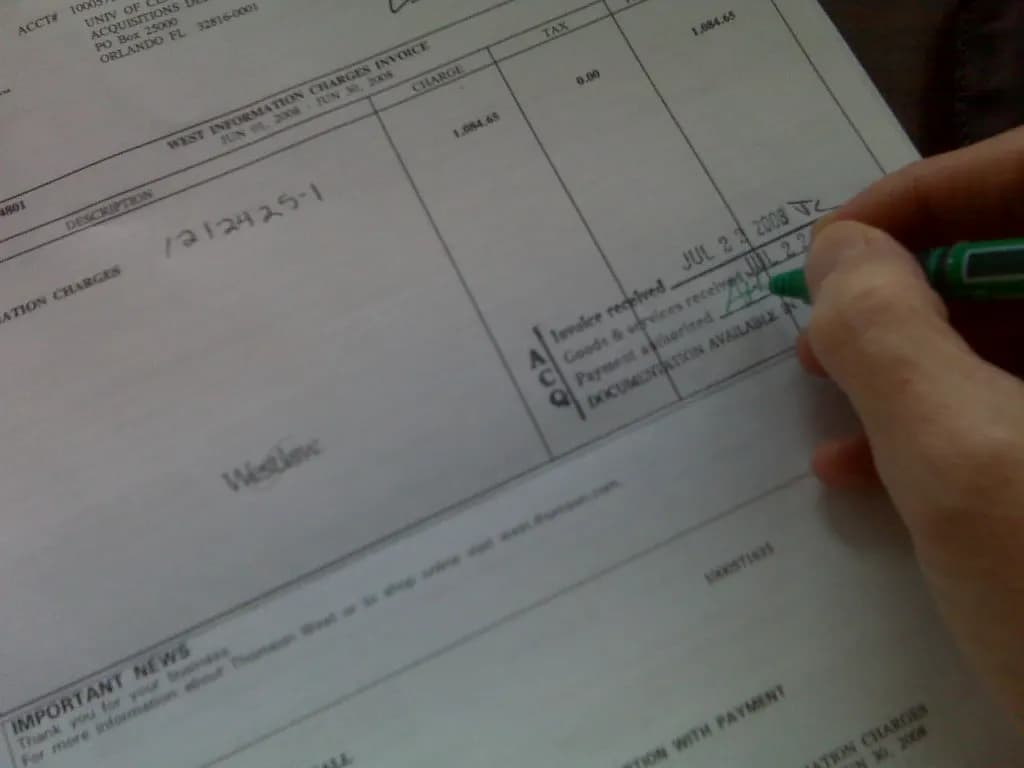
Section 16 says a buyer who misses the section 15 deadline must pay compound interest with monthly rests at three times the Bank Rate notified by the Reserve Bank. This applies whatever the contract says, and it runs from the appointed day or the day after the agreed date. Section 17 makes the buyer liable for the principal plus that interest.
The RBI moved the Bank Rate to 5.75% on 7 October 2026, when it raised the repo rate to 5.50%. Three times that is 17.25% a year, compounded monthly. The rate was 5.50% before then, giving 16.5%. If the delay spans a rate change, councils may work out each period at the rate then in force. Show both figures in your claim.
Worked example
A Pune micro enterprise supplies components worth ₹5,00,000 to an auto-parts company. The goods are delivered and accepted on 1 April 2026, and there is no written objection. The purchase order says "payment in 60 days", but the law caps it at 45. So payment is due by 16 May 2026, and interest runs from 17 May.
The buyer pays on 12 November 2026, 180 days late, or six months.
- At 17.25% with monthly compounding for six months: 5,00,000 × [(1 + 0.1725/12)⁶ − 1] ≈ ₹44,705
- Simple interest for comparison: ≈ ₹43,243
- At the earlier 16.5% rate for the whole period: ≈ ₹42,694
So the supplier can claim roughly ₹43,000–45,000 of interest on top of the ₹5 lakh, depending on how the council applies the October 2026 rate change. The buyer cannot deduct that interest for income tax (section 23). Try your own figures below.
Interest a late buyer owes you
The MSEFC process: mediation, then arbitration
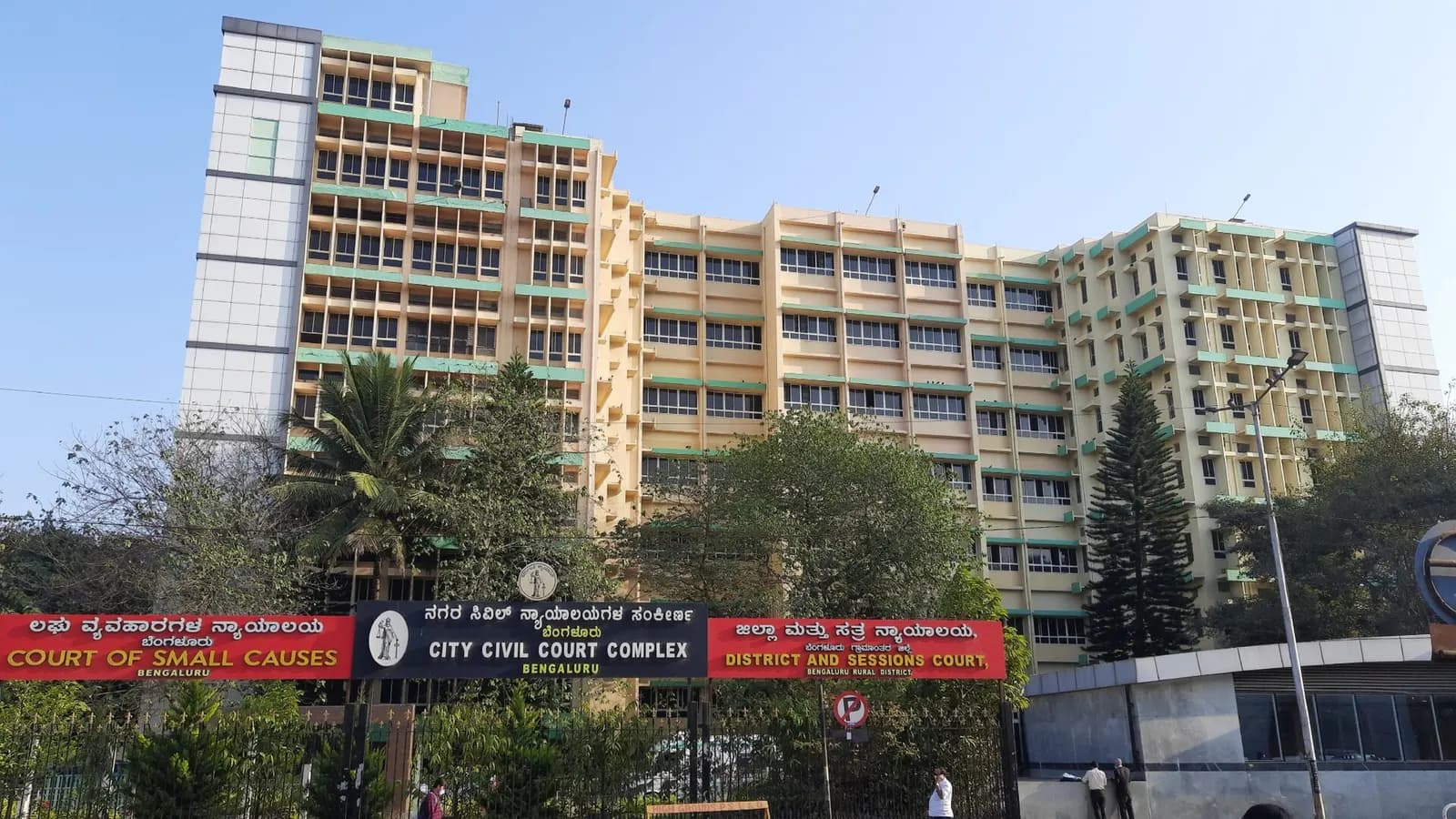
Under section 18, either party can refer a dispute about money due under section 17 to the Micro and Small Enterprises Facilitation Council. There are 161 councils across states and union territories. The process has two formal stages:
- Mediation (formerly conciliation). The council mediates itself or refers the case to an alternative dispute resolution centre. The Mediation Act, 2023 replaced conciliation with mediation in section 18. Many cases settle here once the buyer sees the interest bill.
- Arbitration. If mediation fails, the council arbitrates or refers the case to an arbitration institution. The Arbitration and Conciliation Act, 1996 applies as if there were an arbitration agreement, so the award can be enforced like a decree.
The Act says every reference must be decided within 90 days of the reference. In practice, Samadhaan's own numbers show heavy backlogs. Push for hearing dates and keep your documents complete to avoid adjournments.
Challenging an award. Section 19 bars any court from hearing a buyer's application to set aside an award unless the buyer first deposits 75% of the awarded amount. The court may release part of that to the supplier while the case is pending. This deposit rule is one of the strongest features of the MSMED route.
Limitation. The Supreme Court held in Silpi Industries that the Limitation Act applies to MSEFC arbitration. Do not let invoices age: file well within three years of the payment falling due.
How to file a delayed-payment case online
New cases go on the MSME ODR Portal. The portal adds a voluntary, judge-free stage before the council: a Digital Guided Pathway and Unmanned Negotiation, in which the buyer can settle online. If that fails, the case moves to the MSEFC stage for mediation and then arbitration, with filings and hearings handled online.
Filing a delayed-payment case on the ODR portal
- 1
Check you qualify
You need a Udyam registration as a micro or small enterprise, dated before the supplies, and an unpaid amount past the 45-day (or 15-day) deadline.
- 2
Gather the evidence
Purchase order or contract, invoices, delivery challans or goods-received notes, e-way bills, the buyer's ledger confirmation if any, payment reminders and any written objections from the buyer.
- 3
Register on the ODR portal
Open the MSME ODR PortalOpen odr.msme.gov.in and sign up as a supplier. Keep your Udyam number and the mobile and email linked to it handy for verification.
- 4
Enter the buyer and invoice details
Add the buyer's name, address, PAN/GSTIN and contact details, then each unpaid invoice with its date, acceptance date and amount. Upload the documents.
- 5
Try the pre-MSEFC stage
The guided pathway and unmanned negotiation give the buyer a chance to pay or propose a settlement without a hearing.
- 6
Move to the Facilitation Council
If there is no settlement, the case goes to your state's MSEFC for mediation and, if needed, arbitration. Track status and attend hearings online.
Before filing, send a clear written demand. Our payment reminder generator produces one that cites the MSMED Act deadline and interest. Many buyers pay on receiving a notice that names the council and the 17.25% rate.
Why applications get rejected. Samadhaan's figures show more applications rejected than disposed. Common causes include a supplier that is a medium enterprise or trader, Udyam registration dated after the supplies, missing proof of delivery or acceptance, claims for amounts the buyer disputes in writing on quality, and cases filed in the wrong state. Check each before you file.
Before you file a delayed-payment case
0/8What the MSMED (Amendment) Act 2026 will change
Once notified, the amendment will strengthen recovery in several ways:
- TReDS for central PSUs. Every Central Public Sector Enterprise must settle MSME invoices through a TReDS platform, and states can extend this to their own PSUs and bodies. Invoices discounted on TReDS rose from ₹40,000 crore in 2022-23 to ₹3.47 lakh crore in 2025-26.
- Deadlines for each stage. Mediation must finish within 90 days of the first appearance. If it fails, the council must refer the case to arbitration within 30 days, and the award must come within 90 days of pleadings closing.
- Money while challenges are pending. If a buyer's application to set aside an award stays pending for more than six months, the court must release at least 50% of the awarded amount to the supplier. Mediated settlements can also be challenged only on the same deposit terms.
- Recovery as land revenue. Settlement agreements and awards under section 18 can be recovered as arrears of land revenue through the District Collector where the buyer's assets are.
- More councils and online mediation. States can set up several councils, and the Centre can create an online mediation and arbitration mechanism.
- Decriminalised disclosure lapses. A buyer that fails to disclose dues to MSEs in its accounts gets a warning first, then penalties.
Until the commencement notification is issued, councils apply the existing law. We will update this page when it is.
Delayed-payment recovery — MSMED Act now vs after the 2026 amendment
| Issue | In force today | After the 2026 amendment commences |
|---|---|---|
Payment deadline | Agreed date, max 45 days; else 15 days | Unchanged |
Interest | Compound, monthly rests, 3× the RBI bank rate | Unchanged |
Central PSU payments | Any mode | Must be settled through TReDS |
Mediation | No fixed time limit (overall 90 days for the reference) | 90 days from first appearance; arbitration referral within 30 days |
Arbitral award | Within the overall 90 days | Within 90 days of pleadings closing |
Challenge to award | 75% of the awarded amount deposit; court may release part | Same, plus at least 50% released if pending over six months |
Recovery | Execution as a court decree | Also as arrears of land revenue via the District Collector |
Payment deadline
- In force today
Agreed date, max 45 days; else 15 days
- After the 2026 amendment commences
Unchanged
Interest
- In force today
Compound, monthly rests, 3× the RBI bank rate
- After the 2026 amendment commences
Unchanged
Central PSU payments
- In force today
Any mode
- After the 2026 amendment commences
Must be settled through TReDS
Mediation
- In force today
No fixed time limit (overall 90 days for the reference)
- After the 2026 amendment commences
90 days from first appearance; arbitration referral within 30 days
Arbitral award
- In force today
Within the overall 90 days
- After the 2026 amendment commences
Within 90 days of pleadings closing
Challenge to award
- In force today
75% of the awarded amount deposit; court may release part
- After the 2026 amendment commences
Same, plus at least 50% released if pending over six months
Recovery
- In force today
Execution as a court decree
- After the 2026 amendment commences
Also as arrears of land revenue via the District Collector
The income-tax rule: section 43B(h), now section 37(2)(g)
Since financial year 2023-24, section 43B(h) of the Income-tax Act, 1961 has hit buyers who pay micro and small suppliers late. If a payment is made after the section 15 deadline, the buyer can deduct the expense only in the year it is actually paid, not in the year the liability arose. Unlike other section 43B items, paying before the return due date does not rescue the deduction for the earlier year. From tax year 2026-27, the same rule sits in section 37(2)(g) of the Income-tax Act, 2025, which replaced the 1961 Act from 1 April 2026. In a July 2026 Rajya Sabha reply, the Finance Ministry confirmed the rule applies only to micro and small enterprises, not to medium enterprises or traders, and that no change was proposed.
Example. A Gujarat trading company buys ₹10 lakh of packaging from a micro manufacturer on 1 February 2026, with no written credit terms. Payment is due within 15 days. On 31 March 2026 the invoice is still unpaid, and the buyer pays on 10 May 2026. The ₹10 lakh is disallowed for 2025-26 and allowed in tax year 2026-27 under section 37(2)(g). If the buyer's marginal tax rate is 25%, that means about ₹2.5 lakh of extra tax a year earlier, before surcharge and cess, plus the supplier's interest claim, which is never deductible. If the parties had agreed in writing to 45 days, the invoice would have fallen due on 18 March. It was unpaid by then, so the result is the same.
Section 22 adds a disclosure duty: buyers whose accounts must be audited must show principal and interest owed to MSE suppliers in their annual accounts. This is one reason buyers increasingly ask suppliers for their Udyam certificates.
Official links
- MSME ODR Portal (file new cases)Delayed-payment applications from October 2025
- MSME Samadhaan (statistics, old case status)Dashboards by state, buyer type and amount
- RBI FAQs on MSMEs45-day rule and interest
- RBI — current Bank RateUsed for the 3× interest calculation
- PIB — MSMED (Amendment) Bill 2026 explainerTReDS, timelines, recovery
- Udyam Registration portalRegister before you supply
What to do next
If you are owed money, work out the interest with our MSME delayed payment calculator, send a written demand, and file on the ODR portal if the buyer does not respond. If you are a buyer, run an ageing report of micro and small suppliers before 31 March each year, because every invoice past 45 days carries both 17.25% interest and a lost tax deduction. Suppliers without Udyam should register now, and our MSME certificate guide explains what the certificate proves.
This is general information, not legal or tax advice — confirm on the official source or with a professional.
Frequently asked questions
Samadhaan still shows case statistics and lets you track older applications, but it no longer takes new cases. Its home page tells suppliers to file every new delayed-payment application on the MSME ODR Portal (odr.msme.gov.in), which replaced it for filings from October 2025. Cases already filed on Samadhaan continue before the MSE Facilitation Council.
Under section 15 of the MSMED Act, the buyer must pay by the date agreed in writing, which cannot exceed 45 days from the day of acceptance or deemed acceptance. If there is no written agreement, payment is due within 15 days. The rule protects micro and small suppliers; medium enterprises and traders are not covered.
Section 16 entitles a micro or small supplier to compound interest with monthly rests at 3× the RBI bank rate, from the day after the payment fell due. With the Bank Rate at 5.75% from 7 October 2026, that works out to 17.25% a year. Contract terms cannot reduce this, and the buyer cannot claim the interest as a tax deduction.
A supplier that is a micro or small enterprise with a valid Udyam registration can file against any buyer in India: a company, firm, government department or PSU. The case goes to the Micro and Small Enterprises Facilitation Council of the state where the supplier is located. Register before you supply: courts have held that registration does not apply to supplies made before it.
The MSMED Act says every reference must be decided within 90 days, but in practice many councils take longer. Samadhaan's dashboard shows tens of thousands of cases still under consideration. The MSMED (Amendment) Act 2026 adds 90-day limits for mediation and for the arbitral award once pleadings close, once it is brought into force.
Section 43B(h) of the Income-tax Act, 1961 lets a buyer deduct a payment due to a micro or small supplier only when it is actually paid, if it is paid after the section 15 deadline. From tax year 2026-27 the same rule is in section 37(2)(g) of the Income-tax Act, 2025. Paying before the return due date does not restore the deduction for the earlier year.
Sources & verification
Figures on this page were checked against the sources below when it was last reviewed on 7 October 2026. Each rate and limit is stored once with its own official source and review date, and official update channels are monitored daily so changes are picked up. How we verify
- 1.MSME SAMADHAAN — Delayed Payment Monitoring System — Ministry of MSME · accessed 7 October 2026
- 2.MSME ODR Portal — Ministry of MSME · accessed 7 October 2026
- 3.MSMED Act 2006 — sections 2, 15, 16, 18, 19, 22, 23 (bare Act) — AdvocateKhoj (text of the MSMED Act, 2006) · accessed 7 October 2026
- 4.RBI FAQs — Micro, Small and Medium Enterprises (30 July 2025) — Reserve Bank of India · accessed 7 October 2026
- 5.Monetary Policy Statement 2026-27 — MPC resolution, 5–7 October 2026 — Reserve Bank of India · accessed 7 October 2026
- 6.The MSMED (Amendment) Bill, 2026 — Reforms for a growing MSME sector (11 Aug 2026) — PIB Research · accessed 7 October 2026
- 7.Bill Summary — MSMED (Amendment) Bill, 2026 — PRS Legislative Research · accessed 7 October 2026
- 8.MSMED (Amendment) Act, 2026 gets notified — Lexplosion · accessed 7 October 2026
- 9.From Delays to Discipline: Unlocking MSME Liquidity through Reforms — ICAI — The Chartered Accountant journal · accessed 7 October 2026
- 10.Finance Ministry clarifies section 43B(h) 45-day MSME payment rule (Rajya Sabha USQ 242, 21 July 2026) — TaxGuru · accessed 7 October 2026
- 11.Registration under MSMED Act and the SC ruling in Silpi Industries — IndiaCorpLaw · accessed 7 October 2026
MSMETOOLS is an independent platform and is not affiliated with any government agency, ministry or department.
Tools for this
MSME Delayed Payment Calculator (India)
Calculate interest owed on late payments under the MSMED Act.
WhatsApp Payment Reminder
Write polite, firm or final payment reminders.
Related guides
 MSME Act 2006 (2026): Sections, 45-Day Rule & 2026 AmendmentRead guide
 ZED Certification 2026: Bronze, Silver, Gold, Fees & SubsidyRead guide
 MSME Classification 2026: New Definition, Limits & ExamplesRead guide
 MSME Day 2026: 27 June, Theme, Launches & MSME FactsRead guide
Official links open the government site in a new tab.