 Starting & growing a business
How to Start a Real Estate Business in India (2026): Agent, Developer or Rental — RERA, GST and the Numbers
Start a real estate business in India in 2026: agent vs developer vs rental, RERA agent registration and fees by state, GST on brokerage, TDS and a worked ₹ example.
 Edited by Sumeet YadavFounder & editor, MSMETOOLS · fact-checked against official sources
Contents (10)
- 1. What is a real estate business? Three models compared
- 2. RERA agent registration: who needs it and how
- 3. Starting as a developer: what changes
- 4. GST and TDS for real estate businesses
- 5. Commission norms and how agents get paid
- 6. Marketing a new real estate agency
- 7. Worked example: an agent's first year in ₹
- 8. Documents to check before you put your name to a deal
- 9. Common mistakes new real estate businesses make
- 10. What to do next
"Real estate business" covers very different businesses in India: a one-person property agency in a Pune suburb, a builder putting up a G+4 building in Indore, and a family renting out shops in Ludhiana. Each needs different money, licences and skills. This guide explains the three main models, how to register as a RERA agent with state-wise fees, how GST and TDS work on brokerage and property deals in 2026, what agents typically earn, how to market a new agency, and a worked first-year ₹ example.
Quick answer
The cheapest way into real estate in India is brokerage: register a business, get RERA agent registration from your state authority, register for GST once commission income crosses ₹20 lakh, and build listings. Development needs land, building approvals and RERA project registration; rental needs capital to buy property. Brokerage is taxed at 18% GST.
RERA agent fee: e.g. ₹25,000 (Karnataka, individual), ₹10,000 (Maharashtra, individual)
Working without registration: penalty of ₹10,000 a day, up to 5% of the property's cost
Buyers deduct 1% TDS on property of ₹50 lakh or more — Form 141 from 1 April 2026
Commission norms (estimates): about 1–2% of sale value; about one month's rent on rentals
What is a real estate business? Three models compared
Brokerage (agent or property dealer). You bring buyers and sellers, or landlords and tenants, together and earn a commission. Capital needs are low — an office, a phone, listings, marketing and your RERA registration. Income is irregular, especially early on, and depends on local knowledge and trust. Many agents also act as channel partners for developers, selling new flats for a commission paid by the builder.
Development (builder or promoter). You acquire land, or enter a joint development agreement with a landowner, get plans sanctioned, build and sell. Margins can be large, but so are capital, approvals, construction risk and regulatory duties. Under the RERA Act most projects must be registered before you advertise or sell, and a share of buyers' money must be kept in a separate project account.
Rental (landlord or property manager). You own shops, flats, warehouses or PG accommodation and earn rent, or manage others' properties for a fee. It needs the most capital per rupee of income, but the income is steadier. A property-management business is a hybrid: low capital, fee income, but more day-to-day work.
Agent vs developer vs rental
| Point | Agent / broker | Developer | Rental owner |
|---|---|---|---|
Starting capital | Low — a few lakh for office and marketing | Very high — land and construction | High — property purchase |
Main licence | RERA agent registration | Building approvals + RERA project registration | Municipal and tax registrations |
Income pattern | Irregular, per deal | Lumpy, per project | Steady monthly rent |
GST | 18% on commission | 1% without ITC / 5% without ITC on under-construction homes | Residential rent to individuals is exempt; commercial rent taxable |
Biggest risk | Long dry spells | Delays, cost overruns, unsold stock | Vacancy and bad tenants |
Starting capital
- Agent / broker
Low — a few lakh for office and marketing
- Developer
Very high — land and construction
- Rental owner
High — property purchase
Main licence
- Agent / broker
RERA agent registration
- Developer
Building approvals + RERA project registration
- Rental owner
Municipal and tax registrations
Income pattern
- Agent / broker
Irregular, per deal
- Developer
Lumpy, per project
- Rental owner
Steady monthly rent
GST
- Agent / broker
18% on commission
- Developer
1% without ITC / 5% without ITC on under-construction homes
- Rental owner
Residential rent to individuals is exempt; commercial rent taxable
Biggest risk
- Agent / broker
Long dry spells
- Developer
Delays, cost overruns, unsold stock
- Rental owner
Vacancy and bad tenants
RERA agent registration: who needs it and how
The law. Section 9 of the Real Estate (Regulation and Development) Act, 2016 says no real estate agent may facilitate the sale or purchase of any plot, apartment or building in a RERA-registered project without registering with the state's Real Estate Regulatory Authority. Registration is granted for the whole state, you get a registration number that you must quote on every deal you facilitate, and it is valid for the period the state's rules set, after which you renew. If the authority neither raises deficiencies nor rejects your application within the prescribed time, you are treated as registered.
Your duties. Section 10 says a registered agent must not facilitate deals in unregistered projects, must keep prescribed books and records, must not make false or misleading claims about a project or about approvals, and must help buyers get all the documents they are entitled to at booking.
The penalty. Under section 62, an agent who works without registration or breaks section 10 can be fined ₹10,000 a day, up to 5% of the property's cost in the deal they facilitated. Developers registered with RERA increasingly refuse to pay commission to unregistered agents, so registration is also a commercial necessity.
Resale and rentals. Section 9 talks about units in real estate projects being sold by the promoter. A pure resale or rental broker is not directly within those words, but most serious agents register anyway: clients check, portals display it, and the line blurs as soon as you sell one new flat for a builder.
How to register as a RERA agent
- 1
Set up the business
Proprietorship, partnership, LLP or company. Get PAN, a current account and, if useful, free Udyam registration.
- 2
Complete any state training
Maharashtra requires agents to complete MahaRERA-approved training and pass an exam for a certificate of competency before registering. Check whether your state has a similar rule.
- 3
Apply on the state RERA portal
UP RERA — agent registrationFill the agent form (Form REA-I or the state equivalent) with PAN, Aadhaar, address proof, photographs, business registration documents and income tax returns where asked.
- 4
Pay the fee
Fees differ by state and by whether you apply as an individual or a firm — see the table below.
- 5
Quote your number everywhere
Put the RERA registration number on visiting cards, ads, listings, and every agreement and invoice.
Tip: Diary the renewal date — registration is time-limited.
RERA agent registration fees by state
| State | Individual | Other than individual | Where to check |
|---|---|---|---|
| Karnataka | ₹25,000 | ₹2 lakh | rera.karnataka.gov.in (official FAQ) |
| Maharashtra | ₹10,000 | ₹1 lakh | maharera.maharashtra.gov.in (rule 11(3), as published) |
| Haryana | ₹25,000 | ₹2.5 lakh | haryanarera.gov.in (rule 9, as published) |
| Other states | Set by state rules | Set by state rules | Your state RERA portal — fee calculator or rules |
The Karnataka figures come from the authority's own FAQ; the Maharashtra and Haryana figures are from the state rules as reproduced by professional publishers, because the authorities' websites were not reachable when we checked in October 2026. Note how the categories differ: Maharashtra treats a sole proprietorship as an individual, while Haryana's rule as published puts proprietorship firms in the higher "other than individual" band. Confirm on the state portal before paying.
Starting as a developer: what changes
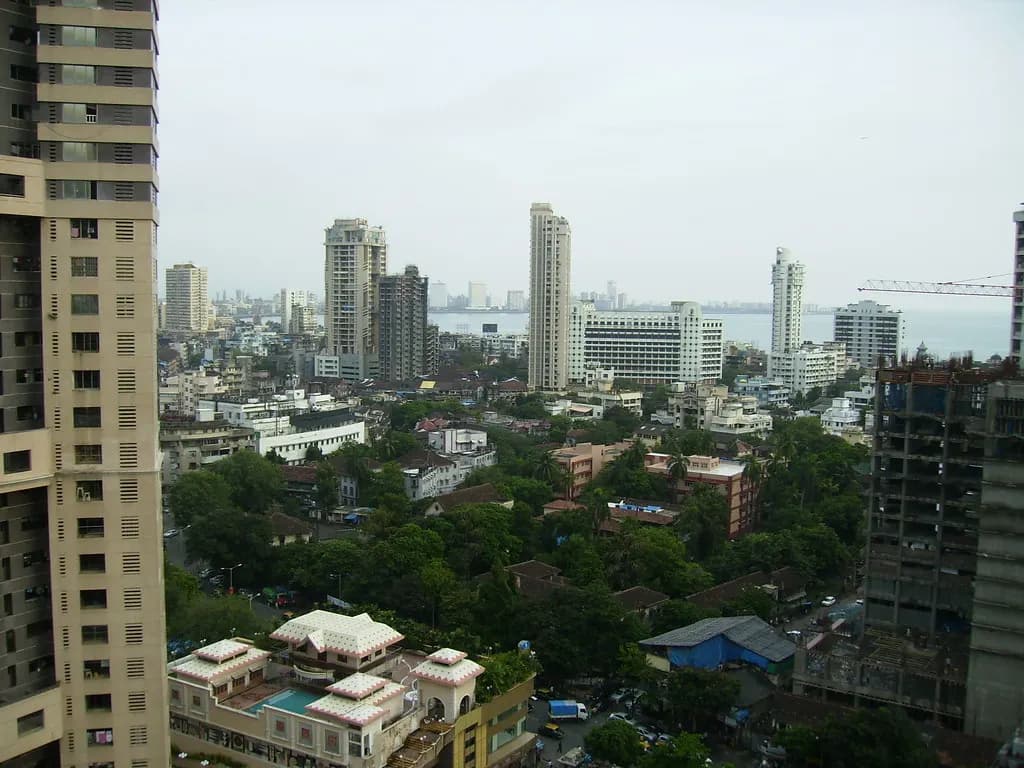
A developer — a "promoter" in RERA's language — carries far more obligations than an agent. Under section 3 of the RERA Act, a project must be registered with the authority before it is advertised, marketed, booked or sold, unless the land is no more than 500 sq m or 8 apartments including all phases (states can set a lower limit). Registration requires approved plans, title documents and a declaration that a share of buyers' money — 70% under the Act — will go into a separate account used only for that project's land and construction.
Before RERA you also need the local approvals: land-use conversion where required, a sanctioned building plan, environmental clearance for larger projects, and the commencement and completion certificates from the planning authority. Many first-time developers start through a joint development agreement, where a landowner contributes land in exchange for a share of the built units, so less cash goes into land.
GST for developers. Under-construction residential flats attract 1% without ITC on affordable housing (carpet area within the prescribed limits and value up to ₹45 lakh) and 5% without ITC on other homes — both without input tax credit. The sale of a completed building after the completion certificate, and the sale of land, are outside GST, though stamp duty applies. The no-credit rule means GST on cement, steel and contractors is a cost, so build it into your price.
GST and TDS for real estate businesses
GST on brokerage. Commission and brokerage on property deals are services taxed at 18%. Register once your aggregate turnover — total commission, not the property's value — crosses ₹20 lakh (₹10 lakh in special category states). Once registered, add GST to every commission invoice; corporate and developer clients will usually want your GSTIN anyway. See our GST registration guide and use the GST calculator for invoices.
TDS on your commission. Clients who are required to deduct TDS — developers, companies and businesses with a TAN — deduct 2% on commission once payments to you cross ₹20,000 in a year (old section 194H, now within section 393 of the Income-tax Act 2025). Check that it appears in your Form 26AS/AIS and claim it in your return.
TDS on the property price. When someone buys a property other than agricultural land for ₹50 lakh or more (on the higher of price and stamp duty value), the buyer must deduct 1% and deposit it under their PAN. For deals from 1 April 2026 the challan-cum-statement is Form 141, replacing Form 26QB; no TAN is needed. Remind buyers early — a missed deduction leads to interest and notices, and sellers want the TDS certificate. Our guide to what TDS is covers the new section numbers.
Rental income. Renting a home to someone for use as their residence is exempt from GST; renting commercial property is taxable at 18% once the landlord is registered. Rent is taxed in your hands as income from house property, and tenants who are businesses may deduct TDS on rent above the threshold.
Real estate tax and RERA numbers (2026)
18%
GST on brokerage
1%
Buyer's TDS on property
At ₹50 lakh or more — Form 141
2%
TDS on commission
Above ₹20,000 a year
₹10,000/day
RERA penalty for unregistered agents
Up to 5% of the property's cost
Commission norms and how agents get paid
No law fixes brokerage in India. Commission is whatever you agree with the client, and it varies by city, deal size and segment. Industry sources commonly report about 1–2% of the sale value on resale deals, often charged to both buyer and seller, and roughly 15 days' to one month's rent on rentals, sometimes from both landlord and tenant. On new projects, the developer usually pays a channel-partner commission negotiated per project and buyers often pay nothing. Treat all of these as estimates.
Put the terms in writing before you show a property: the rate, who pays, when it becomes due (token, agreement for sale, or registration), and what happens if the deal falls through. Disputes over "who introduced the buyer" are the most common way agents lose fees. A simple mandate letter signed by the seller or landlord, and a visit log signed by each buyer you show the property to, settles most arguments.
Marketing a new real estate agency
Pick a micro-market. Agents who try to cover a whole city struggle. Choose a few neighbourhoods, learn every society, rate and owner there, and become the person people call.
List widely, but own your leads. Property portals bring enquiries, but build your own WhatsApp lists, Google Business Profile and website so you're not paying for every lead forever. Quote your RERA number in every ad.
Content that proves knowledge. Short videos walking through a flat, a weekly post on rents in your area, or a simple guide to stamp duty and registration in your city build trust faster than generic ads.
Partnerships. Housing finance executives, CAs, interior designers and society secretaries all hear about moves before portals do. Referral fees should be agreed openly and shown in your books.
A name and brand you can protect. Check that your agency name is free before printing boards; our business name generator and trademark guide help.
Worked example: an agent's first year in ₹
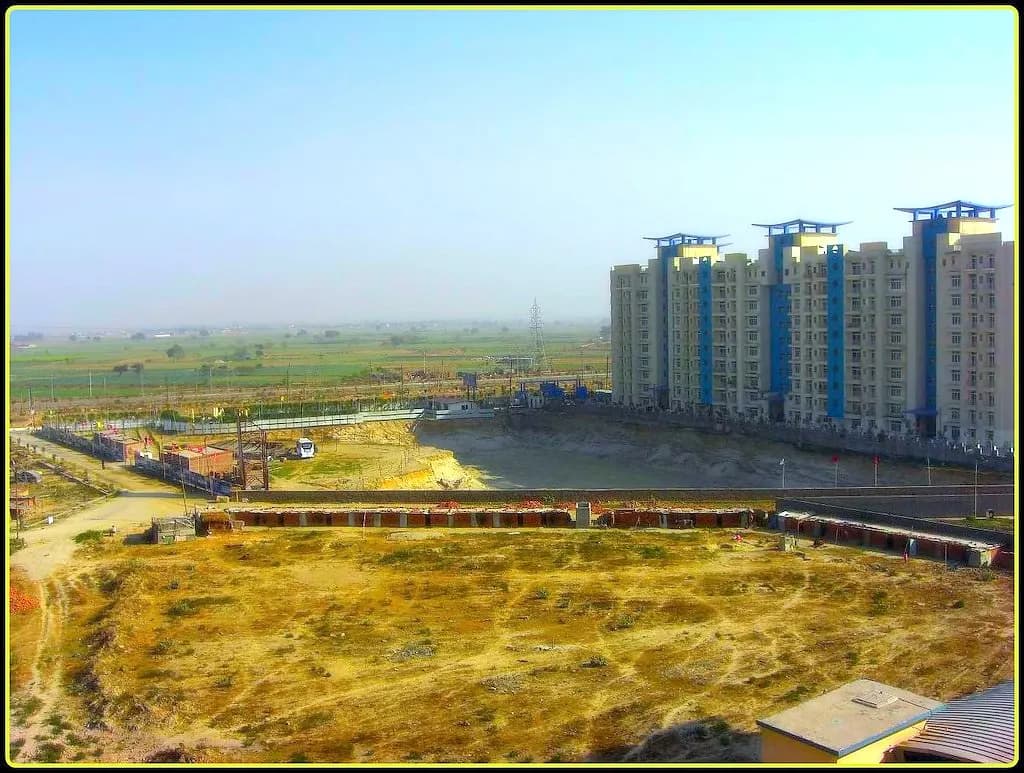
Priya sets up a property agency in a Pune suburb as a proprietorship and registers with MahaRERA after completing the training. Her plan for year one, with every figure an assumption:
Income
- 12 resale deals at an average of ₹80 lakh, 1% from each side: 12 × ₹1,60,000 = ₹19,20,000
- 30 rental deals at one month's rent averaging ₹25,000: ₹7,50,000
- Total commission: ₹26,70,000
GST. Her turnover passes ₹20 lakh early in the year, so she registers and adds 18% to each invoice from then on. GST is collected from clients and paid to the government — it isn't her income — but she must price knowing that some individual clients see the GST as an extra cost.
Costs
- Office rent: ₹30,000 a month = ₹3,60,000
- Two field associates at ₹20,000 a month: ₹4,80,000
- Portal subscriptions and online ads: ₹2,40,000
- Travel and fuel: ₹1,20,000
- Registration renewals, accounting, phone and sundries: ₹50,000
- Total: ₹12,50,000
Profit before tax: about ₹14,20,000. Two developer clients deducted 2% TDS on commission; she claims that credit in her return. On one ₹85 lakh resale, she reminded the buyer to deduct 1% — ₹85,000 — and file Form 141 within the deadline, which kept the registration on schedule.
The lesson isn't the profit figure; it's the cash flow. Deals cluster around festivals and the financial year-end, and commission may arrive months after you start work. Plan for six months of costs in the bank before you leave a salaried job. If you buy rental property instead, our rental yield calculator shows what rent you need to justify the price.
Real estate agency setup checklist
0/8Documents to check before you put your name to a deal
An agent's reputation rests on the properties they bring to clients. Before you list a property or take a buyer to see it, ask the owner for the documents a careful buyer's lawyer and bank will ask for later. Finding a problem at the listing stage costs you nothing; finding it after the token money has changed hands costs you the commission and the client's trust.
For a resale flat or house, that usually means the registered sale deed or other title document, the chain of earlier deeds for a reasonable period, an encumbrance certificate from the sub-registrar showing no mortgages or charges you don't know about, recent property tax and utility receipts, and the society's share certificate and no-objection letter where the society requires one. If the building is newer, ask for the occupancy or completion certificate and the sanctioned plan, because banks often refuse loans without them.
For a new project, check the RERA registration number on the state authority's website, see whether the project's quarterly updates are current and whether there are complaints or orders against the promoter. For land, check the land records and whether the land use permits what the buyer intends to do. None of this makes you the buyer's lawyer, and you should say so, but an agent who spots a missing document early closes more deals and loses fewer.
Common mistakes new real estate businesses make
- Selling units in unregistered projects. Section 10 bars it, and buyers' complaints land on the agent as well as the builder.
- No written commission agreement. Verbal deals are the main source of unpaid fees.
- Ignoring GST until a notice arrives. Once commission income crosses the threshold, register and invoice properly.
- Not advising buyers on TDS. A missed 1% deduction delays deals and damages your reputation.
- Overstating approvals or amenities. Misleading claims are an unfair trade practice under section 10 and can cost you your registration.
- Starting development too early. Most successful developers spent years as agents or contractors first. Land title, approvals and construction cash flow are unforgiving.
What to do next
Decide which model fits your capital and experience — for most people that means starting as an agent. Register the business, apply for RERA agent registration in your state, and prepare a commission agreement before your first viewing. Plan your GST registration, learn the TDS rules your clients will ask about, and use the startup cost calculator to work out how much runway you need.
This is general information, not legal or tax advice — confirm on the official source or with a professional.
Frequently asked questions
A real estate business earns money from land and buildings. In India the three common models are brokerage (acting as an agent between buyers, sellers, landlords and tenants for a commission), development (buying land, building and selling plots, homes or shops) and rental (owning property and earning rent). Brokerage needs the least capital; development needs the most capital and approvals.
Section 9 of the RERA Act requires an agent to register with the state authority before facilitating the sale of any plot, apartment or building in a RERA-registered project. Many agents also deal in resale and rentals, which the section does not cover directly, but most state authorities and developers expect registration. The penalty for working unregistered is ₹10,000 a day, up to 5% of the property's cost.
Each state sets its own fee. Karnataka charges ₹25,000 for an individual and ₹2 lakh for others. Maharashtra's rules set ₹10,000 for individuals and ₹1 lakh for others, and Haryana's ₹25,000 and ₹2.5 lakh. Check your state RERA portal before applying, since fees and renewal terms differ.
Yes. Brokerage and commission are services taxed at 18%. You must register for GST once your aggregate turnover crosses ₹20 lakh (₹10 lakh in special category states). Developers selling under-construction homes pay 1% without ITC on affordable housing and 5% without ITC on other homes.
There is no legal rate. Commonly reported norms are about 1–2% of the sale value on resale deals, often from each side, and roughly 15 days' to one month's rent on rentals. Developers pay channel partners a negotiated commission on new projects. Put the rate and who pays it in a written agreement before showing the property.
The buyer. When the price or stamp duty value of a property other than agricultural land is ₹50 lakh or more, the buyer deducts 1% and deposits it using a challan-cum-statement under their PAN — Form 141 for deals from 1 April 2026, replacing Form 26QB. No TAN is needed. Agents should remind buyers, because missed TDS delays registration and creates notices.
Sources & verification
Figures on this page were checked against the sources below when it was last reviewed on 7 October 2026. Each rate and limit is stored once with its own official source and review date, and official update channels are monitored daily so changes are picked up. How we verify
- 1.The Real Estate (Regulation and Development) Act, 2016 — Karnataka Real Estate Regulatory Authority (Act text) · accessed 7 October 2026
- 2.Karnataka RERA — Frequently Asked Questions — Karnataka Real Estate Regulatory Authority · accessed 7 October 2026
- 3.TDS Compliance — e-Filing help — Income Tax Department · accessed 7 October 2026
- 4.UP RERA — agent registration and fee calculator — Uttar Pradesh Real Estate Regulatory Authority · accessed 7 October 2026
- 5.Prescribed fees for agent registration for proprietary firm under MahaRERA — TaxGuru · accessed 7 October 2026
- 6.Documents and fees required for RERA agent registration in Haryana — TaxGuru · accessed 7 October 2026
- 7.MahaRERA agent registration: step-by-step — RERAExam · accessed 7 October 2026
- 8.What is real estate broker commission? — NoBroker · accessed 7 October 2026
- 9.TDS on purchase of immovable property — section 194-IA / 393 — TDS Guru · accessed 7 October 2026
MSMETOOLS is an independent platform and is not affiliated with any government agency, ministry or department.
Tools for this
Rental Yield Calculator
Calculate gross and net rental yield.
Startup Cost Calculator
Estimate how much capital you need to launch.
Business Name Generator
Find unique business names.
GST Calculator (India)
Calculate GST for your sales and purchases with current rates.
Related guides
 Interior Design Business in India 2026: GST, Pricing & P&LRead guide
 Hardware Shop Business Plan 2026: Cost, GST & MarginsRead guide
 How to Sell on Meesho in 2026: GST, Fees & Real MarginsRead guide
 Dropshipping Business in India 2026: GST, Rules & MarginsRead guide
Official links open the government site in a new tab.